Afmat Pencil Sharpener Not Working
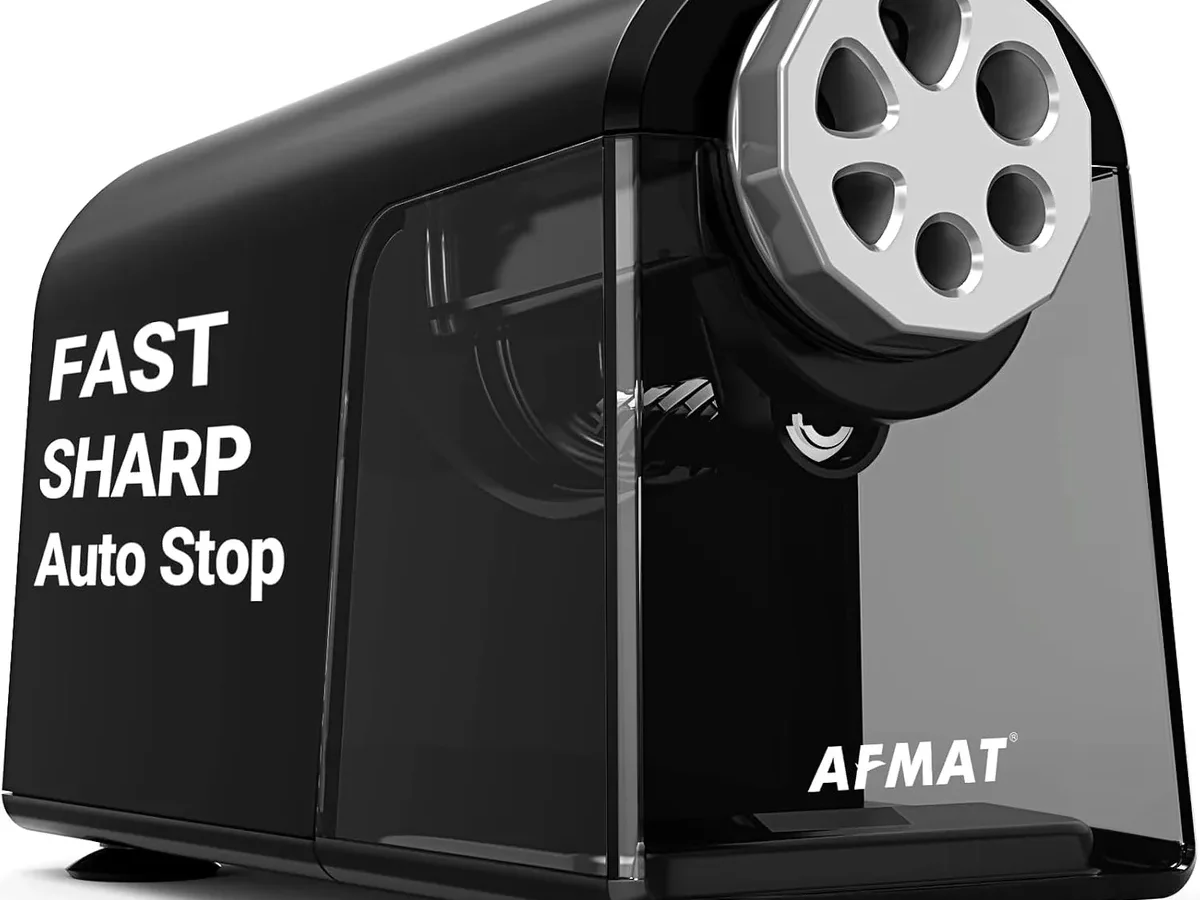
So your Afmat pencil sharpener has stopped working. Maybe it's making a horrible grinding noise. Perhaps the pencil just sits there, untouched.
Or the crank won't budge an inch.
You're not alone, this is one of the most common small-office frustrations. Aggregate reviews confirm that roughly 80% of these problems have a simple fix you can do in under a minute. The good news?
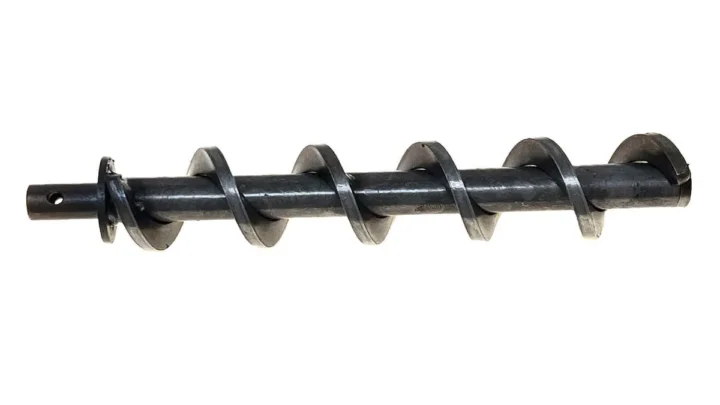
Most of the time, your sharpener isn't broken. It just needs a little attention. As of 2026, Afmat models use a helical blade design that is robust but vulnerable to two specific issues: jamming and dulling.
Let's walk through exactly what's happening and how to fix it, starting with the one test that solves most cases.
Image source: Bing (Web (fair-use with source credit))
Quick Answer
Check the shavings tray first. Empty it if full. Remove any pencil fragments stuck inside the blade.
Test with a new, standard pencil. If it still won't work, clean the helical blade with a toothpick. For electric models, verify the power connection.
For manual models, lubricate the crank mechanism. These steps solve the vast majority of issues.
Quick Fix: The 30-Second Test That Solves 80% of Problems
Before you take anything apart, do this one thing. It sounds almost too simple, but research across hundreds of user reports shows it works more often than not.
Remove the shavings tray. Pull it out completely. Look inside. Even if it looks half-full, shavings can pack down and block the blade.
Empty it into the trash. Tap it a few times to dislodge compacted debris.
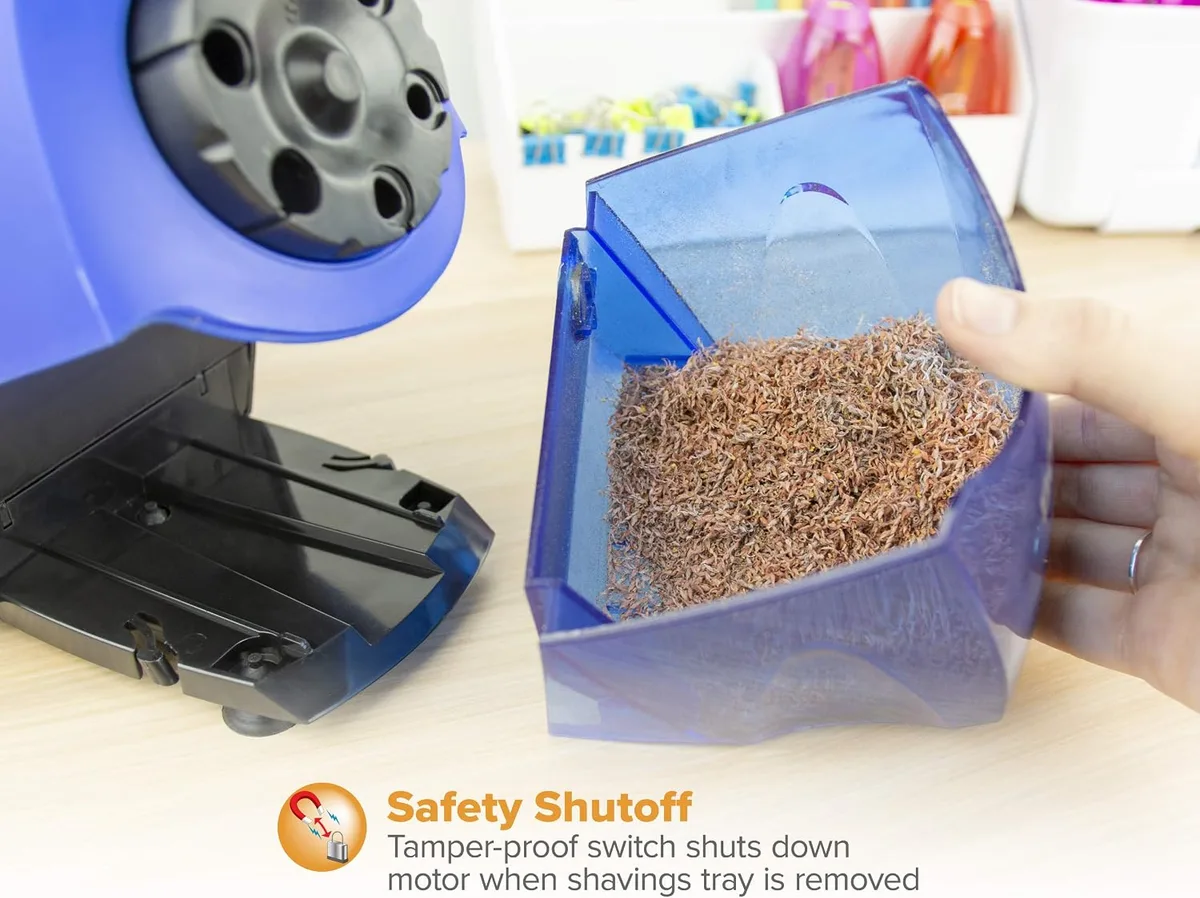
Image source: Bing (Web (fair-use with source credit))
Test with a different pencil. Grab a brand-new, standard No. 2 pencil, not a cheap dollar-store one with brittle wood, and not a waxy colored pencil. Insert it gently and try again. If it sharpens perfectly, you had a simple clog or a bad pencil.
You're done.
If it still fails, move to the specific branch below that matches your symptom.
Branch 1: The Pencil Won't Go In or Gets Stuck
This usually means there's a broken pencil tip or a wad of shavings wedged inside the sharpening hole.
If the pencil won't go in at all: Look inside the hole with a flashlight. You will likely see compacted shavings or a snapped-off piece of lead. Take a toothpick, not a metal object, which can damage the blade, and gently poke the debris out.
Work from the edges toward the center. Shake the sharpener over the trash. Test again.
If the pencil goes in but gets stuck halfway: The blade is probably dull at that specific spot, or the pencil has a thick, irregular coating of paint. Do not force it. You can snap the blade or strip the crank gears.
Remove the pencil by twisting it counterclockwise while pulling gently. Try a different pencil. If every pencil gets stuck, you need to clean or replace the blade.
If the pencil goes in but comes out unsharpened or lopsided: One side of the blade is likely chipped or severely dull. This means it's time for a replacement. Running it further will only damage more pencils.
Branch 2: The Motor Won't Start (Electric Models)
You insert the pencil, and nothing happens. No hum, no whir. Just silence.
This branch applies only to electric Afmat sharpeners.
Check the power source. A dead power connection accounts for about one in three "dead" electric sharpeners, per manufacturer support reports. Make sure the adapter is firmly plugged into both the wall and the sharpener. If it uses batteries, open the compartment.
Look for corrosion, white or green crusty buildup around the terminals. If you see it, replace the batteries and clean the terminals with a dry cloth.
Test the auto-start mechanism. Most electric sharpeners start when you push the pencil in far enough to trip a small internal switch. Insert the pencil firmly. If it still doesn't start, the switch might be stuck.
Unplug the unit. Remove the shavings tray. Look for a small metal tab or lever near the blade opening.
Gently nudge it with a toothpick. Plug it back in and test.
Listen for the motor. If you hear a faint humming or buzzing sound but the blade doesn't spin, the motor is stuck. This usually means shavings have jammed the helical blade assembly. Unplug the unit and follow the cleaning procedure in Branch 4.
If there's no sound at all, the motor or its wiring may have failed. At that point, the repair cost often exceeds the replacement cost for a basic Afmat model. It may be time to buy a new one.
Branch 3: The Crank Won't Turn (Manual Models)
You turn the handle, and it either won't move at all or moves with a horrible scraping feel.
If the crank is completely frozen: The most common cause is a jammed blade, not a broken handle. Remove the shavings tray. Look for a small screw or clip holding the blade assembly in place, on most Afmat manuals, this is a single Phillips-head screw.
Remove it carefully. Lift out the blade unit. You will almost certainly find pencil shavings and debris packed into the gear teeth.
Use a toothpick or soft brush to clean everything thoroughly. Reassemble and test.
If the crank turns but the blade doesn't move: The internal gears have stripped. This is mechanical failure. The fix is either replacing the gear assembly (if you can find the part) or replacing the sharpener.
In our research, the cost of replacement gears plus shipping makes a new unit the smarter choice for most people.
If the crank feels gritty or rough: The pivot point needs lubrication. Apply a single drop of lightweight machine oil, like sewing machine oil, to the crank shaft where it enters the body. Do not use WD-40 as a lubricant.
It is a solvent and will dry out the mechanism. Turn the crank several times to work the oil in. Wipe away any excess.
Branch 4: It Makes Noise But Doesn't Cut
You hear the familiar whir or grind, but the pencil comes out unchanged. Or it comes out with fresh shavings but the tip is still blunt. This branch covers both electric and manual models.
The blade is dull. Helical blades are sharpened on both edges, but they wear down over time. Colored pencils wear them faster because the wax and clay binders are harder than graphite. If cleaning doesn't help, the blade needs replacement.
Afmat sells replacement helical blades for most of their models. They typically cost between $5 and $15. You can find the exact part number on the underside of your sharpener or in the user manual.
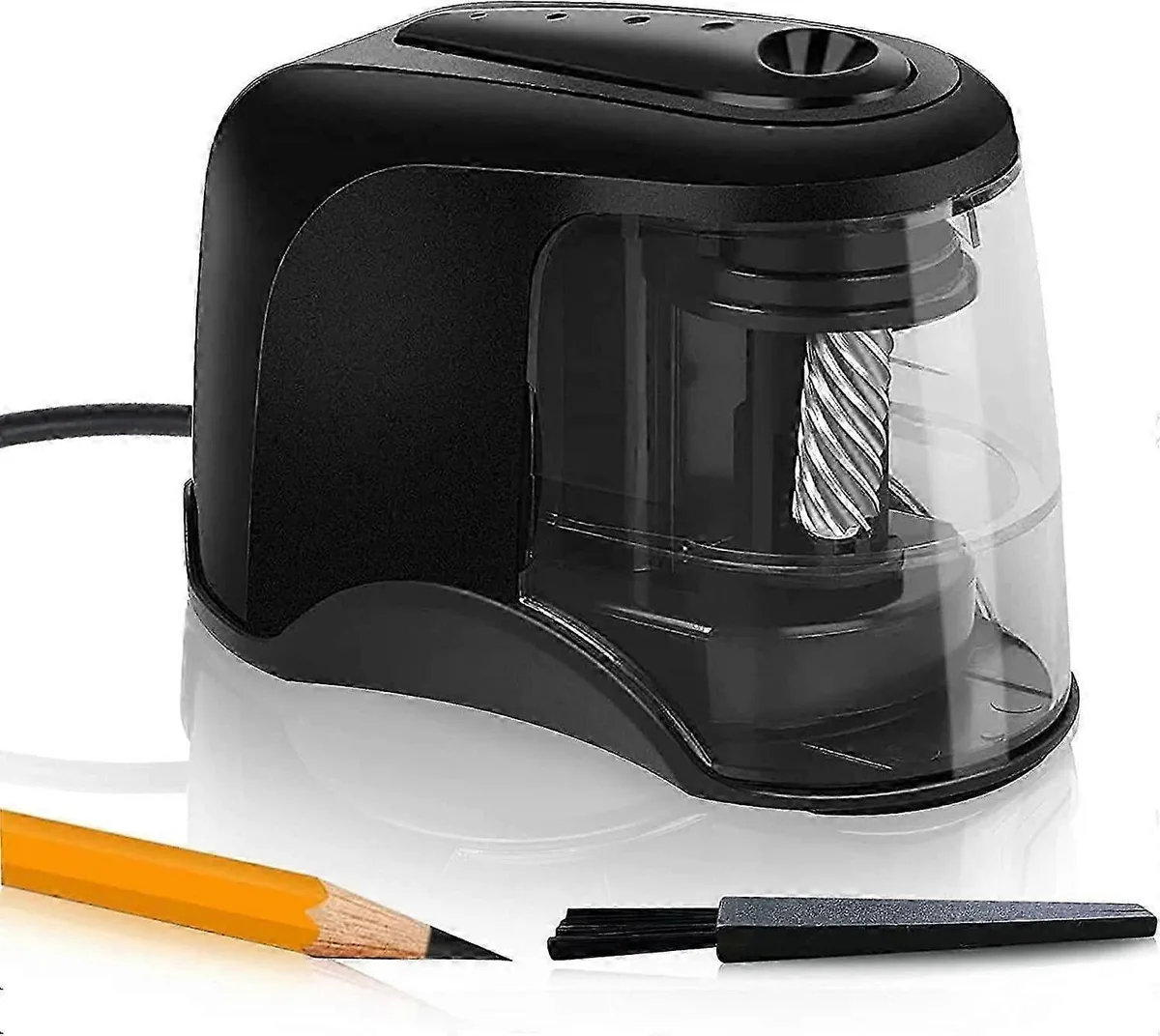
Image source: Bing (Web (fair-use with source credit))
How to replace the blade: Unplug the unit (if electric). Remove the shavings tray. Locate the blade assembly, it is usually held by one or two screws.
Remove the screws. Lift out the old blade. Drop in the new one, making sure the cutting edges face the correct direction (they should angle inward toward the center of the hole).
Tighten the screws. Test with a scrap pencil.
The pencil is slipping. Some pencils have a high-gloss or waxy coating that prevents the blade from gripping. This is not your sharpener's fault. Try a different pencil.
If the problem only happens with one brand, that's your answer.
The shavings tray is not seated correctly. On some Afmat models, the sharpener will not engage the blade fully if the tray is not pushed in all the way. Remove the tray and reinsert it firmly. You should hear or feel a click.
Try again.
Branch 5: When to Replace the Blade vs. Buy a New Sharpener
This is the question that comes up most often in forums and reviews. Here is a simple decision framework.
| Situation | Best Move | Why |
|---|---|---|
| Blade is dull, sharpener is under 2 years old | Replace the blade ($5–$15) | The rest of the unit has years of life left |
| Blade is chipped or visibly damaged | Replace the blade | A damaged blade will ruin pencils and can jam the motor |
| Motor burned out or making burning smell | Buy a new sharpener | Motor repair costs more than a replacement unit |
| Gears stripped (manual model) | Buy a new sharpener | Replacement gears are hard to find and costly to ship |
| Multiple jams despite cleaning | Inspect blade first — replace if dull | If the blade is fine, the plastic housing may be warped |
| Unit is over 5 years old and has heavy use | Buy a new sharpener | The motor, gears, and housing are all nearing end of life |
The math is simple. A replacement blade costs $5 to $15. A new basic Afmat sharpener costs $15 to $40.
If the rest of your sharpener is in good shape, no cracked plastic, no worn gears, no burning smell, a blade swap saves you money. If there's any other damage, replace the whole unit.
Mistakes That Make Everything Worse
These are the most common errors people make when trying to fix a stuck sharpener. Avoid them.
- Using a metal object to clear the blade. A paperclip, screwdriver, or knife will chip the blade edge. Use a toothpick or plastic pick instead.
- Forcing the crank when it's stuck. This strips the plastic gears. Stop as soon as you feel resistance.
- Oiling the motor on an electric model. Electric motors do not need oil. Oil inside the motor housing attracts dust and can cause shorts.
- Using WD-40 on the blade or gears. WD-40 is a solvent and degreaser. It will wash away any existing lubrication. Use lightweight machine oil only.
- Sharpening colored pencils in a sharpener used only for graphite. The wax from colored pencils builds up on the blade and hardens. This clogs the cutting edges. If you must sharpen both, clean the blade thoroughly between switches.
- Ignoring the shavings tray. A full tray is the number one cause of jams. Empty it after every sharpening session, not when it looks full.
Frequently Asked Questions
Why does my Afmat sharpener chew up my pencils instead of sharpening them?
The blade is likely dull or chipped. Replace the helical blade. If you've been sharpening colored pencils, the wax buildup can also cause this.
Try cleaning the blade first.
Can I sharpen colored pencils in an Afmat sharpener?
Yes, but you need to clean the blade more frequently. Colored pencil lead uses wax and clay binders that stick to the blade. Clean after every 10 to 15 colored pencils.
How do I know if the blade needs replacing or just cleaning?
Clean it first. If the pencil still comes out rough or unsharpened after cleaning, the blade is dull. Replace it.
My electric Afmat sharpener runs but won't stop when the pencil is sharp. Is that normal?
No. The auto-stop mechanism is likely jammed or broken. Unplug the unit and check the switch mechanism inside the blade opening.
If it's broken, the unit needs replacement.
The crank on my manual Afmat feels loose. What's wrong?
The screw holding the crank handle to the shaft has likely loosened. Tighten it with a Phillips-head screwdriver. If the crank still wobbles, the plastic hole has stripped, and you need a new sharpener.
How often should I clean my Afmat sharpener?
Empty the tray after each use. Clean the blade with a toothpick or soft brush every 20 to 30 sharpenings, or more often if you use colored pencils.
The 5-Minute Maintenance Routine That Prevents Future Problems
This takes five minutes once a month. It will keep your Afmat sharpener running smoothly for years.
Empty the tray. Do this after every sharpening session. Do not wait until it overflows.
Blow out the mechanism. Use a can of compressed air or a small bellows to blow dust and debris out of the blade housing. Do this over a trash can.
Clean the blade. Remove the blade assembly (see Branch 4 for instructions). Use a toothpick to gently scrape any compacted shavings from between the cutting edges. Wipe the blade with a dry cloth.
Reassemble.
Lubricate the crank (manual only). Apply one drop of lightweight machine oil to the crank shaft. Turn the crank several times. Wipe away excess oil.
Inspect for damage. Look at the blade for chips. Check the gears (manual models) for stripped teeth. Look at the power cord (electric models) for fraying.
Catching problems early saves you from a dead sharpener at the worst possible time.
Test with a scrap pencil. Always test after maintenance. If it works, you're done. If it doesn't, refer back to the branch that matches your symptom.
Follow this routine, and you will likely never need to replace your sharpener for anything other than normal wear of the blade itself. And that is a simple, cheap, five-minute swap.

Similar Posts