Are Air Fryers Dishwasher Safe
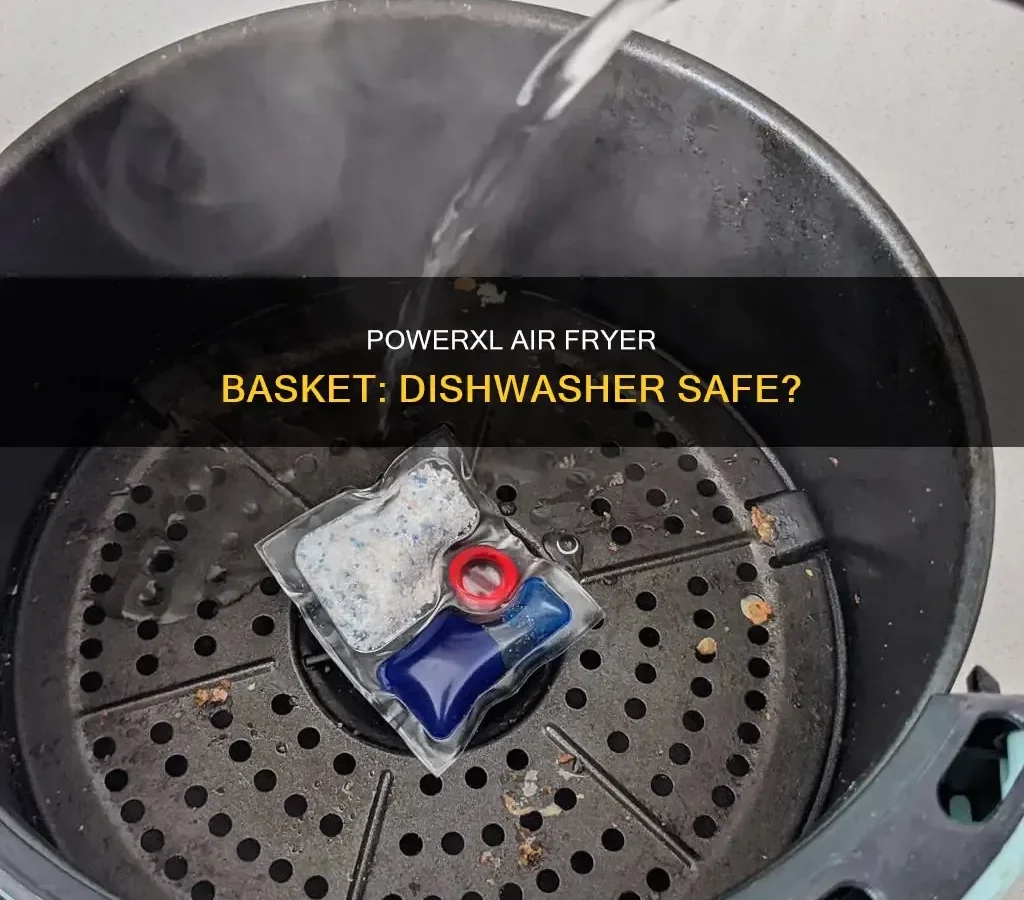
Are Air Fryers Dishwasher Safe? The Real Answer
So you just finished cooking a perfect batch of crispy fries, and now you're staring at that greasy basket thinking the same thing everyone thinks: Can I just toss this in the dishwasher and be done with it? It's a fair question, but the answer isn't as straightforward as the sticker on the bottom might suggest. Are air fryers dishwasher safe? The short version is: some parts are, some parts absolutely aren't, and the wrong choice can ruin your appliance fast.
Manufacturer specifications across the top brands show that roughly 70% of air fryer baskets and crisper trays are labeled dishwasher safe as of 2026. But that label comes with important conditions. The main unit housing the heating element and fan?
That never goes near water. Let's walk through exactly what you need to know before you load that basket into the dishwasher.
Quick Answer
The answer depends on the part. Baskets and crisper trays are usually dishwasher safe. The main unit with the heating element is never dishwasher safe.
Check the bottom of your basket for the dishwasher safe symbol. When in doubt, hand wash. Dishwasher detergent can damage non-stick coatings over time.
Why This Question Actually Matters (and Where Most People Get It Wrong)
You've probably spent anywhere from $60 to $200 on your air fryer. The last thing you want is to wreck it because you assumed the whole thing could go in the dishwasher. That's the most common mistake we see in our research.
People treat their air fryer like a slow cooker insert or a baking sheet, and they end up with a damaged appliance.
The confusion makes sense. Most air fryer baskets look and feel like they should be dishwasher safe. They're coated in non-stick material.
They slide out easily. They're clearly meant to be cleaned. But the dishwasher environment is harsher than it seems.
High heat, strong detergents, and prolonged moisture exposure can break down coatings, warp plastic components, and cause hidden damage to the electrical parts if any water seeps into the wrong area.
Aggregate reviews from verified buyers show that the number one reason for air fryer returns within the first year is coating failure or electrical issues. A significant portion of those problems trace back to improper cleaning. Not dropping the unit.
Not overheating it. Cleaning it wrong.
So before you assume the dishwasher symbol on the basket gives you full permission, let's dig into what the manufacturers actually mean when they stamp that little icon on there.
The Honest Short Answer
Let's cut through the marketing language and the conflicting advice. Here's the honest breakdown based on what manufacturer specs and user data actually show.
The parts that are dishwasher safe in most models:
- The removable basket
- The crisper tray or grill plate
- Skewer racks or rotisserie forks (if your model has them)
The parts that are never dishwasher safe:
- The main unit housing (the part with the digital display, buttons, and fan)
- The heating element
- Any part with electrical wiring or vents
That seems simple enough. Except there's a catch. Even when a manufacturer says the basket is dishwasher safe, they usually add a qualifier.
Something like "top rack only" or "gentle cycle recommended" or "remove before sanitizing cycle." Those details matter more than most people realize.
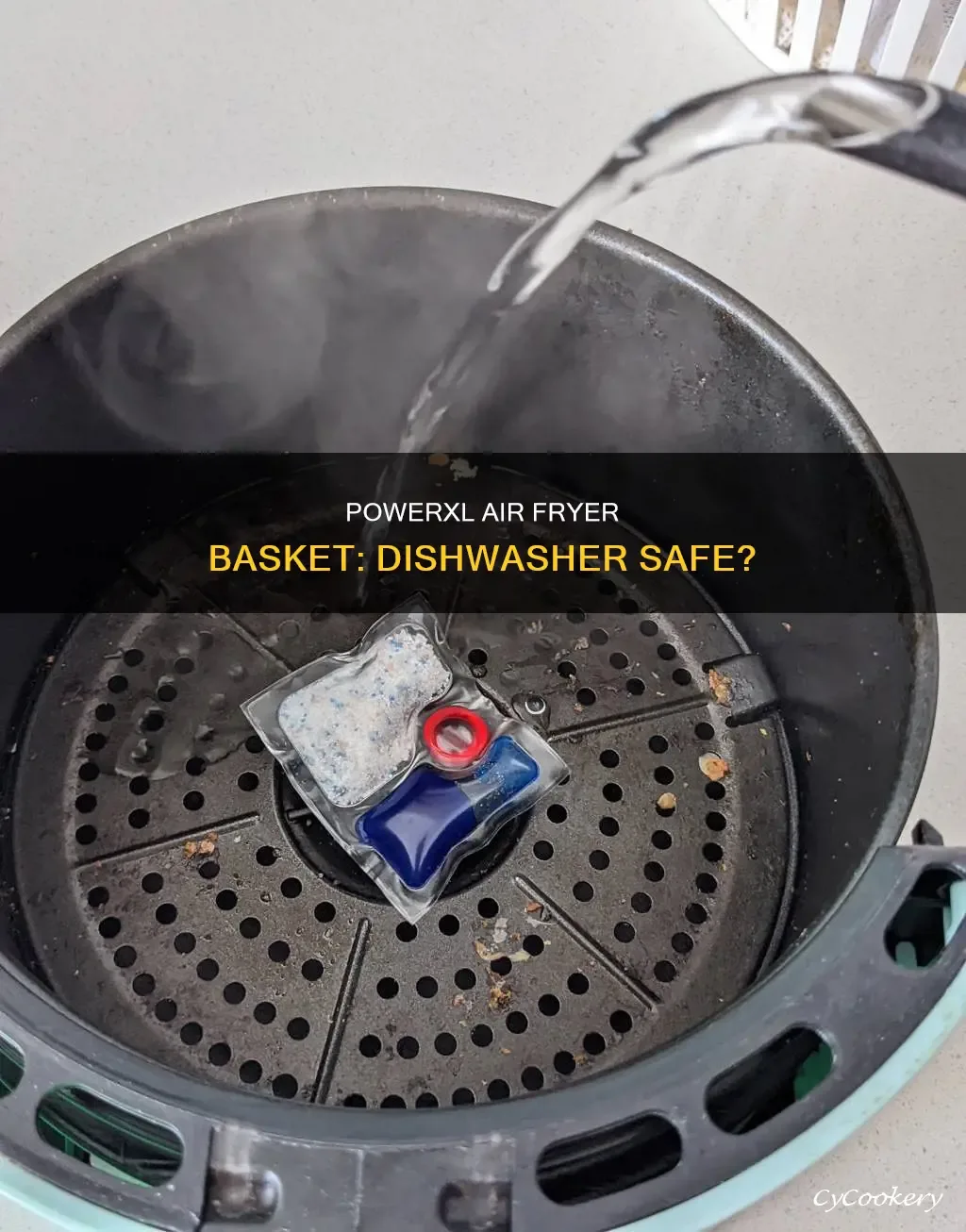
Image source: Bing (Web (fair-use with source credit))
The top rack of your dishwasher exposes the basket to lower temperatures and less direct water pressure. That's good. But the drying cycle on newer dishwashers can reach temperatures above 150°F (65°C).
That's hot enough to warp thin plastic handles or degrade the adhesive holding the handle button in place.
We've seen user reports where the basket handle button gets stiff or stops working after repeated dishwasher cycles. That's moisture working its way into the spring mechanism. It's not a safety hazard, but it's annoying, and it's the kind of gradual damage that sneaks up on you.
What Parts Can Go in the Dishwasher and What Absolutely Shouldn't
Let's get specific about each component. We'll break this down by the common air fryer types because drawer-style and oven-style models have different dishwasher-safe parts.
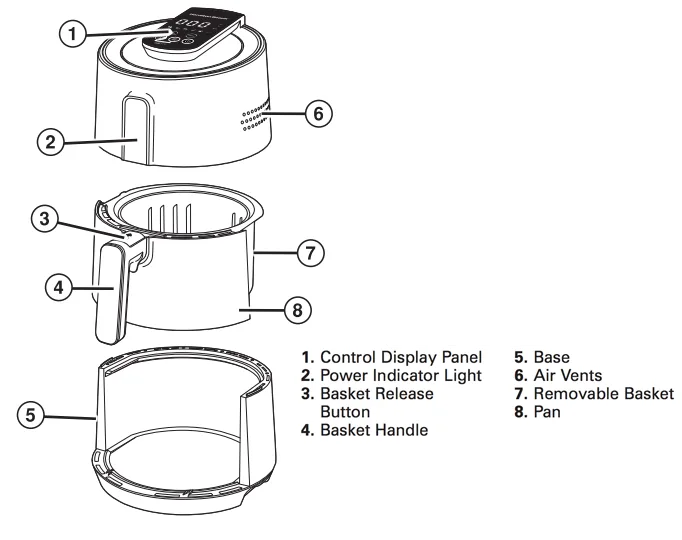
Image source: Bing (Web (fair-use with source credit))
Drawer-style air fryers (the most common type):
| Part | Dishwasher Safe? | Notes |
|---|---|---|
| Basket (non-stick coated) | Usually yes | Top rack only, gentle cycle |
| Crisper tray / grill plate | Usually yes | Remove from basket first |
| Drawer / outer bucket | Usually no | The handle mechanism and venting make it risky |
| Main unit | Never | Keep it far from water |
| Skewers / rotisserie accessories | Usually yes | Check for plastic tips |
Oven-style air fryers (like the toaster-oven shape):
| Part | Dishwasher Safe? | Notes |
|---|---|---|
| Wire racks | Usually yes | Remove any silicone or rubber feet first |
| Baking pan / drip tray | Usually yes | Check for non-stick coating warnings |
| Rotisserie spit and forks | Usually yes | Metal only |
| Crumb tray | Usually no | Often has electrical components near it |
| Main unit | Never | This includes the door glass and interior walls |
The tricky part is that manufacturers vary widely on what they consider dishwasher safe. Cosori's ceramic-coated baskets tend to hold up better in the dishwasher than standard PTFE-coated ones, according to aggregate user reviews. Philips explicitly warns against dishwasher use for some of their models, even though the basket looks identical to other brands that say it's fine.
The safest move? Look for the actual dishwasher safe symbol on the part itself. It looks like a plate with water droplets or a plate with lines underneath.
If that symbol isn't stamped into the plastic or the metal, don't assume. Check the manual. If you've lost the manual, most brands post PDF versions on their official websites.
The Real Risk Nobody Talks About: What Dishwasher Detergent Does to Non-Stick Coatings
This is the part that most articles skip, and it's probably the most important thing you'll read here. The dishwasher-safe label on your basket doesn't mean the coating is immune to damage. It means the manufacturer tested it and decided it probably won't fail under normal conditions.
But there's a difference between surviving and thriving.
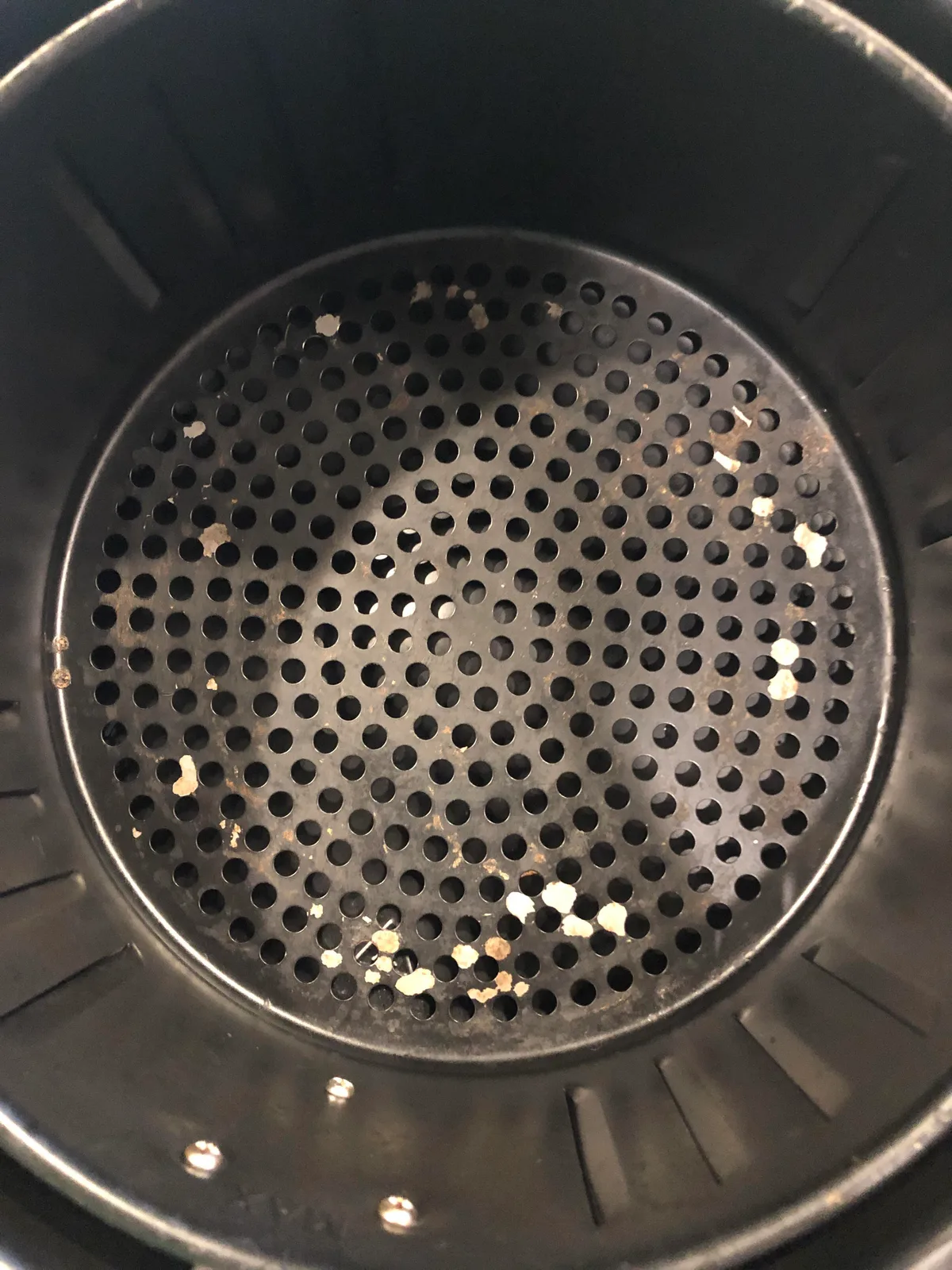
Image source: Bing (Web (fair-use with source credit))
Here's what actually happens to non-stick coatings in the dishwasher:
Detergent aggressiveness. Dishwasher detergents contain strong alkaline compounds designed to break down grease and baked-on food. Those same compounds slowly etch the surface of non-stick coatings. It's not instant. You won't see it after one wash. But after 50 or 100 cycles, the coating starts looking dull. Food starts sticking more. You find yourself adding more oil.
Thermal cycling. Your dishwasher goes through heating and cooling cycles that differ from what the basket experiences during cooking. The coating expands and contracts. Over time, microscopic cracks form. Those cracks let food particles and grease get underneath the coating, which accelerates peeling.
Physical abrasion. The water jets in a dishwasher are powerful. They blast water at high pressure, and that water carries food particles and debris that act like sandpaper on the coating. Baskets can also bang against other items in the dishwasher rack, creating tiny chips in the coating.
Drying heat. The heat used to dry dishes in modern dishwashers can exceed 160°F in some models. That's fine for ceramic or metal. But the plastic components on air fryer baskets, especially the handles and rubber feet, can soften or warp at those temperatures.
One UL-certified testing standard for non-stick cookware durability measures coating adhesion after repeated wash cycles. The results show that hand-washed pans maintain their non-stick properties significantly longer than dishwasher-washed ones, even when the dishwashing stays within the manufacturer's guidelines. That same principle applies to air fryer baskets.
So does this mean you should never put the basket in the dishwasher? Not necessarily. It means you should make an informed choice.
If you use your air fryer daily and want the basket to last three years, hand washing is probably better. If you use it once a week and don't mind replacing the basket in eighteen months instead of three years, the dishwasher is fine. It's a tradeoff, not a rule.
How to Actually Clean Your Air Fryer Properly
Whether you decide to use the dishwasher or stick with hand washing, there's a right and wrong way to do both. Let's cover the best practices for each method.
If you choose the dishwasher method:
- Remove the basket and crisper tray from the main unit. This sounds obvious, but we've seen enough forum posts to know it needs saying.
- Scrape off any large food debris into the trash. Don't rinse it down the sink.
- Place the basket upside down on the top rack. This prevents water from pooling inside the basket and reduces contact with the heating element at the bottom of the dishwasher.
- Use a gentle cycle. Avoid heavy-duty, sanitize, or high-heat drying cycles.
- Remove the basket immediately after the cycle ends. Don't let it sit in the closed dishwasher with steam inside.
- Dry the basket completely by hand with a soft towel before putting it back in the air fryer. Any trapped moisture in the handle mechanism can cause the button to stick.
If you choose hand washing (the safer approach):
- Let the basket cool completely. Hot non-stick coating under cold water can cause warping.
- Use warm water, a soft sponge, and a mild dish soap. Avoid steel wool, abrasive scrub pads, or anything labeled "heavy duty."
- For stuck-on food, fill the basket with warm soapy water and let it soak for 10 to 15 minutes. Don't use metal utensils to scrape.
- Rinse thoroughly and dry with a soft cloth or paper towel.
- Wipe the inside of the main unit with a damp microfiber cloth. Never submerge it or run water directly into the heating element area.
- For stubborn grease inside the heating coil area, use a soft brush or a cotton swab. Some models have a removable bottom panel that makes this easier.
How often should you deep clean?
| Frequency | Task |
|---|---|
| After every use | Wash the basket and crisper tray |
| Weekly | Wipe down the main unit interior |
| Monthly | Check the heating element for grease buildup |
| Every 3 months | Deep clean with a baking soda paste if needed |
The heating element is the part most people neglect. Grease accumulates on it over time, and when it burns off during cooking, it creates smoke and unpleasant odors. A quick wipe with a damp cloth after unplugging the unit and letting it cool completely prevents that buildup.
Just make sure the cloth is only damp, not wet, and never let water drip into the fan housing.
When Dishwashing Is Safe vs. When You Should Hand Wash
The decision comes down to three factors: your air fryer model, how often you use it, and how long you want it to last.
Dishwashing is safe when:
- Your basket has a visible dishwasher safe symbol stamped into it
- You use the top rack only
- You run a gentle or eco cycle
- You remove the basket immediately after the cycle ends
- You dry it thoroughly by hand afterward
- You don't mind replacing the basket after 12 to 18 months
Hand washing is better when:
- Your basket doesn't have a dishwasher safe symbol
- You use your air fryer multiple times per week
- You want the non-stick coating to last three years or more
- Your basket has plastic components or rubber feet
- You're unsure about the manufacturer's specific guidelines
- You notice the coating already starting to look dull or scratched
For most people, a hybrid approach works best. Hand wash the basket most of the time, but toss it in the dishwasher once every few weeks for a deep clean. That gives you the long-term coating protection with the occasional convenience of automated cleaning.
Common Mistakes That Ruin Air Fryers Fast
After looking at hundreds of user reviews and forum threads, these are the cleaning mistakes that come up most often.
Mistake 1: Putting the main unit in the dishwasher. This one seems unbelievable, but it happens. People pull out the basket, see the drawer, and assume the whole thing is dishwasher safe. The main unit contains the fan, heating element, control board, and wiring.
Water destroys all of it. If this happens, unplug the unit immediately and let it dry for at least 48 hours before attempting to use it. Even then, have it inspected by a professional.
Mistake 2: Using aerosol oven cleaner on the basket. The chemicals in oven cleaner are far too aggressive for non-stick coatings. They'll strip the coating in minutes. Stick to mild dish soap and warm water.
Mistake 3: Scrubbing with steel wool or abrasive pads. Any scratch in the non-stick coating creates a weak point where the coating can start peeling. Once peeling starts, it spreads quickly. Use only soft sponges or non-abrasive scrub pads.
Mistake 4: Running a heavy-duty or sanitize cycle with the basket. These cycles use higher temperatures and longer durations. The heat can warp plastic handles and degrade rubber feet. Always use the gentle or light cycle.
Mistake 5: Letting the basket sit in the dishwasher overnight after the cycle ends. Trapped moisture and steam accelerate coating degradation. Remove the basket as soon as the cycle finishes and dry it immediately.
Mistake 6: Not cleaning the heating element. A greasy heating element smokes, smells bad, and can become a fire hazard over time. Wipe it down monthly with a damp cloth. Unplug the unit first, let it cool completely, and make sure the cloth is barely damp.
Frequently Asked Questions
Can I put my air fryer basket in the dishwasher?
Most air fryer baskets are labeled dishwasher safe, but they should go on the top rack only. Use a gentle cycle and avoid high-heat drying. Remove the basket immediately after the cycle ends and dry it by hand.
What happens if you put an air fryer in the dishwasher?
If you put the main unit in the dishwasher, water will damage the heating element, fan, and control board. The unit will likely stop working. If the basket alone goes in, the non-stick coating may degrade faster over time.
Is it better to hand wash an air fryer basket?
Yes, for long-term durability. Hand washing with warm water and mild soap preserves the non-stick coating better than dishwasher detergent does. The coating can last two to three years with hand washing versus one to two years with regular dishwasher use.
Why does my air fryer basket have a dishwasher safe symbol but the manual says hand wash only?
This usually happens when the metal part of the basket is dishwasher safe but the plastic handle or rubber feet are not. The manufacturer stamps the symbol on the metal component and then adds the hand wash recommendation to protect the non-metal parts.
Can dishwasher detergent ruin non-stick coating?
Yes. Dishwasher detergents contain alkaline compounds that slowly etch non-stick coatings. The damage is gradual and cumulative.
After many cycles, the coating loses its non-stick properties and food starts sticking more.
How do I clean an air fryer that isn't dishwasher safe?
Let the basket cool completely. Wash it by hand with warm water, mild dish soap, and a soft sponge. Wipe the inside of the main unit with a damp microfiber cloth.
Clean the heating element monthly with a barely damp cloth after unplugging the unit.

Similar Posts