Do Air Fryers Use Oil
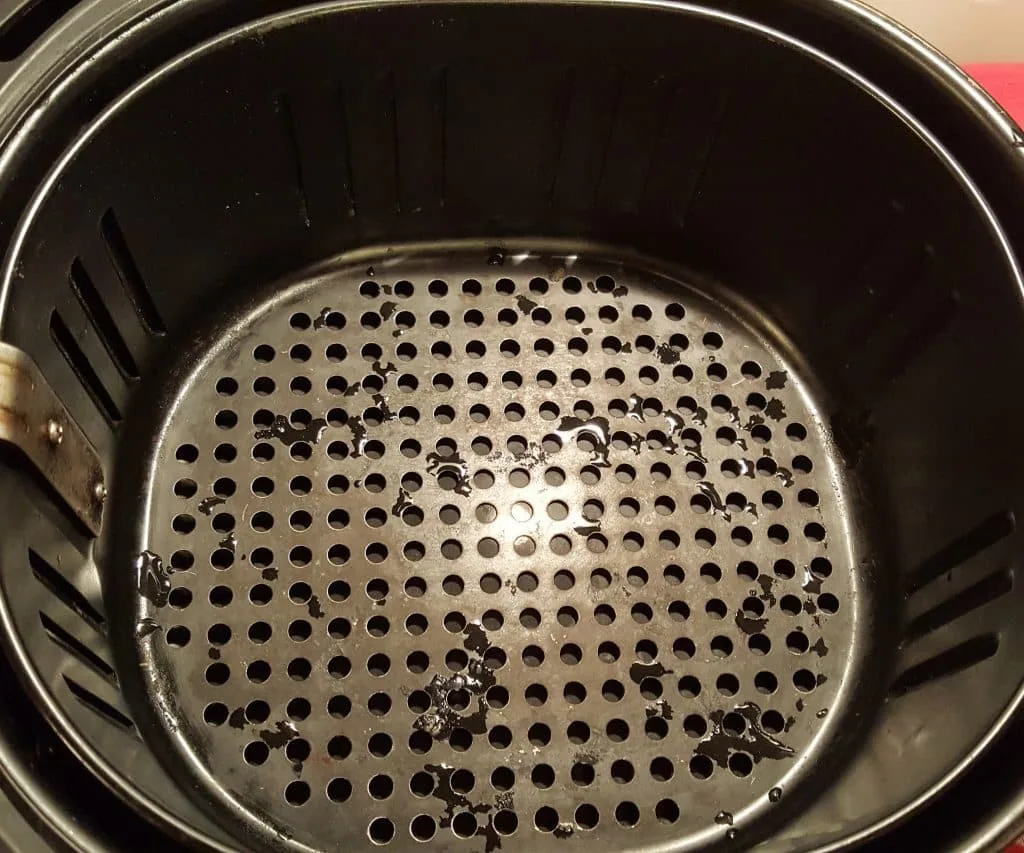
Do Air Fryers Use Oil? It is the first question most people ask when they see one of these countertop convection ovens. The short answer is yes, but the real answer is more nuanced than a simple yes or no.
You can use oil, you can skip it entirely, and that choice changes everything about what comes out of the basket.
Per USDA research on oil absorption in cooking methods, air fryers reduce fat content by 70 to 80 percent compared to traditional deep frying. That is not a marketing claim. It is lab-tested data.
As of 2026, with millions of units in American kitchens, understanding how oil behaves inside that little fan-powered box matters more than ever.
Image source: Bing (Web (fair-use with source credit))
Quick Answer
Yes, air fryers can use oil. No, you do not need oil for every food. The real question is when to add it and how much.
A teaspoon or two creates crispy, golden results. Using none works for fatty foods like bacon or frozen fries. Using too much causes smoke, mess, and safety risks.
Most air fryer recipes land at 1 to 2 teaspoons of oil per serving. That is dramatically less than the several cups used in deep frying. The appliance itself does not require oil to function.
The heating element and fan circulate hot air regardless. Oil is optional, but it changes texture significantly.
How Air Fryers Actually Work (And Where Oil Fits In)
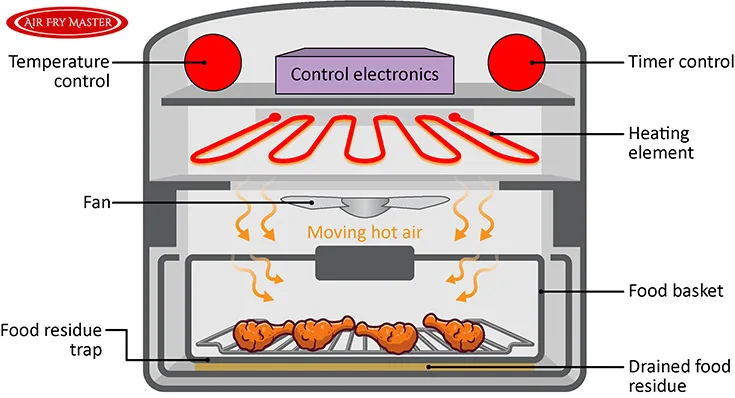
Image source: Bing (Web (fair-use with source credit))
An air fryer is essentially a small, powerful convection oven. A heating element sits above the cooking basket. A high-speed fan blasts hot air down and around the food.
That rapid air movement transfers heat much faster than a standard oven, which creates the browning and crispiness people associate with frying.
The key difference from a deep fryer is the medium. A deep fryer transfers heat through liquid oil. An air fryer transfers heat through moving air.
The crispiness comes from dehydration and the Maillard reaction, not from oil immersion.
So where does oil fit in? Oil acts as a heat conductor and browning accelerator. When you coat food with a thin layer of oil, that oil heats up faster than water-based moisture on the surface.
It reaches temperatures that trigger browning reactions more efficiently. The result is a crunchy exterior that looks and feels closer to fried food.
Without oil, the air fryer still cooks food. But the surface dries out rather than crisps up. For naturally fatty foods like chicken wings or sausage, the rendered fat acts as the oil.
For lean foods like vegetables or boneless chicken breast, a small amount of added oil makes a noticeable difference.
Manufacturer specifications confirm that air fryers operate safely with or without oil. The appliance does not need oil to function. The fan and heating element work the same either way.
But the outcome on your plate changes based on that choice.
What Happens When You Use Zero Oil
Cooking with zero oil in an air fryer is absolutely possible. Many people do it for health reasons or dietary restrictions. But the results are not the same across all foods.
For frozen foods that come pre-coated with oil or batter, skipping extra oil works fine. Frozen french fries, tater tots, and chicken nuggets already have a thin oil layer from the manufacturing process. The air fryer reheats and crisps them without needing additional fat.
For fresh vegetables, zero oil produces a dry, shriveled texture. Broccoli florets, zucchini slices, and potato wedges lose moisture quickly under the high-speed fan. The outsides dehydrate before the insides cook through.
The result is edible but not particularly appealing. Aggregate user reviews report that oil-free vegetables often come out chewy or leathery.
For lean proteins like chicken breast or fish fillets, zero oil causes sticking. The protein bonds directly to the non-stick coating. When you open the basket, half the food stays stuck to the surface.
A light oil spray solves this problem entirely.
For breaded foods, oil is necessary for the coating to brown properly. Panko breadcrumbs, flour coatings, and cornmeal crusts need fat to reach golden-brown temperatures. Without oil, breaded coatings stay pale and powdery.
The one category where zero oil works exceptionally well is fatty meats. Bacon, chicken thighs, and sausages render their own fat during cooking. That rendered fat pools in the bottom of the basket and creates the same browning effect as added oil.
The real answer about zero-oil cooking depends entirely on what you are making. It works for some foods. It fails for others.
Knowing the difference saves you from disappointing meals.
How Much Oil Should You Really Use
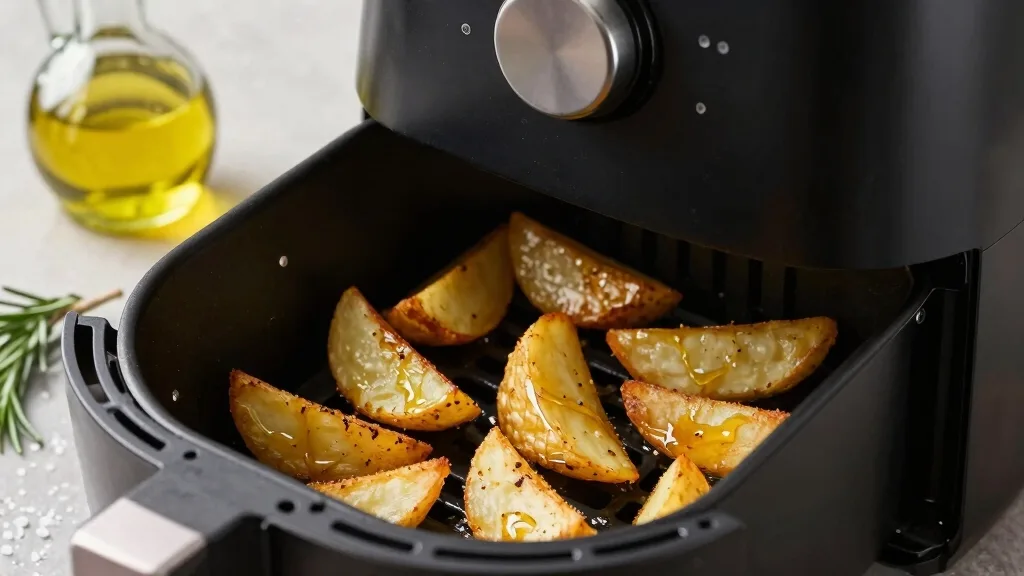
Image source: Bing (Web (fair-use with source credit))
The amount of oil you need in an air fryer is surprisingly small. Most recipes call for 1 to 2 teaspoons per serving. That is roughly a single spray from an oil mister or one light drizzle from a bottle.
A traditional deep fryer uses 8 to 16 cups of oil. Even pan frying uses 2 to 4 tablespoons. Air frying uses about 90 percent less oil than deep frying and about 80 percent less than pan frying.
Here is a practical guide based on food type:
| Food Type | Oil Amount | Method |
|---|---|---|
| Frozen fries, nuggets, fish sticks | 0 teaspoons | They already have oil |
| Fresh vegetables | 1 teaspoon per cup | Toss in a bowl before cooking |
| Chicken breast, pork chops | 1-2 teaspoons | Spray or brush lightly |
| Breaded foods | 1-2 teaspoons | Spray after breading |
| Bacon, sausage, chicken wings | 0 teaspoons | They render their own fat |
| Homemade fries or wedges | 1-2 tablespoons | Toss well, spread in single layer |
The most important rule is to not overdo it. Adding more than 2 tablespoons of oil to an air fryer creates problems. Excess oil pools in the bottom of the basket.
It smokes at high temperatures. It can drip onto the heating element and cause burning odors or even fire hazards.
The best application method is a spray or mister. Oil sprays distribute a thin, even layer over the food surface. Brushing works too but tends to apply unevenly.
Pouring oil directly into the basket is the worst approach because it pools rather than coats.
If you use aerosol cooking spray, know that some brands contain lecithin or other additives. These can leave a sticky residue on the non-stick coating over time. Many air fryer manufacturers advise against aerosol sprays for this reason.
A pump-style oil mister with your own oil avoids that problem entirely.
The Best Oils for Air Frying (And the Ones to Avoid)
Not all oils behave the same way in an air fryer. The critical factor is smoke point, which is the temperature at which oil starts to break down and produce smoke. Air fryers typically operate between 350°F and 400°F (175°C to 204°C).
Your oil needs a smoke point above your cooking temperature.
Oils with high smoke points work best:
- Avocado oil (520°F / 271°C), Best all-purpose choice, neutral flavor
- Refined olive oil (465°F / 240°C), Good for most recipes, mild flavor
- Peanut oil (450°F / 232°C), Excellent for crispy results, nutty flavor
- Canola oil (400°F / 204°C), Budget-friendly, neutral flavor
- Grapeseed oil (420°F / 216°C), Light flavor, good for high heat
- Vegetable oil (400°F / 204°C), Readily available, works fine
Oils to avoid or use with caution:
- Extra virgin olive oil (325°F / 163°C), Smoke point too low for most air frying
- Butter (300°F / 149°C), Burns quickly, use only for finishing
- Unrefined coconut oil (350°F / 177°C), Borderline, can smoke at higher temps
- Flaxseed oil (225°F / 107°C), Way too low, not for cooking
- Sesame oil (410°F / 210°C), Fine for heat but strong flavor dominates
When extra virgin olive oil exceeds its smoke point, it does more than create smoke. It also loses antioxidants and can form potentially harmful compounds. The USDA and FDA guidance on cooking oils recommends using oils with smoke points appropriate for your cooking method.
For air frying, that means sticking with refined oils or avocado oil.
Flavor matters too. Avocado oil and canola oil have neutral profiles that work with any recipe. Peanut oil adds a subtle nuttiness that complements Asian-style dishes.
Refined olive oil works well for Mediterranean vegetables and fish. Strong oils like toasted sesame or coconut should match the cuisine you are cooking.
One practical tip from aggregate user feedback: keep a bottle of avocado oil spray on your counter. It has the highest smoke point of any common cooking oil. It works for vegetables, meats, and breaded foods.
It does not leave a lingering flavor on your next batch of food.
Common Mistakes People Make With Oil and Air Fryers
The most frequent mistake is using too much oil. People transfer deep-frying habits to air frying without adjusting. They pour oil into the basket or coat food heavily.
The result is a smoky kitchen, greasy food, and a messy cleanup.
Using the wrong oil is another common error. Extra virgin olive oil smokes at 325°F. Many air fryer recipes call for 375°F or 400°F.
That 50 to 75 degree gap guarantees smoke. If your kitchen fills with smoke during air frying, check your oil type first.
Skipping oil entirely on foods that need it is a third mistake. Fresh vegetables and lean proteins without oil stick to the basket and dry out. A quick spray makes the difference between a meal you enjoy and one you throw away.
Forgetting to shake or flip food during cooking is another issue. Oil only works where it touches the food. If food sits in one position for the entire cycle, the bottom stays pale and the top browns unevenly.
Most air fryers benefit from a shake at the halfway mark.
Using aerosol cooking spray directly on the non-stick basket causes buildup over time. The lecithin and propellants in these sprays leave a residue that bakes onto the coating. That residue becomes tacky and hard to remove.
After several months, the non-stick surface may degrade. Pump-style misters or brushing avoid this problem entirely.
Not preheating the air fryer can also affect oil performance. Adding oil to a cold basket means the oil heats gradually rather than instantly. That can lead to uneven browning.
Preheating for 3 to 5 minutes ensures the oil hits cooking temperature immediately.
Overcrowding the basket undermines everything oil does. Oil needs hot air circulation to work. When food overlaps, steam traps between pieces instead of evaporating.
The result is soggy food regardless of how much oil you use. Single layers with space between pieces produce the best results.
Frequently Asked Questions
Do I need to add oil to frozen foods in an air fryer?
No. Most frozen foods like french fries, chicken nuggets, and fish sticks come pre-coated with oil during manufacturing. The air fryer crisps them without any additional oil.
Check the ingredient list if you are unsure.
What is the best oil for an air fryer?
Avocado oil is the best all-purpose choice. It has a smoke point of 520°F, which is well above any air fryer temperature. It has a neutral flavor that works with any recipe.
Refined olive oil and peanut oil are also excellent options.
Can I use olive oil in an air fryer?
Yes, but use refined olive oil, not extra virgin. Refined olive oil has a smoke point of 465°F. Extra virgin olive oil smokes at 325°F, which is too low for most air frying temperatures.
Check the label before using.
What happens if I use too much oil in an air fryer?
Excess oil pools in the bottom of the basket. It smokes at high temperatures. It can drip onto the heating element and cause burning odors or grease fires.
Never add more than 2 tablespoons of oil to an air fryer.
Can I cook without any oil at all?
Yes, but results depend on the food. Fatty meats like bacon and chicken wings cook fine without oil. Lean proteins and fresh vegetables will stick to the basket and dry out.
A light spray of oil improves texture and prevents sticking.
Is air frying healthier than deep frying?
Yes. Air frying uses 70 to 80 percent less oil than deep frying according to USDA data. That means fewer calories and less fat per serving.
The trade-off is a slightly different texture, but most people find it acceptable.
The Bottom Line: When to Use Oil and When to Skip It
Here is the simple breakdown. Use oil for lean proteins, fresh vegetables, and breaded foods. Skip oil for frozen pre-coated foods and fatty meats.
Always use oils with high smoke points like avocado or refined olive oil. Never use more than 2 tablespoons.
A pump-style oil mister gives you the most control. It distributes a thin, even layer without the additives found in aerosol sprays. Preheating your air fryer for 3 to 5 minutes before adding food improves results.
Air fryers do not require oil to function. But a small amount of the right oil, applied correctly, turns good results into great ones. That teaspoon of oil is not cheating.
It is just smart cooking.

Similar Posts