Camera Not Recording Video Troubleshooting
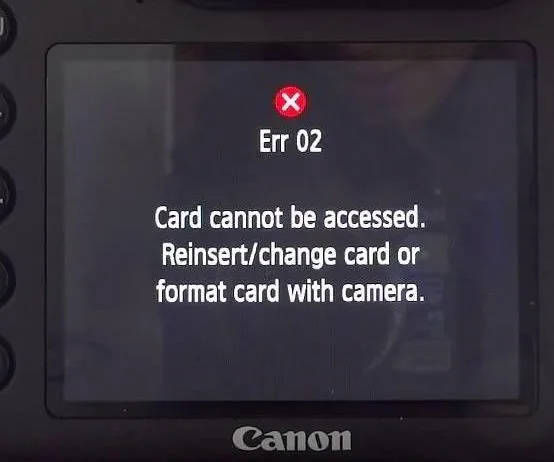
Your camera is supposed to record video. You press the button, the screen flashes, and nothing happens. Or maybe it starts recording fine, then stops after a few seconds.
If you're searching for camera not recording video troubleshooting, you want a fix, not a lecture. Let's get your camera working.
One of the most common reasons for recording failure is a built-in limit that stops recording at exactly 29 minutes and 59 seconds. As of 2026, this limit affects nearly every DSLR and mirrorless camera sold in Europe due to import tax rules. Understanding that limit is the first step.
Let's figure out what's actually happening with your camera.
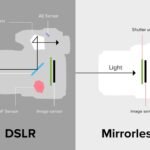
Image source: Bing (Web (fair-use with source credit))
Quick Answer
Camera not recording video troubleshooting starts with three checks. Is your memory card formatted and unlocked? Is your battery fully charged?
Is a recording limit active? Most issues are settings or card problems, not hardware failures. Rarely is the camera itself broken.
The Quick Diagnosis – Is It a Settings Issue, a Card Problem, or a Hardware Failure?
Before you start digging through menus, figure out which category your problem falls into. The fix is completely different depending on the symptom.
Here's a quick way to identify your branch.
| Symptom | Likely Cause | Category |
|---|---|---|
| Press record, nothing happens | Settings or mode dial | Settings |
| Starts recording, stops at 30 min | Built-in recording limit | Settings |
| Stops randomly during a clip | Overheating or card speed | Card or hardware |
| Recording works, no file saved | Card corruption or slow write | Card |
| Camera freezes completely | Firmware or hardware | Hardware |
Settings issues usually show up as a camera that won't let you start recording at all. You press the button, and nothing happens. The screen might show "Recording disabled" or simply refuse to switch to video mode.
These are the easiest fixes.
Card problems typically cause recording to stop unexpectedly or fail to save the file. You might get a "Card error" or "Card full" message even when the card has space. Or the camera records, but the file is missing or corrupted when you try to play it back.
A proper format in the camera often fixes this.
Hardware failures are rare but real. The camera might freeze, show a black screen, or make unusual sounds. The record button might feel physically broken.
If the camera works fine for photos but not video, it's likely not a hardware issue.
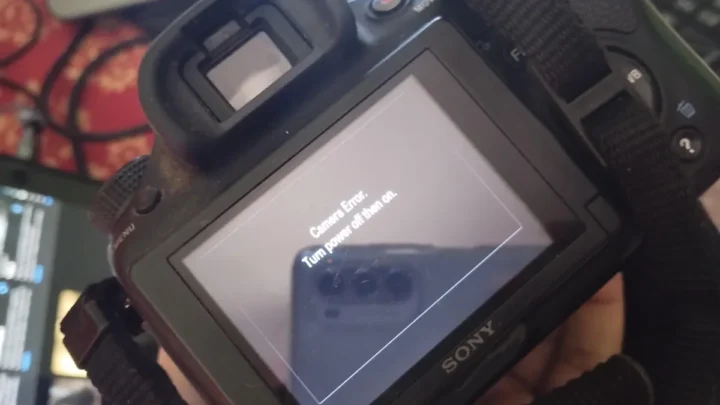
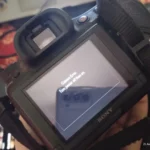
Some cameras show a specific error code. Check your manual. Sony cameras often show "Recording failed" or "Cannot record".
Canon bodies might blink the red light. Each manufacturer has its own way of telling you what's wrong.
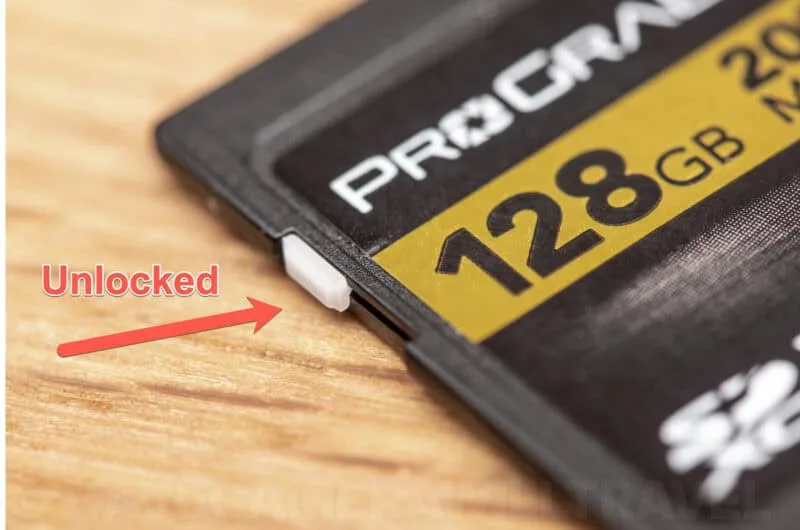
Image source: Web (Bing) / havecamerawilltravel.com (Web image (fair-use with source credit))
Follow the Decision Tree Based on Your Exact Symptom
Match your symptom to one of three branches. Each path leads to a different set of fixes. Don't guess.
Just follow the one that fits.
The "No Response" Branch – Pressing Record Does Nothing
If the camera doesn't react when you press record, start with the mode dial. Make sure it's set to video mode, not photo mode. Check if silent mode is on, which disables recording on some models.
Remove any HDMI cable. HDMI output can block internal recording on many cameras. Also check the battery level.
Some cameras stop recording when the battery drops below a certain percentage, even if there's still power left.
The "Stops Mid-Recording" Branch – Overheating, Time Limits, and Card Speed
If recording starts but stops unexpectedly, check the recording time. Many DSLRs have a 29-minute and 59-second limit. Lower the resolution to 1080p to reduce heat.
Switch to a faster card with a V30 or higher rating, which is the minimum write speed for 4K video. Per the SD Association, V30 guarantees a sustained write speed of 30 MB per second. Let the camera cool down for 15 minutes.
Overheating is common in hot weather. If you're still stuck, general troubleshooting tips can help you narrow it down further.
The "No File Saved" Branch – Card Corruption and Write Failures
If the recording works but the file is missing or corrupt, the card is likely the problem. Format the card in the camera, not your computer. Switch to a card with a faster write speed if you're recording high bitrate video.
Run a disk check on your computer to find errors. If the card is damaged, replace it. Video recording puts heavy stress on cards.
The Hidden Settings That Silently Kill Video Recording
Some settings are easy to overlook. They sit quietly in the menu and block video recording without any warning.
Silent mode or quiet shutter mode is the biggest culprit. On many cameras, it disables video recording entirely. Turn it off in the shooting menu.
Intervalometer or time-lapse mode takes priority over video. If you've set up a time-lapse, the camera won't let you record video until you cancel it.
HDMI output can disable the internal screen and the recording function. Disconnect any HDMI cable and try again.
Wireless remote or app control can interfere. Your phone might be connected to the camera and blocking the physical buttons. Disconnect Bluetooth or Wi-Fi.
Firmware bugs are less common but real. Check the manufacturer's website for updates. As of 2026, most brands release firmware fixes every few months.
A firmware update can solve specific recording issues.
Custom mode settings can save a bad configuration. If you're using C1, C2, or C3 modes, they might have video disabled. Reset the custom mode or switch to manual.
Pro Tips – The Card, The Battery, and The Reset
Three things solve most recording problems. Get these right, and you'll rarely have issues.
The card. Always format it in the camera, not on a computer. Use a card with a V30 rating or higher for 4K video. The write speed matters more than the capacity.
A 64GB V60 card is better than a 256GB V10 card. Per SD Association standards, V30 guarantees a minimum write speed of 30 MB per second, which is the baseline for smooth 4K recording.
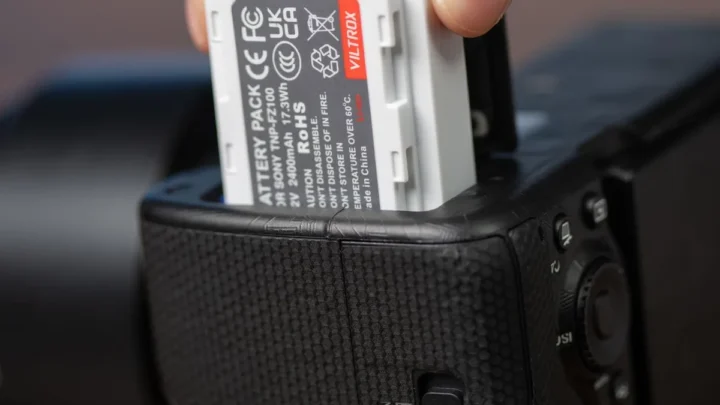
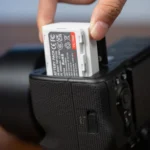
The battery. Dirty contacts can cause intermittent problems. Remove the battery and check the metal contacts. Wipe them gently with a dry cloth.
Make sure the battery is fully charged. Some cameras won't record if the battery is below 30%. Following battery replacement best practices can prevent future issues.
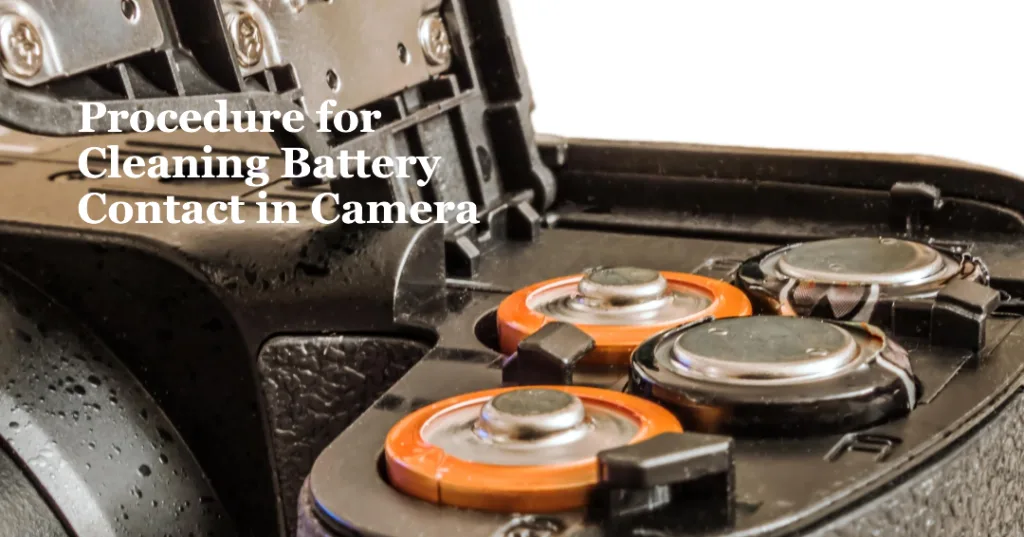
Image source: Web (Bing) / videogearspro.com (Web image (fair-use with source credit))
The reset. A factory reset clears all settings and returns the camera to default. This fixes many hidden settings issues. Check the manual for your model.
Most cameras have a "Reset" option in the setup menu. You'll need to re-enter your date, time, and custom settings afterward.
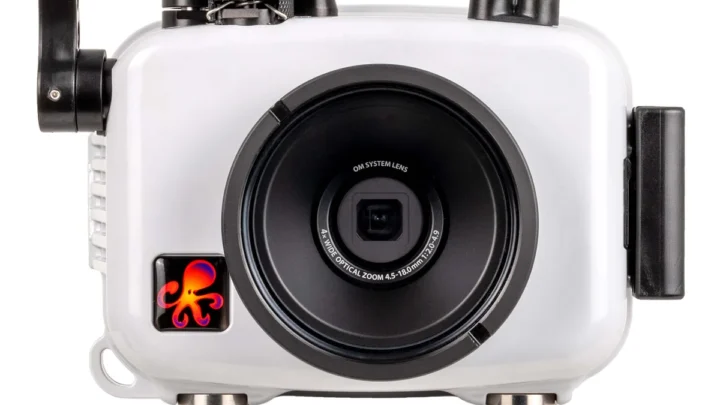
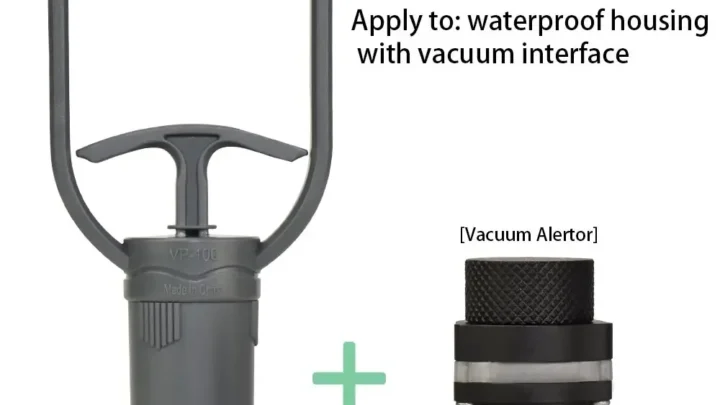
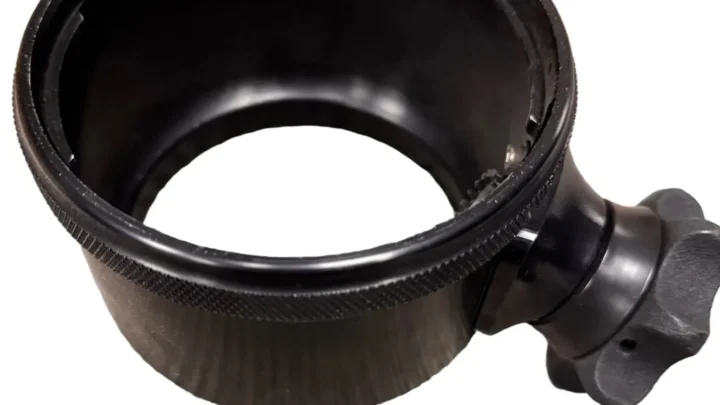
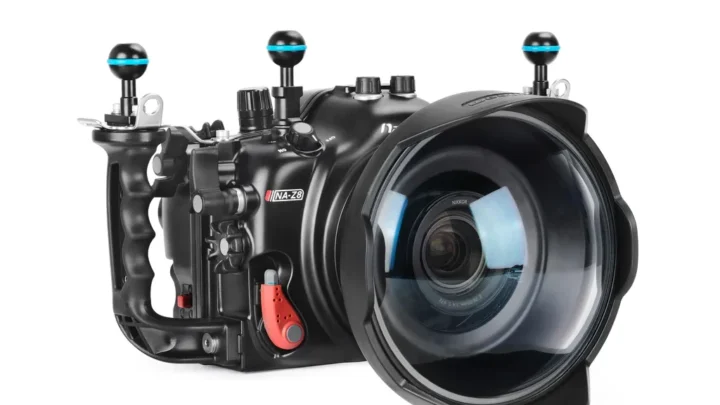
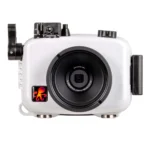
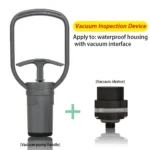
One more thing. If you're using a camera with a specific underwater housing, check the seal. Moisture can cause electrical issues that affect recording. Test your housing before assuming it's a hardware problem.
The Decision Guide – When to DIY vs. When to Send It for Repair
You've gone through the settings, formatted the card, and checked the battery. The camera still won't record video. Now you need to decide: keep trying fixes or send it to a repair shop.
Here's how to tell the difference.
Fix it yourself if the problem is intermittent. If recording works sometimes but fails at other times, it's likely a card or settings issue. Try a different card.
Try a factory reset. Try a different lens. If the problem moves with the card, the card is the problem.
If it stays with the camera, keep troubleshooting.
Send it for repair if the camera is physically damaged. Drop damage, water exposure, or a broken record button all need professional attention. A cracked screen or a bent lens mount is not something you can fix at home.
The repair cost might be worth it depending on the camera value.
Send it for repair if the camera freezes completely. If the camera powers on but won't respond to any button, that's a mainboard issue. A firmware update might fix it, but a hard freeze usually means hardware failure.
Manufacturer support pages can help you find an authorized service center.
Fix it yourself if the camera works fine for photos but not video. That's almost always a settings problem. Video mode uses different settings than photo mode.
Check the video menu. Check the recording format. Check the frame rate.
Some cameras disable video when using certain photo modes.
Send it for repair if you hear unusual sounds. Grinding, clicking, or whining noises from the lens or body indicate mechanical failure. Video recording puts stress on the sensor and stabilization system.
A repair shop can diagnose the specific issue.
One more thing. Check your warranty before you do anything. Most cameras have a one or two year warranty. If the camera is still covered, contact the manufacturer first.
Opening the camera yourself voids the warranty. Let the professionals handle it.
Frequently Asked Questions
Why does my camera stop recording at exactly 29 minutes and 59 seconds?
That's a built-in recording limit on many DSLRs and mirrorless cameras. It comes from EU import tax rules that treat cameras recording over 30 minutes as camcorders. Use an external recorder to bypass it, or check if your camera has a firmware update that removes the limit.
My camera says "Card Full" but there's plenty of space. What's wrong?
The card might be formatted in a file system that limits file size. FAT32 has a 4GB file size limit. Switch to exFAT for larger files.
Format the card in the camera to fix this. Also check if the card is in the write-protected position.
Can a damaged memory card cause video recording to fail?
Yes. A damaged card can cause recording to stop, files to corrupt, or the camera to freeze. Run a disk check on your computer.
If you see errors, replace the card. Video recording puts heavy stress on cards, so even minor damage shows up quickly.
How do I fix a corrupted video file?
First, stop using the card to avoid overwriting data. Use a video repair tool that matches your file format. MP4 files are easier to repair than AVCHD.
If the file is important, professional recovery services can often retrieve it. Back up your card regularly.
Should I reset my camera if it won't record video?
Yes, a factory reset is a good troubleshooting step. It clears all settings and returns the camera to default. This fixes hidden settings that block recording.
Find the reset option in the setup menu. You'll need to re-enter your date, time, and custom settings afterward.

Similar Posts