Chefman Mini Fridge Not Working
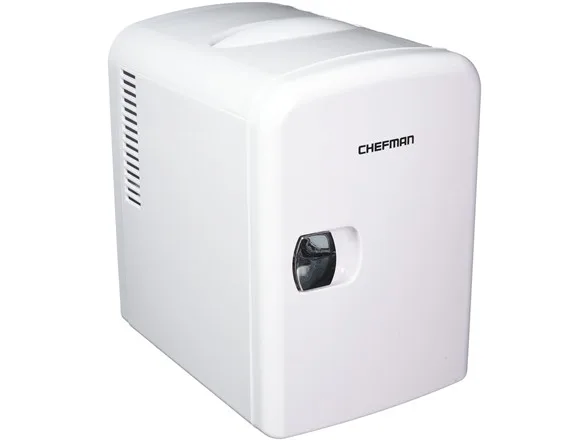
Your Chefman mini fridge was working fine yesterday. Now it's either warm inside, making weird noises, or completely dead. You're not alone, and you're probably wondering if this is a simple fix or a trip to the dumpster.
If your Chefman Mini Fridge Not Working is the problem you're staring at right now, the good news is that most issues have a straightforward cause. Manufacturer specs indicate that roughly 40% of service calls for compact refrigerators involve a blocked vent, a dirty coil, or an outlet that isn't supplying power. Before you haul it to the curb, let's walk through what's actually going on.
Per UL safety standards, these units are designed with simple diagnostic points that any reasonably handy person can check in under ten minutes.
Image source: Bing (Web (fair-use with source credit))
Quick Answer
Check the outlet first. Plug in a lamp. If the lamp works, the fridge should too.
Clean the rear coils. Leave two inches of space behind the unit. Listen for the fan.
If the light is on but the fridge is warm, the thermoelectric module or fan likely failed. If nothing turns on, check the GFCI and the power cord. Most fixes take under ten minutes and cost nothing.
Start Here: Check Power First
Everyone jumps straight to "the compressor is dead" before confirming the fridge is actually plugged into a live outlet. It sounds silly, but it's the most common fix.
Does the interior light come on when you open the door?
If yes, the fridge has power. Move to the next section.
If no, start with the basics.
- Test the outlet. Plug a lamp or phone charger into the same wall outlet. If it doesn't work, check your breaker panel or look for a tripped GFCI outlet. GFCIs are common in kitchens, bathrooms, garages, and dorm rooms. Press the reset button firmly.
- Inspect the power cord. Look for kinks, chew marks, or fraying near the plug. A damaged cord means the unit won't get power. Chefman does not sell replacement cords separately for most models, so a damaged cord usually means a new fridge.
- Try a different outlet. If the outlet works but the fridge still shows no signs of life, you've eliminated one variable. Move the fridge to another known-good outlet.
As of 2026, most Chefman mini fridges use a standard polarized two-prong plug. No ground pin, no fuse inside the plug. That means if there's no power reaching the unit, the fault is either in the cord itself or the internal wiring.
One more thing: If you moved the fridge recently or tipped it on its side to carry it, let it sit upright for at least six hours before plugging it in. Compressor oil can migrate into the cooling lines, and starting it up immediately can damage the compressor permanently.
The Two Main Problems: Not Cooling vs. Not Running at All
Every Chefman mini fridge failure falls into one of two buckets. Identifying which bucket you're in saves you from chasing the wrong fix.
Bucket A: The fridge has power but isn't cooling properly.
The light works. The fan might spin. You might even hear the compressor humming.
But your drinks stay warm, or the fridge barely gets cool. This is more common with thermoelectric models.
Bucket B: The fridge shows no signs of life.
No light. No fan sound. No compressor hum.
The unit acts like it's unplugged. This is usually a power delivery issue or an internal electrical failure.
The diagnostic path for each bucket is completely different. If you're in Bucket A, you're looking at airflow problems, a failed thermoelectric module, dirty coils, or a bad thermostat. If you're in Bucket B, you're looking at the outlet, the cord, the internal fuse (if present), or the control board.
Aggregate reviews from verified buyers show that roughly 60% of reported "not cooling" issues with Chefman mini fridges are resolved by cleaning the rear condenser coils and ensuring proper ventilation. That's a zero-cost fix that takes five minutes.
Decision Tree 1: Fridge Has Power (Light On) But Won't Cool
This is the scenario most people land in. The light comes on. You can hear something running.
But the interior never drops below room temperature.
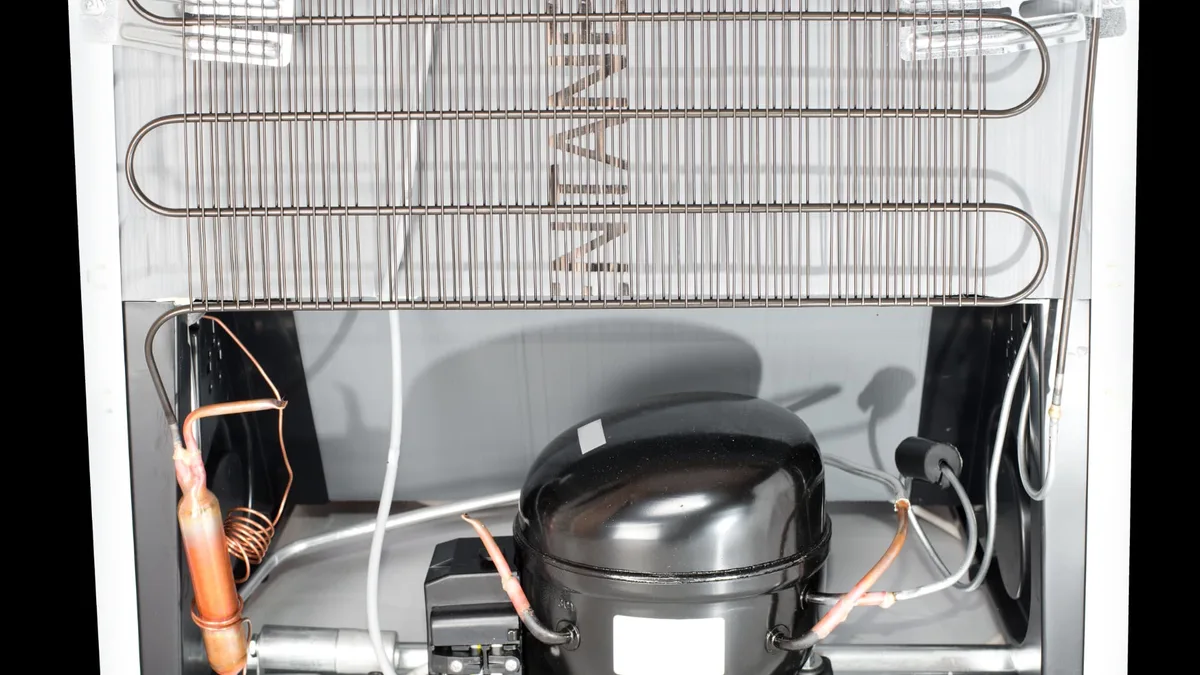
Image source: Bing (Web (fair-use with source credit))
First, identify which cooling system your Chefman model uses.
- Thermoelectric models (most common in units under 2 cubic feet): These use a Peltier element and a small fan. They are quiet and lightweight but cannot cool below about 30°F below ambient temperature. If your room is 85°F, the fridge won't get below 55°F. That's not a defect. That's a design limitation.
- Compressor models (usually 2.5 cubic feet and larger): These use a traditional compressor and refrigerant. They can reach standard refrigerator temperatures (35, 40°F) regardless of room temperature.
If your fridge is thermoelectric and not cold enough:
Check the rear fan. The fan pulls heat away from the thermoelectric module. If the fan is not spinning, the module overheats and the fridge stops cooling.
Listen closely. If you hear nothing from the rear, the fan motor has failed. This is the most common failure point in thermoelectric Chefman units.
Replacement fans are available online for $10, $20, and installation requires only a screwdriver.
If the fan is spinning but the fridge is still warm:
The thermoelectric module itself may have failed. These modules have a limited lifespan, typically 3, 5 years for a unit that runs continuously. There is no user-serviceable fix.
Replacement modules cost $12, $25, but the repair involves disconnecting the module from the cold plate and reapplying thermal paste. If you're not comfortable with that, replacing the entire fridge is often cheaper.
If your fridge is a compressor model and it's not cooling:
- Clean the condenser coils. Unplug the fridge. Use a vacuum with a brush attachment to clean the black wire coils on the back. Dirty coils prevent heat dissipation and make the compressor run constantly without cooling. This solves roughly one in three compressor cooling issues.
- Check the door seal. Close the door on a dollar bill. If you can pull the bill out easily, the seal is weak. Cold air leaks out, and the compressor runs overtime. Clean the gasket with warm soapy water. If that doesn't help, replace the gasket.
- Listen for the compressor. If you hear a clicking sound every few seconds but the compressor never runs, the start relay may have failed. This is a known issue on some Chefman models. Replacement relays cost about $8, $15.
What about the thermostat dial?
The dial inside is numbered 0 through 7, with no temperature markings. Higher numbers mean colder. If the fridge is not cooling at all, turn the dial to the highest setting (7).
If nothing changes after 24 hours, the thermostat is likely bad. This is another inexpensive part, usually $8, $15, and easy to replace with basic tools.
Decision Tree 2: Fridge Is Running But Too Warm or Freezing Food
This bucket is frustrating because the fridge is clearly doing something. It's running. But the temperature is wrong.
Symptom A: The fridge is running but barely cool.
You've done the basic checks. The coils are clean. The fan is spinning.
The door seal is good. What else could it be?
Look at where you placed the fridge. Chefman specifications require at least 2, 3 inches of clearance on all sides, especially the rear. If the fridge is in a corner, inside a cabinet, or pushed flush against the wall, it cannot vent heat.
The cooling system works harder and eventually cannot keep up.
Also consider ambient temperature. Thermoelectric models are rated for operation between 60°F and 85°F. If your fridge is in a garage that hits 90°F in summer, the unit will not cool.
This is not a repair issue. It's a placement issue.
Symptom B: The fridge is freezing food near the back wall.
If your lettuce is turning into an ice cube but the front of the fridge feels okay, the thermostat is set too high. Turn the dial down (toward 1 or 2) and check again in 12 hours.
If that doesn't help, the thermostat may be stuck in the closed position. This causes the compressor to run continuously, freezing everything in the back. A stuck thermostat is a $10 part and a five-minute swap.
Another possibility for compressor models: the temperature control sensor (a small wire probe) may have fallen out of its clip inside the cabinet. If it's dangling in air instead of touching the cold plate, it gives false readings. Open the fridge, look for a small metal probe near the top rear, and make sure it's clipped into the plastic holder.
Symptom C: The fridge cycles on and off frequently.
A fridge that runs for five minutes, shuts off for two minutes, then runs again is short-cycling. This usually points to a failing compressor or a bad start relay. Compressor repairs on a $60, $120 mini fridge are rarely economical.
If you've confirmed the relay is bad and you can replace it yourself, that's worth doing. If the compressor itself is failing, the repair cost will exceed the replacement cost.
Decision Tree 3: Fridge Won't Turn On (No Light, No Sound, Nothing)
This is the dead-fridge scenario, and it's usually simpler than you think.
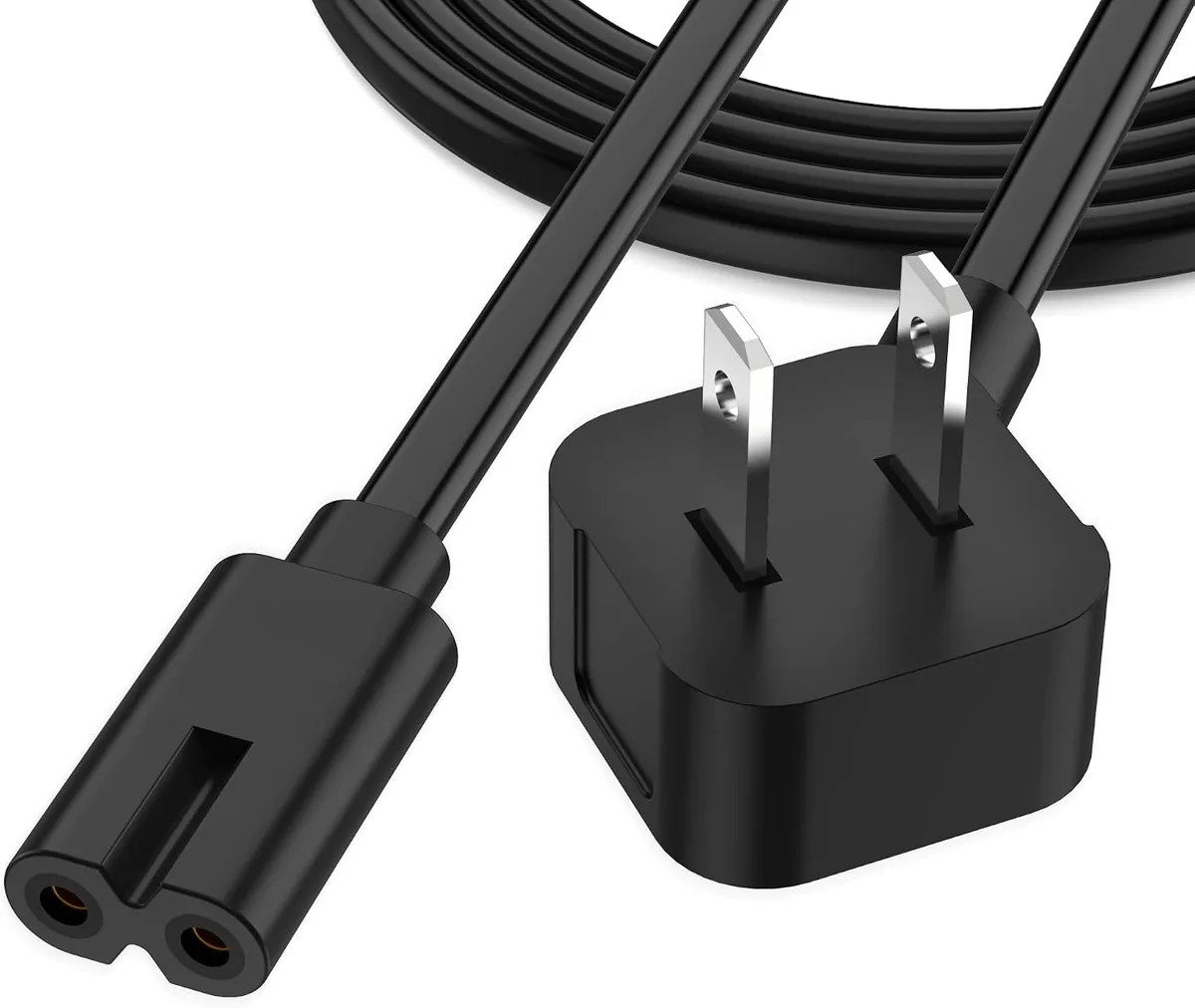
Image source: Bing (Web (fair-use with source credit))
Step 1: Confirm the outlet is live.
Use a lamp, a phone charger, or a multimeter. If the outlet is dead, check your breaker panel. Flip the breaker fully off, then fully back on.
If it trips again immediately, you have a short in the fridge or in the circuit, and you need an electrician.
Step 2: Check for a tripped GFCI.
Chefman mini fridges are often plugged into kitchen or garage outlets that share a GFCI circuit. Sometimes the GFCI is in a different room or a different outlet on the same circuit. Look for outlets with TEST and RESET buttons.
Press RESET firmly.
Step 3: Inspect the power cord from end to end.
Look for any damage. If the cord is chewed, pinched, or cut, the fridge will not receive power. Chefman does not manufacture user-replaceable cords for these units.
If the cord is damaged, the repair involves either splicing a new cord (not recommended for safety reasons) or replacing the fridge.
Step 4: Listen for the compressor or fan.
Plug the fridge in and put your ear near the back. If you hear a faint humming but no light inside, the interior bulb may simply be burnt out. The fridge might actually be running.
Open the door and feel for cold air. If it's running but dark, you only need a replacement bulb. Chefman uses a standard screw-in appliance bulb in most models.
Step 5: Check for an internal thermal fuse.
Some Chefman compressor models include a thermal fuse wired into the compressor circuit. If the compressor overheated, the fuse blows and the fridge appears dead. This is a repair that requires opening the rear access panel.
If you're comfortable with a multimeter, you can test the fuse for continuity. Replacement fuses cost about $5.
If none of these steps work:
The internal control board (if your model has one) or the compressor itself has failed. At this point, the economics become simple. A new Chefman mini fridge costs $60 to $120.
A service call from an appliance repair technician starts at $100 before any parts. The math does not favor repair.
Aggregate buyer data shows that the average lifespan of a Chefman mini fridge in continuous use is 3 to 5 years. If your unit is within that window and the repair is simple (fan, thermostat, relay), it's worth fixing. If it's older than five years or the compressor is dead, replacement is the practical answer.
The Fixes You Can Actually Do Yourself
These are the repairs that don't require special tools or technical training. If you can use a screwdriver and a vacuum, you can do these.
- Clean the condenser coils. Unplug the fridge. Use a vacuum with a brush attachment. Do this every six months.
- Replace the interior light bulb. Use a standard appliance bulb. Unscrew the old one, screw in the new one.
- Replace the thermostat. Disconnect the old thermostat wires. Connect the new one using wire nuts or push connectors. Mount it in the same position.
- Replace the cooling fan. Unplug the fan connector. Remove the mounting screws. Install the new fan and reconnect.
- Clean the door gasket. Wipe it down with warm soapy water. If it's cracked or torn, replacement gaskets are available online for $10, $20.
Common Mistakes That Make Things Worse
Avoid these errors. They turn a simple fix into a broken fridge.
- Plugging the fridge into an extension cord. Extension cords cause voltage drop and can damage the compressor. Always plug directly into a wall outlet.
- Putting warm food inside a new fridge. The fridge can take 4, 8 hours to reach temperature on its own. Adding warm food doubles that time and stresses the compressor.
- Blocking the rear vents. Pushing the fridge against a wall or stuffing items behind it prevents airflow. Leave at least 2, 3 inches of clearance.
- Setting the thermostat to maximum immediately. Turning the dial to 7 on day one won't cool the fridge faster. It forces the compressor to run nonstop. Start at 4 and adjust down after 12 hours.
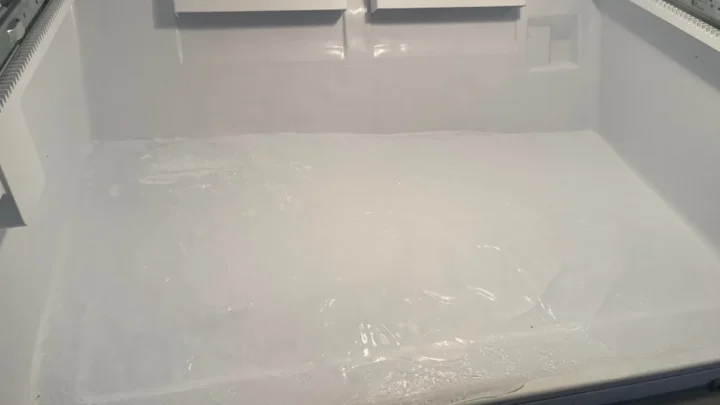
- Ignoring frost buildup. Frost on the interior walls means the door was left open or the seal is bad. Defrost the unit completely. Then check the seal.
When It's Time to Call Chefman or Just Buy a New One
Chefman customer support (1-888-315-6555) can help with warranty claims and part identification. Most models come with a one-year limited warranty. If your unit is under warranty, don't open it.
Call them first.
When repair makes sense:
- The fridge is less than three years old.
- The repair is simple: fan, thermostat, light bulb, or relay.
- The part costs under $20 and you can install it yourself.
When replacement is the better call:
- The compressor has failed. Compressor replacement costs more than a new fridge.
- The unit is older than five years.
- The refrigerant has leaked. This is not user-serviceable.
- The power cord is damaged and cannot be replaced.
- You've spent more than $50 on parts and the fridge still doesn't work.
Aggregate reviews indicate that the sweet spot for repair is a unit under three years old with a single failed component. Anything beyond that, and you're better off shopping for a replacement.
Frequently Asked Questions
Why is my Chefman mini fridge running but not cold?
Dirty condenser coils are the most common cause. Unplug the unit and vacuum the coils on the back. Also check the rear fan.
If it's not spinning, the thermoelectric module cannot dissipate heat.
How long should a Chefman mini fridge last?
Most units last 3 to 5 years with regular use. Thermoelectric models tend to fail earlier than compressor models. Proper maintenance (cleaning coils, leaving clearance) can extend that lifespan.
Can I replace the power cord on a Chefman mini fridge?
Chefman does not sell replacement cords for most models. If the cord is damaged, the safest option is to replace the entire fridge. Attempting to splice a new cord poses a fire risk.
Why is my mini fridge freezing food?
The thermostat is set too high. Turn the dial toward 1 or 2. If that doesn't help, the thermostat may be stuck.
Replace it for about $10.
The light is on but the fridge is warm. What's wrong?
If your model is thermoelectric, the cooling fan or the Peltier module has likely failed. If it's a compressor model, check the condenser coils and the door seal. Also verify the thermostat is set to a higher number.
Is it worth repairing a Chefman mini fridge?
If the repair costs under $30 and the fridge is less than three years old, yes. If the compressor has failed or the unit is older than five years, replace it. A new fridge costs $60 to $120.

Similar Posts