Chevy Sonic Ac Not Working
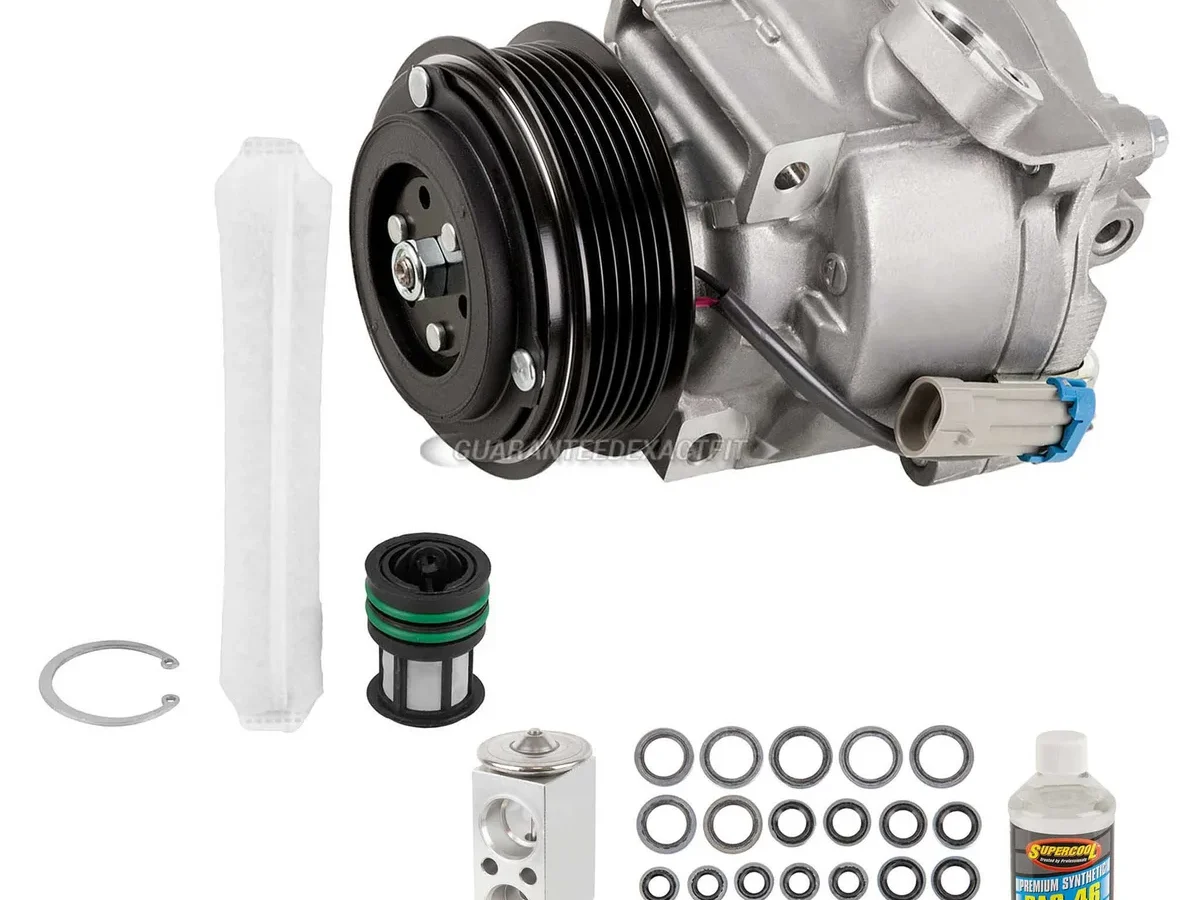
When your Chevy Sonic's AC decides to take a summer vacation, it's not just uncomfortable, it's frustrating. You hit the button, crank the dial, and all you get is that sad, warm air that makes stop-and-go traffic feel like a sauna. If your Chevy Sonic AC is not working, you're probably wondering if this is a quick fix or a wallet-draining trip to the shop.
Manufacturer specifications indicate that the Chevy Sonic's AC system operates at specific pressure ranges, low side around 25-35 psi and high side between 150-250 psi depending on ambient temperature. Understanding these numbers separates a 15-minute fuse replacement from an unnecessary $200 diagnostic fee. Let's walk through exactly what's happening and how to fix it.
Quick Answer
Check the compressor clutch first. Is it spinning when the AC is on? If yes, your refrigerant is likely low.
If no, check fuse #41 under the hood. That 10-amp fuse kills the whole system when it blows. No clicking from the dash?
That's often the blend door actuator. These three checks solve 80% of Sonic AC problems. Don't buy anything until you've done them.
When Your Sonic's AC Just Blows Warm Air
Your Sonic's AC system is a closed loop. It needs three things to work: refrigerant under pressure, a working compressor to move it, and airflow across the condenser to shed heat. When any one of those fails, you get warm air.
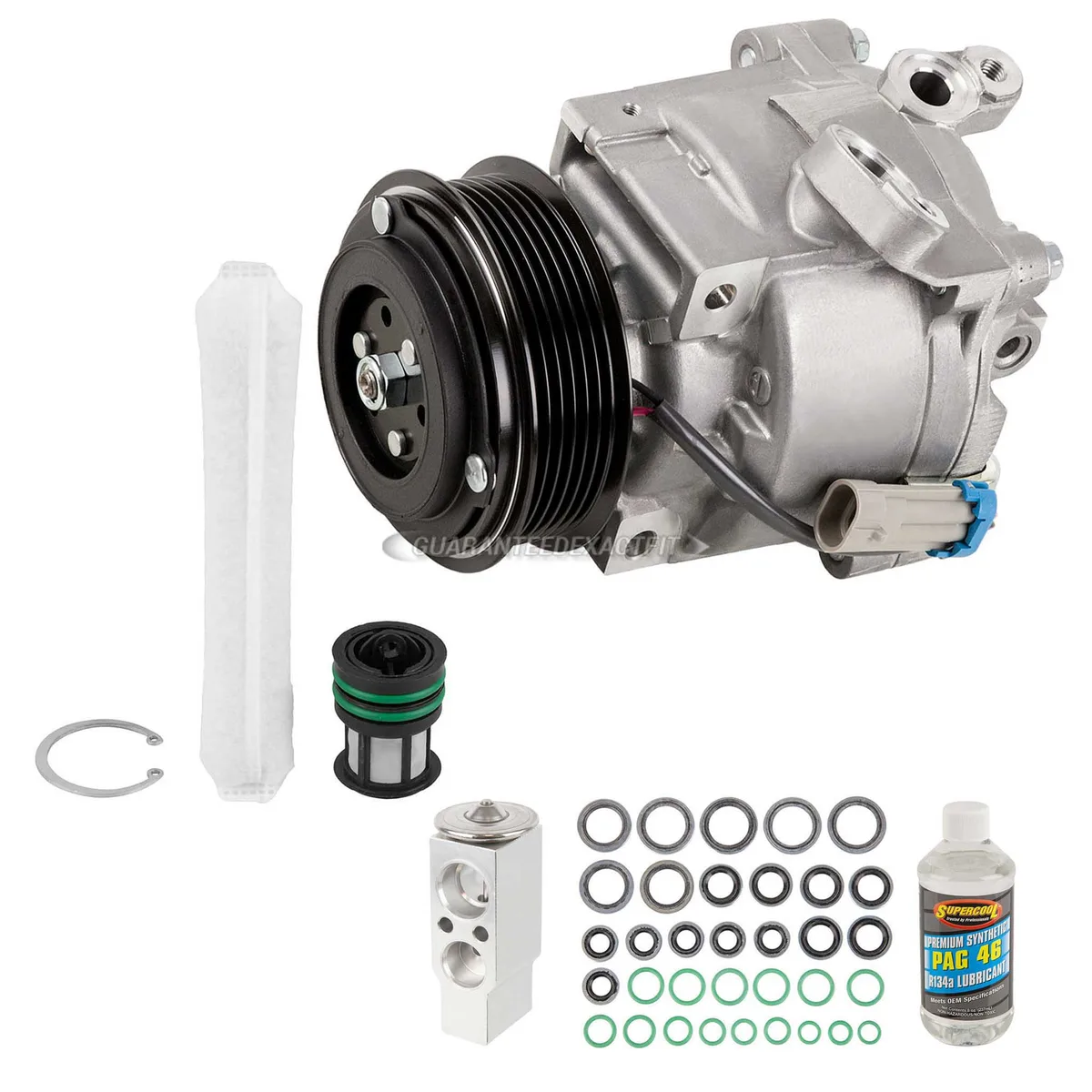
Image source: Bing (Web (fair-use with source credit))
The most common culprit on 2012-2015 models is the compressor clutch. It's an electromagnetic clutch that engages when you hit the AC button. If it doesn't click and start spinning, the refrigerant never moves.
No movement means no cooling, no matter how much refrigerant is in the system.
On 2016-2020 models, the variable displacement compressor is more common. These don't have a traditional clutch you can see engage. Instead, they change internal displacement to match demand.
That makes diagnosis a little different, you need gauges to confirm the compressor is actually pumping.
The 5-Minute Check That Saves You $200
Pop the hood. Locate the AC compressor on the passenger side of the engine, low down. With the engine running and AC set to max, watch the front of the compressor.
If you see a metal plate spinning in the center, the clutch is engaged. If it's stationary, you've found your problem.
This single observation tells you which branch of the decision tree to follow. A spinning clutch means the electrical side is working, and you're looking at refrigerant issues. A stationary clutch means electrical or mechanical failure.
Where to Start: A Simple Decision Tree for Sonic AC Problems
Work through symptoms in order. Don't guess, follow the logic. Start here and work down until you find your match.
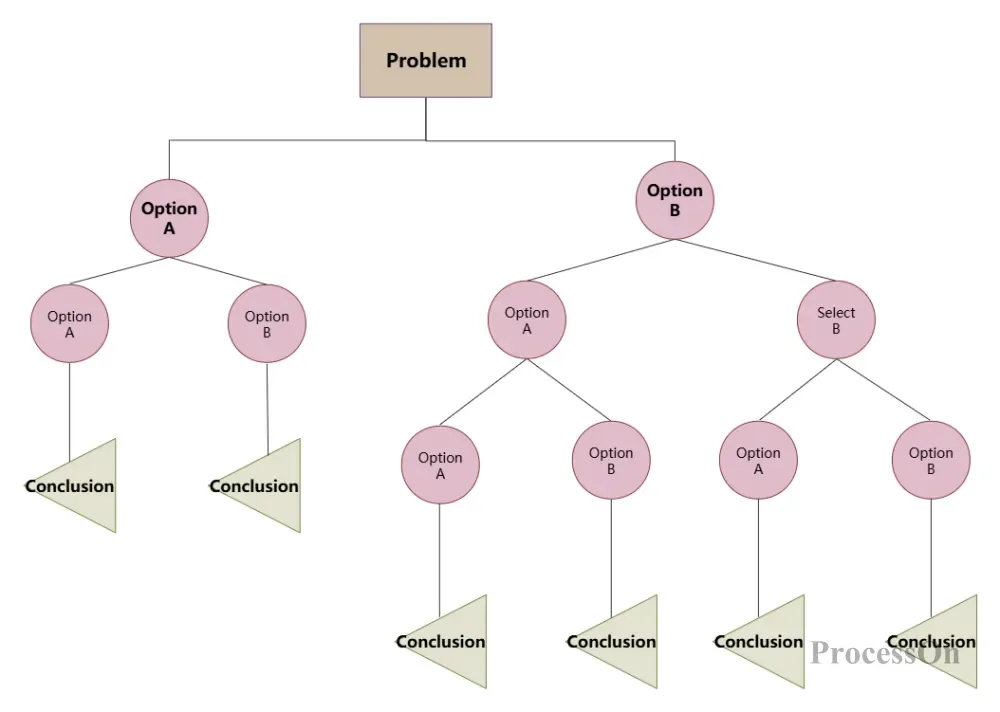
Image source: Bing (Web (fair-use with source credit))
Is the Compressor Clutch Spinning?
If yes, the electrical system is doing its job. Your issue is on the refrigerant side. A leak, a blockage, or simply low refrigerant from normal seepage over time.
On the 2012-2013 models with R-134a, small leaks at the compressor shaft seal are common. On 2014+ models with R-1234yf, leaks often happen at the condenser.
If no, you need to figure out why the clutch isn't getting power. Start simple. Open the under-hood fuse block.
Find fuse #41, it's a 10-amp mini fuse. Pull it and look at the metal strip inside. If it's broken, replace it with another 10-amp fuse.
Do not use a higher amp fuse. That's how you melt wiring.
A blown fuse here usually means a short somewhere, or just an old fuse that gave up. Replace it and try again. If it blows immediately, you have a short in the compressor clutch coil or the wiring harness.
Do You Hear Clicking From the Dashboard?
This is the trickiest Sonic-specific issue. A clicking or ticking sound behind the glovebox that changes when you adjust temperature? That's the blend door actuator.
It's a small plastic motor that moves a door inside your HVAC box to mix hot and cold air.
When the actuator fails, the door gets stuck. You might get heat on the driver side and nothing on the passenger side. Or full hot air with the AC cranked.
Many owners replace compressors and recharge systems when the real problem is a $40 part behind the glovebox.
Does the AC Blow Cold at Highway Speeds but Warm at Idle?
This is classic low refrigerant. At highway speed, the condenser gets enough airflow to cool the refrigerant even when there's not much left. At idle, the cooling fan can't compensate, and pressure drops.
You get warm air.
This also happens when the cooling fan itself isn't working. The Sonic has an electric fan that should kick on when the AC is running. If it doesn't, the condenser can't shed heat, and your AC stops working at low speeds.
Check the fan by turning the AC on max and watching through the grille.
Is the Air Weak, Not Just Warm?
Low airflow is often mistaken for an AC problem. The cabin air filter on the Sonic sits behind the glovebox. If it's clogged with leaves and debris, you get a trickle of air instead of a blast.
The AC might be working fine, you just can't feel it.
Replace the cabin air filter every 12,000 miles or once a year. It's a $15 part and takes about five minutes. No tools required.
If the air volume comes back after changing it, that was your problem all along.
What Sonic Owners Usually Get Wrong
A few mistakes show up over and over. Avoid these and you'll save both time and money.
Skipping the Blend Door Check
This is the number one mistake. The blend door actuator is a common failure point on the Sonic, especially the 2012-2015 models. The plastic gears inside strip over time.
The motor keeps trying to move, making that clicking sound, but the door doesn't go anywhere.
The fix is straightforward. The actuator sits right behind the glovebox. Three screws, one electrical connector.
No special tools, no programming needed on manual climate control systems.
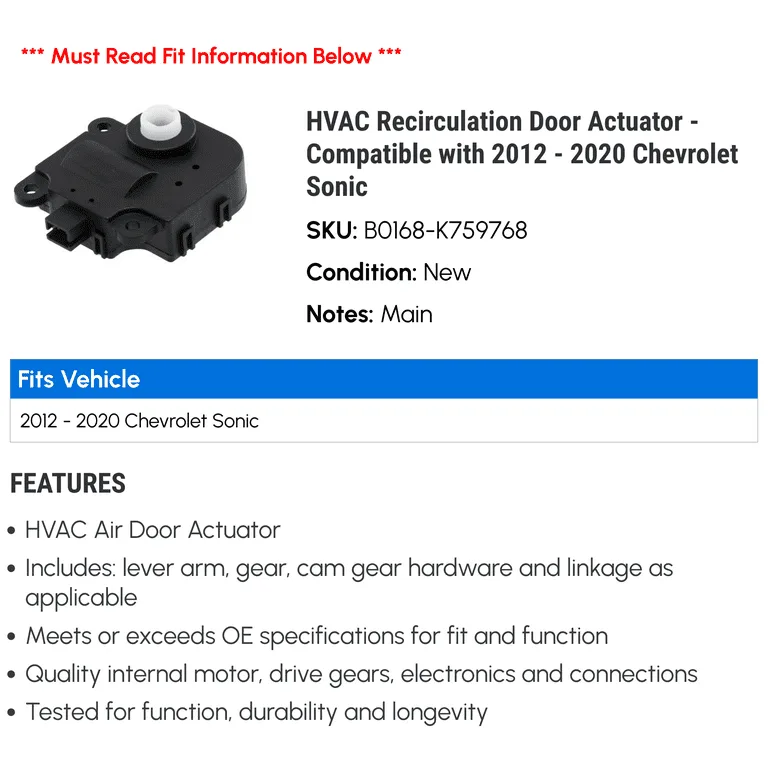
Image source: Bing (Web (fair-use with source credit))
Recharging Before Checking for Leaks
This one hurts. You buy a recharge can, hook it up, and the system takes the whole can. The AC works for a week, then stops.
You just spent $40 on refrigerant that leaked right out.
The Sonic's AC system loses refrigerant through the compressor shaft seal more often than you'd think. Especially on the 2012-2013 models. If the system has been low for a while, the seal dries out and cracks.
When you recharge, the new refrigerant finds the leak and escapes within days.
Always do a leak check before adding refrigerant. A UV dye kit with a black light is about $15. Add the dye, run the AC for 15 minutes, then look for the glow.
If you see it at the compressor pulley area, that seal needs to be replaced before you put any more refrigerant in.
Replacing the Compressor When It's Just a Fuse
This sounds ridiculous, but it happens. Someone's AC stops working. They take it to a shop that says "compressor is seized." They spend $400 on a new compressor and installation.
Meanwhile, the old compressor was fine, fuse #41 was just blown.
Check the fuse first. Check the relay. Jump the low-pressure switch with a paper clip to see if the compressor engages.
These tests take ten minutes and cost nothing. Don't buy a compressor until you've confirmed it's actually bad.
What This Fix Actually Costs You
AC repairs range from nearly free to moderately expensive depending on what's wrong. Here's what you're looking at for each common scenario.
DIY Diagnostics (Free Tools You Already Have)
You don't need a manifold gauge set to diagnose most Sonic AC problems. A multimeter costs $15 at any auto parts store. A paper clip serves as a jumper wire.
A flashlight shows you what's happening under the hood.
The only tool worth buying is a low-side pressure gauge, which comes with most DIY recharge kits. If you have the R-134a system (2012-2013), these kits cost about $25. For the R-1234yf system (2014+), the cans are $70-$140 each and the gauge sets are pricier.
Parts Pricing by Scenario
| Problem | Part Cost | DIY Time | Difficulty |
|---|---|---|---|
| Blown fuse #41 | $2 | 2 minutes | Easy |
| Bad AC relay | $10 | 3 minutes | Easy |
| Low refrigerant (small leak, R-134a) | $25-$50 | 30 minutes | Easy |
| Low refrigerant (small leak, R-1234yf) | $70-$140 | 30 minutes | Easy |
| Blend door actuator | $25-$60 | 20-45 minutes | Moderate |
| Cooling fan failure | $80-$180 | 1-2 hours | Moderate |
| Compressor replacement | $200-$450 | 2-3 hours | Hard |
| Evaporator replacement | $100-$200 | 4-8 hours | Very hard |
When to Call a Pro vs. When to Walk Away
Some jobs are worth paying for. An evaporator replacement on the Sonic requires removing the entire dashboard. That's a half-day job for an experienced DIYer and a weekend for a beginner.
If the evaporator is leaking, pay the shop $600-$900 and save your sanity.
A compressor replacement is borderline. If you have basic mechanical skills and a set of wrenches, you can do it in a driveway over a Saturday. But you'll also need to flush the system, replace the accumulator, and properly vacuum and recharge.
That last step requires a vacuum pump and a manifold gauge set that cost around $150 combined. If you don't plan on doing AC work again, it's cheaper to pay the shop.
The 2014+ R-1234yf system adds another complication. The refrigerant is expensive and harder to find. If your 2014 or newer Sonic needs a full recharge, expect to pay $200-$350 at a shop.
DIY is possible, but the upfront cost for the gauge set and refrigerant is about the same as the professional job.
Two Refrigerant Rules You Can't Ignore
Working with AC refrigerant has real safety and legal considerations. Skip these at your own risk.
R-134a vs. R-1234yf (and Why the Wrong Can Costs You)
The 2012 and 2013 Chevy Sonic uses R-134a refrigerant. You can buy it at any auto parts store. The 2014 and newer models use R-1234yf.
These are not interchangeable. Putting R-134a into an R-1234yf system damages the compressor and contaminates the system. A contaminated system requires a full flush and new refrigerant, which costs hundreds.
Check the sticker under your hood before you buy anything. It tells you exactly which refrigerant your car uses. If the sticker is missing, the owner's manual has the information.
Do not guess.
Pressure Safety Basics
The high side of an AC system can reach 400 psi. That's enough pressure to spray refrigerant and oil into your eyes or skin with serious force. Never disconnect a line while the system is pressurized.
Always wear safety glasses when working on AC systems.
If you're using a DIY recharge kit, follow the instructions exactly. Most kits include a pressure gauge that turns red if the pressure is too high. If it shows red, stop.
High pressure means there's a blockage or the system is overcharged. Adding more refrigerant at this point can burst a line.
The EPA regulates refrigerant handling under Section 609 of the Clean Air Act. Venting refrigerant into the atmosphere is illegal. If you're recovering refrigerant, you need approved recovery equipment.
For small DIY repairs, the best approach is to take the car to a shop that can recover and recycle the existing refrigerant before you start work.
Three Real Sonic AC Stories (And What They Teach Us)
The 2013 Sonic That Needed a $12 Part
A 2013 Sonic owner noticed the AC stopped blowing cold on a road trip. He pulled into a shop, and they quoted $800 for a compressor replacement. Before agreeing, he checked the Sonic forums.
Someone suggested checking fuse #41.
He popped the hood, pulled the fuse, and saw the broken strip. A $2 fuse later, the AC blew ice cold. The $800 quote was for a problem that didn't exist.
Lesson learned: always check the cheapest parts first. That's not just good advice, it's the first rule of automotive diagnostics.
The 2015 Sonic With the Clicking Dash
Another owner reported that the AC blew warm on the passenger side but cold on the driver side. The dealership diagnosed a bad compressor. The owner was skeptical.
He noticed a faint clicking sound from the glovebox area when adjusting the temperature.
That clicking was the blend door actuator. The part cost $35 online. Replacement took 25 minutes.
The AC worked perfectly afterward. The compressor was never broken. The dealership was either wrong or hoping for an expensive repair.
The 2012 Sonic That Just Needed Air
A third story is the simplest but the most common. The owner complained of weak AC. The air barely came out of the vents, even on high.
He bought a recharge kit. The gauge showed full pressure. He was confused.
Someone asked him when he last changed the cabin air filter. He didn't know the Sonic had one. He found it behind the glovebox, packed with leaves and dirt.
A $15 filter and five minutes later, the airflow was strong and cold. The AC system was fine the whole time. The filter was just suffocating it.
Frequently Asked Questions
Why does my Chevy Sonic AC blow cold then warm?
This usually means the compressor is cycling on and off due to low refrigerant. The system has enough to cool for a few minutes, then pressure drops and the compressor disengages. After a rest, pressure recovers and it cycles again.
Recharge is needed, but check for leaks first.
How do I know if my Sonic's AC compressor is bad?
Listen for a grinding noise from the compressor area. Check if the clutch engages when the AC is on. If the clutch is spinning but the air is warm, the compressor may have internal failure.
A manifold gauge set confirms this by showing low high-side pressure.
Where is the AC fuse on a Chevy Sonic?
The AC fuse is fuse #41 in the under-hood fuse block. It's a 10-amp mini fuse. The fuse block is located near the battery on the driver side of the engine bay.
The diagram on the lid shows exact positions.
Can I recharge my 2014 Chevy Sonic AC myself?
Yes, but it's expensive. The 2014+ Sonic uses R-1234yf refrigerant, which costs $70-$140 per can. You also need a gauge set compatible with R-1234yf fittings.
The total DIY investment is $150-$250. That's about the same as a professional recharge.
What does a bad blend door actuator sound like?
A rapid clicking or ticking noise from behind the glovebox. The sound changes when you adjust the temperature dial. It may click continuously for a few seconds, stop, then click again.
That's the stripped plastic gears inside the actuator.
How much does it cost to fix a Chevy Sonic AC?
It depends on the problem. A blown fuse costs $2. A blend door actuator costs $25-$60.
A compressor replacement runs $400-$700 at a shop. Evaporator replacement is $600-$900. Diagnostic fees range from $100-$200 at most shops.

Similar Posts