What Is An Air Fryer
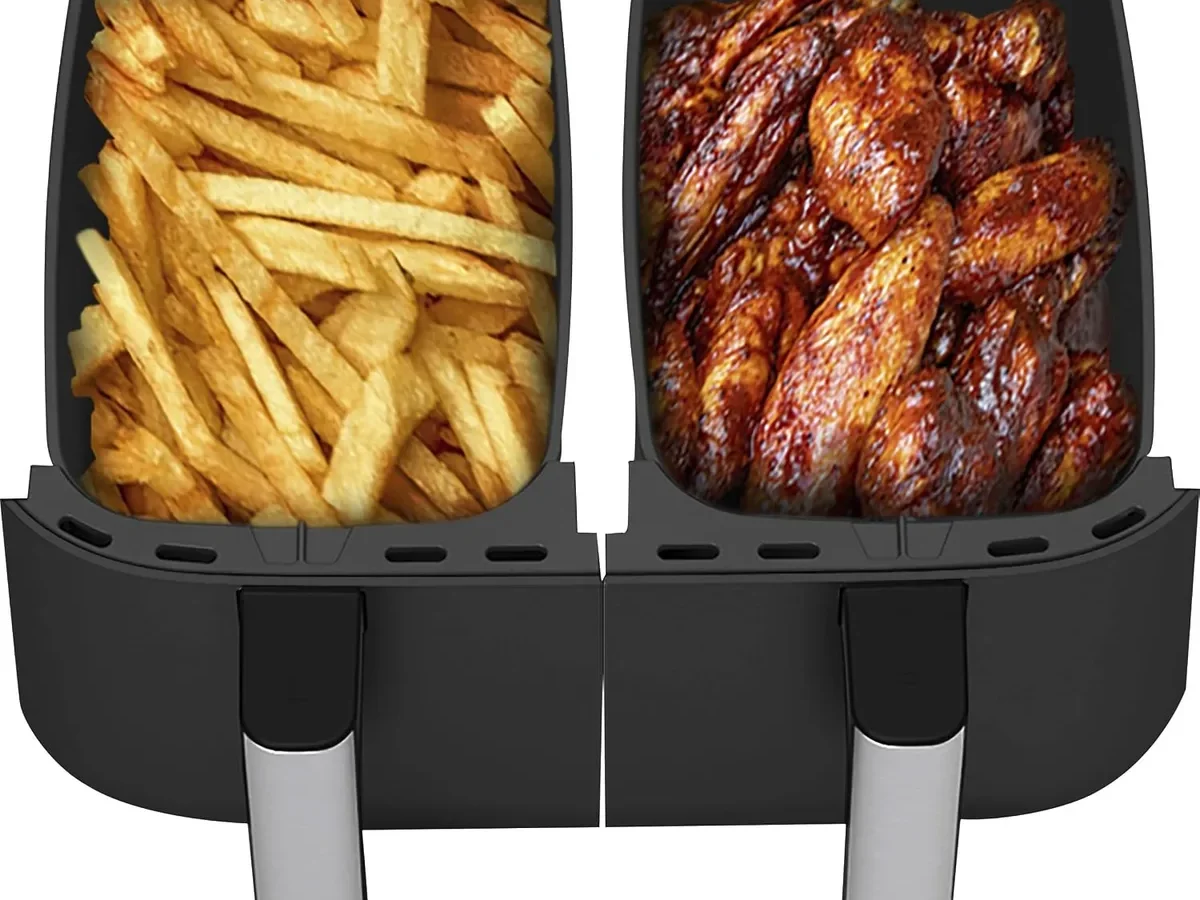
You've probably seen an air fryer pop up on social media, in your cousin's kitchen, or on sale at the big box store. And now you're wondering: what is an air fryer, really, and is it actually worth the hype? The short answer is that it's a small countertop convection oven that uses a high-speed fan to circulate extremely hot air around food, creating a crispy outer layer with a fraction of the oil that deep frying requires.
Per UL safety testing standards, most models operate between 1200 and 1800 watts with temperature ranges from 170°F up to 400°F. They've become one of the fastest-growing kitchen appliance categories in North America as of 2026. But whether you need one depends entirely on how you cook, what you cook, and what you're hoping to replace.
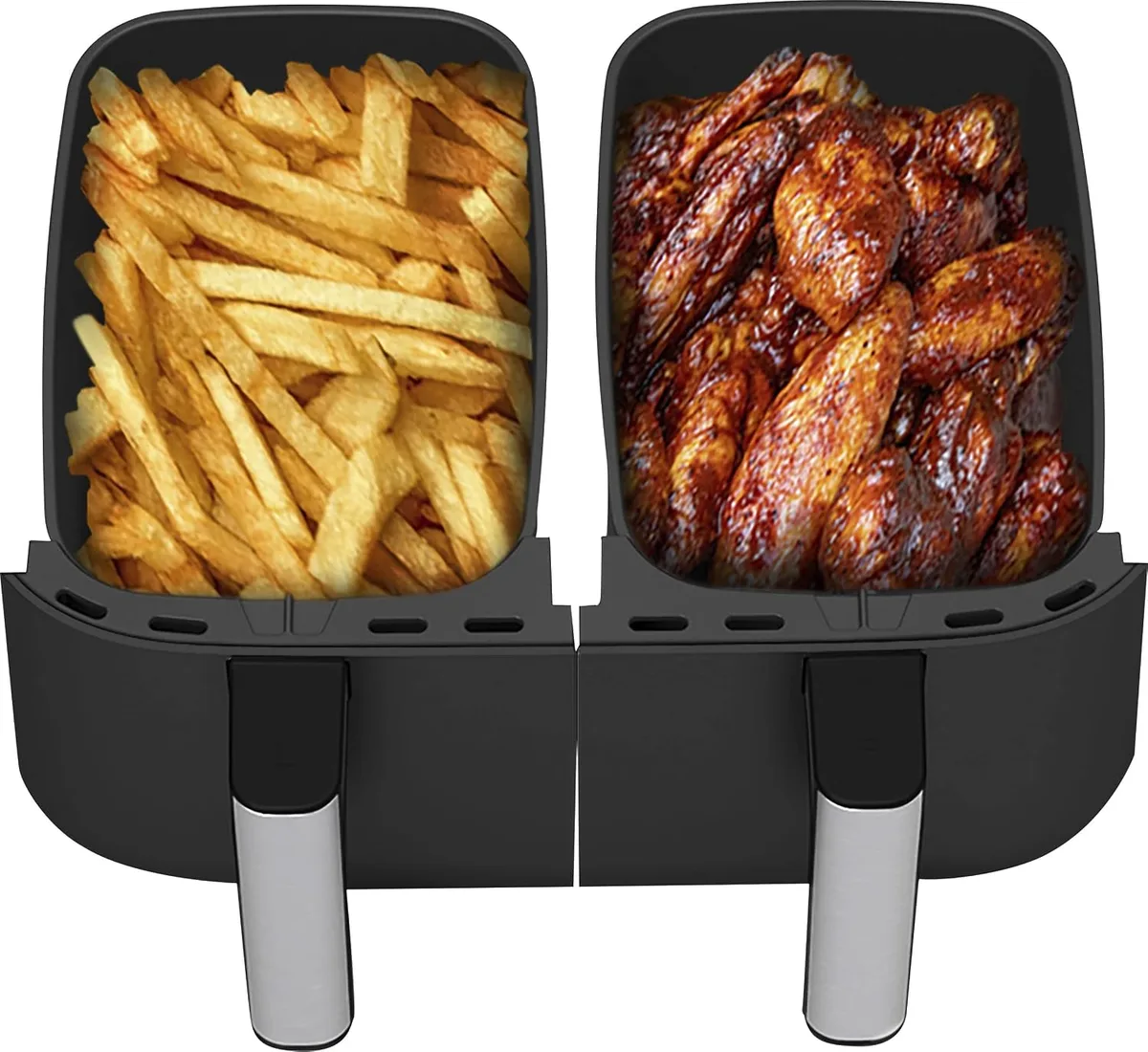
Image source: Bing (Web (fair-use with source credit))
Quick Answer
An air fryer is a compact convection oven with a powerful fan. It cooks food by circulating air heated between 170°F and 400°F. The rapid air movement creates a crispy brown crust similar to deep frying.
You use one to two tablespoons of oil instead of several cups. It is not actually frying. It is high-speed baking with airflow.
Why This Comparison Actually Matters
Most people who search "what is an air fryer" are really asking something deeper. They want to know if it's better than what they already own. Should they ditch the deep fryer?
Can it replace the oven? Will it actually make food taste different?
These are legitimate questions. The appliance world has a habit of repackaging old technology with flashy marketing. The air fryer is genuinely different in how it performs, but it's not magic.
Our research across aggregate user reviews and manufacturer documentation shows that people who love their air fryers tend to have one thing in common: they cook in small batches and value speed over volume.
The comparison matters because the air fryer occupies a weird middle ground. It's faster than an oven but smaller. It's healthier than a deep fryer but doesn't taste identical.
It's more versatile than a microwave but requires more cleanup. Getting that straight before you buy saves you from a $100 appliance collecting dust in the cabinet.
This section exists to help you map your own cooking habits onto what the appliance actually does well. If you're meal prepping for a family of five, an air fryer might frustrate you. If you're reheating leftover pizza and making frozen fries twice a week, it might become your most-used gadget.
How It Works (The Simple Version)
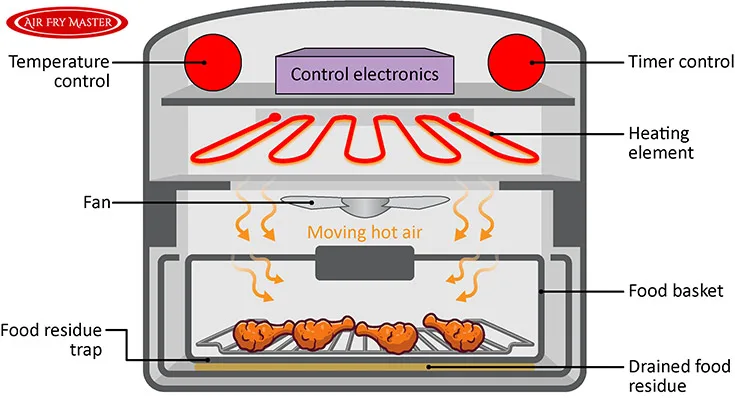
Image source: Bing (Web (fair-use with source credit))
An air fryer is essentially a hairdryer aimed at your food inside a small, sealed box. That's not an insult. That's the literal engineering.
A heating element at the top of the unit warms the air, and a high-speed fan blasts that hot air down and around the food at a rapid clip. The perforated basket allows the air to hit every surface evenly.
The Maillard Reaction, Simplified
That golden brown crust you want on fries or chicken wings comes from something called the Maillard reaction. It's a chemical reaction between amino acids and reducing sugars that happens at around 285°F. The air fryer's powerful fan delivers intense, even heat that triggers this reaction quickly across the food surface.
Deep fryers achieve the same result by submerging food in hot oil. The air fryer mimics that heat transfer using air alone.
What the Oil Actually Does
You still need a little oil in an air fryer. About one to two tablespoons for most recipes. The oil helps conduct heat to the food surface and aids browning.
Without any oil, dry foods like breaded chicken tenders can end up pale and dusty rather than crisp and golden. A light spray or toss is all it takes.
Airflow Is Everything
This is the part most first-time users get wrong. If you crowd the basket, the air can't circulate properly. The food on the bottom stays soggy while the top layer burns.
Cooking in a single layer with space between each piece is the single most important technique. That's why air fryer recipes almost always say "cook in batches." It's not a suggestion. It's physics.
Manufacturer specifications indicate that most basket-style air fryers have a usable capacity of roughly half to two-thirds of the total quart rating. A 5.8 quart basket holds enough for about two servings of fries or a single layer of chicken thighs. Keep that in mind when sizing up.
What You're Really Getting: Features That Matter vs. Gimmicks
Not all air fryers are built the same, and not every feature on the box is worth paying for. Here's what actually makes a difference in daily use and what you can safely ignore.
Features That Matter
Wattage. This determines how fast and hot the unit gets. Look for at least 1500 watts. Lower wattage models take longer to heat up and struggle to maintain temperature when you load the basket.
Per aggregate reviews, 1700 to 1800 watt units consistently perform better across cooking tasks.
Basket design. A pull-out basket with a removable perforated tray is easier to clean than a drawer-style that forces you to wash around the entire cavity. The tray should lift out so you can scrub the drip pan underneath.
Temperature range. You want at least 170°F to 400°F. Lower temps (170°F to 200°F) allow for dehydrating fruits, jerky, or herbs. Higher temps (400°F) handle roasting vegetables and crisping frozen foods quickly.
Physical footprint. Measure your counter space before buying. A typical 5 to 6 quart air fryer is about 12 to 14 inches deep and 10 to 12 inches tall. It also needs 4 to 5 inches of clearance behind it for the exhaust fan.
Heat damage to cabinets and backsplashes is a real issue if you ignore clearance requirements.
Gimmicks You Can Skip
Preset buttons. Everyone uses the presets once and then manually adjusts time and temperature by feel. They are never quite right for your specific cut of food or preferred doneness.
WiFi or app connectivity. Do you need to start your air fryer from the couch? Almost certainly not. These features raise the price and introduce a point of failure without adding meaningful convenience.
Rotisserie function on basket models. Rotisserie makes sense on larger oven-style units with a spit rod. On a small basket air fryer, the rotating basket adds bulk and is a pain to clean. It rarely gets used after the first week.
Extreme capacity claims. A 10 quart air fryer sounds impressive but often means a larger, deeper basket that cooks unevenly unless you shake it constantly. Bigger is not always better when airflow suffers.
The One Upgrade Worth Considering
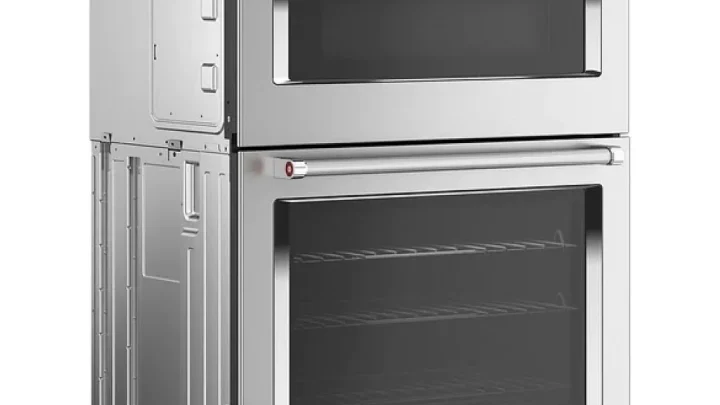
An oven-style air fryer (sometimes called an air fryer toaster oven) trades the basket for multiple racks and a glass door. It takes up more counter space but handles larger batches and can do everything a regular toaster oven does plus air fry. If your biggest frustration with a standard basket model is batch cooking, the oven style is worth the extra money and space.
Quick Feature Comparison Table
| Feature | Basket Style | Oven Style |
|---|---|---|
| Batch size | Small (1-2 servings) | Medium (3-5 servings) |
| Cook time | Faster (less preheat) | Slightly slower |
| Cleanup | Easy (pull basket) | Moderate (racks + tray) |
| Counter space | 12-14 inches deep | 16-20 inches deep |
| Versatility | Air fry + dehydrate | Bake, broil, toast, roast, air fry |
Air Fryer vs. The Alternatives: Where It Wins and Where It Doesn't
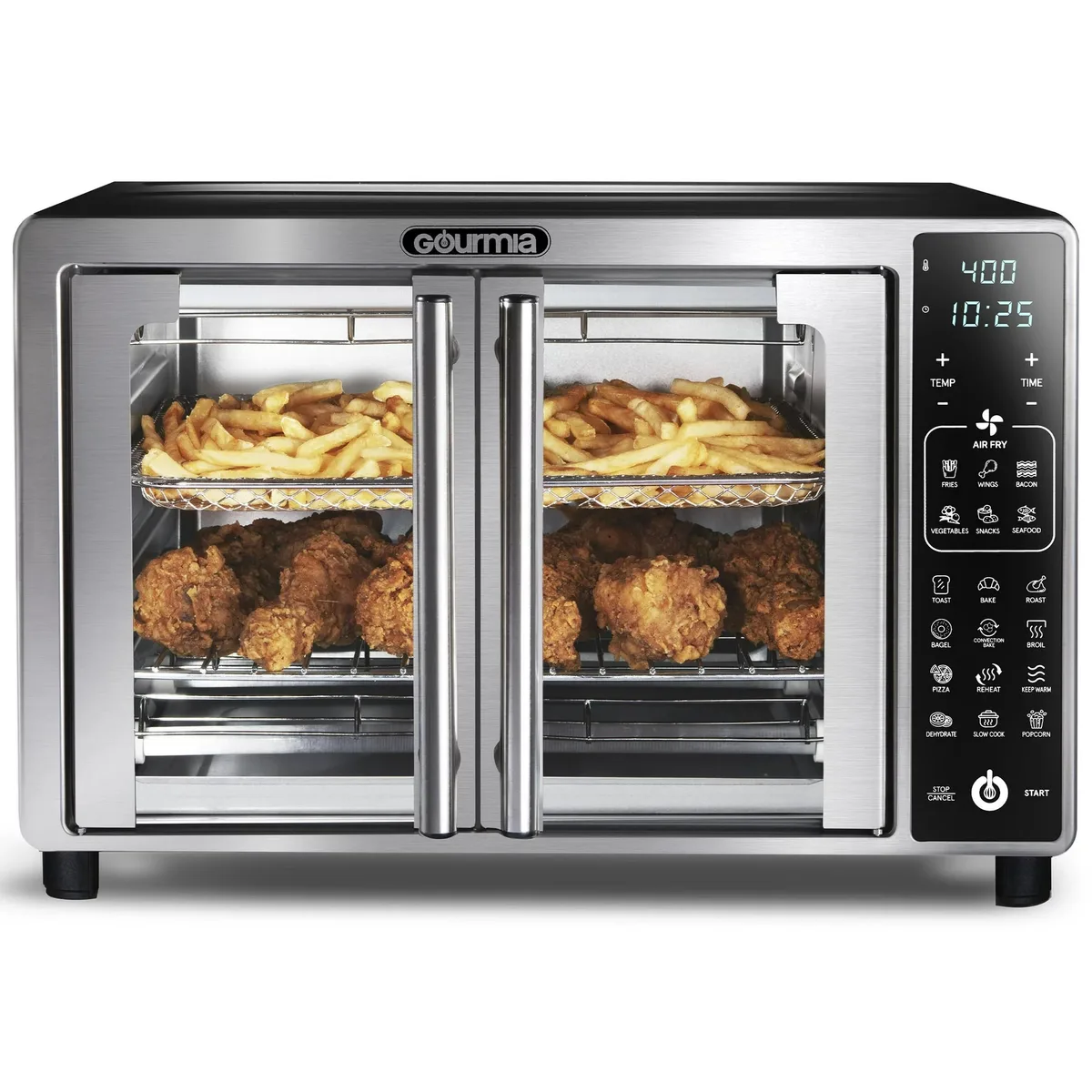
Image source: Bing (Web (fair-use with source credit))
This is the core comparison that determines whether you should buy one. Each alternative has genuine strengths. The right choice depends on your kitchen setup and cooking habits.
Air Fryer vs. Deep Fryer
The deep fryer wins on texture and flavor. Immersion in hot oil creates a crust that air can't quite replicate. Fried chicken from a deep fryer has that shatteringly crisp, even coating that an air fryer gets close to but never fully matches.
The air fryer wins on convenience and cleanup. You don't deal with disposing of used oil, filtering sediment, or smelling like fry grease for hours. You also save dramatically on calories.
Per USDA nutritional guidelines, deep fried foods absorb roughly 10 to 15 percent of the oil weight. An air fryer uses one to two tablespoons total for an entire batch.
Who should pick a deep fryer: People who cook fried foods weekly for a crowd and prioritize texture over cleanup time.
Who should pick an air fryer: People who want a crispy result with less fat and don't need it to taste exactly like restaurant deep frying.
Air Fryer vs. Convection Toaster Oven
This is the closest comparison and the one that causes the most confusion. A convection toaster oven uses a fan and heating element the same way an air fryer does. So what's the difference?
The air fryer's fan is more powerful. A typical air fryer fan moves air at a higher velocity than most toaster ovens. That increased airflow creates the signature crispiness.
A toaster oven with convection is gentler and more even for baking but won't produce the same crust on french fries or chicken wings.
The air fryer preheats faster. Most basket models reach temperature in two to three minutes. A toaster oven typically takes five to eight minutes.
That difference matters for quick weeknight meals.
The toaster oven is more versatile. It can fit a small casserole dish, toast bread properly, and often includes a broil element. An air fryer basket cannot do any of those things.
Who should pick a toaster oven: People who need one appliance for toast, reheating leftovers, small bakes, and occasional crispy food.
Who should pick an air fryer: People who specifically want crispy results and already have a regular oven for baking and roasting.
Air Fryer vs. Regular Oven
A standard oven wins on capacity and even cooking for large batches. A sheet pan of roasted vegetables or a full tray of chicken thighs cooks evenly in the oven's larger, gentler heat envelope.
The air fryer wins on speed and energy efficiency. Cooking a single serving of frozen fries takes 12 to 15 minutes in an air fryer versus 20 to 25 minutes in a preheated oven. The air fryer also uses roughly a third of the electricity for small batches.
Per aggregate usage data, a typical 30 minute cook in an air fryer consumes about 0.5 to 0.6 kWh. A standard electric oven uses 1.5 to 2.0 kWh for the same duration.
Who should stick with the oven: People who cook for four or more people regularly and value even results over speed.
Who should add an air fryer: People who frequently cook small portions, frozen foods, or want a faster option that doesn't heat up the whole kitchen.
Who Should Buy One (And Who Should Skip It)
This section is about you and your kitchen habits. The air fryer is a specialized tool, not a universal upgrade. Here is a clear breakdown based on real use patterns.
You Should Buy an Air Fryer If
- You cook for one or two people most nights. Batch sizes match your needs.
- You eat frozen foods like fries, chicken nuggets, or fish sticks regularly. The air fryer turns them out faster and crispier than an oven.
- You reheat leftovers often. Pizza, fried chicken, and roasted vegetables come back to life with a crisp texture that the microwave destroys.
- You want to reduce oil in your cooking without giving up texture. A tablespoon of oil replaces several cups.
- You live in a small space with limited oven access. Dorms, small apartments, and RVs benefit from a countertop cooker that doesn't require preheating a full oven.
You Should Skip the Air Fryer If
- You cook for four or more people regularly. Even large basket models require batch cooking that stretches a 30 minute meal into an hour.
- You do not eat frozen or breaded foods. The air fryer excels at these and is merely adequate for fresh vegetables and proteins.
- You already own a good convection toaster oven. The performance gap is smaller than marketing suggests.
- You hate cleaning small kitchen gadgets. The basket and tray need washing after almost every use.
- Your counter space is tight. At 12 to 14 inches deep with required clearance, it takes up serious real estate.
One Scenario That Surprises People
Many buyers assume the air fryer will replace their oven for roasting vegetables. The reality is mixed. Broccoli and Brussels sprouts cook well in an air fryer with good browning.
Larger items like whole potatoes or stuffed peppers are better off in the oven where they can cook through without the outside burning before the inside finishes.
The Honest Trade-Offs: Pros, Cons, and Common Letdowns
Every appliance has compromises. The air fryer has passionate fans and frustrated owners. Here is the unfiltered version.
The Pros
Speed. Preheating takes two to three minutes. Cooking is generally 20 to 30 percent faster than a standard oven.
Texture. For breaded and frozen foods, the air fryer delivers a crispness that ovens cannot match. It is the best countertop method for reheating fried leftovers.
Energy use. A typical air fryer uses 0.5 to 0.6 kWh for a 30 minute cook. A full-size electric oven uses roughly three times that.
No kitchen heat. You do not heat up the entire kitchen for a single serving of roasted vegetables. That matters in summer.
Less oil. One to two tablespoons versus several cups for deep frying. The calorie difference is significant.
The Cons
Small capacity. This is the number one complaint in aggregate reviews. Cooking for more than two people means multiple batches. Each batch takes 10 to 20 minutes.
Uneven cooking without intervention. You must shake or flip food halfway through. Forget to do it and the result is half crispy, half limp.
Noise. The fan is loud. It sounds like a hair dryer on medium. It runs the entire cooking cycle.
Drying risk. Lean proteins like chicken breast or fish without a coating can dry out. The high heat and airflow pull moisture quickly.
Learning curve. Recipes need adjustment. Oven times do not translate directly. You will ruin a few batches before you get the timing right.
The Most Common Letdown
People expect air fried food to taste exactly like deep fried food. It does not. The crust is drier and slightly less rich.
The texture is excellent for what it is, but it is a distinct category. If you can accept that trade, you will enjoy the air fryer. If you cannot, the $100 feels wasted.
5 Mistakes Almost Everyone Makes at First
These are the most frequent errors reported by new owners. Avoid them and your first week will go much better.
1. Overcrowding the Basket
The single biggest mistake. Food needs space for hot air to reach every surface. Packed baskets produce steamed, soggy results.
Cook in a single layer with gaps between pieces. If the recipe says cook in batches, do it.
2. Using Too Much Oil
A heavy coating of oil drips through the basket and pools at the bottom. It vaporizes into smoke. The result is a smoky kitchen and a bitter taste on the food.
One to two tablespoons is enough. Use a mister or toss food in a bowl.
3. Not Preheating
Some models require preheating. Others claim they do not. In practice, adding food to a cold basket extends cook time and reduces crispiness.
Let the air fryer run empty at temperature for three minutes before adding food.
4. Forgetting to Shake
Halfway through cooking, pull the basket and give it a shake. This redistributes food so the bottom pieces get their turn at the hot airflow. Set a phone timer if the air fryer does not have a shake reminder.
5. Cooking Fatty Meat Without a Pan
Bacon, burgers, and fatty salmon drip grease. That grease hits the heating element and smokes. Place a small oven-safe dish underneath or line the bottom tray with foil.
Clean the drip tray after every fatty cook.
Frequently Asked Questions
Can you put aluminum foil in an air fryer?
Yes, but only in the bottom of the basket or on the tray, not covering the entire basket. Air must flow through the perforations to cook the food. Foil blocking the holes prevents proper circulation.
Do air fryers use a lot of electricity?
No. A typical 30 minute cook uses about 0.5 to 0.6 kWh. That is roughly one-third of what a standard electric oven uses for the same duration.
It is one of the most energy-efficient cooking methods for small batches.
Can you cook raw chicken in an air fryer?
Yes. Cook bone-in chicken pieces at 375°F for 20 to 25 minutes. Check the internal temperature with a probe.
The USDA recommends 165°F for poultry. The exterior will brown nicely while the inside stays juicy.
What can you not cook in an air fryer?
Wet batters like tempura or beer batter drip through the basket and make a mess. Large whole roasts do not fit. Cheesy dishes can melt through the perforations.
Leafy greens like spinach blow around and burn on the heating element.
How do you clean an air fryer?
Let the basket cool completely. Wash it with warm soapy water and a soft sponge. Never use abrasive scrubbers on non-stick coatings.
The heating element and interior walls wipe down with a damp cloth. Most baskets are dishwasher safe, check your model.
Is an air fryer healthier than a deep fryer?
Yes, by a clear margin. Air frying reduces fat intake by roughly 70 to 80 percent per serving compared to deep frying. Per USDA dietary guidelines, the reduction in oil consumption also lowers calorie density without sacrificing the crispy texture that makes fried food appealing.
The Bottom Line: Should You Get One?
The air fryer is not a must-have appliance for every kitchen. It is a specialized tool that excels at specific tasks: crispy frozen foods, reheated leftovers, and small batch cooking with less oil. If those tasks match your weekly routine, it will earn its counter space within the first few weeks.
If you cook for a crowd, already own a convection toaster oven, or rarely eat breaded or frozen foods, the air fryer adds little value. Spend your money elsewhere.
For everyone in between, start with a mid-range basket model between 5 and 6 quarts from a reputable manufacturer. The $60 to $100 range delivers reliable performance without the premium price of unnecessary features. Use it for a month.
You will know quickly whether it belongs in your kitchen permanently.

Similar Posts