Do Air Purifiers Remove Smoke
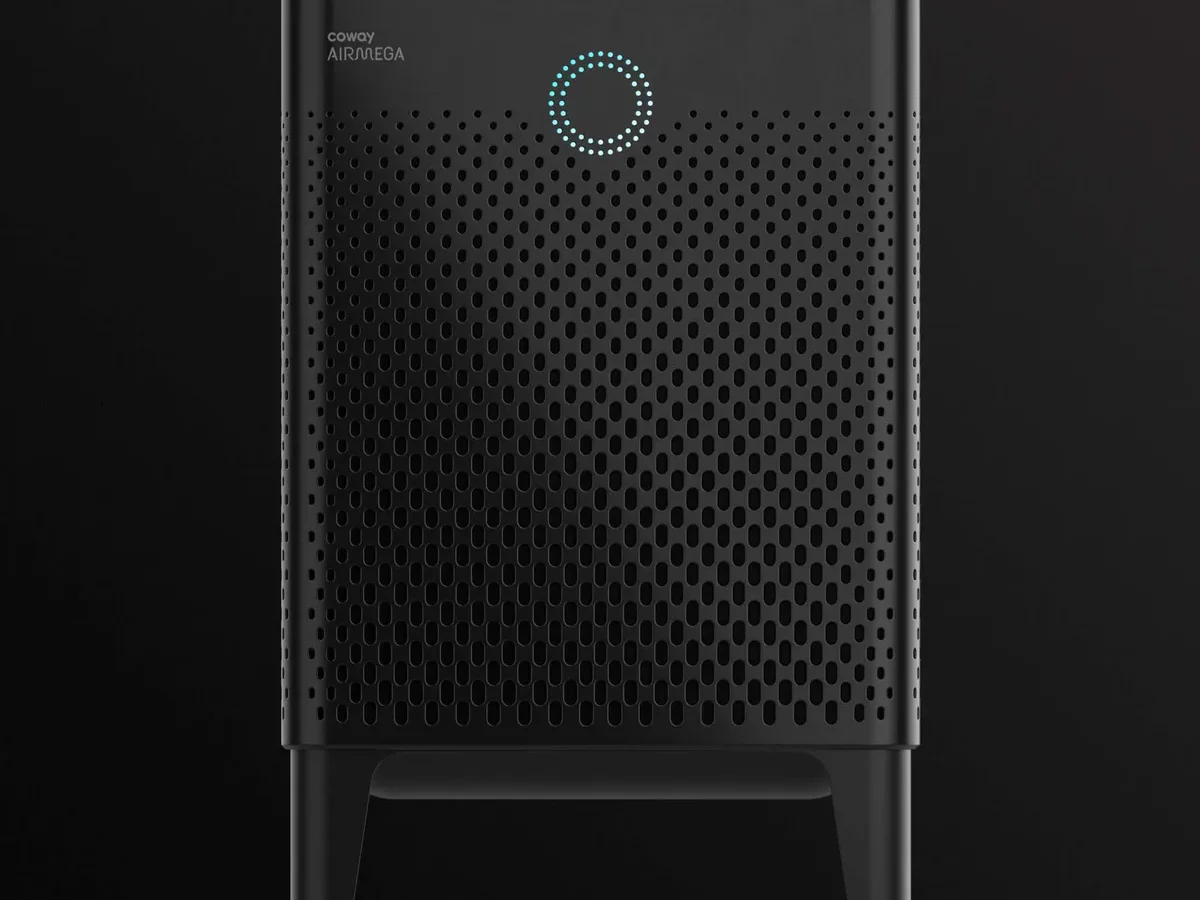
Do Air Purifiers Remove Smoke? It's a straightforward question with an answer that gets complicated fast. Yes, the right air purifier can pull smoke particles from the air.
But the wrong one will waste your money and leave you breathing harmful stuff you thought was gone.
The key difference comes down to what's actually in the smoke. Wildfire smoke, cigarette smoke, and cooking smoke all contain different particle sizes and chemical gases. Per EPA indoor air quality guidelines, a purifier needs both particle capture and gas adsorption to handle smoke properly.
Let's break down what you actually need.
Quick Answer
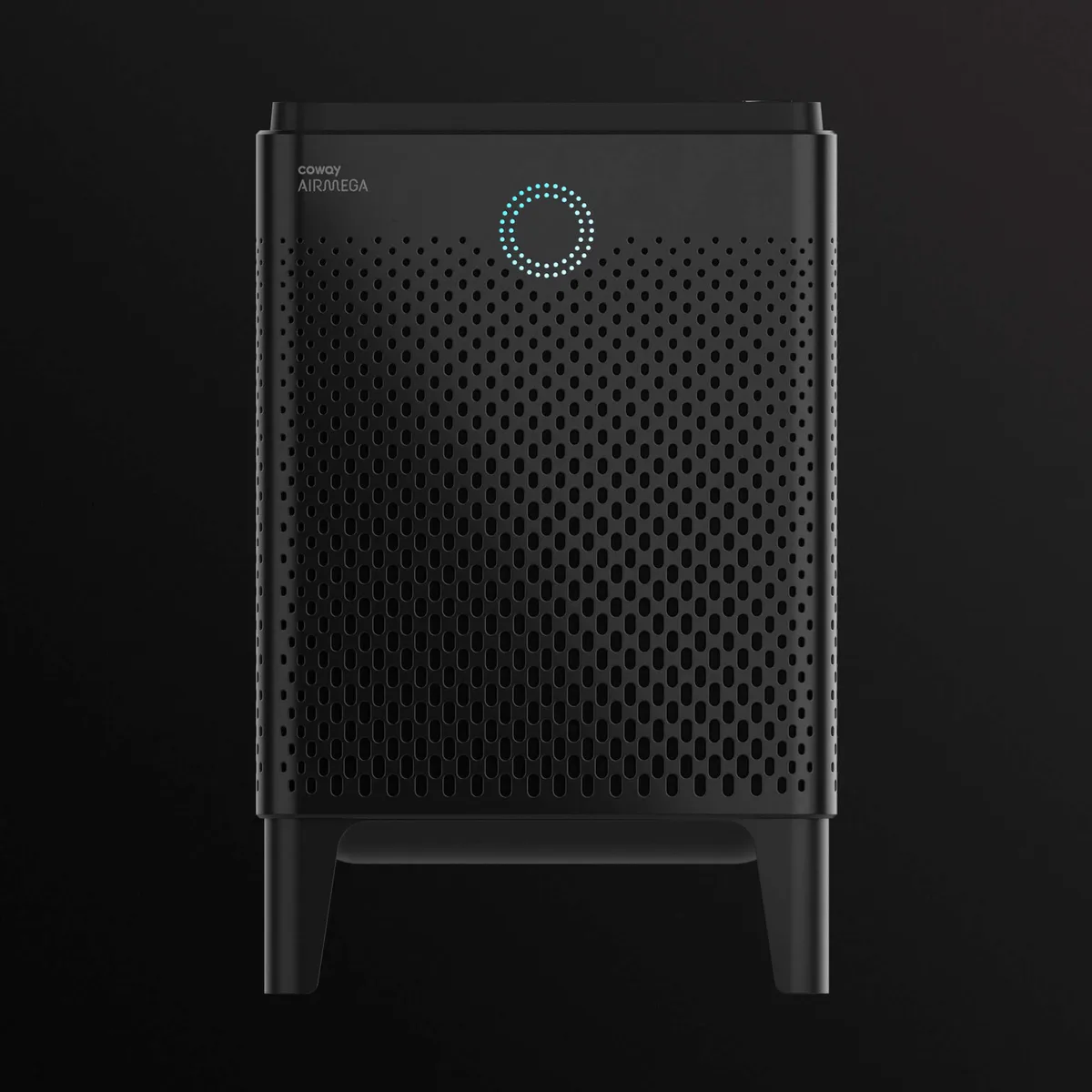
Yes, air purifiers remove smoke. But only specific types. You need a unit with a True HEPA filter for particles and a thick activated carbon filter for gases and odors.
HEPA-only units trap particles but leave the smell. Units with thin carbon pads do almost nothing for smoke gases. Always check the CADR rating for smoke before buying.
Why This Question Matters More Than You Think
Most people don't realize how small smoke particles really are. We're talking about PM2.5, particles that measure 2.5 microns or smaller. A human hair is about 70 microns wide.
These tiny particles slip past your body's defenses and travel deep into your lungs. From there they can enter your bloodstream.
The health risks are well documented. The CDC has linked short-term exposure to wildfire smoke with increased emergency room visits for asthma attacks and heart problems. Longer exposure raises risks for chronic respiratory issues.
If you're in a wildfire zone or live with a smoker, this isn't about comfort. It's about your health.
Then there's the money side. A decent smoke-fighting air purifier costs $200 to $800. A bad one costs $80 and gives you false confidence.
You might think you're protected. You might smell less smoke. But the dangerous particles could still be circulating.
The other problem people miss is that smoke isn't just particles. It's a chemical soup. Wildfire smoke contains carbon monoxide, volatile organic compounds, and dozens of other gases.
Cigarette smoke has over 7,000 chemicals. A HEPA filter catches the solids. It does nothing for the gases.
That's why so many people buy a purifier, run it during a fire event, and still smell smoke in their home.
Getting this right matters for another reason too. During severe smoke events, people seal their homes tight. Windows shut.
Doors stay closed. If your air purifier isn't working properly, you're recirculating contaminated air. You might be worse off than if you'd cracked a window for fresh air.
What Kind of Smoke Are You Dealing With?
Smoke is not one thing. It changes based on what's burning. Your air purifier strategy should change too.
Wildfire Smoke
This is the big one for most people. Wildfire smoke contains fine particles, carbon monoxide, nitrogen oxides, and dozens of volatile organic compounds. PM2.5 is the main concern.
Wildfire smoke also produces a strong odor that can linger for days. That smell comes from gases and ultrafine particles. A HEPA filter catches the particles.
You need substantial activated carbon to handle the gases. Per AHAM standards, a CADR of at least 300 CFM for smoke is recommended for a 300 square foot room during wildfire events.
The challenge with wildfire smoke is volume. These events can last for weeks. Your air purifier needs to run continuously.
Filters get saturated faster than you'd expect. Many people replace carbon filters every two to three months during heavy wildfire seasons.
Cigarette and Tobacco Smoke
Cigarette smoke presents a different challenge. It's a constant, ongoing source. The particles are smaller on average than wildfire smoke.
Many fall into the ultrafine category, below 0.1 microns.
A True HEPA filter catches 99.97 percent of particles at 0.3 microns. Ultrafine particles smaller than that still get caught at high efficiency because of Brownian motion. One of the four capture mechanisms in HEPA filters, Brownian motion actually works better on very small particles.
The bigger problem with cigarette smoke is the residue. Thirdhand smoke produces chemicals that settle on surfaces and re-enter the air. These VOCs keep releasing long after the cigarette is out.
An air purifier helps but won't fully solve this. You also need to clean surfaces and wash fabrics.
Cooking Smoke
Grease smoke from cooking is mostly larger particles. These settle on surfaces more quickly. A basic HEPA purifier handles cooking smoke fairly well.
The main issue is odor control for things like burned garlic or fish.
| Smoke Type | Typical Particle Size | Primary Concern | Best Filter Combo |
|---|---|---|---|
| Wildfire | PM2.5 and smaller | Volume, gases, VOCs | HEPA + thick carbon |
| Cigarette | Ultrafine to PM2.5 | Continuous source, thirdhand residue | HEPA + thick carbon |
| Cooking | PM2.5 to PM10 | Odor, grease residue | HEPA + moderate carbon |
| Wood stove | PM2.5 | Gases, long exposure | HEPA + thick carbon |
How Air Purifiers Actually Handle Smoke
Let's get into the mechanics. An air purifier pulls air through a fan, passes it through filter media, and pushes clean air back out. The effectiveness depends entirely on what that filter media is made of.
HEPA Filters: The Particle Catcher
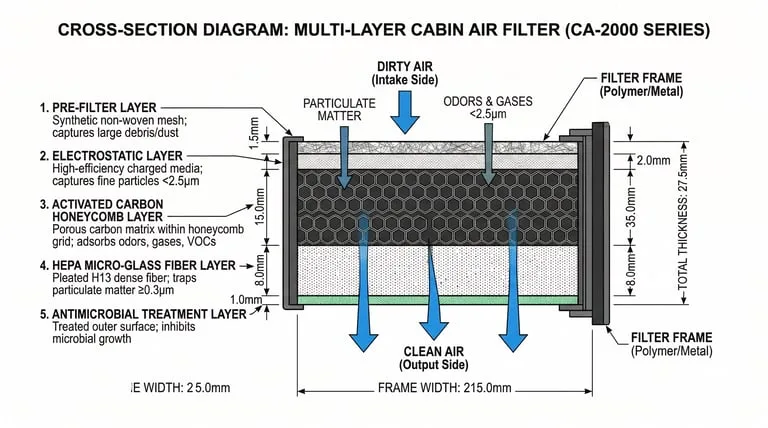
True HEPA filters use a mat of randomly arranged fibers. Glass or synthetic fibers are pleated to create a large surface area. As air passes through, particles get trapped by four mechanisms: interception, impaction, diffusion, and electrostatic attraction.
For smoke particles, diffusion is the most important mechanism. Very small particles move erratically and bump into fibers. Once they hit, they stick.
A True HEPA filter captures 99.97 percent of particles at 0.3 microns. That's the most penetrating particle size. Smaller and larger particles are caught at even higher efficiency.
But here's the catch with HEPA alone. Smoke gases pass right through. The smell stays.
The chemical vapors stay. If you buy a HEPA-only unit, you've solved maybe half the problem.
Activated Carbon: The Gas Absorber
Activated carbon is charcoal treated with oxygen to create millions of tiny pores. One gram of activated carbon has a surface area of around 500 square meters. Those pores trap gas molecules through adsorption.
For smoke, you need a lot of carbon. A thin carbon pad, maybe 1/8 inch thick, does almost nothing. It saturates in hours.
You want a carbon filter that weighs at least two to three pounds for a room-sized unit. The best smoke-fighting purifiers use five pounds or more of activated carbon.
The type of carbon matters too. Impregnated carbon has chemicals added to improve capture of specific gases. Unimpregnated or plain activated carbon handles a broad range of VOCs.
Both work for smoke, but the total volume of carbon is what really matters.
Units That Make Smoke Worse
Some "air purifiers" actually harm your air quality around smoke. Here's what to avoid.
Ozone generators. These intentionally produce ozone to oxidize smoke particles and odors. The problem is that ozone is a lung irritant. The EPA has warned that ozone generators can cause asthma attacks and worsen respiratory conditions.
They're illegal in California for indoor use. Avoid them entirely.
Ionizers and electrostatic precipitators. These charge particles and attract them to collection plates. They produce small amounts of ozone as a byproduct. They also leave charged particles that settle on walls and furniture.
Some people call this black wall effect. The plates need regular cleaning or they stop working. For smoke specifically, these units underperform compared to mechanical HEPA filtration.
UV-C light. Some purifiers claim UV light kills smoke particles. It doesn't. UV is effective against bacteria and viruses on surfaces.
It does nothing to particles or gases in the airstream. It's a marketing feature, not a smoke solution.
Rating the Right Machine for Smoke
You need to evaluate a few specific specs when shopping for a smoke-fighting purifier. Here's what matters and what doesn't.
CADR for Smoke
CADR stands for Clean Air Delivery Rate. It measures how many cubic feet of air per minute a unit removes a specific pollutant. There are three CADR ratings: for smoke, dust, and pollen.
CADR for smoke is the number you care about. A higher number means faster particle removal. The Association of Home Appliance Manufacturers maintains a voluntary certification program for CADR ratings.
Look for the AHAM seal on the box.
For smoke, a good rule of thumb is CADR of at least two-thirds of your room's square footage. A 300 square foot room benefits from a unit with a smoke CADR of 200 CFM or higher. Better yet, aim for a CADR equal to your room's square footage.
That gives you four air changes per hour.
Room Size Math
Don't trust the manufacturer's "up to" coverage numbers. They often base those on low fan speed or unrealistically low ceilings. Instead, use the actual cubic footage of your room.
Measure length times width times height. A 12×12 room with 8 foot ceilings is 1,152 cubic feet. A purifier with a smoke CADR of 200 CFM will clean that room in about 5.8 minutes.
That's roughly 10 air changes per hour, which is excellent for smoke.
For rooms with open floor plans, measure the actual space you can isolate with doors or curtains. Trying to clean an entire open living space with one small unit is a losing battle.
Carbon Filter Weight
This is the spec most people ignore. Count the carbon weight. A unit that costs $150 with a 0.3 pound carbon pad is not a smoke machine.
A unit with three pounds of granular activated carbon is serious.
Some manufacturers hide this information. Check the manual or product page for filter specifications. If they won't tell you the carbon weight, assume it's minimal.
Smart Sensors and Auto Mode
Air quality sensors detect particle levels and adjust fan speed automatically. These are convenient during wildfire events when you can't constantly monitor conditions. The sensors use a laser or LED to scatter light and estimate particle concentration.
The accuracy varies widely between models. Some sensors read high and run the fan constantly. Others read low and don't respond quickly enough.
Per aggregate user reviews, the most reliable units use a PM2.5 sensor that displays a numerical reading. Seeing the actual number change when conditions improve builds confidence in auto mode.
Other nice features include filter replacement indicators, timer settings, and low noise operation. None of these matter if the core filtration isn't adequate for smoke. Get the filter right first.
Where Most People Go Wrong
Buying a HEPA-Only Unit for Smoke
This is the most common mistake. A HEPA filter catches particles but ignores gases. You still smell smoke.
The dangerous VOCs stay in the air. If you live in a wildfire zone or with a smoker, you need activated carbon. There's no shortcut.
Underestimating Room Size
People buy purifiers rated for 200 square feet and put them in 500 square foot living rooms. The unit runs constantly and never catches up. Match the CADR to your actual room dimensions.
Bigger is better when dealing with smoke.
Poor Placement
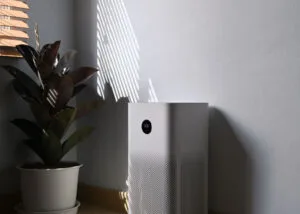
Putting the purifier in a corner or behind furniture blocks airflow. These units need clearance on all sides. The intake and outlet need open space.
A general rule is at least two feet from walls and furniture. Center of the room is ideal.
Running on Low Speed
Low fan speed is quiet. It's also slow. During active smoke events, run the unit on high.
You need maximum air movement to pull particles and gases through the filters. Noise is temporary. Lung health is permanent.
Ignoring Filter Replacement
Filters get full. A saturated carbon filter stops adsorbing gases. A clogged HEPA filter restricts airflow.
Some units have indicator lights. Others don't. Check your filters every three months during heavy use.
Replace carbon filters at least every six months during smoke season.
Assuming One Unit Covers the Whole House
A single air purifier handles one room effectively. Open floor plans and multiple bedrooms need separate units. Focus on the rooms where you spend the most time.
Bedrooms are usually the priority since you spend eight hours there breathing.

Similar Posts