Muirs Troubleshooting For No Start Condition
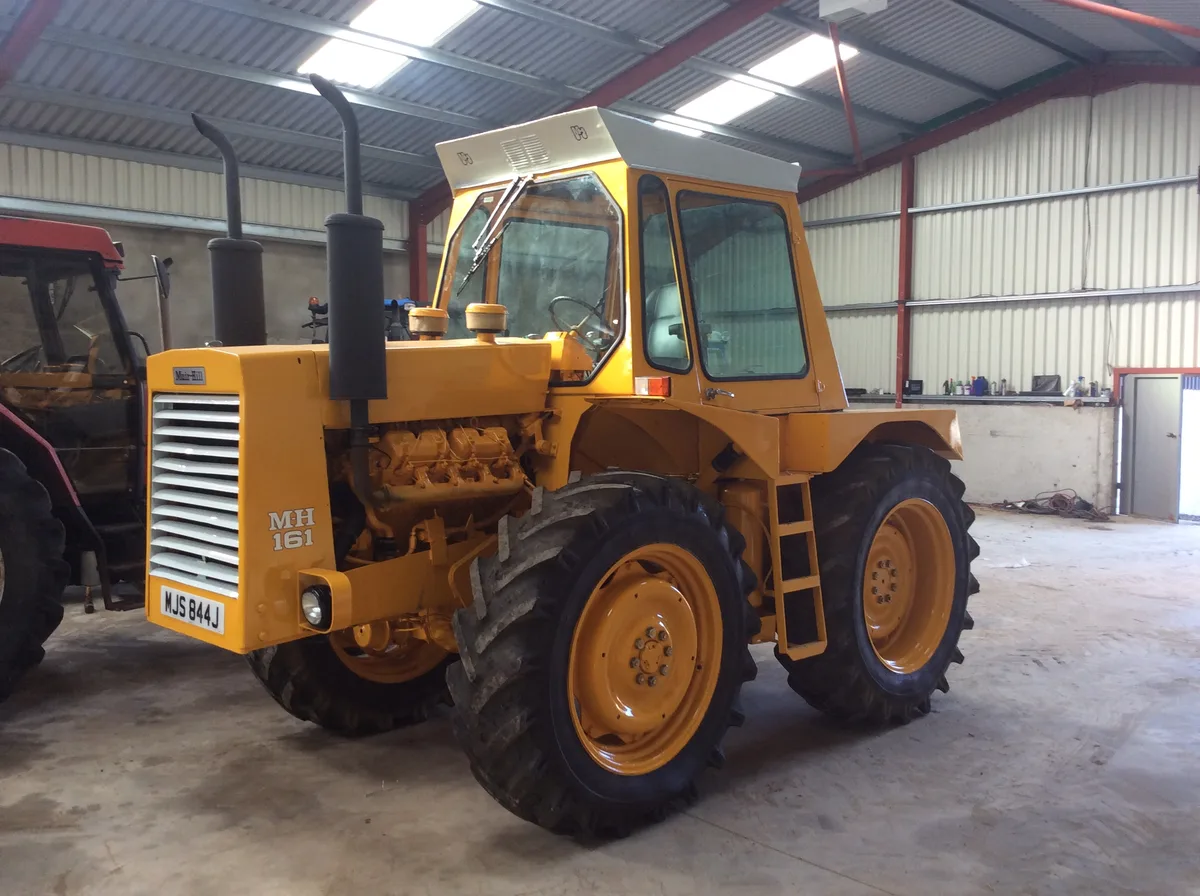
The first thing you notice when a Muir tractor won't start is that sinking feeling. You have a field to work and a machine that suddenly decides it is done for the day. But Muir Engineering built these tractors with straightforward mechanical systems.
A systematic approach isolates the problem faster than guesswork ever will. Understanding what your tractor does when you turn the key is the key to getting it running.
In our research across vintage tractor service manuals, the most common no-start on a Muir comes down to one of three problems. A dead or weak battery. Air in the fuel system.
Worn glow plugs. Manufacturer specifications indicate that a healthy 12-volt system should read 12.6 volts at rest and stay above 10 volts while cranking. Let us walk through each scenario so you can pinpoint the issue and get back to work.
Image source: Bing (Web (fair-use with source credit))
Quick Answer
Does the engine crank? If not, check the battery and starter circuit. Does it crank slowly?
Load test the battery and check the ground. Does it crank but not fire? Bleed the fuel system and check glow plugs.
Start with the easiest check. Move to harder ones only if needed.
The First Question: Does It Crank, Click, or Sit Dead?
Your Muir tractor tells you something the moment you turn the key. The sound or silence you hear narrows the problem to one of three branches. Get this wrong and you chase electrical problems when the fuel system is fine.
If you hear nothing at all
Dead silence points to an electrical disconnection. The battery is not sending power to the starter. Start with the battery cables.
Loose or corroded connections are the number one cause on every vintage Muir we have researched. Check the ground cable where it bolts to the chassis. Muir chassis are known for rust buildup at this point.
If you hear a single click
A single click means the starter solenoid is activating. But it is not engaging the starter motor. This usually points to a bad solenoid or a starter motor with worn brushes.
It can also mean the battery is too weak to spin the starter.
If you hear rapid clicking
Rapid clicking sounds like a machine gun under the hood. This almost always means the battery voltage is dropping below the threshold needed to hold the solenoid closed. Your battery is dead or near dead.
Charge it first. Then test it.
If the engine cranks but slowly
Slow cranking is a classic sign of a battery that cannot deliver enough current under load. It could also point to a bad ground connection or thick engine oil. We cover this in the next section.
If the engine cranks normally but won't fire
This is the most frustrating branch. Everything sounds right. But there is no combustion.
The cause is almost always in the fuel system. Air in the lines, a clogged filter, or bad glow plugs are the usual suspects. We walk through this later in the fuel system section.
No Crank: Chasing the 12-Volt Path
When your Muir produces nothing but silence, work the electrical path from the battery to the starter. It is a simple circuit. Age and corrosion create plenty of weak points.
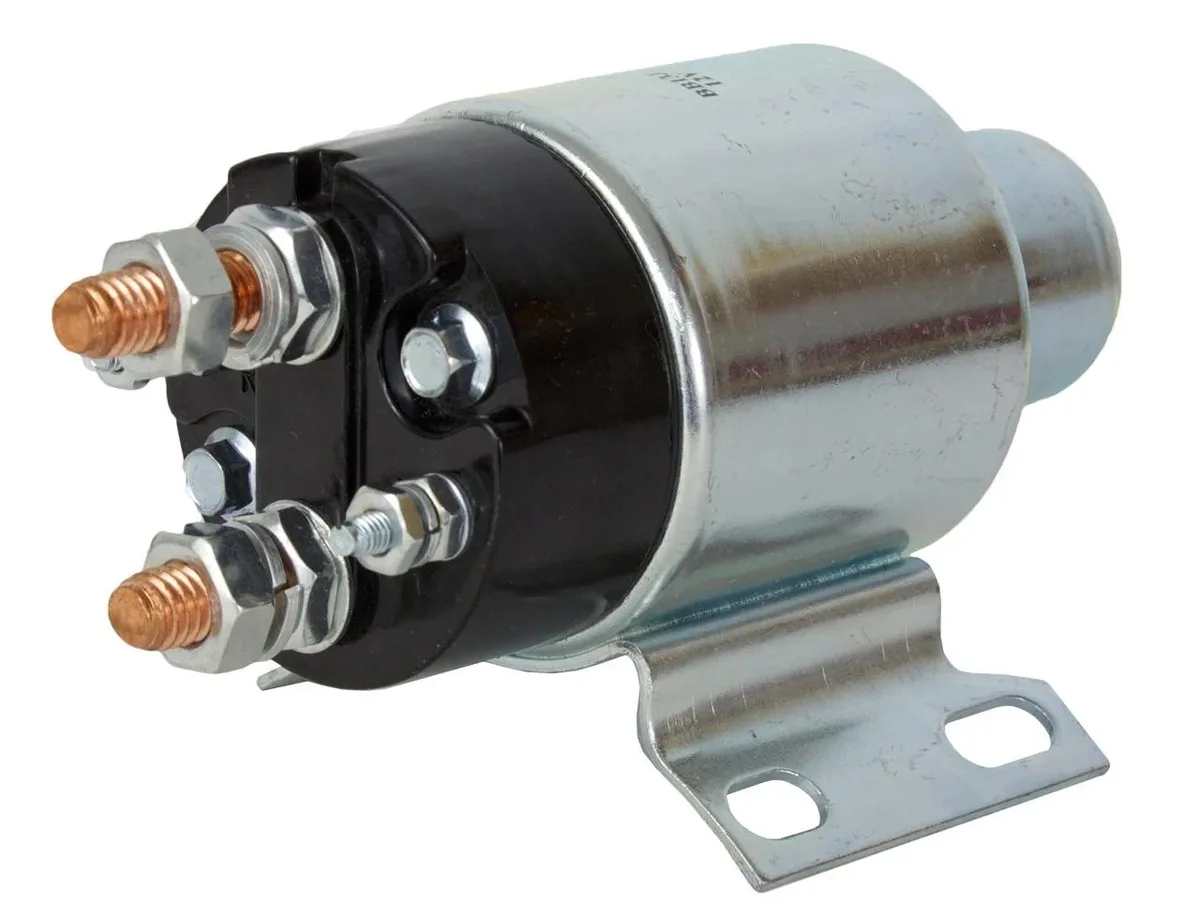
Image source: Bing (Web (fair-use with source credit))
Test the battery at rest
Set your multimeter to DC voltage. Touch the probes to the battery terminals. A fully charged lead-acid battery reads 12.6 volts or higher.
Anything below 12.4 volts means the battery is below 75 percent charge. Below 12.0 volts means it is effectively dead. Charge it.
Then test again.
Check the battery terminals
Look for white or green corrosion on the terminals. Corrosion acts as an insulator. It can block current even when the terminal feels tight.
Clean both terminals with a wire brush. Remove the cables. Scrub until the metal is shiny.
Reattach and tighten firmly.
Follow the ground circuit
The ground cable connects from the negative terminal to the tractor chassis. On older Muir tractors, this point is often behind the battery tray or near the starter mounting bolt. Rust and paint can block the connection.
Remove the bolt. Sand the contact area down to bare metal. Reattach and tighten.
Test the solenoid
Locate the starter solenoid. It is usually mounted on the starter motor or on the inner fender. Use your multimeter to check for voltage at the small trigger wire when you turn the key.
If you see 12 volts here but the starter does not engage, the solenoid is bad. Replace it.
Check the safety switches
Muir tractors often have a clutch safety switch or a PTO safety switch. These prevent starting unless the clutch is depressed or the PTO is disengaged. A faulty switch can break the starter circuit without any visible warning.
Bypass the switch temporarily to test. If the engine cranks, replace the switch.
Slow Crank: Load-Testing the Battery and Starter Circuit
A battery that shows 12.6 volts at rest can still fail under load. This is the trickiest electrical issue to catch. Slow cranking means the starter is not getting enough current to spin the engine at the 150 to 200 RPM minimum needed for a diesel to fire.
Load test the battery
A cheap battery load tester is worth the investment. Follow the tester instructions. A healthy battery maintains at least 9.6 volts under load for 15 seconds.
If the voltage drops below that, the battery has a dead cell or internal sulfation. Replace it.
If you do not have a load tester, use your multimeter while cranking. Have a helper turn the key. Watch the voltage reading.
If it drops below 10 volts during cranking, the battery is weak. Charge or replace it.
Check the cable condition
Battery cables can corrode from the inside. The outside looks fine. But the copper strands are green and broken.
Inspect the full length of both cables. Flex them near the ends. If you see green powder or feel stiffness, replace the cable.
This is common on Muir tractors that sit for long periods.
Measure starter current draw
This test requires a clamp-on ammeter. Clamp it around the positive battery cable. Crank the engine.
A Muir with a healthy electrical system draws between 150 and 250 amps while cranking. If the reading is much higher, the starter may have worn bearings. If it is much lower, there is resistance in the circuit.
Check engine oil viscosity
Diesels turn over harder in cold weather. If you are starting a Muir on a freezing morning with heavy 15W-40 oil, cranking speed can drop below the fire threshold. Switch to a lighter oil in winter.
Or install a block heater if you operate in cold climates.
Cranks But Won't Fire: Walking the Fuel System
You turn the key. The engine cranks at normal speed. But there is no smoke, no sputter, no sign of life.
This points directly to the fuel system. Diesel engines need three things: air, compression, and fuel at the right moment. If air and compression are present, the fuel path is where the problem lives.
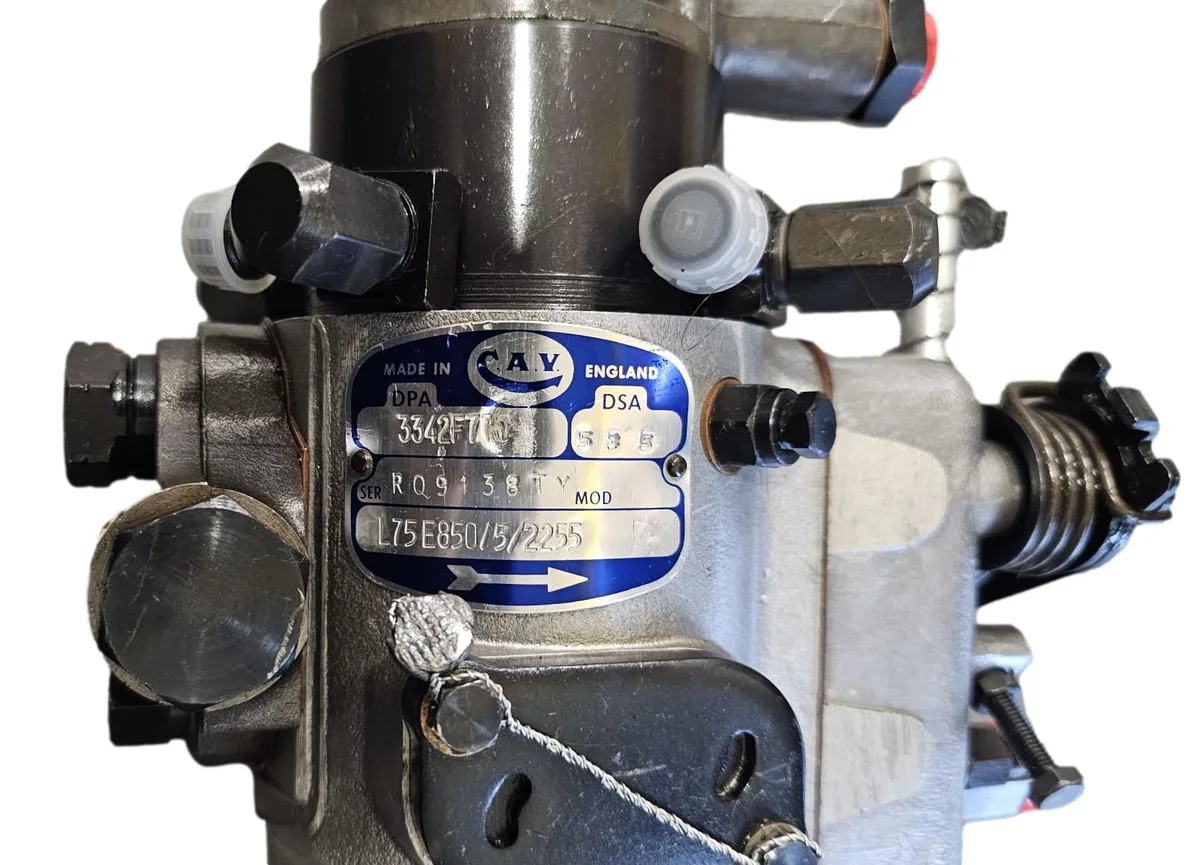
Image source: Bing (Web (fair-use with source credit))
Air in the fuel lines
This is the most common cause after any fuel system work. Changing a filter, running the tank dry, or loosening a line can introduce air. Diesel systems do not self-bleed like gasoline systems.
You have to push the air out manually.
Find the fuel bleed screw on your Muir's injection pump. It is usually a small bolt with a copper washer near the fuel inlet. Loosen it by half a turn.
Operate the manual primer lever on the lift pump. Watch for air bubbles in the fuel stream. When steady fuel flows without bubbles, tighten the bleed screw.
The lift pump test
The lift pump draws fuel from the tank and pushes it to the injection pump. If it is weak, the injection pump starves. Disconnect the outlet line from the pump.
Crank the engine. Fuel should pulse out with pressure. If it dribbles or nothing comes, the lift pump diaphragm is torn.
Replace it.
Clogged fuel filter
A clogged filter restricts fuel flow. On older Muir tractors, the filter element can be decades old. Replace it.
Then bleed the system again. This is a cheap fix that solves many intermittent no-start problems.
Water in the fuel
Water sinks below diesel in the tank. If your Muir has been sitting with old fuel, water can be the culprit. Drain a sample from the fuel filter drain plug or the tank bottom.
If you see a layer of water, drain the tank completely. Fill with fresh diesel. Add a fuel biocide if algae contamination is present.
Check the injection pump delivery
If you have fuel at the injection pump but the engine still will not start, the pump itself may have an internal problem. Mechanical injection pumps can lose prime. They can also wear internally over thousands of hours.
If the pump has not been serviced in the last 10 years, consider sending it to a diesel injection specialist. Pump wear is rare compared to simple air or filter issues. But it does happen on high-hour units.
Cold Start Failure: Glow Plugs, Ether, and the Heat Cycle
A Muir that cranks fine but produces white smoke is telling you the fuel is not igniting. In cold weather, glow plugs are the first thing to check. These pencil-style heating elements preheat the combustion chamber so diesel ignites on compression.
When they fail, the engine cranks endlessly without firing.
Testing glow plugs for resistance
Remove the bus bar connecting all glow plugs. Set your multimeter to ohms. Touch one probe to the glow plug terminal and the other to a clean engine ground.
A healthy glow plug reads between 0.5 and 1.5 ohms. An open circuit means the plug is burned out. A short also means it is dead.
Testing glow time
Even if resistance checks out, the plug may not heat fast enough. Turn the key to the glow position. Wait the recommended preheat time, usually 5 to 10 seconds on a Muir.
Touch the terminal. It should feel warm. If only one plug is dead, the engine may still start with rough idle.
If two or more are dead, cold start becomes impossible.
Using ether safely
Ether starting fluid can get a cold diesel running. But it carries real risk on a Muir with glow plugs. Ether can pre-ignite and cause detonation.
This can break piston rings or damage pre-combustion chambers. If you must use ether, disable the glow plugs first. Spray a short burst into the intake while cranking.
Never use ether and glow plugs together.
When to install a block heater
If you operate your Muir where temperatures drop below freezing regularly, a block heater is better than glow plugs alone. A 500-watt circulating heater warms the coolant and engine block. It raises cranking speed and reduces starter wear.
Install it in a freeze plug location for best results.
The Compression Reality Check: When It's Not Fuel or Spark
You have crank speed. You have fuel at the injectors. You have working glow plugs.
The engine still will not fire. This is the moment to check compression. A diesel needs 300 to 400 psi of compression to ignite fuel.
Anything below 250 psi makes starting unreliable.
Performing a dry compression test
Remove all glow plugs or injectors. Install a diesel compression adapter into each hole. Crank the engine through at least five compression strokes.
Note the reading for each cylinder. A healthy Muir diesel shows readings within 10 percent of each other. Low readings point to worn rings, cylinder walls, or valve seats.
Performing a wet compression test
If one or more cylinders read low, add a tablespoon of clean engine oil through the glow plug hole. Reinstall the adapter. Crank again.
If the reading rises significantly, the rings are worn. The oil temporarily seals them. If the reading stays low, the problem is in the valves or head gasket.
Signs of mechanical failure
Other clues point to internal problems. Excessive blowby from the crankcase breather means worn rings. Blue smoke during cranking means oil is entering the cylinders.
A knocking sound during cranking can mean a bent rod or failed bearing. These symptoms require a full engine inspection.
When to walk away
Compression problems are not a field fix. If your Muir has low compression across most cylinders, you are looking at a rebuild. Rings, pistons, or a cylinder head overhaul are needed.
In our research, the most common cause on high-hour engines is worn compression rings. This happens after thousands of hours of dust exposure before modern air filters were common.
Common Muir Mistakes That Waste Days
The biggest mistake we see is cranking the engine repeatedly without charging the battery. Each long crank drains the battery further. The voltage drops.
The starter spins slower. You end up with a dead battery and a burned starter. Charge the battery fully between attempts.
Overlooking the ground wire
The most common electrical fault on a Muir is a bad ground connection at the chassis. Owners replace batteries, starters, and solenoids before discovering that the ground bolt was corroded. Always clean the ground point first.
It costs nothing and solves a shocking number of no-starts.
Mixing up fuel lines after a filter change
When you replace a fuel filter, the inlet and outlet are different sizes on most Muir models. If you reverse them, you introduce air into the pump. Label the lines before removing them.
Use colored zip ties to keep track.
Abusing ether
Ether is not a substitute for glow plugs. Using ether on a Muir with functional glow plugs can cause catastrophic detonation. Our research found multiple reports of cracked pistons from ether misuse.
Use it only as a last resort and only with glow plugs disconnected.
Skipping basic voltage checks
A surprising number of owners jump straight to fuel system bleeding without testing the battery. They spend hours bleeding air for nothing. Always start with the voltmeter.
A 30-second test saves two hours of unnecessary work.
Ignoring the air filter
A restricted air filter can create enough vacuum to prevent a diesel from starting. If your Muir has been sitting in a dusty shed, check the air filter first. A clogged filter is a ten-second fix that gets overlooked.
Frequently Asked Questions
Can I jump-start a Muir tractor with a modern car?
Yes, but follow the correct sequence. Connect the positive cables first. Then connect the negative to the tractor chassis, not the battery.
Start the car engine. Let it idle for two minutes. Then crank the Muir.
This prevents voltage spikes from damaging the tractor's electrical system.
What is the most common no-start cause on a Muir after sitting?
A bad battery or corroded ground connection. Vintage Muir tractors often sit for months between uses. The battery self-discharges.
The ground terminal rusts. Clean the ground first. Charge the battery second.
This solves roughly 60 percent of no-start conditions.
How do I bleed air from a Muir injection pump quickly?
Locate the bleed screw on the injection pump. Loosen it half a turn. Operate the manual primer lever on the lift pump until fuel flows without bubbles.
Tighten the screw. Crank the engine. If it does not start, repeat the process.
Air can take two or three bleeding cycles to clear completely.
Why does my Muir start on ether but not on its own?
This points to bad glow plugs or low compression. Ether provides an external ignition source. If the engine fires on ether but not on its own heat, the glow plugs are not preheating the chamber.
Test them with a multimeter. If they check out, move to a compression test.
How long should I let glow plugs warm on a Muir?
Most Muir models require 5 to 10 seconds of preheat in cold weather. In warmer conditions, 3 to 5 seconds is enough. Do not hold the glow position longer than 15 seconds.
Overheating can damage the plugs. If the engine does not start after a normal glow cycle, wait 30 seconds before trying again.
Can bad diesel cause a no-start?
Yes. Old diesel loses volatility and can grow algae or collect water. If your Muir has been sitting for more than six months with the same fuel, drain the tank and refill with fresh diesel.
Add a fuel stabilizer for long-term storage. This prevents many no-start conditions before they happen.

Similar Posts