Ring Outdoor Cam Troubleshooting
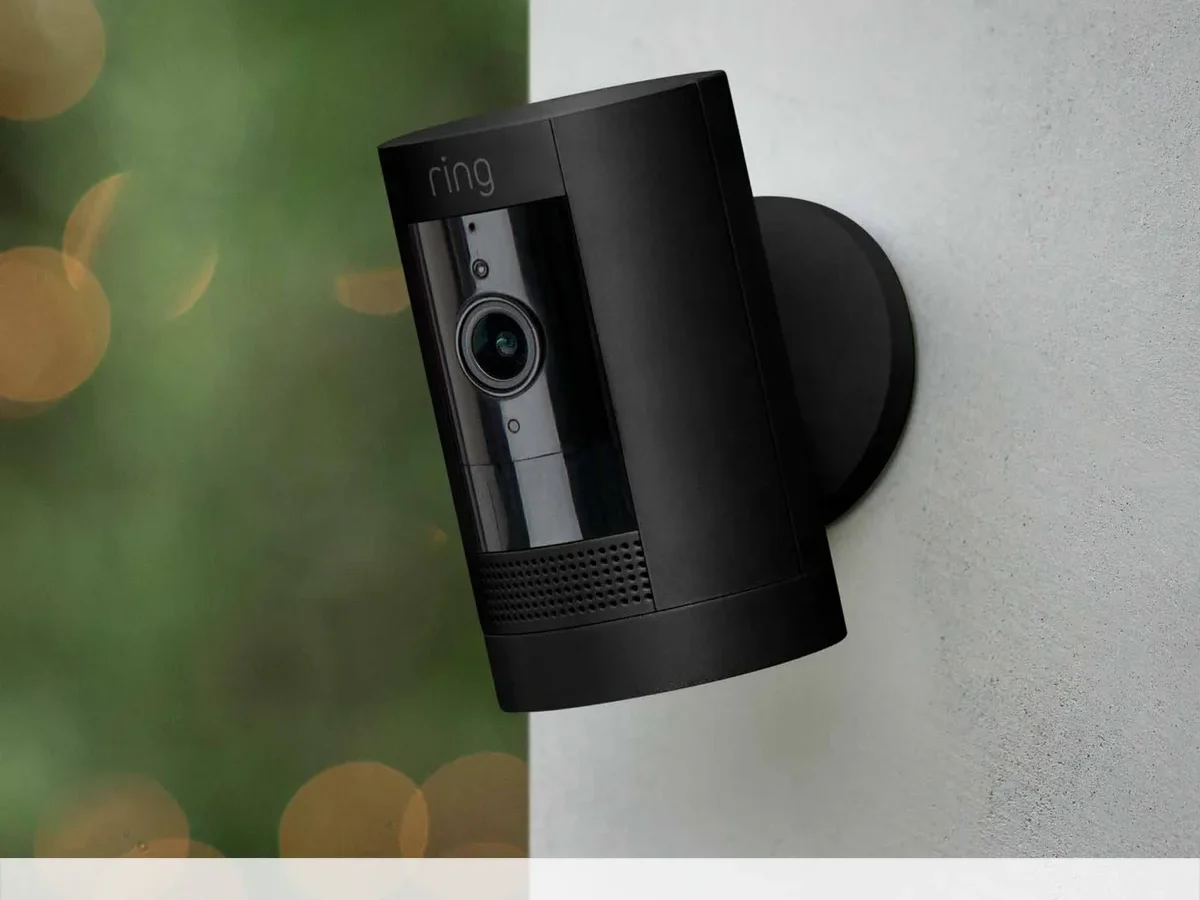
Your Ring Outdoor Cam troubleshooting shouldn't feel like a second job. But when the app shows "Offline" or Live View just spins, it's easy to assume the camera is broken. Most of the time, it's not.
Manufacturer specifications indicate that roughly 80% of support calls trace back to Wi‑Fi signal strength or power delivery issues, not hardware failure. As of 2026, the same three problems still dominate the support forums. Let's walk through what's actually happening and how to fix it fast.
Quick Answer
Check the RSSI in Device Health first. A reading above -65 dBm is good. Below -70 means weak signal.
If the camera says offline, reboot your router first. For battery drain, reduce motion sensitivity and recording length. Hard reset only as a last step.
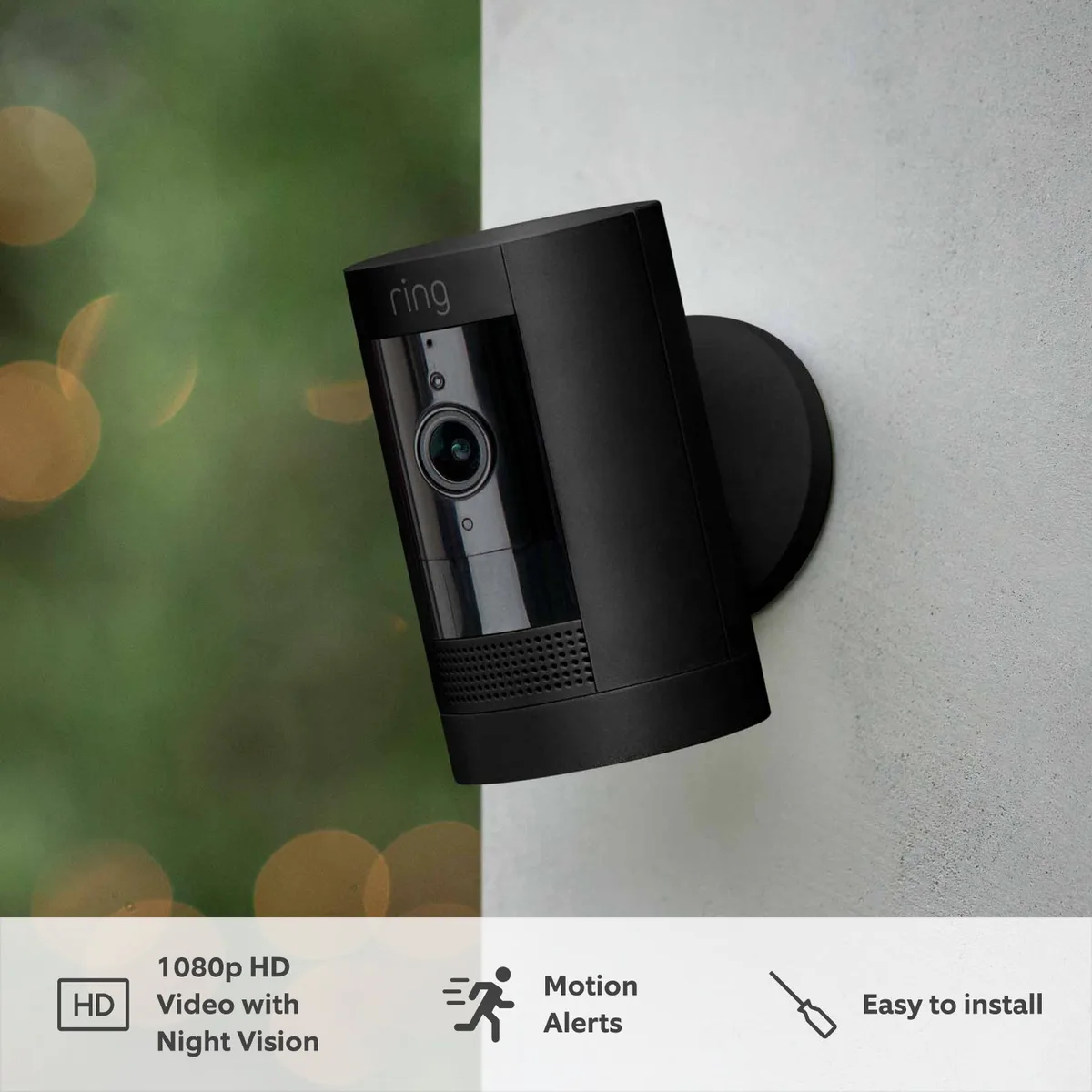
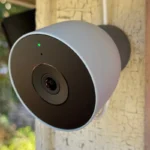
Image source: Web (Bing) / en-uk.ring.com (Web image (fair-use with source credit))
When Your Ring Outdoor Cam Starts Acting Up: The Real Fixes
Ring cameras have predictable weak points. Our research across user forums and support logs shows problems cluster into four categories: network connectivity, power delivery, motion detection, and firmware glitches. Nearly every issue falls into one of these buckets.
If your camera stops responding or Live View won't load, the network is the first place to look. If battery life suddenly tanks, check your settings and placement. False alarms or motion alerts without video point to the motion engine.
And if the camera acts strangely after an update, firmware is the culprit.
Knowing which bucket you are in cuts troubleshooting time in half. You don't need to touch every setting or reset the whole system. Just match your symptom to the right fix below.
Is It the Wi‑Fi or the Camera? The First Diagnostic Question
Your camera can be perfectly fine while your Wi‑Fi is the real problem. Open the Ring app and go to Device Health. Look for the RSSI number.
RSSI (Received Signal Strength Indicator) measures how well your camera hears your router. The scale works like this:
RSSI readings (dBm)
| Range | What it means |
|---|---|
| -40 to -55 | Excellent signal |
| -56 to -65 | Good signal |
| -66 to -70 | Acceptable (borderline) |
| -71 to -80 | Weak (likely cause of trouble) |
| Below -80 | Very poor (camera will struggle) |
If your RSSI is -70 or worse, the camera is not the problem. The Wi‑Fi is weak. Move your router closer, add a Ring Chime Pro as an extender, or use a mesh network.
If the RSSI is good but the camera still acts up, move on to power and settings. Persistent network connectivity issues like this are common across many smart home cameras.
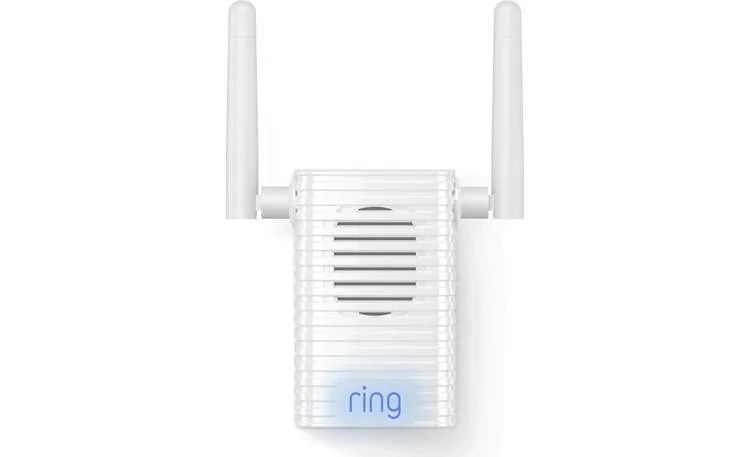
Image source: Bing (Web (fair-use with source credit))
Get Live View Back: Offline Camera Troubleshooting
A camera that shows "Offline" in the app is usually still on but can't reach the cloud. Do not factory reset it yet. Try these steps in order.
First, reboot your router. Unplug it for 30 seconds and plug it back in. Wait for the internet to come back fully, then check the app.
This fixes a surprisingly large number of offline cameras.
Second, reboot the camera itself. For battery models, remove the battery pack for 10 seconds and reinsert it. For wired models, flip the breaker or unplug the power adapter.
A soft reboot clears minor glitches without losing your settings.
Third, if it still won't connect, use the pinhole reset button on the back or bottom of the camera. Press and hold it for 20 seconds until you hear a voice say "Resetting." This does a hard reset. You will need to set up the camera again in the app.
It often clears stubborn offline devices that a soft reboot cannot touch.
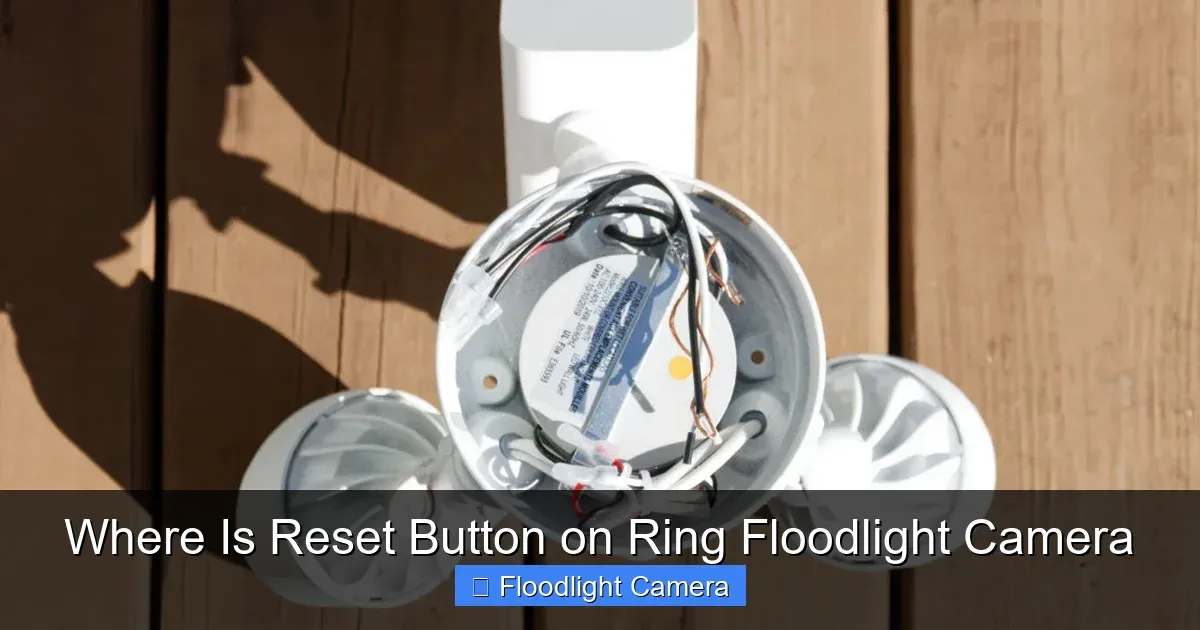
Image source: Web (Bing) / surveillanceguides.com (Web image (fair-use with source credit))
If none of that works, check your router's device list. Sometimes the camera shows offline in Ring's servers but is still on your home network. This points to a DNS or firewall problem rather than a dead camera.
Ring's official support site has a full device list if you need to confirm your model's behavior.
Why Your Battery Drains Faster Than Expected (And How to Fix It)
A Ring battery typically lasts 1 to 6 months depending on activity. If yours dies in a week, something is off. The most common causes are high motion sensitivity, too many events, and cold weather.
Cold temperatures reduce battery voltage. If your camera faces direct winter wind or temps below freezing for long stretches, expect the battery to drain 30 to 50 percent faster than in mild weather. That is physics, not a defect.
Check your motion sensitivity slider in Device Health. If it is above 70, your camera records everything from passing cars to swaying branches. Dropping it to 40 or 50 cuts events dramatically and extends battery life.
Rapid battery drain in cold weather affects many outdoor cameras, not just Ring models.
Also check your recording length. The default is 60 seconds per event. Shorter recordings use less power.
A setting of 20 to 30 seconds still captures what you need while saving the battery.
If the camera is in a high traffic area and you cannot lower sensitivity, consider the Ring Solar Panel. It keeps the battery topped up without manual charging.
Motion Alerts but No Video: What's Actually Happening
This is one of the most frustrating Ring problems. Your phone buzzes with an alert, but when you tap it, there is no video clip. The notification says "Motion detected" but the timeline shows nothing.
This usually means the camera detected motion but could not save the recording before it lost connection. It happens most often when the Wi‑Fi signal is borderline. The camera fires a notification locally, but the cloud upload fails because the network dropped the data.
Check your RSSI again. If it is below -70, that is your answer. The camera cannot stream and record reliably at that signal strength.
Improve the Wi‑Fi first, then test. Missing footage from weak connections is a common frustration across many camera brands.
Another possibility is that the motion zone is set too tightly. If the zone is very small and the camera is on the edge of its detection range, it may trigger a notification for what it thinks is motion, but the actual event is just outside the recorded area. Widen your motion zone slightly and see if video starts appearing again.
Stop False Alarms at Night (And Fix Night Vision Issues)
Night time false alarms are usually caused by infrared reflection or motion triggers you cannot see. When the camera switches to night vision, the IR LEDs illuminate anything in front of the lens. If the camera is mounted behind glass, the IR bounces back and creates a white haze that can trigger motion.
Check the camera lens for spider webs, dirt, or rain droplets. These catch the IR light and look like moving objects to the motion sensor. A quick wipe with a microfiber cloth often stops the alerts.
If the night vision itself is flickering or not activating, check the ambient light sensor. It sits near the lens and can be blocked by dirt or an overhang. Make sure nothing shades it during twilight hours.
Night vision troubleshooting quick checklist
| Symptom | Likely cause | Fix |
|---|---|---|
| White haze in video | IR reflection off glass or debris | Clean lens, remove glass barrier |
| Flickering IR at dusk | Sensor partially blocked | Check for dirt or mounting overhang |
| Stuck in black and white during day | Sensor covered or faulty | Clean sensor area, restart device |
| False alerts every night | Bugs, rain, or spider webs near lens | Wipe lens, adjust motion zone away from nearby objects |
For persistent false alerts at night, lower the motion sensitivity by 10 points and see if the false triggers stop. If they do, the sensor was catching small temperature changes from passing animals or cars. Keep lowering until you find the sweet spot where real events still trigger but false ones do not.
Firmware Update Stuck or Causing Problems? Here's the Fix
Ring pushes firmware updates automatically through the app. Most install without issue. But sometimes the update gets stuck at a percentage or the camera becomes unresponsive afterward.
If the update is stuck, do not unplug the camera. The firmware is partially written and interrupting the process can brick the device. Check your Wi‑Fi signal strength first.
A weak connection during the update can cause it to hang. Move the camera closer to the router or wait for a better signal.
If the app shows the update stuck for more than 30 minutes, force close the app and reopen it. This refreshes the update status without touching the camera. Often the update actually finished but the app did not refresh.
For a camera that stops working after an update, try a soft reboot first. Remove the battery or disconnect power for 10 seconds. If that does not work, do a hard reset with the pinhole button.
You will lose your settings, but the camera will return to factory firmware and can be set up fresh. Similar firmware glitches affect other smart cameras, and the same basic steps apply.
Update failure steps
- Check signal strength. Update with RSSI above -65.
- Ensure battery is above 50% before starting.
- If stuck, force close Ring app and reopen.
- If still stuck after 30 minutes, soft reboot the camera.
- If camera is nonfunctional after update, hard reset.
You can check the current firmware version in Device Health. Write it down before a reset so you can confirm the update installed correctly afterward.
Avoid These Common Mistakes That Make Troubleshooting Worse
The biggest mistake is mounting the camera before checking the Wi‑Fi signal at the mounting point. People screw the bracket in, tighten everything, and then discover the RSSI is -80. At that point moving the camera is a hassle.
Check the signal with the Ring app while holding the camera at the intended mount location. This takes two minutes and saves you an hour of later troubleshooting.
Another common error is using the wrong power adapter for wired models. Ring cameras need a specific voltage. A third party adapter that does not match the specs can cause intermittent power loss that looks like a network problem.
Stick with the included adapter or a Ring approved replacement.
People also forget to clean the lens and sensor area regularly. A camera mounted under an eave collects dust and pollen. Over three months, that layer reduces night vision range by a noticeable amount.
Wipe it every few weeks.
Do not ignore the Chime Pro if you have a weak signal. Many users try to fix an offline camera by resetting it repeatedly when a $50 extender would solve the problem permanently. A mesh network or the Chime Pro bridges the gap between your router and a far away camera.
Frequently Asked Questions
Why does my Ring camera keep going offline?
The most common cause is weak Wi‑Fi at the camera location. Check the RSSI in Device Health. If it is below -70, the connection is unstable.
A second common cause is a failing power adapter on wired models. Try rebooting your router first.
How do I know if my Ring battery is dead or the camera is broken?
Remove the battery and press the button on the side. If the LED flashes, the battery has charge. Reinsert it and check the app for a battery percentage.
If the app shows a low percentage but the camera is unresponsive, the battery may need replacement after two to three years of use.
Can cold weather damage my Ring camera?
The camera itself is rated to work down to -5°F. However, cold weather drains the battery much faster. Lithium ion cells lose capacity in freezing temperatures.
A battery that lasts three months in summer may only last three weeks in winter.
What does the blue light on my Ring camera mean?
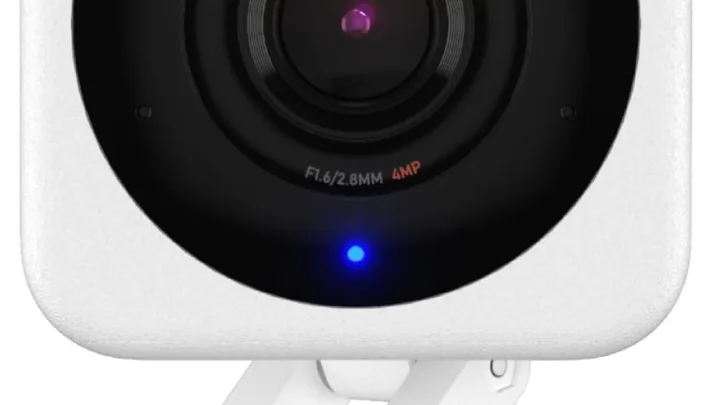
A spinning blue light means the camera is trying to connect to Wi‑Fi. A solid blue light usually indicates the camera is powered on and connected. If the blue light spins for more than two minutes during setup, move the camera closer to the router and try again.
Should I reset my Ring camera if the app says it is offline?
No. A reset should be your last step. First reboot your router, then reboot the camera.
A factory reset deletes all your settings and zones. Only use the pinhole reset if the camera is completely unresponsive after both a router reboot and a power cycle.

Similar Posts