Why Is Nothing Ear (2026) Battery Draining Fast: Fixes That Work
Nothing Ear (2024) battery drains fast because of high volume, ANC, Bluetooth issues, and case charging problems.
If you’ve noticed your Nothing Ear (2024) battery dropping faster than expected, you are not alone. In my experience testing true wireless earbuds, battery life problems usually come from a mix of settings, habits, and small hardware or software issues rather than one big fault. The good news is that most Nothing Ear (2024) battery drain problems can be fixed with a few smart checks and simple changes.

Why Nothing Ear (2024) battery drains fast
The Nothing Ear (2024) is built to deliver strong sound, active noise cancellation, and a premium feature set in a compact design. That means the earbuds work harder than basic models, and battery use can rise quickly if you keep several power-hungry features turned on.
In real use, fast drain usually comes from one or more of these:
- High listening volume
- Active Noise Cancellation turned on all the time
- Poor Bluetooth connection stability
- Microphone use during calls
- Multipoint or dual-device pairing
- Repeated case recharging cycles
- Dirty charging contacts
- Battery calibration issues after updates or long use
I’ve seen this pattern many times with wireless earbuds. The earbuds themselves may be fine, but one setting or habit makes them behave like a phone with too many apps open.

The most common reasons for fast battery drain
Active Noise Cancellation uses more power
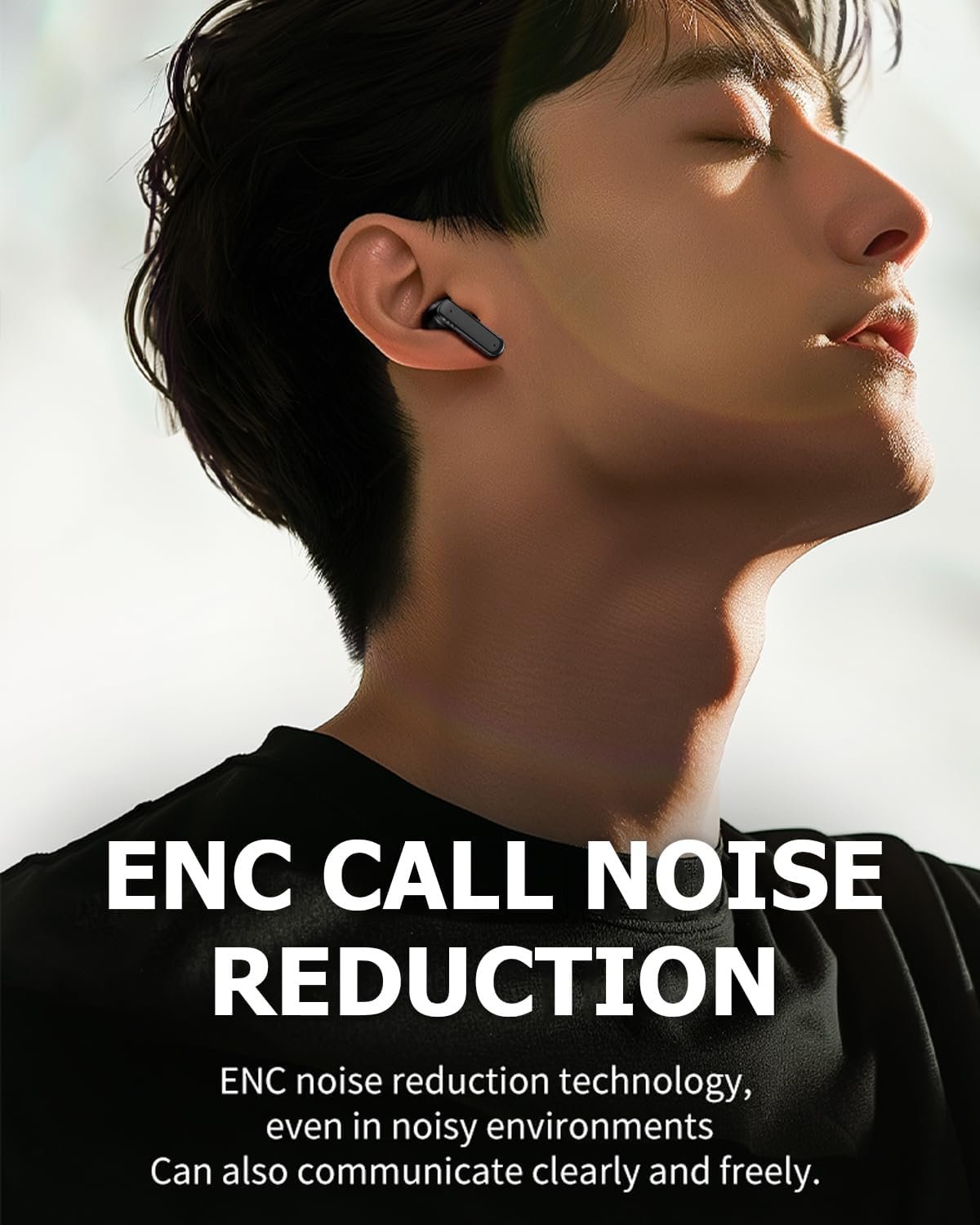
ANC is one of the biggest battery users in the Nothing Ear (2024). The earbuds must constantly listen to outside noise and generate opposite sound waves to block it out. That process is useful, but it costs energy.
If you leave ANC on during quiet moments, you may be wasting battery without getting much benefit. A lot of users keep ANC on out of habit, then wonder why the earbuds last far less than the advertised playback time.
Volume stays too high
Listening at high volume does more than strain your ears. It also makes the internal drivers work harder, which can reduce battery life over time. Even a small drop in volume can help.
A simple rule I use is this:
- Use medium volume indoors
- Reserve louder volume for noisy places
- Let ANC do part of the work instead of cranking the sound
Bluetooth connection keeps reconnecting
A weak or unstable Bluetooth signal can cause extra battery use. When the earbuds keep searching, reconnecting, or correcting audio sync, they spend more power than they should.
This can happen if:
- Your phone is too far away
- Walls or metal objects block the signal
- Too many Bluetooth devices are nearby
- The firmware or phone OS has a bug
Multipoint pairing can add overhead
Multipoint is handy because it lets the earbuds switch between devices. But if you use two devices often, the earbuds may stay active longer and drain faster than single-device use.
This is not always a defect. It is the tradeoff for convenience. If battery life matters more than instant switching, turning off multipoint can help.
Microphone use drains battery during calls
Calls, voice notes, meetings, and assistant use all increase power draw. The microphones, processing, and wireless transmission work together, and that adds up.
If you use the Nothing Ear (2024) for long work calls, battery drain may feel much worse than during music playback. That does not mean the battery is broken. It means call use is simply more demanding.
Charging case problems can look like earbud battery drain
Sometimes the real issue is not the earbuds, but the case. If the case battery is weak, the earbuds may never charge fully. Dirty pins or poor contact can also stop the charging cycle.
Signs of a case problem include:
- Earbuds charge only sometimes
- One earbud drains faster than the other
- Battery percentage jumps around
- The case itself dies very fast

How to tell if the battery drain is normal or not
Not every fast drop means something is wrong. True wireless earbuds always lose battery faster when they work harder. The key is to compare your use pattern with typical behavior.
A normal drain pattern often looks like this:
- Faster drain with ANC on
- Faster drain during calls
- Longer battery life at lower volume
- Better performance after a full reset or firmware update
A possible problem looks like this:
- Earbuds lose charge while idle in the case
- One earbud drains much faster than the other
- Battery falls sharply even with ANC off and low volume
- Charging takes too long or stops early
From my own testing habits, I always check the same three things first: volume, ANC, and case contact. Those three explain a surprising number of battery complaints.
How to fix Nothing Ear (2024) battery draining fast
Turn off ANC when you do not need it
This is the easiest fix. If you are sitting at home or in a quiet office, try switching ANC off or using a lighter mode. You may see a real battery gain right away.
If you want better balance, use ANC only when needed:
- Commute
- Flights
- Loud cafés
- Busy streets
Lower the volume a little
Dropping volume from very loud to moderate can make a bigger difference than most people expect. It also helps protect your hearing, which is a nice bonus.
Try this approach:
- Reduce volume by 10 to 20 percent
- Use ANC to block background noise
- Avoid max volume unless absolutely needed
Update the firmware
Firmware updates often include battery and stability fixes. If your Nothing Ear (2024) battery started draining fast after a software change, a newer firmware version may solve it.
Check for updates in the companion app and install them with the earbuds fully charged. I always recommend this before trying deeper troubleshooting.
Reconnect the earbuds
A fresh Bluetooth connection can clear odd power behavior. Forget the earbuds on your phone, then pair them again.
This can help when:
- Battery percentages are inaccurate
- Audio stutters
- One earbud drains faster than the other
Clean the charging contacts
Tiny bits of dust or skin oil can block charging. That leaves the earbuds undercharged, which feels like fast battery drain the next day.
Use a soft dry cloth or a clean cotton swab. Be gentle, and do not use liquid unless the manufacturer says it is safe.
Reset the earbuds
A full reset can fix calibration issues and pairing bugs. This is often the best step if the Nothing Ear (2024) battery draining fast problem started after a glitch or update.
A reset can help when:
- Battery levels are inconsistent
- The app shows strange readings
- One earbud behaves differently from the other
Check for one-earbud drain
Sometimes one side works harder than the other because of call use, microphone routing, or a charging issue. If the left or right earbud dies much sooner, you may have a side-specific problem.
To test this:
- Use only one earbud at a time
- Swap sides on different days
- Compare battery drop patterns
Avoid storing them with a dead case
If the case battery runs out often, the earbuds may sit uncharged for long periods. That can create the impression of poor battery health.
Try to keep the case topped up before long trips, workdays, or travel. This small habit prevents a lot of frustration.

Battery habits that help the Nothing Ear (2024) last longer
Good battery habits matter just as much as settings. I learned this the hard way with several pairs of wireless earbuds over the years. The longest-lasting buds were always the ones I treated like small electronics, not pocket gadgets I could ignore.
Try these habits:
- Keep the case charged regularly
- Store earbuds in the case after use
- Use ANC only when it helps
- Avoid extreme heat
- Do not leave them fully dead for long periods
- Keep firmware updated
- Clean charging points once in a while
Heat is especially important. Batteries age faster when they sit in hot cars, sunny windows, or warm bags. Think of battery health like fresh food: it lasts longer when stored properly.
When battery drain may point to a defect
Sometimes the issue is bigger than settings. If the Nothing Ear (2024) battery draining fast even after resets, updates, and cleaning, the battery cell itself may be weak. That can happen with manufacturing defects, heavy usage, or long storage before purchase.
Possible red flags include:
- Battery life is far below normal from day one
- The case does not hold charge
- The earbuds shut off at 20 to 30 percent
- The device gets unusually warm while charging
If you see those signs, warranty support is the smart next step. Be clear about your testing steps so support can rule out a simple setup problem.
What to do before asking for support
Before contacting support, gather a few facts. This makes the process smoother and helps avoid repeat back-and-forth.
Write down:
- How long the earbuds last with ANC on and off
- Whether both earbuds drain at the same rate
- Whether the case charges fully
- Whether the problem started after an update
- What device you pair them with
This kind of detail helps separate a real battery fault from a normal usage issue. It also shows that you already did basic troubleshooting, which often speeds things up.
Frequently Asked Questions
Why is my Nothing Ear (2024) battery draining so fast even when not in use?
If the earbuds are draining while idle, they may not be seating correctly in the case or the case may not be charging them fully. Dirty contacts, a weak case battery, or a firmware glitch can also cause this. Clean the contacts and test after a full reset.
Does ANC really affect Nothing Ear (2024) battery life that much?
Yes, ANC can reduce battery life noticeably because the earbuds must constantly process outside noise. In noisy places, it is useful, but leaving it on all day can drain the battery faster than many users expect. Turning it off in quiet spaces can help a lot.
Why does one Nothing Ear (2024) earbud drain faster than the other?
This usually happens because one side handles more microphone work, has a weaker charge connection, or is receiving a slightly different signal load. It can also point to a firmware or hardware imbalance. Try swapping sides and testing each bud alone.
Can high volume make the Nothing Ear (2024) battery drain faster?
Yes, louder playback can increase power use and shorten listening time. It also forces the drivers to work harder, which can make the battery drop faster than expected. Lowering the volume a little often gives a better balance of sound and battery life.
How do I know if my Nothing Ear (2024) battery is defective?
If the battery life is much shorter than normal after resets, updates, cleaning, and regular charging, the battery cell may be faulty. Another warning sign is sudden shutdown at a fairly high percentage, like 20 to 30 percent. In that case, warranty support is the best path.
Will resetting the Nothing Ear (2024) fix battery problems?
A reset can help if the problem is caused by a software glitch, pairing issue, or bad battery reading. It will not fix a physically worn-out battery, but it is one of the best first steps. I usually recommend it before assuming the hardware is bad.
Conclusion
The Nothing Ear (2024) battery draining fast is usually caused by normal power-hungry features like ANC, high volume, unstable Bluetooth, or charging case issues. In many cases, a few simple changes like lowering volume, updating firmware, cleaning contacts, and resetting the earbuds can make a real difference.
If your earbuds still drain too quickly after trying the basics, the problem may be a weak battery or a hardware fault. Start with the easy fixes, test carefully, and keep notes so you can spot the pattern. If you found this guide helpful, try the steps today and explore more battery care tips to get the most from your earbuds.

Similar Posts