Why Is Philips Hue Bridge Not Connecting: Fix It Fast

Philips Hue Bridge usually won’t connect because of network issues, power problems, app setup errors, or router incompatibility.
If you have ever stared at a blinking Hue Bridge and wondered why your smart lights suddenly stopped talking to the app, you are not alone. I have seen this problem come up in real homes again and again, and most of the time the cause is simple once you know where to look. In this guide, I’ll walk you through the most common reasons why Philips Hue Bridge is not connecting, how to fix them, and how to avoid the same headache later.
Why Philips Hue Bridge Is Not Connecting
A Philips Hue Bridge is the small hub that connects your Hue lights to your home network. When it is not connecting, the issue is usually not the lights themselves. It is often the bridge, the router, the app, or the network path between them.
In my experience, the most common mistake is assuming the bridge is broken right away. More often, the bridge is fine, but one link in the chain has failed. Think of it like a relay race: if one runner drops the baton, the whole smart lighting system stalls.
Several things can trigger this problem:
- The bridge is not getting power
- The Ethernet cable is loose or damaged
- The router is not assigning an IP address correctly
- The Hue app is outdated or stuck
- The bridge firmware needs an update
- The network has band steering, guest mode, or isolation settings that block communication
- The bridge is too far from the router or too close to interference sources
The good news is that most of these issues are fixable in minutes.
Common Reasons the Philips Hue Bridge Fails to Connect
The Philips Hue Bridge not connecting usually comes down to one of a few categories. Once you narrow down which category applies, the fix becomes much easier.
Power or cable issues
The bridge needs stable power and a solid Ethernet connection. If the power adapter is loose or the cable is not seated properly, the bridge may light up but still fail to connect.
Check for these signs:
- The power light is off
- The network light never turns on
- The Ethernet cable feels loose
- The cable is bent, damaged, or old
A surprising number of connection issues come from a bad cable. I once helped troubleshoot a setup where the bridge looked fine from the outside, but the Ethernet cable had a hidden internal break. Swapping it solved everything in less than a minute.
Router or modem problems
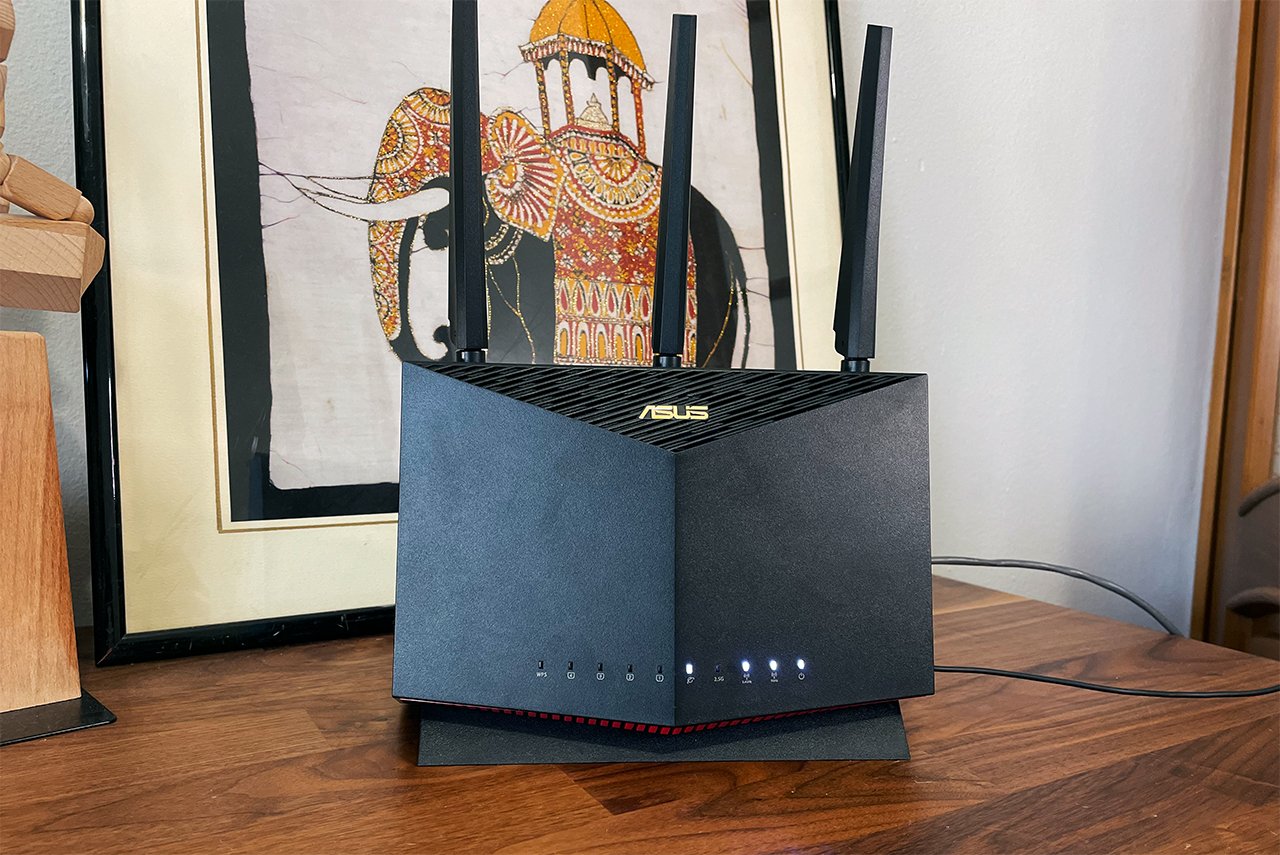
Your router is the bridge’s path to the rest of the network. If the router is busy, misconfigured, or restarting often, the bridge can lose contact.
Possible router-related causes include:
- DHCP problems
- MAC filtering
- Guest network isolation
- Access point mode conflicts
- Network address conflicts
- Temporary router firmware glitches
If other devices are also acting strange, the router is a strong suspect.
App or account syncing issues
Sometimes the Philips Hue app does not detect the bridge even though the bridge itself is working. This can happen after an app update, account sign-out, or phone network change.
Common app-side problems include:
- Old app version
- Permission issues on the phone
- Bluetooth or local network access disabled
- App cache problems
- Using the wrong Hue account
The app may simply need to rediscover the bridge on the local network.
Firmware or software updates
Hue devices, like most smart home gear, depend on firmware. If the bridge firmware is outdated, it may struggle with newer app versions or router behavior.
Software mismatch can cause:
- Slow response
- Failed bridge detection
- Sync errors
- Problems adding lights or accessories
It is always worth checking for updates once the bridge is back online.
Network compatibility problems
This is one of the most overlooked reasons the Philips Hue Bridge is not connecting. Some routers have advanced settings that interfere with local device discovery.
Problem settings may include:
- Client isolation
- AP isolation
- VLAN separation
- Strict firewall rules
- Multicast blocking
- IPv6 quirks in some setups
Hue devices rely on local network communication, so even small settings changes can make a big difference.
How to Fix a Philips Hue Bridge Not Connecting
The best way to fix a Philips Hue Bridge not connecting is to move step by step. Start with the simplest checks first. That saves time and avoids changing settings you do not need to touch.
1. Check the bridge lights
Look at the front lights on the bridge. They tell you a lot.
Here is what to check:
- Power light should be on
- Network light should be on if connected to the router
- Internet light may depend on your setup and cloud access
If the power light is off, check the outlet and adapter first. If the network light is off, focus on the Ethernet cable and router port.
2. Restart the bridge and router
A simple restart clears many temporary glitches. I have fixed more smart home issues with a full reboot than with any advanced setting.
Do this in order:
- Unplug the Hue Bridge
- Unplug the router
- Wait 30 seconds
- Plug the router back in
- Wait until the router is fully online
- Plug the bridge back in
- Wait 2 to 3 minutes
- Open the Hue app and try again
This refreshes the network and helps the bridge get a clean connection.
3. Replace the Ethernet cable
If the Philips Hue Bridge is not connecting, do not trust the cable just because it looks fine. Ethernet cables can fail internally.
Try this:
- Use a different Ethernet cable
- Plug it into another router port
- Avoid using splitters or adapters
- Make sure the cable clicks into place
If the network light comes on after swapping the cable, you found the problem.
4. Check your phone’s network permissions
The Hue app needs permission to find the bridge on your local network. On iPhone and Android, these permissions matter more than people expect.
Look for:
- Local network access
- Bluetooth permission
- Location permission, if required by your device
- Internet access restrictions or battery saver modes
If the app cannot see local devices, it may say the bridge is missing even when it is online.
5. Update the Hue app
A stale app can create false connection errors. If your app is outdated, install the latest version and try again.
Also try these steps:
- Force close the app
- Reopen it
- Sign out and sign back in
- Remove and reinstall the app if needed
This often fixes discovery problems caused by cached data.
6. Update bridge firmware
Once the bridge reconnects, check for firmware updates in the app. Firmware updates can improve stability and compatibility.
Why this matters:
- Better router support
- Fewer connection drops
- Improved speed
- Security fixes
Keeping firmware updated is one of the best ways to prevent repeat issues.
7. Move the bridge to a better network spot
The bridge should be near the router, but not on top of it. Too much electrical noise can sometimes create issues.
Best placement tips:
- Keep it near the router
- Avoid metal shelves
- Keep it away from microwaves and cordless phone bases
- Use a direct Ethernet connection, not a shared hub if possible
Good placement may seem minor, but it helps keep the connection stable.
Advanced Troubleshooting for Persistent Connection Problems
If the basic fixes do not work, the issue may be in the router settings or home network design. This is where many smart home setups get messy.
Check for guest network or isolation settings
If your bridge is connected to a guest network or a separated access point, your phone may not be able to find it. The Hue Bridge works best on the same main network as your phone.
Review settings such as:
- Guest mode
- AP isolation
- Client isolation
- Device isolation
If any of these are on, turn them off for testing.
Restart your router with a clean address pool
Sometimes the router gives the bridge a bad or conflicting IP address. Rebooting the router may help, but you may need to reserve an IP address for the bridge later.
This can improve stability by:
- Preventing address conflicts
- Making the bridge easier to find
- Reducing discovery failures after reboots
If your router supports DHCP reservation, it is worth using.
Test another router port
A bad port can mimic a bridge failure. Plug the bridge into a different LAN port and see if the network light turns on.
This is especially useful if:
- One port is worn out
- The router had a partial hardware issue
- A switch in the setup is failing
Reset the bridge only if needed
A reset is a last resort. Use it only after you have tried the simpler fixes.
Before you reset, remember:
- You may need to set up the bridge again
- Some preferences may need to be restored
- Connected accessories can take time to reappear
If you do reset, follow the official app flow so you do not create extra issues.
Real-World Tips That Help Prevent Philips Hue Bridge Connection Problems
From working through smart home setups over the years, I have learned that prevention matters just as much as repair. A few small habits can save you from future frustration.
Here are the habits I recommend:
- Keep the Hue app updated
- Use a quality Ethernet cable
- Avoid power strips with unstable outlets
- Put the bridge near the router
- Reserve the bridge’s IP address if your router allows it
- Reboot the router occasionally
- Do not place the bridge on a crowded network switch unless needed
One mistake I see often is overcomplicating the network. Smart lighting works best when the path is simple. The more layers you add, the more chances there are for the Philips Hue Bridge not connecting.
When the Philips Hue Bridge Not Connecting Means a Hardware Problem
Most of the time, the issue is software or network related. Still, hardware failures do happen.
Possible hardware signs include:
- No power light at all
- No response after trying different outlets
- No network light with multiple known-good cables
- Bridge never appears in the app after a factory reset
- Bridge feels unusually hot or damaged
If you have tested the cable, router, outlet, and app, and the Philips Hue Bridge not connecting problem still remains, the bridge itself may need replacement.
Frequently Asked Questions about Why Is Philips Hue Bridge Not Connecting?
Why is my Philips Hue Bridge not connecting to the app?
This usually means the app cannot detect the bridge on your local network. The cause is often a router setting, disabled app permission, or a bad Ethernet connection.
Why is the Hue Bridge light blinking or staying off?
A blinking or missing light often points to a power or network problem. Check the adapter, Ethernet cable, and router port first.
Can I use Philips Hue without the bridge?
Yes, but with limits. Some bulbs can be controlled by Bluetooth, but the bridge unlocks more features, better automation, and stronger whole-home control.
Why does the Hue Bridge connect sometimes and then drop?
Intermittent drops often come from router instability, IP address conflicts, or weak cabling. A DHCP reservation and a cable swap often help.
Do I need internet for the Philips Hue Bridge to work?
Not always for local control, but internet is needed for remote access, updates, and some cloud features. The bridge still needs a stable local network connection to function well.
How do I know if my Philips Hue Bridge is broken?
If you have tried different cables, ports, outlets, and app setups and the bridge still will not power on or connect, hardware failure is possible. At that point, replacement is worth considering.
Conclusion
When the Philips Hue Bridge is not connecting, the issue is usually much smaller than it first appears. A loose cable, a router setting, a stale app, or a simple reboot can often bring everything back to life. The key is to work through the problem in a calm, step-by-step way instead of guessing.
If you are dealing with this issue right now, start with the power light, Ethernet cable, and router restart. Then move into app permissions, updates, and network settings if needed. Try the fixes above, and if the problem keeps coming back, leave a comment or explore more smart home troubleshooting tips to keep your Hue setup running smoothly.

Similar Posts