Why Is Seagate Backup Plus Slim Not Recognized: Fixes

Seagate Backup Plus Slim usually goes unrecognized because of connection issues, driver problems, or file system errors.
If your Seagate Backup Plus Slim is not recognized, you are not alone. I have seen this happen many times during drive troubleshooting, and the cause is often simpler than it looks. In most cases, the problem comes down to the cable, the USB port, power delivery, or a disk setting that keeps the computer from seeing the drive properly.
Why your Seagate Backup Plus Slim is not recognized
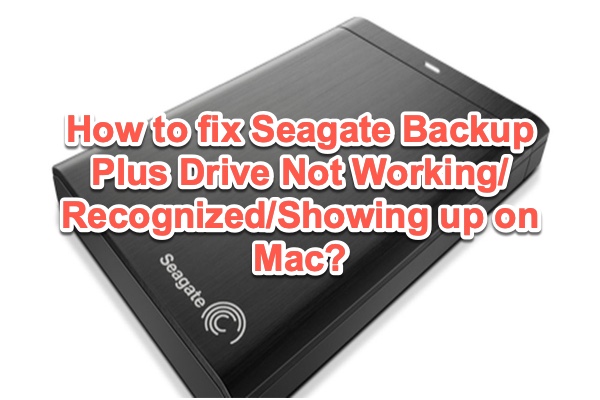
A Seagate Backup Plus Slim is a portable external hard drive, so it depends on a clean USB connection and proper disk detection. When the drive is not recognized, the system may not show it in File Explorer, Disk Management, or Finder. Sometimes the drive is working but the computer cannot mount it, which makes it feel broken when it is really just unreadable for the moment.
From experience, this kind of issue often starts after a cable gets loose, a USB port weakens, or Windows updates a driver. I have also seen users panic when the drive light turns on but the drive still does not appear. That usually means the drive has power, but the data connection is failing or the disk needs repair.

Common reasons Seagate Backup Plus Slim is not recognized
There are several reasons the Seagate Backup Plus Slim is not recognized, and the good news is that many of them are fixable without advanced tools. The cause can be physical, software-related, or tied to the drive’s own file system.
Some of the most common causes include:
• A faulty or low-quality USB cable
• A damaged USB port on the computer
• Not enough power from the USB port
• Missing, outdated, or corrupted USB drivers
• The drive not being assigned a drive letter
• File system corruption
• The disk being offline or not initialized
• Partition table issues
• Mac or Windows compatibility problems
• Hardware failure inside the drive
A drive can also appear in Device Manager or Disk Management but still not open. In that case, the computer sees the hardware, but it cannot fully use it. That distinction matters because it helps you decide whether you need a simple fix or a recovery step.
First checks to do when the drive is not recognized
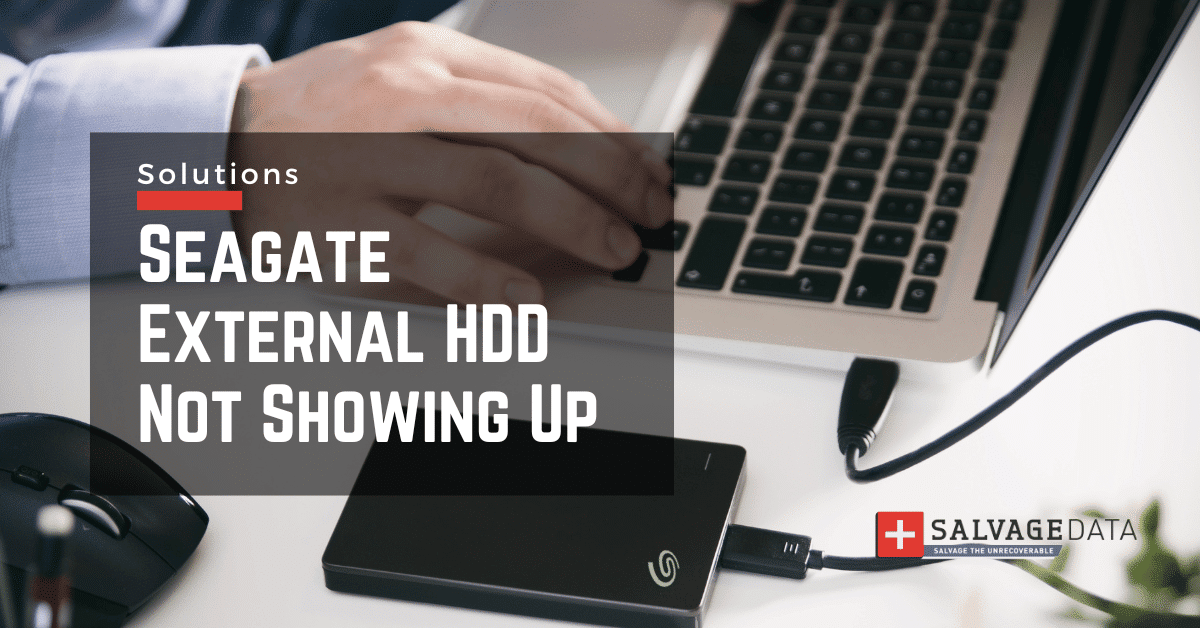
Before you jump into deeper fixes, start with the basics. In my own troubleshooting, these simple checks solve the issue more often than people expect.
Try these first:
- Unplug the Seagate Backup Plus Slim and reconnect it.
- Use a different USB cable if you have one.
- Plug it into another USB port on the same computer.
- Test it on a second computer.
- Avoid using a USB hub, especially an unpowered one.
- Listen for strange clicking or repeated spin-up sounds.
If the drive works on another computer, the drive itself is probably fine. That usually points to a USB port, driver, or operating system issue on the original machine. If it fails everywhere, the problem may be with the drive hardware or internal corruption.
How to check the drive in Windows
Windows may not show the Seagate Backup Plus Slim in File Explorer even when it is connected. The best place to check is Disk Management, because it shows whether the disk is detected at the system level.
Follow these steps:
- Right-click the Start button.
- Choose Disk Management.
- Look for your external Seagate drive in the list.
- Check whether it shows as:
• Online
• Offline
• Unallocated
• Not initialized
• Healthy but without a drive letter
If the drive appears but has no letter, you can assign one manually. If it appears as offline, bring it online. If it shows as unallocated, be careful not to format it unless you are sure there is no important data on it.
I always tell people to pause before formatting. Formatting can make the drive usable again, but it can also erase data if done too soon. If the files matter, recovery should come before repair.

How to fix Seagate Backup Plus Slim not recognized in Windows
If your Seagate Backup Plus Slim is not recognized in Windows, try the following fixes in order. This is the same step-by-step path I use when helping someone narrow down the issue.
Update or reinstall the USB driver
Sometimes the driver stack gets confused after a Windows update or device error.
Do this:
• Open Device Manager
• Expand Universal Serial Bus controllers
• Look for unknown devices, warning icons, or USB mass storage entries
• Right-click the suspect device and choose Uninstall device
• Restart the computer
• Reconnect the drive
Windows will usually reinstall the driver automatically. This often clears up a bad connection state.
Change the drive letter
If Windows detects the disk but does not show it in File Explorer, the drive letter may be missing.
Steps:
• Open Disk Management
• Right-click the Seagate partition
• Choose Change Drive Letter and Paths
• Add or change the letter
This is a small fix, but it solves a surprising number of cases. A disk without a letter is like a house without a street sign. The house exists, but nobody knows how to get there.
Run a file system check
If the drive mounted before but now shows errors, the file system may be damaged.
You can use Command Prompt with the following command:
chkdsk X: /f
Replace X with the correct drive letter. This can repair minor file system issues, but it is not a magic cure for physical damage. If the drive clicks, disconnects often, or disappears during repair, stop and consider recovery first.
Try a powered USB port
Portable drives depend on stable power. A weak front-panel port or overloaded hub may not supply enough current.
Best practice:
• Plug the drive into a rear USB port on a desktop
• Use a direct connection to the laptop if possible
• Avoid passive USB hubs
• Try a USB 3.0 or USB 3.1 port
I have seen drives that failed on one port and worked instantly on another. That small change saved time and avoided unnecessary panic.

How to fix Seagate Backup Plus Slim not recognized on Mac
On macOS, the Seagate Backup Plus Slim may not appear in Finder even when the Mac detects it. In many cases, the fix is in Finder settings or Disk Utility.
Try these steps:
- Open Disk Utility and look for the drive.
- If it appears, try mounting it manually.
- Check Finder preferences and make sure external disks are set to show on the desktop or sidebar.
- Test another USB cable or adapter.
- Use a different port if your Mac supports it.
If the drive was formatted for Windows using NTFS, macOS may detect it but not write to it without extra support software. That does not always explain a full recognition problem, but it can explain why the drive seems limited or inaccessible. File system type matters a lot with external drives.
If Disk Utility sees the disk but not the volume, the partition may be damaged. If nothing appears at all, the cable, adapter, or drive hardware is more likely to blame.
File system and partition problems
One big reason the Seagate Backup Plus Slim is not recognized is file system corruption. The drive may have been unplugged too fast, lost power during a transfer, or suffered a bad sector event.
Common signs include:
• The drive shows as RAW in Windows
• The partition opens as unreadable
• The drive asks to be formatted
• The volume mounts and then disconnects
• Error messages appear when opening folders
When a disk becomes RAW or unreadable, the operating system cannot understand the file structure. That does not always mean the data is gone. It often means the table that describes the data has been damaged.
If the files are important:
• Stop writing new data to the drive
• Avoid formatting
• Avoid repeated repair attempts
• Consider professional recovery if the drive is making noise or failing repeatedly
I have learned the hard way that people often make the situation worse by trying too many fixes in a row. One careful step is better than five rushed ones.
Hardware failure signs you should not ignore
Sometimes the Seagate Backup Plus Slim is not recognized because the drive itself is failing. That is the uncomfortable answer, but it is important to be honest about it.
Watch for these warning signs:
• Repeated clicking or beeping
• The drive spins up and then stops
• The light flashes but the drive never mounts
• The drive disconnects during large file transfers
• It works only after being moved or tilted
• It is not detected on multiple computers
If these signs are present, stop using the drive for normal tasks. Continued attempts can make damage worse, especially if the internal heads or platters are involved. At that point, data recovery becomes more important than repair.
Hard drives are like old cars in one way: when the engine makes strange noises, pushing harder is usually not the answer. Listening early can save the contents inside.
How to protect your data before trying advanced fixes
Before you run repairs, think about the data first. The Seagate Backup Plus Slim may be the only place your photos, work files, or backups still exist.
Good habits include:
• Copy files off the drive if it becomes readable again
• Keep a second backup in cloud storage or another drive
• Use safe eject before unplugging the disk
• Replace old cables that wiggle or disconnect
• Avoid moving the drive while it is spinning
One of the biggest mistakes I see is treating an external drive like a phone charger. It is not made for rough unplugging or constant movement. Gentle handling makes a big difference over time.
When to use data recovery tools
If the drive is detected but unreadable, data recovery software may help. This works best when the problem is logical, not physical.
Recovery tools can help when:
• The partition is deleted
• The file system is damaged
• The drive shows as RAW
• Files were lost after formatting
• The drive is visible but not accessible
Recovery tools are not ideal when the drive has serious hardware failure. In that case, software may not help and may even add stress to the disk by scanning it too much. A careful diagnosis comes first.
For important data, the safest path is often:
- Confirm the drive is detected
- Clone the drive if possible
- Recover data from the clone
- Repair the original only after recovery
That workflow protects the data and lowers risk.
Preventing the issue in the future
Once you get the drive working again, it helps to prevent the problem from coming back. A little maintenance goes a long way.
Best prevention tips:
• Use the original or a high-quality USB cable
• Keep the drive on a stable surface
• Avoid unplugging while transfers are running
• Update your operating system regularly
• Check drive health from time to time
• Keep backups in at least two places
If the drive is used for backups, test the backup now and then. A backup that cannot be read is not really a backup. That is one of those lessons people remember only after a scare, so it is worth saying plainly.
Frequently Asked Questions of Why Is Seagate Backup Plus Slim Not Recognized?
Why is my Seagate Backup Plus Slim detected but not showing files?
This usually means the drive is detected at the hardware level but has a file system or partition issue. The data may still be recoverable, but you should avoid formatting the drive right away.
Why does my Seagate Backup Plus Slim make noise but not appear?
A spinning or clicking drive that is not recognized may have power, head, or internal mechanical problems. If it makes unusual sounds, stop using it and focus on data recovery instead of repeated repair attempts.
Can a bad USB cable cause the Seagate Backup Plus Slim not recognized issue?
Yes, a bad cable is one of the most common reasons. Portable drives need a stable data and power connection, and a damaged cable can break both at once.
Why is my Seagate Backup Plus Slim not recognized after Windows update?
A Windows update can sometimes change USB or storage drivers. Reinstalling the device in Device Manager or updating the chipset and USB drivers often fixes the problem.
Is it safe to format the drive if it is not recognized?
Only if you do not need the data or you have already recovered it. Formatting can make the drive usable again, but it can also erase access to existing files.
Can I use the Seagate Backup Plus Slim on both Windows and Mac?
Yes, but file system format matters. A drive formatted for one operating system may need reformatting or special support software to work fully on the other.
Conclusion
When the Seagate Backup Plus Slim is not recognized, the cause is usually one of a few familiar problems: a bad cable, a weak USB port, a driver issue, a missing drive letter, file system corruption, or hardware failure. The key is to start with simple checks, protect your data, and avoid rushing into formatting or repeated repairs. A calm, step-by-step approach gives you the best chance of getting the drive back or saving the files inside.
If your drive is still not showing up, go back through the basics, test it on another computer, and think about recovery before making changes that cannot be undone. If this guide helped, keep exploring related storage tips, share your experience, or leave a comment so others can learn from it too.

Similar Posts