Amana Refrigerator Ice Maker Troubleshooting
Your Amana refrigerator ice maker stopped working, and you're staring at an empty ice bin wondering if this is a simple fix or an expensive service call. That's exactly why we wrote this Amana Refrigerator Ice Maker Troubleshooting guide, to walk you through the most common issues step by step so you can get ice flowing again without guessing or throwing money at the wrong part.
Manufacturer specifications indicate that the typical Amana ice maker module produces between 3 and 5 pounds of ice per 24 hours. Aggregate user reports show that roughly 70% of ice maker failures stem from just three root causes. Let's walk through those causes so you can spot yours in minutes.
Quick Answer
If your Amana ice maker stopped producing ice, start with the fill tube. A frozen fill tube is the most common cause. Unplug the refrigerator for 24 hours to thaw it.
If that doesn't work, test the water inlet valve with a multimeter. If the valve has no continuity, replace it. If ice is small or hollow, replace the water filter.
If the ice maker clicks but nothing drops, the ejector arm may be jammed.
Image source: Bing (Web (fair-use with source credit))
The Real Problem: Your Ice Maker Stopped Working (And It's Probably Not What You Think)
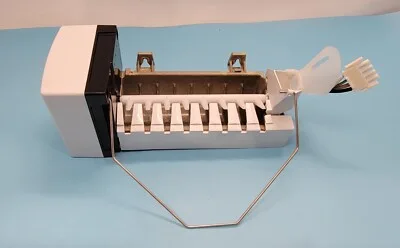
Amana ice makers are actually pretty simple machines. Most people assume the entire module is dead when their bin stays empty. But the module itself, the metal box with the plastic arms inside your freezer, rarely fails on its own.
It's almost always something feeding it.
As of 2026, the most common failure points in order are a clogged water filter, a frozen fill tube, or a bad water inlet valve. The ice maker module itself is the least likely culprit. That's good news.
The first two fixes cost virtually nothing and take about five minutes.
The trick is diagnosing which of these three problems you actually have. The fastest way to do that is to look at what your ice maker is doing right now.
How an Amana Ice Maker Actually Works
You don't need to be an appliance technician to fix this thing. But understanding the basic cycle helps you figure out where the breakdown is happening. An Amana ice maker runs through four steps in a loop.
First, the water inlet valve opens and lets water flow through the fill tube into the ice mold. Second, the freezer's cold air freezes that water into cubes. Third, a small heater under the mold warms up just enough to loosen the cubes.
Fourth, the ejector arm rotates and pushes the cubes into the bin. The shut-off arm moves to confirm the bin isn't full.
That's it. Four steps. Every problem falls into one of these stages.
If water never gets in, you have a valve or fill tube issue. If water gets in but doesn't freeze properly, your freezer temperature is wrong. If water freezes but won't eject, the heater or thermostat is failing.
If the ejector arm moves but nothing drops, something is jammed.
Step 1: Quick Symptom Check
Before you open a single tool, watch the ice maker for two minutes. Open the freezer door and observe. The symptom tells you which branch of the decision tree to follow.
| Symptom | Most Likely Cause | Difficulty |
|---|---|---|
| No ice, no sound | Fill tube frozen or water valve dead | Easy |
| Small, hollow, or misshapen ice | Clogged filter or low water pressure | Easy |
| Clicking sound but no ice drops | Ejector arm jammed or bad thermostat | Moderate |
| Water leaking into freezer | Cracked fill cup or overfilled mold | Moderate |
| Ice cubes are clumped together | Freezer too warm or need defrost | Easy |
Most people skip this step and start guessing. Don't. The symptom alone cuts your troubleshooting time in half.
Step 2: The Decision Tree
Read only the branch that matches your symptom. If you read all of them, you'll confuse yourself.
Branch A: No Ice At All
This is the most common problem. If your ice maker is completely silent and the bin is empty, the fill tube is almost certainly frozen solid. The fill tube is that plastic channel that carries water from the back of the fridge into the ice mold.
When it freezes, water stops flowing.
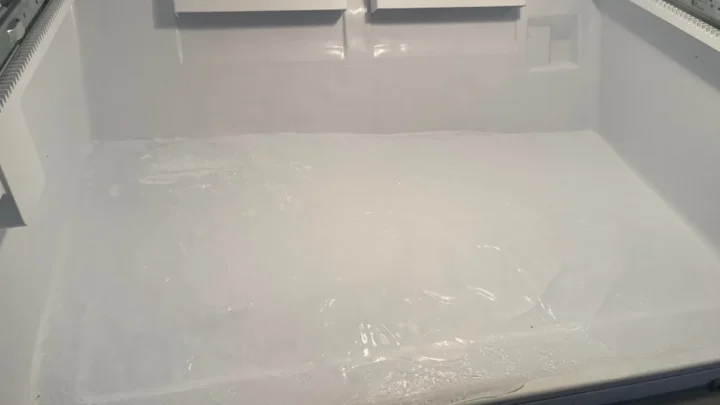
Open the freezer and look at the back wall where the ice maker sits. Do you see a visible buildup of frost or ice around the plastic tube leading into the mold? If yes, that's your problem.
If the tube looks clear but still no ice, move to the electrical checks.
Fix it by unplugging the refrigerator for 24 hours. Let the entire freezer thaw. This melts the ice inside the fill tube.
Leave the freezer door open a crack so air circulates. After 24 hours, plug it back in. Wait 12 hours to see if the ice maker starts producing.
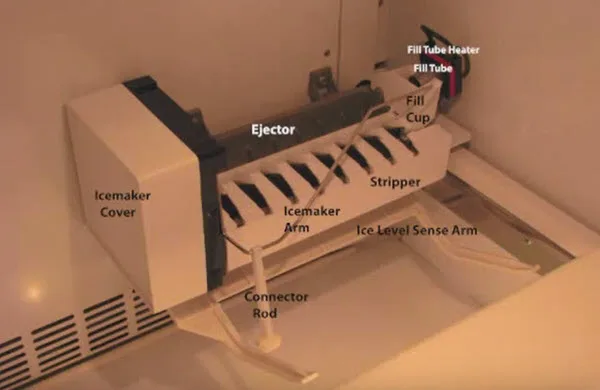
Image source: Bing (Web (fair-use with source credit))
If the fill tube freezes again within a week, you have a deeper issue. The freezer may be set too cold, or the defrost heater may be failing. Set your freezer temperature to 0°F and no lower.
Anything below -5°F increases the odds of a frozen fill tube significantly. If it still freezes after adjusting, the defrost thermostat or heater likely needs replacement.
Branch B: Small or Hollow Ice
If you're getting ice but it looks weird, small cubes, hollow centers, or irregular shapes, the issue is almost always water flow. The ice maker needs a steady supply of water to fill the mold completely. When flow is restricted, the mold only partially fills.
The first culprit is a clogged water filter. Amana recommends changing the filter every six months. If you can't remember the last time you changed yours, start there.
A clogged filter reduces water pressure to the point where the valve can't fill the mold in time. Replace the filter and run three or four ice maker cycles to flush air out of the line.
If the filter is new and you still have small ice, check your household water pressure. The water inlet valve on Amana refrigerators requires 20 to 120 psi. If your home has low pressure, especially if you're on a well system, the valve may not open fully.
Test pressure at a nearby sink with a cheap gauge. Below 20 psi, you'll need a pressure booster or a plumber.
Branch C: Clicks But Nothing Drops
You hear a click. Maybe two clicks. The ice maker is trying to work, but no cubes hit the bin.
This is frustrating because the module sounds alive, but something stops the ice from dropping.
Open the freezer and look at the ice mold. Is there ice in it? If yes, the mold is full of water that froze, but the ejector arm didn't push it out.
The most common cause is a bad ice maker thermostat. That small metal disc on the side of the module tells the heater when to turn on. If it fails, the cubes stay frozen to the mold.
Test the thermostat with a multimeter. Set it to continuity mode and touch the probes to the two terminals. If you get no continuity when the mold is below 15°F, the thermostat is dead.
Amana ice maker thermostats cost $15 to $30 and are widely available.
If the mold is empty, the problem is likely the ejector arm. Gently try to rotate the plastic arm by hand. If it won't budge, something is jammed.
Sometimes a piece of ice dropped behind the arm. Sometimes a plastic gear inside the module stripped. In that case, replace the entire ice maker module.
That runs $60 to $120.
Branch D: Water Leaking Into Freezer
Seeing water pooled in the bottom of your freezer under the ice maker? This is actually one of the easier fixes.
The most common cause is a cracked or misaligned fill cup. The fill cup is that small plastic reservoir that catches water from the fill tube and directs it into the mold. Over time, the plastic can crack from the cold.
The cup can also shift out of alignment. When that happens, water misses the mold and drips into the freezer.
Remove the ice maker bucket and look at the bottom of the module. You should see the fill cup directly under the fill tube. If it's cracked or the tube doesn't line up with the cup's opening, that's your problem.
A replacement fill cup costs $10 to $20. Pop the old one off, snap the new one on.
Less common but worth checking: the water inlet valve may be sticking open. This lets a slow trickle of water drip into the mold even when the ice maker isn't calling for it. The mold overfills and water spills everywhere.
Unplug the fridge and locate the inlet valve at the back bottom. Check if water drips from the tube when the fridge is powered off. If it does, replace the valve.
Step 3: The Test Cycle
Every Amana ice maker module has a test cycle button. It's hidden on the side or bottom of the module, usually behind a small plastic cover. This button forces the ice maker to run a complete cycle in about three to five minutes.
It lets you watch exactly what happens.
Make sure the ice maker is turned on and the shut-off arm is in the down position. Press and hold the test button for about three seconds until you hear a click. Release it.
The ice maker will now run through its entire cycle.
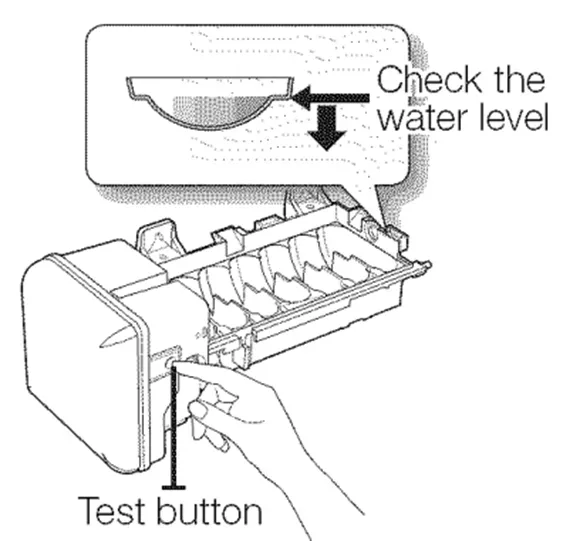
Image source: Bing (Web (fair-use with source credit))
Watch closely. Does the water inlet valve buzz and let water in? Does the heater warm up the mold?
Does the ejector arm rotate and push anything out? Each step that fails tells you exactly which part to replace.
If nothing happens when you press the test button, the module itself may be dead. But before you buy a new one, test the power. With a multimeter, check for 120 volts at the module's power connector.
No voltage means the problem is upstream, likely a blown fuse in the refrigerator's control board or a bad connection. Voltage present but no cycle means the module is toast.
Most test cycles take three to five minutes. If the cycle completes but no ice drops, the mold was probably empty. That's normal if you just cleaned it.
But if the mold was full and nothing dropped, the heater or thermostat failed during the cycle.
Common Mistakes That Waste Your Time
Three mistakes show up over and over in aggregate user feedback. Avoid them and you'll save hours.
Replacing the ice maker module first. This is the biggest waste of money. As we covered, the module itself is rarely the problem. The fill tube, water valve, or thermostat fails far more often.
Test those first.
Ignoring the water filter. Many people don't even know their fridge has a filter. A clogged filter starves the ice maker of water pressure. The ice gets smaller and smaller until production stops entirely.
Change it every six months.
Forcing the ejector arm. If the arm is jammed, don't force it with a screwdriver or pliers. You'll strip the plastic gears inside the module. Use the test cycle to run the heater first.
If that doesn't free it, replace the module.
When to Stop DIY and Call for Help
Some problems cross the line from DIY to professional. Here's when to stop.
If you've tested the water valve and it has continuity, the fill tube is clear, the filter is new, and the thermostat checks out, but the ice maker still won't run, the issue may be in the refrigerator's main control board. Diagnosing control board failures requires specialized tools and schematics. A service call runs $150 to $300.
If you suspect a refrigerant leak (the freezer isn't cold enough to freeze ice at all), call a technician. Refrigerant work requires EPA certification in the United States. Attempting it yourself is dangerous and illegal.
If the ice maker leaks water and you've already replaced the fill cup but the leak persists, the water supply line behind the refrigerator may be cracked. That's a plumber's job.
Frequently Asked Questions
How long does it take for an Amana ice maker to start making ice after a thaw?
After a full 24-hour thaw, it takes another 12 to 24 hours for the first batch of ice to appear. The ice maker needs time to refill the mold and freeze the water completely.
Can I use a hair dryer to thaw a frozen fill tube?
Yes, but use low heat only. Keep the hair dryer moving. Never concentrate heat on one spot.
Stay away from plastic parts and electrical connections. High heat can crack the fill cup or damage the module.
Why does my Amana ice maker make ice that tastes bad?
Old ice absorbs odors from the freezer. Dump the entire ice bin and wash it with warm soapy water. Wipe down the interior of the freezer too.
If the taste persists, replace your water filter. Stale filters allow metallic or musty flavors through.
How much does it cost to replace an Amana ice maker module?
The module itself runs $60 to $120 for most models. If you do the replacement yourself, that's the total cost. If you hire a technician, expect $150 to $300 for the service call plus the part.
My ice maker is making ice but the dispenser won't release it. What's wrong?
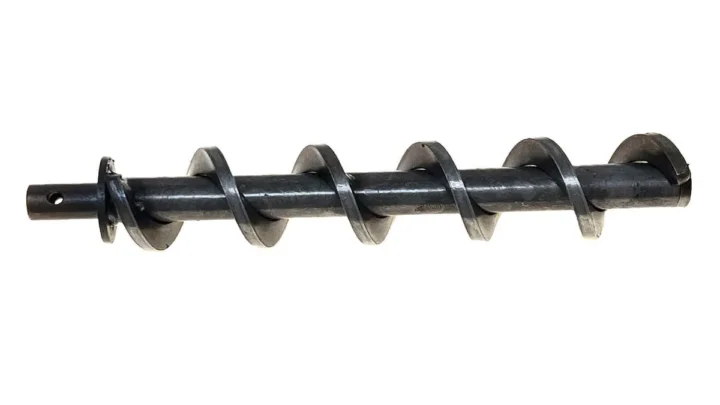
The auger motor inside the dispenser bucket is likely jammed. Remove the ice bucket and look for ice bridging, large clumps that block the auger. Break up the clumps with a wooden spoon.
If the motor still won't turn, the auger motor may need replacement.
Should I unplug my refrigerator to reset the ice maker?
Yes. Unplugging for 30 seconds resets the control board. For a frozen fill tube, leave it unplugged for 24 hours to allow a full thaw.
The longer unplug time is the more common fix for ice maker problems.

Similar Posts