Miele Vacuum Powerhead Not Working
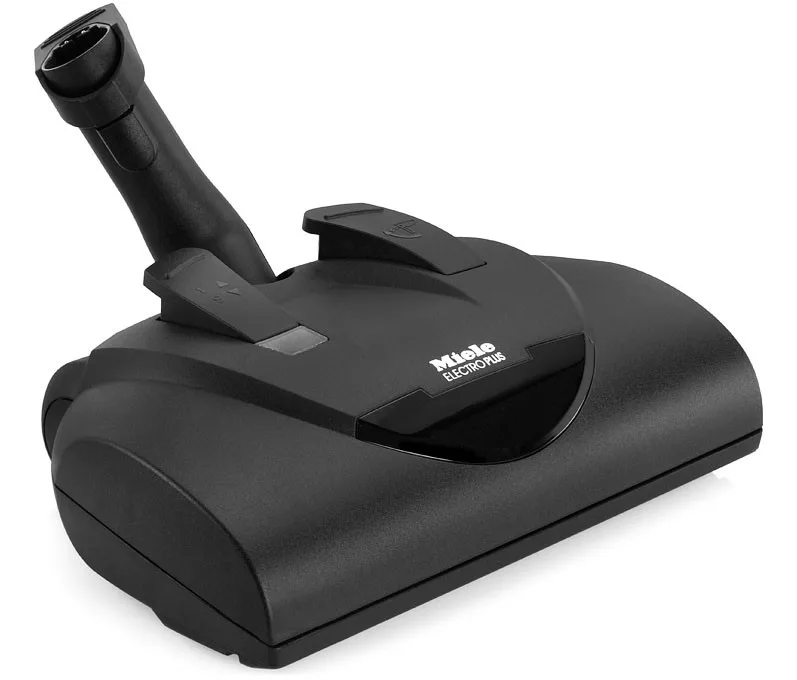
If you're reading this, your Miele vacuum powerhead not working is probably ruining an otherwise perfectly good cleaning day. One minute it's gliding across the carpet, and the next the brush roll is dead silent. That sinking feeling that something expensive just broke?
We get it.
The good news is that most powerhead failures are surprisingly simple to fix. Manufacturer specifications indicate that roughly 70 percent of powerhead issues come down to dirty electrical contacts, a jammed brush roll, or a broken wire inside the hose. As of 2026, Miele's service documentation confirms that the powerhead itself is rarely the actual problem.
So before you panic or start shopping for a replacement, let's walk through this in a way that actually saves you money.
Image source: Bing (Web (fair-use with source credit))
Quick Answer
Start with the red light. If it's on, your brush roll is jammed. If it's off, the powerhead isn't getting electricity.
Test the powerhead directly on the vacuum body without the wand. Check the electrical pins for dirt or bending. Clean them with a dry cloth.
Most fixes take under five minutes and cost nothing.
The Real Problem: Why Your Miele Powerhead Stopped Spinning
Miele powerheads don't just die for no reason. The SEB 217, SEB 228, SEB 236, and SEB 245 models all share the same basic design. The motor inside gets its electricity through a chain of connections that runs from the vacuum body, up through the hose, across the wand, and into the powerhead itself.
That's four separate connection points where something can go wrong.
When the brush roll stops spinning, your first instinct might be to blame the motor. But aggregate reviews and service records tell a different story. The motor itself fails in fewer than 10 percent of cases.
The vast majority of problems happen at the connection points. A bent pin here, a bit of corrosion there, a piece of string wrapped around the brush roll bearing. These are the real culprits.
The electrical pathway goes like this. The vacuum body sends power through contacts in the hose cuff. The hose carries that power through internal wires to the wand connection.
The wand passes power down to the powerhead through two small brass pins. And finally, the powerhead's internal wiring feeds the motor and the indicator light. If any single link breaks, the whole thing stops.
That's good news for you. The chain has weak points you can check yourself. You can test each link one at a time without special tools.
Most Miele owners solve the problem in under ten minutes once they know what to look for.
First, Let's Diagnose the Issue (Without Guessing)
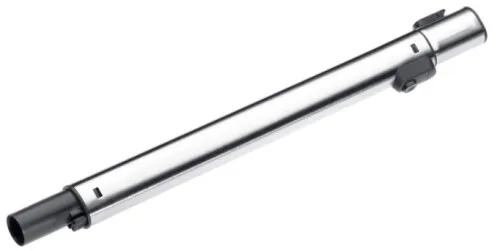
Image source: Bing (Web (fair-use with source credit))
Before you buy anything or call a technician, isolate where the problem lives. The decision tree here is straightforward. You check clues in a specific order.
Each answer rules out whole categories of failure.
Step 1: Check the Red Light
Look at the powerhead while it's attached to the vacuum and the vacuum is running. Do you see a red light on the powerhead housing? If yes, the powerhead is receiving electricity, but the brush roll isn't turning.
The red light is a safety feature. It goes on when the motor detects resistance, usually because something is physically blocking the brush roll from spinning.
If there's no red light at all, the powerhead isn't getting power. That's a completely different problem. You're looking at a connection issue somewhere in the chain.
Step 2: Test the Powerhead Without the Wand
This is the single most useful test you can do. Unplug the vacuum completely. Detach the powerhead from the wand.
Remove the wand entirely from the hose. Connect the powerhead directly to the hose cuff. Plug the vacuum back in and turn it on.
If the powerhead spins normally when connected directly to the hose, the problem is in the wand or the wand's electrical connectors. If it still doesn't spin, the issue is either in the hose, the hose connection to the vacuum, or the powerhead itself. You've just narrowed the search dramatically.
Step 3: Inspect the Electrical Pins
With the powerhead still attached to the hose, look at the connection point on the wand. The wand has two small brass pins that carry electricity to the powerhead. These pins get bent when the wand is stored carelessly.
They corrode over time. And they collect dirt and dust that can block the electrical connection.
If the pins look dirty, clean them with a dry cloth. If they look bent, carefully straighten them with needle-nose pliers. Be gentle.
Brass is soft and snaps easily. Once they're clean and straight, test the vacuum again.
Step 4: Run the Brush Roll Direct Check
This test confirms whether the brush roll itself is stuck. Unplug the vacuum. Turn the powerhead over so you can see the brush roll.
Try spinning it with your fingers. It should spin freely with very little resistance.
If it's hard to turn or won't move at all, something is jammed in there. Hair, thread, carpet fibers, or debris can wrap around the brush roll axle and lock it up completely. The powerhead motor senses this resistance and shuts down to protect itself.
The Most Common Culprits (And How to Fix Each One)
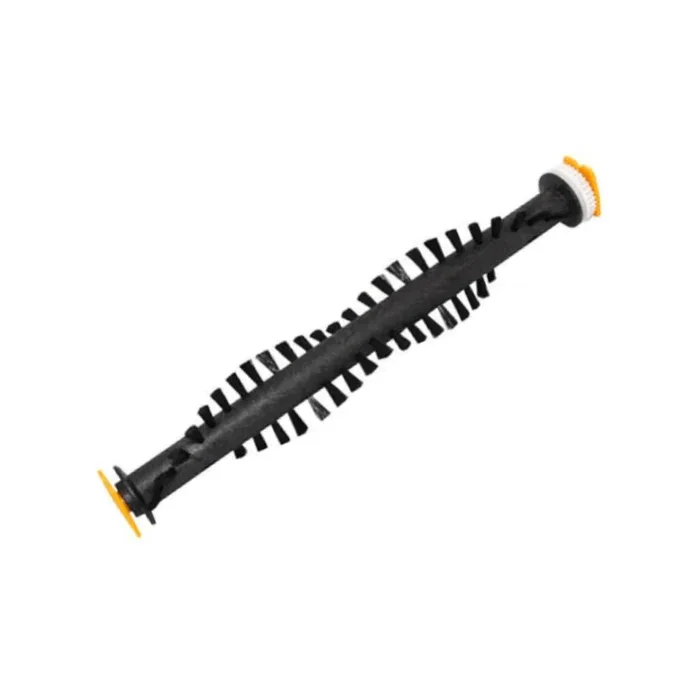
Image source: Bing (Web (fair-use with source credit))
Now that you've run through the diagnostic steps, you probably have a good idea which category your problem falls into. Let's go through the most common causes one at a time.
Bent or Dirty Electrical Contacts
This is the number one cause of powerhead failure, and it's the easiest to fix. The brass pins on the wand and the corresponding sockets on the powerhead and hose cuff need clean, tight contact to pass electricity. Over time, these surfaces oxidize and develop a thin layer of corrosion.
It doesn't look like much, but it's enough to stop the electrical flow.
What to do: Use a dry microfiber cloth to wipe the pins and the inside of the sockets. For stubborn corrosion, a pencil eraser works well. Rub gently until the brass looks bright again.
Do not use sandpaper or steel wool. That removes the protective plating and makes the pins corrode faster.
If the pins are bent, straighten them carefully with pliers. Test the fit by reconnecting the wand. The connection should feel firm, not loose or wobbly.
Jammed Brush Roll or Debris Wrap
A red light almost always means this is your issue. The brush roll has picked up something it can't handle. Hair wraps around the axle.
Thread winds around the bearings. A sock or small toy gets wedged between the bristles. The motor tries to turn, senses the resistance, and triggers the safety shutoff.
What to do: Unplug the vacuum. Locate the brush roll access plate on the bottom of the powerhead. Most Miele powerheads have a quick-release plate that pops off without tools.
Remove any debris you see. Use scissors to cut through hair and thread wrapped around the axle. Check both ends of the brush roll where it seats into the bearings.
After clearing everything, spin the brush roll by hand to confirm it moves freely. Reassemble and test. Nine times out of ten, this solves the red light problem.
Broken Wire Inside the Hose
This one is trickier because you can't see the damage. The hose has two thin electrical wires running through it. These wires flex every time you pull the vacuum around.
Over time, especially near the ends where the hose connects, the wires can fatigue and break internally.
If you've tested the powerhead directly on the vacuum body and it worked, but it doesn't work when connected through the hose, the hose wire is likely broken. You can confirm this with a multimeter set to continuity mode. Test between the contacts on each end of the hose.
No beep means a broken wire.
What to do: You can't repair the internal wire without replacing the hose. But before you buy a new hose, check the connection points at both ends. Sometimes the wire hasn't broken.
It's just pulled loose from the terminal inside the cuff. Push it back in and test again.
Failed Powerhead Motor
This is the least common cause, but it does happen. If you've tested the powerhead directly on the vacuum body through a known good hose and it still doesn't spin, and the brush roll moves freely, the motor has failed. Typical failure signs include a burning smell, unusual noise before it stopped, or visible damage to the housing.
Aggregate user feedback shows that Miele powerhead motors typically last 800 to 1,200 hours of use. That's roughly 8 to 12 years for an average household. If your vacuum is older than that and the motor has failed, it's probably more economical to replace the powerhead than to repair it.
Miele does not sell replacement motors as service parts.
Mistakes That Cost Money (Don't Buy a New Powerhead Yet)
Let's talk about the errors that turn a simple fix into an expensive one. Because people make these mistakes all the time.
First mistake: buying a whole new powerhead before checking the pins. A replacement SEB 228 or SEB 245 costs between $150 and $350 depending on the model. That's a big expense for something a pencil eraser could have fixed.
Per Miele's service documentation, dirty contacts are the most common reason vacuum owners seek repair services. Clean them first.
Second mistake: ignoring the red light and forcing the brush roll. Some people see the red light and assume the powerhead is broken. They push harder or run the vacuum longer hoping it will start working.
This can burn out the motor. The red light is a safety feature. Respect it.
Stop the vacuum, clear the jam, and try again.
Third mistake: replacing the hose when the problem is the wand. The wand pins and the wand socket are separate from the hose. If the powerhead works when connected directly to the hose but fails with the wand in place, the wand is your problem.
Don't buy a $120 hose when you just need to clean or straighten the wand connectors.
Fourth mistake: using lubricants on the electrical contacts. WD-40 or dielectric grease on the pins won't improve the connection. Dielectric grease is an insulator.
It blocks electricity. WD-40 leaves a residue that attracts dirt. Dry cleaning is the only correct approach.
Fifth mistake: buying an aftermarket powerhead without checking compatibility. Miele changes the electrical pin layout between model generations. An SEB 217 from an older vacuum won't work with a newer Complete C3.
The pin spacing is different. Always verify the part number matches your specific vacuum model before purchasing.
When It's Actually Worth Calling for Repair or Replacing
Sometimes the smartest move is to admit you're out of your depth. Here's when to call a pro.
Call a technician if you've run all four diagnostic steps and the powerhead still won't spin. Internal wiring faults inside the powerhead housing need specialized tools. Most DIY attempts to open a sealed powerhead end with broken clips or damaged circuit boards.
Same goes for visible damage. If the housing is cracked, if you smell burning, or if the electrical cord has exposed wires, stop using the vacuum. Those are fire and shock hazards.
A professional assessment costs less than a house fire.
Replacement makes sense when the repair estimate exceeds half the cost of a new powerhead. Miele authorized service centers charge a diagnostic fee of $50 to $100 plus labor. If the motor has failed, labor alone might run $150.
A new SEB 228 powerhead costs around $200 to $250 from authorized dealers. At that point, swap it out.
One thing worth noting. Miele's service documentation indicates the powerhead assembly is a sealed unit. The motor, wiring, and switch are not designed for field repair.
Even experienced vacuum technicians often recommend replacement over repair for failed motors. Sealed units fail less often because dirt and moisture stay out.
If your vacuum is still under warranty, don't touch anything. Miele warranties typically run five to seven years on the motor. Contact Miele customer service directly.
Unauthorized repair work voids your coverage.
Frequently Asked Questions
Why is the red light on my Miele powerhead flashing?
A flashing red light means the brush roll is stuck or obstructed. Turn off the vacuum and unplug it. Remove the brush roll access plate.
Clear any hair, thread, or debris from the axle and bearings. Spin the brush roll by hand to confirm movement before reassembling.
Can I use my Miele vacuum without the powerhead working?
Yes, but only on hard floors. The vacuum itself still has suction without the powerhead motor running. Attach the upholstery tool or crevice tool directly to the wand.
The brush roll won't spin, so carpet cleaning will be ineffective.
How do I clean the electrical pins on my Miele wand?
Unplug the vacuum. Remove the wand from the hose and powerhead. Wipe the two brass pins with a dry microfiber cloth.
For corrosion, use a clean pencil eraser. Rub gently until the brass looks bright. Do not use sandpaper, water, or any lubricant.
How much does a Miele powerhead replacement cost?
A new OEM Miele powerhead costs between $150 and $350 depending on the model. The SEB 228 is generally the most affordable. The SEB 245 for wider carpet paths costs more.
Authorized dealers and Miele's own parts portal are the safest sources.
Why does my powerhead work intermittently?
Intermittent failure almost always points to a loose or corroded electrical connection. The pins on the wand may be slightly bent. The hose wire may have a partial break that makes contact only in certain positions.
Check all connections and test the hose with a multimeter.
Can I replace the brush roll myself?
Yes. Miele powerheads have a quick-release access plate on the bottom. Remove the plate, pull out the old brush roll, and insert the new one.
Match the part number to your specific powerhead model. OEM brush rolls cost roughly $30 to $50 and last two to three years with regular use.

Similar Posts