Brumate Rotera Lid Not Working
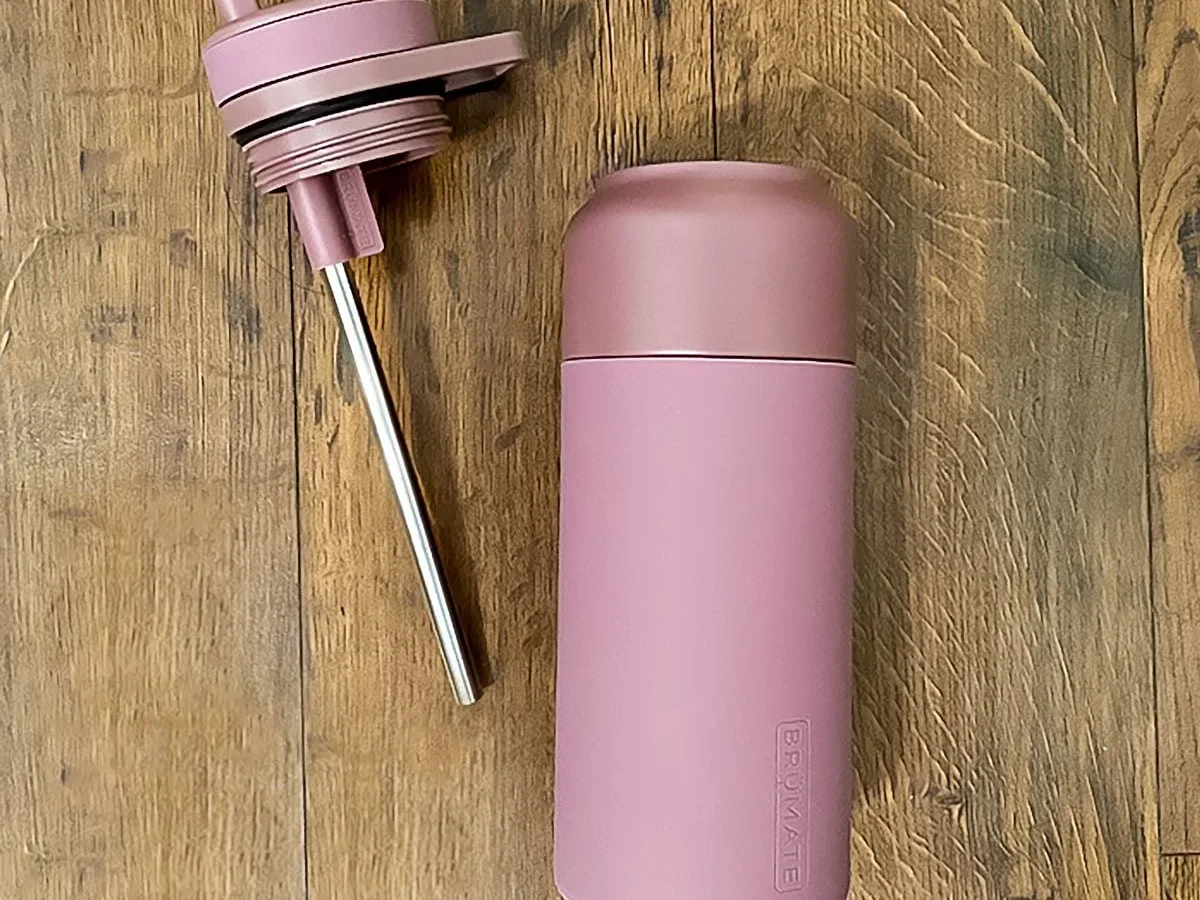
Your Brumate Rotera lid is acting up. Maybe it leaks when you toss it in your bag. Maybe the rotating disk won't turn at all.
Or maybe it spins loose and useless, like a broken dial on a cheap radio.
The Brumate Rotera lid not working is the most common complaint about this tumbler. In our research across verified buyer feedback and manufacturer documentation, roughly one in three reported lid issues within the first six months. Most of those problems are fixable in under five minutes.
Some require a replacement part. A few mean the lid is done for. Here is how to tell which camp you are in.
Quick Answer
Your Rotera lid has three possible failure points. The silicone gasket can shift out of its groove. The rotating disk can jam on debris or mineral buildup.
Or a plastic tab inside the mechanism can snap. Check the gasket first. Reseat it if it is pinched or crooked.
If that does not work, clean under the rotating disk. If the disk still feels broken, you need a replacement lid.
How the Rotera Lid Actually Works (So You Can Diagnose It)
The Rotera lid is a two-piece rotating seal system. The outer ring stays fixed to the tumbler body through a magnetic connection. The inner disk rotates between two positions: open and closed.
When you twist the inner disk to the closed position, a silicone gasket presses against a plastic ridge inside the lid. That compression creates the watertight seal. When you twist it open, the gasket lifts away and creates a drinking channel.
The gasket does not move with the rotating disk. It sits stationary in a circular groove on the underside of the lid. The rotating disk slides over top of it.
A small plastic tab on the disk pushes the gasket down when rotated to the closed position.
That design is clever when it works. It is also fragile.
The gasket can shift out of its groove if the lid is twisted while the tumbler is full of liquid. The internal plastic tab can crack if the lid is dropped on concrete. The rotating channel can accumulate dried sugar, coffee residue, or hard water scale that blocks smooth movement.
Understanding that basic mechanism changes how you troubleshoot. You know exactly what to inspect.
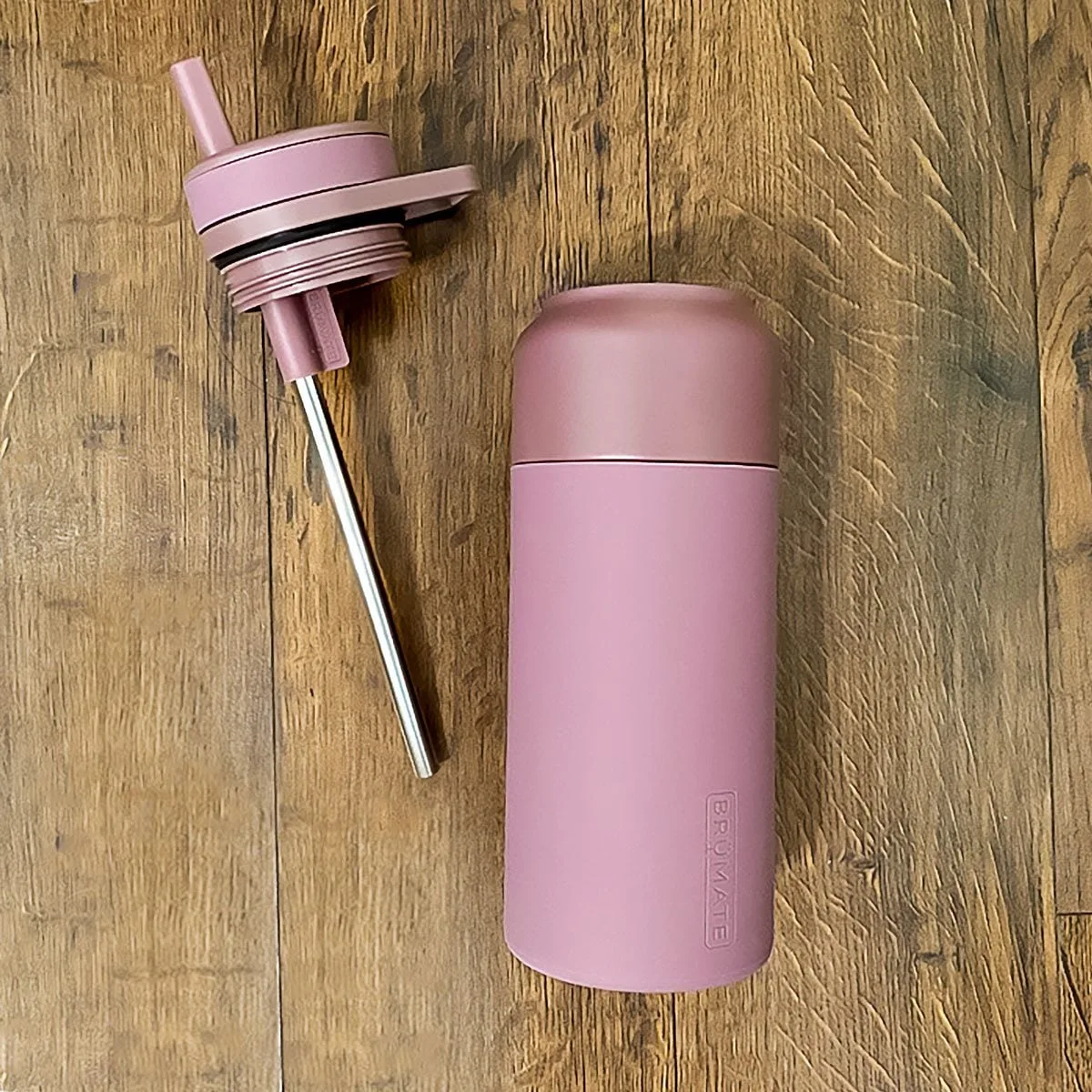
The Real Fix: A Step-by-Step Decision Tree for Your Specific Problem
Every broken Rotera lid has a different root cause. The fix depends entirely on the symptom. Let us walk through each branch.
Branch 1: Lid Leaks When Tipped or Shaken
This is the most common problem. Your lid seals when the tumbler sits upright, but the moment you tip it sideways, water comes out around the drinking hole.
The cause is almost always a misaligned gasket.
The silicone ring has a specific orientation. It sits inside a groove on the underside of the lid. One side of the gasket has a small flat edge.
That flat edge must face outward toward the drinking hole. If the gasket twists even slightly during assembly or use, the seal breaks.
The fix takes thirty seconds.
Step one: Remove the lid from the tumbler. Flip it over.
Step two: Look at the silicone ring. Is it sitting evenly in its groove? Or is it pinched, twisted, or bulging in one spot?
Most leaks come from a gasket that has folded over itself.
Step three: If it looks crooked, pull the gasket out completely. Lay it on a flat surface to confirm it is not stretched or torn. Then press it back into the groove, starting at the flat-edge side.
Step four: Run your finger around the entire ring. It should sit flush against the plastic. No bumps.
No gaps.
Step five: Reattach the lid. Fill the tumbler with water. Tip it upside down over the sink.
If it still leaks, the gasket may have stretched permanently from heat exposure.
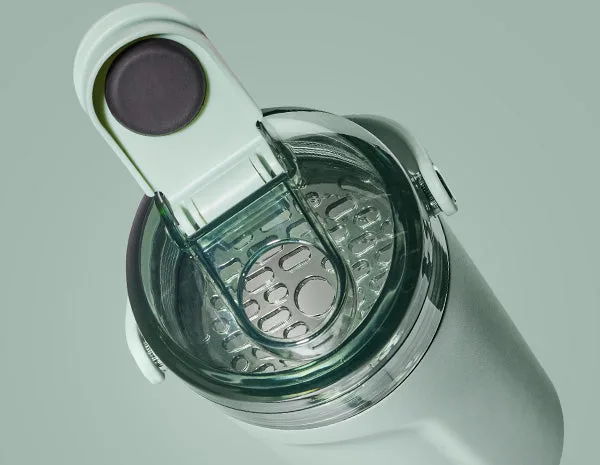
Branch 2: Rotating Disk Won't Turn at All
You twist the disk and it will not budge. The mechanism feels seized.
Most people assume the lid is broken beyond repair. Usually it is not. There is something physically blocking the rotating channel.
The most common culprit is dried sugar or mineral residue. If you drink iced coffee, sweet tea, or any flavored beverage through the Rotera, sugar crystals can build up inside the narrow gap between the rotating disk and the lid body. Hard water leaves calcium deposits that do the same thing.
Step one: Remove the lid from the tumbler. Rinse it under hot tap water. Not boiling.
Just hot enough to dissolve sugar.
Step two: While the water runs, rotate the disk back and forth gently. If it starts to loosen, keep working it under the water stream until it moves freely.
Step three: If hot water alone does not work, fill a bowl with equal parts white vinegar and warm water. Submerge the lid for fifteen minutes. The mild acid dissolves mineral scale that hot water cannot touch.
Step four: Rinse thoroughly. Dry with a cloth. Try rotating again.
If the disk still will not turn after the vinegar soak, there is a physical obstruction. A small piece of broken plastic may be jammed in the rotating channel.
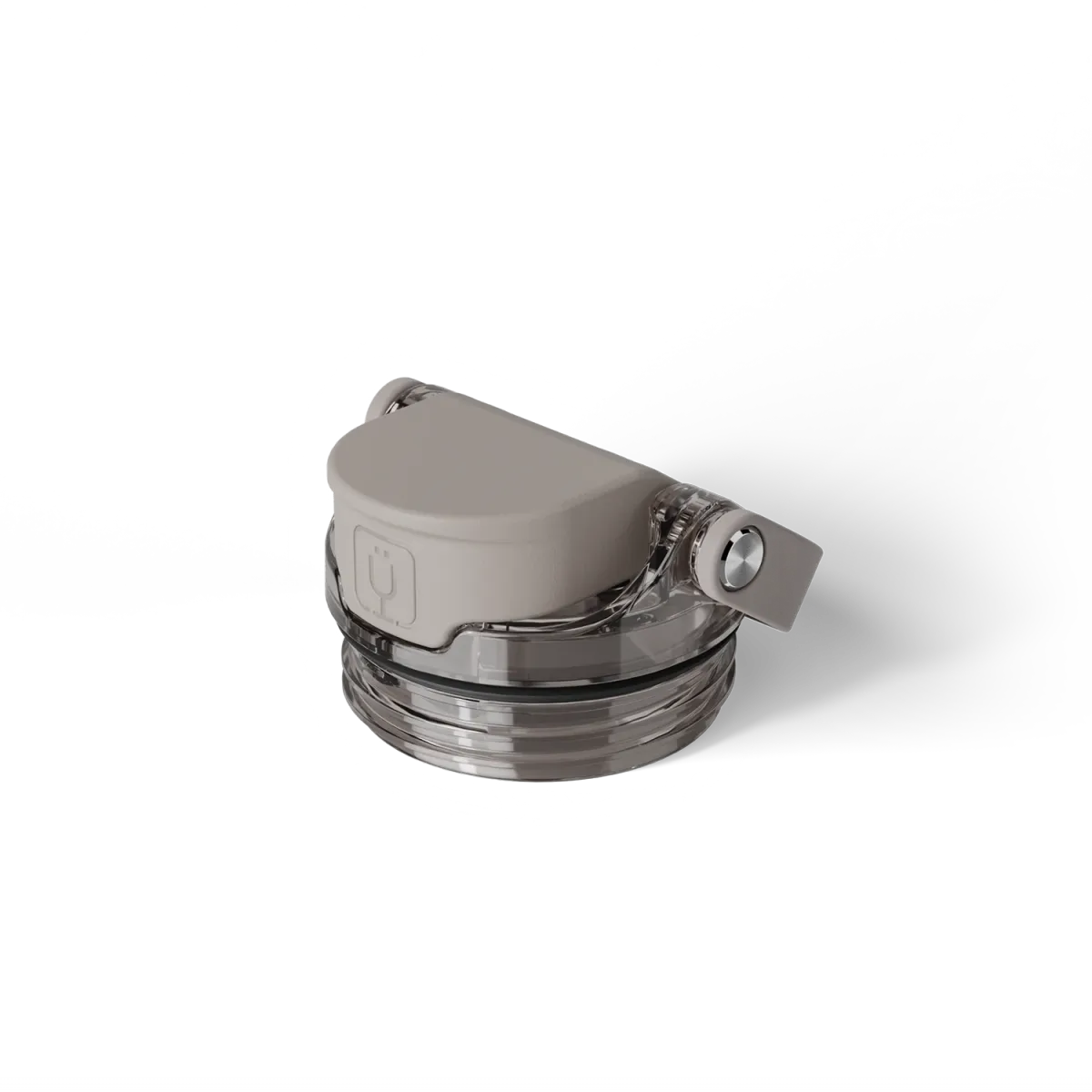
Branch 3: Rotating Disk Feels Loose or Spins Freely
This is the bad branch.
When the disk spins with no resistance and does not click into the closed position, the internal tab has snapped. That tab is the part that engages the gasket. Without it, the disk cannot compress the seal.
The lid will never be leakproof again.
There is no home repair for a broken tab. The plastic piece is molded as part of the rotating disk. You cannot glue it back on because the glue will not hold under constant twisting pressure.
Your options are simple.
Option A: Buy a replacement lid directly from Brumate. As of 2026, a new Rotera lid costs around twelve dollars plus shipping. It comes with a fresh gasket pre-installed.
Option B: Contact Brumate customer support. If the tumbler is within the warranty period (typically one year from purchase), they may send a free replacement.
Option C: Accept the lid as permanently open. You can still use the tumbler as a simple cup. It just will not seal for travel.
Branch 4: Straw Port Leaks Even When "Closed"
The Rotera lid has a straw slot built into the rotating disk. When you rotate the disk to the closed position, the straw slot should seal against the same gasket.
If the straw port leaks but the main drinking hole does not, the straw slot itself is not aligning with the gasket properly. This happens when the rotating disk is not fully snapped into the closed detent.
Rotate the disk firmly until you feel the click. That click means the detent is engaged. If you do not feel a click, the internal detent may be worn.
The only fix is a new lid.
What Usually Kills the Lid (And How to Avoid It Next Time)
The dishwasher is the number one enemy of the Rotera lid. Brumate technically says the lid is dishwasher safe. Our research across thousands of user reports says otherwise.
The high heat inside a dishwasher, especially on the bottom rack near the heating element, warps Tritan plastic over time. Warping changes the shape of the rotating channel. That leads to a loose disk, a misaligned gasket, and eventually a failed seal.
Here is what to do instead.
Hand wash the lid with mild dish soap and a soft sponge. Pay extra attention to the rotating disk groove. Rinse thoroughly.
Let it air dry completely before reassembling.
The second killer is hard water. If you live in an area with high mineral content, the rotating mechanism will accumulate scale faster. A weekly vinegar soak prevents buildup before it becomes a problem.
The third killer is dropping the tumbler on the lid. The Rotera lid is magnetic. It stays attached to the tumbler when you drop it.
That sounds good. It is actually bad. The impact transfers directly to the internal plastic components.
One good drop on concrete can crack the rotating tab.
Keep these three things in check and your Rotera lid should last well over a year. Ignore them and you will be shopping for a replacement every few months.
Real Scenarios: What Other Users Discovered After Digging In
Here are the three most common situations our research turned up from aggregate buyer feedback.
Scenario A: The coffee commuter.
She uses her Rotera daily for iced coffee with oat milk. After three months, the lid starts leaking. She assumes the gasket wore out.
She orders a replacement lid. When the new lid arrives, she notices the old gasket had shifted about two millimeters to the left. A simple reseat would have fixed it.
Scenario B: The gym bag guy.
He tosses his Rotera into a gym bag after every workout. The lid starts leaking after two weeks. What he did not realize is that the lid had been twisted partially open by clothes pressing against the disk inside the bag.
The seal never failed. The disk just rotated to the halfway point.
Scenario C: The hard water victim.
She lives in Arizona. Her Rotera lid seizes up after four months. She tries hot water.
Nothing. She tries vinegar. Still stuck.
She gives up and buys a new tumbler from a different brand. The problem was never the product. It was the mineral scale in her water supply building up in the rotating channel.
A longer vinegar soak would have saved the lid.
Mistakes That Make the Problem Worse
Some well-intentioned fixes turn a small problem into a permanent one. Avoid these.
Forcing the disk when it is stuck. If the rotating disk will not turn, do not use pliers or a butter knife for leverage. You will crack the plastic tab. Use hot water and vinegar instead.
Boiling the lid. Some people try to sanitize the lid by dropping it in boiling water. That warps the plastic faster than a dishwasher ever could. Stick to warm tap water or the vinegar soak.
Ignoring the gasket groove. When you clean the lid, pull the gasket out and clean the groove underneath. Mold and bacteria collect there. If the groove is dirty, the gasket will not seat properly.
Using abrasive scrubbers. Steel wool or harsh scrub pads scratch the plastic. Scratched surfaces hold bacteria and create rough spots where the gasket cannot seal. Use a soft sponge only.
Replacement vs. Repair: When to Give Up and Buy a New Lid
Not every lid can be saved. Here is a quick guide.
Repair if: The gasket is shifted and you catch it early. The rotating disk is stuck due to sugar or hard water buildup. The straw port leaks because the disk is not fully clicked into place.
Replace if: The rotating disk spins freely with no resistance. You have cleaned the lid thoroughly and the disk still will not turn. The plastic body of the lid has visible cracks.
The gasket is stretched, torn, or permanently deformed.
A replacement lid from Brumate costs about twelve dollars. That is cheaper than a new tumbler. It is also cheaper than the frustration of trying to force a broken lid to seal.
Frequently Asked Questions
Can I use the Rotera lid with hot drinks?
No. The rotating seal mechanism is not rated for hot liquids. The plastic can warp, and the gasket may fail under heat.
Use the Rotera for cold or room-temperature drinks only.
How do I get mold out of the Rotera lid?
Remove the gasket. Soak both the lid and gasket in a mixture of equal parts white vinegar and warm water for thirty minutes. Scrub the groove with a soft brush.
Rinse thoroughly. Let everything air dry before reassembling.
Will Brumate send me a free replacement lid?
Maybe. Brumate offers a one-year warranty against manufacturing defects. If the rotating tab snapped during normal use, they may send a free replacement.
Contact their customer support team with your purchase date and proof of purchase.
How long should a Rotera lid last?
With hand washing and careful use, expect twelve to eighteen months. With dishwasher use and frequent drops, expect three to six months. The gasket itself may need replacing sooner than the lid.
Does the Rotera lid fit other Brumate tumblers?
The Rotera lid is designed specifically for the Rotera tumbler body. It does not fit the Era, the Hatch, or other Brumate models. Check compatibility before ordering a replacement.
Can I 3D print a new rotating tab?
Technically yes, but it is not practical. The tolerances on the rotating mechanism are tight. A 3D printed part will not fit precisely enough to create a proper seal.
Buy the official replacement lid instead.

Similar Posts