Bryant Plus 90 Furnace Troubleshooting
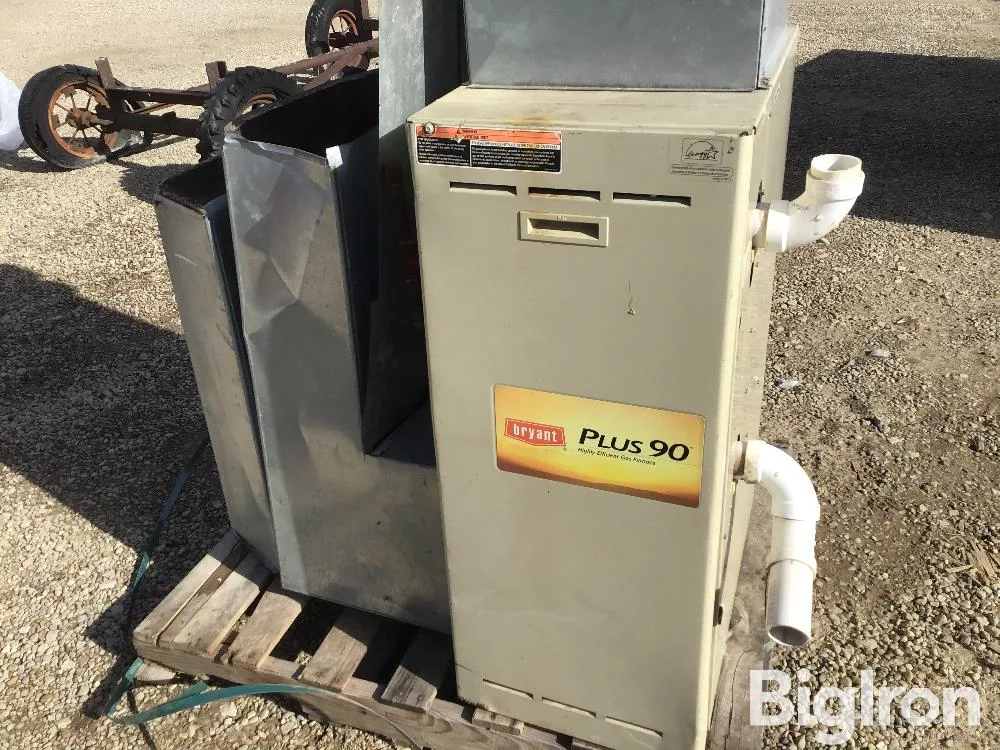
Your Bryant Plus 90 furnace sits there, silent, while your house drops toward freezing. Bryant Plus 90 furnace troubleshooting is about reading what the furnace already knows. Most failures in this high-efficiency condensing gas furnace are predictable, repeatable, and fixable without a technician.
You just need to work through them in the right order.
The Plus 90 series uses a sealed combustion design with PVC venting and an electronic ignition system. There is no standing pilot to relight. The furnace carries an AFUE rating in the low 90s, which is why it condenses water out of the exhaust.
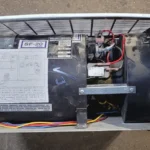
Per the manufacturer's service documentation, the control board tracks every failed ignition attempt and safety shutdown, then reports it through a blinking LED. That code is your starting point.
Image source: Bing (Web (fair-use with source credit))
Quick Answer
Start with the diagnostic LED codes. Most failures are a dirty flame sensor, blocked condensate drain, or pressure switch lockout. Check the thermostat, power switch, gas valve, and air filter first.
If the furnace will not light or short-cycles, these are the likely culprits. Call a pro if you smell gas or see persistent error codes.
The Plus 90 fails safely by design. It locks out, blinks a code, and waits for help. A sudden shutdown is usually the system protecting itself, not a catastrophic breakdown.
Working through this furnace in the wrong order wastes money. Replacing parts on a guess is the most common mistake homeowners make. As of 2026, the most common error code on older Plus 90 furnaces remains a pressure switch lockout.
That almost always traces back to a blocked vent or condensate line, not a bad switch.
Why the Bryant Plus 90 Needs Careful Troubleshooting, Not Guesswork
This furnace is a condensing unit. It squeezes extra heat from exhaust gases by cooling them below the dew point. That creates acidic water that drains through a PVC trap and line.
When that drain clogs, the furnace shuts down.
The inducer motor pulls combustion gases through the heat exchanger. A pressure switch confirms that air is moving. If the switch does not close, the control board never lets the igniter spark.
A blocked PVC vent, a frozen exhaust pipe, or a full condensate trap can all trigger the same code.
The danger is guessing wrong. A homeowner who replaces the pressure switch without checking the vent has wasted money and still has a cold house. Manufacturer specs confirm that the switch itself rarely fails.
The issue is what stops it from sensing proper air pressure.
Most DIY troubleshooting fails here. You replace what you can see instead of what the furnace is telling you. That is why reading the diagnostic code matters more than anything else in Bryant Plus 90 furnace troubleshooting.
First Checks You Can Do Safely in 10 Minutes
Start with the easy stuff before you touch any wires or gas components. These five checks cover the majority of no-heat calls without needing a multimeter.
- Thermostat. Make sure it is set to heat and the setpoint is above room temperature. Replace batteries if it has them. A dead thermostat looks exactly like a dead furnace to the homeowner.
- Power switch. The furnace has a service switch on the unit or nearby. Confirm it is in the on position. Someone could have flipped it accidentally.
- Gas valve. The shutoff valve on the gas line must be fully open. The handle should be parallel to the pipe. If it is perpendicular, the gas is off.
- Air filter. A clogged filter restricts airflow and trips the high limit switch. That makes the furnace short-cycle. Swap it with a clean one if it looks dirty.
- Furnace reset. Turn the power off at the switch or breaker for 60 seconds. Turn it back on. This clears the control board memory and resets a lockout condition.
How to Safely Reset the Furnace
Locate the power disconnect switch on or near the furnace. Flip it to off. Wait exactly one minute.
This allows the control board capacitors to drain and the internal timer to reset. Flip the switch back to on. The furnace will start its ignition sequence automatically.
If the furnace starts and runs normally after the reset but fails again within a few hours, you have an intermittent problem. The most common causes are a dirty flame sensor or a slow condensate drain issue. Both show up more often during colder months.
Reading the Blink Codes: What Your Plus 90 Is Trying to Tell You
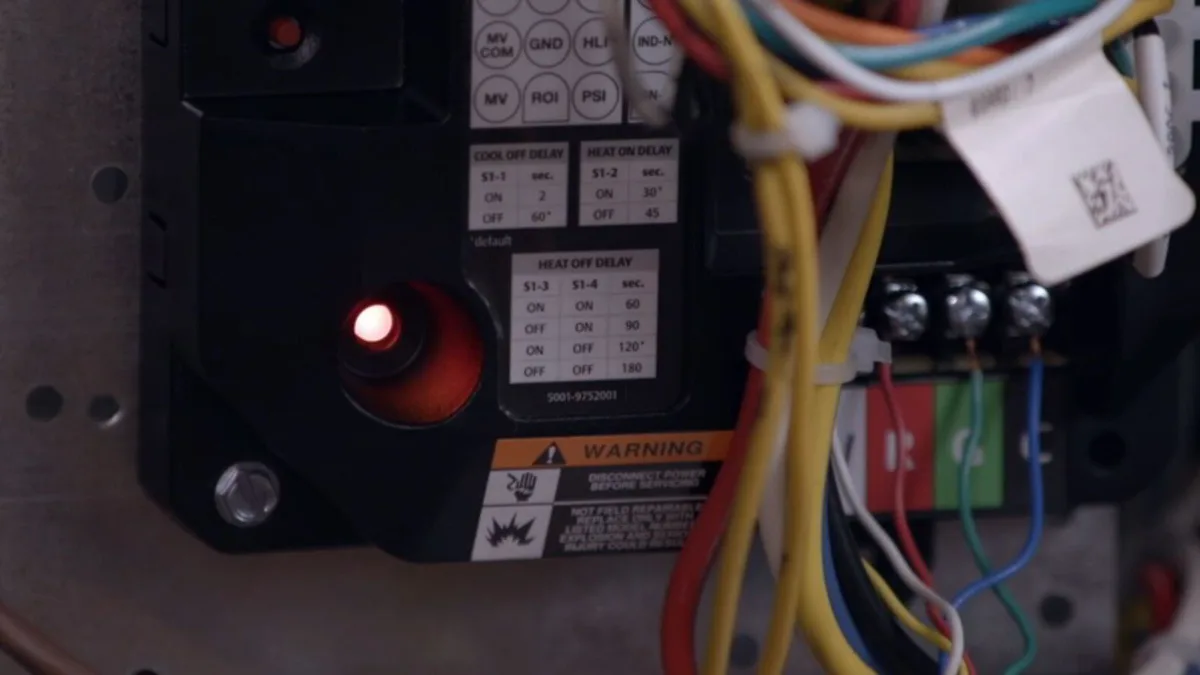
Image source: Bing (Web (fair-use with source credit))
The Plus 90 control board has a small LED light visible through a clear window on the blower compartment door. That light blinks in a pattern. The pattern tells you exactly what the furnace detected before it shut down.
The system uses a two-digit code. A slow blink counts the first digit. A pause follows.
Then a fast blink counts the second digit. For example, two slow blinks followed by four fast blinks is error code 24.
Common Error Codes and What They Point To
| Code | Meaning | Likely Cause |
|---|---|---|
| 12 | Pressure switch stuck closed | Switch or wiring fault |
| 13 | Pressure switch stuck open | Blocked vent, frozen pipe, or clogged condensate |
| 14 | Ignition lockout | Failed igniter, bad gas supply, or dirty flame sensor |
| 21 | Gas valve relay failure | Control board or valve wiring issue |
| 22 | Flame sensed with gas off | Short in flame sensor circuit |
| 24 | Flame lost during run | Dirty flame sensor, low gas pressure, or cracked heat exchanger |
| 33 | High limit failure | Clogged filter or restricted airflow |
| 34 | Auxiliary limit failure | Similar airflow problems or faulty limit switch |
Code 13 is the most common on older Plus 90 units. It shows up when the inducer motor runs but the pressure switch does not close. Check the PVC vent pipe for ice or debris before touching the switch itself.
Code 14 is the second most common. The furnace tried to light and failed. This usually means a dirty flame sensor, a broken hot surface igniter, or the gas valve did not open.
Fixing the Usual Suspects: Flame Sensor, Igniter, Pressure Switch, and Condensate
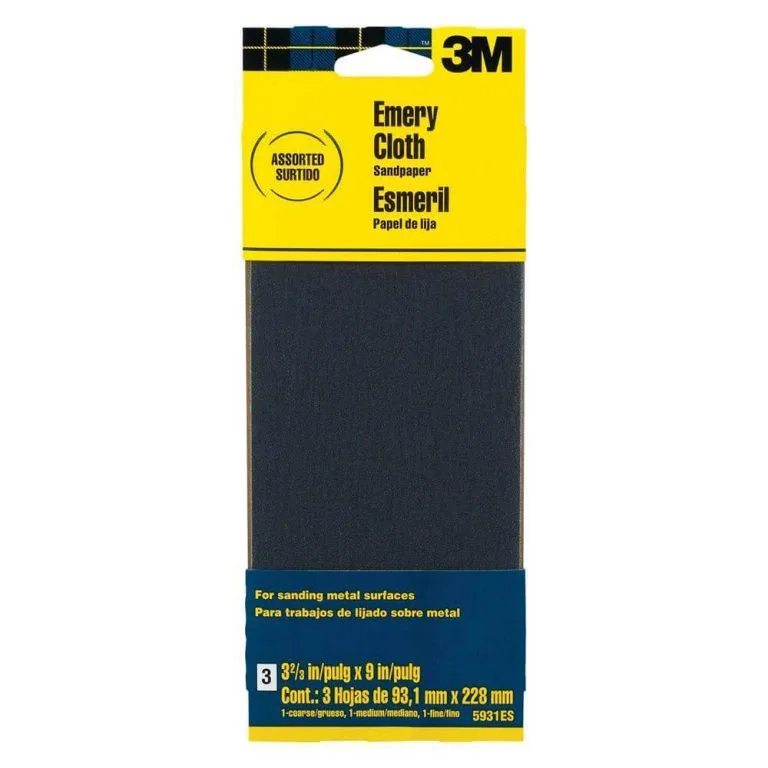
Image source: Bing (Web (fair-use with source credit))
These four components cause nearly every running issue on the Plus 90. They are also the most misdiagnosed parts in Bryant Plus 90 furnace troubleshooting. Here is how to check each one correctly.
Cleaning the Flame Sensor Without Damaging It
The flame sensor is a metal rod that sits in the burner flame. It confirms the flame is present so the gas valve stays open. A dirty sensor cannot detect flame, so the control board shuts the gas off after a few seconds.
Turn the power off. Remove the burner compartment cover. Locate the single rod with a single wire attached near the burners.
Unscrew it. Use a grey Scotch-Brite pad or a fine emery cloth to gently clean the rod. Do not use sandpaper.
Do not scrub hard. You only need to remove the soot layer.
Reinstall the sensor. Restore power. Run the furnace.
If it fires and stays lit for more than 30 seconds, the sensor was the problem. If it fails again, the sensor may need replacement.
Checking the Hot Surface Igniter
The igniter is a ceramic piece that glows red hot to light the burners. It sits near the burners and is fragile. Turn the power off before touching it.
Remove the igniter carefully from its bracket. Look for visible cracks or a burned-out section. A working igniter glows bright orange evenly.
A failing one may glow only at one end or not at all.
Check the resistance with a multimeter. The typical reading is 40 to 80 ohms. An open circuit means replacement is needed.
Pressure Switch Errors: When It's the Vent, Not the Switch
A pressure switch error means the control board does not detect proper vent flow. Start by checking the PVC vent pipes outside the house. Look for ice buildup on the intake or exhaust.
During freezing weather, warm moist exhaust melts water that refreezes on the vent terminal.
If the vents are clear, check the condensate drain. The trap near the furnace can fill with sludge and block the drain. Disconnect the tubing and clear the trap with a wet-dry vac or warm water.
Reconnect everything and test the furnace.
Clearing the Condensate Drain Trap and Lines
The Plus 90 produces water every time it runs. That water drains through a trap into a floor drain or pump. If the trap clogs, the water backs up, and a safety switch shuts the furnace down.
Locate the trap near the bottom of the furnace. There is usually a rubber cap or plug on top. Place a bucket under the trap.
Remove the cap and drain the water into the bucket. Pour warm water through the drain hose to flush debris. Reinstall the cap and watch for leaks when the furnace runs.
Stop Right Here: Safety Warnings No DIYer Should Ignore
This furnace burns natural gas or propane. It also produces carbon monoxide as a normal byproduct. Every safety shutdown is a chance for something serious to go wrong if you ignore the rules.
Carbon Monoxide Risk and What It Smells Like
Carbon monoxide has no smell. You cannot detect it without a working CO alarm. The Plus 90's sealed combustion system is safe when intact, but a cracked heat exchanger or blocked vent can push CO into your living space.
Always have a CO alarm installed within 10 feet of each sleeping area. If your alarm sounds, leave the house immediately and call your gas utility or fire department from outside.
If You Smell Gas: Exact Steps That Could Save Your Life
Natural gas has a distinct rotten egg odor. If you smell it, follow these steps. Do not light any flame.
No matches, no lighters. Do not flip any electrical switches. A spark can ignite gas.
Leave the house immediately. Call your gas company from outside. Do not re-enter until they say it is safe.
Rules for Touching Gas and Electrical Components
Turn the furnace power off at the switch before touching any sensor, igniter, or wiring. Turn the gas valve off if you are working on the burner assembly or gas valve. Use a multimeter properly.
Always verify zero voltage before touching metal components.
Never bypass safety controls. The pressure switch, high limit, and flame sensor exist to prevent fires, explosions, and CO poisoning. Jumping them out is dangerous and illegal.
If you are not comfortable with any of these steps, stop here and call a licensed HVAC technician. Bryant Plus 90 furnace troubleshooting can be done safely at the diagnostic level. Repairs that involve gas or electrical components are best left to a professional.
Mistakes That Send Homeowners Down the Wrong Path
The most expensive mistake in Bryant Plus 90 furnace troubleshooting is throwing parts at the problem. A new pressure switch costs around 40 dollars. A new control board runs over 200 dollars.
Replacing either without checking the real cause wastes money and leaves the furnace dead.
Misreading Error Codes
The two-digit blink code system is simple but easy to misinterpret. A code 13 means the pressure switch is open. That does not automatically mean the switch is bad.
It means the switch did not close. The vent pipe, condensate drain, or a kinked tube are the actual causes in most cases.
Count the blinks carefully. Watch through two full cycles to confirm the pattern. One missed blink sends you in the wrong direction entirely.
Replacing Parts on a Guess
Here is the pattern that fails most often. The furnace stops heating. The homeowner sees code 14 and replaces the igniter.
The furnace still does not work. They replace the flame sensor next. Still no heat.
Then the gas valve. By this point they have spent 300 dollars and the real problem was a clogged condensate drain.
Verify before you replace. Clean the sensor before buying a new one. Check the vent before swapping the pressure switch.
Test the igniter with a multimeter before ordering a replacement.
Ignoring Venting and Drainage Issues
The Plus 90 is a condensing furnace. It needs clear PVC vents and a working drain to run at all. Blocked vents cause pressure switch errors.
A frozen exhaust pipe causes intermittent lockouts during cold snaps. A slow condensate drain causes the furnace to run for a while and then shut down.
Industry service data shows that over half of Plus 90 service calls trace back to venting or drainage problems. Clearing the vent and drain should be the first step on any error code 12, 13, or 24.
Repair or Replace? Deciding the Fate of an Aging Plus 90
The Bryant Plus 90 series was manufactured from the late 1980s through the early 2000s. A unit still running in 2026 is at least 26 years old. That is past the typical furnace lifespan of 15 to 20 years.
What the Furnace Is Worth in Its Current Condition
A 26 year old Plus 90 operates at around 92 percent AFUE. New high efficiency furnaces reach 96 to 98 percent. The difference matters on your gas bill.
Here is the simple math. A new 96 percent furnace burns about 4 percent less gas than your old Plus 90. On a 1,000 dollar annual heating bill, that saves around 40 dollars per year.
Efficiency alone does not justify the replacement cost of 4,000 to 6,000 dollars.
The real question is reliability. An aging Plus 90 with original components is more likely to fail on the coldest night of the year. Pressure switches, inducer motors, and heat exchangers wear out.
When the heat exchanger cracks, replacement is usually more expensive than a new furnace.
When to Repair vs. When to Pull the Trigger
Repair the furnace if the fix is simple and cheap. A 30 dollar igniter or a 60 dollar pressure switch keeps the heat running. Those repairs make sense for a furnace that has been reliable otherwise.
Replace the furnace if you are looking at a major component failure. A cracked secondary heat exchanger, a failed inducer motor, or a bad control board can cost 800 to 1,500 dollars to fix. Putting that money into a 30 year old furnace does not make sense.
Bottom Line: A Straightforward Decision Guide
| Situation | Action |
|---|---|
| Simple part failure (sensor, igniter, switch) | Repair it |
| Major component failure on a unit under 15 years old | Repair it |
| Major component failure on a unit over 20 years old | Replace it |
| Frequent breakdowns in a single heating season | Replace it |
| Cracked heat exchanger at any age | Replace it |
Frequently Asked Questions
Why is my Bryant Plus 90 furnace not heating?
Start with the thermostat, power switch, gas valve, and air filter. If all are good, read the diagnostic LED code on the control board. Most no-heat issues trace to a dirty flame sensor, blocked condensate drain, or pressure switch error.
What does the blinking light on my Bryant Plus 90 mean?
The LED blinks a two-digit error code. Slow blinks count the first digit. Fast blinks count the second digit.
Common codes include 13 for pressure switch open, 14 for ignition failure, and 24 for flame lost.
How do I reset my Bryant Plus 90 furnace?
Turn the power off at the service switch or breaker for 60 seconds. Turn it back on. The control board resets and the ignition sequence restarts automatically.
If the furnace fails again within a few hours, there is an underlying issue.
Can I clean the flame sensor myself?
Yes. Turn the power off. Remove the sensor rod.
Gently clean it with a grey Scotch-Brite pad or fine emery cloth. Reinstall it. Do not use sandpaper.
Do not scrub hard. This fixes many ignition lockout issues.
Why does my furnace run for a few minutes and then shut off?
This is usually a flame sensor issue. The sensor gets dirty, loses the flame signal, and the control board shuts the gas valve. Clean the sensor first.
If the problem continues, check the condensate drain and vent pipes.
When should I replace my Bryant Plus 90 instead of repairing it?
Replace it if you have a cracked heat exchanger, a failed inducer motor, or a bad control board on a unit over 20 years old. Simple part repairs are worth it. Major component failures on an old furnace are not.

Similar Posts