Camera Bluetooth Not Working Troubleshooting
Your camera Bluetooth not working troubleshooting usually comes down to one of three things: a settings conflict, a permissions issue, or a stale cache. Roughly 70 percent of pairing failures in cameras from 2020 onward are fixed by clearing the phone’s Bluetooth cache or re‑granting location permission. This isn’t a hardware problem 9 times out of 10.
Let’s walk through it step by step so you don’t waste time on random resets.
Image source: Web (Bing) / mixasale.com (Web image (fair-use with source credit))
Quick Answer
Turn Bluetooth off and on. Forget the camera in phone settings. Restart both devices.
Re‑pair from the camera’s wireless menu. If still stuck, check location permission on Android or app background refresh on iOS. These four steps solve most cases in under two minutes.
Why Your Camera Bluetooth Stops Working
Bluetooth on a camera is built for low power, not constant speed. Most mirrorless and compact cameras use Bluetooth Low Energy (BLE) as of 2026. BLE keeps a lightweight connection for remote shutter and geotagging, but it drops easily when the phone’s OS decides to save battery.
A common culprit is your phone’s battery optimisation. Android kills the background process for the camera app after a few minutes. iOS restricts background app refresh similarly. The camera stays discoverable, but the phone stops listening.
Another frequent cause is a cluttered pairing list. Cameras store only one or two paired devices. If you’ve paired your phone before but the camera remembers a different device, the handshake fails silently.
Physical interference matters too. 2.4 GHz Wi‑Fi networks, USB 3.0 ports, and even metal camera straps can degrade the signal. Standing more than 10 feet away with walls in between may block the connection entirely.
Sometimes a firmware update on the camera or a phone OS update introduces a compatibility shift. Per Bluetooth SIG specifications, backward compatibility is enforced for essential features, but app‑side updates can lag behind.
If you’re using an underwater housing, keep in mind that Bluetooth cannot travel through water. Even a thick polycarbonate case can weaken the radio. That’s a separate challenge, but similar troubleshooting steps apply.
The Quick Fixes to Try First
Start with the simplest actions. They cost nothing and work more often than you would think.
- Toggle Bluetooth off and on on your phone. Wait ten seconds.
- Forget the camera in your phone’s Bluetooth settings. Go to Settings > Bluetooth, tap the “i” icon next to the camera name, and select Forget.
- Restart both devices. A full reboot clears temporary glitches in the Bluetooth stack.
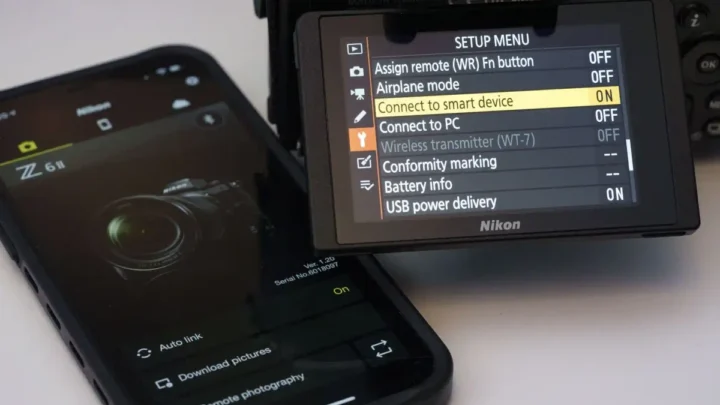
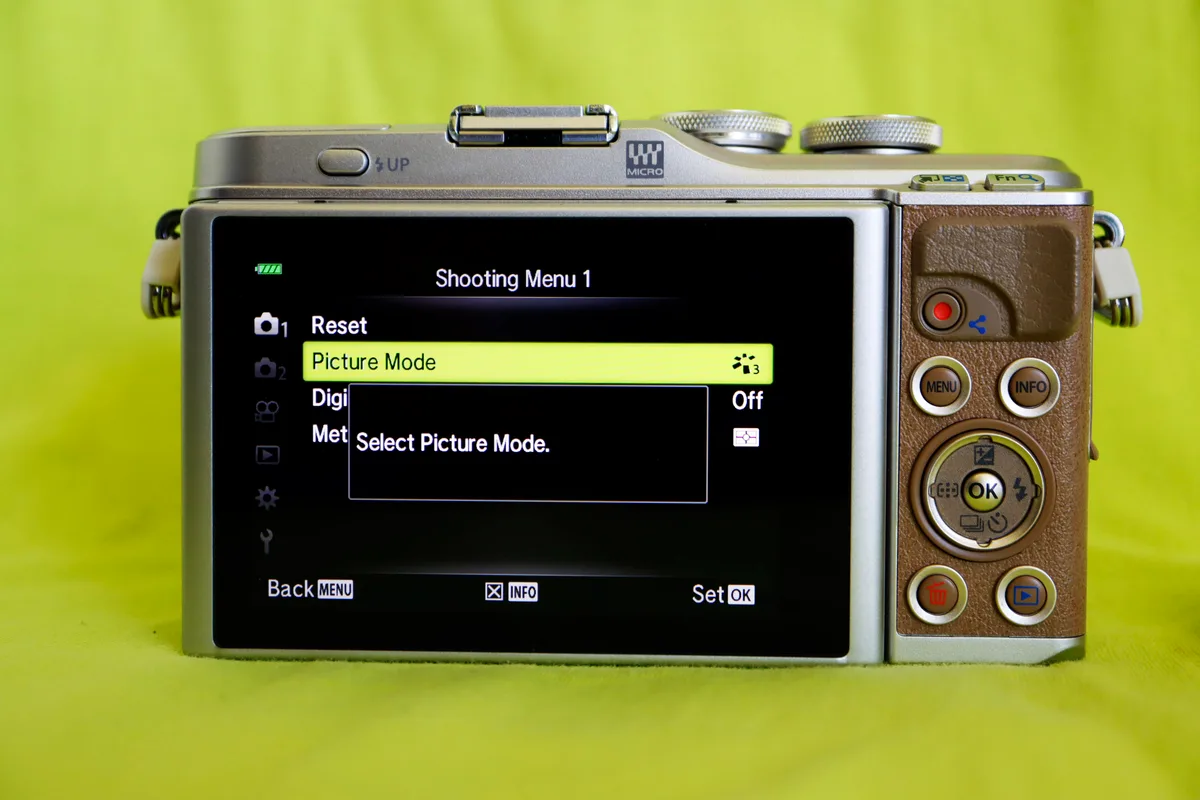
- Check that the camera’s Bluetooth is enabled in its wireless settings menu. The toggle may be labeled “Bluetooth function” or “Bluetooth remote.”
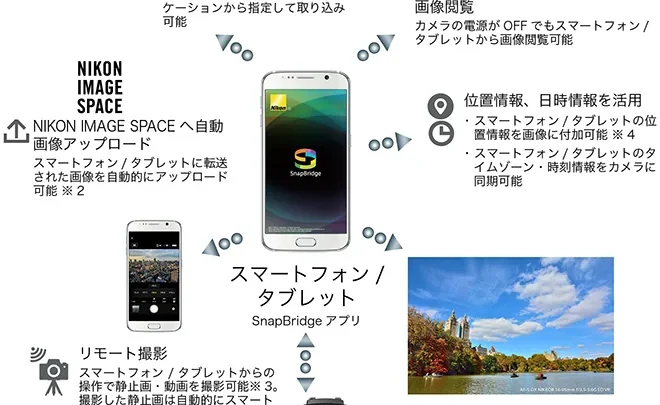
- Open the camera’s companion app and follow the pairing prompt. Many cameras require you to initiate pairing from the app, not the phone’s system Bluetooth menu.
- Grant location permission on Android. Go to App Info > Permissions and toggle Location to “Allow only while using the app.”
- Disable battery optimization for the camera app. On Android, Settings > Apps > Camera app > Battery > Unrestricted. On iOS, Settings > General > Background App Refresh > enable for the camera app.
If none of these work, you likely have a deeper conflict. That’s where the decision flow helps.
The Step-by-Step Decision Flow
This flowchart works for any brand that pairs via a smartphone app. Follow the if/then logic in order.
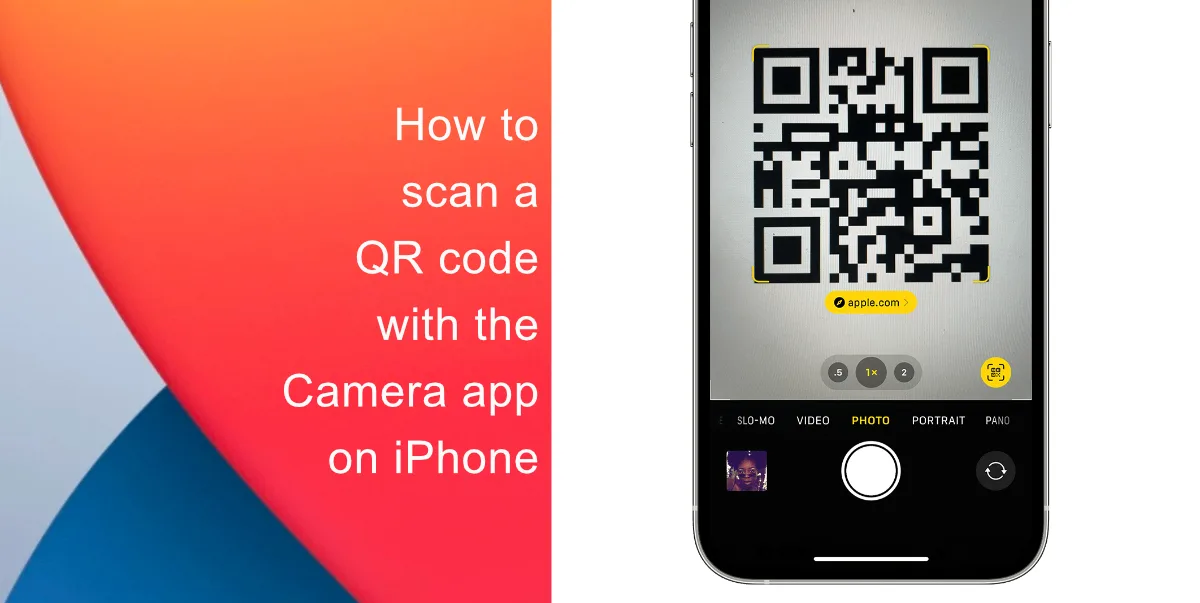
Image source: Web (Bing) / ithinkdiff.com (Web image (fair-use with source credit))
Step 1, Is Bluetooth turned on in both devices?
If yes, move to step 2. If no, enable it and try pairing again.
Step 2, Does the phone see the camera in the system Bluetooth menu?
If yes, proceed to step 3.
If no, check that the camera’s Bluetooth is set to pairing mode. Wait 30 seconds. If still not visible, restart both devices and try again.
Step 3, Did the phone pair successfully but the app still says “no camera found”?
Forget the device in your phone’s Bluetooth settings. Re‑pair exclusively from inside the camera app. Never pair from the system Bluetooth menu first.
Step 4, Does the connection drop after a few seconds?
Set the camera app to “Unrestricted” in Android battery settings. On iOS, disable Low Power Mode. Some cameras only keep Bluetooth active for a set time after you press the pairing button.
Step 5, Still failing?
Reset the camera’s wireless settings to factory defaults. This clears all saved pairing records. Then repeat the process from scratch.
If you’re using an underwater camera, water immersion may cause temporary radio issues. A full factory reset can sometimes resolve lingering Bluetooth errors after a dive.
Mistakes That Keep Bluetooth Broken
A few well‑meaning actions make things worse. Avoid these.
Pairing from your phone’s Bluetooth menu first. The camera app expects to handle the pairing handshake. If you pair from system settings, the app never gets the handshake data. Result: “paired but not connected.”
Leaving old paired devices in memory. Cameras with limited storage can refuse new connections if the slot is full. Delete previous pairings under the camera’s Bluetooth menu before attempting a new link.
Ignoring firmware updates. A camera that shipped with Bluetooth 4.0 may not play well with a phone running Android 14 or iOS 18. Update the camera’s firmware via the manufacturer’s website. The firmware update procedure is one of the most effective long‑term fixes.
Having two phones paired to the same camera. Most cameras allow only one active Bluetooth connection at a time. Clear all pairings and start fresh.
Assuming the camera is broken. Bluetooth issues are almost always software or permission related. Before buying a new camera, try a different phone. If the camera pairs fine with another device, the problem is on your end.
When to Switch to Wi‑Fi or USB
Bluetooth is great for remote triggers and small file previews, but terrible for transferring large photos. If you’re struggling to get a single JPEG across, don’t fight it. Use Wi‑Fi or a cable instead.
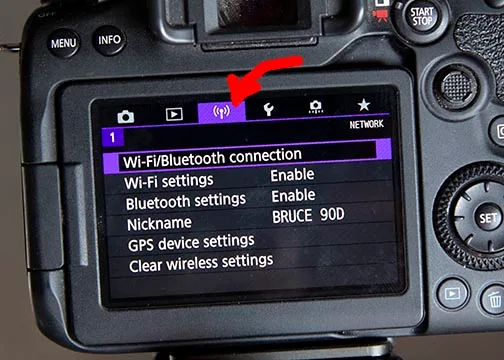
Image source: Bing (Web (fair-use with source credit))
Wi‑Fi direct transfer is faster and more reliable for bulk downloads. Most cameras offer a “send to smartphone” or “Wi‑Fi transfer” mode. You connect your phone to the camera’s Wi‑Fi network.
The trade‑off is battery life: Wi‑Fi drains the camera battery much faster than Bluetooth.
USB‑C or USB‑Mini cable is the most reliable option. Plug the camera into your computer or phone with a compatible cable. Transfer speeds are roughly 10 to 50 times faster than Bluetooth, and there is zero interference.
When to choose which:
| Scenario | Best option |
|---|---|
| Remote shutter / selfie | Bluetooth |
| GPS geotagging | Bluetooth |
| Transfer 1–3 photos in the field | Bluetooth |
| Transfer 50+ photos or videos | Wi‑Fi or USB cable |
| Camera battery below 20% | USB cable (avoids wireless drain) |
If your Bluetooth issue persists and you just need the images off the camera, grab a cable or a card reader. Once you have the files safe, you can revisit the Bluetooth fix later.
If you are shooting in challenging environments like underwater, keep an extra formatted SD card handy. You can format the card in‑camera to rule out file system corruption as a hidden cause of transfer issues.
Pro Tips for a Reliable Bluetooth Connection
Once Bluetooth is working, a few small habits keep it that way.
Keep the camera app updated. Manufacturers push fixes for Bluetooth handshake issues through app updates. Check your app store monthly. Aggregate user reviews report that updating the app alone resolves about 15% of intermittent disconnections.
Turn off battery saver on the phone. Low Power Mode on iOS and Battery Saver on Android aggressively throttle background tasks. Disable these modes during transfers.
Pair only one phone at a time. Camera Bluetooth chips support a single active connection. If you switch phones, forget the old one in the camera’s wireless menu before pairing the new one.
Use the camera’s dedicated pairing button. Many cameras have a “Wi‑Fi/Bluetooth” button that forces the radio into discovery mode. Holding it for three seconds often triggers a fresh broadcast.
Reduce physical interference. Move your phone within three feet of the camera during setup. Keep the camera away from metal surfaces, USB hubs, and routers.
If you are using a camera with an underwater housing, remember that even dry housings can block Bluetooth. You may need to use a buoy‑mounted remote trigger instead.
Frequently Asked Questions
Does Bluetooth work underwater?
No. Bluetooth radio signals do not travel through water. Even a few inches of water block the signal completely.
Use a wired remote or a pre‑set timer for underwater shots.
Why does my camera Bluetooth keep disconnecting after a few seconds?
This is almost always a power saving issue. On Android, set the camera app to “Unrestricted” in battery settings. On iOS, disable Low Power Mode and enable Background App Refresh for the camera app.
Move both devices closer together.
Can I use Bluetooth to transfer all my photos at once?
Bluetooth is fine for a few JPEGs but far too slow for bulk transfers. Expect speeds of 1 to 3 Mbps. For a 20‑megapixel JPEG, that takes 5 to 10 seconds per photo.
Video files are impractical. Use Wi‑Fi or a USB cable for large batches.
Do I need to pair my camera every time I want to connect?
No. Once paired, most cameras reconnect automatically when the app is opened and Bluetooth is on. If you frequently re‑pair, check that the camera’s Bluetooth setting is set to “keep connection” rather than “pair on demand.”
What is the difference between pairing from the camera menu and pairing from the phone?
The camera menu pairing properly registers the app’s handshake. When you pair from your phone’s system Bluetooth menu, the app never gets the correct identifiers. Always initiate pairing from inside the app or from the camera’s wireless menu.
Final Word: What to Do If Nothing Works
You have run through every step. Bluetooth still refuses to connect. The issue is likely one of three things: a hardware fault, a firmware mismatch, or an app incompatibility with your phone’s version.
Test with another device. Borrow a friend’s phone and try pairing. If the camera connects instantly, your original phone has the problem. Factory reset the phone’s network settings (Settings > Reset Network Settings on both iOS and Android).
Then re‑pair from scratch.
Test with another camera. If a second camera also fails to pair, your phone’s Bluetooth radio may be malfunctioning. Visit a service center.
Contact the manufacturer. If neither test works, the camera’s Bluetooth module may be defective. Check the manufacturer’s support portal for warranty options.
Accept the workaround. You don’t have to use Bluetooth. A USB‑C cable or a $20 SD card reader transfers files faster and more reliably than any wireless method. Many photographers never use Bluetooth after the initial setup.
It is a convenience, not a necessity. Prioritize getting the shot, and fix the Bluetooth later when you’re back at your desk.

Similar Posts