Canon EOS 6D Troubleshooting
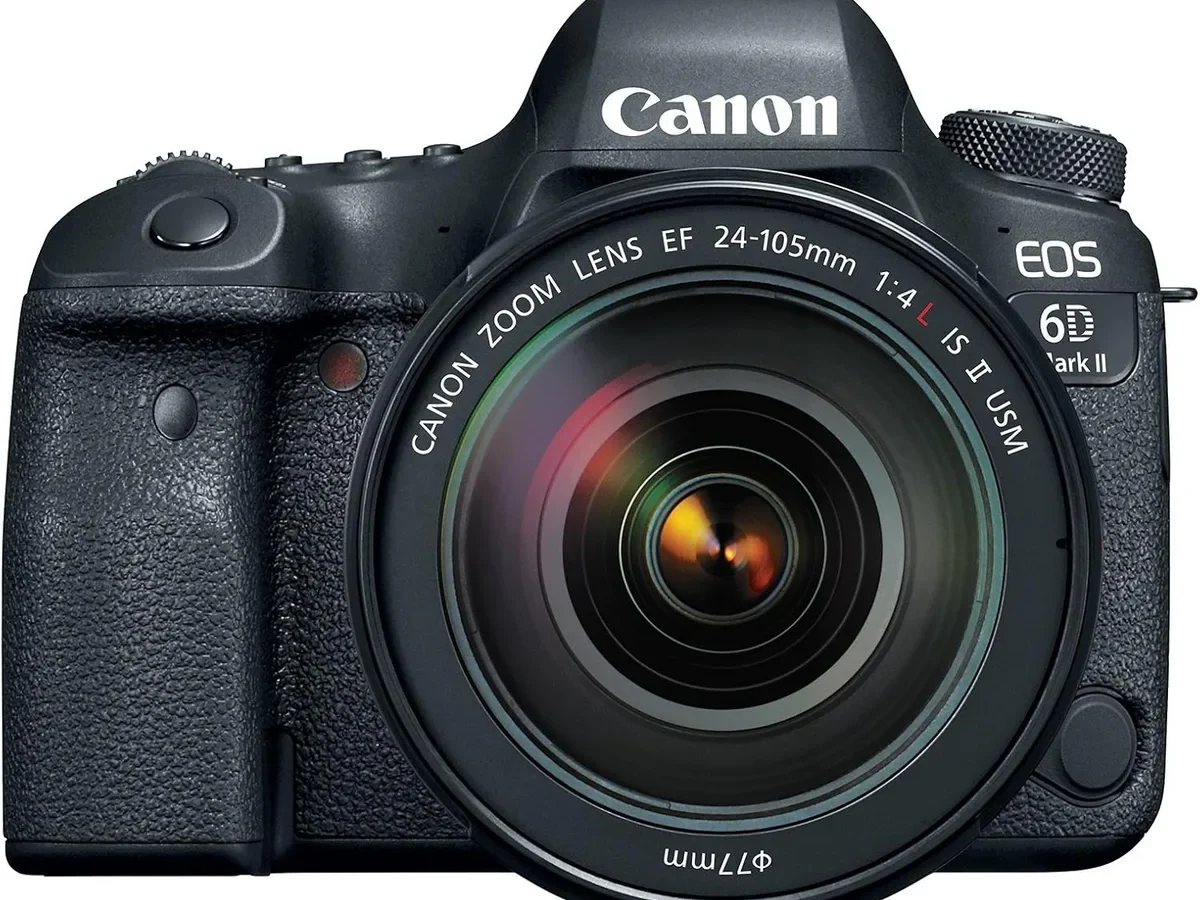
If your Canon EOS 6D just flashed an error code or stopped working mid-shoot, you are not alone. This Canon EOS 6D troubleshooting guide walks you through the most common problems step by step. We start with the fix that works most often and work through each error code.
The 6D is a full-frame DSLR released in 2012. It uses the DIGIC 5+ processor and LP-E6 batteries. As of 2026, many of these cameras are still in daily use.
The good news is that most issues have straightforward fixes. Let us get that camera working again.
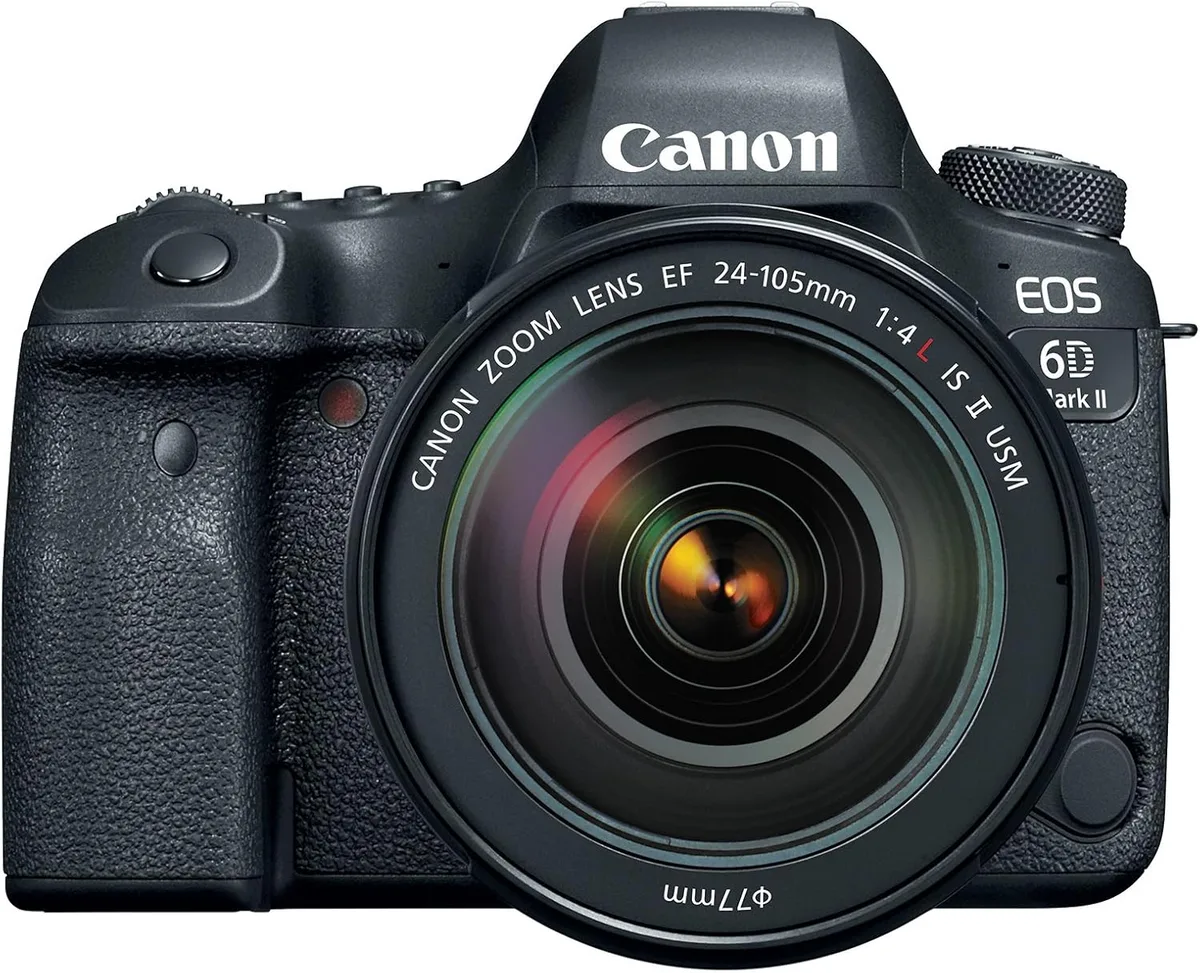
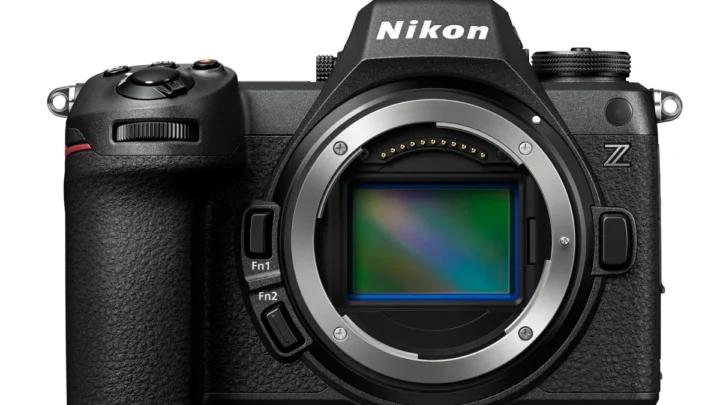
Image source: Bing (Web (fair-use with source credit))
Quick Answer
Most Canon 6D errors are solved with a power cycle. Remove the battery and memory card. Wait 60 seconds.
Reinsert and restart. If the error returns, identify the code. Error 70 means a stuck mirror.
Error 99 indicates lens communication failure. Error 20 points to shutter problems. Card errors usually need reformatting or replacement.
The One Thing to Try Before Anything Else
Do this first. It sounds too simple. It works more often than you would think.
Remove the battery and the memory card. Wait a full 60 seconds. Press the shutter button a few times while the battery is out.
This drains any residual charge. Then put the battery and card back in. Turn the camera on.
This power cycle clears the camera's internal buffer and resets the processor. Many 6D glitches are temporary software hiccups. They are not hardware failures.
If the camera works normally after this, you are done.
If the same error returns immediately or within a few shots, you have a recurring problem. That is where the rest of this guide comes in.
Per Canon's official support documentation, a full reset via battery removal is the recommended first step. The camera's DIGIC 5+ processor can lock up after a transient voltage drop or corrupted buffer. A minute with no power clears that.
One more note. If you use a third-party battery grip, remove it for this test. Grip battery contacts can cause intermittent power loss.
That triggers phantom errors. We have seen that happen a lot.
This same approach works well for other camera types too. Our guide on resetting trail cameras covers similar steps for field cameras.
Error 70 – Stuck Mirror: The Most Common 6D Problem
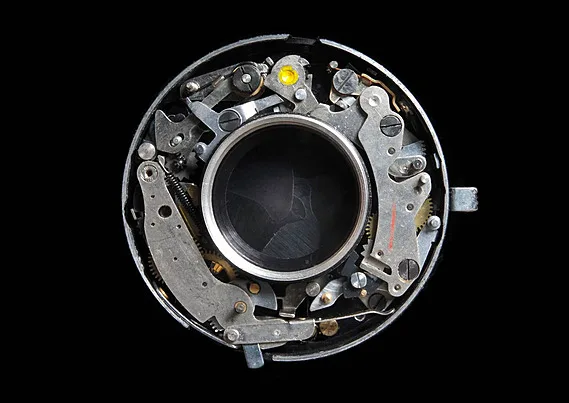
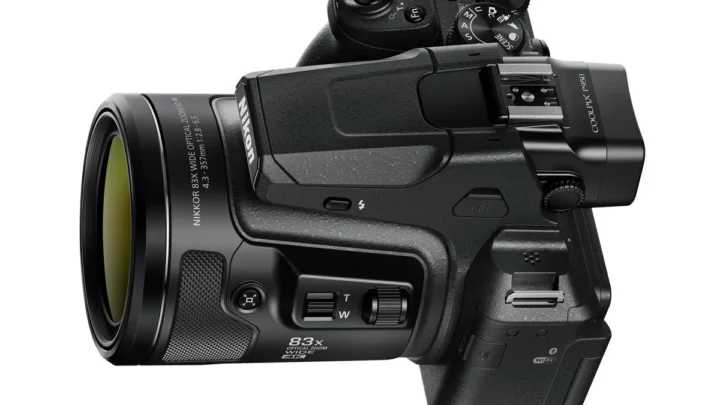
Image source: Web (Bing) / ar.inspiredpencil.com (Web image (fair-use with source credit))
Error 70 is the most reported problem on the original 6D. It means the mirror mechanism got stuck in the up position after exposure. The camera cannot complete the cycle.
Here is the decision tree for Err 70.
Step 1: Power cycle. Remove the battery for 60 seconds. Reinsert. Turn on.
If the error clears, you are fine. The mirror just needed a reset.
Step 2: Check your battery. A low or failing battery can cause error 70. The mirror mechanism needs steady voltage. If your LP-E6 is old or aftermarket, swap in a fully charged Canon-branded battery.
Third-party batteries often output slightly lower voltage. When voltage dips below about 6.8 volts during mirror return, the camera errors out.
Step 3: Try a different lens. Remove the lens. Check the lens contacts for dirt. Attach a different lens.
If the error only happens with one lens, the problem is the lens, not the body.
Step 4: Clean the mirror box. Use a blower and a soft brush to remove debris inside the mirror chamber. A tiny grain of sand can jam the mechanism. Point the camera downward.
Use a rubber bulb blower. Clear the area gently.
Step 5: If the error keeps returning. The mirror mechanism needs service. The actuator that flips the mirror up and down can fail on high-shutter-count bodies. Wear and tear happens.
Aggregate user reports across forums indicate that the original 6D has a higher error 70 rate than the 6D Mark II. It is a known weak point. Our general troubleshooting guide for trail cameras can help you think through similar mechanical issues in other devices.
Error 99 and Lens Communication Errors
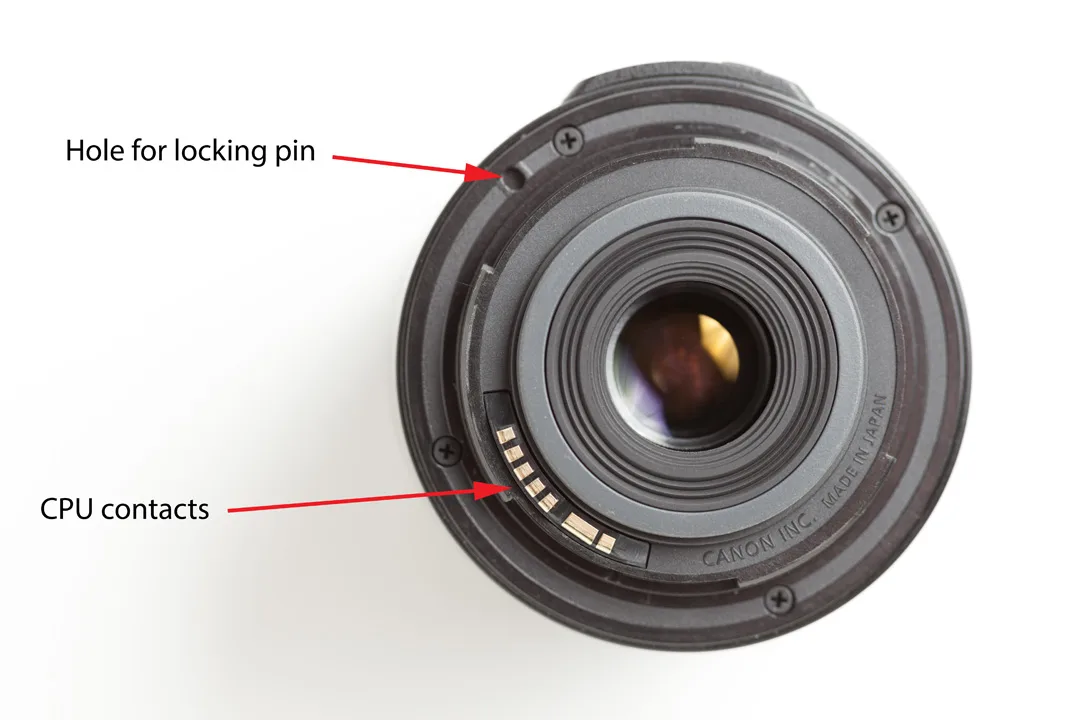
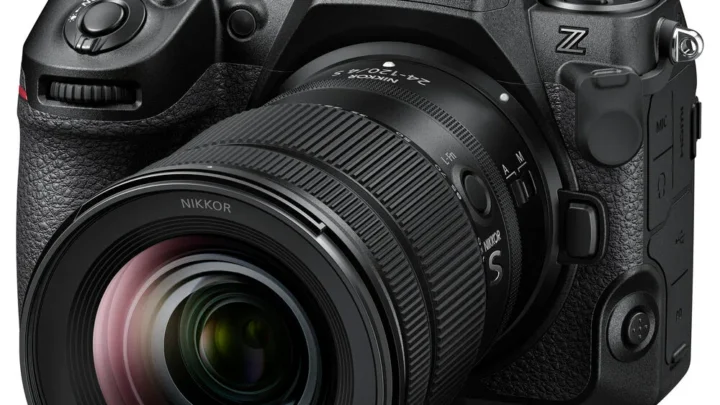
Image source: Web (Bing) / infoupdate.org (Web image (fair-use with source credit))
Error 99 is the 6D's catch-all communication failure. The camera body and the lens stopped talking mid-operation. The camera cannot tell the lens what to do.
This error can feel scary because it is vague. But it usually has a simple cause.
Dirty lens contacts are the number one cause. The gold pins on the lens mount and the pads on the lens need a clean connection. Use a clean, lint-free cloth with isopropyl alcohol. Wipe both sets of contacts.
Let them dry before reattaching.
The AF/MF switch is the second cause. If the lens switch is halfway between AF and MF, the camera gets a garbled signal. Make sure the switch clicks firmly into position. Try both positions.
Toggling it back and forth can fix a stuck contact inside the lens.
Third-party lenses are a common trigger. Sigma and Tamron lenses sometimes have firmware compatibility issues with the 6D. This is especially true for older models. If your error 99 only happens with a third-party lens, check the manufacturer's website for a firmware update.
Many Sigma lenses can be updated with the USB dock.
Firmware problems like this affect other cameras too. Our guide on sorting out firmware update issues covers similar troubleshooting for field cameras.
Overheating during live view can cause error 99. The 6D's sensor and processor generate more heat in live view mode. If you have been recording video or using live view for an extended period, turn the camera off.
Let it cool for ten minutes. Then try again.
A quick test for the body alone. Remove the lens. Put the body cap on. Set the camera to M mode.
Fire the shutter. If it shoots fine without a lens, the body is okay. The problem is with the lens or the mount connection.
Errors 20, Shoelace, and Shutter Issues
Error 20 is rarer than error 70. It means something more serious. This code indicates a mechanical fault in the shutter unit.
The shutter blades are not moving correctly. The drive mechanism could be jammed.
What to do for Err 20.
First, do the same power cycle. Remove the battery for a full minute. Try again.
Sometimes the shutter just mis-timed a sequence and needs a hard reset.
If error 20 comes back immediately, test the shutter at different speeds. Set the camera to manual mode. Try 1/1000.
Try 1/60. Try Bulb mode. Listen carefully.
Does the shutter sound different at high speeds? Does it drag or make a grinding noise?
A dragging sound at high speeds usually means the shutter blades are failing. The 6D's shutter is rated for about 100,000 to 150,000 cycles. If your camera has passed that count, the shutter unit is on borrowed time.
The shoelace error is not a code. It is what repair techs call it when the shutter curtain comes off its track. It looks like a shoelace hanging inside the mirror box. If you see that, stop using the camera.
The dangling curtain can scratch the sensor.
When to replace the shutter versus replacing the body.
A shutter replacement costs about $250 to $350 through an authorized Canon service center as of 2026. The used value of a 6D in good condition is about $400 to $600. The math is tight.
If the rest of the camera is in great shape and you prefer the 6D's image quality and low-light AF, a shutter replacement makes sense. If the camera has other issues like a worn battery door or sticky buttons, buy another used body.
Card, Battery, and Power Problems
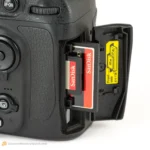
The 6D is not picky about SD cards, but it has limits. It uses a single SD slot that supports UHS-I. It does not support UHS-II.
A UHS-II card will work at UHS-I speeds. But some counterfeit UHS-II cards cause errors.
If you run into card issues with other types of cameras, our guide on fixing SD card problems offers additional tips.
Card error troubleshooting.
| Card Issue | Likely Cause | Fix |
|---|---|---|
| "Card cannot be accessed" | Corrupted file system | Format the card in the camera |
| "Card locked" | Write-protect switch slid down | Slide the switch on the card up |
| Slow write speed | Card too slow or counterfeit | Use a Class 10 or U3 card |
| "Card full" but card is empty | Hidden system files from a computer | Backup images, then format in camera |
Format in camera, not on a computer. Always format your SD card using the 6D's menu option. Computer-formatted cards often use file systems the camera misreads. This single habit prevents a lot of trouble.
Battery problems resemble card problems.
If your 6D powers off suddenly, shows a low battery warning with a fresh charge, or refuses to turn on, the battery is usually the problem. The LP-E6 battery has a known failure mode. The internal cells age unevenly.
The camera reads voltage. A sagging cell triggers a false low-battery shutdown.
Genuine Canon LP-E6 batteries perform best. Third-party batteries like Wasabi or Watson work for many users. But they have slightly lower voltage and capacity.
In our research, the 6D is more sensitive to voltage drop than newer Canon bodies. Our guide on power-related troubleshooting covers similar battery testing methods for other equipment.
The camera freezes and nothing works.
This usually happens during live view or video recording. The 6D's processor can overheat. Turn the camera off.
Remove the battery. Wait five minutes. If the freeze happens every time you use live view, you may have a heat-related processor issue.
This is less common but worth knowing.
When to Send It In vs. When to Give Up
Not every problem has a DIY fix. Here is how to decide.
Send it in for repair if:
- Error 20 returns after a full power cycle
- You see a shoelace curtain inside the mirror box
- The camera consistently overheats during normal use
- The shutter sounds wrong at high speeds
Give up and buy another body if:
- Multiple errors occur at once
- The camera has water damage or physical impact damage
- Repair cost exceeds 60% of a used replacement
- The camera has over 200,000 shutter actuations
An authorized Canon service center can give you a free estimate. Canon USA's support portal lists service centers by region. It is worth getting a quote before deciding.
Frequently Asked Questions
How do I fix error 70 on my Canon 6D?
Remove the battery and memory card for 60 seconds. Reinsert and try again. If the error returns, check your battery voltage and try a different lens.
A dirty mirror box can also cause it. Clean it carefully with a blower.
What causes error 99 on a Canon 6D?
Dirty lens contacts are the most common cause. Clean the gold pins on the lens and camera mount with isopropyl alcohol. Third-party lenses and overheating during live view are also frequent triggers.
Why does my 6D show "card cannot be accessed"?
The card likely has a corrupted file system. Format the card in the camera using the menu. Do not format cards on a computer.
If the error persists, try a different SD card.
Can a bad battery cause error 70 on a 6D?
Yes. A low or failing battery can trigger error 70. The mirror mechanism needs steady voltage.
If your LP-E6 battery is old or third-party, swap it for a fully charged genuine Canon battery to test.
How many shutter clicks can a Canon 6D handle?
The shutter is rated for 100,000 to 150,000 cycles. Many cameras exceed that. But error 20 or a dragging shutter sound means the unit is wearing out.
You can check your shutter count using free online tools.
Should I repair my 6D or buy a used one?
A shutter replacement costs $250 to $350. A used 6D in good condition costs $400 to $600. If the camera is otherwise clean, repair it.
If it has multiple issues, buy another body.

Similar Posts