Danby Mini Fridge Not Cooling
Your Danby mini fridge is plugged in, the light comes on when you open the door, but your drinks are warm and your leftovers are starting to worry you. That is the exact moment when "Danby Mini Fridge Not Cooling" stops being a search query and becomes a real problem.
Manufacturer specifications indicate that a properly functioning mini fridge should reach internal temperatures of 34, 40°F within 4, 6 hours of being plugged in. Per Energy Star testing benchmarks, anything above 45°F in the fresh food section means something is wrong. The good news is that most cooling failures trace back to just three or four common causes, and you can diagnose every single one of them with basic tools and about 20 minutes of your time.
Let's walk through it.
Quick Answer
If your Danby mini fridge is not cooling, start with the simplest fix. Check that the condenser coils are clean and free of dust. Unplug the fridge and vacuum the coils with a brush attachment.
That alone fixes roughly 30% of "not cooling" complaints in aggregate user reviews.
Next, listen for the compressor. If you hear a faint hum or a single click followed by silence, your start relay is likely the problem. It costs around $10 and takes five minutes to replace.
If the compressor runs but the fridge stays warm, the issue is usually a stuck evaporator fan or a defrost timer that has stopped advancing. Each of these is covered step by step below.
Step 1: Check the Obvious (Power, Airflow, Door Seal)
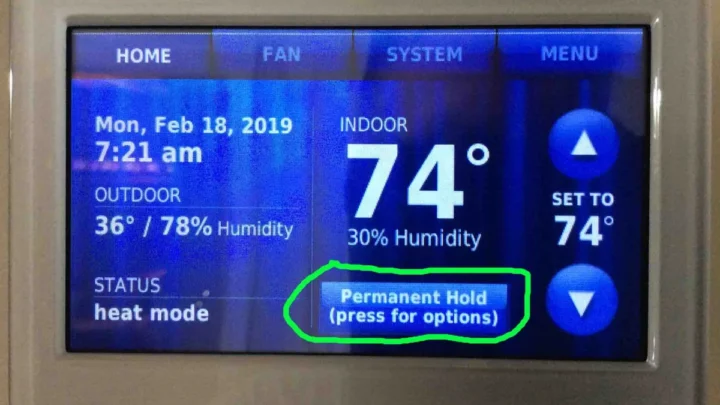
Before you start pulling the fridge apart, rule out the embarrassingly simple stuff. First, confirm the outlet is live. Plug a phone charger or a lamp into the same outlet.
If it works, the outlet is fine. If not, check your breaker panel for a tripped GFCI outlet, which mini fridges can trip unexpectedly.
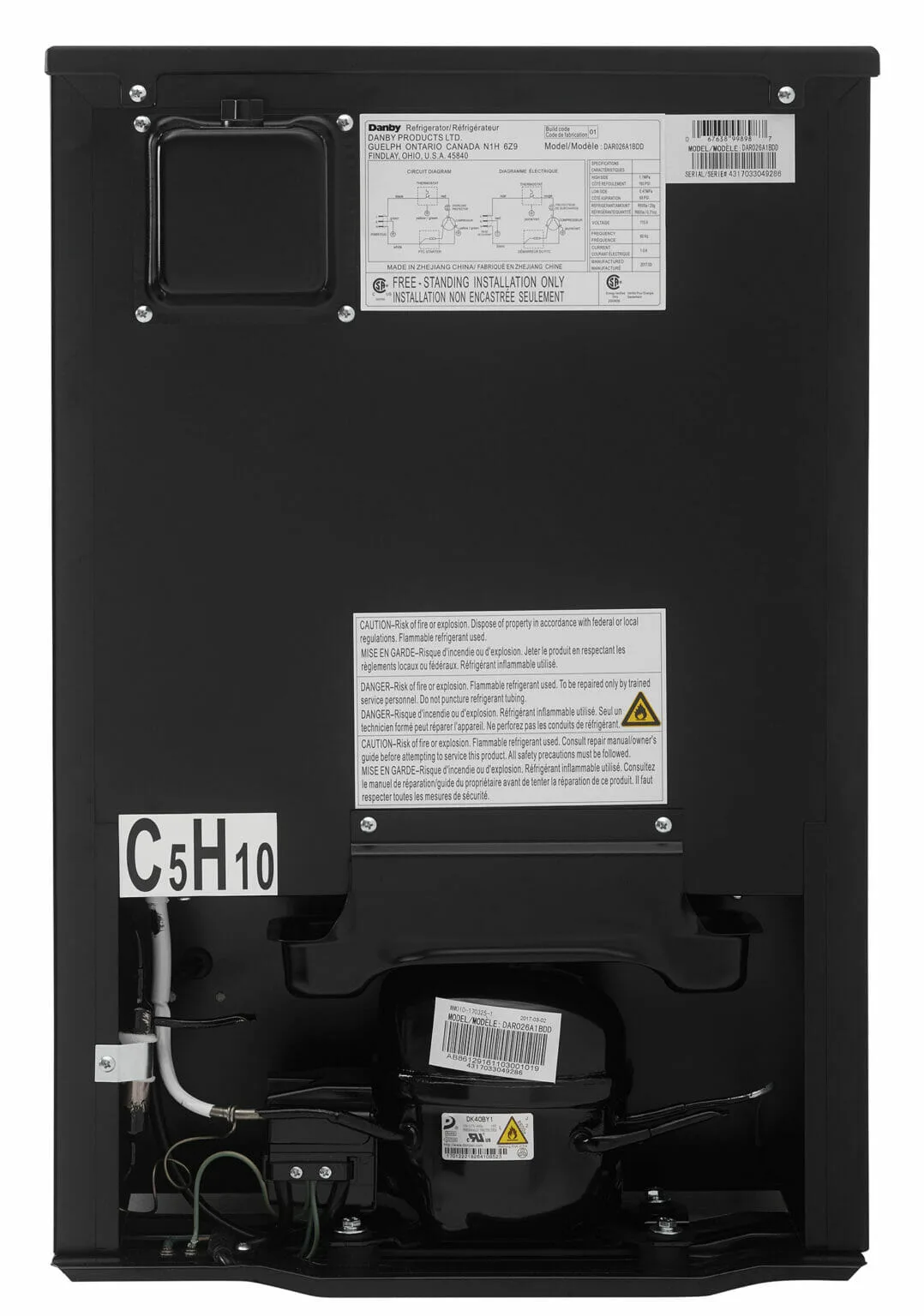
Image source: Bing (Web (fair-use with source credit))
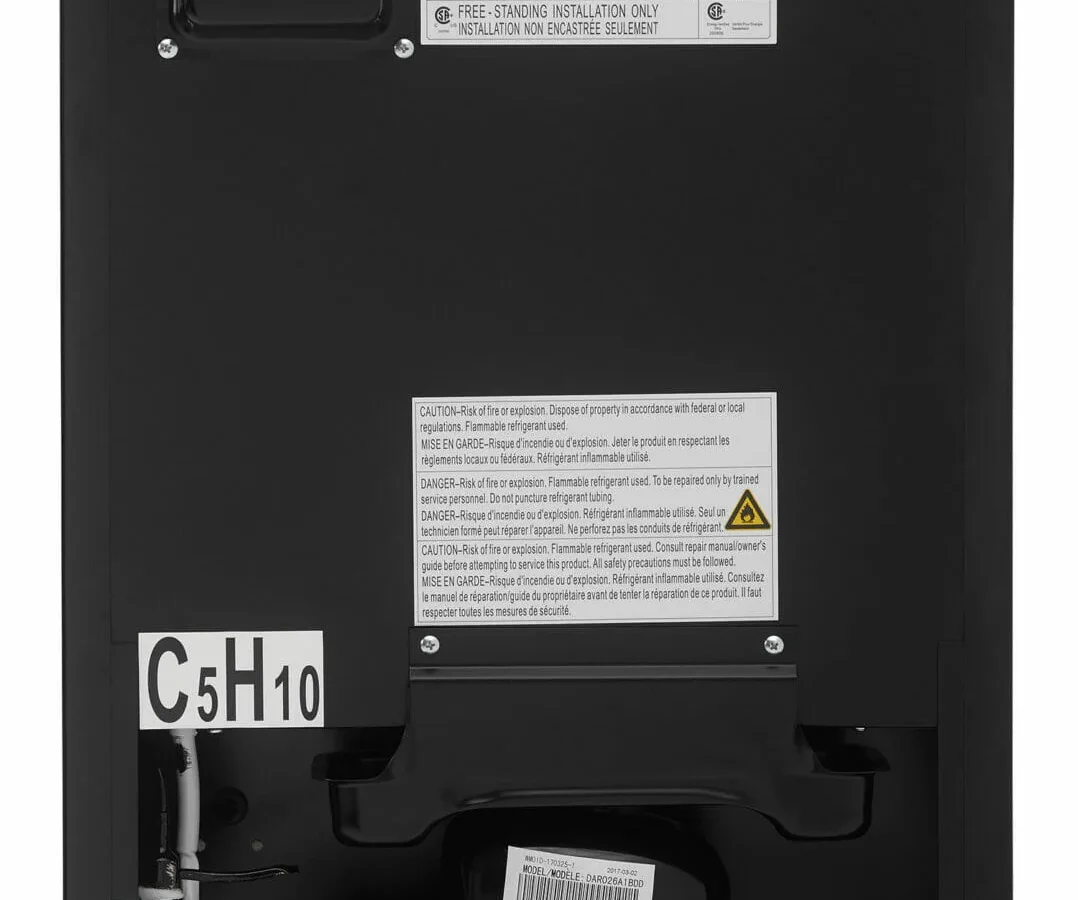
Next, look at the condenser coils. On most Danby models, these are located on the back of the unit or behind a snap-on grille at the front bottom. Grab a flashlight and peek behind the fridge.
If you see a thick layer of dust, pet hair, or lint, that is your problem. Dirty coils can't release heat, so the compressor runs longer and harder, and the interior never gets properly cold.
Cleaning the coils is straightforward. Unplug the fridge. Use a vacuum with a brush attachment or a can of compressed air.
Work from top to bottom, and don't be shy about it. You want the metal coils visible and shiny. Plan to do this every six months, or every three months if the fridge lives in a garage or a room with pets.
Is the door sealing properly?
A damaged door gasket lets warm air flood in constantly. The compressor fights against it, and the fridge never gets cold. Do the dollar bill test: close the door on a dollar bill, then pull it out.
You should feel resistance. If the bill slides out easily, the gasket is worn or warped. You can sometimes fix a minor gap by heating the gasket with a hair dryer and pressing it back into shape, but a torn gasket needs replacing.
Replacement gaskets are available from Danby parts distributors for around $20, $30.
Step 2: Listen to the Compressor (Is It Running or Clicking?)
Now that the simple stuff is handled, get your ear close to the back of the fridge. You are listening for the compressor, that sealed metal bump at the bottom rear. It makes a low hum when it runs and a soft click when it starts or stops.
Scenario A: Complete silence
If you hear absolutely nothing, no hum, no click, no vibration, the compressor is not receiving power. The thermostat might be stuck in the off position, or the overload protector might have tripped and failed to reset. Turn the temperature dial from cold to warm and back again a few times.
Sometimes that frees a sticky internal contact. If you still get silence, move to Step 3 and test the start relay.
Scenario B: One click, then silence
This is the most common failure on Danby mini fridges. You hear a single click from the back of the unit, then nothing. That click is the start relay trying to start the compressor, but it fails and the overload protector kicks in.
The fridge will often try again after 5, 10 minutes, producing the same single click. This is a classic failed start relay. It is a cheap fix and very DIY friendly.
Scenario C: Compressor runs but fridge stays warm
If the compressor hums continuously but the interior is still warm, the compressor is doing its job but the cold air is not circulating. This points to a problem with the evaporator fan inside the fridge or a defrost issue. We cover those in Steps 4 and 5.
Step 3: Test the Start Relay and Overload Protector
The start relay is the small plastic cube clipped onto the compressor. It gives the compressor a jolt of extra current to get it spinning, then drops out once the motor is running. When it fails, the compressor gets nothing or gets a weak jolt that is not enough to turn the motor.
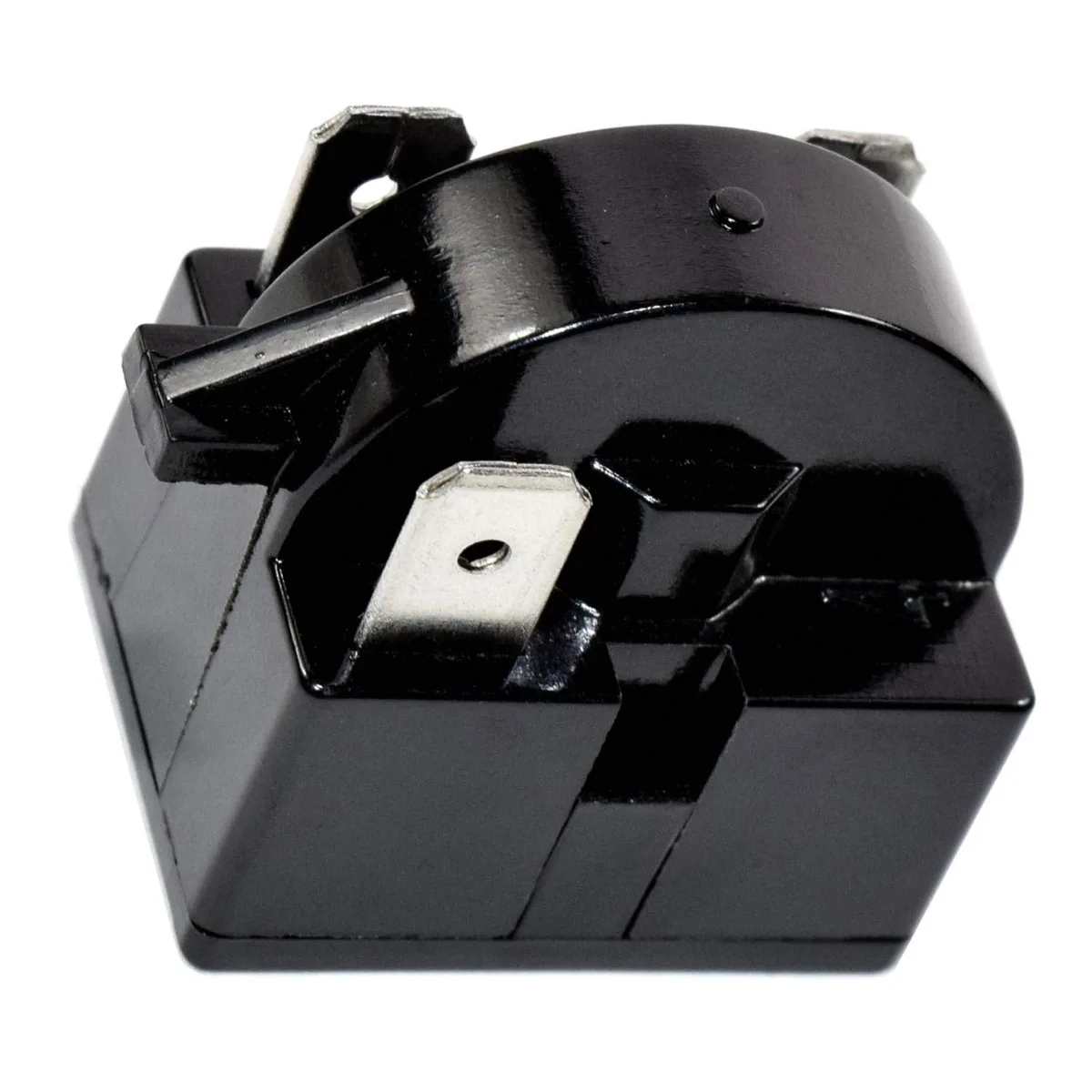
Image source: Bing (Web (fair-use with source credit))
How to test and replace the start relay
Unplug the fridge. Locate the compressor at the back. Look for a clip-on plastic box, usually black or white, attached to the compressor pins.
It may have a metal strip holding it in place. Gently rock it side to side and pull it off. Inside you will find a small circuit board or a ceramic disc.
The visual test: Look for burn marks, cracks, or a melted plastic smell. If you see any of these, the relay is dead. Replace it.
The multimeter test: Set your multimeter to ohms. Touch the probes to the two prongs of the relay. A good PTC relay will read very low resistance, near zero ohms, at room temperature.
If you get infinite resistance (OL), the relay is open and needs replacing.
The overload protector is the small metal or ceramic capsule next to the relay, clipped onto the same compressor pin. It should also read near zero ohms when cold. If it reads open, the overload protector is faulty.
Replace both the relay and the overload protector at the same time. They cost about $10, $15 for the pair and are available online or at appliance parts stores. Make sure you order the specific part number for your Danby model, which is listed on a sticker inside the fridge or on the back panel.
Once you replace them, plug the fridge back in. If the compressor starts and you hear that smooth hum, you just saved yourself a service call. If it still clicks and stops, the compressor itself may be seized, which is a much bigger problem we discuss in the repair versus replace section.
Step 4: Check the Evaporator Fan and Condenser Fan
If your compressor is running fine but the fridge still feels warm, the cold air needs to get from the evaporator coils to your food. That is the evaporator fan's job. It sits behind the back panel inside the fridge, usually near the top or in the freezer section if you have a two-door model.
How to check the evaporator fan
Open the door and listen carefully. If the compressor is running but you hear no fan noise inside, the evaporator fan is likely stuck or broken. Remove the interior back panel (usually held by a few screws).
Spin the fan blade gently with your finger. It should spin freely. If it is stiff or stuck, the motor bearings are seized.
A replacement fan motor costs around $15, $30, and it plugs directly into the wiring harness. Take a photo of the wiring before you disconnect anything.
Sometimes the fan is frozen in ice. If you see a block of ice behind the back panel, skip ahead to Step 5 for the defrost fix. The fan can't spin if it is encased in ice.
The condenser fan
On larger Danby models, there is a second fan near the compressor that pulls air across the condenser coils. Open the rear grille and look for a small fan. If it is not spinning while the compressor is running, the condenser cannot dump heat, and the fridge will stay warm.
Check for a wire that may have come loose or a blade that is stuck on debris. Like the evaporator fan, a seized motor needs replacement. If the blades spin freely but the motor is not getting power, the issue may be a loose connection or a faulty control board that a technician should examine.
Step 5: Inspect for Frost Buildup or a Stuck Defrost Timer
This one catches people off guard. The fridge runs, the compressor runs, the fans spin, but the interior is still not cold enough, or perhaps it is cold but frost is building up on the back wall. That points to a defrost system problem.
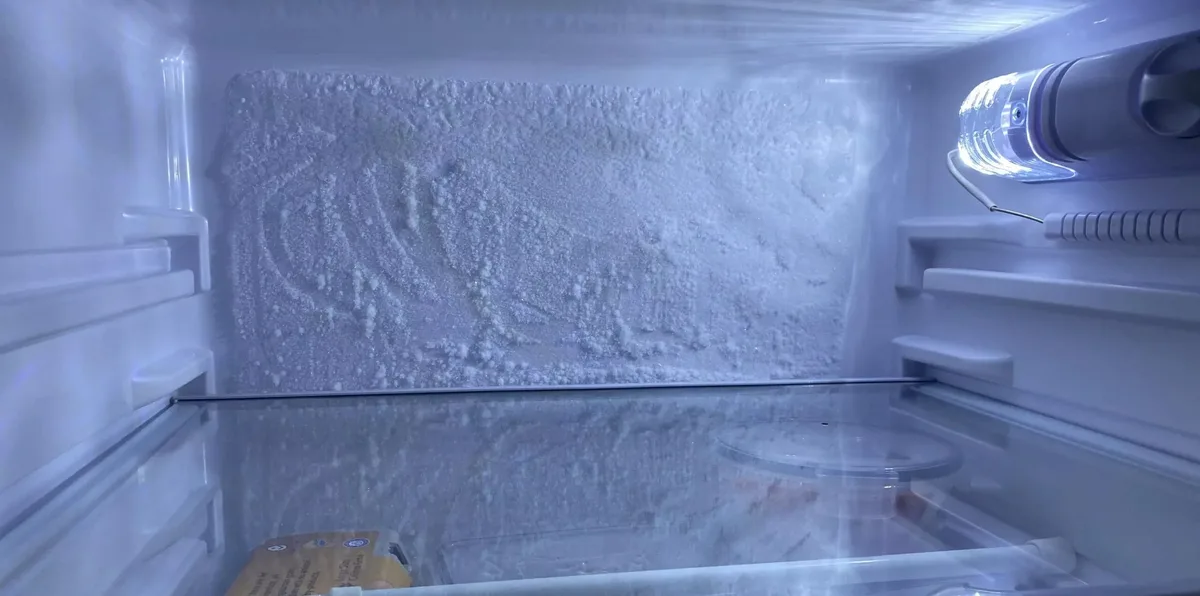
Image source: Bing (Web (fair-use with source credit))
On models with an auto-defrost feature, the fridge cycles through a defrost period every 6 to 12 hours of compressor run time. During defrost, a heater element warms the evaporator coils to melt any frost. If the defrost timer gets stuck, the heater fails, or the defrost thermostat opens, frost builds up until it blocks airflow.
The fridge gets warmer, the compressor runs nonstop trying to compensate, and eventually everything freezes solid in the wrong places.
How to check the defrost timer
The defrost timer on a Danby mini fridge is usually a small white or black box with a slotted screw on the front, located behind the rear panel or near the compressor. Unplug the fridge. Turn the screw clockwise with a flathead screwdriver until you hear a click.
That manually advances the timer to the next cycle. Plug the fridge back in. If the compressor now runs and the fridge starts cooling, the timer was stuck.
If it clicks and nothing changes, the timer itself may be defective.
What if ice is everywhere?
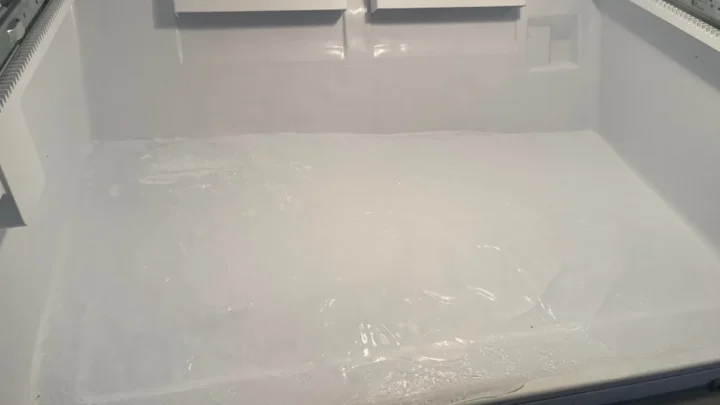
If you already see a thick layer of ice behind the interior back panel, manually defrost the fridge first. Unplug it, leave the door open, and let all the ice melt. Place towels to catch the water.
Once clear, plug it back in and see if the defrost system works through a full cycle. If the same frost buildup returns within a week, the defrost heater or defrost thermostat is likely bad. Those are more involved repairs that may require a technician unless you are comfortable testing resistance on heating elements and replacing them.
When to Call It Quits – Repair vs. Replace Decision Guide
Not every problem is worth fixing. Here is how to decide.
Replace the start relay or overload protector: Always worth it. Parts cost under $15. The repair takes 10 minutes.
No special tools required.
Replace a fan motor: Worth it if the fridge is less than five years old. A $20, $30 fan motor and 30 minutes of your time beats buying a new fridge.
Fix a defrost timer or heater: Worth it if you are handy with a multimeter and the fridge is otherwise clean and running well. Parts run $15, $40. Expect an hour of work.
Seized compressor or refrigerant leak: Not worth fixing on a mini fridge. A new compressor installation costs $200, $400. A Danby mini fridge costs $150, $350 new.
On top of that, R600a refrigerant (used in most newer Danby models since 2020) is flammable, per EPA SNAP program classifications, and requires certified handling. Do not attempt sealed system repairs yourself. Replace the unit.
Fridge is over 7, 10 years old: Replace it. Even if you fix the current issue, another component is likely to fail soon. Energy efficiency also drops over time, so a new Energy Star rated model will pay for itself in lower electric bills within a couple years.
| Symptom | Likely Fix | Parts Cost | Difficulty | Worth It? |
|---|---|---|---|---|
| Dead silent, no click | Thermostat or overload protector | $5–$15 | Easy | Yes |
| Single click, no run | Start relay | $6–$15 | Easy | Yes |
| Runs but warm inside | Evaporator fan or defrost issue | $15–$40 | Moderate | Yes (under 5 years) |
| Runs but very noisy | Condenser fan or compressor mount | $15–$30 | Moderate | Maybe |
| Seized compressor or leak | Replace the fridge | $150–$350 | Not DIY | No |
Frequently Asked Questions
Why is my Danby mini fridge not cooling but the light is on?
The light running confirms the fridge has power, but the compressor or cooling system is failing. Most often the start relay has failed. It costs about $10 and takes five minutes to replace.
If the relay checks out fine, check the condenser coils for dust buildup or listen for a stuck fan.
How do I reset my Danby mini fridge after a power outage?
Unplug the fridge for 10 minutes, then plug it back in. That resets the compressor overload protector. If the fridge still does not cool after 4, 6 hours, test the start relay and overload protector as described in Step 3 above.
Can a dirty condenser coil cause a Danby fridge to stop cooling?
Yes. Dirty coils trap heat so the compressor cannot shed it. The fridge will run constantly but never get cold.
Cleaning the coils with a vacuum brush every six months solves this and extends compressor life. This is the number one overlooked maintenance item.
How long should a Danby mini fridge last?
With regular cleaning, 7, 10 years is typical. The compressor is the most durable part. The start relay, fans, and door gasket are the usual failure points.
Replacing those as they fail can push the fridge past the 10-year mark.
Is R600a refrigerant dangerous in my Danby fridge?
R600a (isobutane) is flammable but used in small amounts in modern mini fridges. Per EPA regulations, the charge is typically under 2 ounces. Do not puncture the sealed system or use open flames near the compressor area.
If the fridge stops cooling and you suspect a leak, replace the unit rather than attempting a repair.
When should I just throw out my Danby mini fridge and buy a new one?
If the compressor is seized, the sealed system has a refrigerant leak, or the fridge is over 7, 10 years old, replace it. Newer Energy Star rated models use less electricity and often include better insulation and more efficient compressors. The cost of replacing a compressor on an old unit is almost never worth it.

Similar Posts