Chevy Equinox Ac Not Working
Your Chevy Equinox AC is blowing warm air, and you're trying to figure out what's wrong without throwing money at random parts. That's exactly where a lot of Equinox owners end up, and the good news is that most AC failures follow a predictable pattern once you know what to look for.
Manufacturer specifications indicate that Equinox models from 2018 to 2022 have a known condenser failure rate significantly higher than earlier years, with seam leaks appearing as early as 40,000 miles. Per GM service bulletins, the refrigerant type switched from R-134a to R-1234yf around 2014, which matters for both diagnosis and repair cost. Let's walk through what's actually happening under your hood.
The First Thing to Understand: Why Your Equinox AC Acts Different Than Other Cars
The Chevrolet Equinox uses a variable-displacement compressor on most models built after 2010. That means the compressor does not cycle on and off like older cars. It runs continuously and adjusts its output based on cooling demand.
This design is smoother and more efficient, but it also means the usual clutch cycling diagnostic tricks do not apply the same way.
On a typical older car, you can watch the AC compressor clutch engage and disengage every few seconds. On your Equinox, the clutch might stay engaged all the time, or the compressor might run silently without any noticeable clicking. That is normal behavior.
What is not normal is warm air coming from the vents when the system is supposed to be cooling.
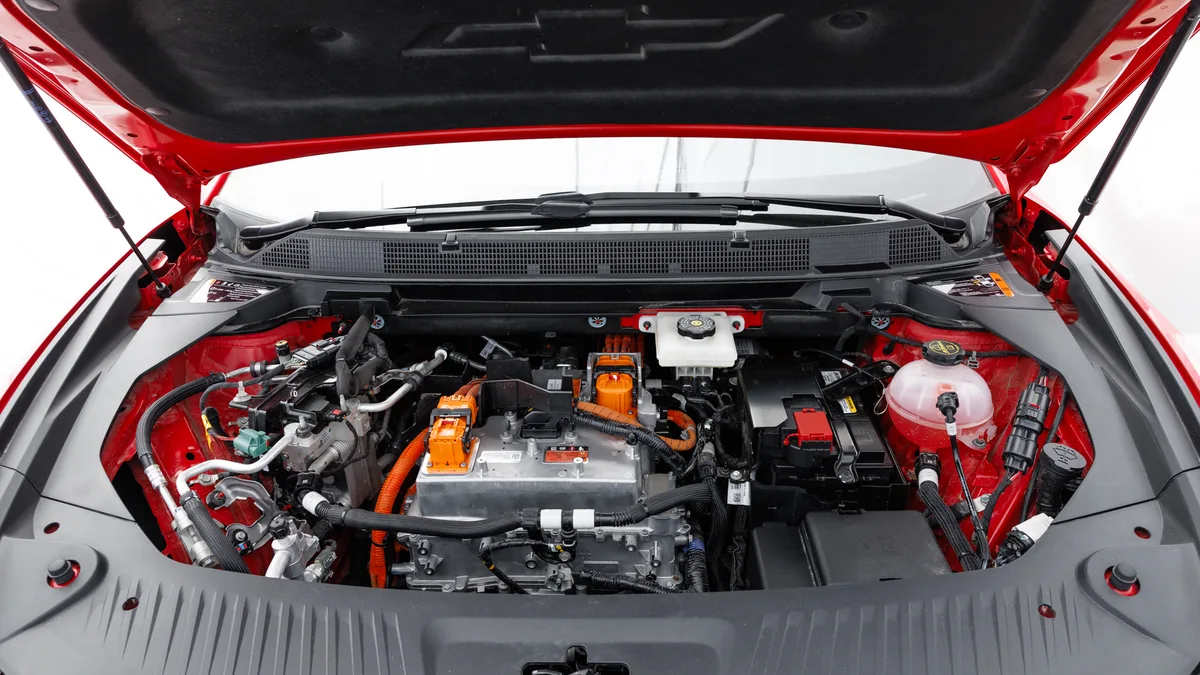
The other thing that makes the Equinox different is the condenser placement and design. On 2018 through 2022 models, the condenser sits low in front of the radiator and has a known weak spot at the seam where the aluminum tubes meet the header. Road debris, salt, and vibration all contribute to micro-cracks forming over time.
Once that seal breaks, refrigerant escapes slowly, and your AC performance degrades gradually before stopping entirely.
Quick Answer
Your Equinox AC stops working most often from a condenser leak, a blown fuse, or a failed blend door actuator. Check the under-hood fuse box first. Swap the AC relay with the horn relay to test it.
Look for oily residue on the condenser. If the compressor never engages, the refrigerant is probably too low.
Quick Diagnosis Flow: Is This a Simple Fix or a Serious Problem?
Before you start ordering parts, run through these three questions. They narrow down the problem fast.
Question 1: Does the compressor clutch engage when you turn the AC on?
Pop the hood. Locate the compressor on the passenger side of the engine, low down. With the engine running and the AC set to max cold and high fan, look at the center of the compressor pulley.
If the inner hub is spinning with the pulley, the clutch is engaged. If the pulley spins but the center hub stays still, the clutch is not engaging.
Question 2: Does the air blow cold sometimes, or never?
If the AC blows cold for a few minutes then goes warm, you likely have a low refrigerant charge or a failing compressor control valve. If it never blows cold at all, you are probably looking at an electrical issue or a complete refrigerant loss.
Question 3: Does the temperature change when you adjust the dial?
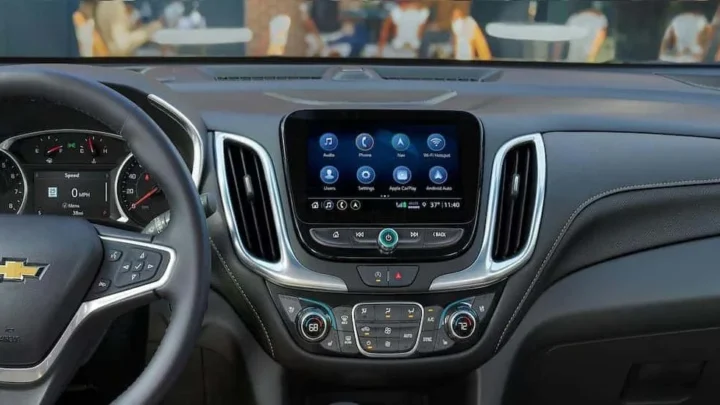
Turn the temperature knob from cold to hot while the engine is running. If you hear a clicking noise from behind the dashboard, your blend door actuator is failing. If the air stays warm no matter where you set the dial, the actuator might be stuck in the hot position.
Answering these three questions points you toward the right branch of the decision tree. Most Equinox owners resolve their AC issue without replacing the compressor. The problem is usually something smaller.
The Three Most Common Equinox AC Failures (and How to Spot Each One)

Failure #1: The Condenser Leak (2018–2022 Models Especially)
This is the most common AC failure on newer Equinox models. The condenser develops a hairline crack along the seam where the aluminum end tank meets the core. Refrigerant leaks out slowly over weeks or months.
You might notice the AC getting weaker gradually, then one day it blows warm and never recovers.
How to spot it: Look at the front of the condenser, visible through the grille. You are looking for a shiny, oily residue, usually near the bottom edge or along the side seams. Sometimes you will see a greenish or yellowish tint from the UV dye mixed with the refrigerant oil.
If the condenser looks wet or greasy in one spot, that is your leak.
The fix requires replacing the condenser, replacing the receiver drier or accumulator, and having the system professionally evacuated and recharged. This is not a DIY repair for most people because R-1234yf refrigerant costs around $100 to $150 per pound, and the system needs about 1.3 pounds after a full evacuation.
Failure #2: The Blend Door Actuator (Temperature Mismatch)
This one tricks a lot of owners into thinking their AC system is broken when it is actually fine. The blend door actuator is a small plastic gear-driven motor behind the dashboard that controls the mix of hot and cold air. When the plastic gears strip, the door stops moving, and you get stuck on hot.
How to spot it: Turn the temperature knob back and forth while listening to the dashboard area on the passenger side. If you hear a clicking, ticking, or rattling sound, the actuator gears are stripped. If the air never changes temperature regardless of the setting, the actuator is likely stuck in one position.
The fix is a $35 to $80 part and about an hour of your time. You remove the lower panel under the glove box, unclip the old actuator, pop the new one in, and run the calibration procedure. No refrigerant work needed.
Failure #3: Electrical or Relay Issue (Compressor Wont Engage)
Sometimes the compressor is fine, the refrigerant charge is correct, but the compressor clutch never gets power. This usually comes down to a blown fuse, a bad relay, or a failed pressure switch.
How to spot it: The compressor clutch never engages. No clicking, no spinning hub. The AC light comes on inside the car, but nothing happens under the hood.
If you have a multimeter, you can check for 12 volts at the compressor connector when the AC is turned on. No voltage means the problem is upstream in the electrical system.
The fix can be as simple as replacing a $10 relay. GM uses the same relay type across multiple circuits. Swap the AC relay with the horn relay to test it.
If the AC works after the swap, you found your problem. If not, check the AC fuse in the under-hood fuse box.
Decision Tree: What to Check First, Second, and Third (No Guessing)
Follow this path in order. Do not skip steps. Every Equinox AC diagnosis should start with the cheapest and easiest checks, then move to the more involved ones only if necessary.
Step 1: The 5-Minute No-Tools Check
Open the hood. Locate the under-hood fuse box, usually on the driver side near the battery. Pull the cover off and find the AC relay.
It should be labeled in the diagram on the underside of the cover. If the labeling is worn, check your owner manual.
Pull the AC relay out. Look at the prongs. Are they corroded or burned?
If yes, replace the relay. If they look clean, plug the relay back in and swap it with the horn relay. The horn relay is almost always the same part number.
Turn the AC on. If the compressor engages now, your relay was bad. Buy a replacement at any auto parts store for about $10 to $15.
While you are under the hood, check the AC fuse. Pull it out and hold it up to the light. If the metal strip inside is broken, replace it with the same amperage fuse.
Step 2: The Pressure Gauge Reading (Your Biggest Clue)
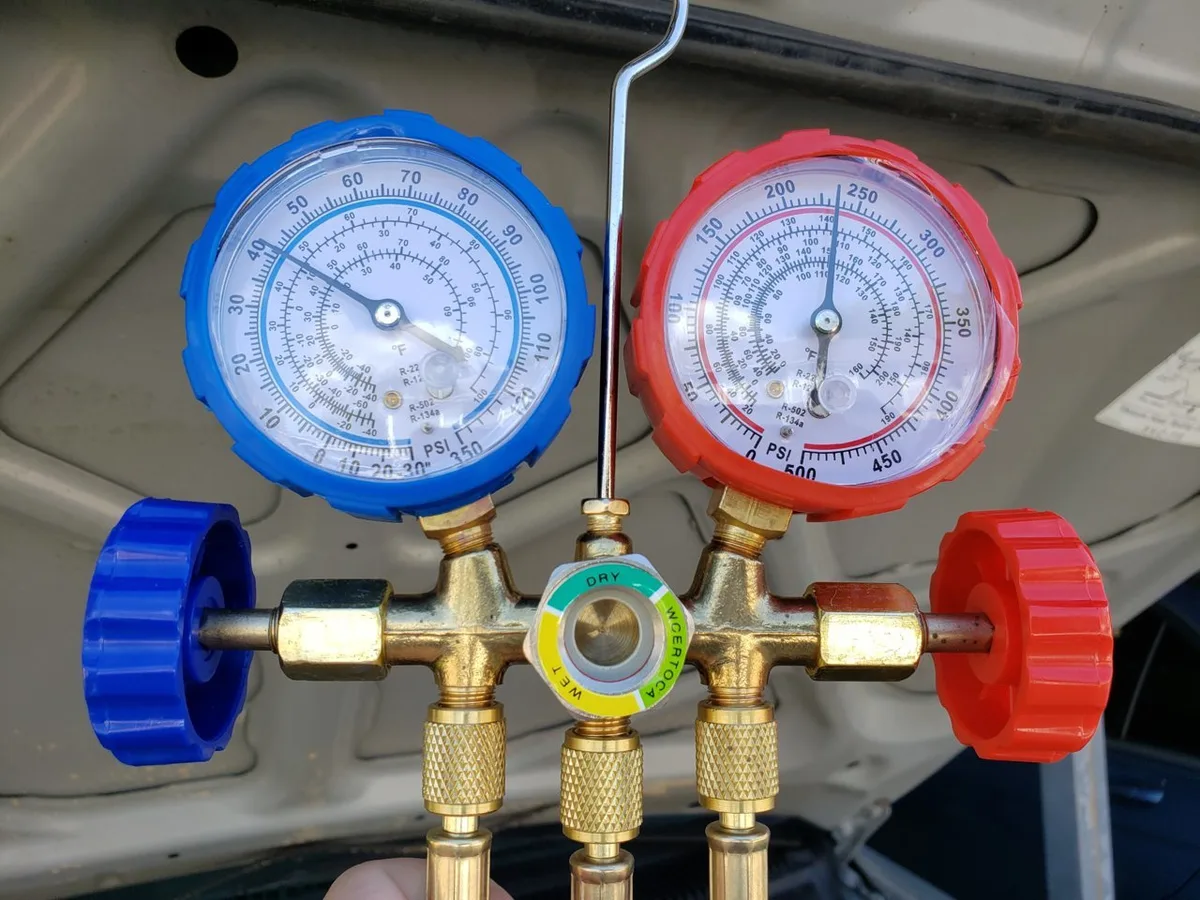
If the electrical checks pass, you need to know the refrigerant pressure. Buy or borrow a manifold gauge set that matches your refrigerant type. If your Equinox is a 2014 or newer, you need gauges rated for R-1234yf.
Older models use R-134a. Using the wrong gauge set will damage the service ports.
Connect the low-side gauge to the smaller port on the aluminum line near the passenger side firewall. With the engine off and the AC off, read the pressure. At 80 degrees Fahrenheit outside air temperature, a fully charged system should show about 70 to 90 psi on the high side and 40 to 60 psi on the low side.
If both sides read below 30 psi, you have a major leak.
Start the engine, turn the AC to max, and watch the low-side pressure. It should drop to around 25 to 35 psi as the compressor engages. If the pressure stays the same or rises, the compressor is not moving refrigerant.
Step 3: The Electrical Diagnosis
If the compressor clutch does not engage and the relay and fuse are good, you need a multimeter. Set it to DC voltage. Unplug the electrical connector at the compressor.
With the AC on and engine running, probe the connector. You should see 12 volts. If you see voltage, the compressor clutch coil is bad.
If you see no voltage, the problem is between the fuse box and the compressor.
Common failure points include the low-pressure switch on the accumulator and the high-pressure switch near the condenser. Both switches can fail open, cutting power to the compressor even if the refrigerant charge is correct. You can bypass the switch temporarily to test, but never run the system with a bypassed switch for more than a few seconds.
Step 4: The Temperature Control Test
If the AC blows cold but only on one side or sometimes, you are dealing with the blend door actuator. Remove the lower trim panel under the glove box. You will see a small black plastic component with an electrical connector and a white plastic lever.
That is the actuator.
Disconnect the battery. Remove the two screws holding the actuator. Pull it straight out.
Turn the small white gear by hand. If it spins freely without moving the blend door, the gear is stripped. Install a new actuator.
Do not force it. Line up the splines carefully. Reconnect the battery and turn the ignition on without starting the engine.
Wait 30 seconds for the system to recalibrate.
Common Mistakes That Cost Equinox Owners Hundreds of Dollars
The biggest mistake Equinox owners make is replacing the compressor when the condenser is the actual problem. If the compressor runs with a broken condenser, it pulls in contaminated oil and debris. That kills the new compressor fast.
Always fix the leak first, then replace the compressor if necessary.
Another common error is overcharging the system with DIY refrigerant cans. The Equinox takes a specific amount of refrigerant, usually 1.2 to 1.5 pounds depending on the model year. Adding refrigerant by pressure alone without weighing it leads to overcharging, which damages the compressor and reduces cooling performance.
Skipping the accumulator or receiver drier when replacing the condenser is another costly mistake. The accumulator absorbs moisture in the system. If you replace the condenser but not the accumulator, that moisture circulates and forms acid inside the system.
That acid eats the compressor from the inside.
Finally, many owners ignore the cabin air filter. A clogged filter reduces airflow significantly. You can have a perfectly working AC system that feels weak because the air cannot get through the filter.
Replace the cabin air filter every 15,000 miles or once a year, whichever comes first. It takes about five minutes and costs $15 to $30.
Frequently Asked Questions
Why does my Equinox AC blow cold then warm?
That is a classic sign of low refrigerant. The system has a small leak, usually at the condenser seam. Enough refrigerant remains to engage the compressor, but not enough to keep cooling.
As refrigerant escapes, the low-pressure switch eventually cuts power to the compressor.
How much does it cost to fix a Chevy Equinox AC?
A condenser replacement at a shop runs $800 to $1,200. A blend door actuator replacement costs $35 to $80 for the part plus about an hour of labor. A relay or fuse fix costs under $20 if you do it yourself.
Compressor replacement is the most expensive at $1,200 to $1,500 at a shop.
Can I recharge my Equinox AC myself?
You can, but only if you use the correct refrigerant type. R-1234yf systems require special gauges and a $100-plus can of refrigerant. R-134a systems are cheaper and easier.
In both cases, you should fix the leak first. Recharging a leaking system wastes money and harms the environment.
What does the blend door actuator sound like?
It makes a clicking, ticking, or rattling noise from behind the dashboard on the passenger side. The sound happens when you adjust the temperature knob. It comes from the stripped plastic gears inside the actuator slipping as they try to move the blend door.
Is there a recall on Chevy Equinox AC systems?
There is no active recall specifically for AC components as of 2026. However, some Equinox models have technical service bulletins (TSBs) related to condenser leaks and blend door actuator failures. Check the NHTSA website with your VIN to see if your vehicle has any open recalls or bulletins.

Similar Posts