Do Air Fryers Need Preheating
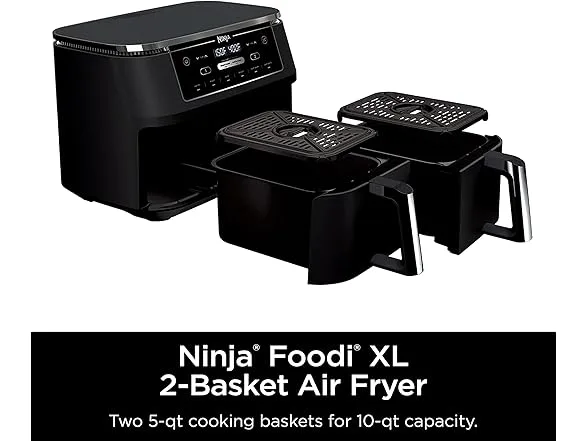
There's a question that pops up every time someone unboxes a new air fryer: do air fryers need preheating? You've probably seen recipes that say "preheat to 400°F" and others that skip it entirely. It's confusing.
And honestly, the answer isn't a simple yes or no.
The short version is this: preheating helps with crispiness and even cooking, but it's not always required. As of 2025, most mid-range air fryers reach cooking temperature in 3 to 5 minutes. That's fast enough that skipping the preheat step won't ruin your meal.
But depending on what you're cooking, it can make the difference between soggy and golden. Let's break down when it matters and when you can save yourself the extra step.
Quick Answer
Do air fryers need preheating? Not always. Preheat for frozen foods and baked goods.
Skip it for fresh proteins and vegetables. Preheat if you want maximum crispiness. Skip it if you're in a hurry.
The difference is usually 2 to 4 minutes of cook time. Your air fryer model matters too. Check your manual for specific guidance.
How Air Fryers Actually Heat Food (And Why Preheating Matters Here)
Image source: Bing (Web (fair-use with source credit))
Air fryers work by circulating superheated air around your food at high speed. A heating element sits at the top of the cooking chamber. Below it, a powerful fan pushes that hot air down and around every surface of the food.
This is called rapid air convection. It's the same principle as a convection oven, just smaller and more intense.
The temperature inside the chamber drops the second you open the basket. Open it to add food and you lose anywhere from 50°F to 75°F in an instant. If you didn't preheat, the chamber starts even colder.
Your food has to sit there while the entire unit heats up from room temperature. That delay affects the final texture.
Here's what actually happens during preheating. The heating element and fan run together for a few minutes. The metal basket or tray absorbs heat too.
The walls of the chamber reach their target temperature. By the time you add food, every surface is hot. The moment that cold chicken wing hits the basket, it starts cooking immediately.
No lag. No waiting for the air to catch up.
The Maillard reaction is the chemical process that gives browned food its flavor and crunch. It starts at around 285°F. If your air fryer chamber is still climbing from 70°F to 350°F with raw food inside, that reaction gets delayed.
The food loses moisture before it gets the chance to brown properly. That's why preheated air fryers produce noticeably crispier results on foods that benefit from browning.
Not all air fryers behave the same way. Oven-style models with glass doors lose heat faster when opened. Basket-style units with plastic housings hold heat better.
Higher wattage models around 1700W to 1800W recover temperature faster than lower wattage ones. Your specific unit's insulation, fan speed, and element placement all affect how much preheating actually changes the outcome.
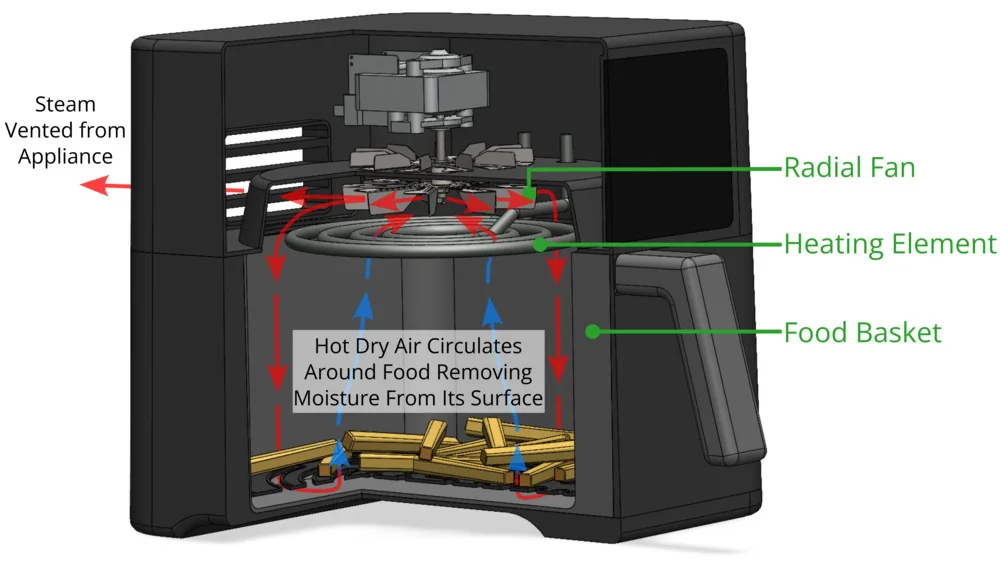
Image source: Bing (Web (fair-use with source credit))
When Preheating Is Worth It (And When It's a Waste of Time)
The decision comes down to what you're putting in the basket. Some foods need that initial blast of heat. Others cook perfectly fine without it.
Let's walk through the common scenarios.
Frozen Foods: Preheat Almost Always
Frozen french fries, chicken nuggets, onion rings, and fish sticks benefit the most from preheating. These foods start at around 0°F. They need every degree of heat they can get to crisp up before the interior dries out.
If you drop frozen fries into a cold basket, the oil coating on the outside doesn't hit high enough temperature fast enough. The fries steam instead of crisping. You end up with soft, pale results.
Preheat to 400°F for 4 minutes first, then add the frozen food straight from the freezer. The difference is dramatic. Crispy outside, fluffy inside.
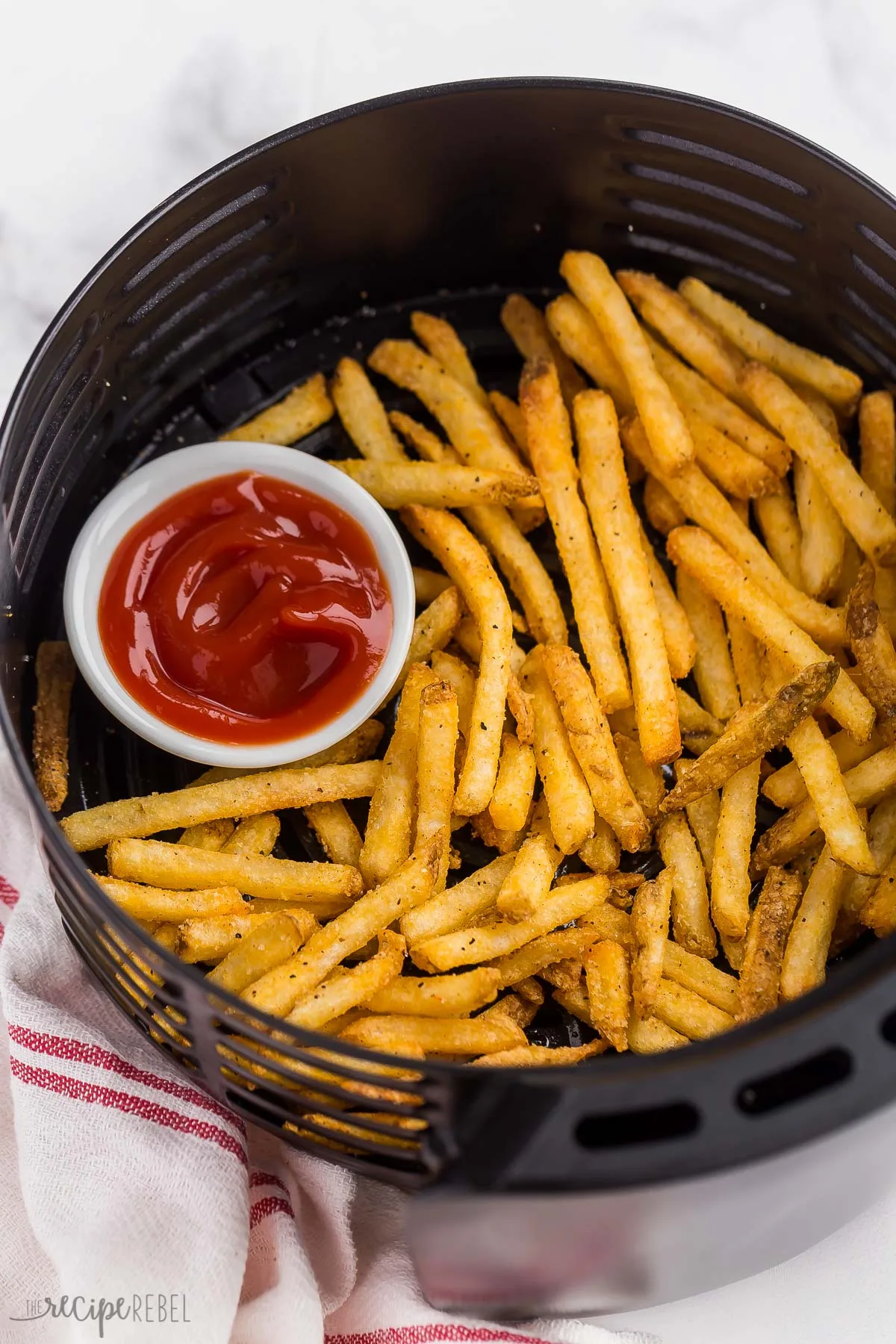
Image source: Bing (Web (fair-use with source credit))
The one exception is smaller frozen items like tater tots or bite-sized snacks. Their high surface area to volume ratio means they crisp up quickly even without preheat. But if you want restaurant-quality results, preheat anyway.
It's only 3 minutes.
Fresh Proteins: Skip It
Chicken breasts, salmon fillets, pork chops, and steak all cook well without preheating. Here's why. These foods release moisture as they cook.
That moisture creates steam inside the chamber. Whether you preheat or not, the first few minutes involve the food sweating before it starts browning.
Starting with a cold basket actually helps with thicker cuts. The temperature rises gradually. The interior cooks through without the outside burning.
If you preheat and then add a thick chicken breast, the outside can brown too fast while the middle stays raw. You'd have to lower the temperature or flip more frequently.
For thin cuts like chicken tenders or fish fillets, preheating is optional. The cook time is so short that the preheat step adds disproportionate wait time. Just add 2 minutes to the recipe and you're fine.
Baked Goods: Preheat Every Time
Biscuits, cinnamon rolls, small cakes, and pastries need the initial heat surge to rise properly. Baking is chemistry. The leavening agents start reacting as soon as they hit heat.
If the chamber is cold, the reaction happens too slowly. You get flat, dense results instead of light and fluffy.
Air fryer baked goods are already tricky because the small chamber creates uneven heat. Preheating helps compensate. Set the temperature exactly as the recipe says.
Let it run for 5 minutes. Then load your dough or batter. Your biscuits will thank you.
Reheating Leftovers: Depends on What It Is
Pizza, fried chicken, and French fries from last night benefit from preheating. The goal is to restore crispiness without drying out the interior. A preheated air fryer at 350°F does that in 2 to 3 minutes.
Soft leftovers like casseroles, pasta, or steamed vegetables don't need preheating. You're just warming them through. Starting cold gives you more control and reduces the risk of overheating the edges.
Fresh Vegetables: Skip It
Broccoli, green beans, cauliflower, and Brussels sprouts cook well without preheating. They release water as they roast. That steam helps them cook through while the air fryer gradually browns the exterior.
Starting cold means they have more time to soften before the outside chars.
If you want extra char, preheat and toss the vegetables in a light coating of oil. The high initial temperature will sear the outside while the inside stays tender. But honestly, most vegetable recipes turn out fine without the extra step.
The Risks of Preheating (Yes, There Are Some)
Preheating an air fryer isn't dangerous the way preheating a deep fryer full of oil is. But there are real risks worth knowing about.
The biggest one is smoke. If your air fryer has leftover grease or food residue inside, preheating will burn it off. That creates smoke.
Lots of it. Enough to set off your smoke detector and fill your kitchen with that burnt plastic smell. Always wipe down the basket and heating element cover before preheating.
Even a thin layer of oil residue can smoke at 400°F.
Fire risk exists but it's low. Records from the CPSC show very few air fryer fires linked to preheating alone. The more common cause is overheating with no food inside for extended periods.
Some models have auto shutoff timers. Others don't. If your air fryer doesn't have an automatic preheat cycle that shuts off, set a separate timer.
Never walk away and forget it.
Burns are the most immediate risk. Opening a preheated air fryer releases a blast of superheated air and steam. The temperature inside can exceed 400°F.
Pull the basket out slowly. Let the steam escape upward before you reach in. Keep your face and hands clear.
Kids should not be near the air fryer during or right after preheating.
Some cheaper air fryers have inaccurate thermostats. They might claim to be at 400°F when they're actually running hotter. Preheating these models for the suggested time can push the temperature well past safe cooking ranges.
If you notice excessive smoke, burning smells, or your food consistently blackening on the outside, your thermostat might be off. Use an oven thermometer placed inside the basket to verify. This is especially important for older units or off-brand models.
Another risk is damaging non-stick coatings. Preheating an empty basket at maximum temperature for too long can degrade the coating over time. Most manufacturers recommend preheating for 3 to 5 minutes max.
Longer than that and you're just stressing the materials. The coating can start to flake or peel after repeated over-preheating sessions.
High altitude changes things too. At elevations above 3,500 feet, air is thinner. Air fryers run hotter and reach temperature faster.
Your preheat time might be shorter by a minute or more. If you're cooking at altitude and preheating for the full recommended time, you might be overshooting. Cut the preheat by 30 to 60 seconds and check your results.
Step-by-Step: How to Preheat Safely and Effectively
Here's the practical process that works across most air fryer models. Follow these steps whether you're cooking frozen food, fresh protein, or baked goods.
Step 1: Clean the Basket First
Check for leftover food particles and oil residue. If the basket has any visible grease, wash it with hot soapy water and dry thoroughly. Preheating burnt-on residue creates smoke.
A clean basket also heats more evenly because the hot air circulates without obstruction.
Step 2: Set the Temperature
Turn the dial or press the buttons to your desired cooking temperature. Most frozen foods work best at 375°F to 400°F. Fresh proteins at 350°F to 375°F.
Baked goods at 325°F to 350°F. Don't guess. Use the temperature your recipe calls for.
Step 3: Set the Timer for 4 Minutes
Four minutes is the sweet spot for most basket-style air fryers. Oven-style models with larger chambers might need 5 minutes. If your air fryer has a preheat button, use that instead.
It handles the timing automatically. If you have a manual model, just run it empty for 4 minutes at your target temp.
Step 4: Wait for the Indicator
Many digital air fryers beep or flash when preheat is complete. Some have a light that changes color. If yours doesn't have either, just wait the 4 minutes.
Don't open the basket during preheat. Every time you open it, heat escapes and the timer resets in a sense.
Step 5: Open Carefully
Pull the basket out about halfway. Pause for two seconds. Let the initial burst of hot air and steam escape upward.
Then pull the basket all the way out. Set it on a heat safe surface. Keep your face and hands away from the opening.
Step 6: Add Food Immediately
Load your food into the basket in a single layer. Don't crowd it. Air needs space to circulate.
If you're cooking a large batch, do multiple smaller batches instead of one overloaded basket. Add the basket back into the unit quickly to minimize heat loss.
Step 7: Adjust Cook Time
Preheating means your food starts cooking immediately. Reduce the total cook time by 2 to 3 minutes compared to what a non preheated recipe suggests. Check for doneness early.
You can always add more time. You can't uncook something.
Step 8: Shake or Flip Halfway
For basket style air fryers, pull the basket out at the halfway point and shake it. This moves the food around so every piece gets direct heat contact. For oven style models with trays, flip each piece individually.
Close the basket fast to retain heat.
For Second Batches
The air fryer stays hot between batches. Your second batch doesn't need a full preheat. Just let the unit run for 60 to 90 seconds after loading.
The chamber temperature will recover quickly. This saves time without sacrificing results.
Frequently Asked Questions
Does preheating make a big difference for frozen foods?
Yes. Frozen foods start at 0°F. A preheated chamber helps them crisp up instead of steam.
Without preheat, the exterior takes too long to reach browning temperature. The result is softer, paler food. The difference is noticeable with fries, nuggets, and fish sticks.
Can I preheat my air fryer with food inside?
You can, but it defeats the purpose. Preheating with food inside means the chamber heats up more slowly. The food sits in rising heat instead of immediate high heat.
If you want the benefits of preheating, run the air fryer empty first, then add food.
How do I know when my air fryer is preheated?
Most digital models beep or flash a light. Some have a preheat button that handles the cycle automatically. If your model doesn't have either, run it empty for 4 minutes at your target temperature.
That's long enough for most basket-style units.
Is it safe to leave the air fryer unattended during preheating?
No. Stay nearby while the air fryer runs. If it has an automatic shutoff timer, you have some margin.
But preheating with no food inside can overheat if the timer is too long. Set a separate kitchen timer if your model doesn't have one built in.
Does high altitude affect preheating time?
Yes. Above 3,500 feet, the thinner air causes the heating element to run hotter. Your preheat time may be 30 to 60 seconds shorter.
Cut back on preheat time and check your food earlier. Adjust based on what you see, not what the recipe says.
Should I preheat for every batch?
No. The air fryer stays hot between batches. After the first batch, let it run empty for 60 to 90 seconds before adding more food.
That's enough to recover lost heat. A full 4 minute preheat between batches is overkill and wastes time.

Similar Posts