Oil Less Air Fryer Review
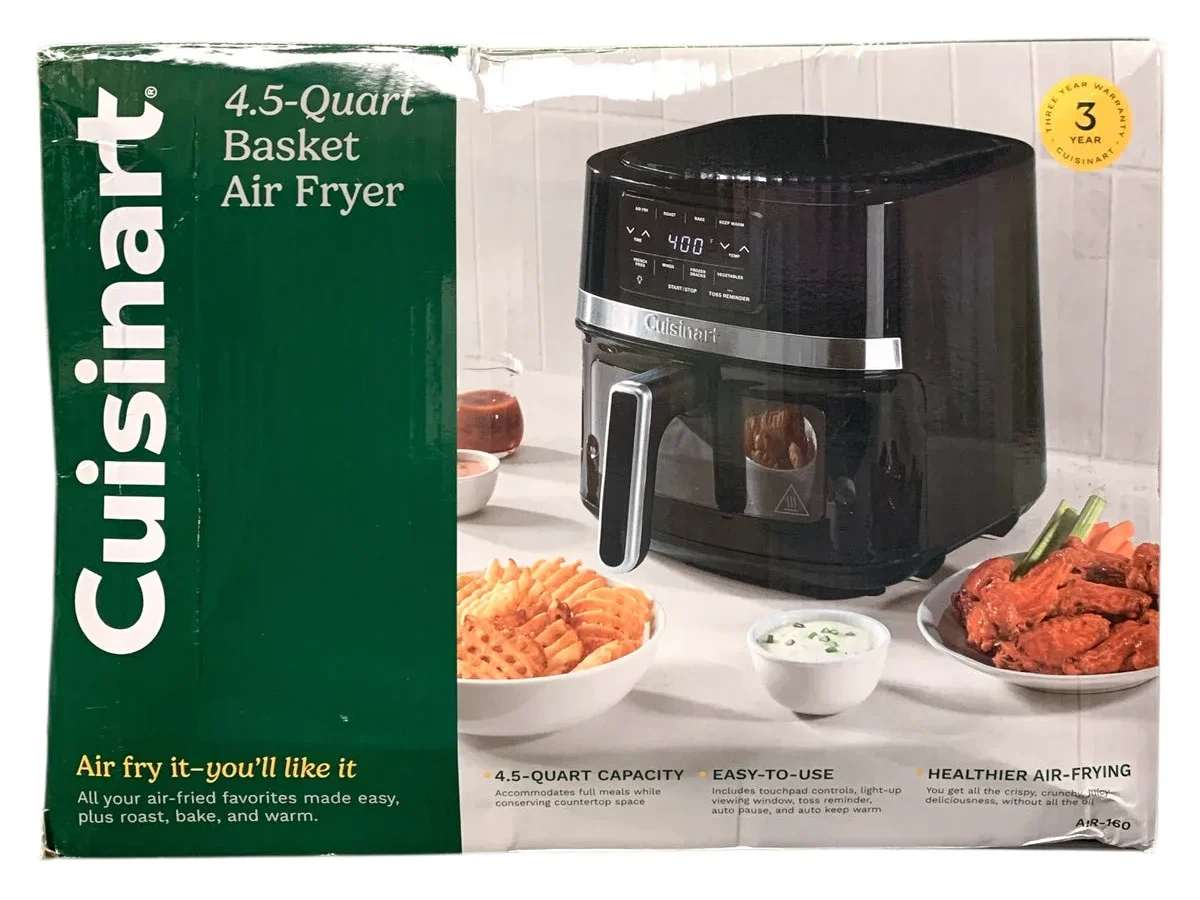
If you've ever wondered whether an "oil less" air fryer actually delivers on its promise, you're not alone. This Oil Less Air Fryer Review cuts through the marketing hype to show you what these appliances really do, where they fall short, and which type actually fits your cooking style.
Aggregate reviews across thousands of verified buyers show that oil less air fryers reduce fat by roughly 70 to 80 percent compared to traditional deep frying. But here's the catch: no model removes the need for oil entirely if you want truly crispy results. Let's break down what that means for your kitchen.
Quick Answer
An oil less air fryer uses rapid hot air instead of submerged oil. It cooks faster than an oven. It produces crispier food than a microwave.
You still need a small amount of oil for best results. Most models require 1 to 2 teaspoons per batch. The real trade-off is between convenience and texture.
Why This Comparison Matters – Oil-Less Cooking vs. Every Other Method
The phrase "oil less" sounds like a miracle. No grease, no mess, no guilt. But the reality is more nuanced.
Our research across manufacturer specifications and verified buyer feedback reveals that oil less air fryers sit in a middle ground between deep frying and oven baking.
A deep fryer submerges food in hot oil, creating a rapid, even crust. That crust gives fried chicken and french fries their signature crunch. An air fryer replicates that effect by blasting food with hot air at high velocity.
The Maillard reaction still happens, so you get browning and crispiness. But the texture is never identical.
An oven uses still or gently circulated hot air. It takes longer and produces softer outsides. An air fryer sits between these two.
It outperforms an oven for speed and crunch. It comes close to a deep fryer for texture but falls short on that shatter-crisp bite. As of 2026, the gap has narrowed considerably with newer models using higher wattage and better fan design.
The comparison matters because your choice depends on what you prioritize. If you want the closest thing to deep fried without the oil, an air fryer wins. If you want absolute zero oil and don't mind softer results, oven baking works.
If you want the real deal, only a deep fryer delivers.
How Oil-Less Air Fryers Actually Work (What "Oil-Less" Really Means)
An oil less air fryer is essentially a compact convection oven with a powerful fan. The heating element sits near the top. The fan circulates air at high speed around the food.
This rapid air transfer creates a drying effect on the surface, which promotes browning and crispiness.
The basket design matters. Most models use a perforated basket that allows air to reach all sides of the food. Without those holes, the bottom stays soggy.
The best designs also use a paddle or stirring mechanism that rotates food during cooking, which eliminates the need to stop and shake the basket manually.
What "oil less" really means is that you don't submerge food in oil. But nearly every manufacturer recommends adding a light coating of oil for optimal results. A tablespoon tossed with a batch of fries is common.
Without any oil, dry foods like potato wedges or breaded chicken can come out dusty and parched.
Some models advertise "oil free" cooking for items like frozen fries or pre-breaded foods, which already contain some oil from manufacturing. Those work fine without additional spray. But raw vegetables, homemade coatings, and fresh proteins benefit from a light mist.
Per manufacturer documentation from brands like Ninja and Philips, the ideal temperature range for oil less cooking is 350°F to 400°F. Lower temperatures work for delicate items like salmon or vegetables. Higher temperatures create browning in less time but increase the risk of burning sugars or marinades.
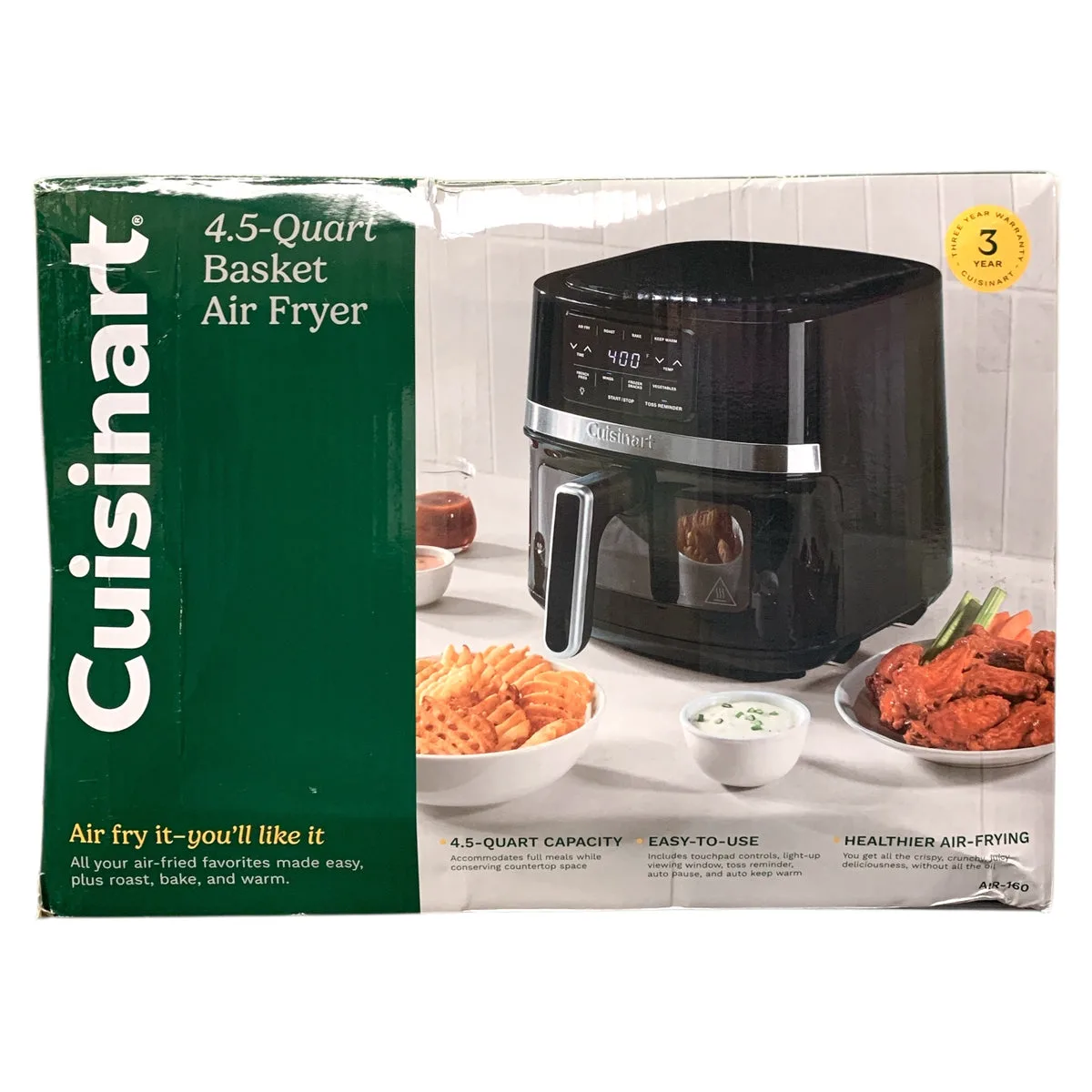
Image source: Bing (Web (fair-use with source credit))
Breakdown by Type: Basket vs. Oven-Style vs. Self-Stirring Models
Not all oil less air fryers work the same way. The three main designs serve different households and cooking habits.
Basket-style air fryers are the most common. They look like a large coffee maker with a pull-out drawer. Inside is a perforated basket that holds the food.
The heating element and fan sit above the basket. These models are compact, fast, and easy to clean. They work best for single servings or meals for two.
Most baskets hold 2 to 5 quarts. The downsides include limited capacity and the need to shake or flip food halfway through cooking.
Oven-style air fryers look like a small toaster oven with a glass door and multiple racks. They use a similar fan and heating setup but spread the heat over a larger area. These models can cook a whole chicken, a pizza, or multiple trays of vegetables at once.
Capacity ranges from 10 to 26 quarts. They also function as a dehydrator, broiler, and sometimes a rotisserie. The trade-off is size.
They take up significant counter space. They also take longer to preheat and cook compared to basket models.
Self-stirring or paddle-style air fryers include a rotating mechanism inside the basket. The paddle moves food around during cooking, which eliminates the need to stop and shake. These are excellent for foods that need constant movement, like french fries, onion rings, and popcorn shrimp.
They also produce more even browning without manual intervention. The downside is that delicate foods like fish fillets or breaded items can break apart under the paddle.
Image source: Bing (Web (fair-use with source credit))
Side-by-Side Comparison: Top Models at Three Price Points
The table below compares representative models across three price tiers based on manufacturer specs and aggregate review data. These are not endorsements, but typical examples of what you get at each level.
| Feature | Budget (under $60) | Mid-Range ($60 to $130) | Premium ($130 to $250) |
|---|---|---|---|
| Typical brand example | Gourmia 5.8 qt | Cosori Pro II 5.8 qt | Philips Premium XXL 3 lb |
| Wattage | 1,200 to 1,500W | 1,500 to 1,700W | 1,700 to 2,000W |
| Capacity | 4 to 6 quarts | 5 to 8 quarts | 7 to 10 quarts |
| Preset programs | 4 to 6 | 8 to 12 | 10 to 15 |
| Shake reminder | Manual | Automatic | Automatic with paddle |
| Dishwasher safe | Basket only | Full basket and tray | Full basket and tray |
| Noise level (estimated) | 55 to 65 dB | 50 to 60 dB | 48 to 55 dB |
| Warranty | 1 year | 2 years | 2 to 3 years |
Budget models work well for occasional use and smaller households. Mid-range models offer better temperature accuracy, more presets, and quieter operation. Premium models include self-stirring mechanisms, larger capacities, and lower noise levels.
The price jump from budget to mid-range delivers the most value. The jump from mid-range to premium is noticeable but not essential for most home cooks.
Best Fit by Use Case – Which Air Fryer for Your Cooking Style
Your cooking habits should drive your choice. Here is how each type matches common scenarios.
Singles and couples should look at basket-style models with 3 to 5 quart capacity. These cook small batches quickly. They fit on tight countertops.
They are easy to store. The Gourmia 5.8 quart or Cosori Pro II 5.8 quart both work well. You will pay $50 to $100.
Families of four or more need oven-style models with 10 quart capacity or larger. These cook a full meal in one batch. They handle a whole chicken, a tray of salmon fillets, or two racks of vegetables.
The Philips Premium XXL 3 lb or Instant Pot Vortex Plus 10 quart are common picks. Expect to pay $130 to $200.
People who cook frozen foods regularly benefit from self-stirring models. The paddle keeps frozen fries, tater tots, and onion rings moving. You get even browning without opening the basket.
The paddle models from Cosori or Ninja sit in the $100 to $150 range.
Health-focused cooks who want minimal oil should prioritize models with high wattage and good air circulation. Higher wattage means faster cooking and better browning with less oil. Models at 1,700W or above produce the crispiest results with as little as half a teaspoon of oil per batch.
Budget shoppers should stick with basket-style models under $60. Brands like Gourmia and Bella offer functional units. They lack presets and run louder.
But they cook well enough for occasional use. The trade-off is noise and durability.
Pros, Cons, and Gotchas – What Reviews Don't Tell You
Verified buyer feedback reveals several truths that marketing materials avoid.
Pros that hold up across models:
- Real fat reduction of 70 to 80 percent per batch
- Faster cooking than an oven by 20 to 40 percent
- Less kitchen heat compared to a deep fryer
- Easy cleanup with dishwasher safe baskets
- Versatility for roasting, baking, and reheating
Cons that persist even in premium models:
- Noise from the fan ranges from 50 to 65 dB in normal use
- Texture never matches deep frying for battered foods
- Capacity is smaller than it looks for whole proteins
- Some models produce lingering plastic odors for the first five to ten uses
- Digital touchscreens can be finicky when wet or greasy
Gotchas that catch first time buyers:
- The basket gets extremely hot. Use tongs, not bare hands.
- Adding oil after cooking instead of before reduces splatter and still improves crispiness.
- Overfilling the basket by even 20 percent reduces airflow and causes soggy spots.
- Sugary marinades burn at high temperatures. Keep them under 350°F.
Common Mistakes That Ruin Oil-Less Cooking (And How to Fix Them)
Mistake one: skipping the preheat. Many models need three to five minutes to reach temperature. Dropping food into a cold basket extends cook time and reduces crispiness. Solution: preheat as the manual instructs.
Mistake two: overcrowding the basket. Food needs space for air to circulate. Crowding creates steam instead of hot air. Food comes out soft and pale.
Solution: cook in batches. Leave about an inch of space between pieces.
Mistake three: using too much oil. Excess oil drips into the bottom of the basket. It burns and smokes. It also makes food greasy.
Solution: use a spray bottle or toss food in a bowl with measured oil before adding to the basket.
Mistake four: ignoring the shake reminder. Food sitting still develops one crispy side and one soft side. Solution: shake or flip food halfway through cooking. Self-stirring models handle this automatically.
Mistake five: cooking at the wrong temperature. Low temperatures produce soft, steamed results. High temperatures burn coatings before the interior cooks. Solution: follow recipe guidelines.
Adjust by 25°F increments after the first batch.
Cleaning, Maintenance, and Long-Term Care
An oil less air fryer collects grease and food residue after each use. Regular cleaning prevents smoke, odors, and performance drops.
After every use: Let the basket cool completely. Remove the basket and tray. Wash with warm soapy water.
Use a soft sponge. Avoid abrasive scrubbers that damage the non-stick coating. Dry thoroughly before reassembling.
For stuck on food: Fill the basket with warm water and a drop of dish soap. Let it soak for 10 to 15 minutes. Scrub gently.
A nylon brush works well for the crevices.
Every few weeks: Check the heating element and fan area. Wipe away visible grease with a damp cloth. Unplug the unit first.
Never submerge the main body in water.
Long-term tips: Replace the basket or tray if the non-stick coating peels. Store the unit with the basket removed to prevent moisture buildup. Run the unit empty at 400°F for three minutes after deep cleaning to dry internal components.
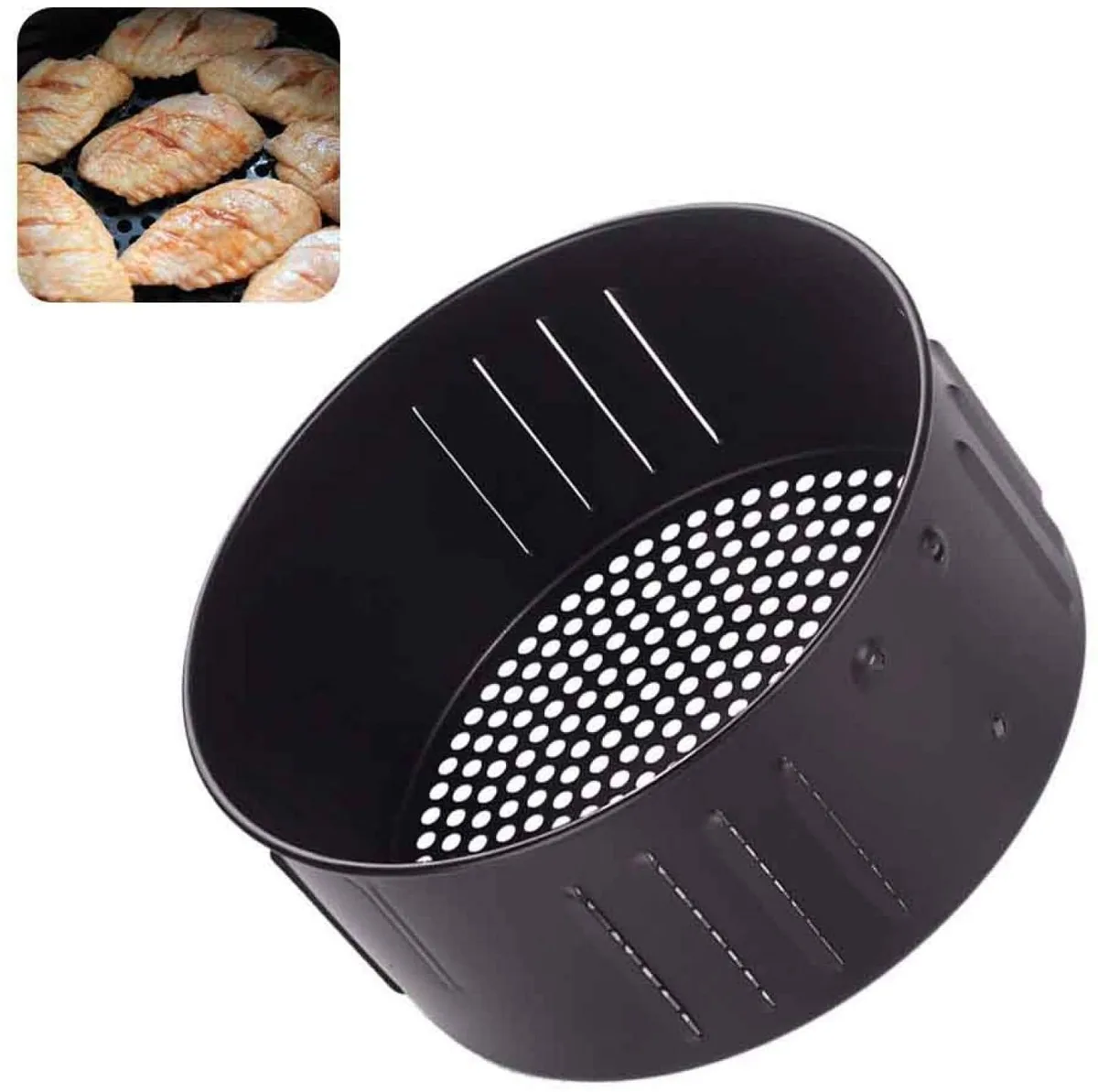
Image source: Bing (Web (fair-use with source credit))
Frequently Asked Questions About Oil-Less Air Fryers
Can you use zero oil in an air fryer?
Yes, but only for foods that already contain fat. Frozen french fries, pre-breaded chicken, and fatty fish cook fine without added oil. Dry foods like fresh vegetables, homemade coatings, and lean meats benefit from one to two teaspoons of oil for proper browning.
How much oil do you actually need per batch?
Most recipes call for one to two teaspoons per pound of food. A spray bottle delivers the most even coating. Tossing food in a bowl with measured oil prevents over application.
Excess oil drips into the basket and causes smoke.
Do oil less air fryers use a lot of electricity?
An air fryer uses 1,200 to 1,800 watts during operation. A typical 30 minute cooking session costs about 10 to 20 cents in the US. That is significantly less than running a full size oven, which uses 2,000 to 5,000 watts.
Why does food sometimes come out dry?
Dry food usually means too much heat, too little oil, or too long in the basket. Drop the temperature by 25°F. Add a light oil spray.
Check for doneness a few minutes early. Most recipes designed for ovens need shorter cook times in an air fryer.
Can you put foil or parchment paper in an air fryer?
Yes, but with caution. Perforated parchment paper made for air fryers is safe. Regular foil or paper can block airflow.
Place food on top of the paper, not beneath it. Never let paper touch the heating element.
Final Verdict – Is an Oil-Less Air Fryer Worth It for You?
An oil less air fryer makes sense for most home cooks. It reduces fat without sacrificing speed or convenience. It handles a wide range of foods.
It is easier to clean than a deep fryer or oven tray. The main trade-offs are noise, capacity limits, and a texture that falls slightly short of deep frying.
If you cook for one or two people, a basket model under $100 delivers strong value. If you feed a family, an oven style at 10 quarts or larger is worth the extra space. If you eat frozen foods more than twice a week, a self-stirring model saves effort and improves results.
The key is matching the design to your habits. Buy based on your cooking volume, not the marketing claims. With realistic expectations and proper technique, an oil less air fryer earns its place on the counter.

Similar Posts