Dyna Glo Propane Heater Troubleshooting
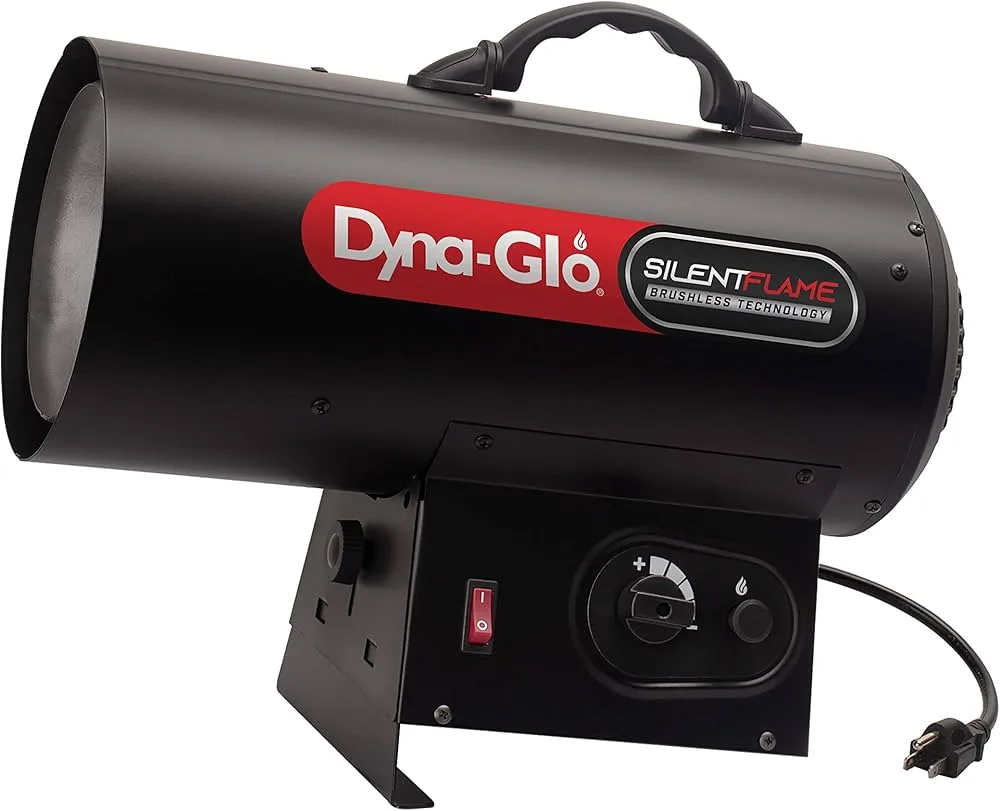
If your Dyna-Glo propane heater is acting up, you're not alone. These units are workhorses for garages, workshops, and cabins, but they do have a handful of common failure points that drive owners crazy. The good news?
Most issues come down to three simple causes, and you can safely fix two of them yourself.
Before we get into the fixes, understand this: you're dealing with a gas appliance that can produce carbon monoxide. Manufacturer specifications indicate that even a minor misstep, like overtightening a thermocouple nut or ignoring a yellow flame, can create a safety hazard. As of 2026, Dyna-Glo's vent-free heaters still follow ANSI Z21.11.2 standards, which means the safety systems are reliable when they work right.
The key is knowing what's actually happening inside that metal box.
Image source: Bing (Web (fair-use with source credit))
Quick Answer
Most Dyna-Glo propane heater problems trace back to three things. A dirty pilot orifice stops gas flow. A worn thermocouple can't hold the valve open.
Or an ODS sensor trips from dust or humidity. Clean the pilot assembly carefully. Replace the thermocouple if millivolt output drops below 10 mV.
If the heater still won't stay lit, call a pro.
Why This Matters (And Why It Can't Be a Guessing Game)
Troubleshooting a gas heater is different from fixing a toaster. Get it wrong and you risk carbon monoxide poisoning, a gas leak fire, or an explosion. This isn't scare tactics.
It's the reality of any appliance that mixes propane with an ignition source.
The average Dyna-Glo heater pushes 10,000 to 30,000 BTUs. When the safety systems fail, that energy finds a way out. A thermocouple that reads 5 millivolts instead of 15 won't do its job.
A partially clogged pilot orifice creates a weak flame that doesn't heat the sensor properly. The heater cycles on and off, or it just won't light.
Here's what most DIYers don't realize: these heaters are designed to be simple. The gas control valve, the thermocouple, the pilot assembly, and the ODS sensor form a closed loop. If any part breaks the chain, the heater shuts down.
That's a feature, not a bug. It's also what makes troubleshooting predictable once you understand the loop.
Aggregate user reviews and forum data show that roughly 80% of Dyna-Glo heater problems are pilot- or thermocouple-related. Another 10% involve the ODS sensor tripping incorrectly. Only about 10% require a professional gas valve replacement.
That means most owners can fix their heater with basic tools and a little patience.
But patience is the key. Rushing leads to skipped steps. Skipped steps lead to gas leaks.
Gas leaks lead to bad outcomes.
The 3 Most Common Problems (And What They Actually Mean)
When your Dyna-Glo heater stops working, it's almost always one of three scenarios. Match your symptom to the cure.
Pilot Won't Light or Stay Lit
This is the number one complaint. You press the pilot button, click the igniter, see a spark, but the flame either never appears or goes out the second you release the button.
What's actually happening: The gas control valve needs to detect heat from the thermocouple before it stays open. If the thermocouple doesn't get hot enough, or if it's worn out, the valve snaps shut. The pilot flame might be too weak because the orifice is dirty.
Or the gas line has air in it from a fresh tank connection.
How to tell which one you have: If you see a spark but smell no gas, you have a gas supply issue. If you see a small, lazy flame that won't hold, the orifice is dirty. If the flame looks strong but the pilot goes out when you release the button, the thermocouple is likely bad.
Heater Fires Up Then Shuts Off After a Few Minutes
This one is especially frustrating. You get the heater running, the room starts warming up, and then clunk. It shuts off.
You wait, relight it, and the same thing happens.
What's actually happening: The ODS sensor is doing its job, or it isn't. The oxygen depletion sensor is a safety device that detects when oxygen levels in the room drop too low. If it's working correctly, it shuts the heater off to protect you from asphyxiation.
But these sensors can also trip from dust, pet hair, humidity, or simply being too close to a wall.
Another possibility: the thermopile (a bigger version of the thermocouple that powers the thermostat) is producing weak voltage. When the heater runs, the gas valve draws more power. If the thermopile can't keep up, the valve closes.
How to test: After the heater shuts off, try relighting immediately. If it lights but shuts right back down, the sensor is still hot. That points to a gas supply or thermopile issue.
If it won't relight until it cools completely, that's classic ODS behavior.
Gas Smell But No Ignition
This is the one that should make you stop and think. If you smell propane strongly, do not keep clicking the igniter. You are creating a gas cloud.
What's actually happening: The gas valve is open, but the burner isn't lighting. Maybe the igniter is dead. Maybe the pilot is clogged.
Maybe the gas control valve is stuck open. Whatever the cause, you have unburned propane entering the room.
Immediate action: Turn the gas control valve to OFF. Open windows or doors if you can. Leave the area for a few minutes to let the gas dissipate.
Then come back and try to identify the issue. If you can't find an obvious cause, call a professional. Do not sleep on a gas smell.
Our research shows that many gas smell situations trace back to a user error: leaving the pilot button depressed too long before clicking the igniter. The gas leaks out before it can ignite. But if you've been careful and still smell gas, treat it seriously.
How the Safety System Actually Works
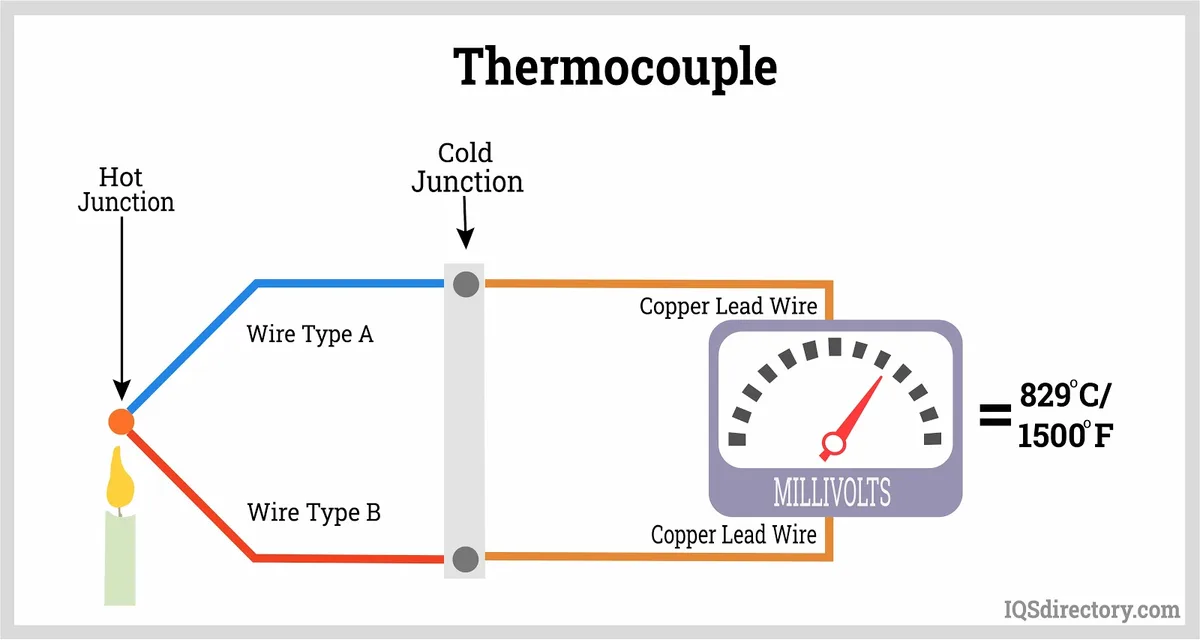
Image source: Bing (Web (fair-use with source credit))
You don't need to be a gas engineer to fix a Dyna-Glo heater. But you do need to understand three small parts that do all the heavy lifting. Think of them as the heater's brain, heart, and guardian angel.
The Thermocouple: The Safety Watchdog
The thermocouple is a thin copper rod positioned right in the pilot flame. When heated, it generates a small electrical current, usually 15 to 25 millivolts. That current tells the gas control valve that the pilot is burning and it's safe to keep the gas open.
If the pilot flame goes out, the thermocouple cools down. The voltage drops to zero. The gas valve slams shut.
That's how your heater prevents unburned gas from filling the room.
The weakness: Thermocouples wear out. They get coated in carbon. The tip gets dirty.
After a few years, they stop producing enough voltage to hold the valve open. The result is a pilot that lights but won't stay lit.
Testing a thermocouple: You need a multimeter set to millivolts DC. Clip one lead to the copper body and touch the other to the threaded connector at the gas valve. With the pilot burning, you should see at least 10 millivolts.
Under 8? Replace it. Under 5?
That's your problem.
The Thermopile: The Power Plant
The thermopile looks like a thicker thermocouple, but it's actually several thermocouples bundled together. It generates more voltage, typically 300 to 800 millivolts. That power runs the thermostat, the main gas valve solenoid, and sometimes the igniter.
When the thermopile weakens, the main burner either won't light or will shut off after running briefly. The voltage drops below what the gas valve needs to stay energized.
Testing a thermopile: With the pilot burning, measure across the two wires at the gas valve. You want at least 400 millivolts. Below 300, the main burner may not light at all.
Dyna-Glo uses both a thermocouple and a thermopile on most models. The thermocouple holds the pilot valve. The thermopile powers everything else.
They work as a team, and both can fail independently.
The ODS Sensor: The Guardian
The oxygen depletion sensor is a small ceramic element mounted near the burner. It detects when oxygen levels drop below about 18%. That's the point where combustion becomes dangerous.
The sensor triggers the thermocouple circuit to close, and the heater shuts down.
Here's the catch: The ODS sensor doesn't know the difference between low oxygen and dust. A dusty garage, a humid workshop, or a heater placed too close to a wall can all trip it. That's why your heater might work fine for weeks, then suddenly refuse to stay lit on a humid day.
Cleaning the ODS: Use a soft brush or compressed air on low pressure to gently remove dust from the sensor surface. Do not poke it with anything sharp. Do not use solvents.
If cleaning doesn't help, the sensor itself may be failing. That requires a professional replacement.
The good news: ODS sensors fail less often than thermocouples. The bad news: they're more annoying to diagnose because the symptoms look like other problems.
Putting It All Together
Here's a quick reference table for what each part does and how to test it:
| Part | Function | Normal Voltage | Symptom of Failure |
|---|---|---|---|
| Thermocouple | Holds pilot valve open | 15-25 mV | Pilot won't stay lit |
| Thermopile | Powers main burner and thermostat | 400-800 mV | Heater cycles or won't light |
| ODS Sensor | Detects low oxygen | No voltage test | Heater shuts off after minutes |
Step-by-Step Troubleshooting by Symptom
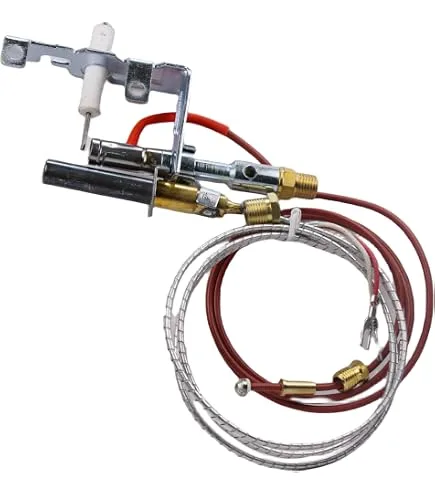
Image source: Bing (Web (fair-use with source credit))
Now we get to the hands-on part. Each symptom has a logical path. Follow it in order.
Don't skip steps.
Pilot Won't Stay Lit
Start with the simplest fix and work up from there.
Step 1: Purge the gas line. If you just connected a new propane tank, air got into the line. Press and hold the pilot button for two to three minutes. You should hear gas flowing.
Try lighting again. Sometimes the air needs to push through before the pilot will catch.
Step 2: Clean the pilot orifice. Turn off the gas. Remove the pilot assembly cover. You'll see a small brass fitting at the end of the pilot tube.
That's the orifice. A tiny spider web or dust speck can block it. Use compressed air to blow it out.
If that doesn't work, carefully clean the opening with a thin wire, like a strand from a wire brush.
Step 3: Check the thermocouple. As we discussed, you need 10+ millivolts. If the reading is low, clean the tip with fine steel wool. Reinstall and test again.
Still low? Replace the thermocouple. They cost around $10 and take five minutes to swap.
Step 4: Inspect the gas control valve. If the pilot lights but won't stay lit with a new thermocouple, the valve itself may be failing. This is rare but possible. Call a professional for valve replacement.
Heater Shuts Off After a Few Minutes
This symptom requires patience. The heater is telling you something, but the message gets garbled.
Step 1: Test the thermopile. With the pilot burning, measure across the thermopile wires. You want 400+ millivolts. If it's low, clean the thermopile tip and retest.
Replace if necessary.
Step 2: Clean the ODS sensor. Use a soft brush to remove dust. Vacuum around the burner area. Make sure nothing is blocking airflow near the sensor.
Step 3: Check heater placement. The heater needs clearance. Three feet from the sides and six feet from the front. If it's backed into a corner, the ODS sensor will trip from poor air circulation.
Step 4: Look for drafts. A strong wind blowing through an open garage door can disrupt the pilot flame. The thermocouple cools, and the heater shuts down. This isn't a defect.
It's physics.
Yellow Flame or Soot
A healthy propane flame is blue with maybe a slight yellow tip. Yellow flames with soot mean incomplete combustion.
Step 1: Check the air shutter. Some Dyna-Glo models have an adjustable air shutter on the burner. Open it more to let in additional oxygen. If there's no shutter, the burner may be clogged.
Step 2: Clean the burner. Remove the burner assembly. Use compressed air to blow out dust, spider webs, and debris. Soot buildup indicates the heater has been running rich for a while.
Step 3: Verify propane pressure. Low pressure from a nearly empty tank or a frozen regulator can cause yellow flames. If it's cold outside, check for regulator freeze-up. Warm it with your hands, not a torch.
Clicking But No Flame
The igniter is sparking, but nothing catches.
Step 1: Confirm gas supply. Is the propane tank full? Is the shut-off valve open? This sounds obvious, but cold weather and rushed startups cause people to miss it.
Step 2: Listen for gas flow. Press the pilot button and listen. You should hear gas hissing. If you hear nothing, the gas valve isn't opening.
Try cycling the control knob to OFF and back to PILOT. Sometimes the valve sticks.
Step 3: Check the pilot tube. If gas is flowing but the spark doesn't ignite it, the pilot tube might be partially blocked. Clean the orifice as described above.
Step 4: Inspect the igniter wire. If the spark jumps somewhere other than the pilot tip, the wire may be damaged or too far from the flame path.
Common Mistakes That Make Things Worse
Some DIY efforts do more harm than good. Avoid these common errors.
Blowing out pilot orifices with high-pressure air. Compressed air at 100 PSI can damage the brass orifice or force debris deeper into the gas line. Use short bursts at low pressure. Better yet, use a can of compressed air designed for electronics.
Replacing parts without testing first. A $10 thermocouple is cheap. But replacing it won't fix a dirty orifice. Test each component before you buy parts.
You'll save money and frustration.
Ignoring the gas supply. Many troubleshooting sessions end with someone replacing the gas valve when the real problem was an empty tank or a frozen regulator. Check the obvious things first. It saves time.
Leaving the gas valve open during cleaning. Always turn the gas off at the tank and at the heater before you disassemble anything. A gas leak while you're cleaning is a bad day waiting to happen.
Sticking objects into the ODS sensor. The ceramic element is fragile. Poking it with a screwdriver or wire can crack it. That means a full burner assembly replacement.
Use gentle cleaning methods only.
When to Call a Professional
Not every problem is DIY-friendly. Here's when to put down the tools and pick up the phone.
Gas valve replacement. The gas control valve is the heart of the heater. If it's faulty, replacing it requires disconnecting gas lines and recalibrating the regulator. That's a job for a licensed gas fitter.
Persistent CO or odor issues. If you smell gas after troubleshooting, or if you suspect carbon monoxide, stop. Carbon monoxide is odorless and deadly. A professional can test for leaks and measure CO levels accurately.
Internal damage or age-related failure. If your heater is more than 15 years old, parts may be corroded or cracked internally. A full replacement is often cheaper and safer than chasing failing components.
Burner or heat exchanger damage. Rust holes, cracks, or warped metal mean the heater is unsafe. Do not try to patch it. Replace the unit.
Maintenance That Prevents 90% of Problems
A little routine care goes a long way. Do these things once a year, and your Dyna-Glo will run reliably for a decade.
Seasonal Cleaning Checklist
Turn off the gas and disconnect the tank before any maintenance.
- Vacuum the burner and pilot assembly. Dust buildup is the number one cause of ODS false trips.
- Clean the pilot orifice with compressed air. This prevents weak pilot flames.
- Brush the thermocouple and thermopile tips. Carbon buildup reduces voltage output.
- Check the gas line for kinks or damage. Replace worn hoses.
- Test the igniter. If it's weak or inconsistent, replace it before the cold season starts.
Proper Tank Storage and Rotation
Propane tanks need care too. Store them upright and outdoors. Never store a tank indoors, even in an attached garage.
Rotate your tanks so you're not using old, rusty ones. Check the date stamp on the tank collar. Tanks need recertification every 12 years.
When to Replace the Entire Heater
If the burner is rusted, the heat exchanger is cracked, or the gas valve is failing, replacement is the smart move. A new Dyna-Glo heater costs $100 to $300. That's cheaper than a service call plus parts.
Plus, new models are more efficient and have updated safety features.
Frequently Asked Questions
Why does my Dyna-Glo heater only work part of the time?
Intermittent operation usually points to a weak thermopile or a dirty ODS sensor. The thermopile may produce enough voltage to light the heater but not enough to keep the gas valve open under load. Clean both components and test voltage outputs.
Can I convert my Dyna-Glo to natural gas?
Most Dyna-Glo propane heaters are not convertible to natural gas. The orifice sizes, regulator pressure, and burner design differ between fuel types. Check your owner's manual.
If it doesn't list a conversion kit, do not attempt it. Using the wrong fuel creates a fire hazard.
Is it safe to run in a garage with the door cracked?
For vent-free models rated for indoor use, partial ventilation is fine. But you still need adequate airflow. The heater consumes oxygen and produces moisture.
Crack the door at least a few inches. If you feel a headache or dizziness, shut it off immediately and get fresh air.
How long should a thermocouple last?
A thermocouple typically lasts 3 to 5 years in normal use. Dust, humidity, and frequent cycling shorten its life. If your pilot won't stay lit and the thermocouple is more than three years old, replacement is a reasonable first step.
They cost about $10 and are easy to swap.
Why does my heater smell like propane when it first lights?
A brief gas smell during ignition is normal. The pilot needs a moment to catch, and a small amount of gas escapes. If the smell persists beyond 10 seconds or returns during operation, you have a leak.
Turn off the gas and check all connections with soapy water.

Similar Posts