Nissan Rogue Heater Not Working
Your Nissan Rogue heater should be blowing hot air within a few minutes of starting the engine on a cold morning. When it doesn't, the frustration is real, foggy windows, shivering kids in the back seat, and a long commute ahead. The "Nissan Rogue heater not working" problem is one of the most common owner complaints, especially on models between 2014 and 2020.
Here's what you need to know upfront: in roughly 60 percent of cases, the fix costs under $50 and takes less than an hour. The trick is diagnosing which of the half-dozen possible causes you're actually dealing with. That's exactly what this guide is built to do, walk you through the symptoms in a logical order so you don't throw money at parts you don't need.
Quick Answer
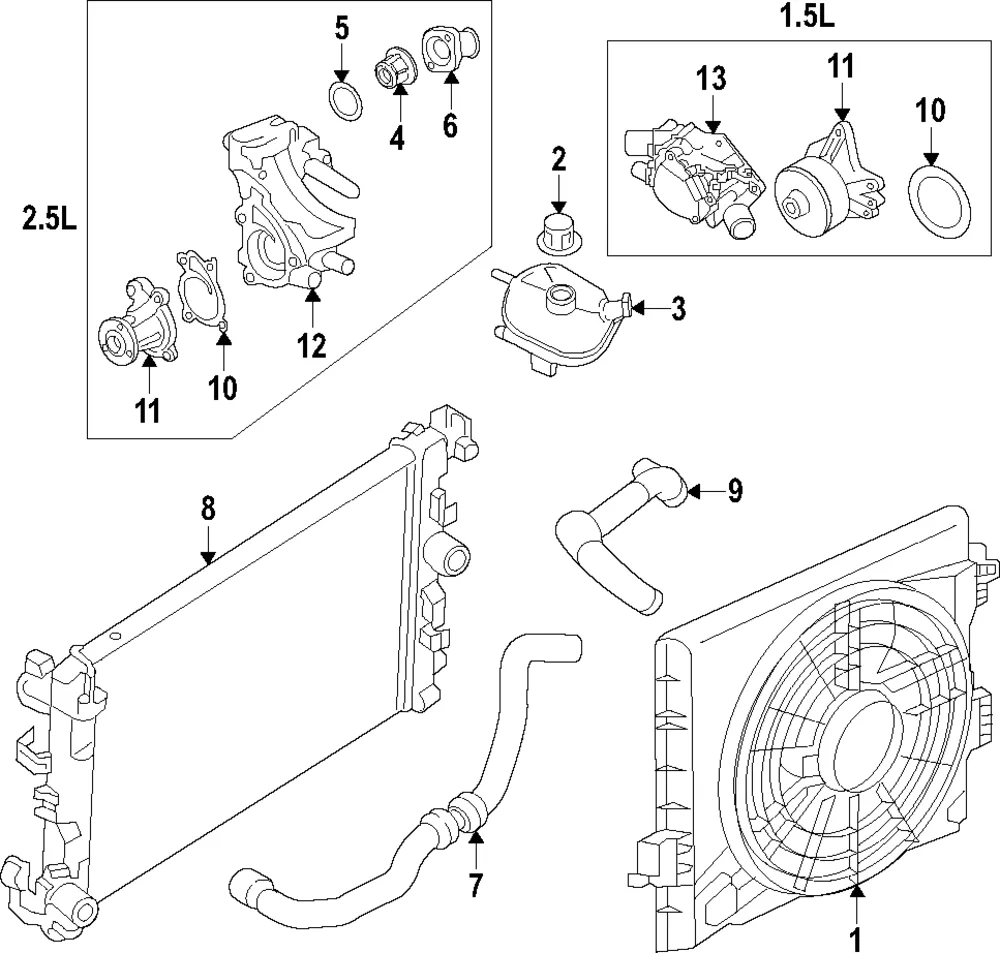
Low coolant is the most common cause. Check the overflow reservoir when the engine is cold. If it's below the minimum line, top it off with Nissan Genuine Long Life Antifreeze.
Bleed any trapped air from the system. If coolant is full, feel both heater hoses under the hood. One hot and one cold means a clogged heater core.
Both cold means a stuck thermostat or air in the system.
Why Your Rogue's Heat Might Be Failing
The heating system in your Nissan Rogue works like every other modern car. Hot engine coolant flows through a small radiator called the heater core behind the dashboard. A blower motor pushes air across that hot core, and warm air comes out the vents.
Several things can break that chain.
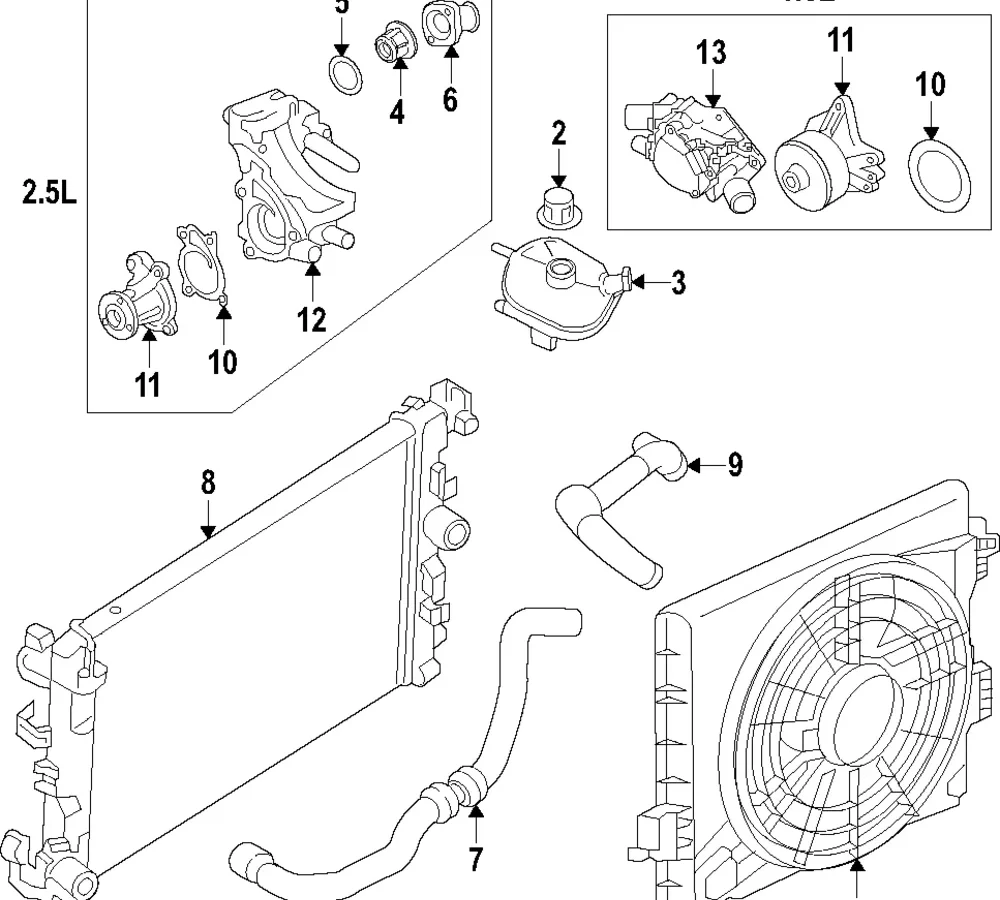
Low coolant level is the number one culprit. If the system is low, there isn't enough hot fluid circulating to reach the heater core. Your temperature gauge might still read normal because the engine block has enough coolant to stay cool.
But the heater core sits higher than the engine in most vehicles. It's the first thing to starve when levels drop.
A stuck thermostat regulates engine operating temperature. If it sticks open, the engine never reaches its proper 180-195°F range. The engine runs cool, and so does your heater.
Watch your temperature gauge on the dash. If it barely reaches the middle mark after ten minutes of driving, the thermostat is likely stuck open.
Air trapped in the cooling system creates an air pocket that blocks coolant from reaching the heater core. This often happens after a coolant change or radiator replacement if the system wasn't properly bled. The symptom is frustrating: heat works intermittently or only when you rev the engine.
A clogged heater core happens when debris, rust, or old coolant deposits build up inside the small passages. The heater core acts like a tiny radiator, and those tight channels clog easily. You'll feel one heater hose hot and the other one cold or lukewarm.
That temperature difference tells you flow is restricted.
The blend door actuator is an electric motor that controls whether air passes through the heater core or bypasses it. When this actuator fails, the temperature knob turns but nothing changes. You might hear a clicking or tapping sound behind the glove box.
The heat stays stuck on cold or stuck on hot regardless of what you set.
A failing blower motor resistor means the fan still runs but only on certain speeds. Usually only the highest setting works. The resistor controls voltage to the blower motor, and it's a common failure point on the Rogue.
You'll still have heat, but you can't control the fan speed.
The Quick Check: Three Things to Look at Before Anything Else
Before you start pulling apart the dashboard or buying expensive parts, check these three things. They take five minutes and catch the most common problems.
Check your coolant level. Pop the hood with the engine cold. Look at the coolant overflow reservoir, the translucent plastic tank near the radiator. The level should be between the MIN and MAX marks.
If it's low, that's your problem. Top it off with Nissan Genuine Long Life Antifreeze (blue coolant). Do not use generic green coolant.
It can damage the water pump seals over time.
Check the temperature gauge. Start the engine and let it idle for five to ten minutes. Watch the temperature gauge on the dashboard. It should climb steadily and settle near the middle.
If it stays low, the thermostat is stuck open. If it climbs quickly and keeps climbing past halfway, you might have a different problem, but the heater will still blow hot air in that scenario.
Feel both heater hoses. These are the two rubber hoses that go through the firewall into the cabin. They're located on the passenger side of the engine bay. With the engine warm and the heater set to max, carefully touch both hoses.
They should both be hot. If one is hot and the other is cool, the heater core is clogged. If both are cool, you have a flow problem, low coolant, air pocket, or a stuck thermostat.
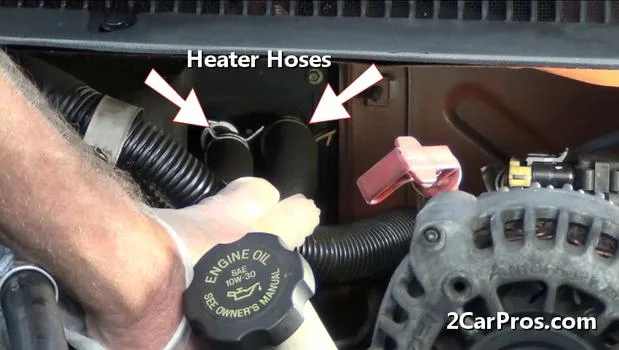
This simple three-step check will point you in the right direction nine times out of ten. Write down what you find before moving to the next section.
Decision Tree: Diagnose Your Exact Issue in Five Minutes
Follow the path that matches your symptoms.
If the coolant is low:
Top it off and check for leaks. Refill with the correct Nissan Long Life Antifreeze mixed 50/50 with distilled water. Run the engine with the heater on full for ten minutes.
If the heat comes back, you found the problem. Watch the level over the next week to see if it drops again.
If the temperature gauge stays cold:
The thermostat is stuck open. This is a common failure on the 2.5-liter engine in the Rogue. Replace the thermostat.
It's about an hour with basic tools. The part costs $25 to $50. After replacement, refill the coolant and bleed the system.
If both heater hoses are cold but the gauge reads normal:
You likely have air trapped in the cooling system. This happens after any coolant service if the bleeding procedure wasn't done correctly. With the engine cold, remove the radiator cap.
Start the engine and turn the heater to full hot. Let it idle until the thermostat opens. You'll see coolant start flowing.
Top off the radiator, replace the cap, and add coolant to the overflow tank.
Park on level ground. Run the engine at 2,000-2,500 RPM for a few seconds after the thermostat opens. Keep the heater on full.
This helps push trapped air pockets out of the heater core.
If one heater hose is hot and the other is cold:
The heater core is clogged. This is common on Rogues with over 60,000 miles, especially if the coolant was never changed on schedule. You have two options: flush the heater core or replace it.
Flushing is the cheaper first step. Disconnect both heater hoses at the firewall. Use a garden hose with a flush kit to run water backward through the core.
You'll see brown debris come out. Keep flushing until the water runs clear. This fixes the problem about 70 percent of the time.
If the fan only works on certain speeds:
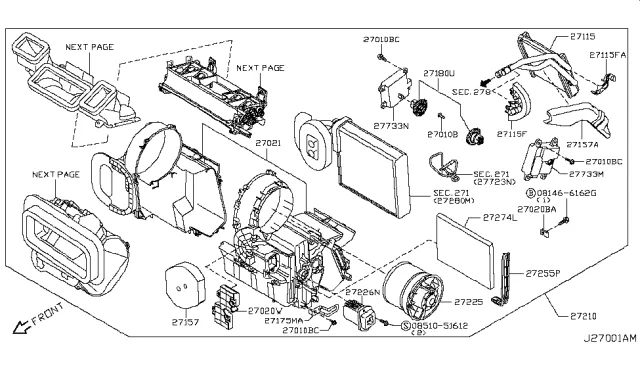
The blower motor resistor needs replacement. On the Rogue, the resistor is located behind the glove box. It costs $30 to $60 and takes about 20 minutes to swap.
Remove the glove box, unplug the old resistor, plug in the new one, and reassemble.
If the temperature setting doesn't change the air temperature:
The blend door actuator has failed. You'll likely hear a clicking sound from behind the dashboard when you turn the temperature knob. The actuator is an electric motor about the size of a matchbox.
Replacement involves removing the glove box and often the lower dash panel. The part costs $40 to $80.
How to Fix Each Problem Without Throwing Parts at It
Flushing a clogged heater core is the most common repair that saves you serious money. A shop will quote you eight to twelve hours of labor to replace the heater core, that's $800 to $1,200 just in labor. A flush takes an hour and costs nothing but time.
You need a garden hose, a heater core flush kit (about $10 at any auto parts store), and a bucket. Disconnect both heater hoses at the firewall. Attach the flush tee to the inlet side.
Run water through the core in the reverse direction of normal flow. Keep flushing until the water runs clear. Reconnect the hoses, refill the coolant, and bleed the air.
If the flush doesn't work, the core is too badly clogged. You'll need to decide whether to pay for replacement or try a chemical flush additive. Chemical flushes work about half the time on severe clogs based on owner reports.
Replacing the thermostat is a one-hour job on the 2.5-liter engine. The thermostat housing is on the front of the engine, easy to reach. Drain about a gallon of coolant into a clean container.
Remove the two bolts holding the thermostat housing. Swap the old thermostat for the new one. Clean the mating surface, install a new gasket, and bolt it back together.
Refill the coolant and bleed the system.
Bleeding air from the cooling system is critical after any repair. Park on level ground. Remove the radiator cap when cold.
Start the engine and turn the heater to full hot. Let it idle. Watch for bubbles in the radiator neck.
Rev the engine gently to 2,500 RPM a few times. Add coolant as the level drops. Once the thermostat opens and the flow is steady with no bubbles, replace the cap.
Top off the overflow tank.
Swapping the blower motor resistor is the easiest fix on this list. Remove the glove box by squeezing the sides and pulling it past the stops. The resistor is mounted on the side of the blower housing, held by two screws.
Unplug the electrical connector, remove the screws, and pull the old resistor out. Install the new one, plug it in, and test all fan speeds before putting the glove box back.
Common Mistakes That Wreck Your Heater and Your Wallet
Using the wrong coolant. Nissan specifies a blue phosphate-free organic acid technology coolant. Using green conventional coolant can cause gelling, seal damage, and heater core clogs. The wrong coolant alone can destroy your heater core within a year.
Ignoring the coolant change schedule. Nissan recommends changing the coolant every 60,000 miles or five years. Skipping this allows debris to build up and clog the heater core. A $40 coolant change now saves you a $1,000 heater core replacement later.
Not bleeding the system after repairs. Air pockets are invisible but deadly to heater performance. Even a small pocket can block flow to the heater core entirely. Always bleed after any coolant service.
Throwing parts at the problem. Replacing the thermostat when your coolant is low won't fix anything. Replacing the blower motor when the resistor is bad wastes money. Follow the decision tree above and test before you buy.
Forgetting to check the cabin air filter. A clogged cabin air filter doesn't stop heat from working, but it dramatically reduces airflow. You'll feel like the heat is weak when the system is actually working fine. Change it every 15,000 to 20,000 miles.
It's behind the glove box and costs $15 to $25.
Costs, Labor Times, and When to Just Take It to a Shop
| Repair | DIY Cost | DIY Time | Shop Cost |
|---|---|---|---|
| Coolant top-off | $15-25 | 5 minutes | $40-80 |
| Coolant flush and fill | $40-60 | 45 minutes | $120-180 |
| Thermostat replacement | $25-50 | 1 hour | $200-350 |
| Heater core flush | $10-20 | 1 hour | $150-250 |
| Heater core replacement | $40-120 | 4-8 hours | $800-1,200 |
| Blower motor resistor | $30-60 | 20 minutes | $120-200 |
| Blend door actuator | $40-80 | 30 min-1 hour | $200-400 |
| Cabin air filter | $15-25 | 10 minutes | $40-70 |
The math is clear. Most of these repairs are easy DIY jobs that save you hundreds of dollars. The exception is heater core replacement.
Dash removal is tedious. There's real risk of breaking plastic clips, damaging the airbag, or creating rattles that never go away. If a flush doesn't fix the clog, consider letting a shop do the core replacement.
When to call a pro:
- You've tried the flush and still have a hot/cold hose difference
- You're not comfortable working with coolant (it's toxic to pets and kids)
- The airbag warning light comes on during any dash work
- You've replaced parts and the problem persists
- You need the car back on the road today, not this weekend
When to DIY:
- Low coolant or air in the system
- Thermostat replacement
- Blower motor resistor
- Cabin air filter
- Heater core flush (try this first before paying for replacement)
Frequently Asked Questions
Why does my Nissan Rogue heater only work when I'm driving?
That's almost always an air pocket or low coolant. At higher RPMs, the water pump pushes harder and forces coolant through the heater core. At idle, the flow drops and the air pocket blocks it again.
Bleed the cooling system and check the coolant level.
Can a bad thermostat cause no heat in a Nissan Rogue?
Yes. A thermostat stuck open prevents the engine from reaching normal operating temperature. The coolant stays too cool to heat the heater core.
Replace the thermostat and refill the coolant.
How much does it cost to fix a Nissan Rogue heater?
Between $15 for a coolant top-off and $1,200 for a heater core replacement at a shop. The average fix costs $50 to $200 if you DIY. Most cases are low coolant or trapped air, which cost nothing but coolant.
Why does my heater blow cold air on one side only?
The blend door actuator for that side has failed. Dual-zone Rogues have separate actuators for the driver and passenger sides. You'll hear a clicking sound from behind the dash.
Replace the faulty actuator.
Is it safe to drive with a clogged heater core?
Yes, but keep an eye on your coolant temperature. A severely clogged core can restrict overall coolant flow, causing the engine to overheat in traffic. If your temperature gauge climbs above normal, stop driving and address the clog.
How often should I change the coolant in my Nissan Rogue?
Every 60,000 miles or five years, whichever comes first. Using the correct Nissan blue Long Life Antifreeze mixed 50/50 with distilled water prevents heater core clogs and cooling system corrosion.

Similar Posts