Gm 10 Speed Transmission Problems
If you own a GM truck or SUV built after 2017, you have probably heard the rumors about the 10-speed transmission. Maybe you already feel a weird shudder when accelerating from a stop. Or you have noticed a hard clunk when the transmission downshifts as you pull into your driveway.
These are real symptoms, and they are not just your imagination. GM 10 Speed Transmission Problems are well documented across the Silverado, Sierra, Tahoe, Yukon, and Escalade lineups.
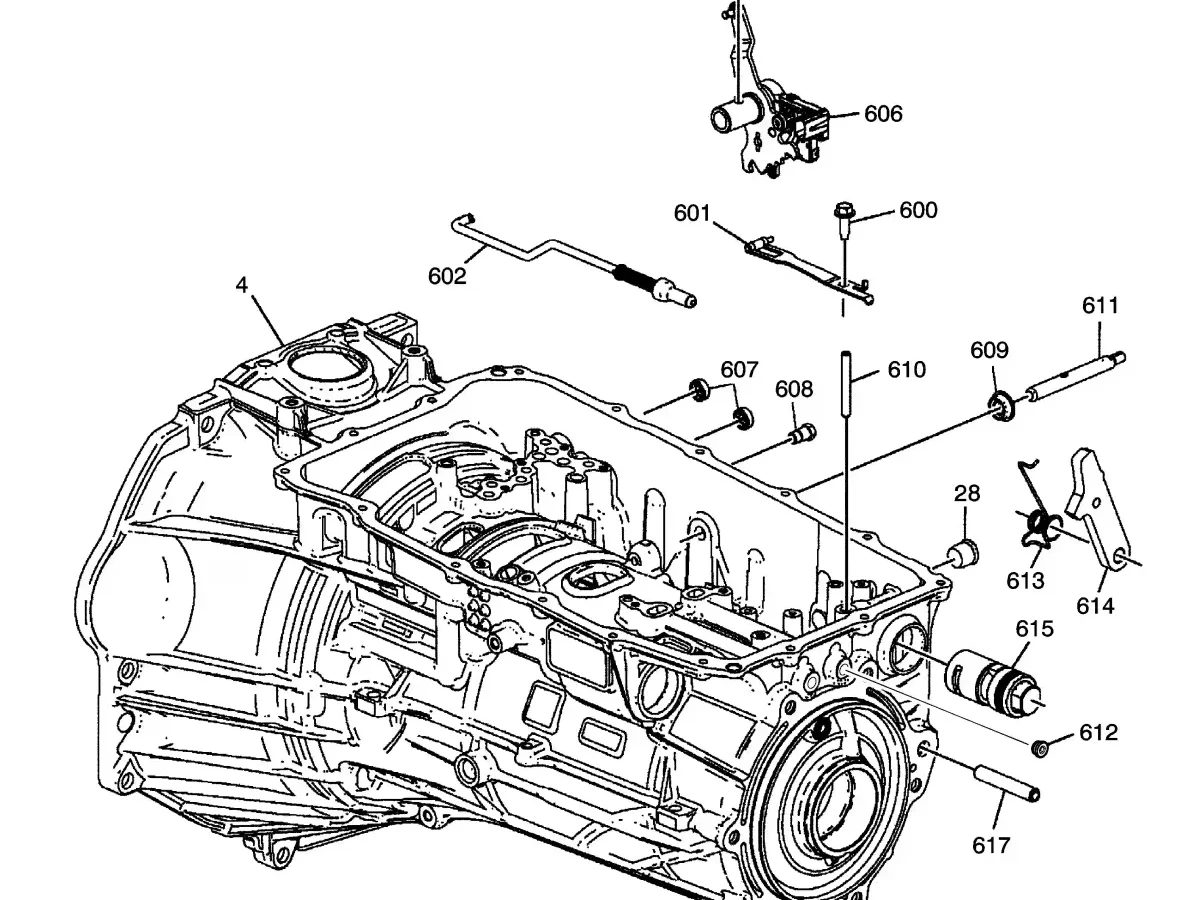
The transmission in question is the Hydra-Matic 10L80 (found in half-ton trucks and SUVs) and the heavier-duty 10L90 (used in performance models and heavier trucks). These are sophisticated units. They pack ten forward gears into a compact aluminum housing and rely on shift-by-wire electronic controls.
When they work right, they deliver smooth cruising at 1,500 RPM on the highway and solid towing performance. But when they go wrong, the repair bills can hit five figures. As of 2026, thousands of owners have filed complaints with the NHTSA.
Understanding what fails, why it fails, and what you can do about it is the difference between a manageable repair and a financial headache.
Quick Answer
GM 10-speed transmissions have known torque converter shudder issues. Valve body sticking causes harsh shifts and delayed engagement. Software calibration problems are common and often fixable with a dealer flash.
Overheating while towing accelerates internal wear. Repair costs range from $4,000 to $9,000 depending on the shop and the damage. Regular fluid changes at 45,000 miles are the single best prevention.
Why This Transmission Deserves Your Attention (and Your Caution)
The GM 10-speed is not a bad transmission overall. That is the first thing to understand. Aggregate reviews from transmission rebuilders and long-term owner reports indicate that well-maintained units can reach 150,000 to 200,000 miles without major issues.
But the transmission has specific weak points that show up earlier than they should. Most problems surface between 30,000 and 80,000 miles, which is far too soon for a modern automatic.
What makes this transmission different from older GM units is the complexity. The 10L80 and 10L90 use six clutch packs, multiple one-way clutches, and a sophisticated valve body with dozens of solenoids. More parts mean more potential failure points.
Compare that to the old 4L60 or 6L80 transmissions. Those units were simpler, heavier, and easier to diagnose. The 10-speed trades some of that old-school durability for fuel economy and shift refinement.
The joint development with Ford also deserves a mention. GM and Ford co-developed the 10-speed architecture, but each company tuned it differently for their own vehicles. The GM version uses different calibration logic, different fluid specifications (Dexron ULV versus the Ford-spec fluid), and different internal hardware in some cases.
That means Ford 10-speed experience does not always translate directly to GM trucks.
So where does that leave you? If you are shopping for a used GM truck with the 10-speed, you need to know what to look for. If you already own one, you need to know what symptoms to catch early.
And if you are facing a repair, you need to know when to fix versus when to walk away.
The Most Common Problems Ranked by Severity and Frequency
Not all transmission problems are created equal. Some are nuisance issues that a software update can fix. Others are internal failures that require a full rebuild.
Here is how the most common complaints stack up, ranked from most frequent to most damaging.
Torque Converter Shudder (Most Frequent)
This is the number one complaint across forums, NHTSA filings, and independent transmission shops. Owners describe a vibration or shudder that happens at low speeds under light throttle. Usually it shows up between 30 and 50 mph when the torque converter is trying to lock up.
The shudder feels like driving over rumble strips. It is subtle at first, then gets worse over time.
The root cause is usually torque converter clutch degradation. The clutch material wears unevenly, causing the converter to grab and release rapidly. That rapid cycle is what you feel as vibration.
In severe cases, the worn material contaminates the transmission fluid and spreads debris through the valve body and cooler lines.
Harsh Shifting and Delayed Engagement
The second most common complaint is hard shifts, especially the 1-2 and 2-3 upshifts. Some owners report a "clunk" that you can feel through the seat and steering wheel. Others describe a delay when shifting from Park to Drive or Park to Reverse.
The delay can last two to three seconds, which feels like an eternity when you are trying to pull into traffic.
These symptoms point to the valve body and solenoid assembly. The valve body is a maze of passages and valves that direct fluid pressure to the clutch packs. When debris or wear particles get into those passages, the valves stick.
That causes delayed or erratic apply pressure to the clutches. The result is a hard shift or a delayed engagement.
Transmission Overheating
Overheating is a serious problem that accelerates every other failure mode. The 10-speed runs at a higher operating temperature than older GM transmissions. Dexron ULV fluid is designed for those temperatures, but it breaks down faster when pushed beyond spec.
Towing in hot weather, mountain driving, or stop-and-go traffic in summer can push transmission temperatures past 230 degrees Fahrenheit.
Image source: Bing (Web (fair-use with source credit))
At those temperatures, fluid degradation accelerates. Seals harden and leak. Clutch friction material wears faster.
The torque converter clutch slips more. Overheating is rarely the original problem, but it makes every other problem worse.
Internal Mechanical Failure (Least Frequent, Most Expensive)
The least common failure is also the most expensive. Internal breakage of clutch packs, drums, or planetary gears usually happens above 100,000 miles, but it can happen earlier if the transmission has been overheated or run low on fluid. Symptoms include whining noises, grinding, metal flakes in the fluid, and complete loss of drive in one or more gears.
When internal failure happens, a simple repair is off the table. The transmission needs to come out and be fully torn down. Rebuild costs typically run $4,000 to $7,000 at an independent shop and $6,000 to $9,000 at a dealership.
Torque Converter Shudder vs. Valve Body Issues: How to Tell Them Apart
This is the most important diagnostic skill for a GM 10-speed owner. Torque converter shudder and valve body sticking produce similar symptoms, but they require completely different fixes. Getting the diagnosis wrong means spending money on the wrong repair.
Symptoms Quick Comparison Table
| Symptom | Torque Converter Shudder | Valve Body Issue |
|---|---|---|
| Vibration under light throttle | Yes, constant and rhythmic | No |
| Hard clunk when shifting | No | Yes, sharp and sudden |
| Delay when shifting from Park to Drive | No | Yes, 2-3 second lag |
| Symptom gets worse when hot | Yes, heat degrades converter clutch | Can improve slightly when fluid warms |
| Check engine light or transmission warning | Sometimes | More common |
| Metal particles in transmission fluid | Late stage only | Possible from worn valve body |
How to Test at Home
Find an empty stretch of road where you can drive at a steady 40 mph. Lightly accelerate. If you feel a vibration that comes and goes in a steady rhythm, that is torque converter shudder.
The vibration happens because the converter clutch is slipping and grabbing in rapid cycles.
Now try a different test. Come to a complete stop. Shift from Park to Drive and count the delay before you feel the transmission engage.
If it takes more than one full second, the valve body is likely sticking. Do the same test shifting from Park to Reverse.
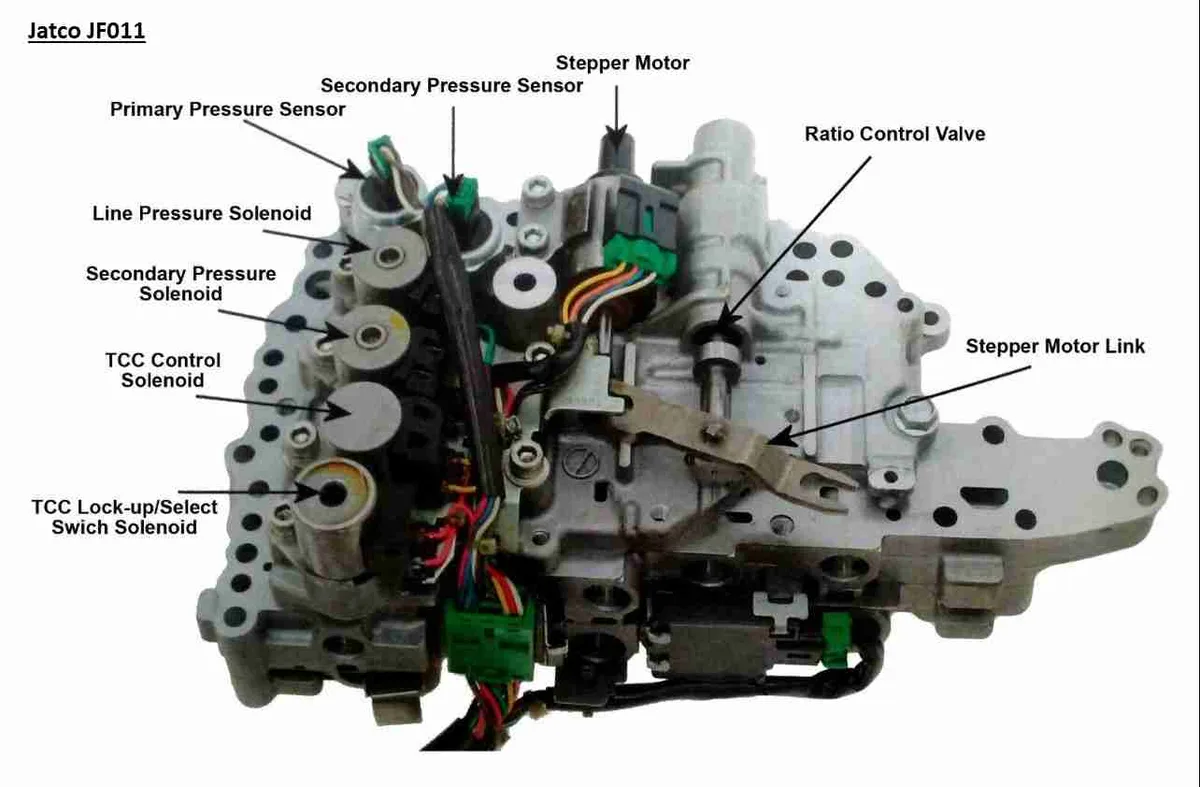
Image source: Bing (Web (fair-use with source credit))
A third test is to drive in manual mode or use the gear selector to hold a specific gear. If the shudder disappears when you manually hold fourth or fifth gear, that points even more strongly to the torque converter. The converter tries to lock up in higher gears and under light load.
Holding a lower gear keeps it unlocked.
When to Visit a Professional
If you are not sure after these tests, take the truck to a transmission shop. A proper diagnosis involves scanning the transmission control module for fault codes, checking fluid condition and level, and sometimes performing a pressure test. A good shop can tell you within an hour whether the problem is in the converter or the valve body.
Do not ignore either symptom. Torque converter shudder that goes untreated will eventually contaminate the fluid and spread debris to the valve body. Valve body sticking that goes unaddressed can cause clutch pack damage from repeated hard shifts.
The two problems often feed each other.
Step-by-Step: What to Do When You First Notice Symptoms
The moment you feel something wrong with your transmission, stop and think. Do not floor it to see if it gets worse. Do not assume it will go away.
The 10-speed does not heal itself. Here is the order of operations.
Step 1: Check the Fluid Level and Condition
Park the truck on level ground. Let the engine run until the transmission reaches operating temperature. With the engine still running, pull the dipstick and check the level.
Low fluid causes slipping and overheating. Overfilled fluid causes foaming and erratic pressure.
Wipe the dipstick on a white paper towel. Look at the color and smell the fluid. Healthy Dexron ULV fluid is reddish and smells like oil, not burnt popcorn.
If the fluid is brown, dark, or smells burnt, the transmission has been overheated. Metal particles visible to the naked eye mean internal damage has already started.
Step 2: Pull the Codes
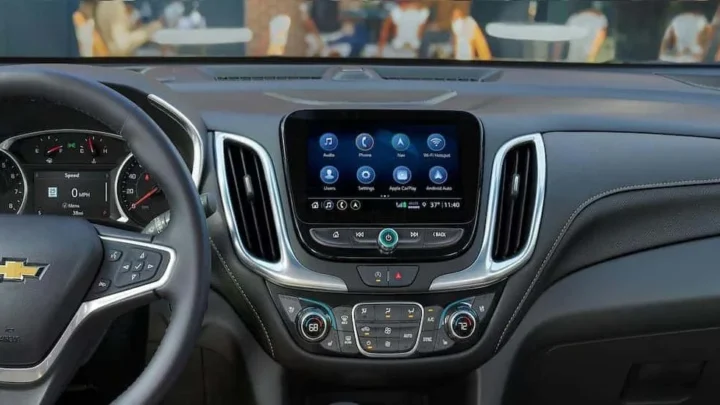
You need a scan tool that reads transmission codes. A basic OBD-II scanner may not show TCM codes. You need something that can communicate with the transmission control module.
Many auto parts stores will scan for free. Call ahead and ask if they can read transmission codes on your model year.
Common codes include P0796 (torque converter clutch stuck off), P0741 (torque converter clutch slipping), P0776 (pressure control solenoid stuck off), and P2714 (pressure control solenoid stuck on). These codes point you toward the valve body or converter.
Step 3: Check for Technical Service Bulletins
GM has issued several TSBs for 10-speed transmissions. These bulletins cover software updates, revised valve body parts, and updated torque converter assemblies. Some TSBs offer a free fix if you are still under warranty.
Others describe updated parts that solve known problems.
Search for TSBs by your vehicle VIN or by transmission model. A dealer can look these up. Some TSBs require a software reflash only.
Others call for replacing specific valve body components. A reflash costs around $150 at a dealer and solves the problem in many cases.
Step 4: Decide on the Next Step Based on What You Found
Here is the decision tree.
If you have a shudder and the fluid looks good and no codes are stored, start with a transmission fluid exchange using Dexron ULV. Some trucks improve after fresh fluid. If the shudder comes back within a few thousand miles, the torque converter needs replacement.
If you have hard shifts and a delay with codes pointing to the valve body, the repair is either a valve body replacement or a rebuild of the existing valve body with updated solenoids. Independent shops often do this for $1,500 to $2,500. Dealers charge more.
If you have metal in the fluid or grinding noises, stop driving immediately. The transmission needs a full rebuild or replacement. Towing it on a flatbed is cheaper than damaging it further.
Repair Costs, Warranty Coverage, and When to Walk Away from a Truck
Money is the part nobody wants to talk about, but it matters most. Here is what you can expect to pay and how to decide if the repair is worth it.
Cost Breakdown by Repair Type
| Repair | Independent Shop | Dealership |
|---|---|---|
| Fluid exchange (flush) | $250 – $400 | $350 – $500 |
| Software reflash | $100 – $150 | $150 – $200 |
| Valve body replacement | $1,500 – $2,500 | $2,500 – $3,500 |
| Torque converter replacement | $1,800 – $3,000 | $3,000 – $4,500 |
| Full rebuild | $4,000 – $7,000 | $6,000 – $9,000 |
| Remanufactured transmission | $4,500 – $6,500 | $5,500 – $8,000 |
Warranty Coverage
GM's factory powertrain warranty covers the transmission for 5 years or 60,000 miles, whichever comes first. If you are within that window, take it to the dealer. Do not pay out of pocket.
Some states have lemon laws that extend coverage for repeated issues.
If you bought a certified pre-owned vehicle, powertrain coverage may extend to 6 years or 100,000 miles. Check your paperwork. Extended warranties vary wildly.
Some cover transmission repairs fully. Others exclude internal wear items like clutch packs and torque converters. Read the fine print before you buy.
When to Walk Away from a Used Truck
If you are shopping for a used GM truck with the 10-speed, the repair cost math is simple. A truck with 80,000 miles and a shudder needs a torque converter soon. Factor that cost into your offer.
If the seller refuses to negotiate and the truck has a known issue, walk away.
If the transmission has already failed and the seller has no repair records, assume the worst. A truck that needs a $7,000 rebuild is worth $7,000 less than a clean example. Do not let a good price on a broken truck trick you into a bad deal.
If the truck has over 100,000 miles and no transmission service history, you are gambling. The 10-speed needs fluid changes at 45,000 to 60,000 miles for severe service. Without that maintenance, internal wear accelerates.
Budget for a potential rebuild within the first year of ownership.
Maintenance That Actually Prevents Problems (Most People Skip This)
Regular maintenance is the single best way to avoid major transmission repairs. Most owners ignore the transmission until something breaks. That is expensive.
Here is what the research and experienced transmission builders recommend.
Fluid Change Interval
GM's official maintenance schedule calls for transmission fluid inspection at 45,000 miles under severe service. Severe service includes towing, off-road driving, frequent stop-and-go traffic, and driving in extreme temperatures. For most truck owners, that is the real-world schedule.
For normal service, GM says 100,000 miles. Independent transmission builders disagree. They recommend a fluid exchange every 45,000 to 60,000 miles regardless of use.
The reasoning is simple. Dexron ULV fluid degrades over time. Heat breaks down the additives.
Contamination builds up. Waiting 100,000 miles between changes means the fluid is well past its prime.
Proper Fluid Type
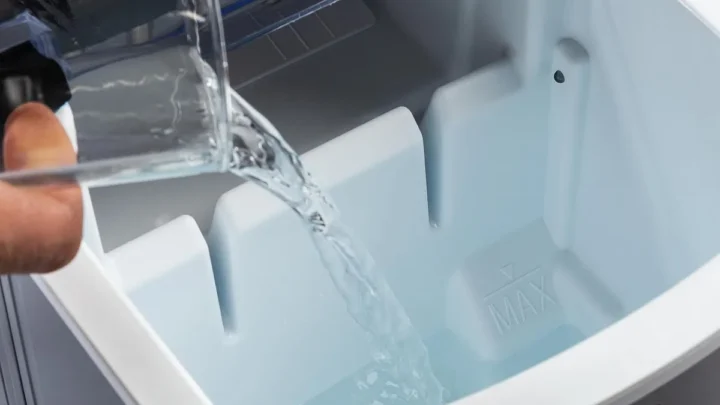
Use only Dexron ULV fluid. Not Dexron VI. Not any universal ATF.
The 10-speed is designed around the specific viscosity and friction properties of Dexron ULV. Using the wrong fluid causes shift quality issues, overheating, and accelerated wear.
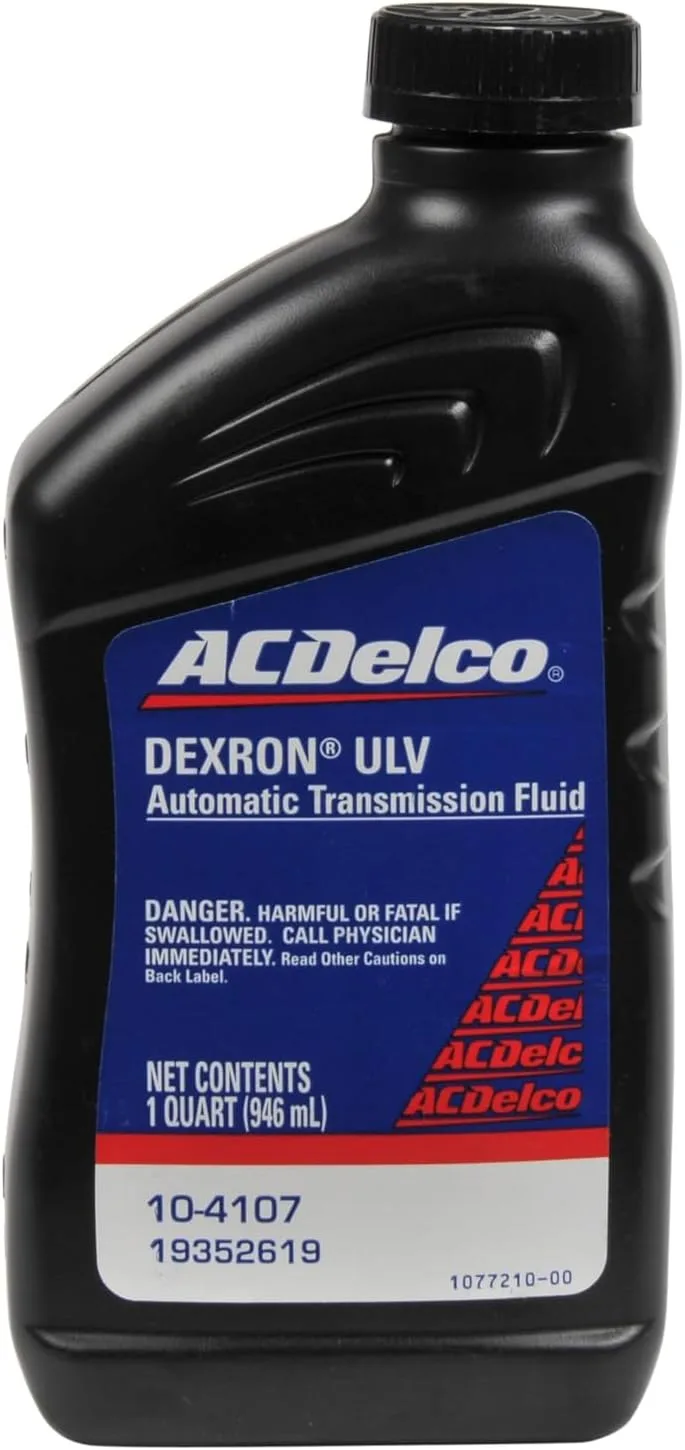
Image source: Bing (Web (fair-use with source credit)
Dexron ULV is a low-viscosity fluid. It flows better at low temperatures and maintains film strength at high temperatures. It is more expensive than standard ATF, but it is not optional.
One case of the wrong fluid can ruin a transmission.
Transmission Cooler Upgrade
If you tow regularly, add an auxiliary transmission cooler. The factory cooler is adequate for normal driving, but it struggles under sustained heavy load. An aftermarket cooler keeps fluid temperatures 20 to 40 degrees lower.
That extends fluid life and reduces torque converter wear.
Install the cooler in series with the factory cooler. Route the fluid through the factory cooler first, then through the auxiliary cooler. Use a thermal bypass valve so the fluid warms up quickly in cold weather.
Cold, thick fluid is almost as bad as hot, thin fluid.
Avoid "Lifetime" Fluid Claims
GM markets the 10-speed as having "lifetime" fluid that never needs changing. Do not believe it. Lifetime fluid is a marketing term, not an engineering standard.
Every transmission builder will tell you the same thing. There is no such thing as lifetime fluid. Change it.
Frequently Asked Questions
Is the GM 10-speed transmission reliable long term?
Yes, with proper maintenance. Well-maintained units regularly reach 150,000 to 200,000 miles. Neglected units fail before 80,000 miles.
The difference is regular fluid changes and early attention to symptoms.
Can a software update fix GM 10-speed shifting problems?
Yes, in many cases. GM has released multiple TSBs that address shift quality, torque converter lockup, and delayed engagement through software calibration. A dealer reflash costs around $150 and solves many early symptoms.
What is the most common problem with the GM 10-speed?
Torque converter shudder is the most common complaint. It causes a vibration at 30 to 50 mph under light throttle. If caught early, a fluid change can help.
If ignored, it leads to converter replacement.
How much does it cost to rebuild a GM 10-speed transmission?
Rebuild costs range from $4,000 to $7,000 at independent shops and $6,000 to $9,000 at dealerships. The wide range depends on the extent of internal damage and local labor rates.
Does the GM 10-speed have transmission cooler line problems?
Some owners report cooler line failures, especially on trucks used for towing. The factory lines can rub against other components and develop leaks. Inspect the lines regularly, especially if you tow frequently.
Can you use Dexron VI in a GM 10-speed?
No. The 10-speed requires Dexron ULV. Dexron VI has different viscosity and friction properties.
Using it causes shift quality issues, overheating, and premature wear. Stick with Dexron ULV.

Similar Posts