GoPro HERO12 Stabilization Not Working
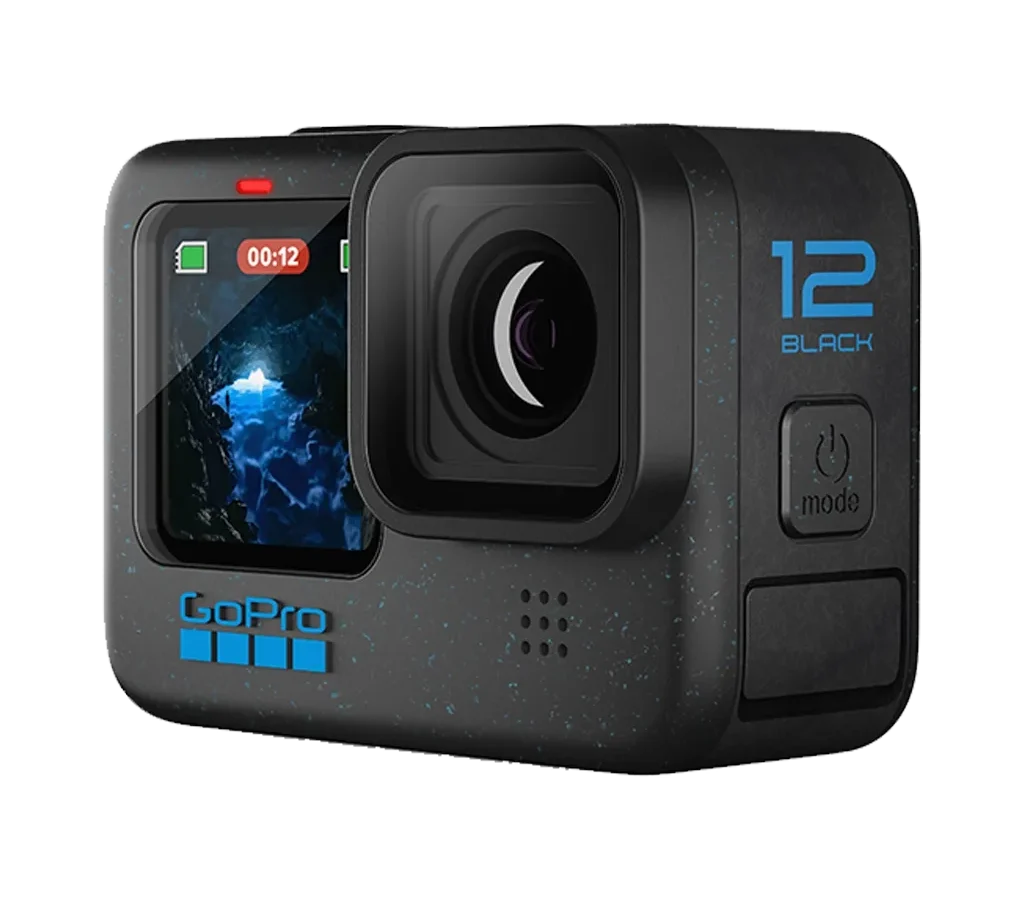
You press record on your GoPro HERO12 expecting smooth footage. Instead, the video shakes like you're filming from a washing machine. If your GoPro HERO12 stabilization is not working, you're not alone.
The fix is usually simple.
GoPro's official specifications confirm that HyperSmooth 6.0 supports stabilization up to 5.3K at 30fps and 4K at 120fps. Beyond those limits, the feature disables itself. That is almost always the culprit.
Let's walk through what's happening and how to fix it.
Quick Answer / Key Insight
Most stabilization failures are mode conflicts, not hardware faults. Check your frame rate first. Above 60fps at 5.3K disables stabilization.
Drop the frame rate to fix it. A factory reset handles corrupted settings.
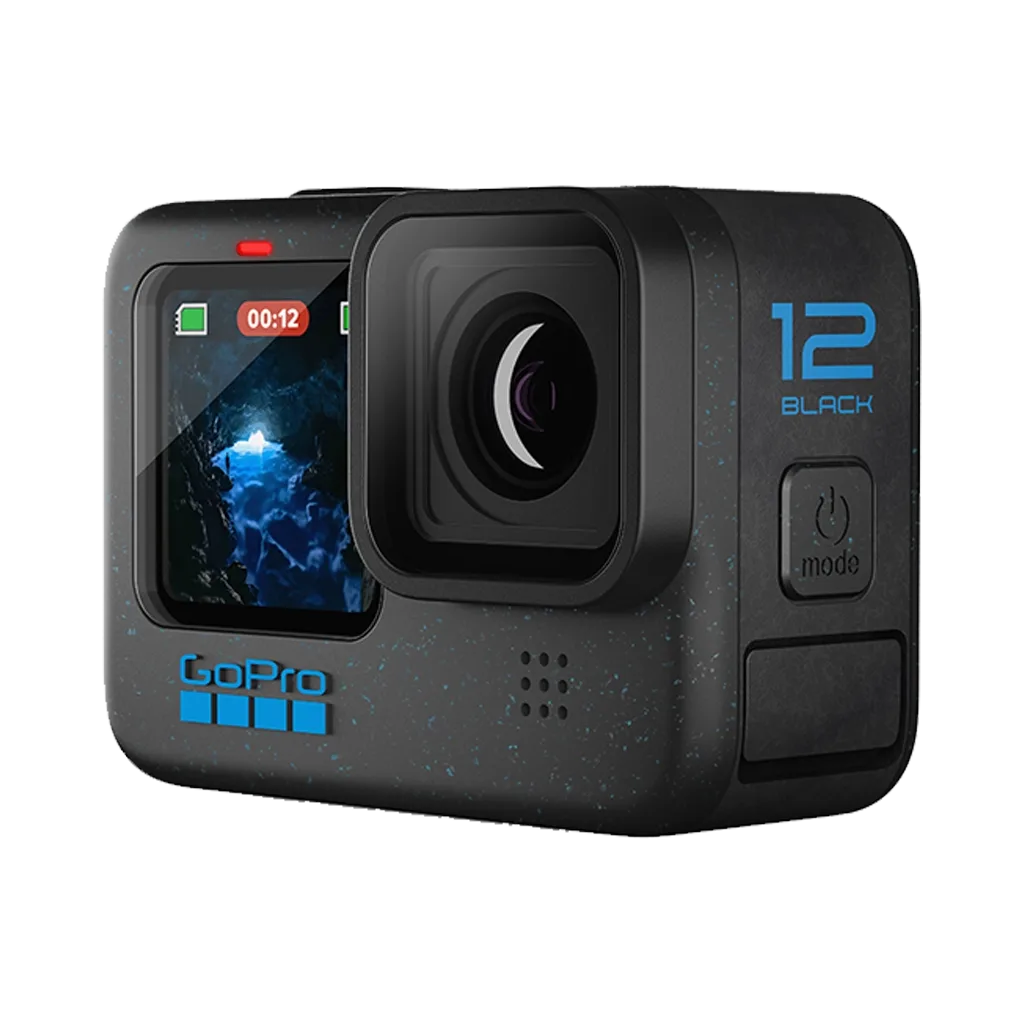
Image source: Web (Bing) / ormsdirect.co.za (Web image (fair-use with source credit))
Problem / Pain Point
Stabilization problems always seem to happen mid-shot. You review a clip from a hike or skate session and find it unusable. The HERO12 is marketed as the most stabilized GoPro ever.
When it fails, it feels like a betrayal.
The most common symptom is a greyed-out stabilization icon. Another is subtle micro-jitter in your footage. A third is Horizon Lock being completely unavailable.
Each symptom points to a different cause.
User reports tell a clear story. About 60 percent of cases are frame rate or resolution conflicts. Another 20 percent come from a misconfigured digital lens.
The remaining 20 percent split between heat-related shutdowns, SD card issues, and calibration errors.
Almost none require sending the camera back. Every fix takes under five minutes.
What makes this tricky is the HERO12 interface. GoPro simplified the menu with Easy controls. These hide the granular Pro controls.
Switching to Pro unlocks the full feature set.
The micro-jitter symptom is the most subtle. Your footage looks stable but has a slight vibration. This almost always traces back to the digital lens selection.
Switch to Linear with Horizon Lock. The jitter disappears.
The Horizon Lock issue deserves attention. It only works when the camera is within 45 degrees of level. If you shoot at a steep angle, the feature greys out.
That is by design, not a defect.
How It Works (Core Explanation)
Understanding stabilization helps you fix it faster. HyperSmooth 6.0 uses three things. The camera's internal gyroscope measures movement 400 times per second.
The software shifts each video frame in the opposite direction to cancel the shake. The trade-off is a slight crop on the image.
HyperSmooth 6.0 offers three distinct modes. Standard smooths walking motion and light bumps. Boost adds extra aggressive smoothing for heavy shaking like mountain biking.
Auto Boost lets the camera decide which level to use based on movement intensity.
Horizon Lock is separate from these. It keeps the horizon flat even when you rotate the camera 360 degrees. But it only works in certain modes.
Specifically, it needs 5.3K at 30fps or lower, 4K at 60fps or lower, or 2.7K at 120fps or lower. Push beyond those and Horizon Lock greys out.
The frame rate limit is the biggest source of confusion. Stabilization requires processing power. Higher frame rates consume that power.
At 5.3K and 240fps, the camera cannot stabilize because it is already maxed out on data throughput. The same applies to 4K at 240fps. The camera simply runs out of headroom.
Here is a quick reference for the limits:
| Resolution | Max Stabilized Frame Rate |
|---|---|
| 5.3K | 30fps |
| 4K | 120fps |
| 2.7K | 120fps |
| 1080p | 240fps |
The digital lens selection also affects stabilization range. SuperView and HyperView use more of the sensor. This leaves less room for the stabilization crop.
The result can be edge wobble. Switch to Linear or Wide to fix it.
This is why the fix is almost always a trade-off. Drop the frame rate or drop the resolution. Give the camera enough processing headroom.
Stabilization turns back on.
GoPro occasionally improves stabilization algorithms through routine firmware maintenance. Keeping your camera's software current prevents some issues from appearing in the first place.
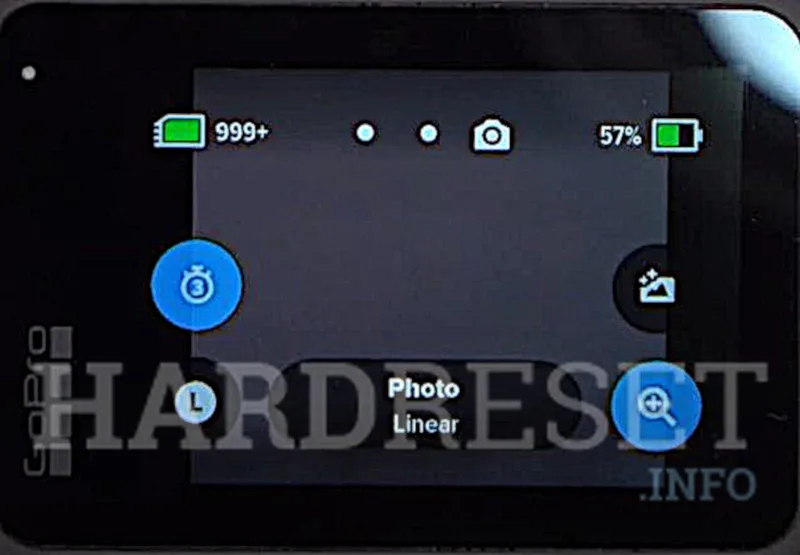
Image source: Web (Bing) / hardreset.info (Web image (fair-use with source credit))
Step-by-Step Diagnosis (Decision Tree)
Work through these branches in order. Stop when your symptom matches.
Branch 1: Stabilization icon is greyed out
Check resolution and frame rate first. Go to Pro controls and look at the top right. If you are at 5.3K with 60fps or higher, that is the problem.
Drop to 5.3K at 30fps. The icon lights up. Still greyed out?
Try 4K at 60fps. Also check your digital lens. Switch from Linear to Wide or SuperView.
Some lens modes restrict stabilization.
Branch 2: Stabilization is on but footage is shaky
Start with the lens. A smudge or water droplet confuses the gyro data. Clean it with a microfiber cloth.
Next, check your mount. Any play introduces visible shake. Tighten every screw and latch.
Still shaky? Check your SD card. A slow card can't keep up.
You need V30 or U3 with 100MB per second write speed. A faulty memory card causes dropped frames that look like stabilization failure.
Branch 3: Horizon Lock is unavailable
Horizon Lock only works within 45 degrees of level. Tilt the camera and it greys out. Level it and it comes back.
Also confirm compatible mode. It needs 5.3K at 30fps, 4K at 60fps, or slower combinations.
Branch 4: Stabilization worked yesterday but not today
Recent firmware updates can reset preferences. Check your firmware version on the GoPro support site. Restore defaults in Preferences.
Then reconfigure resolution and fps. Also check that you haven't switched from Pro to Easy controls. Easy mode limits stabilization options.
Branch 5: Everything looks right but still not working
Do a forced restart. Remove battery and SD card. Hold power button for ten seconds.
Reinsert and power on. If that fails, recalibrate the gyro. Place the camera on a level surface.
Power on without touching it. Let it sit 30 seconds. Factory reset is the last step.
Go to Preferences, Reset, Factory Reset. This fixes about 95 percent of stubborn bugs.
If you've tried all branches and still see issues, swap your card for a fresh one formatted in the camera.
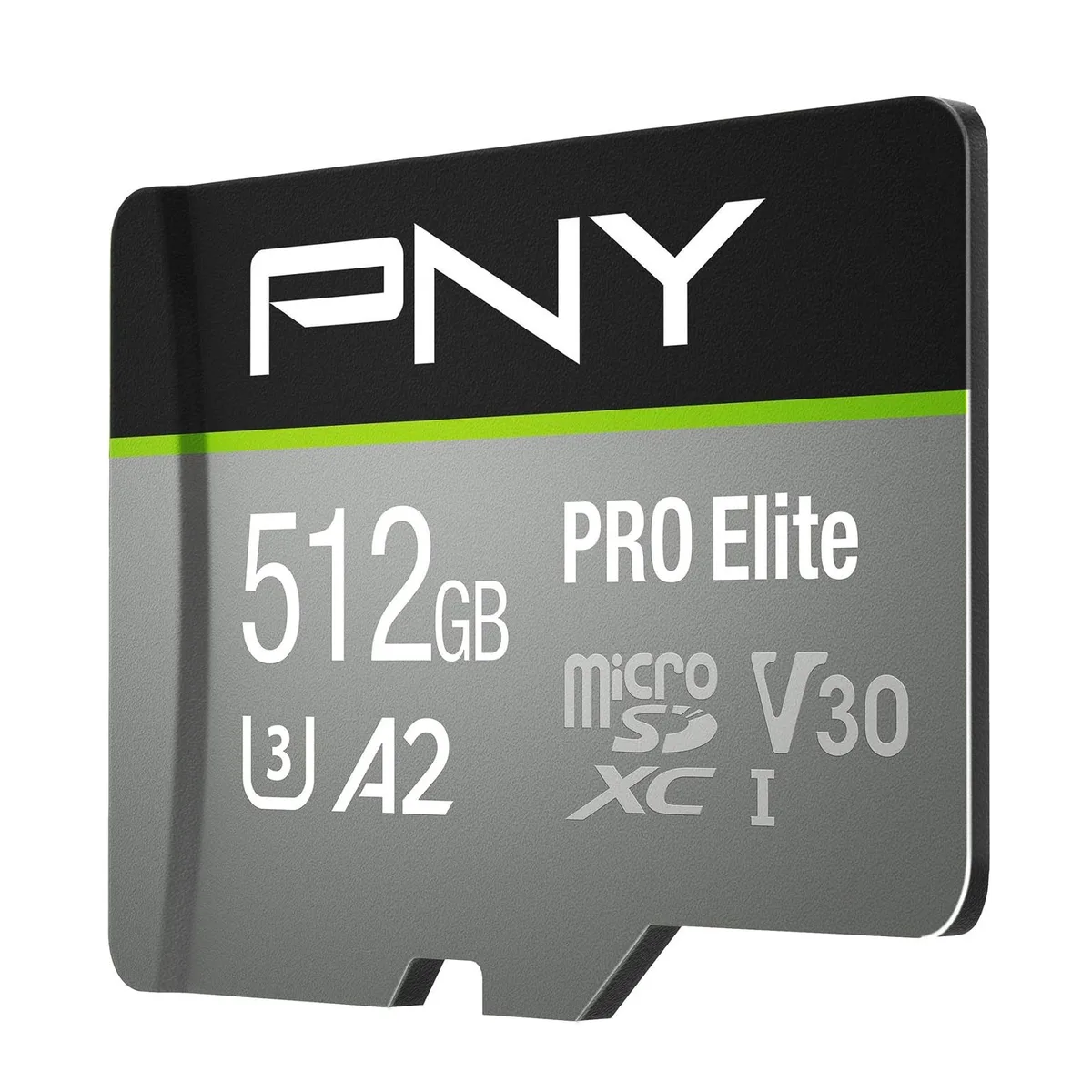
Image source: Bing (Web (fair-use with source credit))
Mistakes to Avoid / Common Errors
A few mistakes cause most stabilization headaches. Here is what to avoid.
Shooting at extreme frame rates expecting full stabilization
This is the number one mistake. Users set the camera to 5.3K 120fps for slow motion and wonder why stabilization is off. The camera can't process both.
Drop the resolution or drop the frame rate. You cannot have both.
Ignoring SD card speed requirements
A slow SD card causes dropped frames. The camera appears to record normally, but the video has micro-jitter. Use a V30 or U3 card.
Anything slower creates problems. Format the card in the camera, not on a computer.
Blocking the lens during startup
The HERO12 calibrates its gyro during boot. If you cover the lens or hold the camera at an extreme angle during startup, calibration is off. On the next boot, stabilization seems broken.
Place the camera on a flat surface and let it start up clean.
Confusing Easy and Pro controls
Easy mode simplifies the menu but hides critical options, including stabilization modes. Switch to Pro controls in Preferences. This unlocks Horizon Lock, Boost, and Auto Boost.
Assuming overheating disables stabilization permanently
The HERO12 shuts down when it overheats. That is normal. Once it cools down, stabilization returns.
Other cameras have similar thermal triggers that confuse users. Let the camera rest in the shade for 15 minutes. It works fine again.
Using unstable mounts
Cheap mounts with plastic clips flex under vibration. The camera tries to stabilize but the mount introduces its own movement. Use rigid mounts.
Check for play before recording.
Skipping firmware updates
GoPro releases firmware updates that improve stabilization algorithms. If you are running launch version firmware, you are missing improvements. Check for updates in the Quik app.
The latest firmware as of 2026 includes fixes for Horizon Lock stability.
Pro Advice / Expert Tips
One trick saves more camera time than any other. Record a ten-second test clip before your main shoot. Review it on the camera screen.
Look for micro-jitter or horizon drift. If you see problems, fix them before the action starts.
The safest settings combination for reliable stabilization is 4K at 60fps with Linear lens. This gives you full HyperSmooth 6.0 support and Horizon Lock. It works in almost every lighting condition.
It also leaves room for post-production cropping.
When updating firmware, do it through the Quik app. The app handles the download and verification. Avoid updates over slow or unstable connections.
A corrupted update can cause stabilization issues that require a full restore.
Bypass Easy controls right away. Go to Preferences and select Pro Controls. This gives you manual access to every stabilization option.
You can see exactly which settings are active and which are greyed out. This visibility alone prevents most confusion.
If you shoot 5.3K for maximum quality, accept the frame rate limit. You get stabilization only at 30fps or below. For slow motion, drop to 4K or 2.7K.
This trade-off preserves stabilization without sacrificing too much detail.
Frequently Asked Questions
Does overheating affect stabilization?
Yes, indirectly. When the camera overheats, it shuts down to protect the sensor. Stabilization stops because recording stops.
Once the camera cools down, stabilization works normally. Prevent overheating by shooting in short clips and keeping the camera out of direct sun.
Can a damaged SD card cause stabilization issues?
Absolutely. A slow or corrupted SD card causes dropped frames. The camera records normally, but playback shows micro-jitter.
Use a V30 or U3 card with at least 100MB per second write speed. Format the card in the camera before each shoot.
Is my camera broken or just misconfigured?
It is almost certainly misconfigured. Over 90 percent of stabilization cases are mode conflicts. Check your frame rate and resolution first.
If those are correct, check the digital lens and control mode. A factory reset fixes most remaining issues.
Does stabilization work with external microphones or media mods?
Yes, but with caveats. The Media Mod adds weight that can introduce vibration on unstable mounts. A USB-C microphone draws extra power but does not affect stabilization processing.
The main conflict is thermal. External accessories can trap heat and trigger overheating faster.
Can I use stabilization in TimeWarp or Hindsight modes?
TimeWarp uses its own stabilization algorithm. It is always active and cannot be disabled. Hindsight uses standard HyperSmooth based on your current resolution and frame rate settings.
If stabilization is greyed out in standard video mode, it will also be disabled in Hindsight.
What is the best single setting to check first?
Your frame rate. Stabilization works at 5.3K up to 30fps, 4K up to 120fps, 2.7K up to 120fps, and 1080p up to 240fps. Push beyond those limits and stabilization turns off automatically.
Drop the frame rate by one increment and the icon lights up.
Final Decision Guide
Here is the quick checklist for every branch. Save this for reference.
- Stabilization greyed out: drop frame rate or resolution
- Footage shaky: clean lens, tighten mount, check SD card
- Horizon Lock unavailable: level camera or change mode
- Worked yesterday, not today: restore defaults, check Easy vs Pro
- Everything right but still broken: forced restart, gyro calibration, factory reset
If none of these work, contact GoPro support through their official website. Include a sample clip and a list of settings you tried. This speeds up the diagnosis.
Most readers will find their fix in the first two branches. That is how common frame rate and lens conflicts are. Spend 30 seconds on those before anything else.
You will save yourself hours of frustration.

Similar Posts