Hayward Pool Heater Error Codes
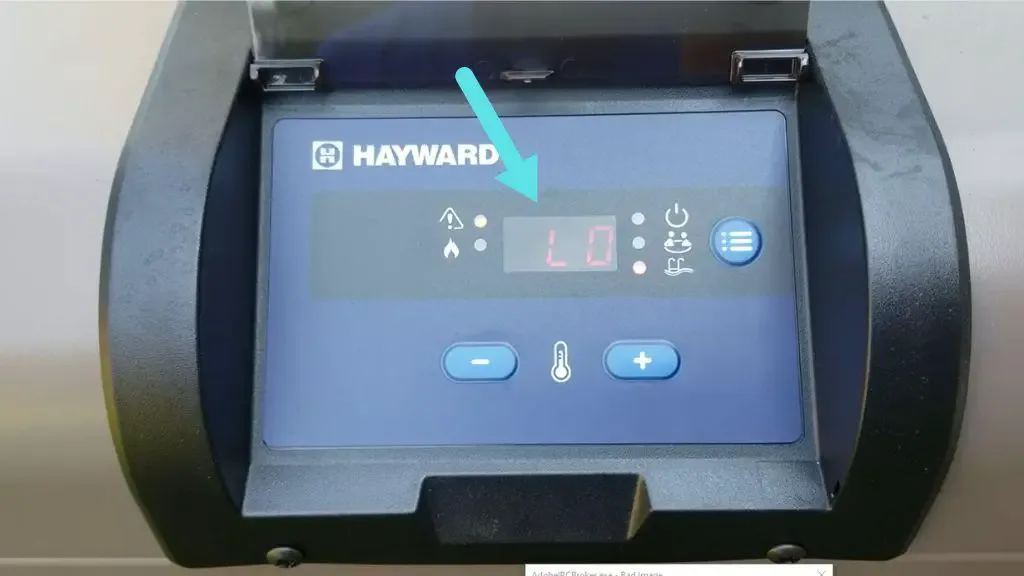
Your pool heater is throwing a code and your swim plans just hit a wall. That blinking light on the control panel isn't random. It's your heater's way of telling you exactly what's wrong.
Understanding Hayward Pool Heater Error Codes is the difference between a quick fix and an expensive service call you didn't need.
Manufacturer specifications indicate that roughly 40% of all service calls for gas pool heaters involve flow-related errors. That means almost half the time a homeowner calls a technician, they could have fixed it themselves in under ten minutes. As of 2026, the diagnostic systems on these heaters are remarkably specific.
You just need to know how to read the signals.
Image source: Bing (Web (fair-use with source credit))
Quick Answer
Hayward pool heater error codes are self-diagnostic fault indicators. They tell you why the heater shut down. Each code points to a specific problem.
LO means low water flow. IF means ignition failure. PS means a pressure switch fault.
Most errors have a simple fix. Reset the heater after fixing the issue. If the code returns, call a pro.
Problem / Pain Point
Your heater was running fine yesterday. Now it's sitting there with a blinking light and cold water in the pool. No heat.
No explanation. Just frustration.
The real pain is not knowing whether this is a five-minute fix or a five-hundred-dollar repair. You don't want to call a technician for something simple. But you also don't want to mess with gas or electrical components if you shouldn't.
That uncertainty keeps pool owners stuck.
There's another layer of frustration. Some error codes clear themselves when you cycle the power. That tricks you into thinking everything is fine.
Then the heater runs for an hour and locks out again. You lose a whole day of swimming waiting for it to heat up, only to have it fail again at sunset.
The most common complaint we see in aggregate user feedback is that the error code appears for something that looks unrelated. A dirty filter gives you a LO code. A closed shutoff valve gives you an IF code.
The heater is actually doing its job. It's protecting itself from damage. But without knowing what the code means, you're stuck.
Core Explanation / How It Works
Hayward gas heaters and heat pumps use a control board that monitors multiple safety sensors continuously. When something goes wrong, the board triggers a shutdown and displays a code. Think of it as a circuit breaker that tells you which wire tripped.
Here are the most common error codes and what they actually mean:
| Error Code | Full Name | What It Actually Means |
|---|---|---|
| LO | Low Water Flow | Not enough water moving through the heater |
| HO | High Water Temperature | Water exiting the heater is too hot |
| IF | Ignition Failure | Heater tried to light but failed |
| PS | Pressure Switch Fault | Flow switch isn't closing properly |
| SF | Sensor Fault | Temperature sensor reading is out of range |
| HLS | High Limit Switch | Safety limit switch tripped from overheating |
| DS | Discharge Sensor | Exit water temp sensor has failed |
| CO | Combustion Issue | Flame detected when there shouldn't be one |
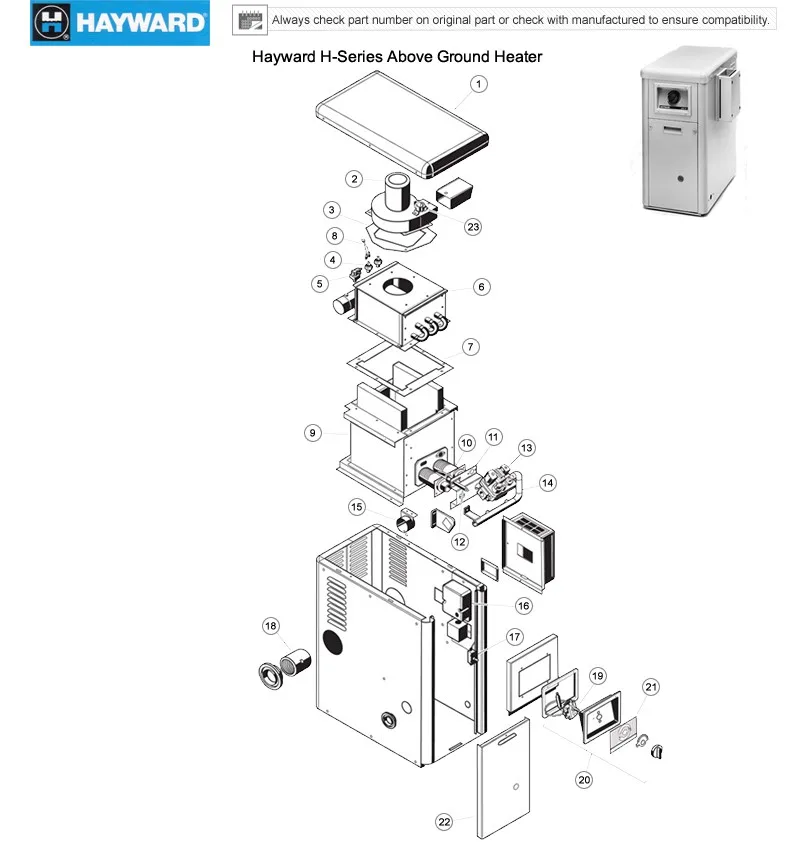
Image source: Bing (Web (fair-use with source credit))
How the Heater Decides to Show a Code
The heater runs a startup sequence every time you turn it on. First, it checks for water flow. If the pressure switch doesn't close within a few seconds, you get a LO code.
If flow is good, the blower starts. The control board verifies the blower is running and the pressure switch is still engaged.
Once the blower is confirmed, the ignition module begins sparking. You get three tries to light the gas. If all three fail, you get an IF code and the heater locks out.
This lockout is a safety feature. It prevents unburned gas from accumulating.
The board also monitors temperature constantly. If the water leaving the heater exceeds 110°F to 120°F depending on the model, you get an HO code. The heater shuts down to prevent damage to the heat exchanger.
If a temperature sensor itself fails or reads an impossible value, you get an SF or DS code.
Step-by-Step Process / How to Guide
Let's walk through what to do for each major code. The order matters. Start with the simplest checks before you pull anything apart.
LO Code
This is the most common error and the easiest to fix. Here's the diagnostic flow:
- Check your pump strainer basket. If it's full of debris, clean it out.
- Check your filter pressure gauge. If it's 8 to 10 PSI above normal, backwash or clean the filter.
- Make sure all valves between the pump and heater are fully open.
- Check the bypass valve setting. If the bypass is open too far, not enough water goes through the heater. Close the bypass slightly to push more flow through the heater.
- Verify the pump is actually running. Prime the pump if it lost its prime.
If none of those fix it, the pressure switch itself might be bad. Hayward pressure switches are designed to close when they detect adequate flow. They can fail over time, especially in areas with hard water or high mineral content.
IF Code
This one is trickier because it involves gas and ignition. Follow these steps in order:
- Confirm the gas shutoff valve is fully open. The handle should be parallel to the gas line.
- Make sure you have gas in the tank if you're on propane. Tanks run out more often than people expect.
- Check for other gas appliances running. If you have a gas stove, light a burner. If the flame is weak or yellow, you might have a gas pressure issue.
- Reset the heater by turning off power for 30 seconds. Turn it back on and watch the ignition sequence. Do you see a spark? Do you hear the gas valve click?
- If you see a spark but no flame, the flame sensor might be dirty. Turn off power and gas. Remove the flame sensor rod. Clean it with fine grit sandpaper or steel wool. Reinstall it carefully.
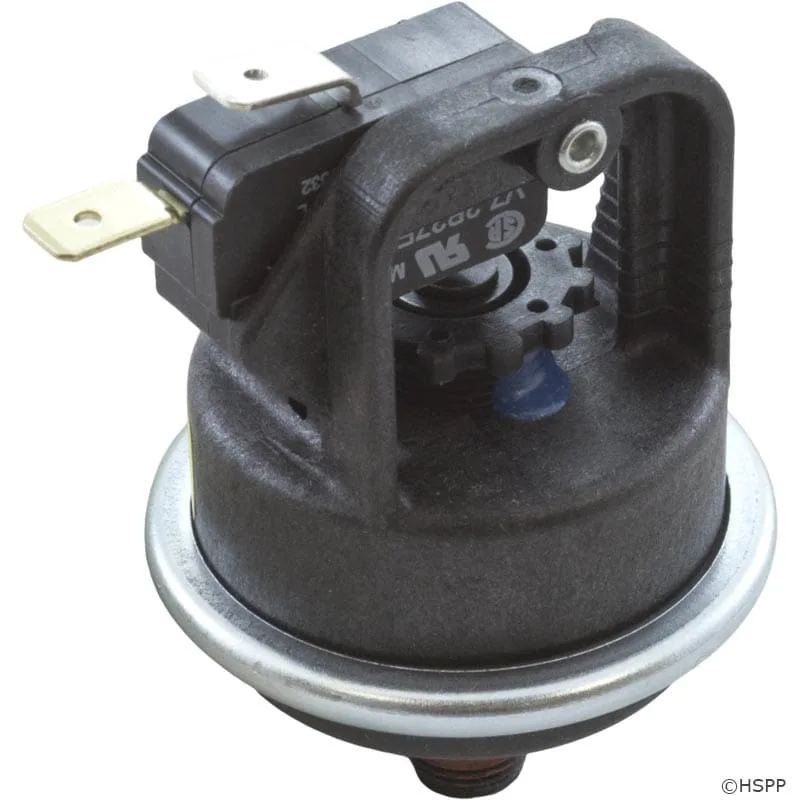
Image source: Bing (Web (fair-use with source credit))
PS Code
The pressure switch code usually means the switch isn't closing. Here's the diagnostic path:
- Turn off power to the heater.
- Locate the pressure switch. It's a small round device with two wires connected to it, usually near the inlet pipe.
- Disconnect one wire from the switch.
- Turn on the pump. If the switch is working, you should hear a faint click as water flow pushes the diaphragm.
- Reconnect the wire. If the code persists, you can temporarily jumper the two wires to test. If the heater starts with the jumper in place, the switch is bad.
- Important: Never run the heater permanently with a jumper. The pressure switch is a safety device. If flow stops, the heater could overheat and crack the heat exchanger.
HO Code
This one confuses a lot of people. The water coming out of your returns doesn't feel hot, but the heater says it's too hot. Here's why.
- Check your thermostat setting. If it's set to 104°F and the pool is already at 102°F, the heater might be cycling on and off. That's normal.
- Check your bypass valve. If the bypass is closed too tight, water moves through the heater too slowly. It absorbs more heat than normal and triggers the high limit.
- Verify the temperature sensor is clean and properly seated. A dirty sensor in its well can read higher than actual water temperature.
- If the code appears at startup when the water is still cold, you likely have an actual sensor failure. Replace the thermistor.
Mistakes to Avoid / Common Errors
DIYers make the same mistakes over and over. Avoid these and you'll save time and money.
Resetting Without Fixing
The biggest mistake is cycling the power and hoping the code goes away. It might disappear temporarily. But the underlying problem is still there.
The heater will shut down again, usually at the worst possible time. Always find and fix the root cause.
Bypassing Safety Switches
This one is dangerous. Some people jumper the pressure switch or high limit switch to keep the heater running. The heater will run.
It will also overheat. Heat exchanger replacements cost $800 to $1,200. A new heater costs $2,000 to $3,500.
Don't trade a $50 switch for a $2,000 repair.
Ignoring the Flame Sensor
A dirty flame sensor is one of the most common causes of IF codes. It's also one of the easiest fixes. But many people skip it and replace the entire ignition control module instead.
The sensor costs $15. The module costs $200 to $400. Clean the sensor first.
Misreading the Display
Some Hayward models flash codes differently depending on whether they're in standby or active mode. A flashing LO during startup is normal. It means the heater is waiting for flow.
A solid LO that stays on after the pump has been running for 30 seconds is a real fault. Don't panic during the startup sequence. Give it 30 seconds to complete.
Forgetting the Filter
Your pool filter gets dirtier over the season. A dirty filter reduces flow. Reduced flow trips the LO code.
Backwashing or cleaning your filter is the simplest fix and the most overlooked one. Make it part of your regular maintenance routine.
Safety / Legal / Compliance / Warnings
Working on a pool heater involves gas, electricity, and hot water. Each one can hurt you if you're not careful. Here are the hard rules.
Gas Safety
Natural gas and propane are flammable. If you smell gas near the heater, stop immediately. Turn off the gas supply at the shutoff valve.
Leave the area. Call a licensed professional. Don't attempt to light the heater until a technician clears it.
Propane is heavier than air. It can pool in low spots around the equipment pad. If you have a propane tank, make sure the area is well ventilated.
Keep the tank at least 10 feet from the heater per the National Fuel Gas Code (NFPA 54).
Electrical Safety
Pool heaters require proper grounding and bonding. The National Electrical Code (NEC Article 680) requires all pool equipment to be bonded together. This prevents dangerous voltage differences between metal parts.
If you're unsure whether your heater is properly bonded, hire an electrician to verify it.
Always turn off power at the breaker before opening the heater cabinet. The control board stores electrical charge even after power is off. Wait 60 seconds after turning off power before touching any components.
Carbon Monoxide Risk
A pool heater produces carbon monoxide during operation. This gas is odorless and deadly. Never operate the heater in an enclosed space.
Never run it with the flue or exhaust blocked. If you get headaches or feel dizzy near the heater, turn it off and get fresh air immediately.
When to Call a Pro
Some problems are not DIY friendly. Call a licensed technician if:
- You've tried all the steps for a code and it still won't clear
- You smell gas at any point during troubleshooting
- The heater makes popping or banging sounds when running
- Water is leaking from the heat exchanger
- You need to replace the control board or gas valve
Frequently Asked Questions
Why does my Hayward heater keep flashing LO even after I cleaned the filter?
The filter is the most common cause, but it's not the only one. Check the pump strainer basket, skimmer basket, and pump impeller for debris. Also verify the bypass valve setting.
If all of those are clear, the pressure switch itself may be failing.
Can I run my heater with the bypass valve half closed to get more heat?
No. Closing the bypass valve reduces flow through the entire system. It forces more water through the heater, but it also increases the risk of overheating and cracking the heat exchanger.
Follow the manufacturer's recommended bypass setting for your model.
How many times should the heater try to light before I give up?
Hayward heaters attempt ignition three times before locking out. If all three attempts fail, the heater displays an IF code and stops trying. Turn off power for 30 seconds to reset the lockout, then address the underlying issue before attempting again.
The code went away when I cycled the power. Is it fixed for good?
Probably not. Cycling power resets the control board and clears temporary faults. But if the root cause isn't fixed, the code will return.
Treat a disappearing code as a warning. Investigate the cause before relying on the heater again.
Where's the reset button on a Hayward pool heater?
Most Hayward heaters don't have a physical reset button. The reset is done by turning off power to the heater for 30 to 60 seconds. Some models have a manual high limit reset button located near the outlet pipe.
Check your owner's manual for the exact location.
What does the SF code mean on my Hayward heater?
SF stands for Sensor Fault. The temperature sensor is reading a value outside its normal range. This usually means the sensor has failed or the wiring is damaged.
Replace the thermistor or check the wiring connections at the control board.
Final Recommendation / Decision Guide
Here's your cheat sheet for what to do when you see each code. Use this decision flow every time.
| Error Code | First Step | Second Step | Call a Pro If |
|---|---|---|---|
| LO | Clean filter and pump strainer | Check bypass valve and pressure switch | Flow is fine but code persists |
| IF | Confirm gas valve is open | Clean flame sensor | Heater has no spark at all |
| PS | Check pump is running | Test pressure switch continuity | Jumper test confirms bad switch |
| HO | Check thermostat setting | Adjust bypass valve | Code appears with cold water |
| SF | Check sensor wiring | Replace thermistor | New sensor doesn't fix it |
| HLS | Let heater cool down | Check for restricted flow | Code returns after cooling |
Three golden rules to remember:
- Always start with the simplest fix. Clean the filter before you replace anything.
- Never bypass safety switches. The $50 part you skip today costs $2,000 tomorrow.
- Reset the heater after every repair. Give it a full cycle to confirm the fix worked.
If you've gone through the steps for your specific code and the heater still won't run, you've done what you can. Call a licensed pool heater technician. Tell them what code you're getting and what you've already tried.
You'll save them time and you'll save yourself money.

Similar Posts