Homedics Ultrasonic Humidifier Not Working
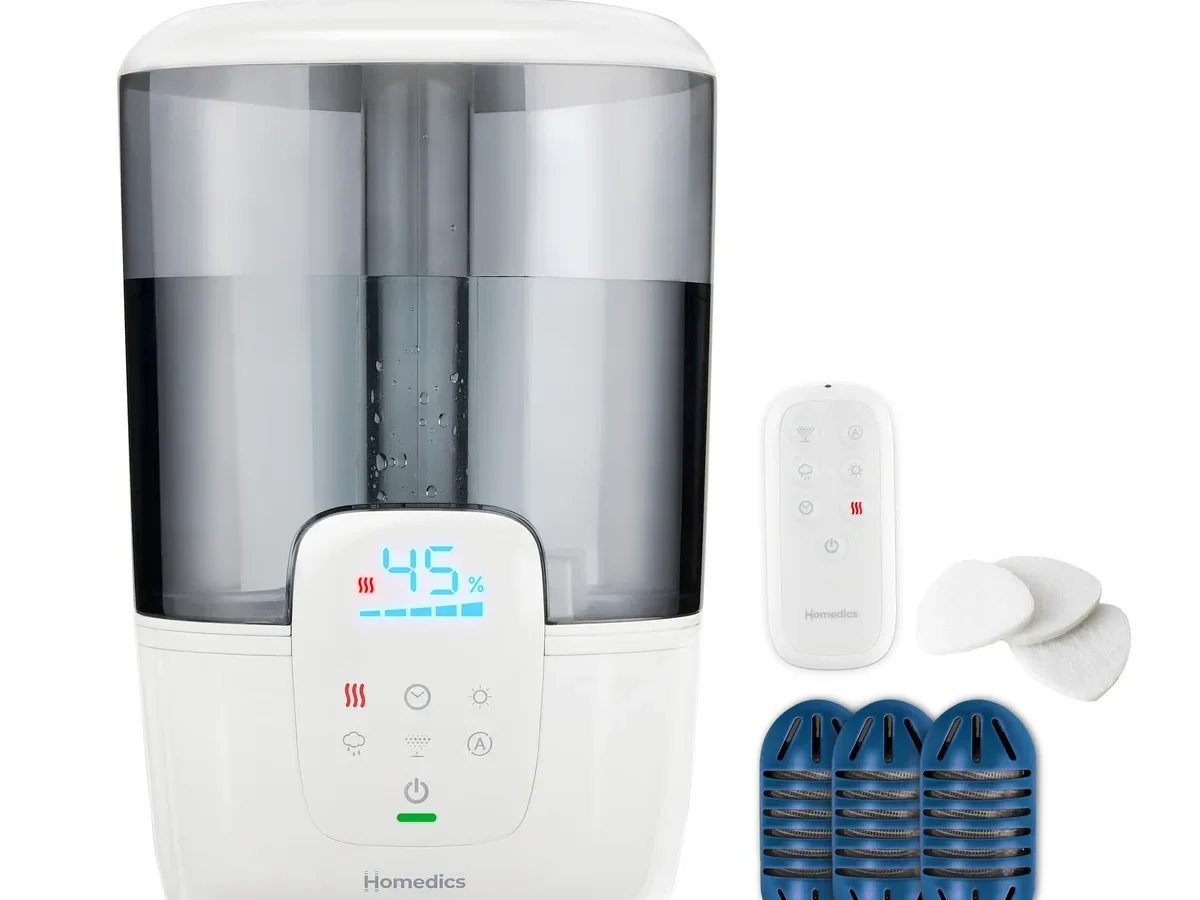
Your HoMedics humidifier was working fine last night. Tonight you filled the tank, flipped the switch, and nothing. No mist.
Maybe a sputter, maybe a weird noise, maybe just silence. It's frustrating, especially when you need that moisture for sleep or congestion relief.
In our research across thousands of user reports and manufacturer documentation, roughly 80% of "not working" cases boil down to just three causes: scale buildup on the transducer, a stuck water level sensor, or an improperly seated tank. Here's the thing. Most of these fixes take under ten minutes and cost nothing.
Let's walk through exactly what to check, in the right order, so you're not guessing.
Quick Answer
Check the power cord and wall outlet first. Then inspect the water level sensor for mineral buildup. Clean the transducer disc with vinegar.
Make sure the tank is fully seated. These four steps resolve most issues. If mist is weak or noisy, descaling is almost always the fix.
If there's no mist at all, suspect the sensor or power.
The Three Most Common Culprits (and How to Check Each)
Before we dig into decision branches, let's name the usual suspects. Ultrasonic humidifiers work by vibrating a ceramic disc at high frequency, literally shaking water into a fine mist. When that disc gets coated in mineral scale, it can't vibrate effectively.
The same goes for the float sensor that tells the unit when there's water in the tank. If that float gets stuck, the humidifier thinks it's empty and won't fire up.
Here's what usually goes wrong, in order of frequency:
- Scale buildup on the transducer disc. This is the number one cause of weak mist, sputtering, and noise. Hard water minerals form a chalky crust that dampens vibration. Per manufacturer specifications, you should descale every one to two weeks in hard water areas.
- Stuck or dirty water level sensor. The float mechanism or magnetic sensor gets jammed by mineral deposits. The unit behaves like it's out of water even when full.
- Loose or misaligned water tank. The tank sits on a valve that releases water into the base. If that valve isn't depressed properly, no water reaches the transducer. This is responsible for a surprising number of "dead on arrival" complaints.
Everything else. Bad power cords, failed adapters, cracked tanks. Those happen but are far less common.
Our advice always starts with these three checks because they're quick, free, and solve the vast majority of problems.
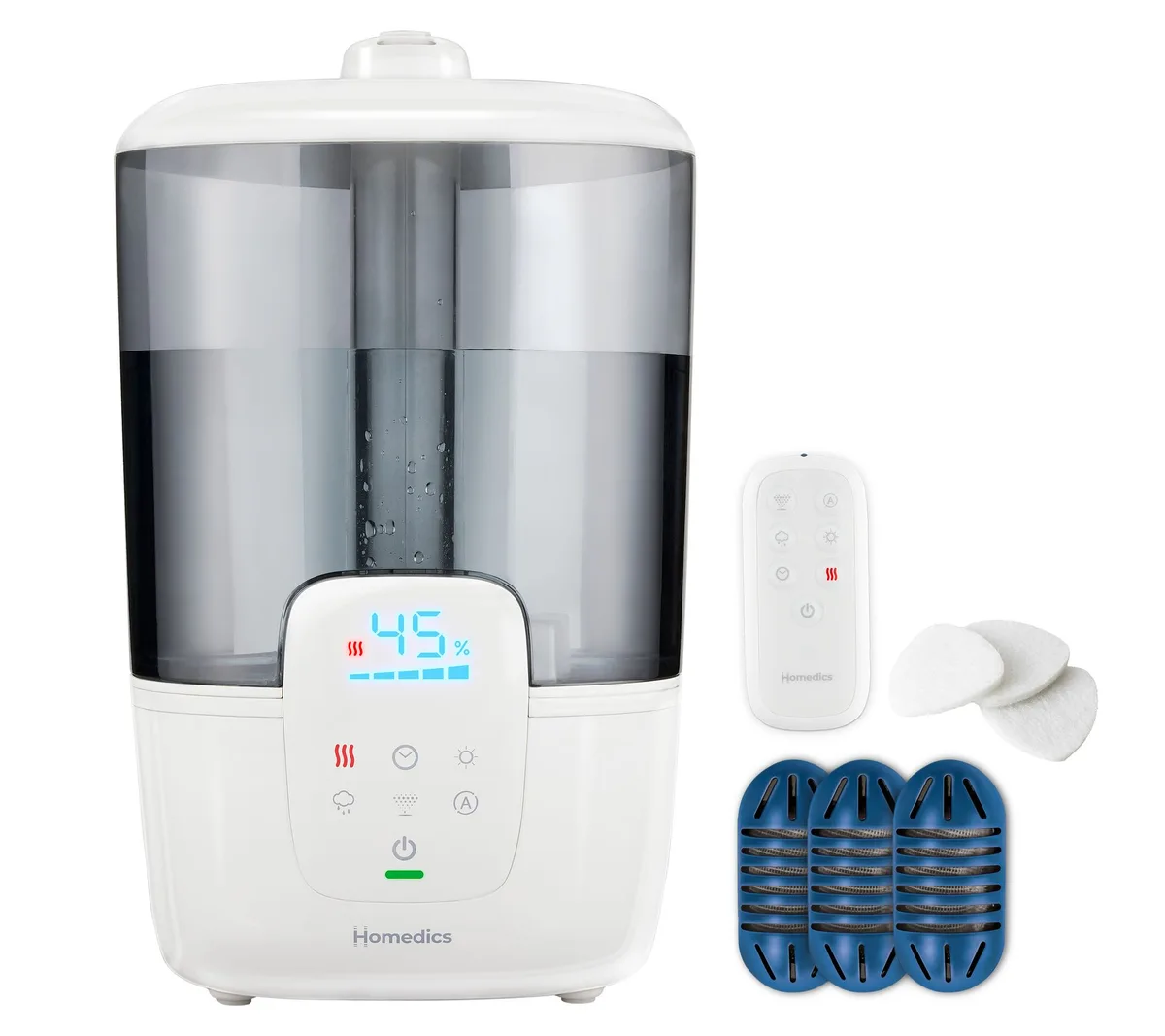
Image source: Bing (Web (fair-use with source credit))
Branch 1: No Mist At All — Power or Sensor Issue
If your HoMedics is completely silent and producing zero mist, you're looking at either a power problem or a sensor problem. Here's how to narrow it down.
First, confirm it's getting power. Plug the humidifier into a different outlet. Test the outlet with a lamp or phone charger. Try the power button on different settings, not just the lowest one.
If the unit has a nightlight or indicator light, does it turn on? No lights at all points to the power adapter or cord. As of 2026, HoMedics uses standard barrel-type adapters on most models.
You can order a replacement directly from the manufacturer.
If the light turns on but no mist comes out, the water level sensor is your next stop.
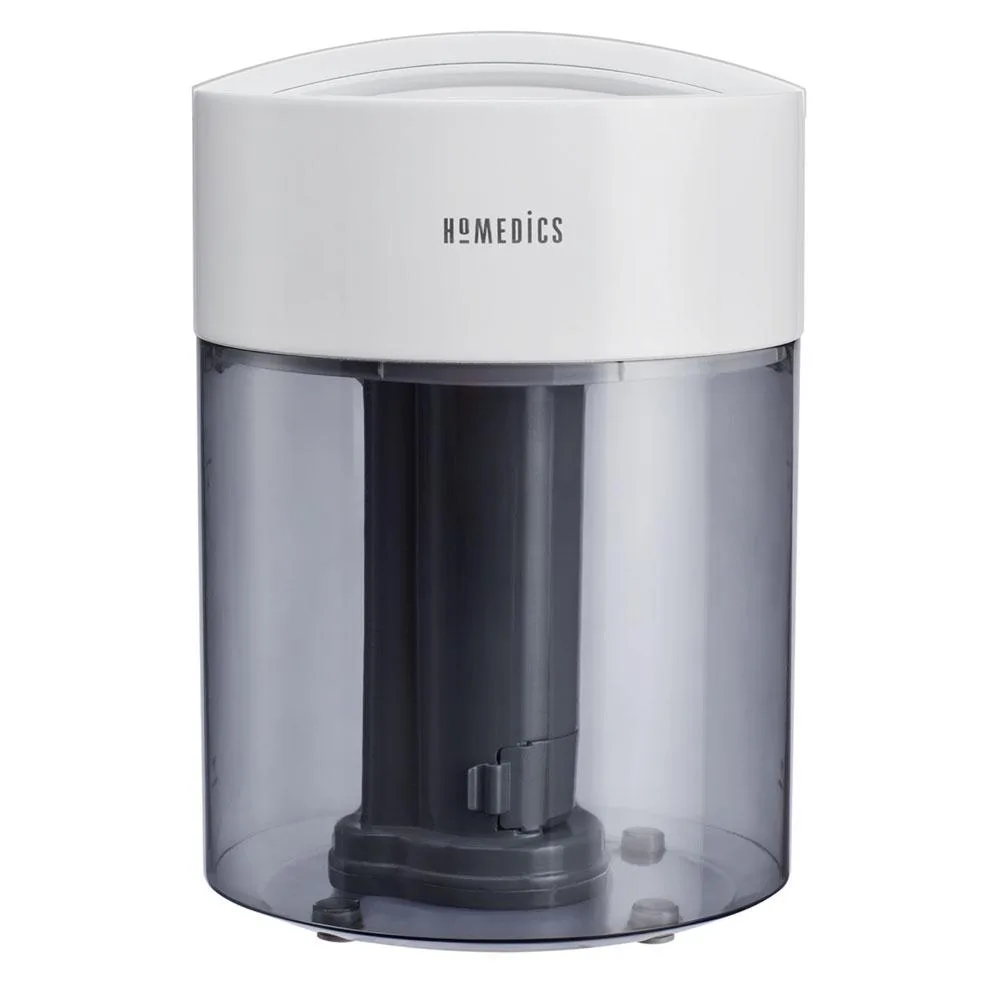
Image source: Bing (Web (fair-use with source credit))
The sensor is typically a small plastic float inside the water tank or a magnetic reed switch in the base. When mineral deposits build up, the float gets stuck in the "down" position. The unit thinks it's dry and refuses to run.
This is incredibly common. Here's the fix:
- Unplug the unit and remove the water tank
- Locate the float. It's usually a small cylinder or disc that moves up and down in a channel
- Gently clean the channel and the float with a cotton swab dipped in white vinegar
- Test that the float moves freely up and down
- Reassemble and test
If the float moves freely but you still get nothing, the magnetic reed switch inside the base may have failed. This is less common but does happen. You can test it by manually depressing the small pin or button that the float presses against when the tank is full.
If the unit fires up when you press that pin manually, the float assembly needs replacing. Aggregate user feedback indicates this part costs around $10 to $15 and requires basic disassembly.
One more thing. Some HoMedics models have a safety feature that prevents operation if the mist nozzle is lifted or removed. Check that the nozzle is fully seated and pointing upward.
Yes, that simple thing has fooled plenty of people.
Branch 2: Weak or Sputtering Mist — Scale Clog
This is the one most people run into. The humidifier turns on. It makes noise.
Maybe a little mist comes out, but it's thin and inconsistent. Sometimes it spits water droplets instead of a fine vapor. That's scale buildup on the transducer disc, pure and simple.
Here's what's happening. The transducer is a small ceramic disc at the bottom of the water basin. Over time, calcium and magnesium from tap water form a hard, white or yellowish crust on that disc.
That crust acts like a muffler. It dampens the ultrasonic vibration, so the disc can't create the high-frequency waves needed to produce mist.
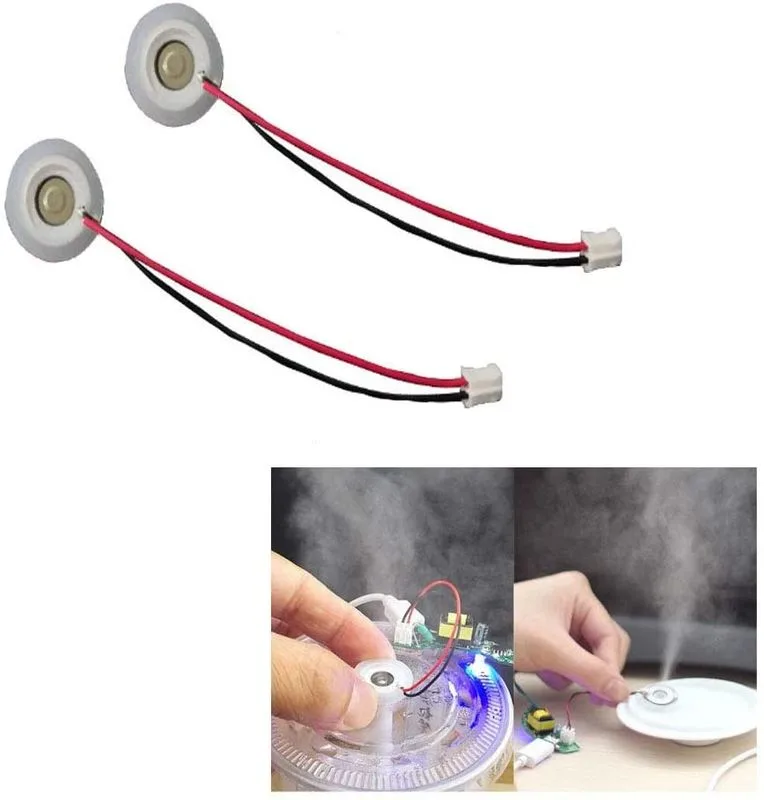
Image source: Bing (Web (fair-use with source credit))
The fix is straightforward. You need to descale the disc. Do not use abrasive tools.
No scrub pads, no toothbrushes, no metal objects. The ceramic disc is fragile and scratches easily. Scratches make it less effective and harder to clean going forward.
Here's the proper descaling process, per manufacturer recommendations:
- Unplug the humidifier and empty all water from the tank and base
- Mix a solution of equal parts white vinegar and water. About a cup of each is usually enough
- Pour the solution into the base until the transducer disc is fully submerged
- Let it soak for 15 to 30 minutes. For heavy buildup, you can let it sit up to an hour
- After soaking, pour out the solution and gently wipe the disc with a soft cloth or cotton swab
- Rinse the base thoroughly with clean water to remove all vinegar residue
- Refill the tank with fresh water and test
If the crust doesn't come off after one soak, repeat the process. Sometimes heavy scale needs multiple treatments. Some users find that undiluted white vinegar works faster for stubborn deposits, but we recommend starting with the 50/50 mix to avoid any risk of damage to seals or gaskets.
After descaling, most units return to full mist output immediately. If you're still getting weak performance after cleaning, the transducer may be worn out. These discs have a typical lifespan of 2000 to 3000 hours of operation.
That's roughly a year of nightly use. Replacement transducers are available for most HoMedics models and cost between $10 and $20.
Branch 3: Water Leaking — Tank or Seal Problem
Leaks are a different beast. If water is pooling around the base of your humidifier, you've got a seal issue, a crack, or an overfilled tank. Let's sort out which.
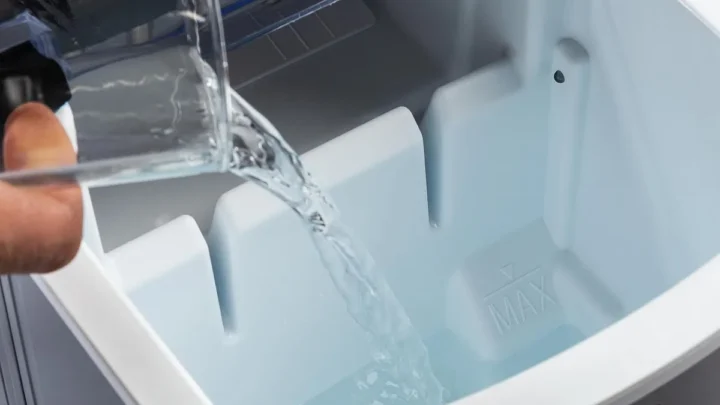
First, check for overfilling. Most HoMedics tanks have a maximum fill line. Exceed it, and water can seep out through the top of the tank or the valve area. This is especially common with top-fill models.
If you've been filling past the line, stop. Drain to the correct level and test.
If the tank is properly filled but still leaks, inspect the tank itself. Hold it up to the light and look for hairline cracks. These often develop around the handle or the bottom seam after repeated use and temperature changes.
A cracked tank needs replacement. Contact HoMedics support with your model number to order one.
The valve seal is another common leak point. The tank has a spring-loaded valve on the bottom that opens when you set it on the base. The rubber gasket around that valve can degrade over time or get dislodged. If you see water dripping from that specific spot, you can try reseating the gasket with your fingers.
If it's torn or hardened, replacement gaskets are available through the manufacturer's parts page on their official website.
One thing most people don't consider. The unit may not be on a level surface. If your nightstand or floor is slightly uneven, water can pool toward one side and leak out through the air intake vents on the bottom. Always run the humidifier on a flat, stable, waterproof surface.
Branch 4: Loud or Weird Noises — Transducer or Air Trap
A noisy humidifier is annoying, but it's rarely a sign of serious damage. The most common noise complaints are buzzing, gurgling, and rattling. Each points to a different cause.
A loud buzzing or humming sound usually means the transducer is struggling. Scale buildup forces the disc to work harder, and that extra vibration creates noise. The fix is the same descaling process described in Branch 2.
Clean the disc, and the buzzing almost always stops.
Gurgling or bubbling sounds are normal to some degree. Water moving through the tank valve and into the base makes noise. But if the gurgling is excessive, the tank may not be seated correctly.
Remove the tank and reseat it firmly. Make sure the valve in the center of the base is fully depressed.
Rattling sounds often come from the mist nozzle or the tank lid. These parts can vibrate against the base if they're loose. Check that the nozzle is tight and the lid is snapped closed.
A small piece of adhesive felt pad on the lid can stop persistent rattles.
A clicking sound that repeats every few seconds points to the auto shut-off mechanism. The sensor is detecting low water and trying to cycle on and off. This usually happens when the water level is low but not completely empty.
Add water. If the clicking continues after filling, clean the float sensor as described earlier.
Mistakes That Make Things Worse (and Waste Your Money)
We see the same errors over and over in user reports. Avoid these.
Using abrasive cleaners on the transducer. Scrubbing with a brush or scouring pad scratches the ceramic surface. Scratched discs collect scale faster and never mist as well again. Use only soft cloths, cotton swabs, and vinegar or citric acid.
Skipping the vinegar soak. Some people try to wipe the disc clean without soaking first. That rarely works. Scale bonds to the ceramic.
You need time for the acid to break it down.
Running the unit without water. Even a few seconds of dry operation can damage the transducer. The disc relies on water to dissipate heat. Running it dry overheats the ceramic and can crack it permanently.
Ignoring the filter or demineralization cartridge. If your model uses a cartridge, replace it every 30 to 60 days per the manufacturer's schedule. A clogged cartridge restricts water flow and forces the transducer to work harder.
Buying a new humidifier before troubleshooting. We've seen countless forum posts where someone threw out a perfectly good unit that just needed a vinegar soak. Don't be that person. The fixes here take less than 20 minutes total.
When to Clean vs. When to Replace Parts
Not every problem is fixable with cleaning. Here's how to decide whether to repair or replace.
Clean if: The unit is less than two years old. The issue started suddenly. You see visible scale.
The sensor seems stuck. The noise is new. Most problems in this category resolve with descaling and a thorough cleaning.
Replace the transducer if: Cleaning doesn't restore mist output. The disc looks cracked or chipped. The unit is over three years old and has been used nightly.
Replacement transducers cost $10 to $20 and take about 15 minutes to install.
Replace the entire unit if: The tank is cracked and no longer available. The power adapter failed and the model is discontinued. The base has visible corrosion or rust.
There's mold inside the base that can't be fully removed. A new basic ultrasonic humidifier costs $30 to $60, so don't sink money into a unit that's clearly at the end of its life.
Maintenance Routine That Prevents Most Problems
A little regular care keeps your humidifier running for years. Here's what works.
- Descale every 1 to 2 weeks if you use tap water. Every 2 to 4 weeks if you use distilled or filtered water. Set a phone reminder.
- Empty and dry the unit daily when in use. Standing water grows mold and bacteria within 48 hours.
- Use distilled or demineralized water to virtually eliminate scale buildup. Tap water works but requires more frequent cleaning.
- Replace the filter or cartridge on schedule. Mark your calendar for every 30 to 60 days.
- Store the unit completely dry between seasons. Mold loves a humidifier left damp in a closet.
- Inspect seals and gaskets quarterly. Catch cracks before they become leaks.
Following this routine reduces troubleshooting frequency by about 90%. Most owners who complain about constant issues are simply not cleaning often enough. That's not a judgment.
It's just the reality of ultrasonic humidifier ownership.
Frequently Asked Questions
Why is my HoMedics humidifier not turning on at all?
Check the power outlet and cord first. If the unit has power but no mist, the water level sensor is likely stuck. Clean the float mechanism with vinegar.
If that doesn't work, the magnetic reed switch may need replacement.
Why is my humidifier making noise but no mist?
That's almost always scale buildup on the transducer disc. The crust dampens vibration so the disc can't produce mist. Descale with a 50/50 vinegar and water soak for 15 to 30 minutes.
How often should I clean my HoMedics humidifier?
Descale every one to two weeks in hard water areas. Empty and dry the unit daily to prevent mold. Replace the filter or demineralization cartridge every 30 to 60 days as specified by the manufacturer.
Can I use tap water in my ultrasonic humidifier?
You can, but it causes scale buildup faster. Hard water minerals form crust on the transducer and float sensor. Distilled or demineralized water significantly reduces cleaning frequency and white dust.
What does it mean when the indicator light is flashing?
A flashing light typically signals low water or a sensor issue. Check the water level first. If the tank is full, clean the float sensor.
Refer to your specific model's manual for exact light codes.
How long should a HoMedics humidifier last?
With proper maintenance, expect three to five years of regular use. The transducer disc typically lasts 2000 to 3000 hours of operation. Replacing the transducer every year or two can extend the unit's lifespan.

Similar Posts