Hotel Collection Diffuser Troubleshooting
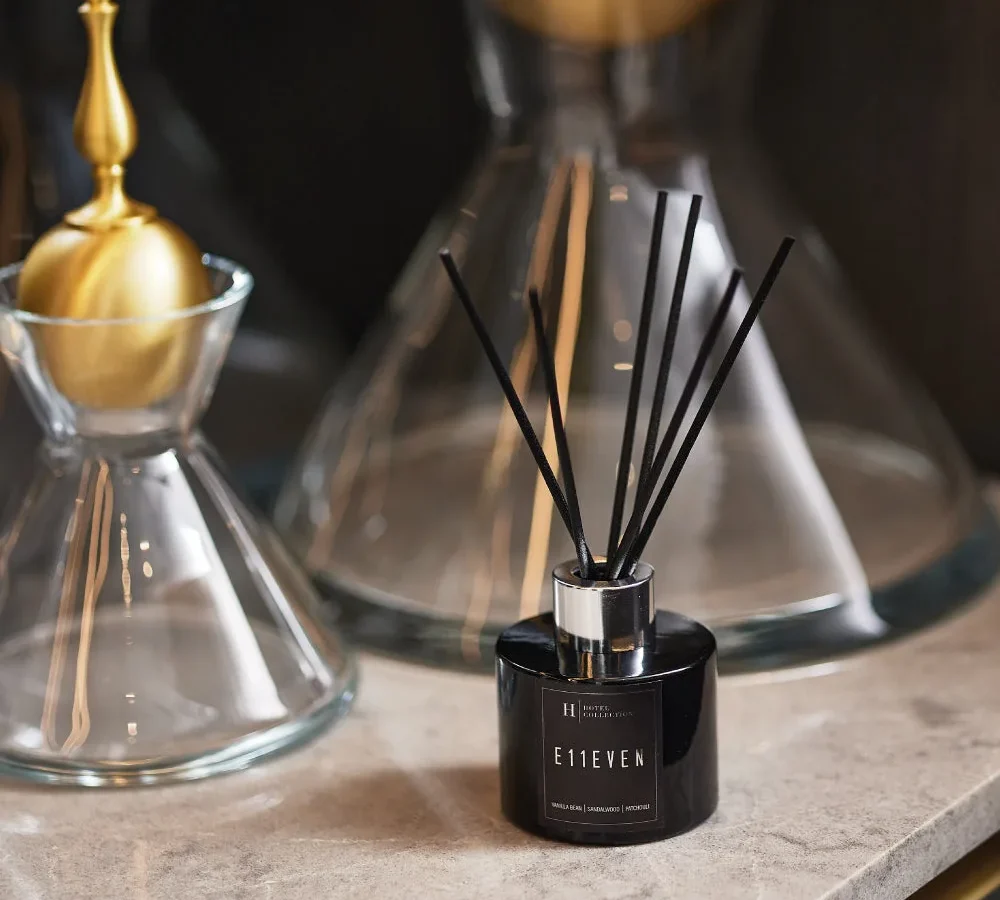
Your Hotel Collection diffuser stopped doing its job. The scent that once filled your living room is barely noticeable now. Maybe the reeds look dry.
Maybe the electric model is making a weird gurgling noise. Or maybe the oil just isn't moving.
Hotel Collection Diffuser Troubleshooting doesn't have to be a guessing game. Most problems come down to one of three things: a clog, an environment issue, or a setup mistake. Manufacturer specifications indicate that a standard 8 oz reed diffuser should last 3 to 6 months with proper care.
Understanding what's actually happening inside that bottle is the first step to fixing it.
Quick Answer
Most diffuser problems have simple fixes. Check the reeds first. Are they fully inserted?
Are they clogged? Flip them or replace them. For electric models, check the water level and the ultrasonic disc.
Clean it if you see buildup. Move the diffuser away from direct sunlight, heat vents, or air conditioning. Room temperature and humidity matter more than you think.
If the oil is low, refill or replace it. Nine times out of ten, one of these steps solves the problem.
Problem / Pain Point
When Your Hotel Collection Diffuser Isn't Working Right
You bought that diffuser because you wanted a consistent, pleasant smell in your space. Maybe you spent a decent amount on a Hotel Collection set, expecting it to last months. And it did work at first.
Then something changed.
The most common complaints we see in aggregate reviews are remarkably consistent. Users report the scent suddenly fading after two or three weeks. They notice the reeds look dry even though there's still oil in the bottle.
Some people flip the reeds and get a burst of scent for a day, then nothing again. Others with electric models find the unit stops producing mist, makes strange noises, or leaks water onto the counter.
These frustrations are real. And they're also completely normal.
Reed diffusers and ultrasonic diffusers work through physical processes affected by your environment. They aren't broken. They're responding to conditions you might not have considered.
The oil in a reed diffuser travels up the reeds through capillary action. That process slows down when the air is humid, when the reeds are saturated, or when the bottle is placed in a draft. Electric diffusers rely on a tiny ceramic disc vibrating at ultrasonic frequency.
That disc gets coated with mineral deposits from tap water. Eventually it can't vibrate effectively.
The Most Common Complaints and Why They Happen
Let's break down what you're probably dealing with based on what's actually going wrong.
No scent or very weak scent. This is the number one complaint. It usually means the reeds are clogged, the oil has evaporated faster than expected, or the room conditions are working against you. Humidity above 60 percent can seriously reduce scent throw.
Dry air from heating systems can pull oil out of the bottle too fast. You're left with empty reeds and half a bottle of oil that won't wick.
Oil won't travel up the reeds. This happens when the reeds become saturated with oil and stop drawing more. It can also happen if the reeds are coated in dust or if the bottle neck is too narrow for proper airflow. Sometimes the stopper inside the bottle wasn't fully removed during setup.
That's a surprisingly common oversight.
Oil evaporates too fast. If you're going through a bottle in a month instead of three, the diffuser is likely near a heat source, in direct sunlight, or in a very dry room. Placing it near a radiator, a sunny window, or an HVAC vent will accelerate evaporation dramatically. You're not using more oil.
It's disappearing into the air before the reeds can wick it properly.
Leaking or spills. A reed diffuser shouldn't leak if it's upright. Leaks usually mean the bottle was tipped over, the cap wasn't tightened, or the bottle has a crack. For electric models, leaking often means the water tank has a hairline crack or the unit was overfilled past the max line.
Electric model won't mist or makes noise. The ultrasonic disc is almost always the culprit. Hard water leaves mineral scale on the disc. That buildup prevents the disc from vibrating at the right frequency.
The result is weak mist, no mist at all, or a buzzing sound. Sometimes the disc is completely dry because the water level dropped below the sensor.
Reeds turning white or crusty. That white residue is crystallized fragrance oil. It happens when the oil evaporates from the reeds faster than it can be replaced by fresh oil from the bottle. It's more common in dry environments.
Those reeds are effectively clogged. They need to be replaced.
Core Explanation / How It Works
Reed Diffusers: How Oil Travels Through Reeds
Understanding the mechanism makes troubleshooting infinitely easier. A reed diffuser relies on capillary action. The same force that pulls water up a paper towel pulls fragrance oil up the porous channels inside the reeds.
Once the oil reaches the top of the reed, it evaporates into the air. That evaporation creates a slight vacuum that pulls more oil up from the bottle.
The system is self-regulating to a degree. But it's also fragile.
The reeds themselves are the critical component. Hotel Collection uses rattan reeds. These have natural channels running through them.
Those channels need to be clear for oil to travel. When the reeds become saturated after a few weeks of use, the oil can't travel as easily. There's no dry channel left to pull it upward.
That's when you flip the reeds. You swap the wet end for the dry end. This essentially resets the capillary action.
But here's the part most people get wrong. Flipping reeds too often actually shortens the life of your diffuser. Each time you flip, you introduce fresh oil into reeds that still have residual oil.
Those reeds can only hold so much. After three or four flips, they're fully saturated and won't draw any more. That's why replacement reeds are necessary.
Electric Diffusers: How the Ultrasonic Mist System Works
Electric diffusers from Hotel Collection work on a different principle. They use a small ceramic disc that vibrates at an ultrasonic frequency. Usually around 2.4 million times per second.
That vibration breaks water and oil molecules into a fine mist that's released into the air.
The disc needs to be clean and submerged to work. If the water level drops too low, the disc vibrates against air instead of water. This creates a loud buzzing sound.
It can damage the disc over time. If the disc has mineral buildup from hard water, the vibration is dampened. The mist output drops significantly.
Most electric diffusers have an auto-shutoff feature that kicks in when the water level is too low. That's a safety feature. But if your diffuser keeps shutting off prematurely, it might mean the water sensor is dirty or blocked.
Why Your Room Can Make or Break Scent Throw
Your room is part of the system. You can't ignore it.
Temperature and humidity are the two biggest factors. Ideal conditions for a reed diffuser are around 68 to 75 degrees Fahrenheit with humidity between 40 and 50 percent. In those conditions, the oil evaporates at a steady rate.
The scent throw is consistent.
Above 80 degrees, evaporation speeds up. The oil disappears faster. The scent might seem stronger for a week, but you'll run out in half the time.
Below 60 degrees, evaporation slows down dramatically. The scent becomes faint or nonexistent. The oil might even thicken and struggle to travel up the reeds.
High humidity above 60 percent is actually worse than low humidity for scent throw. The air is already saturated with moisture. The fragrance molecules have a harder time dispersing.
You might have plenty of oil in the bottle and perfectly good reeds. The scent just won't travel.
Airflow matters too. A diffuser placed directly under an air conditioning vent will have its scent blown away before it can accumulate in the room. A diffuser placed in a closed closet will create a concentrated scent bubble that doesn't reach the rest of the space.
Step-by-Step Process / How to Guide
Reed Diffuser Troubleshooting Workflow
Let's walk through the most common symptoms and exactly what to do about them. Each step follows a decision tree. Start with the symptom that matches your situation.
Follow the branches until you find the fix.
Symptom: No Scent or Very Weak Scent
This is what most people search for. Here's the workflow.
Step 1: Check the oil level. If the bottle is more than 75 percent empty, the surface area of the oil has dropped. Less surface area means less evaporation. Refill the bottle or accept that it's nearing the end of its life.
Step 2: Check the reeds. Pull one reed out and look at the bottom inch. Is it wet? If yes, oil is reaching the reed.
The problem is somewhere else. If the reed is dry, oil isn't traveling. Move to step 3.
Step 3: Inspect the bottle neck. Look inside the bottle. Is there a plastic stopper still in place? Some Hotel Collection diffusers ship with an inner seal that needs to be removed before inserting the reeds.
If the stopper is still there, the oil can't reach the reeds. Remove it.
Step 4: Check for clogged reeds. Look at the reeds. Do they have white crusty residue? Are they dark and saturated?
If yes, replace them. If they look clean and are still dry, they might be too new. Give them 24 to 48 hours to fully wick.
Step 5: Move the diffuser. Relocate it to a different spot. Avoid windows, heating vents, air conditioning, and drafty hallways. A stable temperature and moderate airflow are ideal.
Step 6: Add more reeds. If you started with six reeds, add two more. More reeds mean more surface area for evaporation. The scent will strengthen.
Just know that more reeds also mean the oil will deplete faster.
If you've done all six steps and still have no scent, the oil itself may be old or degraded. Fragrance oils do have a shelf life. Oil that's more than two years old may have lost its volatility.
Consider replacing the oil entirely.
Image source: Bing (Web (fair-use with source credit))
Symptom: Oil Won't Travel Up the Reeds
This is frustrating because you can see the oil in the bottle, but the reeds stay dry. The fix depends on why the oil isn't moving.
Check for a clogged bottle neck. Some diffuser bottles have narrow necks. If the reeds are packed too tightly, there's no room for air to flow back into the bottle. That creates a vacuum lock.
The oil can't flow out because air can't flow in. Solution: remove two reeds. Leave the remaining reeds spaced loosely so air can circulate.
Check reed saturation. If the reeds are more than three weeks old and have been flipped multiple times, they're likely saturated. The channels inside the reeds are full. New oil can't enter because there's nowhere for the old oil to go.
Solution: replace the reeds entirely.
Check oil consistency. Some fragrance oils thicken in cold temperatures. If your room is below 60 degrees, the oil might be too viscous to travel up the reeds. Move the diffuser to a warmer spot for 24 hours.
The oil should thin out and start wicking again.
Flip the reeds. This is the most common fix. Take each reed, pull it out, turn it upside down, and reinsert it with the dry end in the oil. The dry end will have fresh capillary action.
The scent will return for a few days to a week.
Symptom: Oil Is Evaporating Way Too Fast
If you're refilling your diffuser every three weeks, something is accelerating evaporation. The fix is environmental.
Move away from heat sources. Direct sunlight, radiators, space heaters, and kitchen stoves all speed up evaporation. Move the diffuser to a cooler spot.
Move away from drafts. Air conditioning vents and open windows pull evaporated oil out of the room. The diffuser releases scent faster because the concentration of fragrance in the air stays low. Move it to a room with less airflow.
Reduce the number of reeds. Fewer reeds mean less evaporation surface area. The scent will be lighter, but the oil will last longer. Remove two or three reeds.
Check the bottle seal. If the bottle cap doesn't seal tightly when you're not using it, oil can evaporate from the bottle itself. Store the bottle with the cap fully tightened when not in use.
Symptom: Leaking or Spills
A leaking reed diffuser is usually a mechanical problem.
Check the bottle for cracks. Glass bottles can develop hairline cracks, especially if they've been knocked over. If you see a crack, transfer the oil and reeds to a new bottle.
Check the cap. Some Hotel Collection diffusers have a decorative cap that sits over the reed opening. If that cap is loose, oil can seep out. Tighten it or remove it.
Check for overfilling. If you refilled the bottle yourself, you might have filled it too full. The reeds need some airspace in the bottle to allow for pressure equalization. Leave at least an inch of air at the top.
Electric Diffuser Troubleshooting Workflow
Electric diffusers have a different set of common problems. Here's how to diagnose them.
Symptom: Won't Turn On or Won't Mist
Check the power source. Is it plugged in? Is the outlet working? This sounds basic, but it's the most common cause.
Check the water level. Most ultrasonic diffusers have a minimum water line. If the water is too low, the unit won't turn on or will shut off immediately. Add water to the max line.
Check the lid. Many electric diffusers have a safety switch that prevents operation if the lid isn't properly seated. Make sure the lid is on correctly and fully closed.
Check the ultrasonic disc. Look at the metal disc at the bottom of the water tank. Is there white or brown buildup? That's mineral scale.
It prevents the disc from vibrating. Clean it with a cotton swab dipped in white vinegar. Let it soak for a few minutes, then wipe clean.
Symptom: Gurgling or Humming Noises
Gurgling. This usually means water is getting into the air intake. The unit might be overfilled or tilted. Place it on a flat, level surface.
Make sure the water level isn't above the max line.
Humming or buzzing. A loud buzz means the ultrasonic disc is vibrating against air instead of water. Add water. If the water level is fine, the disc might be dirty.
Clean it with vinegar.
Clicking sounds. This can mean the disc is cracked or damaged. If cleaning doesn't fix it, the disc needs replacement. Some electric diffusers have replaceable discs.
Check your model's manual.
Symptom: Weak Mist Output
The disc needs cleaning. This is the cause in 90 percent of cases. Hard water deposits reduce vibration efficiency. Clean the disc as described above.
The water is too cold. Ultrasonic vibration works better with room-temperature water. Cold water from the tap produces less mist. Let the water sit for 10 minutes before adding it.
The oil is too thick. Some fragrance oils are thicker than others. If the oil doesn't mix well with water, it can coat the disc and reduce output. Use water-soluble oils designed for ultrasonic diffusers.
Expert Tips / Pro Advice
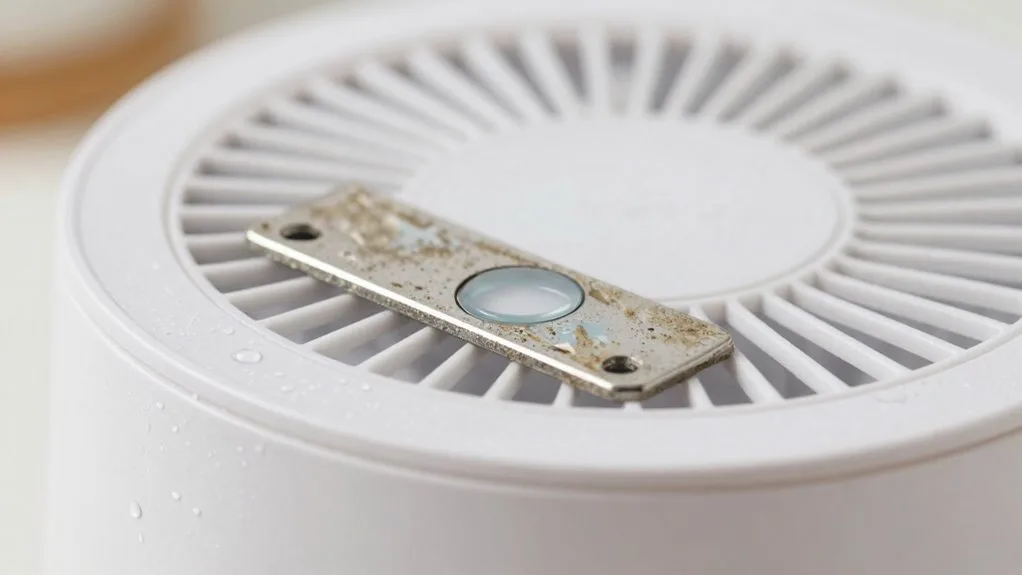
Image source: Bing (Web (fair-use with source credit))
How to Fix Clogged Reeds Without Buying New Ones
You can sometimes revive clogged reeds. But only if they aren't too far gone.
Remove the reeds from the bottle. Rinse them under warm running water. Gently rub the surface to remove any oil residue or dust.
Pat them dry with a paper towel. Let them air dry completely for 24 hours.
Once dry, reinsert them into the oil. The drying process opens up the channels again. This buys you another week or two of use.
After that, replace them.
This trick works best for reeds that are only mildly clogged. If they're crusty with white residue or have been in use for more than two months, throw them away. Replacement reeds are inexpensive.
Don't stretch a bad pair.
The Right Way to Flip Reeds (Without Dripping Everywhere)
Flipping reeds is messy if you do it wrong. Here's the clean method.
Remove each reed one at a time. Hold it over the bottle opening. Let the excess oil drip back into the bottle for about 10 seconds.
Then turn the reed around and reinsert the dry end into the oil. Wipe the outside of the bottle neck with a cloth after each reed.
Never flip all the reeds at once. Flip half of them. Wait a day.
Then flip the other half. This keeps the scent level more consistent. If you flip all of them at the same time, you get a strong burst of scent that fades quickly.
How to Descale an Electric Diffuser and When to Do It
Descaling should happen every two to four weeks if you use tap water. More often if you have hard water.
Unplug the unit. Empty any remaining water. Fill the tank halfway with white vinegar.
Let it sit for 10 to 15 minutes. Use a cotton swab to gently wipe the ultrasonic disc. Don't scrub hard.
The disc is fragile. Rinse the tank thoroughly with clean water. Wipe it dry before refilling.
Using distilled or filtered water reduces scale buildup significantly. It's worth the small cost if you use your diffuser daily.
Adjusting Scent Strength Like a Pro
You have more control than you think. The number of reeds is the main lever. More reeds equals stronger scent.
Fewer reeds equals lighter scent.
Room placement is the second lever. A diffuser near a doorway or hallway will spread scent further. A diffuser in a corner will stay more contained.
For electric models, mist output settings let you adjust intensity. Low mist for a subtle background scent. High mist for a stronger fragrance.
Most units also have an intermittent setting. It runs for 30 seconds, then pauses for 30 seconds. This conserves oil and water while maintaining a consistent scent.
Mistakes to Avoid / Common Errors
Flipping Reeds Too Often
This is the most common mistake. People flip reeds every few days thinking it keeps the scent strong. It does the opposite.
Each flip uses up a portion of the reed's capacity to absorb oil. After three or four flips, the reed is fully saturated. It won't absorb any more.
You end up with reeds that look fine but can't wick.
Flip reeds once a week at most. Once every two weeks is even better. Let the reeds do their job.
Putting the Diffuser in Direct Sunlight or Near a Vent
Sunlight heats the oil. Heat accelerates evaporation. You lose oil faster.
The scent might seem stronger for a week, but you'll need a refill in half the time.
Vents are worse. Forced air blows the scent away before it can accumulate. Your diffuser works harder to fill the room, but the room never smells right.
Keep diffusers at least five feet away from any vent or window.
Using the Wrong Oil in an Electric Diffuser
Electric diffusers need water-soluble oils. Thick, oily blends designed for reed diffusers can damage the ultrasonic disc. They coat the disc and prevent it from vibrating.
Some can even void your warranty.
Check the label. If the oil says "for reed diffusers only," don't put it in an electric model. Use oils labeled for ultrasonic or electric diffusers.
Overfilling the Water Tank
Every electric diffuser has a maximum fill line. Ignoring it causes two problems. First, the mist output is weaker because the disc has to vibrate through too much water.
Second, water can leak into the air intake. That causes gurgling sounds and can damage the electronics.
Fill to the max line. Never above it.
Ignoring Room Temperature and Humidity
You've followed every step. The reeds are fresh. The oil is full.
The disc is clean. And the scent is still weak. Check your room.
If the room is above 80 degrees, the oil evaporates too fast. If it's below 60 degrees, the oil moves too slowly. If humidity is above 60 percent, the scent can't travel.
These aren't equipment problems. They're environmental problems.
A hygrometer costs about ten dollars. It tells you your room's humidity. If it's above 60 percent, a dehumidifier helps.
If it's below 30 percent, the oil will evaporate faster. Adjust your expectations accordingly.
Maintenance / Long-Term Optimization
How to Get 6 Months Out of a Reed Diffuser Instead of 3
Most people get three months from an 8 oz reed diffuser. With good habits, you can stretch it to six.
Start with fewer reeds. Use four or five instead of the full set of eight. This slows evaporation.
Add more reeds later as the scent fades.
Keep the diffuser in a cool, stable room. Avoid temperature swings. A bedroom or hallway away from windows and vents is ideal.
Flip reeds every two weeks instead of every week. This preserves the reed's capacity longer.
Replace reeds after two months. Fresh reeds wick more efficiently. They pull oil from deeper in the bottle.
You'll get more use out of the remaining oil.
Cleaning Your Diffuser Bottle for Refilling
When the oil runs out, you can refill the bottle instead of buying a new one. But you need to clean it first.
Pour out any remaining oil. Rinse the bottle with warm water and a drop of dish soap. Swirl it around to loosen any oil residue.
Rinse thoroughly. Fill the bottle with white vinegar. Let it soak for 30 minutes.
Empty it and rinse again. Let it dry completely before adding new oil.
If the bottle had a strong scent from the previous oil, the vinegar soak neutralizes it. Don't skip this step. Mixed scents can smell odd.
Electric Diffuser Weekly Cleaning Routine
A quick weekly clean prevents most problems.
Empty any leftover water. Rinse the tank with warm water. Wipe the ultrasonic disc with a cotton swab dipped in vinegar.
Rinse again. Dry the tank with a soft cloth.
This takes two minutes. It saves you from descaling later.
When to Replace Reeds vs. When to Replace Oil
Reeds need replacement every two to three months. You'll know it's time when flipping them stops reviving the scent. The reeds feel dry to the touch.
Or they have visible residue.
Oil needs replacement when it's gone or when it smells off. Fragrance oils degrade over time. If the oil smells sour or different from when you bought it, replace it.
Don't try to stretch old oil. The scent won't be right.
If the oil is still fresh but the scent is weak, the problem is almost certainly the reeds. Replace those first. It's cheaper than a new bottle of oil.
Frequently Asked Questions
Should I flip all the reeds at once or just some of them?
Flip half the reeds at a time. Wait a day. Then flip the other half.
This keeps the scent level steady. Flipping all of them at once creates a strong burst that fades quickly.
Why did my diffuser stop smelling after two weeks?
The reeds are likely saturated. They've absorbed all the oil they can hold. Flip them or replace them.
If that doesn't help, check the room conditions. High humidity or drafts can stop scent from traveling.
Can I use essential oils instead of diffuser oil?
In reed diffusers, yes. But essential oils evaporate faster. They don't last as long as fragrance oils.
In electric diffusers, only use oils labeled for ultrasonic use. Thick essential oils can damage the disc.
My reeds are turning white and crusty. What's happening?
That's crystallized fragrance oil. It happens when oil evaporates from the reed faster than new oil can replace it. The reeds are clogged.
Replace them. This is more common in dry rooms.
How do I fix a leaking reed diffuser bottle?
Check for cracks in the glass. If you see one, transfer the oil to a new bottle. Check the cap.
If it's loose, tighten it. If the bottle was overfilled, remove some oil. Leave at least an inch of air at the top.
Is it normal for the oil level not to change?
Yes. Reed diffusers consume oil slowly. You might not see a noticeable drop for several weeks.
If the oil level hasn't changed after a month and the scent is weak, the reeds are clogged or the bottle neck is blocked. Remove two reeds to improve airflow.

Similar Posts