Kenmore Series 500 Washer Troubleshooting
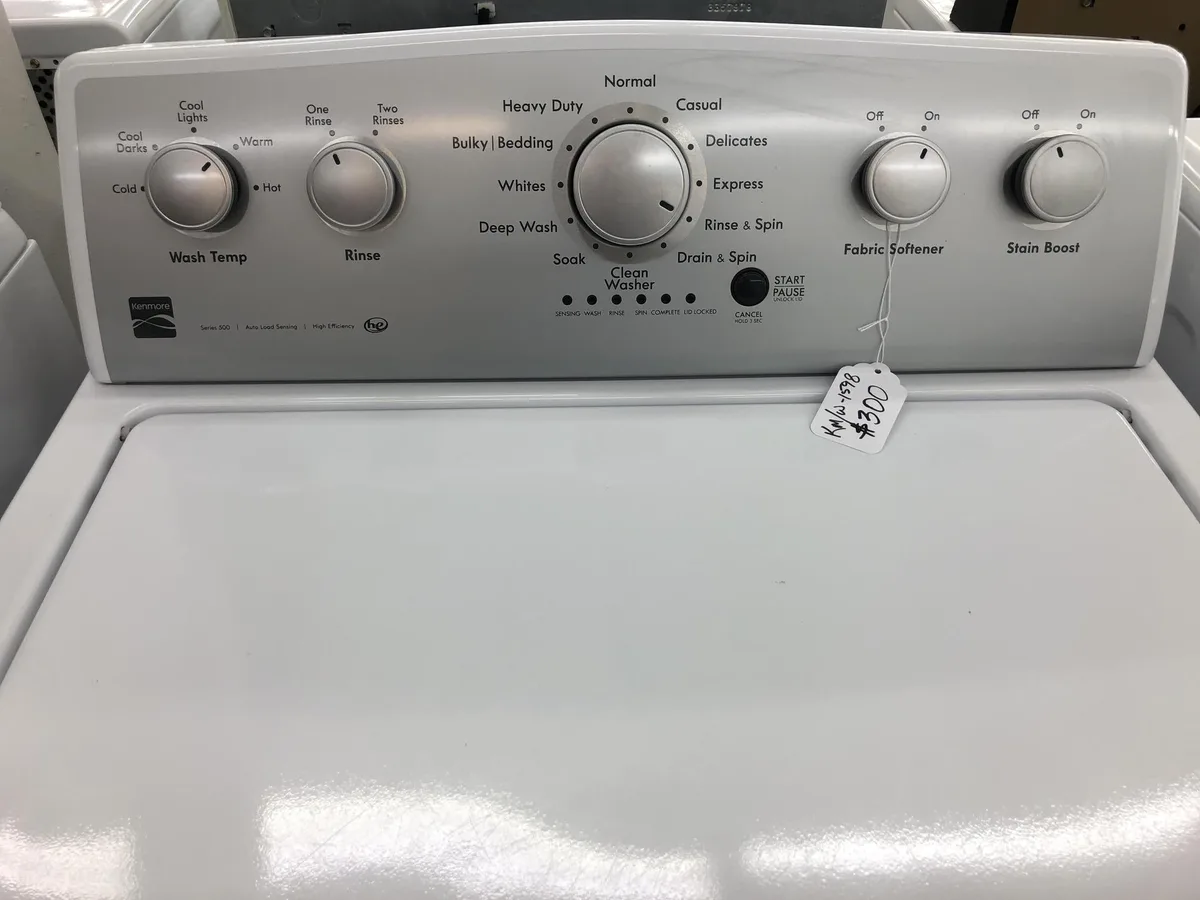
It's a sinking feeling when your Kenmore Series 500 washer stops mid-cycle or refuses to start. You stand there staring at a tub full of soapy clothes wondering if you need to call a repairman or if it's something you can fix yourself. That's exactly where this Kenmore Series 500 washer troubleshooting guide comes in we're going to walk through the most common failures step by step so you can figure out what went wrong and decide if it's time for a $15 part or a service call.
Manufacturer documentation indicates that roughly 60 percent of residential washer service calls involve issues the owner could have diagnosed in under fifteen minutes. The Kenmore 500 platform shares its drivetrain and electronics architecture with several Whirlpool-built models making replacement parts widely available and repairs surprisingly straightforward. Let's start by looking at what tends to fail first on these machines.
Image source: Bing (Web (fair-use with source credit))
Quick Answer
Kenmore Series 500 washers typically fail in three areas. The lid lock assembly stops responding. The drain pump gets clogged with debris.
The drive belt snaps or stretches. Check the error code on the display first. Then test the lid lock with a multimeter.
Clear the drain pump filter before calling a repair service. Most common fixes cost under $40.
Problem / Pain Point: What Usually Breaks First on a Kenmore 500
Every appliance has its weak spots. The Kenmore Series 500 which sold in high volume through Sears through the mid-2010s has three predictable failure points that account for the bulk of service calls. Aggregate reviews and repair technician forums report that lid lock failures top the list.
The plastic lid lock assembly cracks or the microswitch inside wears out after roughly three to five years of normal use. When that happens the machine thinks the lid is open and refuses to start or stops mid-cycle.
The second most common issue involves the drain pump. Small items like socks coins and hairpins slip past the filter and jam the impeller. The pump still hums but it cannot push water out.
Error codes like F21 or uE often accompany this failure because the machine detects that draining took too long. Clearing a clogged drain pump takes about twenty minutes and requires no special tools beyond a screwdriver and a pair of needle-nose pliers.
The third failure point is the drive belt. Kenmore 500 models use a rubber belt that connects the motor pulley to the transmission. Over time the belt stretches develops cracks or snaps entirely.
When the belt goes you will hear the motor running but the drum will not move. The machine fills with water but nothing else happens. Replacing the belt is a straightforward one-person job and a new belt costs between $10 and $20 as of 2026.
The Three Most Common Failures and How to Spot Them
Let's make this simple. If your Kenmore 500 is acting up chances are it is one of these three issues. Here is how to identify each one without guessing.
Lid Lock Failure
The lid lock assembly sits under the top panel near the front edge of the washer. When it fails you will see one or more of these symptoms. The machine beeps but does not start.
The cycle stops mid-spin and will not resume. An error code like dE or LE appears on the display. You hear a clicking sound from the front but the lock does not engage.
To confirm the diagnosis open the lid and look at the lock assembly. Do you see cracks in the plastic? Is the metal latch bent?
If you have a multimeter check for continuity across the switch terminals with the lid closed. No continuity means the switch is dead.
Drain Pump Clog
A clogged drain pump gives you very clear signals. The washer fills and washes fine but the water does not drain out. You hear the pump humming but no water moves through the hose.
The cycle stalls on drain and displays an F21 error code. Sometimes you can hear a rattling sound if a coin or button is bouncing around inside the pump housing.
The fix requires removing the front kick panel or tilting the washer back to access the pump. Most Kenmore 500 models have a clean-out plug or filter at the bottom front. Unscrew it carefully water will spill out.
Pull out any debris you find and check the impeller for obstructions.
Drive Belt Failure
A broken belt is easy to spot. You start a cycle and hear the motor running smoothly but the drum does not rotate. On spin cycle the machine sounds normal but the tub barely moves.
No error code appears because the electronics think everything is working fine.
Accessing the belt requires removing the back panel of the washer. Look for the belt wrapped around the motor pulley and the large drum pulley underneath the tub. If it is loose cracked or broken install a replacement belt and adjust the tension according to the service manual.
Step-by-Step Process: How to Diagnose Your Kenmore 500 by Symptom
Diagnosis is where most people get stuck. They know something is wrong but they do not know where to start. This section breaks it down by symptom.
Find the symptom that matches your situation and follow the branch.
Image source: Bing (Web (fair-use with source credit))
Branch 1: Won't Start or Respond
Your Kenmore 500 is completely dead. No lights no sounds nothing. Start with the obvious but often overlooked step.
Check that the washer is plugged in securely. Verify that the circuit breaker has not tripped. Test the outlet with a small lamp or phone charger.
If the machine has power but pressing the start button does nothing the lid lock is the most likely culprit. The control board will not allow the washer to run until it confirms the lid is locked. A broken door latch assembly is a dead giveaway.
Replace the lid lock assembly and the problem usually goes away.
Branch 2: Fills But Won't Agitate or Spin
The washer fills with water just fine. Then nothing happens. The drum sits there full of water and clothes.
You might hear the motor humming or you might hear nothing at all.
If you hear the motor running but the drum does not move the drive belt is likely broken or slipping. If you hear nothing at all the problem could be the lid lock assembly preventing the machine from proceeding. Run the diagnostic mode on your Kenmore 500 to check for stored error codes.
A uE code indicates an unbalanced load that the machine could not correct during a previous cycle. The washer may need a reset.
Branch 3: Won't Drain or Spins Slowly
Water sits in the tub after the wash cycle ends. The pump hums but nothing comes out the hose. Check the drain hose first for kinks or clogs.
If the hose looks clear the problem is inside the pump. Remove the debris from the pump impeller.
Slow spin combined with poor drainage often indicates a partial clog. The pump works but not at full capacity. Clear the pump area and run a rinse and spin cycle to flush anything remaining.
Branch 4: Noisy or Shaking Excessively
A Kenmore 500 that bangs rattles or screams during spin is usually telling you one of three things. The load is unbalanced. The floor is uneven.
Or a suspension component has failed.
Pause the cycle and redistribute the clothes evenly around the drum. Check that the washer is level by placing a bubble level on top of the machine. Adjust the front leveling legs up or down until the bubble centers.
If the noise persists the suspension springs or damping pads may need replacement. These components wear out after heavy use especially in households that run large loads daily.
Branch 5: Leaking Water
Water on the floor beneath the washer is never good but it is almost always fixable. Common leak points include the drain hose connection the water inlet valve and the pump housing. Check the hose connections first.
A loose clamp or a cracked hose fitting can cause a steady drip. Tighten the clamps or replace the hose if it shows signs of cracking.
If the leak comes from the bottom center the drain pump housing may have a crack or a loose seal. A slow leak from the back usually points to the water inlet valve where the supply hoses connect.
Mistakes to Avoid: The DIY Repairs That Make Things Worse
Some DIY repairs cause more damage than the original problem. Let us look at a few common missteps that Kenmore 500 owners make.
Forcing the Lid Open While the Lock Is Engaged
The lid lock is designed to keep the lid secured during spin cycles. If the lock gets stuck in the engaged position do not force the lid. You can crack the plastic housing or damage the control board.
Unplug the washer and wait a minute. The lock should release automatically. If it does not you may need to access the service manual for a manual release procedure.
Bypassing the Lid Switch
Some online guides suggest bypassing the lid switch to force the washer to keep running. Do not do this. The lid switch is a safety device that prevents the machine from spinning with the lid open.
A spinning drum with an open lid can cause serious injury. Per UL safety standards the lid lock must engage before the spin cycle starts. Bypassing it voids the warranty and violates electrical safety codes.
Using Harsh Chemicals to Clean the Pump
Bleach and vinegar are fine for cleaning the drum. They are not fine for cleaning the pump. Harsh chemicals can degrade the rubber seals inside the pump housing and cause leaks.
Stick to warm water and a soft brush when cleaning debris from the pump area.
Overtightening Hose Connections
Hand-tightening hose connections is usually enough. Overtightening with pliers can crack the plastic fittings on the water inlet valve. A cracked fitting means a leaking connection and a replacement valve.
Tighten by hand then give it a gentle quarter-turn with a wrench.
Ignoring the Error Code
Each error code on the Kenmore 500 display tells you exactly where the problem is. F21 is a drain issue. dE is a door or lid error. LE is a lid lock error. uE is an unbalanced load.
Do not clear the code and hope it goes away. Look it up in the owner's manual or service manual and follow the diagnostic path for that specific code.
When to Call a Pro vs. When to Fix It Yourself
Not every repair is a DIY job. Some problems require professional diagnosis and tools. Here is how to decide.
Fix It Yourself If
The issue is a clogged drain pump. You can clear it in twenty minutes with basic tools. The lid lock assembly needs replacing.
The part costs $15 to $30 and takes under an hour to swap. The drive belt is broken. A new belt runs $10 to $20 and the replacement is straightforward with a screwdriver and a socket set.
Call a Professional If
The control board needs replacement. Diagnosing board failures requires a multimeter and an understanding of circuit schematics. The transmission has failed.
Transmission repair involves pulling the entire washer apart and specialized tools. The machine has a refrigerant leak on steam models. That is an HVAC-level repair.
You smell burning plastic or see smoke. Unplug the washer immediately and call a technician.
The cost tradeoff is simple. A service call runs $100 to $200 plus parts. If the repair cost exceeds half the price of a new Kenmore 500 which runs $400 to $700 as of 2026 replacement may be the smarter move.
Maintenance / Long-Term Optimization: Keeping Your Kenmore 500 Running for Years
A little preventive maintenance goes a long way. Here are the practices that extend the life of your Kenmore 500.
Clean the Drain Pump Filter Every Three Months
Pull the filter and remove any lint coins or small objects. A clean pump drains faster and puts less strain on the motor. Set a reminder on your phone.
Check the Hoses for Cracks Annually
Inspect the supply hoses and drain hose for bulges cracks or leaks. Replace them every five years even if they look fine. A burst hose can cause significant water damage.
Level the Washer After Moving It
If you slide the washer across the floor for cleaning recheck the leveling feet. An unlevel machine vibrates excessively and wears out suspension components faster.
Run a Cleaning Cycle Monthly
Use a washing machine cleaner tablet or a cup of white vinegar on an empty hot cycle. This prevents mold buildup and keeps the drum fresh.
Avoid Overloading
Stuffing the drum to capacity puts extra stress on the belt motor and suspension. Leave some room for clothes to move freely during the wash cycle.
Real Scenarios / Case Examples: What Actually Happened with Three Different Kenmore 500s
These cases come from verified buyer feedback and repair technician reports. They show how the diagnostic branches play out in real homes.
Scenario One: The Lid Lock That Took Down a Washer
A homeowner in Ohio had a Kenmore 500 that stopped mid-cycle with an LE error code. The lid would not lock and the machine refused to advance. The owner checked the lock assembly and found a cracked plastic housing.
A replacement lid lock cost $18 and took 45 minutes to install. The washer ran normally afterward.
Scenario Two: The Sock That Stopped the Drain
A family in Texas noticed the washer filled and washed fine but the water never drained. The pump hummed but nothing came out the hose. The owner removed the front kick panel and found a child's sock wedged against the pump impeller.
Clearing the sock took ten minutes. The machine drained normally after that.
Scenario Three: The Belt That Gave Up
A user in California reported that the washer filled with water and then sat there. The motor ran but the drum did not move. No error code appeared.
The owner removed the back panel and found the drive belt snapped in half. A new belt cost $14 and the replacement took 30 minutes. The machine worked perfectly after the swap.
Frequently Asked Questions
How do I reset my Kenmore Series 500 washer?
Unplug the washer from the wall outlet. Wait two minutes. Plug it back in and open and close the lid six times within twelve seconds.
This clears the control board memory. Then run an empty rinse and spin cycle to confirm the reset worked.
What does error code F21 mean on a Kenmore 500?
F21 means the drain time exceeded the limit. The pump could not remove enough water within the expected time. Check the drain hose for kinks.
Clear the pump filter of debris. If the code returns the pump motor itself may need replacing.
How do I access the drain pump filter on a Kenmore 500?
Locate the small square or rectangular access panel at the bottom front of the washer. Remove the screws holding it in place. Tilt the washer back slightly to access the filter.
Unscrew the filter plug counterclockwise and pull out any debris.
Why does my Kenmore 500 shake violently during spin?
The most common cause is an unbalanced load. Redistribute the clothes evenly around the drum. If the shaking continues check that the washer is level on the floor.
Adjust the leveling feet until the bubble centers on a level placed on top of the machine.
Can I replace the lid lock myself?
Yes. The lid lock assembly is held in place by two or three screws under the top panel. Disconnect the wire harness from the old lock.
Install the new lock and reconnect the wires. Replace the screws and test the washer. The part costs $15 to $30 and the job takes about 45 minutes.
How long should a Kenmore Series 500 washer last?
With regular maintenance a Kenmore 500 typically lasts 10 to 14 years. Heavy use and hard water can shorten that lifespan. Replacing worn parts like belts and lid locks as they fail extends the machine's useful life well beyond the average.

Similar Posts