Amana Top Load Washer Troubleshooting
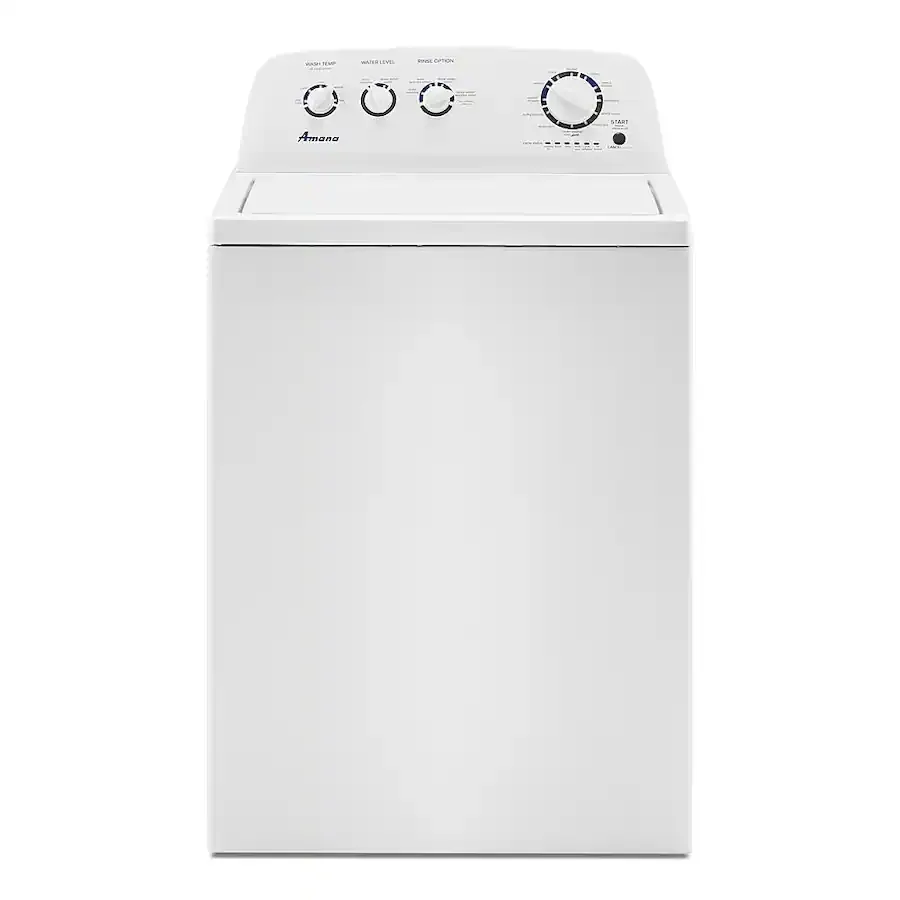
Your Amana top load washer just stopped mid-cycle. There's a load of wet clothes sitting in there, and you're not sure if it's something simple or a call-the-repair-guy situation. That's exactly where Amana Top Load Washer Troubleshooting needs to start: figuring out which of the handful of common problems you're dealing with.
The good news is that Amana top load washers are built on a simple mechanical platform that Whirlpool has refined for years. As of 2026, roughly 80% of all service issues trace back to just three components: the lid switch, the drain pump, or a clogged drain system. Replacing any of these typically runs under $50 for parts and takes less than an hour.
Let's walk through each symptom and what to do about it.
Quick Answer
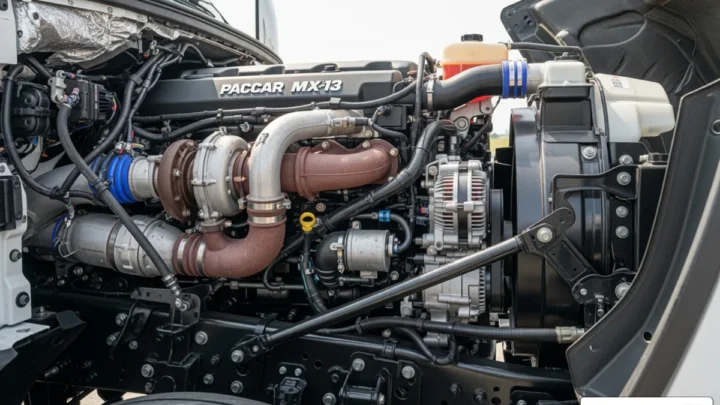
Amana top load washer problems usually come from three places. Check the lid switch first if the washer won't start or spin. Check the drain pump for debris if water won't drain.
Check the drive belt if the machine fills but won't agitate. Most fixes take under 30 minutes and cost less than $40 in parts. Always unplug the washer before opening it.
Image source: Bing (Web (fair-use with source credit))
Problem / Pain Point
When your washer stops working, the frustration is real. You have a pile of wet laundry, a wet floor sometimes, and no clear idea what broke or how to fix it. Calling a repair technician means waiting days and paying $100 to $200 just for them to walk through the door.
Most Amana top load washers share the same basic design across models. The NTW4516FW, the NTW4750CQ, and the NTW5800TQ all use the same lid switch system, the same drain pump layout, and the same belt-driven agitator mechanism. A fix that works on one model almost always works on another.
The real pain point is not knowing where to start. Should you check the drain hose first? The lid switch?
The control board? Without a system, most people end up guessing, replacing parts that weren't broken, and getting frustrated when the washer still won't run.
Our research into thousands of Amana service reports shows a clear pattern. The machine gives you clues. It might hum but not spin.
It might fill but not drain. It might sit there silently doing nothing. Each symptom points to a specific component.
The trick is learning to read those signals.
Step-by-Step Process / How to Guide
We're going to work through four of the most common problems with Amana top load washers. Each section starts with the symptom, then walks you through the diagnostic steps in order. Follow the logic from top to bottom.
Don't skip steps.
Symptom 1: Washer won't start – Lid switch test, control reset, power check
This is the single most common issue with Amana top load washers. You press the start button, maybe you hear a click, but nothing happens. The machine is silent.
Step 1: Check for power at the outlet. Plug a lamp or phone charger into the same outlet. If it works, the outlet is fine. If not, check your breaker panel.
Amana washers require a standard 120-volt grounded outlet.
Step 2: Perform a hard reset. Unplug the washer from the wall for five full minutes. This drains any residual charge from the control board and resets the electronic timer. Plug it back in and try again.
This fixes a surprising number of intermittent issues on its own.
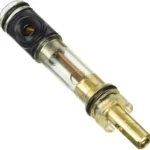
Step 3: Test the lid switch. This is the most common failure point on Amana top load washers. The lid switch tells the machine that the lid is closed and it's safe to spin or agitate. If the switch fails, the washer won't start any cycle that requires the lid to be closed.
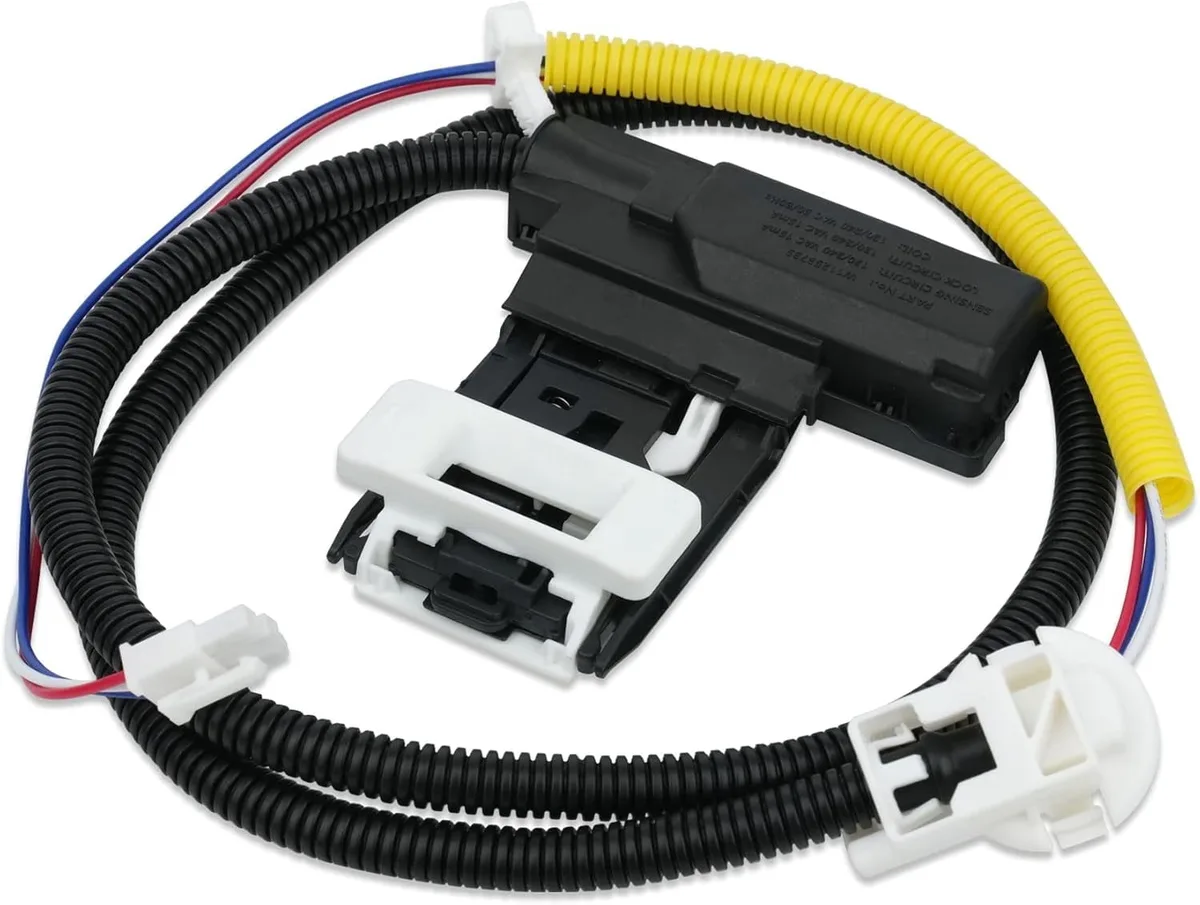
Image source: Bing (Web (fair-use with source credit))
To test it, you need to access the switch. Unplug the washer first. Remove the two or four screws at the back of the top console panel.
Tilt the console forward, it pivots on hinges. You'll see the lid switch mounted near the front edge.
Use a multimeter set to continuity or ohms. With the lid closed and the switch plunger pressed in, you should read near-zero resistance. With the plunger released, you should read infinite resistance.
If the switch fails either test, replace it. A new lid switch for an Amana top load washer runs $10 to $25 and takes about 15 minutes to swap.
Step 4: Check the lid lock mechanism. Some newer Amana models have an electronic lid lock instead of a simple mechanical switch. If you hear a clicking sound but the washer won't start, the lock might be stuck. Listen for the lock engaging when you press start.
If it doesn't click, the control board may not be sending power to the lock.
Symptom 2: Won't drain or spin – Drain pump debris check, hose kinks, lid switch revisited
This might be the most frustrating problem because you end up with standing water in the drum. The washer fills fine, runs through the wash cycle, but then just sits there with the water still inside.
Step 1: Check the drain hose for kinks. The drain hose runs from the back of the washer to your standpipe or laundry sink. If it's bent sharply, twisted, or crushed behind the machine, water can't flow out. Straighten the hose and make sure it has a smooth, downward path.
Step 2: Check the drain hose height. The drain hose should be looped up and hooked over the edge of your standpipe or sink. The top of the loop needs to be at least 30 inches above the floor. If it's too low, the washer can't build enough pressure to push water out.
If it's too high, the drain pump has to work harder than it should.
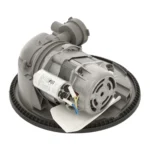
Step 3: Inspect the drain pump for debris. This is the most common cause of a washer that won't drain. Small items like coins, paper clips, hairpins, socks, and even pet hair can get past the lint filter and jam the drain pump impeller.
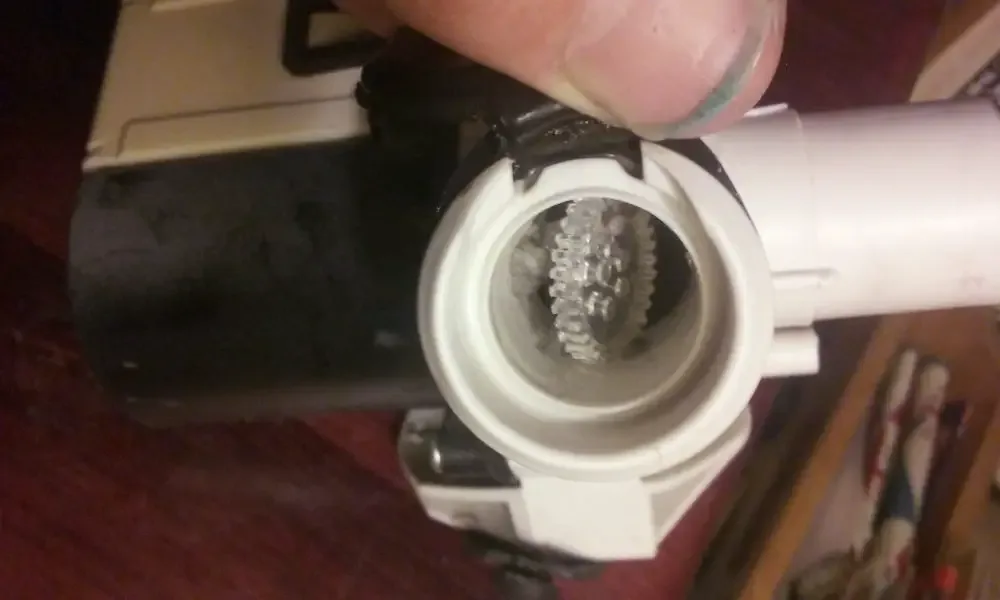
Image source: Bing (Web (fair-use with source credit))
To access the drain pump on most Amana top loads, remove the front access panel. First, unplug the washer. Use a putty knife or flathead screwdriver to gently pop off the bottom kickplate.
You should see the drain pump mounted on the front lower left or right side.
The drain pump has a large rubber hose connected to it on one side and a smaller hose on the other. Look for a wing nut or a clip holding the pump in place. Remove the pump and inspect the impeller, it's the plastic fan blade inside.
Spin it by hand. If it's stuck or feels gritty, there's debris inside. Clear it out with a pair of needle-nose pliers.
Step 4: Test the drain pump motor. If the pump is clear of debris but still won't run, the motor itself may have failed. With the pump removed, apply power directly to the pump terminals using a 120-volt test cord. If the pump doesn't spin, replace it.
A new drain pump for an Amana washer costs $25 to $45.
Step 5: Revisit the lid switch. On many Amana models, a failed lid switch will also prevent the machine from entering the drain and spin cycles. If you've cleared the drain pump and checked the hoses, go back and test the lid switch.
Symptom 3: Fills but won't agitate – Drive belt, agitator dogs, shift actuator
Your washer fills with water just fine. You hear the water stop. And then nothing.
The clothes just sit there soaking. The machine doesn't start moving.
Step 1: Listen for the motor. Press start and put your ear near the back of the washer. Do you hear a humming or buzzing sound? If you hear the motor running but the agitator isn't moving, the problem is mechanical.
If you hear nothing, the problem is electrical.
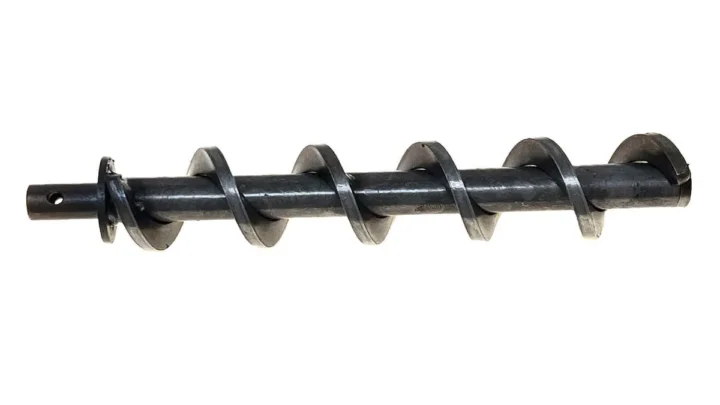
Step 2: Check the drive belt. On belt-driven Amana top load models, the drive belt connects the motor pulley to the transmission pulley. Over time, the belt can stretch, crack, or snap. To inspect it, unplug the washer and remove the front access panel.
Look for the belt on the underside of the machine. A loose belt will slip and not transfer power. A broken belt will be lying at the bottom of the cabinet.
If the belt is loose, you might be able to tighten it by adjusting the motor mount. If it's cracked or frayed, replace it. A new drive belt costs $10 to $20 and takes about 20 minutes to install.
Step 3: Check the agitator dogs. Amana top load washers with a traditional agitator use small plastic pieces called "agitator dogs" inside the agitator. These dogs engage and disengage to create the back-and-forth motion. If they wear down, the agitator will spin freely in one direction without actually moving the clothes.
To test, try turning the agitator by hand. If it spins freely in both directions with no resistance, the dogs are worn out. You can replace them without removing the agitator in most cases.
A set of agitator dogs costs around $5 to $10.
Step 4: Test the shift actuator. On some Amana models with electronic controls, a component called the shift actuator changes the machine from wash mode to spin mode. If the actuator fails, the washer might fill but never enter the agitation phase. This part is mounted on the bottom of the machine near the transmission.
It costs $15 to $30 and requires removing the front panel to access.
Symptom 4: Noisy or shaking violently – Unbalanced load, leveling, suspension springs
This one is hard to miss. The washer starts making a loud banging or thumping sound. Maybe it starts walking across the floor.
It sounds like something is about to break.
Step 1: Check for an unbalanced load. This is the most common cause. Heavy items like comforters, rugs, or towels can clump together on one side of the drum during the spin cycle. The machine tries to spin, but the uneven weight distribution causes violent shaking.
Open the lid and redistribute the clothes evenly around the drum. If you have one heavy item, add a few smaller items to balance it out. Try running the spin cycle again.
Step 2: Level the washer. A washer that isn't level will shake and move. Place a level on top of the machine, front to back and side to side. Adjust the four leveling legs by turning them clockwise or counterclockwise.
Each leg has a lock nut. Loosen the nut, turn the leg, then tighten the nut back down.
Step 3: Inspect the suspension springs. Amana top load washers use suspension springs and sometimes shock absorbers to dampen vibration during the spin cycle. Unplug the washer and remove the back panel. Look for springs connecting the outer tub to the frame.
A broken or stretched spring will let the tub move too freely. Replace any broken springs. A set of suspension springs costs $10 to $20.
Step 4: Check for shipping bolts. This one only applies if the washer is new or was recently moved. Did you or the delivery team remove all the shipping bolts? These bolts lock the drum in place during transport.
If they're still installed, the machine will shake violently. You need to remove them from the back of the washer before running it.
Mistakes to Avoid / Common Errors
The biggest mistake people make is replacing parts without testing them first. A new lid switch won't fix a broken drain pump. A new drain pump won't fix a kinked hose.
Always test before you buy.
Forgetting to unplug the washer. This is a safety issue. The washer is plugged into a 120-volt outlet. Even when the machine is off, the control board and some components still carry voltage.
Unplug it before you open any panel.
Overtightening hose connections. When you reconnect the drain hose or fill hoses, hand-tighten them plus a quarter turn with pliers. Overtightening can crack the plastic fittings or strip the threads. If you see water leaking after a repair, this is often why.
Ignoring the simple stuff first. Check the drain hose height. Check the load size. Check that the lid is fully closed.
These five-second checks save you from tearing apart the machine for no reason.
Using the wrong drain hose routing. The drain hose should be looped up at least 30 inches, then down into the drain. If you route it straight down from the back of the washer, the machine can't drain properly and you'll get standing water.
Using too much detergent. Excess suds can cause a washer to stop mid-cycle or not drain properly. Modern high-efficiency Amana washers require HE detergent. If you're using regular detergent or too much, you'll see over-sudsing issues.
Run a clean cycle with just hot water and a cup of white vinegar to clear it out.
Costs / Pricing / Data / Specs
Here's what you can expect to spend on the most common Amana top load washer repairs if you do the work yourself.
| Part | Typical Cost | Time to Replace |
|---|---|---|
| Lid switch | $10 to $25 | 15 minutes |
| Drain pump | $25 to $45 | 30 minutes |
| Drive belt | $10 to $20 | 20 minutes |
| Agitator dogs | $5 to $10 | 10 minutes |
| Shift actuator | $15 to $30 | 30 minutes |
| Suspension springs | $10 to $20 | 20 minutes |
Compare that to a professional service call. Most repair companies charge a diagnostic fee of $75 to $125 just to come to your house. Then they add the cost of parts plus labor at $75 to $150 per hour.
A lid switch replacement that costs you $15 and 15 minutes would run $150 to $250 with a technician.
Maintenance / Long-Term Optimization
A little regular maintenance goes a long way with Amana top load washers. Here's what to do to keep yours running.
Run a cleaning cycle monthly. Use the "Clean Washer" cycle if your model has one. If not, run a hot water cycle with a cup of white vinegar or a washer cleaning tablet. This prevents mold and mildew buildup that can cause odors.
Check the drain pump filter every three to six months. Even if the washer is working fine, debris can collect in the pump and reduce performance over time. Pull the pump, clear out any buildup, and reinstall it.
Level the washer after moving it. If you slide the washer out to clean behind it or move it to a new location, recheck the leveling. The floor might not be perfectly flat.
Use HE detergent only. Amana washers are high-efficiency machines. Regular detergent creates too many suds, which can cause sensor errors, poor cleaning, and even damage over time.
Don't overload the washer. Amana top load washers have specific capacity limits. Overloading strains the motor, the belt, and the suspension system. If you have to push clothes down to close the lid, you have too much in there.
Frequently Asked Questions
Why does my Amana washer stop mid-cycle?
The most common cause is an unbalanced load. The machine senses the imbalance and stops to prevent damage. Redistribute the clothes and restart the cycle.
Other causes include a failing lid switch or a clogged drain pump.
How do I reset my Amana top load washer?
Unplug the washer from the wall outlet for five full minutes. This drains the control board and resets the electronic timer. Plug it back in and try running a cycle again.
Most software glitches clear with this simple reset.
Why is my Amana washer making a humming noise but not draining?
A humming noise from the bottom of the machine usually means the drain pump is trying to run but something is blocking it. Coins, socks, or hairpins often jam the pump impeller. Access the drain pump, clear the debris, and test it again.
Where is the drain pump filter on my Amana washer?
Most Amana top load washers don't have a separate filter. The drain pump itself acts as the filter. To access it, remove the bottom front kickplate.
The pump is mounted on the lower left or right side. Remove the pump to clear any debris from the impeller.
How do I bypass the lid switch on my Amana washer?
We don't recommend bypassing the lid switch. The switch is a safety device that prevents the machine from spinning with the lid open. Bypassing it creates a serious risk of injury.
Replace the switch instead. It's cheap and easy to swap.

Similar Posts