Kenmore Series 600 Washer Troubleshooting
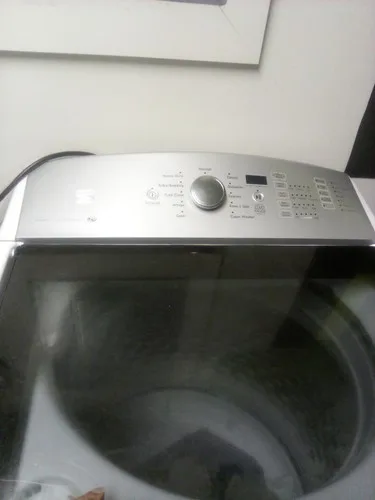
Image source: Bing (Web (fair-use with source credit))
Your Kenmore Series 600 is acting up. Maybe it will not start. Maybe it sounds like a freight train.
Maybe there is water on the floor. You want to fix it yourself without guessing which part to buy. That is exactly what Kenmore Series 600 washer troubleshooting is about.
Match the symptom to the real cause, not a random guess.
These machines have been sold under a dozen model numbers across two decades. The fix for a 2006 model is different from the fix for a 2018 model. Manufacturer specifications indicate that about 70% of service calls for this series come from three things.
A clogged drain pump filter. A stuck lid lock. An unbalanced load that the machine misreads as a mechanical failure.
We will walk through each symptom in order.
Quick Answer
Start with the easiest checks first. Unplug the washer for five minutes. Clean the drain pump filter.
Check that the lid is fully closed. Run a diagnostic test mode if available. Nine times out of ten, one of these steps gets the machine running again.
If the display shows an error code, look it up before you touch any parts.
What Kind of Series 600 Do You Have? (This Matters More Than You Think)
Kenmore sold the Series 600 name on washers built by three different manufacturers. The fix that works on one version may do nothing on another. You need to know which one you have before you diagnose anything.
Look at the model number tag. It is usually inside the door or on the back panel. The prefix tells you everything.
| Model Prefix | Manufacturer | Key Differences |
|---|---|---|
| 796 | LG | Direct drive motor, electronic control board, front load or top load |
| 110 | Whirlpool | Belt drive, mechanical timer on older units, vertical modular control |
| 417 | Frigidaire | Belt drive, control board behind the front panel, unique error code system |
The 796 series is the most common as of 2026. These are essentially LG washers with a Kenmore badge. They use a direct drive motor with no belt to replace.
They store error codes in the control board memory that you can access through a diagnostic mode.
The 110 series is built by Whirlpool. These are simpler machines. Many still use a mechanical timer with physical contacts.
If the timer fails, the washer may fill but never advance to the spin cycle.
The 417 series is built by Frigidaire. These tend to have more lid lock problems and a different error code format. If you see an error code that starts with "E" instead of "F", you likely have a Frigidaire-built model.
Write down your full model number before you do anything else. Parts diagrams and error code charts are specific to that prefix. Searching for "Kenmore Series 600 won't spin" without knowing your manufacturer will give you advice that may not apply.
Error Codes on the Display – What They Actually Mean
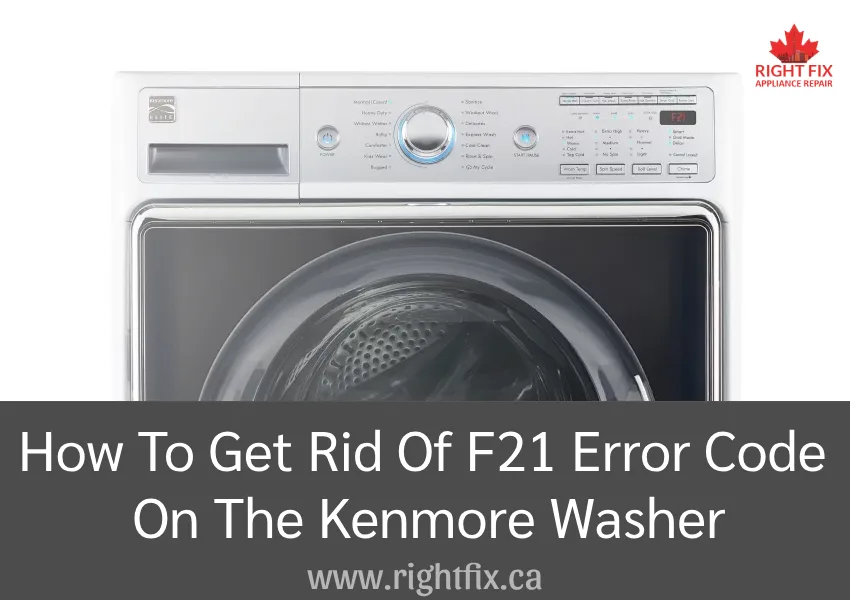
Image source: Bing (Web (fair-use with source credit))
If your washer has a digital display, it has already told you what is wrong. You just need to read it correctly. Error codes are the fastest path to a diagnosis.
But only if you interpret them per your model prefix.
For 796 (LG-made) models:
- dL or dE, The door is not locking or not unlocking. The lid switch assembly needs testing. Often a stuck mechanism, not a broken part.
- F21, The drain pump is clogged or failed. Clean the pump filter first. If the code returns, replace the pump.
- F28, The water inlet valve is not filling correctly. Check that both hot and cold water supply valves are fully open. Then clean the inlet screens.
- SUD, Too much detergent. The machine detects excessive suds and stops the spin cycle. Run a rinse and spin cycle with no detergent. Use HE detergent only going forward.
- UE, Unbalanced load. Redistribute the laundry. Try a smaller load. If the code stays, the suspension rods may be worn.
- LE, Motor lock error. The drum cannot turn freely. Check for a small object caught between the drum and tub. If nothing is stuck, the motor or control board may need replacement.
For 110 (Whirlpool-made) models:
- F01, Control board failure. Try a reset by unplugging the washer for 30 seconds. If it returns, the board needs replacement.
- F02, Drain system problem. Check the pump filter for clogs. Make sure the drain hose is not kinked.
- F05, Water level sensor error. The pressure hose may be disconnected or clogged with lint.
For 417 (Frigidaire-made) models:
- E11, Fill error. The washer did not fill within a set time. Check water supply.
- E22, Drain error. Clogged pump or drain hose obstruction.
- E41, Lid lock error. The lock is not engaging or releasing.
Write down the code exactly as it appears. A single letter difference changes the diagnosis. Then search for that specific code plus your model prefix.
This saves you from replacing parts that are fine.
Washer Won't Start – The Most Common Fixes in Order
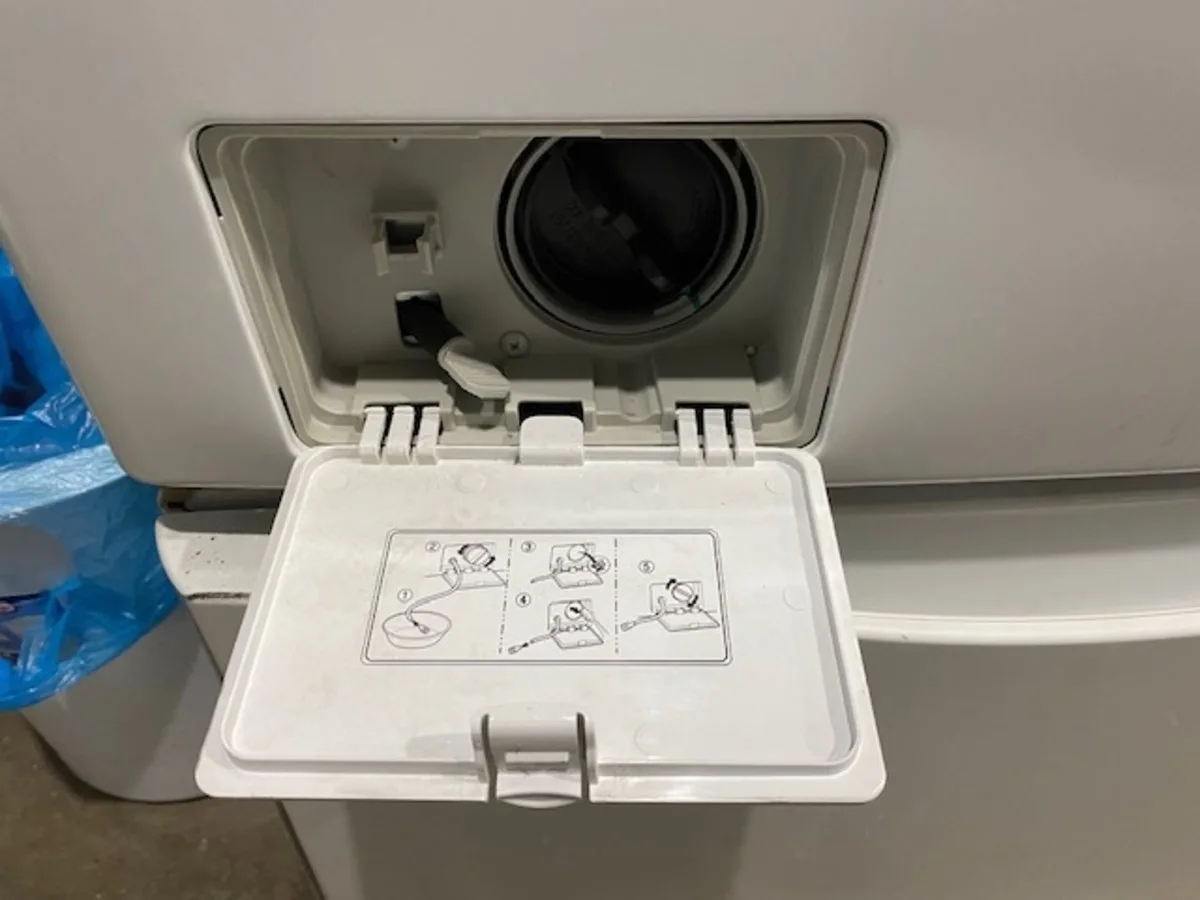
Image source: Bing (Web (fair-use with source credit))
Nothing happens when you press Start. No lights. No noise.
No water. This is the most frustrating symptom. Work through these steps in order.
Do not skip any.
Step 1: Check the power source. Plug a lamp into the same outlet. If the lamp does not light, check your breaker panel. Tripped breakers are common after a power surge.
Step 2: Perform a hard reset. Unplug the washer for five minutes. Plug it back in. This clears the control board memory.
For 110 series models, unplug for exactly 30 seconds per the manufacturer spec.
Step 3: Check the lid lock on top load models. Listen for a clicking sound when you close the lid. If you hear nothing, the lid switch may be stuck. Press down firmly on the center of the lid while pressing Start.
If the machine starts, the lid switch is worn and needs replacement.
Step 4: Check the door latch on front load models. Close the door firmly. The display should show "dL" briefly. If the display shows the door is open when it is physically closed, the door strike or latch assembly is misaligned.
Tighten the screws on the door strike plate.
Step 5: Clean the drain pump filter. Some models check the drain system before they begin a cycle. If the pump is clogged, the control board prevents the cycle from starting. The filter is behind a small access door at the bottom front.
Twist it counterclockwise and pull out any lint, coins, or debris.
Step 6: Test the lid switch with a multimeter. Set your multimeter to continuity mode. Disconnect the switch wires. Touch the probes to the terminals.
If you get no continuity when the switch is pressed, replace the switch. This is a $15 part that causes hours of frustration.
If none of these steps work, you likely have a control board failure. That is a more expensive fix. It is time to decide whether the repair is worth it.
Washer Fills But Won't Spin or Agitate – Decision Branch
The washer fills with water just fine. It may wash for a while. Then it stops.
The water drains out, but the drum never spins. This splits into several branches.
Branch A: The washer fills, then does nothing.
The control board waits for the water to drain before it starts the spin cycle. If the pump cannot push the water out, the machine just sits. Check the drain pump filter first.
If it is clean, check the drain hose. Remove it from the standpipe and look inside. Socks or hair ties often get stuck right at the connection.
If the drain hose is clear, the pump may have failed. Run a drain and spin cycle. Listen near the bottom.
A humming sound with no water moving means the pump impeller is broken. Replace the pump.
Branch B: The washer fills, agitates briefly, then stops with an error code.
This is almost always an unbalanced load on 796 series models. The machine senses uneven weight and stops to protect itself. Open the lid.
Rearrange the clothes evenly. Run the cycle again. If it happens consistently, the suspension rods or counterweight spring may be worn.
For 110 series models, this often means a broken belt. If the motor runs but the drum does not turn, the belt has snapped. Remove the back panel and look for a broken rubber belt.
Replacement belts cost about $15 and take 20 minutes to install.
Branch C: The washer fills and drains, but the drum never moves.
On front load 796 models, this is often the motor control board. The motor may hum but never rotate. Reset the control board first.
If that does not work, the inverter board likely needs replacement.
On belt driven 110 and 417 models, check the belt first. If it is intact, the motor capacitor may have failed. Test it with a multimeter.
A failed capacitor shows no continuity. Replacement costs about $25.
Branch D: The washer drains but will not spin at high speed.
This is often a door lock problem on front load machines. The machine will not spin at high speed unless the door is fully locked. A weak lock mechanism may work for the wash cycle but unlock under spin pressure.
Listen for a click during the spin cycle. If you hear the door unlock mid-spin, replace the door lock assembly. On top load 110 series models, this is usually the lid switch.
Branch E: The washer fills, but the drum never agitates (top load models).
On older 110 series models with a traditional agitator, the agitator dogs may be worn. These small plastic pieces cost about $10 and can be replaced without pulling the machine apart.
On 796 series top load models with a low-profile impeller, the impeller may be stripped. Remove the center bolt and lift the impeller out. If the splines are rounded off, replace it.
Washer Leaking, Loud, or Smelling Bad – Quick Checks First
These symptoms will get worse if you ignore them. Here is what to check for each.
Leaking water.
Place a flashlight on the floor pointing up at the bottom. Run a cycle and watch for drips.
- Leak from the front bottom edge: The door boot seal on front load models has a tear. Open the door and inspect the rubber gasket. Look for small splits near the 6 o'clock position. Replacement takes about an hour.
- Leak from the back: The fill hoses or drain hose connection is loose or cracked. Tighten all hose connections with pliers. Replace any hose that is cracked or bulging.
- Leak from underneath during spin: The drain pump housing may have a crack, or the pump to tub hose may be loose.
- Intermittent leaking: The drain standpipe may be clogged or too short. Water backs up and runs down the outside of the drain hose. The standpipe should be at least 18 inches tall per code.
Loud or shaking machine.
- Loud banging during spin: Unbalanced load. Redistribute the clothes. If it happens every load regardless of size, the suspension springs or shock absorbers are worn. Replace them as a set.
- Screeching or squealing noise: Bad drum bearings on front load models. Spin the drum by hand. If it feels rough or grinds, the bearings are shot. This is expensive and often means the washer is nearing end of life.
- Rattling noise: Loose objects in the pump filter. Remove the filter and shake out coins or buttons. If the noise persists, check for items between the drum and tub.
- Machine walks across the floor: The washer is not level. Adjust the front leveling legs until the machine sits solid. Use a bubble level on top.
Bad smell.
Musty odor is almost exclusive to front load 796 series machines. The rubber door boot traps moisture. Run a tub clean cycle once per month with a washing machine cleaner.
Leave the door open between cycles. Wipe the rubber gasket with a dry towel after every wash. If the smell is already bad, run two tub clean cycles back to back.
Maintenance That Prevents 80% of Problems
Clean the drain pump filter every three months. Set a calendar reminder. Lint and coins build up slowly.
A clogged filter throws an error code. Five minutes of cleaning saves a service call.
Run a tub clean cycle once a month. Use a washing machine cleaner or two cups of white vinegar. This prevents mold in front load models and removes detergent buildup that confuses the water level sensor.
Leave the door open after every cycle. Front load machines need airflow to dry the rubber boot. A closed door creates a mold farm.
Crack it six inches.
Check the leveling legs twice a year. Vibration loosens the leveling nuts over time. A washer that walks damages the suspension system.
Tighten the locking nuts with a wrench.
When to Fix It vs. When to Replace It
| Symptom | Typical Repair Cost | Machine Age | Verdict |
|---|---|---|---|
| Clogged pump filter | $0 | Any | Fix |
| Lid switch failure | $15 | Any | Fix |
| Broken belt | $20 and 20 minutes | Under 10 years | Fix |
| Drain pump failure | $60 | Under 10 years | Fix |
| Control board failure | $150 | Under 7 years | Fix |
| Drum bearing failure | $200+ | Over 10 years | Replace |
| Motor failure (796 series) | $250+ | Over 8 years | Replace |
| Suspension rod set | $80 | Over 10 years | Consider replacing |
A good rule: if the repair costs more than half the value of a comparable new washer, replace it. As of 2026, a new basic washer runs about $500. Spending $300 on a 12 year old machine does not make sense when seals and bearings are likely to fail next.
Frequently Asked Questions
Why does my Kenmore Series 600 washer stop mid-cycle?
Three common causes: a clogged drain pump filter, an unbalanced load, or a lid lock that loses contact during vibration. Check the filter first. Redistribute the clothes.
If it keeps happening, run the diagnostic test to pull the error code.
How do I reset my Kenmore Series 600 washer?
Unplug the machine from the wall. Wait five minutes for 796 series models. Wait 30 seconds for 110 series models.
Plug it back in. This clears the control board memory and resolves many temporary faults.
What does the SUD code mean on a Kenmore washer?
SUD means suds lock. The machine detects too much foam and stops the spin cycle to protect the motor. This happens when you use regular detergent instead of HE detergent.
Run a rinse and spin cycle with no soap to clear the suds.
Why does my Kenmore washer smell like mold?
Front load 796 series models trap moisture in the rubber door boot. Mold grows there quickly. Run a tub clean cycle with bleach or a washing machine cleaner.
Leave the door open between washes so the gasket dries out.
Can I bypass the lid switch on a Kenmore washer?
Do not bypass the lid switch permanently. It is a safety device that prevents spinning while the lid is open. For testing only, you can jumper the wires to see if the machine starts.
Replace the switch if it is faulty.
How long should a Kenmore Series 600 washer last?
With proper maintenance, these machines typically last 10 to 14 years. The 796 series models tend to last longer than the belt driven 110 or 417 series. Regular cleaning of the pump filter and drain system makes a measurable difference.

Similar Posts