Mr Heater Thermocouple Bypass Guide
If your Mr. Heater won't keep the pilot lit, you've probably heard someone mention a thermocouple bypass. This Mr Heater Thermocouple Bypass Guide walks you through what that actually means, when it's safe to try, and when it's a bad idea.
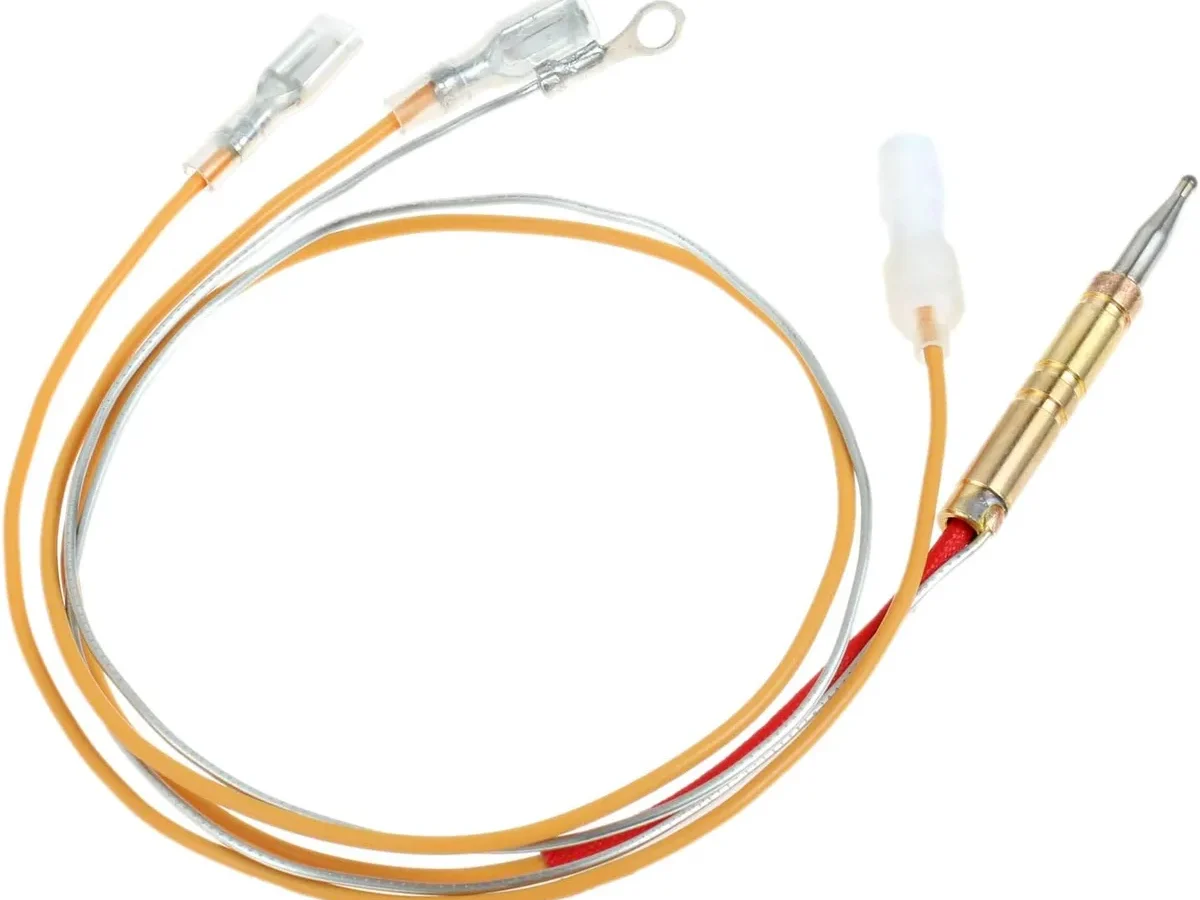
A thermocouple is a small copper sensor that generates about 25 to 30 millivolts of electricity when heated by your pilot flame. That tiny voltage keeps a safety valve open so gas flows. If the pilot goes out, the voltage drops, the valve closes, and gas stops flowing.
This is your heater's most important safety feature. Let's break down exactly what's happening inside that gas valve and when bypassing the thermocouple makes sense.
Quick Answer
A thermocouple bypass is a diagnostic test, not a permanent repair. You disconnect the thermocouple wire from the gas valve and manually hold the safety valve open. If gas flows and stays flowing, the thermocouple is bad.
If gas still won't stay on, the gas valve itself is faulty. Replace the thermocouple, never bypass it long term.
Why This Topic Requires Careful Attention
Gas appliances kill people when safety systems fail. The thermocouple is a simple device, but it's the only thing standing between you and an unmonitored gas leak. Messing with it carries real risk.
Let's put some numbers on this. Per the Consumer Product Safety Commission, unvented propane heaters like Mr. Heater models are involved in hundreds of carbon monoxide incidents each year.
A properly functioning thermocouple prevents gas from flowing when the pilot is out, which is the primary defense against CO buildup. Bypassing that system removes that defense entirely.
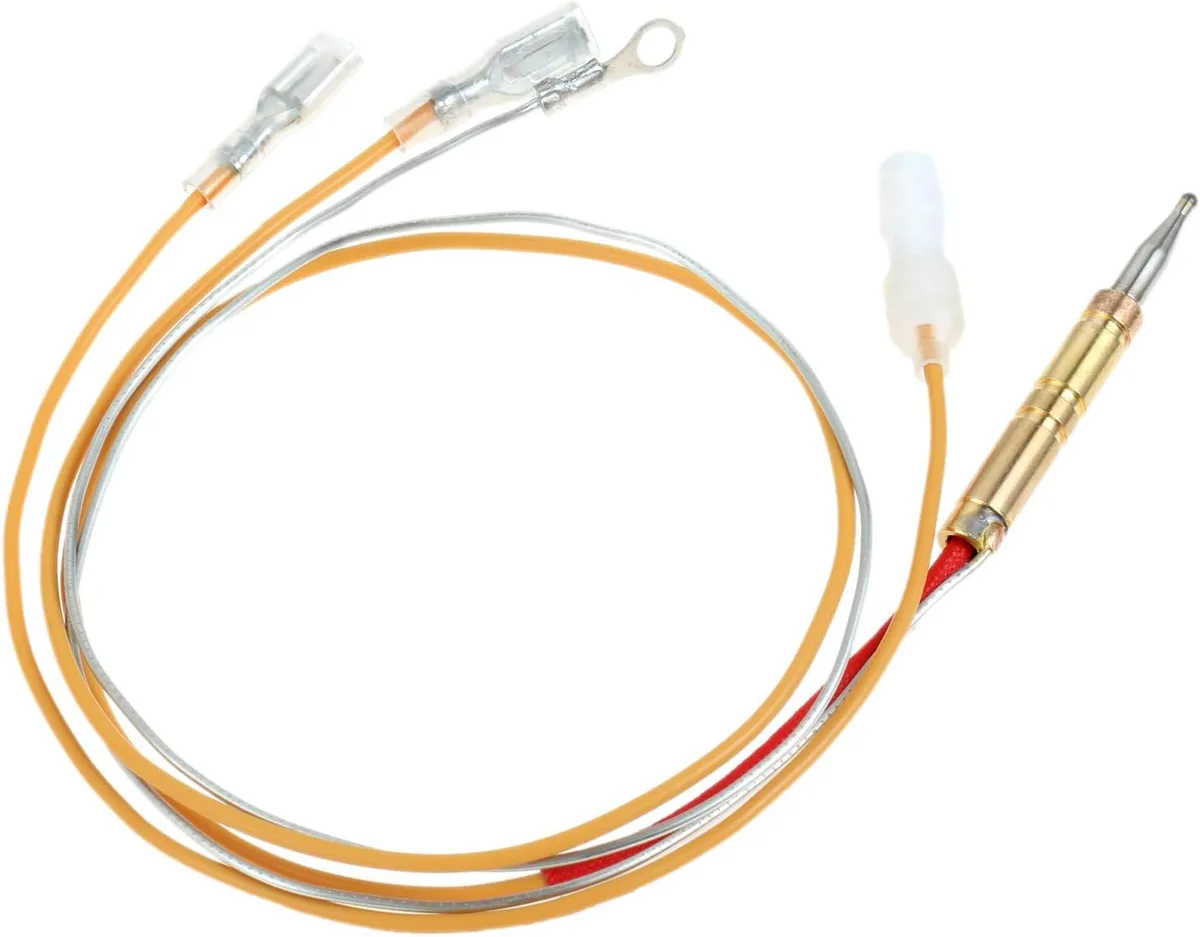
Image source: Bing (Web (fair-use with source credit))
A thermocouple bypass should only ever be used as a 60-second diagnostic test. You disconnect one wire, light the pilot manually, and see if the gas valve holds open. That's it.
Then you reconnect everything and either replace the thermocouple or the gas valve.
There are legal and liability concerns too. Underwriters Laboratories (UL) standards require safety shutoff devices on portable propane heaters. Modifying or disabling those devices voids the UL listing.
If your heater causes a fire or injury after you've bypassed the thermocouple, your insurance company may deny the claim. That's not a scare tactic. It's how product liability works in practice.
Treat the thermocouple as a safety device first and a maintenance item second. The bypass procedure exists to help you diagnose a problem, not to give you a permanent workaround.
What a Thermocouple Actually Does (and Why You'd Want to Bypass It)
A thermocouple is a temperature-sensitive switch made of two different metals joined at the tip. When your pilot flame heats that tip, it creates a small electrical current. That current flows through a wire to a small electromagnet inside the gas valve.
The electromagnet holds a plunger open, which lets gas flow to the pilot and the main burner.
Here's what happens step by step when everything works right.
- You press and hold the control knob, which manually opens the gas valve.
- Gas flows to the pilot, and you light it with the piezo igniter or a match.
- The flame heats the thermocouple tip for about 30 to 60 seconds.
- The thermocouple generates enough voltage to hold the electromagnet open.
- You release the control knob, and the electromagnet keeps the valve open on its own.
If the pilot goes out for any reason, the thermocouple cools down, the voltage drops to zero, the electromagnet releases, and the valve snaps shut. It's simple, mechanical, and remarkably reliable.
Manufacturer specifications indicate that Mr. Heater thermocouples typically need a pilot flame that's about 1/2 to 3/4 inch tall and blue with a slightly yellow tip. A weak or yellow flame won't heat the thermocouple enough to generate the required voltage.
That's one of the most common reasons pilots won't stay lit, and it has nothing to do with the thermocouple itself.
So why would you want to bypass this system? There are really only two legitimate reasons.
The first is diagnostic. If your pilot won't stay lit, you need to figure out whether the thermocouple failed or the gas valve failed. A quick bypass test isolates the thermocouple and tells you which component to replace.
That saves you from buying a gas valve when all you needed was a ten-dollar thermocouple.
The second is an emergency field repair. If you're in a remote hunting camp or ice fishing shelter and your heater won't work, you might bypass the thermocouple temporarily just to get through the night. This is risky, and you need a working carbon monoxide detector nearby, but it's a legitimate survival scenario.
Any other reason for bypassing the thermocouple is a bad idea. Permanent bypasses, cleaning contacts to improve voltage, or bending the thermocouple closer to the flame all indicate a deeper problem that needs a proper fix.
When Bypassing Makes Sense – and When It's Dangerous
Let's be clear about the scenarios where you can safely use a bypass test and the ones where you absolutely should not.
When bypassing makes sense:
- You're troubleshooting a pilot that won't stay lit and you have a multimeter handy
- You've already cleaned the pilot orifice and adjusted the flame
- You're trying to confirm whether the thermocouple or the gas valve is the problem
- You have a replacement thermocouple ready to install after the test
When bypassing is dangerous:
- You plan to run the heater with the thermocouple disconnected permanently
- You're using the bypass to bypass a known gas leak or valve failure
- You don't have a working carbon monoxide detector in the space
- The heater is being used indoors with limited ventilation
- Children, pets, or anyone who sleeps in the same space relies on the heater
The diagnostic test itself takes about two minutes. You'll need a small wrench or a pair of pliers. That's it.
No special tools required.
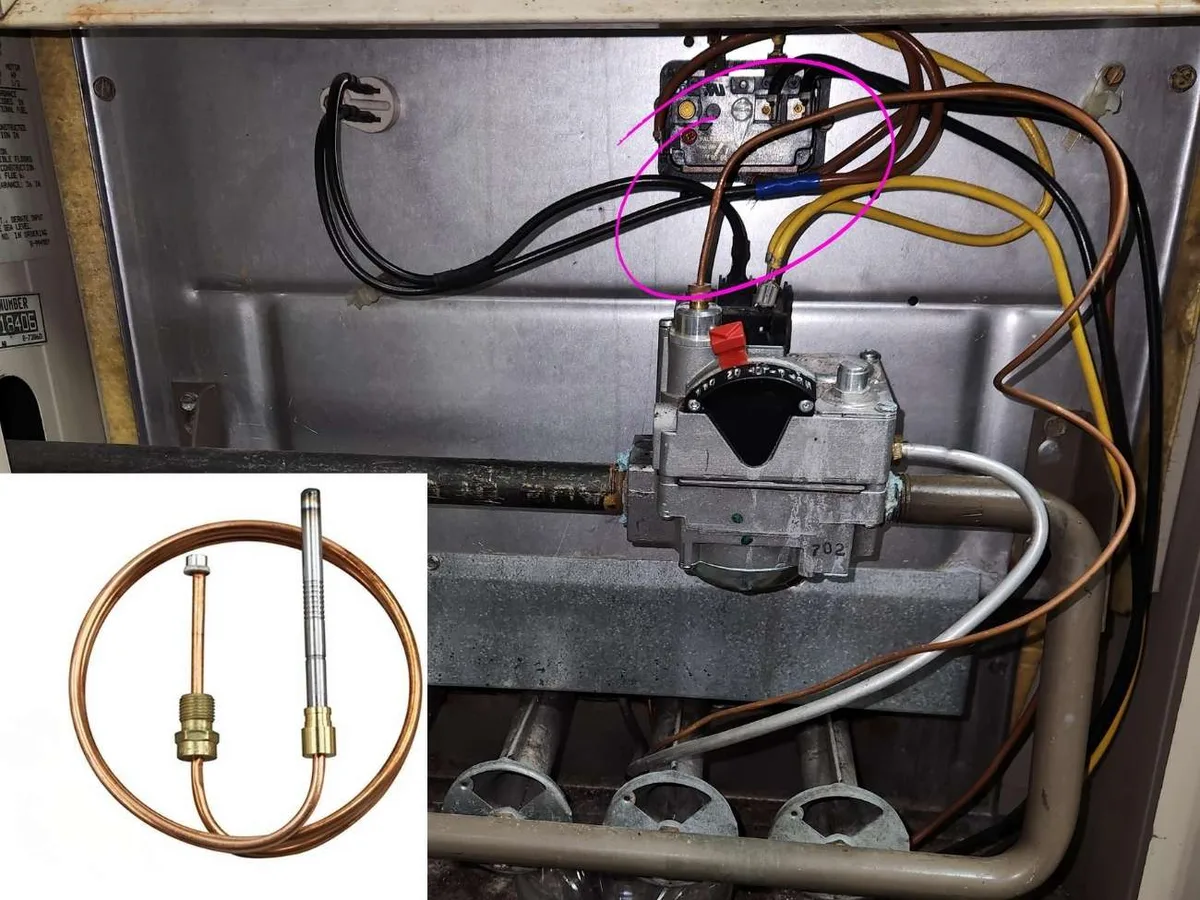
Image source: Bing (Web (fair-use with source credit))
Here's the condition rule that matters most. If your pilot lights fine but goes out as soon as you release the control knob, that points to the thermocouple. If the pilot won't light at all or you don't hear gas flowing when you press the knob, that points to the gas valve or a blocked pilot orifice.
The bypass test only helps in the first scenario.
A permanent bypass is not a repair. It's a modification that removes a certified safety system from your heater. If you do this and the heater causes a fire, no insurance policy covers damage from a modified appliance.
Fire marshals investigate these incidents specifically looking for modified safety systems. It's not hard to spot a disconnected thermocouple wire.
Mr. Heater has released multiple recalls over the years for gas valve failures on certain models. As of 2026, the CPSC website lists recalls on several portable heater brands for valves that failed to close properly.
If your heater was built within a recall window, the manufacturer will replace the entire unit for free. Bypassing a recalled valve because you didn't check for a recall is a preventable mistake.
How to Safely Test a Thermocouple by Bypassing It
This is the procedure. Follow these steps exactly, and do not skip the safety checks.
Step 1: Prep and safety
Turn the propane tank valve off completely. Disconnect the heater from the tank. Move the heater to a well-ventilated area, outdoors if possible.
Have a working carbon monoxide detector within 10 feet of where you're working.
Step 2: Access the thermocouple
Remove the outer casing of the heater. On most Mr. Heater models, this means removing a few screws on the back or bottom.
The thermocouple is a copper tube about 1/8 inch in diameter that runs from the pilot assembly to the gas valve. It's held in place by a small nut, typically a 3/8 inch hex nut.
Step 3: Disconnect the thermocouple
Use a small wrench to loosen the nut where the thermocouple wire connects to the gas valve. You don't need to remove the pilot end. Just disconnect the wire from the valve.
Step 4: Manually light the pilot
Reconnect the heater to the propane tank. Open the tank valve. Press and hold the control knob in the pilot position.
Light the pilot with a long-reach lighter or match while holding the knob down. With the thermocouple disconnected, the safety valve won't hold open on its own. You have to hold the knob manually to keep gas flowing.
Step 5: Release the knob
After holding the knob for about 30 seconds, release it while watching the pilot flame. If the pilot stays lit, the gas valve is working properly and the thermocouple was the problem. If the pilot goes out immediately, the gas valve itself is faulty and needs replacement.
Step 6: Shut everything down
Turn off the propane tank. Let the heater cool. Reconnect the thermocouple nut and tighten it hand tight plus about a quarter turn.
Do not overtighten. Reassemble the heater casing.
Step 7: Full leak test
Mix a small amount of dish soap with water in a spray bottle. Spray all gas connections, including the thermocouple nut and the tank connection. If you see bubbles forming, you have a leak.
Tighten the connection and retest until no bubbles appear.
That's the entire diagnostic test. It takes longer to read about than it does to perform. Treat it as a test, not a fix.
Common Signs Your Thermocouple Is Bad (vs. the Gas Valve)
Most people assume a thermocouple is bad because it's the cheapest and easiest part to replace. That assumption costs you time and money when the actual problem is something else entirely.
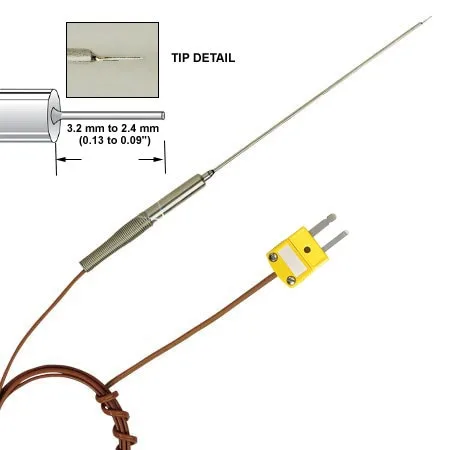
Image source: Bing (Web (fair-use with source credit))
Here's a comparison of symptoms to help you narrow down the issue.
| Symptom | Likely Cause | What to Check |
|---|---|---|
| Pilot lights, goes out when you release the knob | Bad thermocouple | Voltage reading below 10 mV |
| Pilot won't light, no gas smell | Blocked orifice or bad valve | Clean orifice with compressed air |
| Pilot flame is weak or yellow | Dirty orifice or low propane | Check tank level, clean orifice |
| Pilot stays lit, burner won't fire | Bad gas valve or igniter | Test voltage at burner solenoid |
| Pilot goes out after 10 to 20 minutes | Thermocouple positioned too far from flame | Adjust thermocouple tip closer to flame |
| Soot on thermocouple tip | Incomplete combustion, dirty burner | Clean burner, check propane pressure |
The most reliable way to diagnose a thermocouple is with a multimeter. Set it to millivolts DC. Connect one probe to the copper tip of the thermocouple and the other to the threaded body.
Light the pilot and wait 60 seconds. A good thermocouple reads between 25 and 30 millivolts. A failing thermocouple reads under 15 millivolts.
Anything under 10 millivolts means the thermocouple cannot hold the safety valve open.
Check the thermocouple visually too. Look for heavy soot buildup, corrosion, or a bent tip. The flame should contact the thermocouple tip directly, not just heat the air around it.
If the tip is black and crusted with carbon, clean it gently with fine-grit sandpaper or a Scotch-Brite pad. Sometimes that's enough to restore proper voltage.
Hardware stores and online retailers stock universal thermocouples that fit most Mr. Heater models for 10 to 20 dollars. OEM replacement parts cost a few dollars more but match the exact length and thread pitch.
If you're replacing a thermocouple, buy the correct length. A thermocouple that's too short won't reach the flame. One that's too long will sit in the wrong position and won't heat properly.
The gas valve is more expensive, typically 40 to 80 dollars for Mr. Heater models, and it requires more effort to replace. That's why the bypass test matters.
It saves you from buying a valve you don't need. If the test confirms the valve is bad, you know exactly where your money needs to go.
Frequently Asked Questions
Can I permanently bypass the thermocouple on my Mr. Heater?
No. Permanent bypass removes the safety shutoff and creates a serious fire and carbon monoxide risk. It also voids the UL listing and your insurance coverage.
Only use bypass as a diagnostic test.
How do I know if my Mr. Heater thermocouple is bad?
Light the pilot and hold the control knob for 60 seconds. If the pilot goes out when you release the knob, test with a multimeter. A reading below 10 millivolts means the thermocouple needs replacement.
Will a Mr. Heater work without a thermocouple?
The heater cannot operate safely without a thermocouple. The safety valve requires voltage from the thermocouple to stay open. Without it, you have to hold the knob manually to keep gas flowing.
How much does it cost to replace a Mr. Heater thermocouple?
A universal thermocouple costs 10 to 20 dollars. OEM replacement parts cost a few dollars more. A gas valve costs 40 to 80 dollars.
The bypass test helps you avoid buying the wrong part.
Why does my Mr. Heater pilot keep going out in cold weather?
Extreme cold can reduce propane pressure and weaken the pilot flame. A weak flame won't heat the thermocouple properly. Check your tank level and make sure the pilot orifice is clean.

Similar Posts