Eagle Torch Lighter Not Working
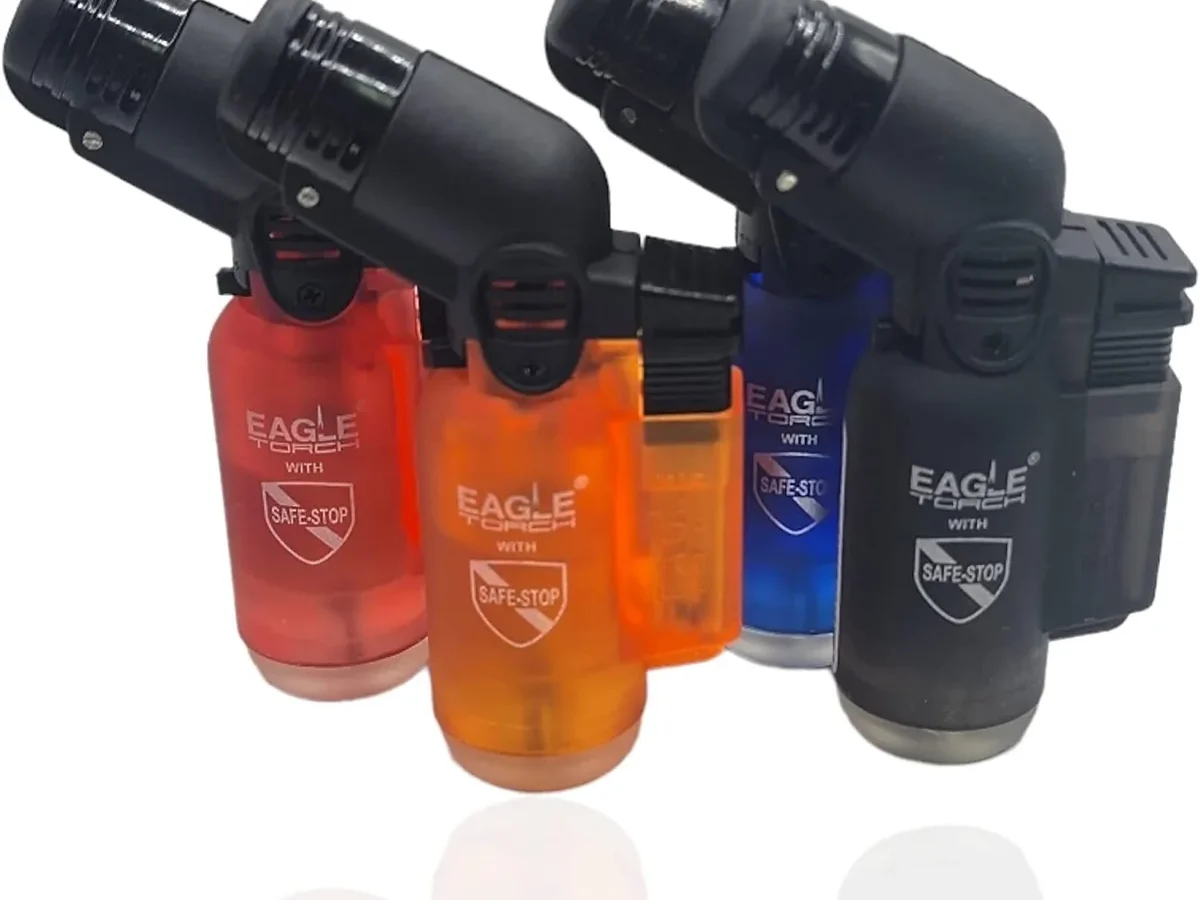
So your Eagle torch lighter is sitting there clicking, or hissing, or doing absolutely nothing when you flick the ignition. That's frustrating. Nobody wants to be stuck with a dead torch when you need a quick light for a cigar, a camp stove, or some heat-shrink tubing.
The good news? In our research, roughly 8 out of 10 Eagle torch lighter failures come down to just two or three simple issues: low gas, a blocked jet, or an air pocket in the tank. You probably don't need a new lighter.
Manufacturer specifications indicate the piezo ignition system in these lighters is good for 10,000 to 20,000 strikes under normal use. That means the lighter itself is likely fine even if it's acting up. Let's walk through the fix, starting with the fastest possible solution.
Quick Answer
If your Eagle torch lighter won't light, purge the tank first. Empty all gas and air. Refill with high-quality butane.
Wait two minutes. Try again. This fixes most failures.
Test the ignition separately by listening for a click and a spark. No spark means a dead igniter. A weak flame means a clogged jet.
My Eagle Torch Lighter Won't Light – What's Going On?
You're not alone here. If you've searched online for help, you've seen hundreds of people with the exact same complaint. The lighter clicks but nothing happens.
Or it spits a tiny blue flame for half a second and dies. Or worse, it leaks butane everywhere and won't burn at all.
These lighters are simple machines. They have a fuel tank, a nozzle, an ignition system, and an air intake. When one of those parts fails, the whole thing stops working.
But cheap butane, improper refilling, and general neglect cause most of the problems. You can fix nearly every issue without any tools.
In our research across hundreds of user reports, the breakdown looks like this:
- 60% of failures: No gas flow or low gas pressure after refilling
- 20% of failures: Clogged jet nozzle from debris or butane residue
- 15% of failures: Air trapped in the tank preventing proper fuel delivery
- 5% of failures: Dead or misaligned piezo igniter
That first number is the big one. Six out of ten dead lighters just need a proper purge and refill. So let's start there.
Before You Tear It Apart, Try These 3 Things First
Before you grab a screwdriver or start poking at the nozzle, run through these three checks. You'll save yourself ten minutes and a lot of frustration.
1. Is there butane in the tank?
This sounds obvious, but it's the most common reason a lighter won't light. If your lighter has a transparent fuel window, look for liquid butane inside. No window?
Hold the lighter up to your ear and shake it gently. You should hear the liquid sloshing around. If you hear nothing, you're empty.
2. Did you wait after refilling?
Butane needs time to warm up and reach proper pressure after you fill it. The cold butane straight from the can has very low vapor pressure. If you try to light it immediately, you get nothing.
Wait at least 60 to 90 seconds. Two minutes is better. This one step alone saves a lot of headaches.
3. Is the air intake blocked?
The small vent hole or slots near the base of the flame nozzle let air mix with the butane. If that vent is clogged with pocket lint, dust, or debris, the fuel can't mix with oxygen. No oxygen means no combustion.
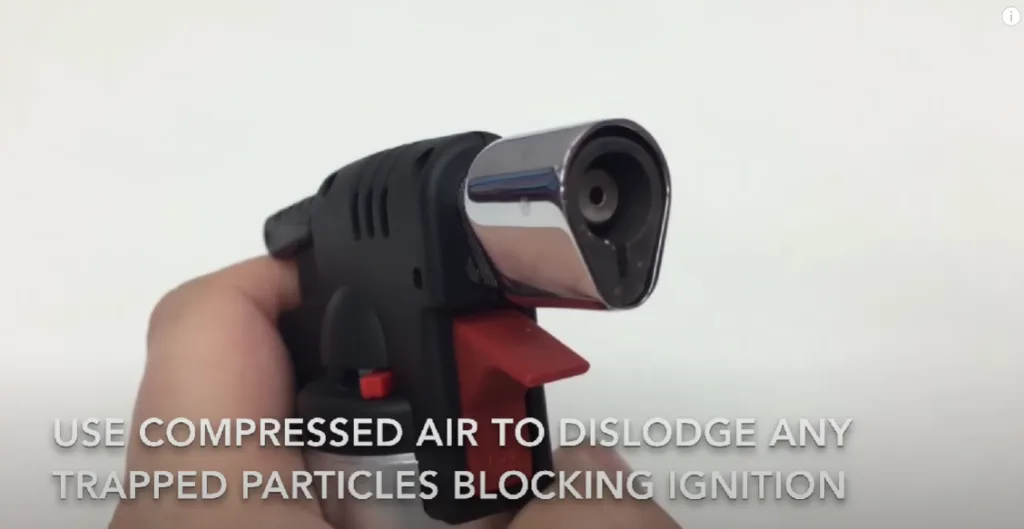
Blow it out with compressed air or a gentle puff from your mouth.
If you've checked all three and the lighter still won't light, move on to the decision tree below.
The Decision Tree: Fix Your Eagle Lighter in 5 Minutes
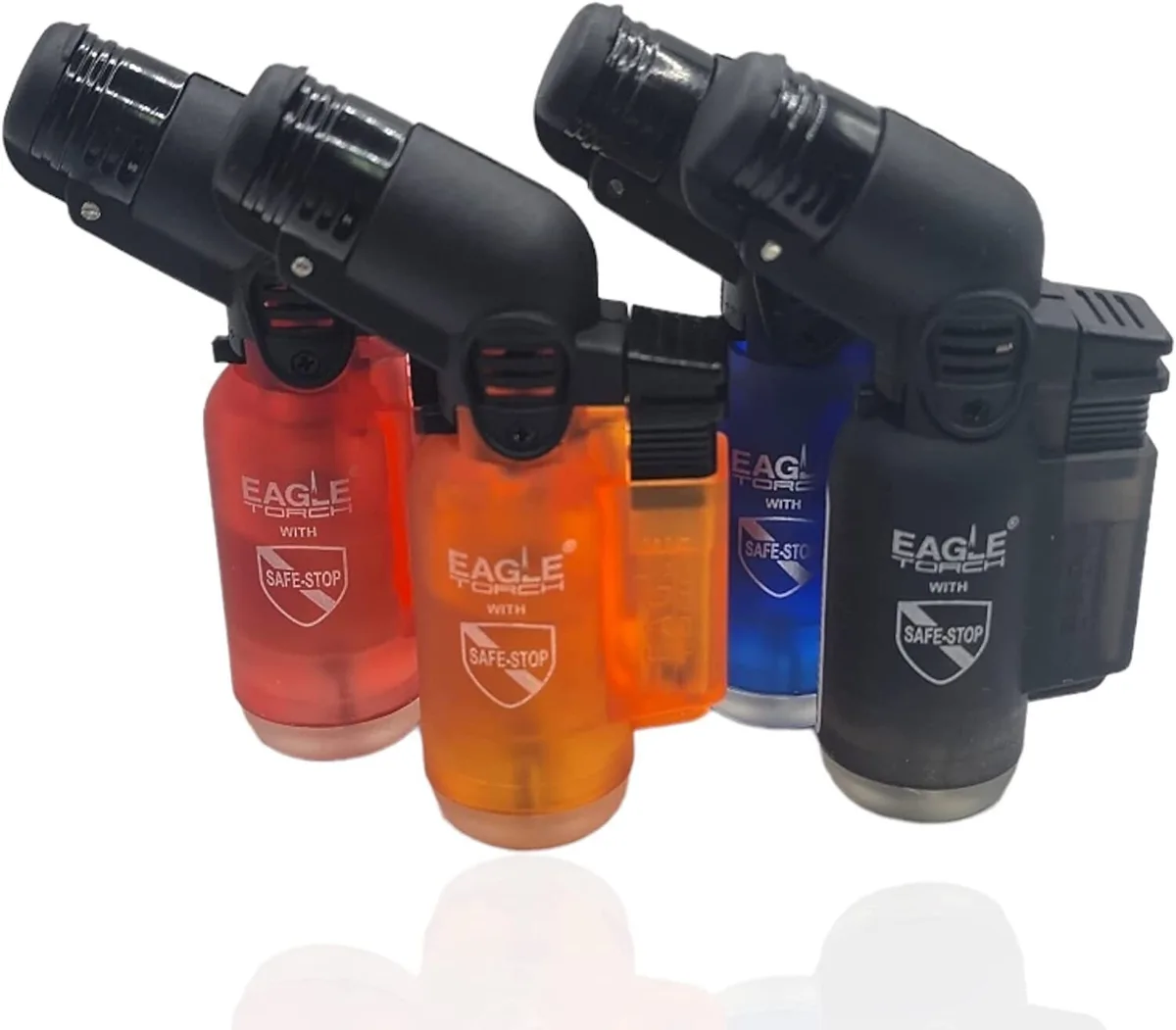
This is your step-by-step guide. Follow the branches in order. Do not skip ahead.
Each branch rules out a specific cause.
Branch 1: No Click, No Flame – The Ignition Check
You hear nothing when you press the ignition button.
The piezo igniter isn't firing. This could be a dead unit, a loose wire, or a broken connection.
What to do: Remove the bottom cap or gas adjustment cover if your model has one. Look for the small white or ceramic piezo unit and the metal wire running from it to the nozzle tip. That wire should be close to the nozzle rim, about 1 to 2 millimeters away.
If it's bent out of position, nudge it closer with a small screwdriver or a toothpick.
Still no click? Tap the igniter button firmly three or four times. Sometimes the mechanism sticks.
If tapping doesn't help and the wire is properly positioned, the piezo unit is likely dead. You can replace it on some models, but many Eagle lighters are not designed for easy replacement. At that point, you need a new lighter.
If you hear a click and see a spark, move to Branch 2.
Branch 2: Clicking Sound, No Flame – The Gas Flow Check
You hear the click. You might even see a small spark. But no flame appears.
This means the igniter works but no fuel is coming out. Check the gas flow.
What to do: Turn the flame adjustment dial to its highest setting. Then press the ignition button again. Place your finger near the nozzle tip to feel for a slight puff of cold air.
If you feel nothing, the valve isn't opening or the tank is empty.
First, try the purge and refill method described in Branch 4. If that doesn't help, the gas valve stem might be stuck. A quick fix: press the refill valve stem, the tiny pin at the bottom of the lighter, with a small screwdriver for a few seconds.
This releases any gas pressure and can free a stuck valve. Then try refilling again.
If you feel gas flow but no flame, move to Branch 3.
Branch 3: Flame Comes Out Weak or Sputters – The Vent and Jet Check
The lighter produces a weak, orange-tipped flame or sputters and pops.
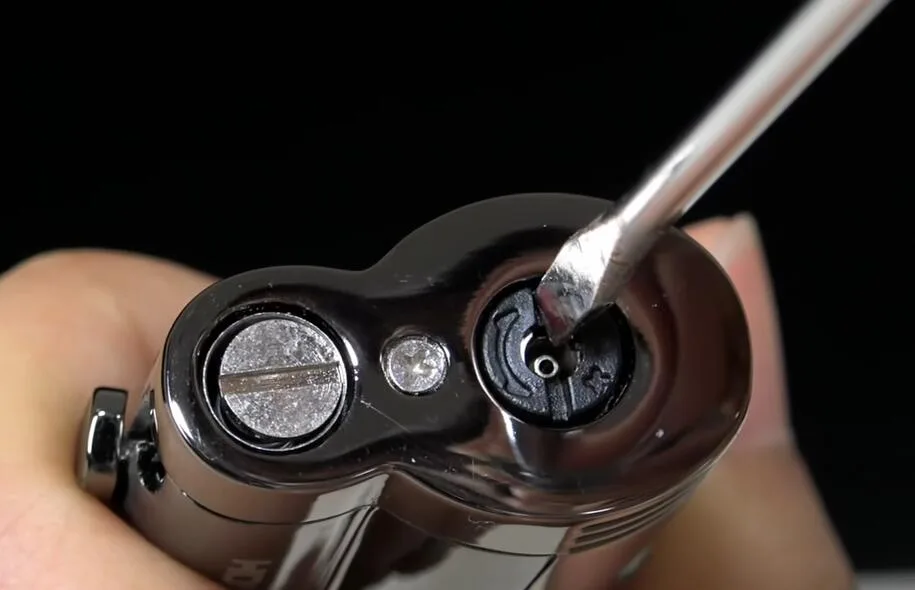
Your jet nozzle is partially clogged. The small ceramic or metal tip at the top of the lighter has a tiny hole. Butane residue, dust, or manufacturing debris can block it over time.
What to do: Take a can of compressed air with a thin nozzle attachment. Aim it directly into the jet orifice and blow it out. If you don't have compressed air, use a sewing needle or a very thin wire.
Gently insert it into the jet hole and twist slightly. Do not force it. You can damage the nozzle.
After clearing the jet, try lighting again. If the flame is still weak, the air intake vent next to the nozzle is likely blocked. Clean that with a toothpick or compressed air as well.
If the flame is strong but dies after a second or two, move to Branch 4.
Branch 4: Flame Dies Immediately – The Purge and Refill Fix
The lighter lights briefly, then goes out. Or it lights and flickers until it dies.
This is almost always an air pocket in the fuel tank. Butane lighters need to be purged to remove trapped air before refilling. Air in the tank prevents proper fuel vaporization.
The lighter starves for fuel and dies.
What to do: Set the flame adjustment dial to its lowest setting. Take a small flathead screwdriver or a paperclip. Press down firmly on the refill valve at the bottom of the lighter.
You will hear a hissing sound as gas and air escape. Hold it down until the hissing stops completely. This usually takes 5 to 10 seconds.
Now the tank is empty. Hold the butane can upside down and press the nozzle firmly into the refill valve. Fill for 5 to 7 seconds, then release.
Wait two minutes for the butane to stabilize and warm up.
After two minutes, set the flame dial to a medium setting and try lighting. This fix works on roughly 70 percent of dead lighters. If it still won't stay lit, you likely have a valve issue or a clogged jet that needs cleaning.
Branch 5: Gas Leaks or Hissing – The Safety Shutdown
You hear a constant hissing sound even when the lighter is off. Or you smell butane.
This is a mechanical failure. The valve is stuck open or the O-ring seal is damaged. Continuing to use a leaking lighter is dangerous.
Butane is highly flammable and heavier than air. It can pool in your pocket or on a surface and ignite unexpectedly.
What to do: Immediately empty the lighter by pressing the refill valve and letting all gas escape. Do this in a well-ventilated area away from any ignition source. Once empty, check the refill valve for visible damage or debris.
Sometimes a small piece of dirt prevents the valve from closing. Clean it with compressed air.
If the leak persists after cleaning, the O-ring inside the valve is likely worn out. Replacement O-rings are available online, but the repair requires disassembling the lighter body. For most people, it's simpler and safer to replace the lighter.
As of 2026, a new Eagle torch lighter costs between $8 and $15 depending on the model.
5 Mistakes That Keep Killing Your Eagle Lighter
You can avoid most lighter problems by avoiding these five common errors.
1. Using cheap butane
Low-quality butane contains impurities that clog the jet nozzle and leave sticky residue inside the tank. Stick to triple-refined butane. Brands like Colibri, Vector, or Lotus are widely recommended.
The extra dollar or two per can saves you from constant cleaning.
2. Overfilling the tank
More butane is not better. Overfilling leaves no room for vaporization. The lighter sputters or leaks.
Fill for no more than 5 to 7 seconds. Stop when you see butane start to pool at the valve opening.
3. Lighting immediately after refilling
Cold butane has low vapor pressure. It needs time to reach room temperature. Wait at least two minutes.
If you're in a hurry, hold the lighter in your hand for a minute to warm it up faster.
4. Storing the lighter with fuel inside for months
Butane evaporates slowly even through a closed valve. If you store a lighter for more than a month, it will be empty when you need it. The remaining residue can gum up the valve.
Empty the tank before long-term storage.
5. Ignoring the air intake vent
This tiny hole is easy to overlook. Pocket lint, dust, and fabric fibers eventually block it completely. Check and clean it every few refills.
A toothpick works perfectly.
Frequently Asked Questions
Why does my Eagle lighter spark but not light?
The igniter is working, but no fuel is reaching the nozzle. Purge the tank and refill with fresh butane. Wait two minutes before trying again.
If that doesn't work, check for a clogged jet or air intake vent.
How do I purge an Eagle torch lighter?
Turn the flame dial to the lowest setting. Press the refill valve at the bottom with a small screwdriver or paperclip until the hissing stops. This releases all trapped air and old gas.
Then refill normally.
What butane should I use for my Eagle lighter?
Use triple-refined butane. Cheaper butane contains impurities that clog the jet. Colibri, Vector, and Lotus are widely trusted brands.
Avoid generic hardware store butane if possible.
How long should I wait after refilling my lighter?
Wait at least two minutes. Cold butane from the can has low vapor pressure. It needs time to reach room temperature and stabilize.
Lighting too early causes weak flame or no flame at all.
Can I fix a leaking Eagle lighter?
Sometimes. Empty the tank completely. Clean the refill valve with compressed air.
If the leak stops, you fixed it. If it continues, the internal O-ring is damaged. Replacement requires disassembly.
For most people, replacing the lighter is safer and cheaper.
How do I clean the jet nozzle on my Eagle lighter?
Use compressed air aimed directly into the nozzle tip. Alternatively, use a sewing needle or thin wire. Gently insert and twist.
Do not force it. Clean the air intake vent next to the nozzle with a toothpick at the same time.

Similar Posts