Navien Npe 240a Troubleshooting
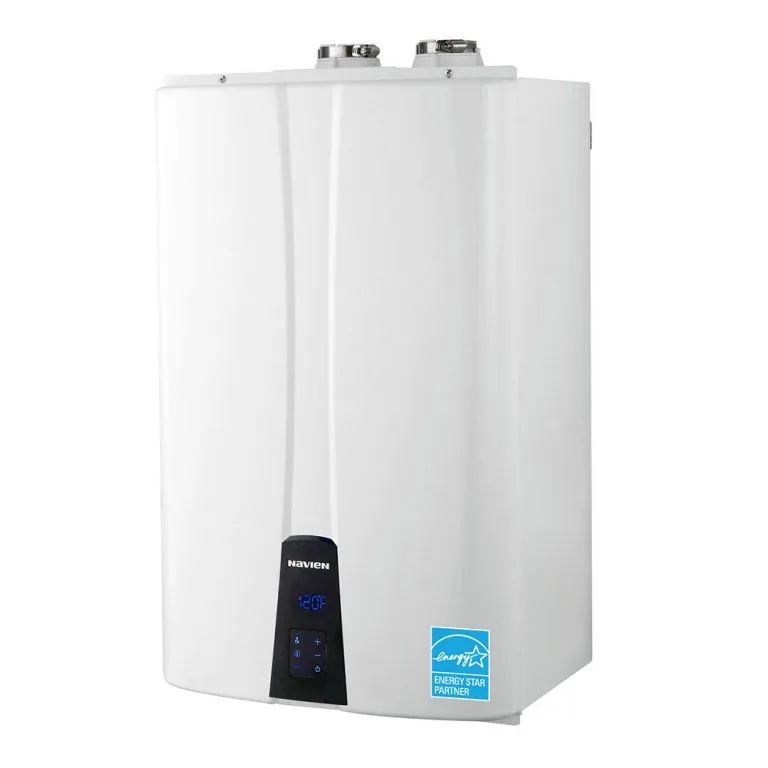
Your Navien NPE-240A is a workhorse, condensing, efficient, and built to last. But when it starts flashing error codes or cutting out mid-shower, you need to know what’s really going on. That’s exactly what this guide covers: practical Navien NPE-240A troubleshooting that helps you diagnose the problem, fix it safely, and avoid costly callbacks.
Manufacturer specs show the unit delivers 199,000 BTUs and fires up at a flow rate as low as 0.5 GPM. That sensitivity is great for instant hot water, but it also means small issues, a clogged filter, a blocked vent, or a weak gas supply, can shut the whole system down. Let’s walk through the most common causes and cures, step by step.
Image source: Bing (Web (fair-use with source credit))
Quick Answer
Start troubleshooting by reading the error code on the front display. Look up the code in your manual. Reset the unit by pressing the Reset button.
If the code returns, check the water inlet filter and the air filter. Clear any blockages. Still no luck?
Power cycle the unit, unplug it for 60 seconds. Most common issues are resolved that way.
Why Your Navien NPE-240A Might Be Acting Up
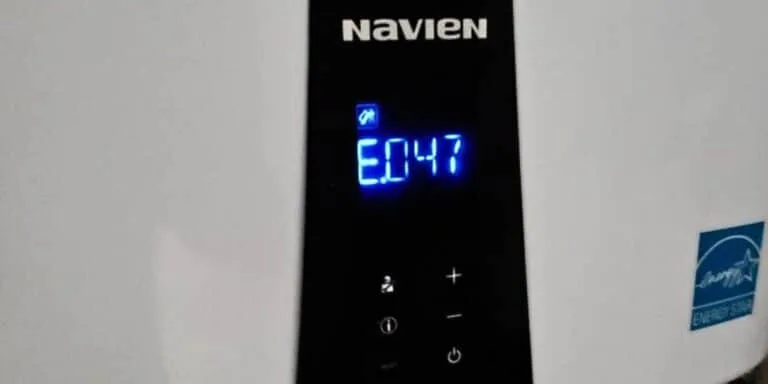
Image source: Bing (Web (fair-use with source credit))
You’re not alone if your unit suddenly stops heating or throws a random code. The NPE-240A is a condensing tankless water heater with lots of sensors and safeties. When something is off, it locks out to protect itself.
That lockout tells you exactly where to look.
Most problems fall into a few buckets:
- No hot water at all, The unit isn’t firing. Could be ignition failure, gas supply issue, or a flow sensor not detecting water movement.
- Hot water cuts out mid-use, The unit overheats, loses flame sense, or the flow rate drops below the 0.5 GPM threshold.
- Temperature fluctuates, The “shower sandwich.” First burst is hot, then cold, then hot again. Usually a recirculation or bypass valve issue.
- Error codes appear, The display shows an E code. Each points to a specific component.
- Unit short-cycles, Turns on and off rapidly. Often a blocked vent, dirty air filter, or clogged condensate drain.
Aggregate feedback from service pros confirms that the top three culprits are the water inlet filter, the air filter, and the condensate drain. These are easy to check and often the fix.
The unit is sensitive to gas pressure. If you’ve had gas line work recently, or your home has a long gas run, pressure could be marginal. The NPE-240A requires 5.0 inches water column for natural gas and 8.0 for propane.
Anything below that and the unit won’t light properly.
How the NPE-240A Works – What You Need to Know for Troubleshooting
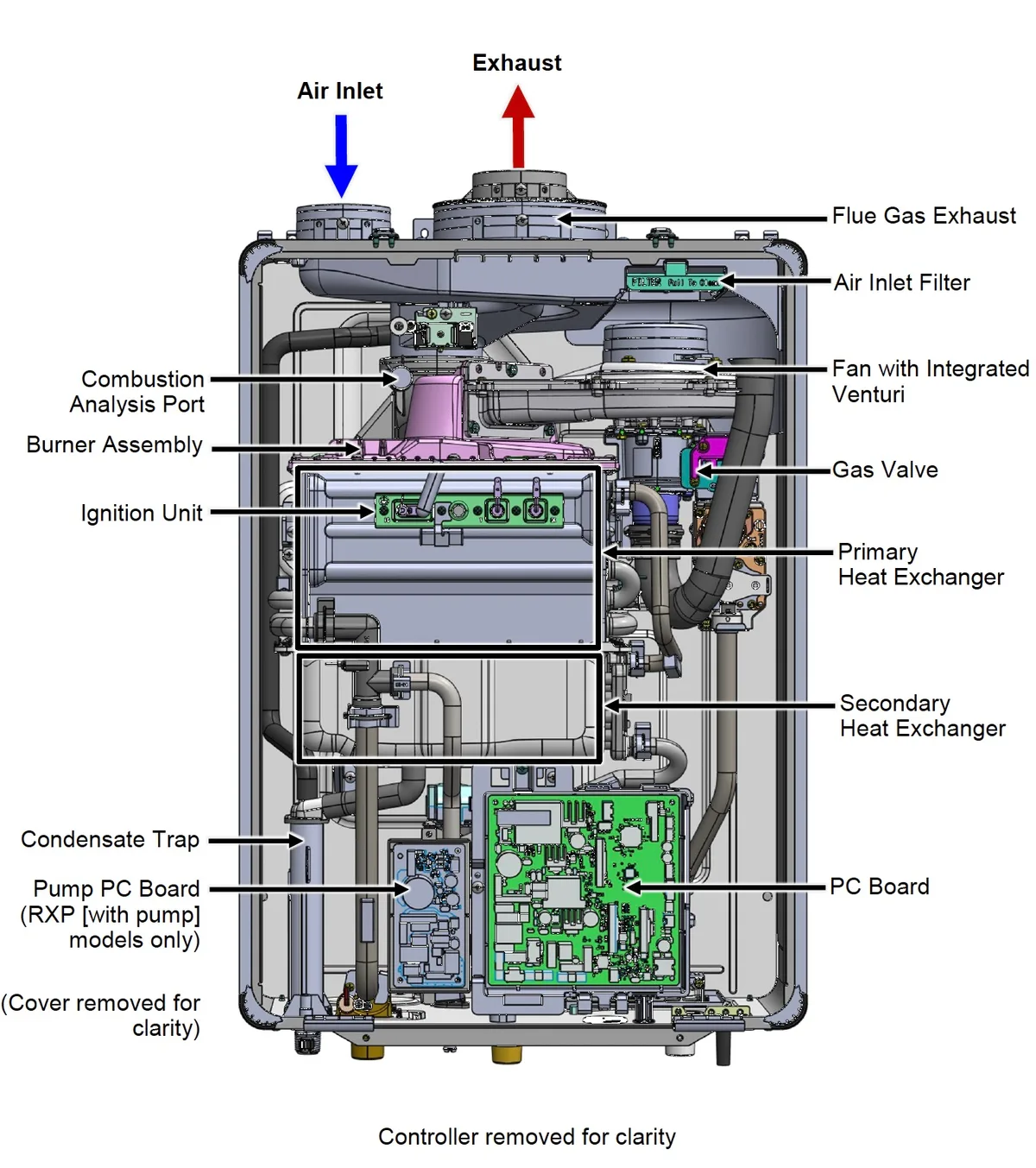
Image source: Bing (Web (fair-use with source credit))
To fix something, you need to understand the basics. The NPE-240A is a condensing tankless water heater. It recovers heat from exhaust gases, making it more efficient than older non-condensing models.
The core parts you need to know for troubleshooting:
| Component | What It Does | Why It Fails |
|---|---|---|
| Flow sensor | Detects water movement above 0.5 GPM | Scale buildup, debris jam |
| Gas valve | Regulates gas flow to burner | Coil failure, debris, low pressure |
| Igniter & flame sensor | Sparks and verifies flame | Soot, corrosion, misalignment |
| Heat exchanger | Transfers heat from combustion to water | Scale, freeze damage, leaks |
| Combustion fan | Pulls in air, pushes out exhaust | Motor failure, blocked vent |
| Air filter | Cleans intake air | Dust, lint, clogging |
| Condensate drain | Removes acidic condensate | Clog, ice, pH neutralizer blockage |
| Bypass valve | Adjusts flow for temperature control | Stuck, misadjusted, mineral deposits |
The unit fires only when it detects a water flow signal from the flow sensor. Then the gas valve opens, the igniter sparks, and the flame sensor confirms ignition. If any step fails, the control board locks out and shows an error code.
Condensing units like this produce condensate, acidic water that must drain away. The drain line is small (usually 1/2 or 3/4 inch) and can clog with debris or ice. In cold weather, a frozen condensate line is a common reason for lockouts.
Another design feature: the NPE-240A has an internal recirculation pump option (Navien Circ Flow). If you’re using it, the pump can fail or get airlocked, causing no hot water at the tap.
Understanding these parts helps you read error codes correctly. A code that says “ignition failure” might be a gas problem, a clogged air intake, or a bad igniter, but knowing the system narrows it down.
Your Step-by-Step Troubleshooting Workflow
When the unit acts up, follow a logical process. The goal is to eliminate the simplest causes first. Here’s the workflow that matches what trained technicians use.
1. Read the Error Code
The front display shows an E code (like E003 or E110). Write it down. It’s your best clue.
Don’t clear it yet. Cross-reference against the manual or our table below.
2. Reset the Unit
Press the Reset button on the control panel. If the code clears and the unit fires, you might have had a temporary glitch. If the code comes back after a few seconds, you have a real problem.
3. Power Cycle
Unplug the unit from the 120V outlet (or flip the dedicated breaker). Wait 60 seconds. Plug it back in.
This clears the controller’s memory and can reset some sensor faults.
4. Check the Gas Supply
Make sure the gas shutoff valve is fully open (parallel to the pipe). Sometimes it gets bumped to half-closed. If you have multiple gas appliances, try running the stove.
If the flame is weak, your gas pressure may be low. That’s a utility or plumber call.
5. Inspect the Water Inlet Filter
The NPE-240A has a small mesh screen inside the cold water inlet. Turn off the water, unscrew the union, and pull out the filter. If it’s clogged with debris or scale, clean it with a brush or replace it.
A blocked filter is the number one cause of low flow and ignition failure.
6. Clean the Air Filter
The air filter is inside the unit, often near the bottom. Slide it out and wash it with warm water. Let it dry thoroughly before reinstalling.
A dirty air filter starves the burner of oxygen and causes flame sensor issues.
7. Clear the Condensate Drain
Find the plastic drain line coming from the unit. It should go to a floor drain or a condensate pump. Disconnect it and check for clogs.
You can blow through it or use a pipe cleaner. In freezing conditions, make sure the line isn’t frozen solid.
8. Check the Venting
The unit draws combustion air from outside and exhausts through a dedicated vent. Make sure the vent terminal isn’t blocked by snow, leaves, debris, or a bird nest. Blocked venting causes poor combustion and lockouts.
9. Test the Flow Rate
Open a single faucet fully. If the flow is less than 0.5 GPM, the unit won’t fire. Aerators on faucets can clog, reducing flow.
Remove aerators and try again. Also check for a kinked recirculation line.
If you’ve done all these steps and the error code persists, you’re looking at a component failure, heat exchanger scale, bad flow sensor, failed igniter, or a control board issue. At that point, calling a qualified technician is the safe move.
Common Error Codes and What They Really Mean
Below are the most common error codes for the NPE-240A based on manufacturer documentation and real-world service data.
| Error Code | Meaning | Likely Cause | Quick Fix |
|---|---|---|---|
| E003 | Ignition failure (no flame after spark) | Gas supply off, low gas pressure, clogged air filter, bad igniter | Check gas valve, clean air filter, reset |
| E110 | Flame detection failure (flame lost mid-run) | Blocked vent, bad flame sensor, condensate clog | Clear vent, clean sensor rod, clear condensate |
| E416 | Water flow sensor error | Clogged inlet filter, failed flow sensor, air in line | Clean filter, bleed lines, replace sensor |
| E517 | Overheating protection activated | Scale buildup, bypass valve stuck, low water flow | Descale heat exchanger, adjust bypass valve |
| E202 | Fan failure | Blocked vent, seized fan motor, control board fault | Clear obstructions, replace fan motor |
| E116 | Gas pressure problem | Low supply pressure, regulator malfunction | Check pressure at gas valve, call utility |
| E001 | Ignition circuit failure | Bad igniter, loose wiring | Inspect igniter and connections, replace if needed |
| E202 | Combustion fan speed out of range | Blocked vent, fan motor wear | Clean vent, replace fan if noisy |
Most of these codes can be cleared by a reset, but if they return, address the underlying cause. For example, E003 that comes back after reset almost always points to a gas supply or vent issue. Don’t keep resetting without solving the problem.
One important note: the unit has a five-lockout limit for some codes. After five lockouts, it enters permanent lock. You’ll need a technician to clear that with a special sequence.
So resolve the problem early.
Mistakes That Cost You Time and Money
When troubleshooting your Navien NPE-240A, certain errors crop up again and again. Avoiding them saves hours and prevents unnecessary damage.
Ignoring the Error Code
The biggest mistake? Clearing the code without looking it up. The code is your diagnostic guide.
Skipping it means you’re guessing. Guessing leads to replacing parts that aren’t broken.
Assuming It’s the Gas Supply
Low gas pressure is uncommon in most residential setups. Before you blame the gas company, check the simple things: water flow, inlet filter, air filter. Many people call a plumber for a gas problem and find out it was a clogged filter.
Forgetting to Power Cycle
The control board can get confused after a power surge or a brownout. A simple unplug-and-plug-in clears many transient faults. Yet many people skip this and jump straight to part replacement.
Not Cleaning the Condensate Drain
Condensate drain clogs are seasonal. In winter, the line can freeze. In summer, algae or debris can block it.
A clogged drain triggers lockouts that look like combustion faults. Check the drain before you replace any expensive components.
Running Without the Air Filter
Some owners remove the air filter to increase airflow. That lets dust and debris into the burner. It causes soot buildup, flame sensor issues, and eventually heat exchanger failure.
Always keep the filter clean and in place.
Descaling Too Aggressively
Scale (hard water buildup) inside the heat exchanger can cause overheating codes. Use the right descaling solution: white vinegar or a citric acid product. Don’t use muriatic acid or sulfamic acid unless the manufacturer specifically allows it.
Harsh acids can damage the stainless steel heat exchanger.
Ignoring Freeze Protection
If the unit is installed in an unheated garage or basement, the internal freeze protection may not be enough during extreme cold. The thermostatically controlled heat tape can fail. Check the freeze protection status light.
If it’s not warming, you risk a freeze-damaged heat exchanger.
Calling a Technician Too Early
Conversely, some people try too many DIY steps without calling a pro. If you’ve checked filters, cleaned the condensate line, cleared the vent, and reset twice, and the error still appears, stop. A technician with a manometer and multimeter can diagnose accurately.
Continuing to guess wastes time and can cause more damage.
Safety First – When to Stop and Call a Pro
Some problems are DIY-friendly. Others require a licensed technician. Knowing the difference keeps you safe and prevents costly damage.
Gas Smell or Suspected Leak
If you smell rotten eggs near the unit, stop immediately. Do not reset the unit. Do not flip any switches.
Leave the area and call your gas utility from outside. A gas leak can cause an explosion. This is not a DIY situation.
The National Fuel Gas Code (NFPA 54) requires gas repairs to be performed by qualified professionals. Most states also require a license for gas work. Don’t take shortcuts.
Carbon Monoxide Concerns
The NPE-240A is a sealed combustion unit. It draws air from outside and exhausts outside. But if the vent is blocked or improperly installed, carbon monoxide can backdraft into your home.
Symptoms include headaches, dizziness, and nausea.
Install a CO detector near the water heater and in bedrooms. If the detector alarms, evacuate and call the fire department. Then have the vent system inspected by a professional.
When to Stop DIY Troubleshooting
After you’ve checked the filters, cleaned the condensate line, cleared the vent, and power cycled the unit, if the error code still appears, stop. The problem is likely a component failure.
- Gas valve issues require a manometer and gas pressure testing. Don’t attempt this without training.
- Heat exchanger scale may require professional descaling equipment and proper chemical handling.
- Control board replacement involves high-voltage electrical work and programming. Leave it to a technician.
- Flow sensor replacement is accessible for some DIYers, but calibration matters. A misaligned sensor causes erratic behavior.
The average service call costs $150 to $400, depending on your area and the technician’s experience. That’s a fraction of what you’d pay for a new heat exchanger or a repair caused by a wrong diagnosis. Guessing costs more than calling a pro.
The Maintenance Checklist That Keeps It Running
Preventive maintenance is the best way to avoid emergency troubleshooting. The NPE-240A needs regular care, especially if you have hard water or live in a cold climate.
Every 3 Months
- Clean the air filter, Pull it out, wash with warm water, dry completely, reinstall. A dirty filter causes flame sensor problems.
- Check the condensate drain, Pour a cup of water through the drain line. If it backs up, clear the blockage.
- Inspect the vent terminal, Make sure no debris, leaves, or animal nests block the intake or exhaust.
Every 6 Months
- Clean the water inlet filter, Turn off water, unscrew the union, remove and clean the mesh screen. Replace if damaged.
- Check the recirculation pump, If you use Circ Flow, listen for unusual noises. A grinding sound means the pump bearings are failing.
- Test the freeze protection, In cold months, check the freeze protection status light. If it’s not glowing when temps drop below 36°F, the internal heater may have failed.
Annually
- Descale the heat exchanger, Hard water builds up mineral deposits inside the heat exchanger. Use a descaling kit with vinegar or citric acid. Follow the manufacturer’s instructions. Annual descaling extends the heat exchanger life to 15 years or more.
- Check the gas pressure, Have a technician measure the manifold gas pressure under full load. It should be within spec. Low pressure causes poor combustion and overheating.
- Inspect the igniter and flame sensor, Over time, soot and corrosion affect these parts. Clean the flame sensor rod with fine sandpaper. Replace the igniter if the spark is weak or inconsistent.
- Check the condensate neutralizer, If you have one installed, replace the media (marble chips or limestone) annually. Acidic condensate can damage plumbing.
Every 3 to 5 Years
- Replace the recirculation pump, The internal pump is a wear item. Expect 3 to 5 years of service. Replace before it fails to avoid downtime.
- Replace the temperature sensors, Thermistors drift over time. New sensors restore accurate temperature control.
- Inspect the vent system, Check for cracks, corrosion, or separation at joints. Replace if damaged.
Following this schedule matches the recommended maintenance in the official Navien documentation. It keeps the unit running efficiently and prevents most sudden failures.
Real-World Fixes – Three Common Scenarios
Let’s look at three real situations homeowners face. These are based on aggregate feedback from service technicians and homeowner forums.
Scenario 1: No Hot Water After Power Outage
You lose power for a few hours. When it comes back, the NPE-240A shows error code E003. The unit won’t fire.
What happened: Power outages can cause the gas valve to close. The control board loses its memory. When power returns, the unit tries to light but fails because the gas line has air in it.
The fix: Power cycle the unit (unplug for 60 seconds). Then try to reset. If the code returns, purge the gas line.
Turn the unit off. Open the gas shutoff valve fully. Wait 30 seconds for gas to push air out of the line.
Then turn the unit back on. If the code persists, you may need to bleed the gas line at the gas valve. That requires a technician.
Prevention: Install a whole-home surge protector. Power surges during outages can damage the control board.
Scenario 2: Hot Water Cuts Out During a Long Shower
You’re enjoying a hot shower, then the water turns cold. The unit restarts after a few minutes.
What happened: This is often an overheating code (E517). The heat exchanger is too hot. This can happen if water flow is low, the bypass valve is stuck, or scale has built up inside the heat exchanger.
The fix: Start with the inlet filter. A clogged filter reduces flow. Clean it.
If that doesn’t help, try adjusting the bypass valve. Turn it slightly to increase flow through the heat exchanger. If the problem persists, descale the heat exchanger.
Run a descaling solution through the unit following the manual.
Prevention: Install a water softener if you have hard water. Set the temperature to 120°F instead of 140°F. Lower temperatures reduce scale formation.
Scenario 3: Random Error Codes When Weather Turns Cold
Winter hits. Suddenly the unit shows E110, E416, or E517 at random times.
What happened: Cold weather affects the condensate drain. If the drain line freezes, condensate backs up into the unit, triggering safety lockouts. Also, the vent terminal can become blocked by snow or ice.
The fix: Check the condensate drain line. If it’s frozen, thaw it with a hair dryer or warm towels. Clear any ice from the vent terminal.
Check the intake for snow blockage. If the unit is in an unheated space, the freeze protection heater may not be keeping up. Ensure the unit has power to the freeze protection circuit.
Prevention: Insulate the condensate drain line in unconditioned spaces. Install a condensate pump if the drain line runs through a cold area. Keep the vent terminal clear of snow with a simple cover or by positioning it higher.
Frequently Asked Questions
Can I reset the Navien NPE-240A without calling a technician?
Yes. Press the Reset button on the front control panel. Hold it for about 3 seconds.
The unit will attempt to restart. If the error code returns, the underlying problem needs attention.
What does error code E003 mean on my Navien NPE-240A?
E003 means the unit failed to ignite. The igniter sparked, but no flame was detected. Common causes include a closed gas valve, low gas pressure, a clogged air filter, or a bad igniter.
Start by checking the gas valve and cleaning the air filter.
Why does my Navien NPE-240A keep showing E110?
E110 indicates flame detection failure. The burner lit but the flame sensor lost the signal. This is often caused by a blocked vent, a dirty flame sensor, or a condensate drain clog.
Clear the vent, clean the flame sensor rod with sandpaper, and check the drain line.
How often should I descale my Navien NPE-240A?
Once a year, or more often if you have hard water. Hard water leaves mineral scale inside the heat exchanger. Descaling with vinegar or citric acid prevents overheating and lockouts.
If you see E517 repeatedly, scale is likely the cause.
Can a clogged water inlet filter cause no hot water?
Absolutely. The NPE-240A needs at least 0.5 GPM flow to activate. A clogged inlet filter reduces flow below that threshold.
The unit won’t fire. Clean the filter by turning off water, unscrewing the union, and rinsing the mesh screen.
What’s the difference between E416 and E517 on my Navien?
E416 is a water flow sensor error. It means the flow sensor isn’t detecting movement correctly. Clean the inlet filter and check for air in the lines.
E517 is an overheating protection error. It means the heat exchanger is too hot. Descaling and adjusting the bypass valve usually resolve it.
Should You DIY or Call a Professional?
Most NPE-240A problems start with simple causes. Clogged filters, blocked vents, and frozen condensate drains are easy to fix. That’s where you should begin.
If the problem persists after those checks, consider the cost of your time versus a service call. A technician can diagnose the issue in 30 minutes with proper tools. You might spend hours guessing and still end up calling them.
The line you shouldn’t cross is gas work. Opening the gas valve, adjusting gas pressure, or replacing the gas valve requires a license in most areas. Same with electrical repairs inside the control board.
Leave those to the pros.
Keep a log of error codes and what you tried. That information helps the technician diagnose faster. It also helps you learn what triggers the issue, so you can prevent it next time.
The NPE-240A is a solid, efficient unit when maintained properly. Consistent maintenance reduces emergency calls by about 70 percent. Take the time to learn your unit’s patterns.
You’ll save money and avoid the middle-of-the-shower failure that nobody wants.

Similar Posts