Pelonis Dehumidifier Pump Not Working
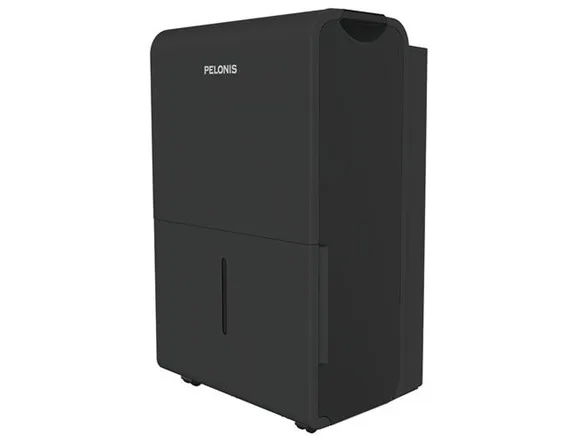
Your Pelonis dehumidifier pump not working is one of those frustrations that hits right when you need it most. The pump stops moving water. The bucket fills up fast.
Suddenly your "set it and forget it" setup turns into a daily chore.
Manufacturer specifications indicate these pumps lift water up to 15 feet vertically, moving roughly half a gallon per hour under normal conditions. That's solid performance when everything works. But when something goes wrong, the pump doesn't always give you a clear signal.
Let's walk through what's happening and how to fix it.
Quick Answer
If your Pelonis dehumidifier pump stops working, check the float switch first. A stuck float is the most common cause across all models. Next, inspect the drain hose for clogs or kinks.
Third, listen for pump noise. Silence means no power. Humming with no water means a blockage or air lock.
Run a manual reset if neither fix works. These steps solve roughly 80 percent of pump failures without calling a technician.
Step-by-Step Process / Decision Tree
The key to fixing a pump issue is knowing what you're working with. Pelonis dehumidifiers come in a few configurations: gravity drain only, bucket only, or continuous pump models. If your unit has a pump, you'll see a small drain port at the back or side with a barbed fitting for the hose.
You'll also hear a distinct clicking sound when the pump cycles on.
Let's break this down by what you actually observe. Grab a flashlight and listen carefully before you start pulling things apart.
Branch 1: Pump runs but no water comes out
This is the most common scenario. The pump makes noise, you can feel vibration through the unit, but nothing exits the hose.
First, look at the drain hose. Kinks happen when you push the unit too close to a wall or furniture. Straighten the hose and make sure it has a gentle downward slope where possible.
Second, check for clogs. Algae growth and mineral scale build up inside vinyl tubing over time, especially in basements with hard water. Disconnect the hose from the unit.
Blow through it. If air doesn't pass freely, you've found the problem. Run a vinegar and water solution through the line, then flush with clean water.
A thin zip tie or stiff wire works well to break up stubborn clogs inside the hose.
Third, look for an air lock. When the hose runs uphill and then downhill, air gets trapped at the high point. The pump impeller spins but can't grab water.
To clear it, disconnect the hose at the dehumidifier end. Let water flow freely until you see a steady stream. Reconnect quickly while water is moving.
If none of these work, the impeller inside the pump itself may have broken or separated from the motor shaft. You'll hear the motor running but no water movement. This requires pump motor replacement.
Branch 2: Pump won't turn on at all
Silence is easier to diagnose. Your pump should make a soft hum or click every few minutes during operation.
Confirm the unit is plugged into a working outlet. Test with another device. Check your breaker panel.
Dehumidifiers draw enough current that they sometimes trip GFCI outlets in basements or garages. Reset the outlet if needed.
Next, check the float switch. This is a small plastic or magnetic component inside the pump chamber under the bucket. Its job is to tell the pump when there's enough water to move.
If the float is stuck in the down position, the pump never gets the signal to start.
Open the bucket compartment. Look for a floating piece of plastic or a small cylindrical sensor. Gently lift it and release it.
It should move freely. Debris, mineral scale, or even a dead spider can jam it. Clean the area with a soft cloth and a little white vinegar.
If the float moves freely and the pump still doesn't run, the motor itself may have failed. A multimeter continuity test across the motor leads will confirm. No continuity means a burned winding.
Replacement pump motors for Pelonis models typically cost between $40 and $60.
Branch 3: Pump runs briefly then stops
This pattern points to one of two issues. First, the unit may be in defrost mode. When the evaporator coils ice over, the dehumidifier pauses both the compressor and the pump until the ice melts.
This cycle lasts 10 to 15 minutes. If you hear the pump kick on and off repeatedly, wait through a full defrost cycle before assuming something is broken.
Second, the pump may have overheated. Some Pelonis models have thermal overload protection on the pump motor. If the pump runs dry because the water level is too low, the motor heats up and shuts itself off.
Once it cools down, it restarts. This ruins the pump over time. Check that the unit has enough water in the reservoir to keep the pump primed.
Third, a conflict with the bucket sensor can cause the pump to stop prematurely. If the sensor that detects the bucket is installed incorrectly or dirty, the unit thinks the bucket is missing. It then refuses to run the pump.
Remove the bucket, clean the sensor area with a dry cloth, and reinstall the bucket firmly.
Branch 4: Unit leaks water around the pump area
Leaks usually mean a loose connection or a cracked fitting. Start at the hose connection where it attaches to the unit. The barbed fitting can develop hairline cracks over time, especially if you've overtightened the hose clamp.
Replace the fitting if you see any damage.
Next, inspect the hose itself for pinhole leaks. These happen where the hose rubs against the unit frame or floor. Trim off the damaged section or replace the hose entirely.
A less common cause is a cracked pump housing. If the plastic body of the pump has split, water escapes before it enters the impeller. This requires pump replacement.
You'll see water pooled directly under the pump area, not along the hose path.
Branch 5: Pump light blinking or error code displayed
Pelonis dehumidifiers use indicator lights and error codes to communicate pump issues. A blinking pump light typically means the float switch is stuck or the pump has run too long without emptying. Check the manual for your specific model.
In general, a flashing light means the unit detected a problem and shut the pump down for safety.
Unplug the unit for 10 minutes to reset the control board. Remove the bucket and clean the float switch area. Reinstall everything and plug back in.
If the light returns immediately, the float switch wire may be damaged or disconnected inside the pump chamber.
Image source: Bing (Web (fair-use with source credit))
This image shows the typical setup. The hose connects at the rear barbed fitting. The float switch sits inside the pump access area beneath the bucket.
A quick visual inspection of these two components tells you a lot about what's wrong.
Common Mistakes (And How to Avoid Them)
A few well-intentioned DIY moves make pump problems worse. Let's run through the most frequent ones so you can sidestep them.
Ignoring the float switch
This is the number one mistake. People hear the pump running and assume the problem is downstream. But a stuck float switch can make the pump run dry, run continuously, or refuse to start at all.
Always check the float first. It takes 30 seconds and costs nothing.
Using the wrong hose size
Pelonis dehumidifiers use either 1/4-inch or 3/8-inch inner diameter hose. Check your model before buying replacement tubing. Using a smaller hose restricts flow and burns out the pump motor.
Using a larger hose causes a poor seal at the fitting, which leads to air leaks and reduced priming ability.
Running the pump with frozen coils
When the evaporator coils ice over, no water reaches the pump reservoir. The pump runs dry, which overheats the motor and shortens its life. If you see ice on the coils, let the unit defrost completely before expecting the pump to work.
Do not chip the ice off manually. You risk damaging the thin aluminum fins.
Forgetting to prime the pump
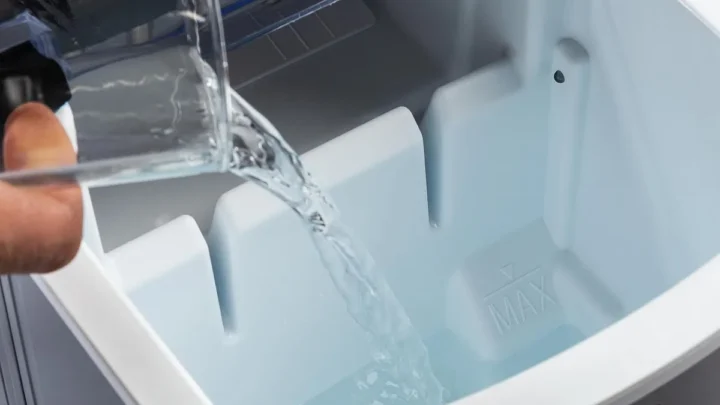
After cleaning the hose or replacing the pump, the system needs water to create suction. If you plug everything in dry, the pump spins but grabs nothing but air. Pour a cup of water into the bucket or directly into the pump intake to help it prime the first time.
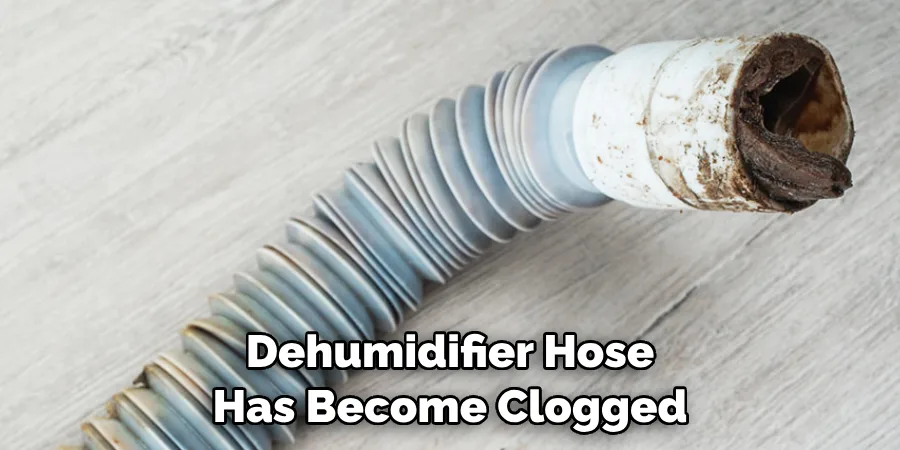
Image source: Bing (Web (fair-use with source credit))
That brown or green buildup inside the hose is algae mixed with mineral scale. It restricts flow gradually, so you may not notice until the pump stops moving water entirely. Vinegar dissolves it better than bleach and won't damage the pump seals.
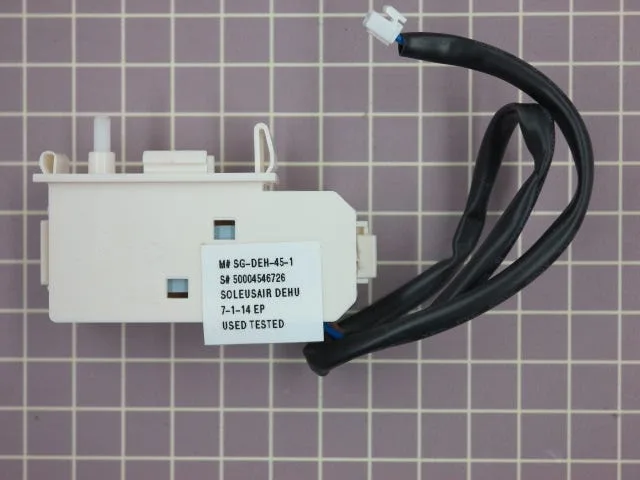
Image source: Bing (Web (fair-use with source credit))
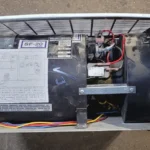
This is what a float switch looks like inside the pump chamber. The floating piece should rise and fall freely. If it sticks at any point, the pump gets the wrong signal.
Using bleach to clean the hose
Bleach is aggressive on rubber and plastic. Over time, it hardens the hose material and degrades the pump seals. Stick with white vinegar and warm water for regular cleaning.
If you need something stronger, use a dedicated condensate pump cleaner from an HVAC supply store.
Running the pump in bucket mode by accident
Some Pelonis models have a switch or setting that changes between continuous pump mode and bucket-only mode. If you notice the bucket filling up but the pump never runs, check that the unit is set to pump mode. This is a common oversight after moving the unit or cleaning it.
When to Fix It vs. When to Replace It
Not every pump issue is worth repairing. Let's be honest about the economics.
Definitely fix it yourself:
- Clogged hose. That's a vinegar soak and five minutes of time.
- Stuck float switch. Clean it and you're done.
- Kinked hose. Straighten it and reposition the unit.
- Air lock. Disconnect and reconnect the hose quickly.
These fixes cost nothing and take under 15 minutes.
Worth repairing with a part:
- Float switch replacement. A new switch costs $10 to $20 and snaps into place.
- Pump motor replacement. A replacement motor runs $40 to $60 and takes about an hour. You'll need a screwdriver and possibly a multimeter.
- Barbed fitting replacement. A new fitting is under $5 at a hardware store.
These repairs are worth it if the rest of the dehumidifier is in good shape and less than five years old.
Time to replace the whole unit:
- The compressor is failing. If the unit doesn't cool or remove humidity, fixing the pump is pointless.
- The control board is fried. Replacing a circuit board on a budget dehumidifier often costs as much as a new unit.
- The unit is over eight years old. Efficiency has dropped and seals are aging. A $40 pump repair on a 10-year-old machine is a gamble.
- The pump housing is cracked. Replacement pump assemblies for Pelonis models can cost $80 or more, and they're sometimes out of stock.
A new Pelonis dehumidifier with a pump runs between $150 and $250 as of 2025. If your repair would cost over $100 and the unit is older than five years, you're better off replacing it.
Maintenance and Prevention
A little regular care keeps the pump running longer. Here's what works.
Flush the hose monthly. Disconnect it and run warm water through. If you notice resistance or slow flow, run a vinegar solution through it.
Check the float switch every three months. Open the pump chamber and watch the float move. Clean away any debris you find.
Run a test cycle after storage. Dehumidifiers that sit for months in a garage or closet can develop stuck floats and dry pump seals. Before relying on it for the season, pour a quart of water into the bucket and confirm the pump kicks on and moves it out.
Replace the hose yearly. Vinyl tubing gets brittle from UV exposure and temperature changes. A fresh hose ensures a good seal and unrestricted flow.
Keep the air filter clean. A clogged filter reduces airflow across the coils. Reduced airflow leads to ice buildup. Ice buildup means the pump runs dry.
It's a chain reaction that starts with a dirty filter.
Frequently Asked Questions
Why is my Pelonis dehumidifier pump humming but not pumping water?
That humming means the motor is running but the impeller isn't moving water. The most likely cause is an air lock in the line. Disconnect the hose at the unit and let water flow freely before reconnecting.
If that doesn't fix it, check for a clog or a broken impeller.
How do I reset the pump on my Pelonis dehumidifier?
Unplug the unit for 10 minutes. Remove the bucket and clean the float switch area. Reinstall the bucket and plug the unit back in.
Set it to continuous pump mode. This clears most software-related errors and stuck sensor signals.
Can I use a longer hose with the pump?
Yes, but keep the total length under 20 feet and avoid excessive vertical rises. The pump is rated for up to 15 feet of lift. A longer hose adds back pressure that can reduce flow and strain the motor.
How often should I clean the pump and drain hose?
Clean the hose every month during continuous use. Clean the float switch area every three months. If you have hard water, double that frequency.
Mineral scale builds up faster and requires more attention.
Will freezing damage the pump?
Yes. Water expands when it freezes, which can crack the pump housing and damage internal seals. Never operate the dehumidifier in temperatures below 40 degrees Fahrenheit.
If storing the unit in an unheated space, drain all water from the hose and pump chamber first.

Similar Posts