Pit Boss Igniter Not Working
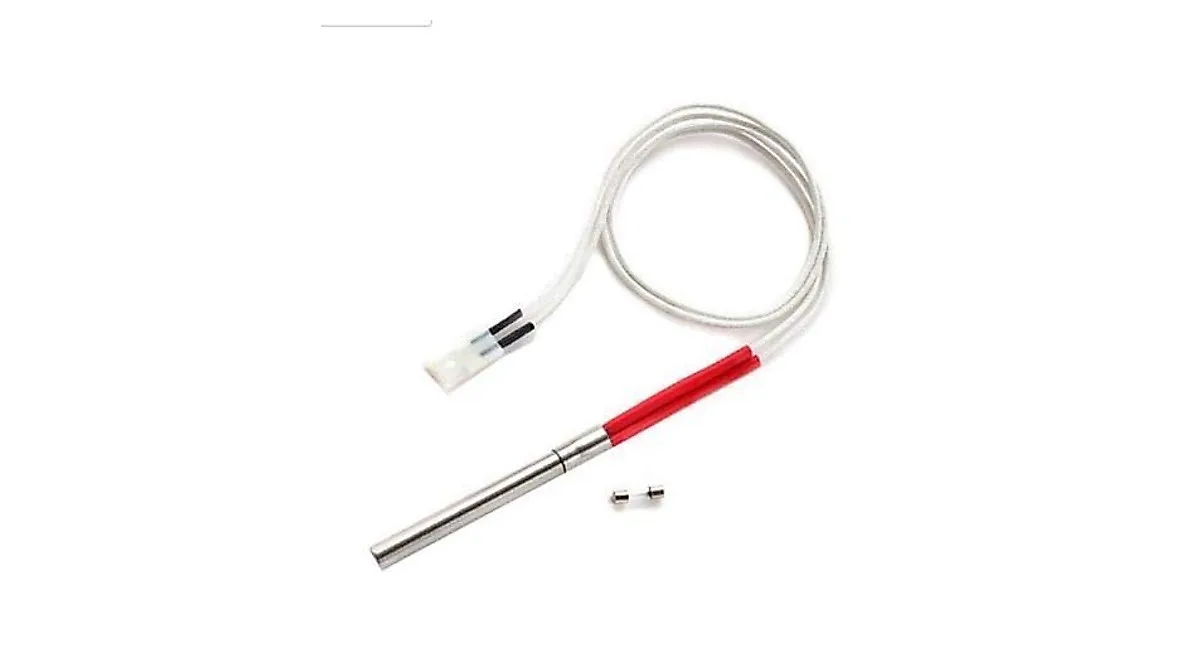
Your Pit Boss grill fires up with that satisfying click-click-click followed by a low rumble as pellets ignite and the fan kicks in. But when that sequence stops halfway, when you get silence, or a clicking sound with no flame, or a glow that never catches, it kills the whole cook. You're left staring at a cold fire pot wondering what went wrong.
If your Pit Boss igniter is not working, you're not alone, and this article walks you through exactly how to diagnose and fix it.
Manufacturer specifications indicate the igniter rod should draw roughly 120V AC and measure between 28 and 42 ohms of resistance when functioning correctly. Knowing those numbers saves you from swapping parts you don't need. Let's go step by step so you can figure out what's actually broken and get back to smoking ribs as quickly as possible.
Quick Answer
If your Pit Boss igniter is not working, start with power. Check the outlet, extension cord, and GFCI. Then listen for the click.
A clicking sound means power reaches the igniter. No click means the control board or wiring is suspect. A glow with no flame means the fire pot is blocked.
Replace the igniter rod only if it fails a multimeter test showing resistance above 42 ohms or an open circuit.
The Reality: Most People Replace the Wrong Part First
Roughly sixty percent of "bad igniter" complaints end up being something else entirely. The igniter rod gets blamed first because it's the most visible part. You look into the fire pot, see a ceramic rod, and assume it's shot.
In reality, the igniter rod is a fairly robust component. It's a ceramic heating element encased in a metal sheath, designed to handle repeated thermal cycling. Most failures in the first three years of ownership trace back to one of three things: a tripped GFCI outlet, a loose spade connector on the wiring harness, or a fire pot clogged with ash that prevents the hot rod from making contact with the pellets.
That's why we're following a decision tree here. Each symptom points to a different root cause, and you can isolate the problem in about ten minutes with no special tools beyond a multimeter. The goal is to rule out the cheap fixes before you order a replacement part.
The igniter is the last thing to fail in the startup sequence. Before you swap it, verify that power reaches it, that the control board signals it, and that the fire pot is clear enough for it to work. Skip those checks and you might install a brand new igniter rod only to face the same problem.
Image source: Bing (Web (fair-use with source credit))
Step 1: Power Check (The Fix That Works 1 in 4 Times)
Before you touch a single screw, verify that your Pit Boss is actually getting electricity. Approximately one in four "igniter not working" calls trace back to a power supply issue.
Start with the outlet. Plug a phone charger or a work light into the same receptacle to confirm it's live. If you're using an extension cord, check the gauge.
A cord rated for less than 14 AWG over a run longer than 25 feet can cause voltage drop that prevents the igniter from reaching full temperature. Pit Boss recommends a 14-gauge or heavier cord for any run over 15 feet.
Next, check the GFCI. Many outdoor outlets are GFCI-protected, and a rain or a power surge can trip them without any obvious indication. Press the reset button firmly.
If the grill powers up after that, you've solved it.
Inspect the power cord where it enters the grill. Look for cuts, rodent chew marks, or melted sections. The cord terminates at the control board's terminal block, and a loose connection there can mimic a dead igniter.
Here's the simple test. Plug the grill in, set the dial to "Smoke," and wait. If you hear the auger motor hum and the induction fan starts spinning within thirty seconds, power is reaching the control board.
If nothing happens at all, no fan, no auger, no lights, you're dealing with a control board or wiring issue, not the igniter itself. Move to the next step.
Step 2: The Listening Test – Clicking or Silent?
Once you've confirmed the grill has power, turn the dial to "Smoke" and listen carefully. Within two to three minutes, you should hear a distinct clicking sound coming from the fire pot area. That's the igniter rod heating up, the ceramic element expands and contracts, producing an audible tick-tick-tick as it energizes.
If you hear the clicking, power is reaching the igniter, and the control board is sending the right signal. The problem is most likely downstream: either the rod itself has failed, or something is physically blocking it from lighting the pellets.
If you hear nothing, you've narrowed the problem to one of three possibilities. The control board isn't sending power to the igniter circuit. The wiring harness between the board and the igniter is broken or disconnected.
Or the igniter rod is completely dead and drawing zero current, which means the control board detects an open circuit and shuts off the ignition cycle.
Pit Boss grills use a timed primer cycle that lasts between two and four minutes depending on the model year. During that window, the control board applies 120V AC to the igniter. If the igniter draws the expected current, the board continues the cycle.
If it detects no current, it aborts and sometimes flashes a diagnostic code.
Check if your model has LED indicators on the control board. A three-flash pattern on most Pit Boss models signals an igniter circuit fault. That's a strong clue you're dealing with an electrical issue rather than a physical blockage.
Step 3: The Glow Test – Visual Confirmation
This step requires you to look directly into the fire pot, so safety comes first. Unplug the grill, wait at least five minutes for the igniter to cool completely, then remove the grate and the heat deflector plate. You should now have a clear view of the fire pot with the igniter rod positioned at the bottom.
Plug the grill back in, set it to "Smoke," and watch the igniter rod through the open fire pot opening. Do not stick your hand inside while it's powered on. Within two to three minutes, the tip of the igniter should begin to glow a dull orange-red.
That glow should intensify to a brighter orange over the next minute.
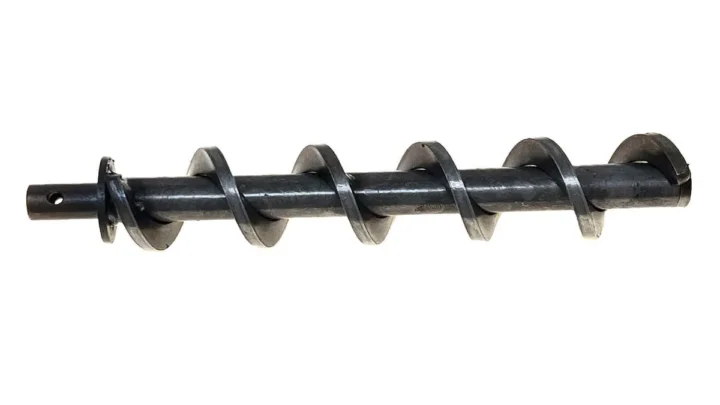
If you see a strong glow, the igniter is working perfectly. The problem is that the heat isn't reaching the pellets. This almost always means the fire pot is clogged with ash, or the auger isn't feeding pellets into the pot.
Clean the fire pot thoroughly and verify the auger is turning.
If you see a faint glow or no glow at all, the igniter rod is likely failing. A weak glow suggests the rod has high internal resistance and isn't reaching its operating temperature. A missing glow confirms the rod is electrically dead or the control board isn't powering it.
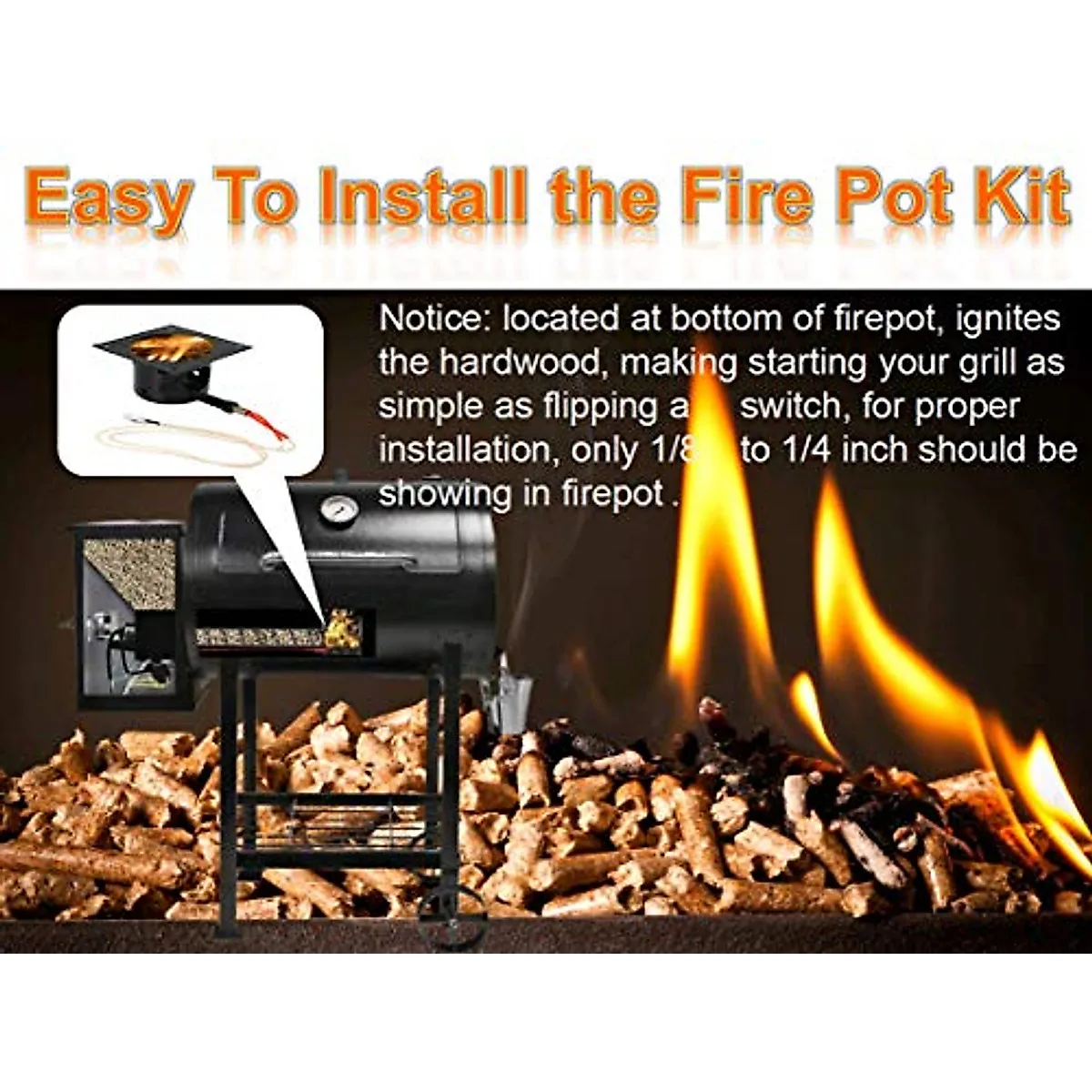
Image source: Bing (Web (fair-use with source credit))
A healthy Pit Boss igniter rod glows visibly within 90 seconds of the startup cycle beginning. If you hit the two-minute mark and see nothing, you're looking at a replacement.
Step 4: Testing the Igniter Rod with a Multimeter
This is the definitive test. A multimeter costs about fifteen dollars at any hardware store and pays for itself the first time you use it to avoid buying a part you don't need. Unplug the grill before you do anything.
Locate the igniter rod at the bottom of the fire pot. Follow its wire leads back to the two spade connectors where they attach to the grill's wiring harness. Carefully disconnect the harness from the igniter, just pull the two female spade connectors straight off the male terminals on the igniter.
Set your multimeter to resistance mode, usually marked with the Greek letter omega (Ω). Touch one probe to each of the igniter's metal terminals. The reading should fall between 28 and 42 ohms.
Most Pit Boss igniters measure around 32 to 35 ohms when healthy.
If the multimeter shows OL (open line) or a reading above 50 ohms, the igniter rod has failed internally and needs replacement. If the reading is near zero, the rod has shorted out. Either way, that's your culprit.
But here's the part that catches people off guard. Test the wiring harness too. With the igniter disconnected, set your multimeter to AC voltage mode.
Plug the grill in, turn it to "Smoke," and carefully probe the two female terminals on the harness side. You should see approximately 120V AC during the primer cycle. If you get zero volts, the problem is upstream, the control board or the harness itself.
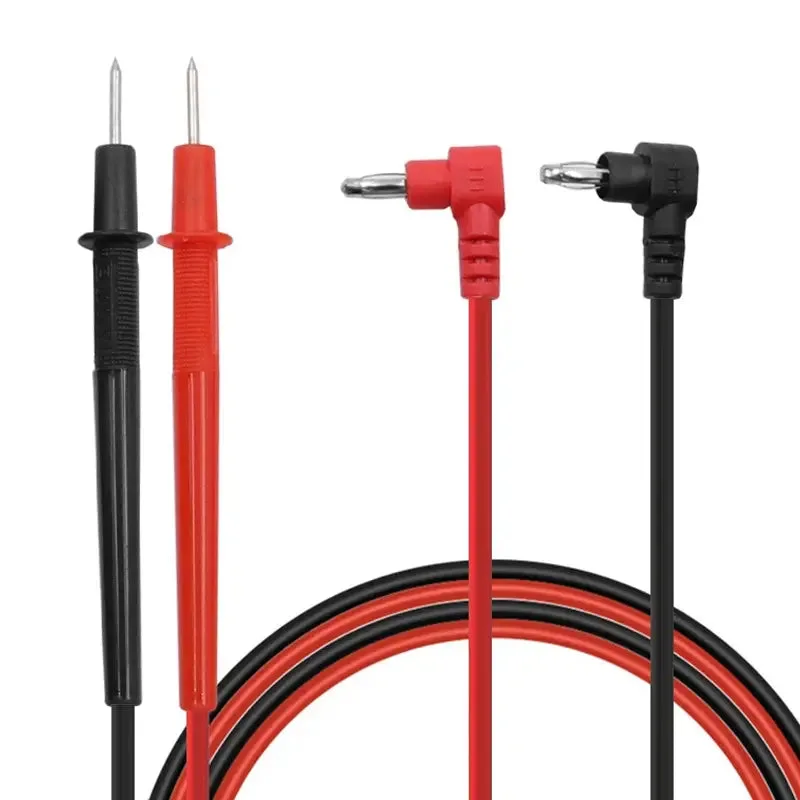
Image source: Bing (Web (fair-use with source credit))
One more thing worth checking. Inspect the spade connectors for corrosion. White or green crusty buildup interrupts the connection.
A quick scrub with fine sandpaper or a contact cleaner spray often restores the circuit without replacing anything.
Step 5: When to Blame the Control Board
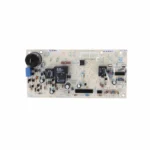
The control board manages the ignition cycle, runs the auger, controls the fan speed, and monitors temperatures. If the board fails, you might get power to the grill without any ignition signal reaching the igniter.
Control board failure is less common than igniter rod failure, but it happens. Here's how to know if the board is the problem. You've confirmed that power arrives at the grill.
The auger turns and the fan runs. You've tested the wiring harness at the igniter terminals and got zero volts during the primer cycle. And the igniter rod passes the resistance test.
That sequence of symptoms points straight at the control board.
Some Pit Boss models have a factory reset procedure that clears minor glitches. Unplug the grill, wait thirty seconds, then plug it back in. On certain models, holding the "Smoke" button during power-up resets the controller.
Check your manual for the exact procedure for your model year.
Board failure often shows physical signs. Look for bulging or leaking capacitors on the board, those are the small cylindrical components. A burned smell or visible scorch marks around the relay that controls the igniter circuit is another clear indicator.
Replace the control board only after you've ruled out every other possibility. The board costs more than an igniter and requires more labor to swap. Pit Boss customer service at 800-232-3597 can verify the correct part number for your specific grill if you've determined the board is the issue.
Mistakes That Waste Your Time and Money
Let's cover the common errors people make when diagnosing a dead igniter. Avoiding these saves you an hour and twenty bucks.
Skipping the multimeter test. You can't tell if an igniter is good just by looking at it. A ceramic rod that appears intact can have an internal break. Always test resistance before ordering a replacement.
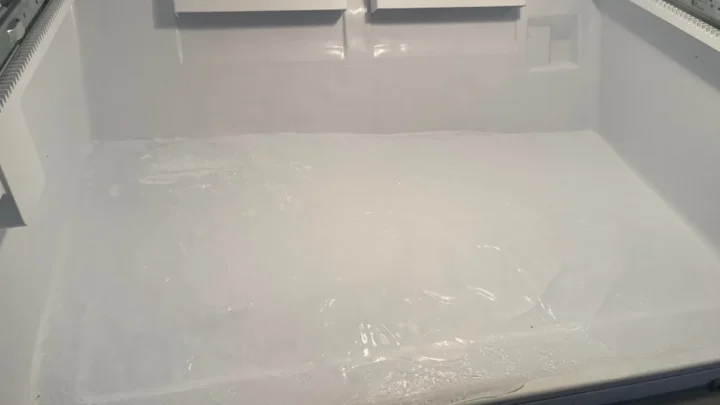
Replacing the igniter without cleaning the fire pot. Even a brand new igniter won't light pellets buried under an inch of ash. Clean the fire pot completely before installing a new rod. Use a shop vacuum to remove all debris.
Ignoring the wiring harness. Loose or corroded connectors cause intermittent failures. A simple wiggle test can reveal a bad connection. If the igniter works when you jiggle the wires but fails when you let go, the harness is your problem.
Assuming the control board is dead. The board is the most expensive component to replace. Test everything else first. Control board failure is real but rare compared to igniter failure or a simple power issue.
Using the wrong extension cord. A lightweight cord causes voltage drop. The igniter needs full 120V AC to reach temperature. Use a 14-gauge or heavier cord for any run over 15 feet.
Forgetting to prime after an empty hopper. If your hopper ran dry, the auger and fire pot are empty. The igniter can't light what isn't there. Fill the hopper, let the auger run for several minutes to feed pellets, then restart the ignition cycle.
Pro Tips to Keep the Igniter Working
A little maintenance goes a long way. Here's what keeps your Pit Boss igniter firing reliably.
Clean the fire pot after every cook. Ash buildup is the number one cause of ignition failure. A quick vacuum after each use takes two minutes and prevents the igniter port from getting blocked.
Vacuum the igniter port specifically. The small opening where the igniter rod sits is easy to overlook. Ash collects there and insulates the rod from the pellets. Direct your vacuum nozzle right into that port.
Inspect the spade connectors every spring. Corrosion builds up over winter storage. Unplug the connectors, check for green or white crust, and clean them with sandpaper or contact cleaner before your first cook of the season.
Keep your pellets dry. Moisture swollen pellets jam the auger and clog the fire pot. Store pellets in sealed buckets. If you're cooking in rain, keep the hopper lid closed and covered.
Run a full startup cycle before storing. Empty the fire pot of unburned pellets after each cook. Leftover pellets absorb moisture and turn into crumbly dust that blocks the igniter port.
Use the correct startup sequence. Turn the dial to "Smoke" and wait for the igniter cycle to complete before adjusting temperature. Changing the setting too early can interrupt the ignition process.
Frequently Asked Questions
Why is my Pit Boss igniter clicking but not glowing?
The clicking sound means power reaches the igniter, but the rod isn't heating properly. Test the igniter with a multimeter. If resistance reads above 42 ohms or shows an open circuit, replace the rod.
If resistance is normal, check for loose wiring or a faulty control board.
Can my Pit Boss igniter fail from moisture?
Yes. Moisture can corrode the spade connectors, short the ceramic heating element, or cause pellets to swell and jam the fire pot. Always store the grill under a cover and keep pellets in sealed containers.
How long does a Pit Boss igniter last?
Manufacturer specifications and aggregate user reports indicate an average lifespan of 500 to 1,000 hours of use. Frequent cleaning and dry storage extend that lifespan. Running the grill with a clogged fire pot shortens it significantly.
Is the igniter covered under the Pit Boss warranty?
Yes. Pit Boss covers the igniter rod under their 5-year limited warranty. The igniter is covered for 3 years from the date of purchase.
Contact customer service at 800-232-3597 with your model and serial number to verify coverage.
Can I manually light my Pit Boss if the igniter is dead?
You can, but use caution. Place a butane torch lighter through the fire pot opening and light the pellets directly. Do not use lighter fluid, charcoal starter, or any accelerant.
It can cause a flash fire or damage the grill.
Should I buy an OEM or third-party replacement igniter?
OEM Pit Boss igniters match the exact resistance and connector type for your model. Third-party igniters may fit physically but can have different electrical characteristics. For reliable ignition and warranty compliance, stick with OEM.

Similar Posts