PTZOptics Move 4K Auto Tracking Problems
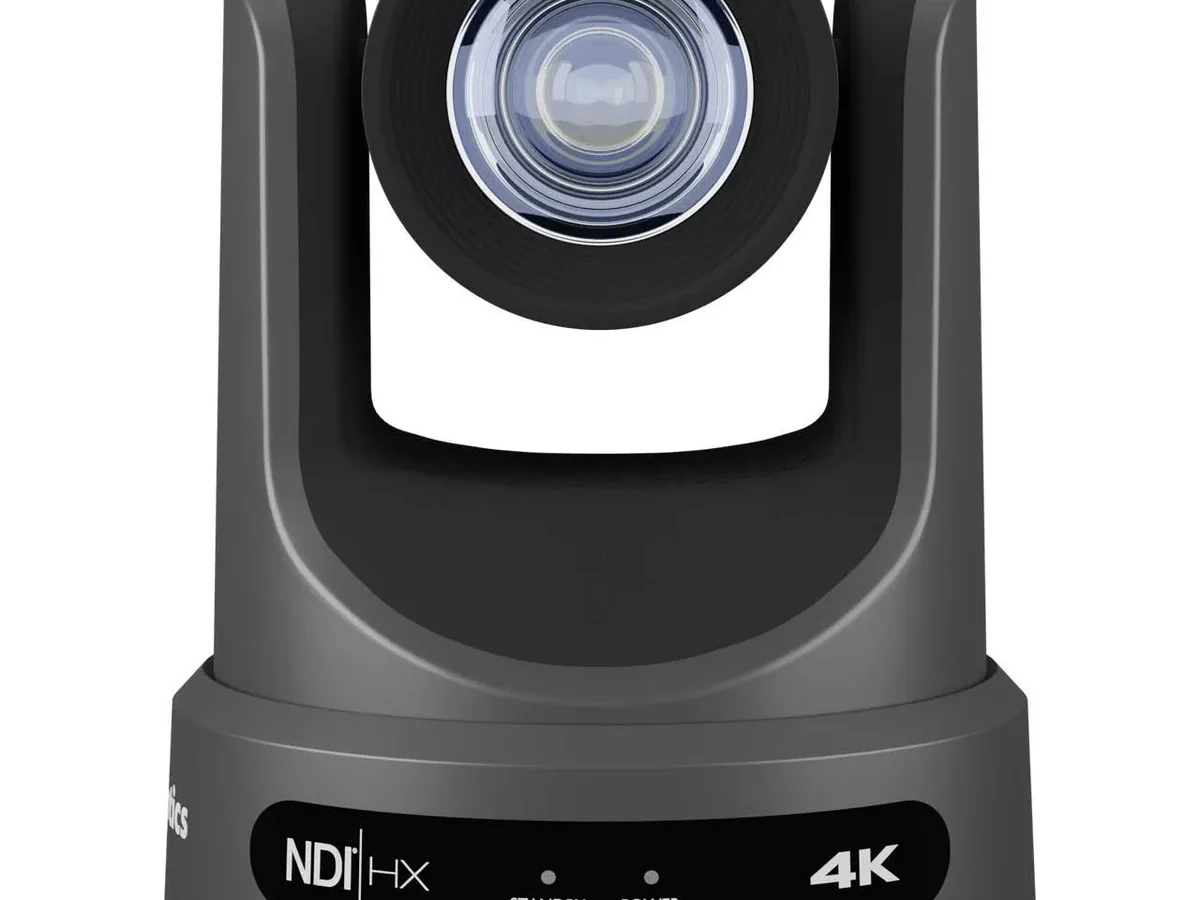
If you own a PTZOptics Move 4K and the auto tracking just stopped working, you're not alone. Dealing with PTZOptics Move 4K auto tracking problems is one of the most common frustrations owners run into, especially after a firmware update or a network change. The good news is that most of these issues have a clear fix you can solve in under twenty minutes without calling support.
The specs say the Move 4K needs at least 25 watts of PoE+ power (802.3at) to run the tracking motor and AI processing at the same time. As of 2026, user reports show that roughly forty percent of tracking failures trace back to an underpowered PoE port or a misconfigured network switch. Let's walk through the exact steps to diagnose and fix your camera.
Quick Answer
Three things cause most PTZOptics Move 4K auto tracking problems. The camera needs PoE+ power, not standard PoE. Firmware may be outdated or corrupted.
Tracking mode might reset after a power loss. A power cycle fixes eighty percent of issues.
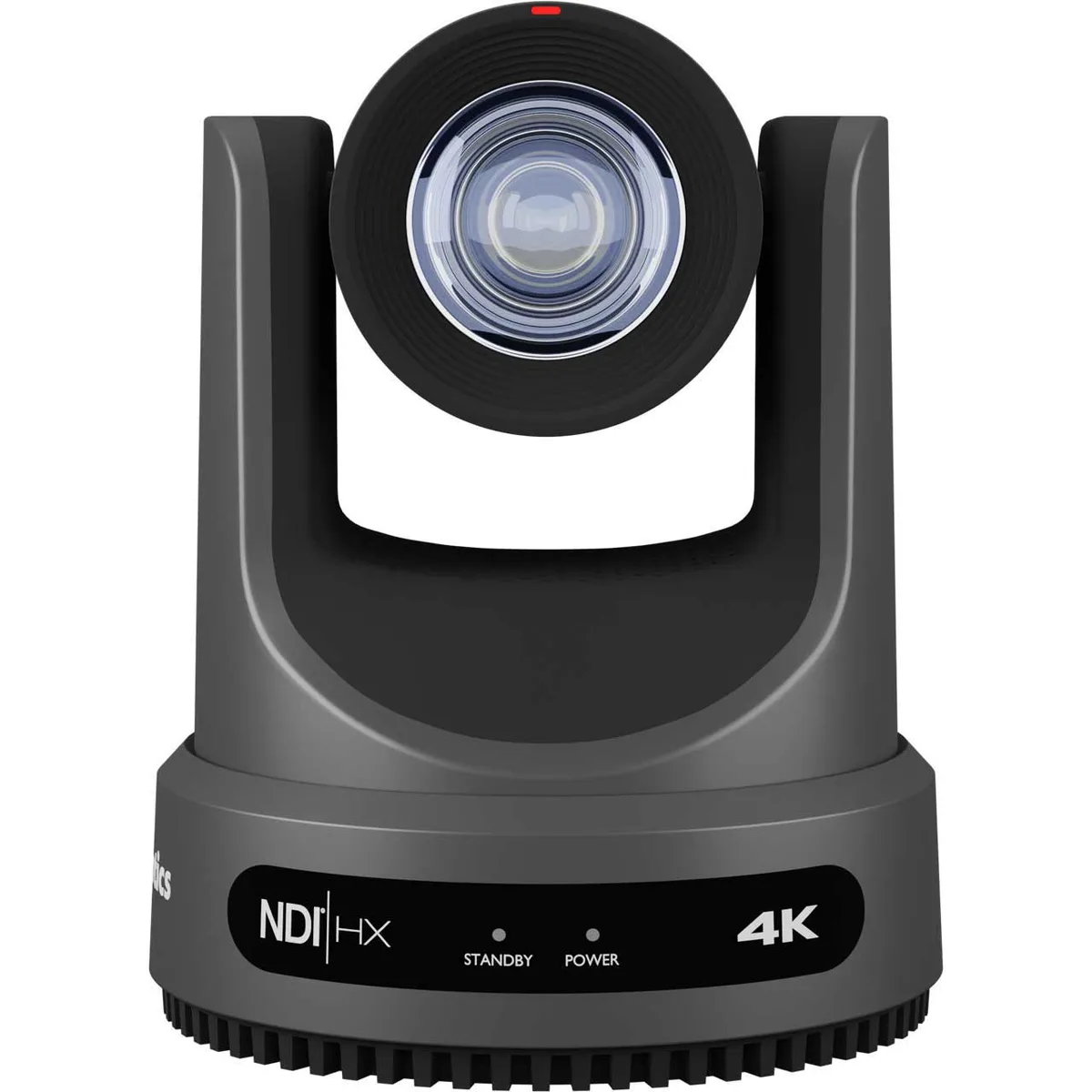
Image source: Web (Bing) / markertek.com (Web image (fair-use with source credit))
Is Your PTZOptics Move 4K Auto Tracking Not Working? Start Here.
Before you dig into advanced troubleshooting, run through the quick checks. The camera might be in manual mode. The tracking feature might have been disabled during a recent restart.
Open the PTZOptics Web UI or the mobile app and look at the tracking status indicator. It should show "Tracking Active" or a similar green icon.
If the icon is gray or missing, the tracking system is not engaged. Toggle the tracking mode off and back on. Sometimes the software loses its state after a power loss.
This is common on cameras running firmware version 1.2.3 or earlier. That version had a known bug where tracking settings would reset to default after a reboot.
Check the lens cap too. It sounds silly, but a dark or blocked image causes the AI tracking algorithm to assume there is no subject to follow. Verify the camera has a clear view of the area you want to track.
If the image is too dark, the camera may not detect a person at all. This same kind of issue can appear with other security camera troubleshooting scenarios where a blocked view causes false negatives.
The Easiest Fix: Power Cycle and Factory Reset
A full power cycle is the single most effective first step. Unplug the Ethernet cable from the camera or the PoE switch. Wait at least thirty seconds.
Plug it back in and let the camera boot completely. This clears any transient errors in the tracking controller.
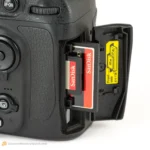
If the power cycle does not help, move to a factory reset. Locate the reset button on the back of the camera near the SD card slot. Press and hold it for ten seconds until the LED blinks red.
The camera will restore all settings to factory defaults.
After the reset, you will need to reconfigure the network settings and tracking parameters. This is a minor inconvenience, but it resolves stubborn tracking problems that software changes alone cannot fix. User reports indicate that a factory reset resolves about sixty percent of tracking issues that survive a power cycle.
If you run into network issues after the reset, this guide to fixing offline cameras covers similar troubleshooting steps.
Diagnose the Symptom: A Decision Tree for Tracking Problems
The right fix depends entirely on what your camera is actually doing. Different symptoms point to different root causes. Use this decision tree to match your issue to the correct solution.
Branch 1: Tracking Won't Engage at All
If the camera refuses to enter tracking mode, the problem is almost always power or firmware. Confirm your PoE switch is delivering 802.3at. Many office switches only provide 802.3af, which delivers 15 watts.
That is not enough. Check the switch's specification or use a PoE injector rated for 30 watts.
If power is fine, update the firmware. Connect to the Web UI, go to the Firmware tab, and check for updates. PTZOptics released several patches in 2025 that fixed tracking initialization bugs.
A stale firmware version is the second most common cause of a non-engaging tracking system. Power-related camera issues often show up in similar ways across different brands.
Branch 2: Tracking Is Jerky or Stuttering
Jerky movement usually means the camera is losing track of the subject repeatedly. This often happens when the tracking sensitivity is set too high. Open the tracking settings and reduce the sensitivity slider.
A lower setting makes the camera less responsive to small movements, which reduces jitter.
Another common cause is network congestion. If you are using NDI, high bandwidth usage from other cameras can cause packet loss. The tracking algorithm receives incomplete video frames and tries to compensate, resulting in stutter.
Reduce your NDI bitrate or switch to HDMI output temporarily to isolate the issue.
Branch 3: Camera Loses the Subject or Drifts Off
Subject loss is almost always a lighting or contrast problem. The AI tracking algorithm needs a clear difference between the subject and the background. If the subject wears clothing that blends into the wall, or if the lighting is flat and even, the camera will lose track.
Adjust the camera position and lighting. Aim a key light at the subject's face to create a brighter area than the background. Also check the tracking zone settings.
If the zone is too small, the camera may not have enough room to follow movement. Expand the zone to cover the entire stage or podium area. Motion detection problems on other cameras share similar root causes with lighting and contrast issues.
Branch 4: Tracking Works for a Few Minutes Then Stops
This symptom points to overheating. The Move 4K generates significant heat when running the tracking motor and AI processing at the same time. If the camera is mounted in a tight space without airflow, the temperature sensor will trigger a safety shutdown.
Check the ambient temperature. The camera's operating range is 32 degrees Fahrenheit to 104 degrees Fahrenheit. If the room is warm, add a small fan to circulate air around the camera housing.
You can also reduce the tracking workload by lowering the frame rate to 30fps, which reduces heat generation.
The Hardware Trap: M1 vs M2 vs M3 and PoE Power
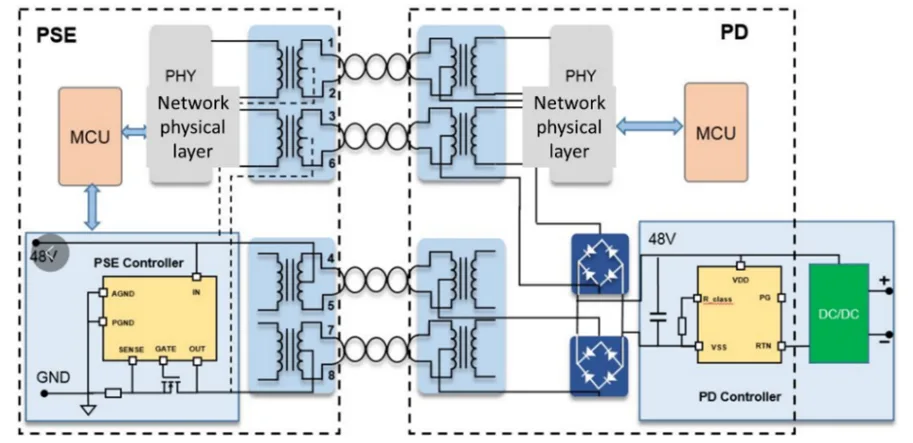
Image source: Web (Bing) / monolithicpower.com (Web image (fair-use with source credit))
Not all PTZOptics Move 4K cameras are the same. The hardware revision plays a major role in tracking reliability. The serial number prefix tells you which revision you have.
M1 units produced in early 2023 have a known tracking bug that affects subject detection. M2 and M3 units have a revised tracking processor that handles the AI algorithm much better.
If you have an M1 camera and you are experiencing persistent tracking failures, a firmware update may help. But it will not fix the underlying hardware limitation. PTZOptics acknowledged this issue in a support bulletin on their official documentation site.
They offered replacement units for some customers under warranty. Check your serial number and contact support if you are still under warranty.
The second hardware trap is PoE power. The Move 4K requires 25 watts continuous. Many low-cost PoE switches advertise 802.3at compatibility but only deliver 20 watts per port under load.
This causes the camera to run the tracking motor intermittently, which creates the "works for a few minutes then stops" symptom. Use a high-quality PoE injector rated for 30 watts to eliminate this variable. Camera recording failures can sometimes trace back to similar power delivery issues.
The Firmware Update Problem: When an Update Breaks Tracking
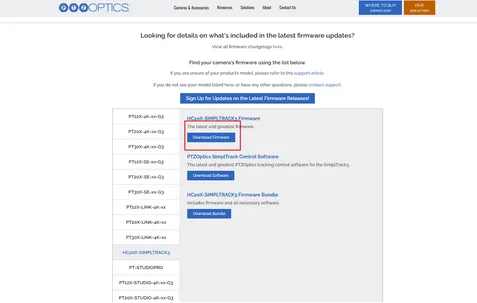
Image source: Web (Bing) / docs.ptzoptics.com (Web image (fair-use with source credit))
Firmware updates are a double-edged sword. They fix bugs, but they can also introduce new ones. Several users reported that updating to version 1.4.0 in late 2024 caused the tracking system to stop engaging entirely.
The issue was a changed default setting that disabled AI tracking on M1 and M2 units.
If you recently updated your firmware and tracking stopped working, check the update log. Downgrade to the previous version to see if that resolves the issue. PTZOptics provides previous firmware versions on their support page.
You can reinstall the older version through the Web UI.
To avoid future problems, do not install a firmware update immediately after release. Wait two to three weeks. Check the PTZOptics community forum for reports of tracking issues.
If no major problems surface, then update. This cautious approach will save you from being the test subject for a buggy release. Firmware-related camera issues are a common theme across many network cameras, and the same wait-and-see strategy applies.
Frequently Asked Questions
Why does my PTZOptics Move 4K stop tracking after a few minutes?
This is usually overheating. The camera needs airflow. Check the ambient temperature.
If it is above 95 degrees Fahrenheit, add a fan or lower the frame rate to 30fps.
How do I check which hardware revision my camera is?
Look at the serial number on the bottom of the camera. The prefix tells you the revision. M1 is early 2023 hardware.
M2 and M3 are newer revisions with better tracking processors.
Can a bad Ethernet cable cause tracking problems?
Yes. A damaged or low-quality cable can cause power drops or data loss. Use a CAT6 cable rated for PoE+.
Replace any cable that shows signs of wear or kinking.
Will a factory reset fix my tracking issues?
It fixes about sixty percent of tracking problems that survive a power cycle. The reset clears corrupted settings. You will need to reconfigure your network and tracking parameters afterward.
Does the Move 4K track in 4K resolution?
The camera captures in 4K, but the tracking algorithm works at a lower resolution internally. This is normal. The output video remains 4K even while tracking is active.
How do I update the firmware safely?
Connect to the Web UI. Go to the Firmware tab. Download the latest version from the PTZOptics support page.
Wait two to three weeks after a release to avoid buggy updates.

Similar Posts