Why Does My Toto Toilet Keep Running
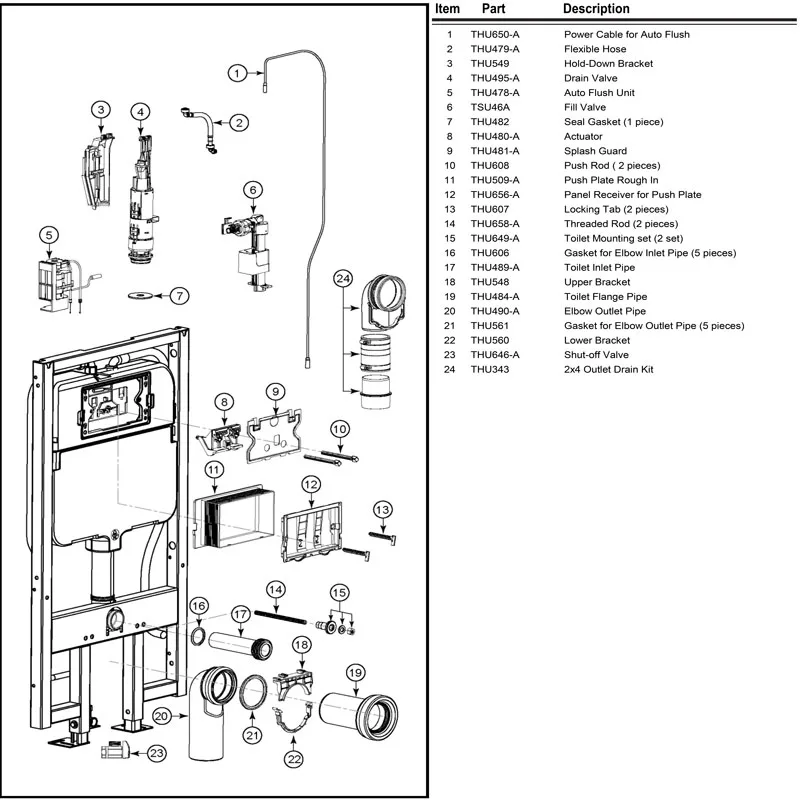
Image source: Bing (Web (fair-use with source credit))
If your Toto toilet won't stop running, you're not alone. It's almost never a major plumbing issue. The short answer is that either the flapper isn't sealing, the fill valve isn't shutting off, or the water level is set too high.
As of 2026, these three causes account for roughly 95% of running toilet problems across every Toto model.
A continuously running toilet wastes about 200 to 300 gallons of water per month, according to EPA WaterSense estimates. That adds up on your water bill, plus the constant hissing sound is annoying. The good news is you can diagnose and fix this yourself in under 30 minutes without calling a plumber.
The EPA WaterSense program notes that fixing easy household leaks can save about 10% on your water bill.
Quick Answer
Your Toto toilet keeps running because water is escaping from the tank. The flapper is the most common culprit. A worn or warped flapper lets water leak into the bowl.
The fill valve then kicks on to replace that lost water. Fix the seal and the cycle stops. Check the flapper first.
Then check the fill valve and water level.
Why Your Toto Won't Stop Running (Quick Diagnosis)
A Toto toilet runs when water silently leaks from the tank into the bowl, and the fill valve keeps running to top it back up. This leak creates that familiar hissing noise. The fix is almost always one of three things inside the tank.
The three main causes ranked by frequency:
- Worn flapper (about 70% of cases). The rubber seal gets hard, warped, or crusted with minerals. Water slips past into the bowl.
- Fill valve won't shut off (about 20% of cases). The float gets stuck or the diaphragm fails. Water keeps flowing even when the tank is full.
- Water level too high (about 10% of cases). The water rises above the overflow tube and trickles down. This is usually an adjustment issue, not a broken part.
How to narrow it down in 60 seconds:
- Take the tank lid off and set it somewhere safe.
- Listen. A hissing sound means water is moving. Is it coming from the overflow tube in the center, or from the fill valve on the left?
- Look at the water level. It should sit about a half inch to one inch below the top of the overflow tube.
- Check the flapper. Does it sit flat and centered over the flush valve opening? Or is it crooked, cracked, or crusted?
- Flush and watch. Does the flapper drop and seal immediately? Or does it hang up on the chain?
These observations point straight to the right fix. Now let's look at how these parts work together so you understand why they fail.
Inside the Tank: How the Fill Valve and Flapper Work Together
Every Toto toilet tank has the same basic job. It holds water, releases it quickly to flush the bowl, then refills. Two main components make this happen.
The fill valve is the tall plastic tower on the left side of the tank. When you flush, water drains out, the float drops, and the fill valve opens. Water rushes in.
When the tank reaches the correct level, the float rises and pushes a small internal valve closed.
The flapper is the rubber disk at the bottom of the tank, connected to the flush handle by a chain or wire. When you push the handle, the chain lifts the flapper. Water rushes out through the flush valve into the bowl.
The flapper then drops back down and seals the opening.
The overflow tube is the open pipe in the center of the tank. It does two jobs. It stops the tank from overflowing if the fill valve fails.
And it sends a small stream of water into the bowl after every flush to refill the bowl's trap seal.
A small rubber refill tube runs from the fill valve to the overflow tube. It directs water into the bowl during refill.
This is where things go wrong:
- If the flapper does not seal perfectly, water trickles past it into the bowl. The tank level drops slowly. The float drops. The fill valve opens to add more water. But it never stops because the leak never stops. That is the classic running toilet.
- If the fill valve itself fails, it may not close all the way. Water keeps flowing even when the tank is full. The extra water goes up the overflow tube and down into the bowl.
- If the float is set too high, the water reaches the top of the overflow tube. Water spills over continuously. The fill valve never shuts off because it never reaches its shutoff point.
Once you understand this cycle, troubleshooting becomes simple. Something is either leaking out the bottom (flapper) or overflowing out the middle (float or fill valve).
The 15-Minute Decision Tree: Find the Failing Part
This decision tree works on every Toto model. Follow it in order. Do not skip steps.
Step 1: The Dry Paper Test (30 seconds)
Flush the toilet. Wait for the tank to refill and the fill valve to go silent. Take a dry piece of toilet paper and press it against the back wall of the bowl, just above the water line.
Wait 30 seconds.
- If the paper gets wet, the flapper is leaking. Go to the flapper fix.
- If the paper stays dry, the flapper is sealing fine. Move to Step 2.
Step 2: The Overflow Tube Check (15 seconds)
Open the tank lid. Look at the water level.
- If the water is touching or spilling into the top of the overflow tube, the water level is set too high. Go to the adjustment section.
- If the water is a half inch or more below the overflow tube, the fill valve is probably the problem. Move to Step 3.
Step 3: The Fill Valve Listen Test (10 seconds)
Stand by the tank with the lid off. Listen carefully. Is there a hissing or trickling sound coming from the fill valve tower?
- If yes, the fill valve diaphragm may be leaking internally. Go to the fill valve fix.
- If no, the fill valve sounds quiet, but the toilet still runs. The issue is likely a slow flapper leak. Go to the flapper fix anyway.
Step 4: The Chain Check (15 seconds)
Flush the toilet. Watch the flapper drop.
- Does it fall straight down and center itself? Good.
- Does it hang up on one side? The chain is too tight or caught. Adjust it.
- Does it lift crooked? The chain or lift wire may be binding. Straighten it.
This decision tree covers 95% of Toto running toilet cases. The remaining 5% involve a worn flush valve seat or a cracked overflow tube. But start here.
You'll likely never need to go that far.
First Fix: Replace the Worn Toto Flapper
This is the fix for about 7 out of 10 running Toto toilets. It's also the cheapest and easiest.
What you need:
- OEM Toto flapper designed for your model. Cost: $10 to $15.
- No tools required. Your hands are enough.
Why OEM matters. A universal flapper from the hardware store may not fit Toto's 3-inch flush valve correctly. It might seal for a week, then warp or pop off. Aggregate user reviews consistently report that OEM Toto flappers last 5 to 7 years versus 1 to 2 years for generics.
Spend the extra few dollars.
Steps to replace:
- Shut off the water supply valve behind the toilet. Turn it clockwise.
- Flush to empty the tank.
- Unhook the old flapper from the flush valve ears. Slide it off the chain or wire.
- Check the model number inside the tank lid. Match the flapper exactly.
- Attach the new flapper ears into the slots on the flush valve tube.
- Connect the chain. Leave about a quarter inch of slack. Too tight and the flapper hangs open. Too loose and it may catch.
- Turn the water back on. Let the tank fill. Flush and watch.
- Repeat the toilet paper test to confirm the seal.
How to tell if the flapper was the real problem:
Stay quiet for 24 hours. You should not hear any hissing. The toilet should stay silent between flushes.
If it still runs, the issue was never the flapper alone. Move to the fill valve.
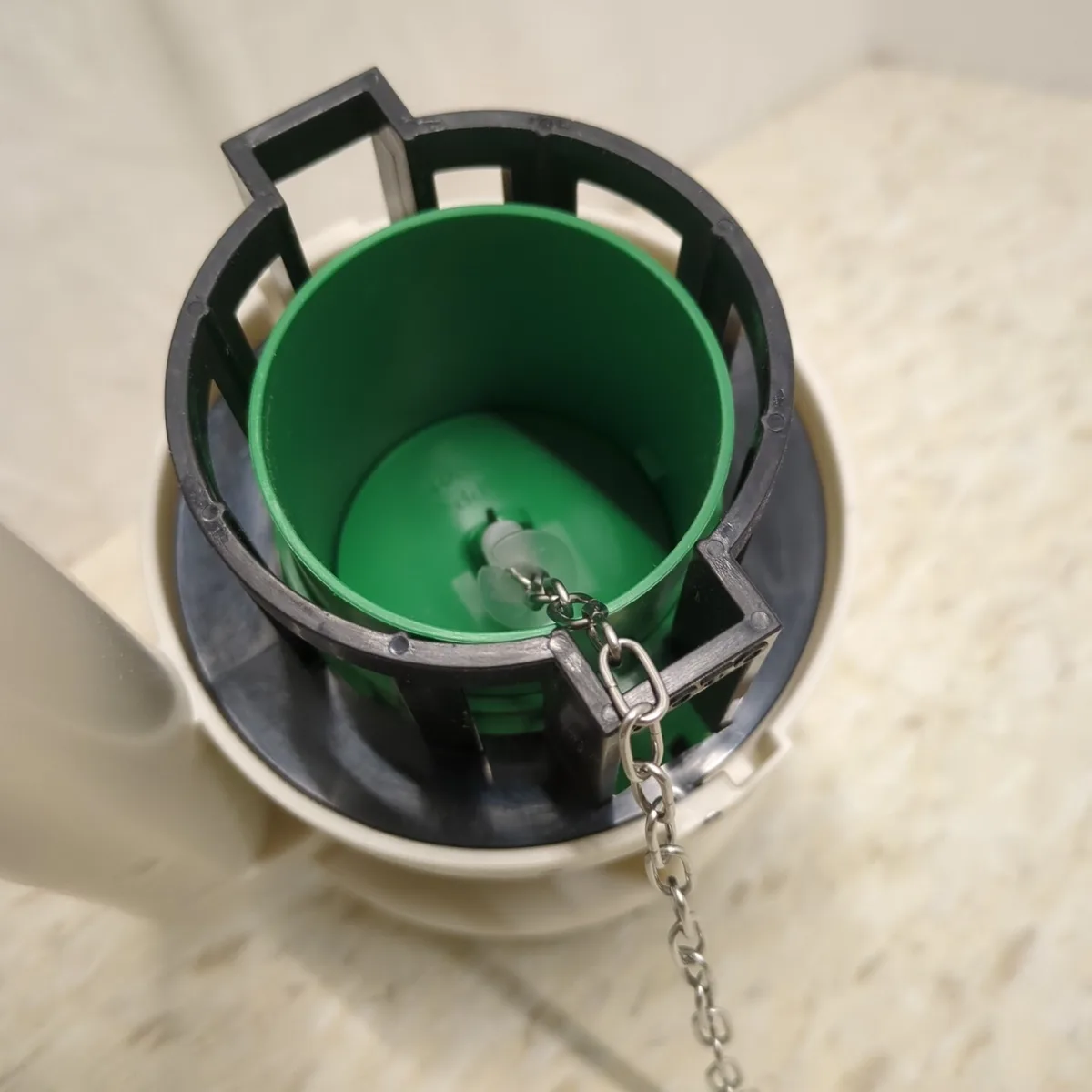
Image source: Bing (Web (fair-use with source credit))
Second Fix: Repair or Replace the Fill Valve
If the flapper is fine and the water level is correct, the fill valve is your next stop.
Two approaches:
- Clean or replace the diaphragm (free to $5). Best if you catch it early.
- Replace the entire fill valve ($20 to $35 for an OEM Toto TSU fill valve). Best if the valve is older than 5 years or heavily crusted with minerals.
How to tell which you need:
Remove the tank lid. Look at the top of the fill valve. If you see white or tan crust around the adjustment screw or the cap, minerals have likely fouled the diaphragm.
Hard water is a common culprit.
Diaphragm cleaning quick fix:
- Shut off the water and flush the tank.
- Unscrew the cap on top of the fill valve (usually counterclockwise).
- Lift out the small rubber diaphragm and plastic plunger.
- Rinse them under clean water. Scrub off mineral deposits with an old toothbrush.
- Reassemble. Turn the water on. Listen.
If this stops the running, you are done. If it starts running again within a week, the diaphragm is worn out. Replace the whole fill valve.
Full fill valve replacement steps:
- Shut off the water supply. Flush the tank.
- Disconnect the water supply line from the bottom of the fill valve.
- Loosen the large lock-nut under the tank that holds the fill valve in place.
- Pull the old fill valve up and out of the tank.
- Insert the new OEM Toto fill valve through the hole. Face the adjustment screw toward the front or side.
- Tighten the lock-nut from underneath. Hand tight plus a quarter turn is plenty.
- Reconnect the water supply line.
- Attach the refill tube to the overflow tube clip.
- Turn the water on slowly. Check for leaks at the base.
- Adjust the water level. Turn the adjustment screw clockwise to lower, counterclockwise to raise. Target a half inch below the overflow tube top.
Pro tip: Replace the supply line if it looks cracked or stiff. They cost about $6 and failure means a flood.
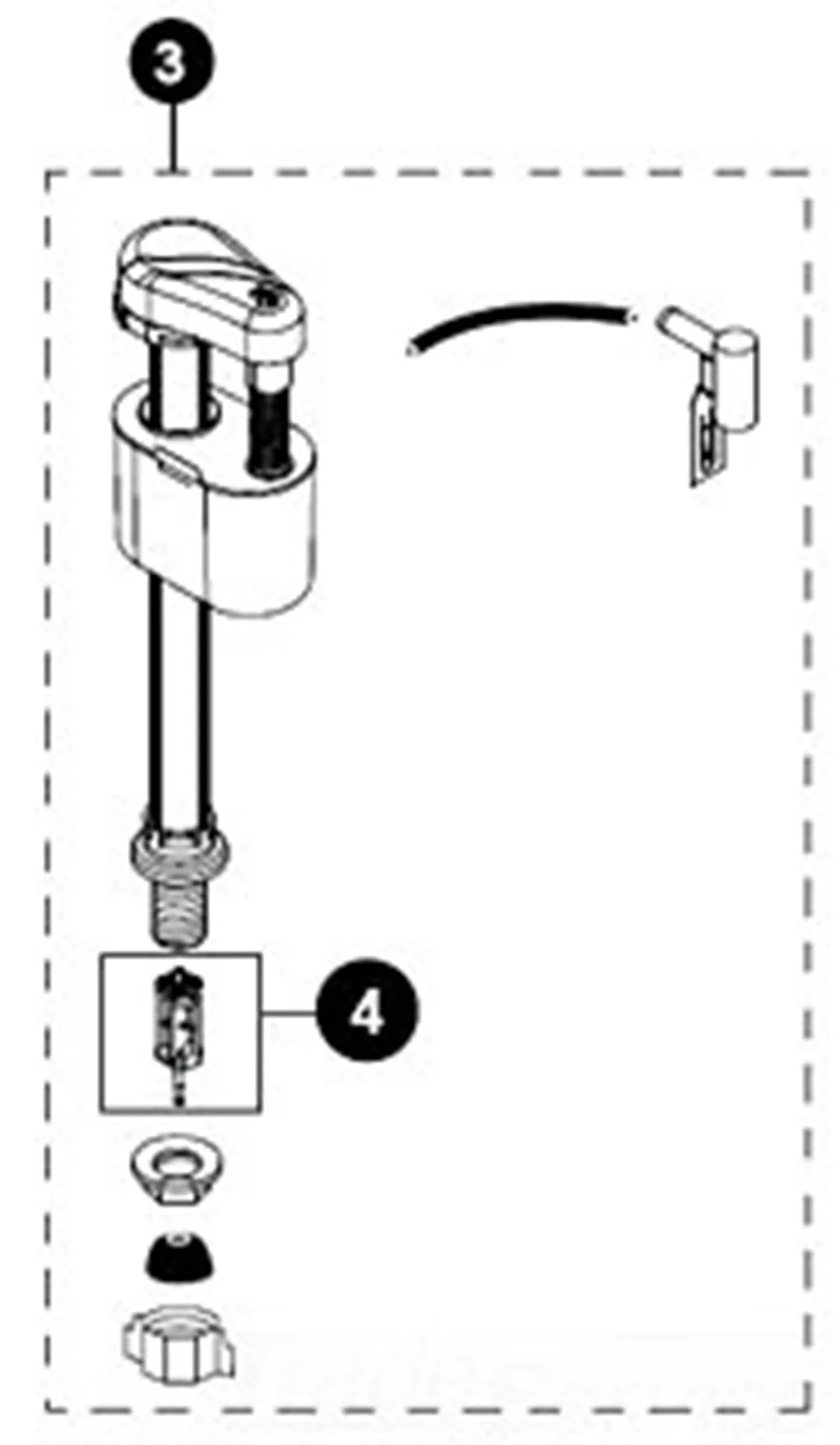
Image source: Bing (Web (fair-use with source credit))
Third Fix: Adjust the Chain, Water Level, and Overflow Tube
This fix costs nothing. It's about fine-tuning parts that shifted or were installed wrong.
Chain adjustment. A chain that is too tight lifts the flapper. Water leaks past. A chain that is too loose can slide under the flapper and block the seal.
The correct slack is about a quarter inch when the flapper rests closed. Unhook the chain from the flush lever. Reattach it one link tighter or looser.
Flush and watch.
Water level. If the water level sits at the top of the overflow tube, it spills over. That constant trickle makes the fill valve run.
On Toto fill valves with an adjustment screw, turn clockwise to lower and counterclockwise to raise. On older float cup models, pinch the spring clip and slide the float cup. Set the water about a half inch below the overflow tube.
Flush after each adjustment. Let the tank refill. Check again.
Overflow tube and refill tube. Inspect the overflow tube for cracks. A hairline crack can leak water straight into the bowl. Shine a flashlight around it.
Also confirm the refill tube is clipped onto the overflow tube. If it pops out, it sprays water onto the tank floor. Push it back in.
That's often a 5-second fix.
Still running after all three fixes? The flush valve seat may be pitted or worn. That means replacing the flush valve assembly, which is a bigger repair.
What Not to Do: Common Mistakes, Part Costs, and When to Call a Pro
Common mistakes. Replacing the flapper with a universal one is the biggest. Toto's 3-inch flush valve needs a specific rubber shape. Generic flappers often fail again within weeks.
Always use OEM parts.
Another mistake is replacing the fill valve when the flapper is bad. Test the flapper first. Otherwise you'll fix a part that was never broken.
Don't overtighten the fill valve lock-nut. The plastic tank threads can crack. Hand tight plus a quarter turn is enough.
Part costs. OEM parts cost more upfront but last longer. Generics save a few dollars and cost more over time.
| Part | OEM Toto | Generic | Better choice |
|---|---|---|---|
| Flapper | $10–15 | $5–8 | OEM |
| Fill valve | $20–35 | $12–18 | OEM |
| Supply line | $6–8 | $6–8 | Either |
When to call a pro. If water pools on the floor, you may have a tank-to-bowl gasket leak. If the flush valve seat is cracked or pitted, a new flapper won't help. If you've done all three fixes and it still runs, stop guessing.
A plumber will cost $150 on average. That is worth it for a definitive fix.
Frequently Asked Questions
Why does my Toto toilet run every few minutes?
The flapper is sealing poorly. Water leaks slowly from the tank into the bowl. The fill valve opens to replace it, then shuts off, then repeats.
Replace the flapper with an OEM Toto part. If it still cycles, check the fill valve.
What is the best flapper for a Toto Drake?
Use the OEM Toto flapper designed for the Drake's 3-inch flush valve. You can find the part number on the underside of the tank lid or in the owner's manual. Generic flappers often fit but do not seal as reliably over time.
Why does my Toto toilet make a hissing sound?
The hiss is water moving through the fill valve or leaking past the flapper. Put a few drops of food coloring in the tank. Wait 15 minutes without flushing.
If color appears in the bowl, the flapper is leaking. If not, the fill valve is running.
Can I fix a running Toto without calling a plumber?
Yes. Over 90% of cases are the flapper or fill valve. Both are DIY friendly with basic tools.
Follow the decision tree: check the flapper first, then the fill valve, then the water level. Expect to spend 30 minutes and about $15.

Similar Posts