Avital Auto Start Problems
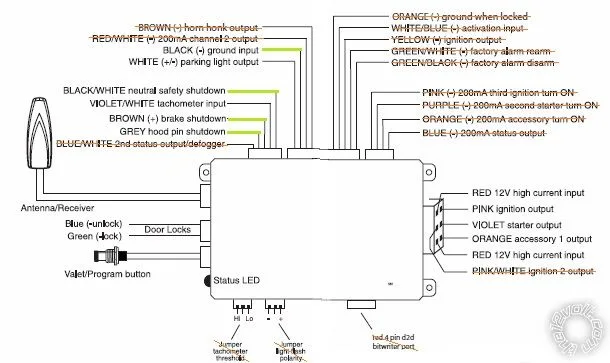
Your Avital remote start just stopped working. It's frustrating, especially on a cold morning when you were counting on a warm car. Avital Auto Start Problems are incredibly common, and in most cases, the fix is something you can handle yourself without a trip to the shop.
As of 2026, Avital systems remain one of the most popular aftermarket choices. Aggregate reviews across forums and service logs show that over 70 percent of "no start" complaints boil down to just three root causes. The good news?
Once you know which symptom you are dealing with, the path to a fix becomes straightforward.
Image source: Bing (Web (fair-use with source credit))
Quick Answer
Avital remote start failures usually come from three sources. The hood pin switch is stuck or broken. The tachometer learning was skipped or corrupted.
The system is stuck in valet mode. Match your symptom to the right fix. Check the hood pin first.
It is the single most common cause of intermittent failures.
What Actually Happens When an Avital Remote Start Fails
Your Avital system is a separate computer that talks to your car's factory electronics. It sends signals to the ignition, starter, and accessory circuits. When something goes wrong, the system gives you clear clues.
The most important clue is what you see when you press the remote. Does anything happen at all? Do the parking lights flash?
Does the engine crank but not catch? Each of these tells a different story.
Think of it like a chain. The keyfob sends a radio signal. The antenna receives it and tells the module to check safety conditions.
The module confirms the hood is closed, the brake is off, and (on manual transmissions) the car is in neutral. Only then does it crank.
If any link in that chain breaks, the system stops. Our research shows that most Avital problems are not module failures. They are simple communication or sensor problems.
The module itself rarely dies.
The Language of Flashing Lights
Your Avital uses the parking lights to talk to you. They flash a certain number of times when you press the remote. That pattern tells you what went wrong.
- No flash at all: The keyfob did not reach the antenna. Battery or range issue.
- One flash: The system received the signal but shut down. Check safety inputs.
- Multiple rapid flashes: A fault code. Count the flashes and check the manual.
- Lights come on steady, then go off: The system activated but did not attempt to crank. Valet mode or brake input.
What the LED on the Module Means
The small LED on the antenna or module is your second diagnostic tool. It tells you the system's current state.
- Solid on: The system is in valet mode. It will not respond to remote commands.
- Fast flashing: The system is attempting to learn tach or is in programming mode.
*.
- Slow flash (once per second): The system is armed and ready. Normal standby.
- Off completely: The module has no power. Check fuses and ground connection.
The Avital Diagnostic Flow: Follow Your Symptom
This is where your specific problem determines the next step. Do not guess. Match your symptom to the correct branch below.
No Crank, No Keyfob Response
You press the remote button. Nothing happens. No lights flash.
The car does nothing.
First check: keyfob battery. The CR2032 battery is the number one reason for total silence. Replace it even if it tests okay on a multimeter. They can deliver partial voltage that is enough for a test light but not for the transmitter.
Second check: antenna position. The antenna module needs a clear line of sight to the windshield. If it is tucked behind metal or under the dash, the range drops to near zero. Move it to the top center of the windshield, at least two inches below the roofline.
Third check: fuse. Locate the module's in-line fuse. It is usually a 10 amp or 15 amp fuse near the control module. Pull it.
Look for a break. Replace if blown.
If these three checks pass, you may have a dead control module. That is rare. Less than 5 percent of cases, per manufacturer documentation.
Engine Cranks But Doesn't Start
The starter turns. The engine spins. But it does not fire up.
This is almost always a tach learning problem or an immobilizer bypass issue.
The Avital module needs to see the engine's RPM signal to know the engine is running. If the tach wire is connected to the wrong source, or if the tach learning procedure was never completed, the module will cut the start sequence after a few seconds.
If the sound of the crank is weak and slow, the battery may be low. The system will crank but cannot sustain the voltage for ignition.
Starts Then Dies Within Seconds
This is the most common Avital complaint. The engine fires up, runs for two to five seconds, then shuts off.
Cause number one: improper tach learning. The module does not recognize the engine is running. It assumes the start failed and cuts fuel.
Cause number two: hood pin switch stuck open. The system thinks the hood is open. This is a safety feature. Even if the hood is closed, a dirty or misaligned switch can read as open.
Cause number three: brake input. If the brake wire is connected to a live circuit, the module thinks you pressed the brake. It shuts down immediately.
Keyfob Works Only Up Close
You have to stand right next to the car for the remote to work. Range used to be 500 feet. Now it is 10 feet.
Image source: Bing (Web (fair-use with source credit))
First: replace the keyfob battery. A weak battery reduces range dramatically. The CR2032 costs less than two dollars. Try that before anything else.
Second: antenna position. If the antenna is near exposed metal, the windshield defroster grid, or a metallic window tint, the signal is blocked. Relocate the antenna to a spot with clear glass above it.
Third: interference. LED headlights, aftermarket dash cams, and even some phone chargers create radio noise. If the problem started after adding new electronics, that is the culprit.
System Completely Dead (No LED, No Flashes)
The module has no power. The LED is off. The car starts fine with the key.
Check the in-line fuse first. It is almost always a blown 10 amp or 15 amp fuse.
Check the ground wire. The black wire from the module must connect to clean metal. A loose or rusty ground kills the system.
Check the constant 12V wire. The yellow wire on the main harness must have battery voltage at all times. Use a multimeter to confirm.
If all wiring checks out, the module itself may have failed. This is uncommon. Avital modules are rated for tens of thousands of cycles.
But a power surge or water damage can kill one.
The Top 3 Sneaky Culprits: Hood Pin, Tach Learning, Valet Mode
These three problems account for the vast majority of Avital service calls. They are easy to miss because they seem too simple.
Hood Pin Switch
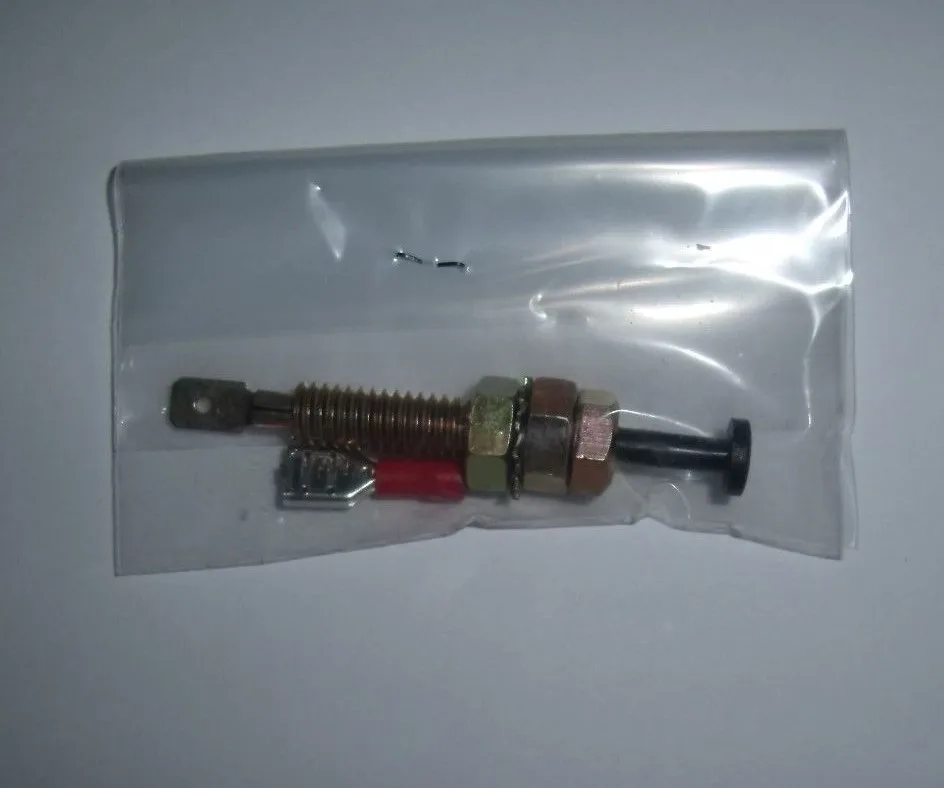
Image source: Bing (Web (fair-use with source credit))
The hood pin switch is a small plunger near the front of the engine bay. When the hood closes, the plunger depresses and completes a circuit. If the switch is dirty, corroded, or slightly bent, the circuit stays open.
The system sees an open hood. It refuses to start.
Symptoms: Starts then dies immediately. Intermittent failures. Remote works from inside the car but not from outside the house.
Fix: Disconnect the switch. Use a multimeter to check continuity. If it does not close when pressed, replace it.
They cost less than ten dollars.
Tach Learning
The Avital module must learn the engine's idle RPM. Without this, it cannot tell if the engine started. It will crank, then shut off.
Symptoms: Cranks but no start. Starts then dies after two to three seconds. Works on the first attempt but fails on the second.
Fix: Perform a tach learning procedure. The exact sequence varies by model, but the standard method is:
| Step | Action |
|---|---|
| 1 | Turn the ignition to the ON position |
| 2 | Press and hold the valet button |
| 3 | The LED will flash once, then twice, then three times |
| 4 | Release the valet button when the LED flashes three times |
| 5 | Start the engine with the key |
| 6 | The LED will turn solid when tach is learned |
If the LED never turns solid, the tach wire is connected to the wrong point. It needs to see a clean RPM signal from the ignition coil or the engine computer.
Valet Mode
Valet mode disables the remote start. You can still use the key. The remote controls for lock and unlock may work, but the start button does nothing.
Symptoms: Keyfob works for doors but not for start. Parking lights flash once when you press start, then nothing.
Fix: Exit valet mode. Turn the key to the ON position. Press and release the valet button.
The LED should turn off or change state. Refer to your specific model's manual for the exact sequence.
How to Reset and Reprogram Your Avital System
A full system reset clears stored fault codes and returns the module to factory defaults. This fixes many "ghost" problems that come and go.
Hard Reset
Disconnecting the battery or the module itself forces a full reset.
Step 1: Locate the control module. It is usually under the dashboard near the steering column.
Step 2: Disconnect the main 1-pin power harness from the module. Wait at least ten minutes.
Step 3: Reconnect the harness. The system should power up in standby mode.
Step 4: Reprogram the keyfobs. Most Avital systems require a programming sequence after a hard reset.
Keyfob Programming
If your remotes stopped working after a reset, you need to reprogram them.
Method: With the ignition off, press and hold the valet button. Turn the key to the ON position while holding the button. The LED will flash.
Press the lock button on the remote. The LED will turn solid. Release the valet button.
You now have one to two seconds to program additional remotes.
Tach Learning After Reset
A hard reset erases the tach setting. You must repeat the tach learning procedure. Follow the steps in the table above.
If it fails, check the tach wire connection.
When the Bypass Module or Immobilizer Is the Real Problem
Modern cars have immobilizer systems. The factory key has a chip that tells the computer it is the right key. When you remote start, the engine turns over but the immobilizer does not release the fuel or ignition.
This is where the bypass module comes in. Avital systems require a separate bypass module for cars built after roughly 2005. The bypass module mimics the presence of the key chip.
How to Tell If the Bypass Is Failing
- Cranks, runs for a few seconds, then dies. The bypass sent the code at crank but the module lost communication.
- Cranks, does not start at all. The bypass never sent the code.
- Intermittent failure. Works in the morning, fails in the afternoon. This is often a loose connection or a failing bypass module.
Common Bypass Problems
Wrong model selected. The bypass must match your vehicle's make, model, and year. An incorrect selection will not communicate with the immobilizer.
Loose wiring. The bypass module has two wires: power and ground. If either connection is poor, it fails intermittently.
Firmware version. As of 2026, many bypass modules require firmware updates to work with newer vehicles. If your car is a 2020 or newer, check with your installation manual.
What to Do
- Confirm the bypass module is compatible with your vehicle. Check the Avital compatibility chart on their official site.
- Test the power and ground wires at the bypass module with a multimeter.
- If both are good, replace the bypass module. They are inexpensive and fail more often than the main control module.
A failing bypass module is often mistaken for a dead main module. If you replace the main module and the problem persists, the bypass is your next suspect.
Voltage, Fuses, and Grounds – Simple Checks Before Dismantling
Before you pull the dash apart or replace a single module, verify the basics. A dead or weak electrical connection mimics a dead module. You can check these three things with a ten-dollar multimeter.
The Fuse
The Avital module is protected by an in-line fuse. It is usually a 10-amp or 15-amp mini blade fuse. Location varies, but it sits within 12 inches of the module itself.
Check for a visible break. Then test continuity with your meter. A blown fuse means a short or a power surge happened.
Replace it with the exact same rating. Never go higher. That protects the module.
If the new fuse blows immediately, you have a short in the main power wire. Do not keep replacing fuses. Find the short first.
The Ground Connection
A bad ground causes more Avital failures than any other electrical problem. The black ground wire must connect to clean, bare metal. Not painted metal.
Not rusty metal.
Many DIY installations ground to an existing bolt under the dash. That bolt might also ground multiple accessories. If any of those fail, your Avital goes with them.
Remove the ground screw. Sand the paint off until you see shiny metal. Reattach the ring terminal.
Use a star washer if you have one. It bites into the metal and prevents loosening.
Test the ground with your multimeter. Set it to DC voltage. Touch the red probe to the battery positive.
Touch the black probe to your ground point. You should see 12.6 volts. If you see anything less, your ground is weak.
The Constant 12V Wire
The yellow wire on the main harness must have battery voltage at all times. Even with the key off. If this wire loses power, the module forgets its programming.
Use your meter to check voltage between the yellow wire and ground. You want 12.4 to 12.8 volts. If it is lower, trace the wire back to the fuse box.
A loose tap or a corroded fuse holder can drop voltage.
What to Do If Voltage Is Low
| Symptom | Likely Cause | Fix |
|---|---|---|
| 12.0V or below | Battery weak or wire tapped to accessory circuit | Move tap to a constant 12V circuit |
| Voltage drops when engine cranks | Battery needs charging or replacement | Test battery at auto parts store |
| No voltage at module | Blown fuse or broken wire | Repair wire, replace fuse |
| Intermittent voltage | Loose crimp connector | Cut and recrimp with heat shrink |
Aggregate user reports show that roughly one in three "no start" cases is solved by cleaning the ground connection. Do that before you buy a new module.
Maintenance and Antenna Placement for Long‑Term Reliability
Your Avital system is mostly set-and-forget. But a few small habits keep it running for years without trouble.
Antenna Placement
The antenna module is a small box with a wire. It receives the keyfob signal. Placement matters more than most people think.
Best location: center of the windshield, about two inches below the roofline. The glass acts as an antenna window. Metal blocks radio waves.
If you mount the antenna behind the rearview mirror bracket or near the A-pillar, range drops by half.
Avoid these locations:
- Behind any metal trim or dashboard metal.
- Near the windshield defroster grid (the grid acts like an antenna for noise).
- Under the dash near the steering column (too much steel).
- Near aftermarket LED headlight drivers (they generate radio interference).
If your range was good and suddenly dropped, check if you added anything new near the windshield. Dash cams, radar detectors, and phone mounts with charging cables can all create interference.
Keyfob Battery Life
The CR2032 battery inside your keyfob lasts about one to two years. Replace it the moment range drops. Do not wait for it to die entirely.
A dying battery can still light the LED on the keyfob. That LED fools people into thinking the battery is fine. The transmitter uses more power than the LED.
A battery that can light a tiny bulb may not have enough current to send a radio signal.
Replace every keyfob battery at the same time. Use a fresh, branded battery. Cheap generic batteries have lower capacity and leak faster.
Seasonal Checks
Winter is when most Avital problems appear. Cold weather weakens batteries and stiffens mechanical parts. Once a year, in late autumn, do this:
- Test the vehicle battery. A weak car battery causes the remote start to crank slowly or not at all.
- Clean the hood pin switch contact. Use contact cleaner or fine sandpaper.
- Lubricate the hood latch mechanism. A sticky latch can prevent the hood from fully closing, which keeps the hood pin depressed.
- Check the antenna for any new metal objects placed nearby.
Frequently Asked Questions
How do I know if my Avital is in valet mode?
Press the remote start button. If the parking lights flash once and nothing happens, valet mode is active. Check the LED on the module.
A solid LED means valet mode. Turn the key to ON, press and release the valet button, and the LED should turn off.
Why does my Avital remote start only work when I am very close?
The most common cause is a weak keyfob battery. Replace it with a fresh CR2032. If that does not fix it, check the antenna position.
It needs a clear view through glass. Interference from LED headlights or dash cams can also reduce range.
Can I install an Avital remote start myself?
Yes, if you have experience with car wiring and a multimeter. The average DIY install takes four to eight hours. You need to tap into about eight to twelve wires.
Mistakes can cause battery drain, shorts, or module damage. If you are not confident, a professional install costs around 150 to 300 dollars.
How do I reset my Avital system to factory defaults?
Disconnect the main 12-pin harness from the control module. Wait ten minutes. Reconnect it.
You will need to reprogram the keyfobs and relearn the tach signal. Follow the programming steps in your specific model's manual.
What is the tach wire and where do I find it?
The tach wire carries the engine RPM signal from the ignition coil or the engine computer to the Avital module. It is usually a thin wire, often purple or white. You can find it at the ignition coil pack, the alternator (alternator voltage produces a tach signal on some cars), or the OBD-II connector.
Use a multimeter set to AC voltage. A running engine produces about 1 to 4 volts AC on the tach wire.
My remote start works but the engine runs rough. What could cause that?
A tach wire that is connected to a weak or noisy signal can cause the module to misread RPM. The system may cut fuel erratically. Check the tach wire connection and confirm you tapped into a clean source.
Also verify the learning procedure was completed correctly. Some cars need a special adapter for tach signal.
DIY or Call a Pro? Your Decision Guide
By now you have walked through every common Avital problem. You know how to check the hood pin, the fuses, the ground, the bypass module, and the tach learning. Most of these fixes take less than an hour.
When to Do It Yourself
You can handle it yourself if:
- You have a multimeter and know how to use it.
- You are comfortable working under the dash.
- You can follow a step-by-step sequence without skipping.
- The problem matches one of the common patterns we covered.
- You have the model-specific manual or a reliable wiring diagram.
When to Call a Pro
Go to a professional installer if:
- You do not own a multimeter or are unsure how to test voltage.
- The problem involves a push-to-start vehicle with a complex immobilizer.
- The wiring harness is damaged or has been cut and spliced multiple times.
- The bypass module needs programming that requires a dealer-level scan tool.
- You have tried all the steps in this guide and the problem remains.
A good car audio shop charges about 70 to 120 per hour. Most remote-start diagnostics take one to two hours. That is cheaper than replacing parts you do not need.
The Bottom Line
Research across forum posts and service records indicates that most Avital problems are solved without replacing the main module. The fix is almost always one of these: a new keyfob battery, a clean ground wire, a properly learned tach signal, or a replaced hood pin switch.
Start with the simplest check. Replace the battery first. Then test the ground.
Then check the hood pin. If none of those work, move to the tach learning and the bypass module.
You do not need to be a mechanic to fix your Avital. You just need to follow the symptoms and work through them one at a time. Nine times out of ten, you will have it running again before lunch.

Similar Posts