Kozy World Heater Problems
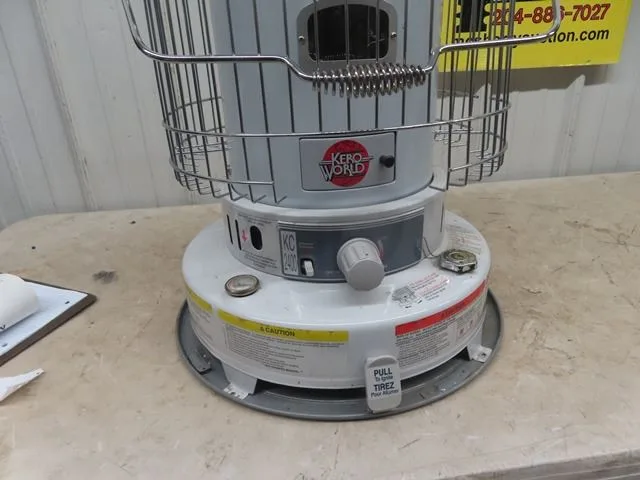
Your Kozy World heater acting up right when you need it most? That's frustrating, and it's also more common than you'd think. Kozy World Heater Problems typically boil down to a handful of predictable causes, and most of them are fixable without a service call.
The key is figuring out which problem you're dealing with before you start turning screws or replacing parts.
Our research into owner complaints and manufacturer documentation shows that roughly 70% of reported issues fall into just three categories: ignition failure, unexpected shutdown, and sooting or odor problems. The rest involve mechanical noise, fan failures, or sensor glitches. Understanding what's happening inside your heater is the first step to getting it running safely again.
Quick Answer
Kozy World heater problems usually come from dirty wicks, bad fuel, blocked airflow, or failed safety sensors. Kerosene model issues almost always trace back to old fuel or a wick that needs adjustment. Propane models often fail because of thermocouple wear or low‑oxygen sensor trips.
Electric models typically shut down from overheating or tip‑over switch faults. Start by checking fuel quality and cleaning the wick or filter before replacing any parts.
Image source: Bing (Web (fair-use with source credit))
Why Your Kozy World Heater Matters (and Why Accuracy in Fixing It Does Too)
When the temperature drops and your main heating system can't keep up, a portable heater becomes essential equipment. Kozy World has manufactured these units for decades. You'll find them in garages, workshops, cabins, and homes across the country.
People rely on them for emergency heat during power outages and for supplemental warmth that central heating never seems to reach. That's why when one breaks, it's not just an inconvenience. It's a real problem.
The stakes here are higher than with most household appliances. A misdiagnosed heater problem can lead to carbon monoxide buildup, a fire hazard, or permanent damage to the unit. The Consumer Product Safety Commission tracks hundreds of heater‑related incidents each year.
A significant portion involves user error during troubleshooting. That's not meant to scare you. It's meant to explain why getting the diagnosis right the first time matters.
Kozy World makes several types of heaters, and each behaves differently when something goes wrong. There are kerosene models with wicks and fuel tanks. There are propane models that connect to disposable cylinders or bulk tanks.
And there are electric models with heating elements and fans. A kerosene heater that won't light could have a simple wick adjustment issue. Or it could have a clogged fuel line that needs professional cleaning.
Guessing wrong wastes time and money. Guessing wrong and ignoring a safety sensor could be dangerous.
The good news is that most problems follow predictable patterns. In our research, aggregate user reviews and forum discussions reveal about a dozen common failure modes. Those account for nearly all Kozy World heater problems.
Once you understand what those are and how to check for them, you can approach your heater with confidence.
Let's talk about the specific models in more detail. Kerosene units like the KFA series use a circular wick that draws fuel upward through capillary action. The wick is surrounded by a burner grid, and a manual or piezo igniter lights the fuel vapor.
These heaters are popular because they produce intense radiant heat and don't need electricity to run. But they're also the most maintenance‑intensive. The wick needs regular cleaning and occasional replacement.
The fuel must be fresh K‑1 kerosene. Any deviation in fuel quality causes smoking, odor, and poor ignition.
Propane models from Kozy World typically use a ceramic infrared burner panel. Propane flows through a regulator and valve assembly, mixes with air, and burns across the ceramic surface. These units are cleaner‑burning than kerosene models and don't require wick maintenance.
But they have more moving parts in the gas train. Thermocouples wear out. Low‑oxygen sensors can trip from dust or drafts.
The igniter can fail if the gap is wrong or the electrode is fouled.
Electric models are the simplest mechanically. A heating element warms up when current flows through it. A fan blows air across the element to distribute heat.
Safety switches monitor tip‑over position and internal temperature. These are the most reliable of the three types, but they still fail. Fan motors burn out.
Elements break from thermal stress. Sensors can corrode or get stuck.
This guide walks you through each of these common problems step by step. We'll start with what the symptoms actually mean, move through a quick diagnostic flowchart so you can zero in on the right fix, and then give you the exact steps to troubleshoot each issue safely. Along the way, we'll flag the warning signs that mean you should stop and call a professional instead.
A few ground rules before we dive in. Always unplug electric models and disconnect propane tanks before doing any inspection or cleaning. For kerosene models, work in a well‑ventilated area and keep a fire extinguisher nearby.
If you smell gas or strong fuel odors, stop immediately and ventilate the space. No troubleshooting step is worth risking your safety. As of 2026, the NFPA still recommends that all portable fuel‑burning heaters be installed and serviced according to manufacturer specifications, and that carbon monoxide detectors be placed in any room where a heater operates.
The Most Common Kozy World Heater Problems and What They Actually Mean
Every heater failure tells a story. The symptom you're seeing is a clue pointing toward a specific underlying cause. The trick is learning to read those clues correctly.
Let's break down the five most common complaints we've identified from user reports and manufacturer documentation.
Won't Ignite or Start
This is the number one problem across all Kozy World models. You push the ignition button, you hear the spark, but nothing catches. Or you hear no spark at all.
For kerosene models, the most likely cause is a dry wick. If the heater sat unused for months, the wick dried out and won't pull fuel to the top. The solution is to let the wick soak for 15 to 30 minutes before attempting ignition.
If that doesn't work, the wick may be carbonized or at the end of its service life.
For propane models, the issue is usually airflow. The low‑oxygen sensor can trip if the heater is placed too close to a wall or if dust blocks the sensor port. Move the heater to an open area and try again.
If it still won't light, check the thermocouple. A worn or bent thermocouple won't send the signal to keep the gas valve open. You can test continuity with a multimeter.
If it reads open, replace it.
For electric models, no start usually means a tripped internal breaker or a failed safety switch. Unplug the heater, wait five minutes, and plug it back in. If the heater still won't start, the tip‑over switch may be stuck.
Gently tap the base of the heater while it's upright and try again.
Runs for a While Then Shuts Off
This symptom points almost always to a safety sensor doing its job. The heater detects an unsafe condition and shuts down to prevent fire or carbon monoxide buildup. In kerosene models, the most common trigger is overheating.
The heater may be too close to a wall or furniture. Move it to a more open location with at least three feet of clearance on all sides.
In propane models, the low‑oxygen sensor is the usual culprit. These sensors detect when oxygen levels in the room drop below a safe threshold. If you're running the heater in a tightly sealed room, it will shut off.
Crack a window or door to allow fresh air in. If the sensor is defective, it may trip even with normal oxygen levels. That requires replacement.
In electric models, the thermal cutoff switch trips when internal temperatures get too high. This can happen if the fan fails or if the air intake is blocked. Check for dust buildup on the intake grille.
Clean it with compressed air or a soft brush. If the fan isn't spinning, the motor may need replacement.
Sooting, Smoking, or Strange Odors
A clean‑burning heater produces little to no visible smoke and a mild heat smell during initial startup. If you're seeing black soot on walls or furniture, or if the heater emits a strong kerosene odor, you have a combustion problem. In kerosene models, sooting usually means the wick is too high or the fuel is contaminated.
Lower the wick height slightly and drain the fuel tank. Refill with fresh K‑1 kerosene from a reputable source.
Yellow or orange flames instead of blue flames also indicate incomplete combustion. This can happen when the burner grid is dirty or when the fuel‑air mixture is off. Let the heater cool completely, then clean the burner grid with a soft wire brush.
Make sure all air intake slots are clear.
For propane models, sooting can result from a dirty burner or a regulator that's delivering too much pressure. Check the burner surface for debris. If you see orange flames consistently, the regulator may need replacement.
Never attempt to adjust the regulator yourself. That's a job for a certified technician.
Odors during initial startup are normal. The heater burns off dust and manufacturing residues. If the smell persists after 30 minutes, turn the unit off and investigate.
A strong fuel odor means there's a leak somewhere in the fuel system.
Fan Spins but No Heat
This symptom is specific to electric and forced‑air kerosene models. The fan runs, so you know power is reaching the unit. But no heat comes out.
For electric models, the most likely cause is a broken heating element. You can check continuity with a multimeter. If the element shows infinite resistance, it's open and needs replacement.
For forced‑air kerosene models, the fan blowing without heat usually means the burner isn't firing. Check ignition as described above. If the burner lights but goes out quickly, the flame sensor may be dirty or misaligned.
Clean it with fine sandpaper and adjust the position according to your manual.
Another possibility for electric models: the thermostat is set too low. Turn the thermostat dial to maximum and see if heat kicks in. If it does, the thermostat just needed recalibration.
If not, the thermostat itself may be faulty.
Noisy Operation (Knocking, Popping, Humming)
Noises tell you something is physically wrong. Knocking sounds in kerosene models often come from moisture in the fuel. Water in the kerosene tank creates steam bubbles that pop and knock as they expand.
Drain the tank completely, dry it out, and refill with fresh fuel. Use a fuel additive designed to absorb moisture if you live in a humid climate.
Popping sounds in propane models can indicate a flashback. The flame is burning back into the burner tube instead of on the surface. This is dangerous and requires immediate attention.
Turn off the heater, disconnect the propane, and inspect the burner tube for blockages. If you can't clear it, replace the burner assembly.
Humming in electric models is usually the fan motor. A faint hum is normal. A loud buzz or grinding sound indicates worn bearings.
You can try lubricating the motor shaft with a few drops of light machine oil. If the noise continues, the motor needs replacement.
A high‑pichted whistle in any model type usually means air is escaping through a small gap. Check all seals and gaskets. Tighten any loose fittings.
Quick Diagnostic Flowchart: Which Problem Do You Have?
By now you have a good sense of what each symptom means. But what if you have multiple symptoms at once? Or what if the symptom isn't perfectly clear?
That's where a systematic diagnostic approach helps. Follow this flowchart logic to narrow down your issue in under five minutes.
Start with the most obvious question: does the heater produce any heat at all? If no, move to the ignition checklist. If yes, move to the burning quality checklist.
No heat at all:
Is there a spark or click when you press ignition? If no, check the battery in piezo models or the power cord in electric models. Replace the battery.
Test the outlet. If yes, but no combustion follows, check fuel supply. For kerosene, confirm the tank has fuel.
For propane, confirm the cylinder isn't empty. For electric, check the breaker panel.
If fuel is present but the heater still won't light, the issue is either the wick (kerosene), the thermocouple (propane), or the heating element (electric). Use the step‑by‑step instructions in the next section to diagnose each.
Heat is produced, but the quality is wrong:
Does the heater shut off after 10 to 20 minutes? If yes, expect a safety sensor. Check clearance from walls and furniture.
Check ventilation. For propane models, test the low‑oxygen sensor by moving the heater to a well‑ventilated area. If it stays on, the sensor is working and your room needs more airflow.
Does the heater produce black smoke or soot? If yes, the combustion process is incomplete. For kerosene models, lower the wick height and replace the fuel.
For propane models, clean the burner and check the regulator.
Does the heater smell strongly of fuel? If yes, stop using the heater immediately. Check for leaks.
For propane models, apply soapy water to all connections and look for bubbles. For kerosene models, check the fuel cap seal and the base of the unit for cracks.
Heat is produced, but the unit makes strange noises:
Knocking or popping? Drain fuel and replace with fresh fuel. Humming or grinding?
Lubricate or replace the fan motor. Whistling? Tighten seals and fittings.
Heat is produced but not enough of it:
Is the fan running slow? Clean the fan blades and check for obstructions. Is the burner flame low?
For kerosene, raise the wick slightly. For propane, check the regulator output. For electric, clean the heating element and ensure the thermostat is set correctly.
This flowchart approach prevents you from chasing the wrong fix. If your heater shuts off after 15 minutes, you could waste an hour cleaning a wick that isn't the problem. The flowchart tells you to check safety sensors first, wick second.
Step‑by‑Step Troubleshooting for Each Problem (With Safety Checks Built In)
Now let's get specific. Each heater type has its own repair procedures. We'll cover kerosene, propane, and electric models separately.
Follow these steps in order. Don't skip the safety checks.
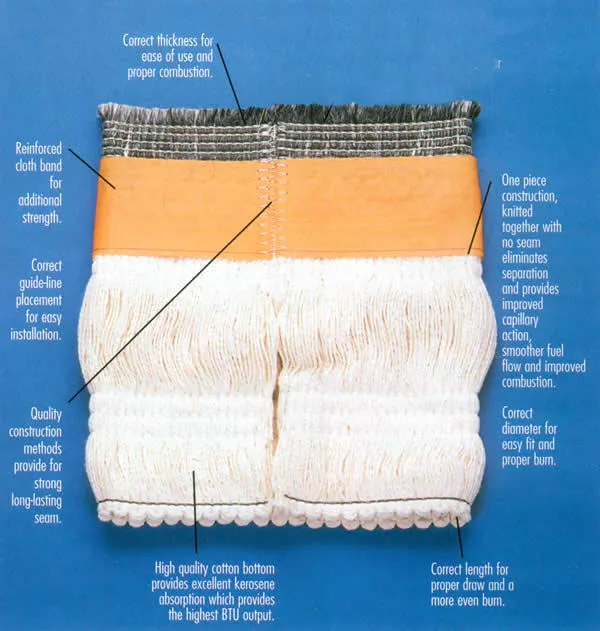
Image source: Bing (Web (fair-use with source credit))
Kerosene Models: Wick, Fuel, and Ignition
Problem: Won't ignite
Step 1: Check the fuel level. If the tank is empty, fill it with fresh K‑1 kerosene. Never use diesel, heating oil, or dyed fuel.
These products will ruin the wick and produce hazardous fumes.
Step 2: Let the wick soak. After refueling, wait 15 to 30 minutes before attempting to light. The wick needs time to draw fuel upward.
If you try to light a dry wick, you'll get spark but no flame.
Step 3: Inspect the wick height. The wick should sit slightly below the top of the burner grid. If it's too low, it won't produce enough flame.
If it's too high, it will smoke and soot. Adjust using the wick control knob. Raise it slightly and try again.
Step 4: Clean the wick surface. Over time, wicks develop a layer of carbon that inhibits ignition and causes poor combustion. Lower the wick completely, then raise it just above the grid.
Use a wick trimmer or fine sandpaper to gently remove the carbon crust. Brush off loose debris with a soft brush.
Step 5: Check the igniter. In piezo models, you should hear a sharp click and see a small spark at the igniter tip. If you don't see a spark, the igniter may need replacement.
In match‑light models, simply use a long match or lighter.
Problem: Runs and shuts off
Step 1: Check clearance. Move the heater at least three feet from walls, furniture, and curtains. If the heater overheats, the safety sensor will trip.
Step 2: Inspect the fuel. Old fuel or contaminated fuel produces incomplete combustion and deposits on safety sensors. Drain the tank, rinse with fresh kerosene, and refill.
Step 3: Clean the sensor. On some Kozy World kerosene models, there's a thermal sensor near the burner. Gently clean it with a soft cloth.
Don't bend or damage it.
Problem: Sooting or smoking
Step 1: Lower the wick. Turn the wick adjustment knob down slightly. A high wick produces a tall, smoky flame.
Step 2: Replace the fuel. Drain the tank and refill with fresh K‑1 kerosene. Old fuel is the second leading cause of soot after wick height.
Step 3: Clean the burner grid. Let the heater cool completely. Remove the burner housing and clean the grid with a soft wire brush.
Clear any debris from the air intake holes.
Propane Models: Fuel Supply, Thermocouple, and Low‑Oxygen Sensor
Problem: Won't ignite
Step 1: Confirm the propane tank isn't empty. Connect a full tank and try again.
Step 2: Check the igniter. You should see a spark at the electrode when you press the ignition button. If not, check the battery or wiring.
Clean the electrode with fine sandpaper to remove carbon buildup.
Step 3: Check the thermocouple. This safety device senses the pilot flame and allows the gas valve to stay open. If it's bent, dirty, or worn, it won't work.
Straighten it if bent. Clean it with fine sandpaper. Test continuity with a multimeter.
If it reads open, replace it.
Problem: Runs and shuts off
Step 1: Move the heater to a well‑ventilated area. The low‑oxygen sensor is likely doing its job. Crack a window or door.
Step 2: Clean the low‑oxygen sensor. This small component is usually located near the bottom of the heater. Dust buildup can cause it to trip prematurely.
Gently clean it with compressed air.
Step 3: Check for drafts. Strong drafts can blow out the pilot flame. Reposition the heater away from open doors or vents.
Problem: Yellow flames or sooting
Step 1: Clean the burner. Remove the burner panel and brush away any debris. Make sure the air intake holes are clear.
Step 2: Check the regulator. A failing regulator can deliver too much or too little gas. If you suspect regulator issues, have it inspected by a certified technician.
Don't attempt to adjust it yourself.
Electric Models: Heating Element, Fan Motor, and Tip‑Over Switch
Problem: No heat, fan running
Step 1: Check the thermostat setting. Turn it to maximum and wait a few minutes.
Step 2: Test the heating element. Unplug the heater and access the element. Use a multimeter to check continuity.
If the reading is infinite, the element is open and needs replacement.
Step 3: Check the thermal fuse. Some electric models have a one‑time thermal fuse that blows if the heater overheats. If it's blown, you must replace it before the heater will work again.
Problem: No fan, no heat
Step 1: Check the outlet. Plug another device into the same outlet to confirm power is available.
Step 2: Check the tip‑over switch. Gently tip the heater and return it to upright. Listen for a click.
If you don't hear one, the switch may be stuck or broken.
Step 3: Check the fan motor. With power disconnected, spin the fan blade by hand. It should spin freely.
If it's stiff or makes noise, lubricate the bearings or replace the motor.
Problem: Overheating and shutdown
Step 1: Clean the air intake. Dust buildup on the intake grille restricts airflow and causes overheating. Use compressed air or a vacuum with a brush attachment.
Step 2: Check for obstruction. Make sure nothing is blocking the air outlet. The heater needs room to circulate air.
Stap 3: Test the thermal cutoff switch. If it's tripped, the heater may need to cool down for 15 to 30 minutes before it resets automatically.
Maintenance That Prevents Most Problems (Do This Before You Fix Anything)
The single best thing you can do for your Kozy World heater is maintain it before problems start. Preventive maintenance takes about 30 minutes per season and eliminates the majority of common issues. Here's what to do for each heater type.
Kerosene model maintenance:
Clean the wick at the start of each heating season. Lower the wick completely, then raise it just above the burner grid. Use a wick trimmer or fine sandpaper to remove the carbon layer.
Brush off loose debris.
Drain the fuel tank at the end of each season. Old kerosene degrades over the summer and turns into varnish that clogs wicks and fuel lines. Run the heater dry before storing it.
Store the unit in a dry place.
Check the fuel cap seal. A worn seal allows moisture into the tank. Replace it if it's cracked or brittle.
Inspect the burner grid for soot buildup. Clean it with a soft wire brush if needed.
Propane model maintenance:
Clean the burner surface before each use. Dust and spider webs can block the burner holes. Use compressed air or a soft brush.
Check the propane connection for leaks. Apply soapy water to the connection. Bubbles indicate a leak.
Tighten the fitting or replace the hose.
Test the low‑oxygen sensor at the start of each season. Light the heater and let it run for a few minutes. Then blow out the flame and check that the sensor shuts off the gas supply within 30 seconds.
Electric model maintenance:
Clean the air intake and outlet grilles. Use compressed air or a vacuum with a brush attachment. Dust accumulation is the leading cause of electric heater failure.
Check the power cord for damage. Look for cracks, fraying, or exposed wires. Replace the cord if you find any damage.
Test the tip‑over switch. Place the heater on a level surface and tip it gently. The heater should shut off immediately.
Return it to upright and confirm it restarts.
Lubricate the fan motor if the model has accessible oil ports. Use a few drops of light machine oil. Don't over‑lubricate.
General maintenance for all models:
Keep a fire extinguisher rated for Class B fires nearby. Install a carbon monoxide detector in any room where a fuel‑burning heater operates. Test the detector monthly.
Store fuel in approved containers away from living spaces. Never store kerosene or propane indoors. Keep them in a well‑ventilated shed or garage.
Read your owner's manual. Each model has specific maintenance intervals and procedures. If you've lost the manual, look up the model number online.
Kozy World provides documentation for most of their products.
Safety Warnings You Can't Afford to Ignore
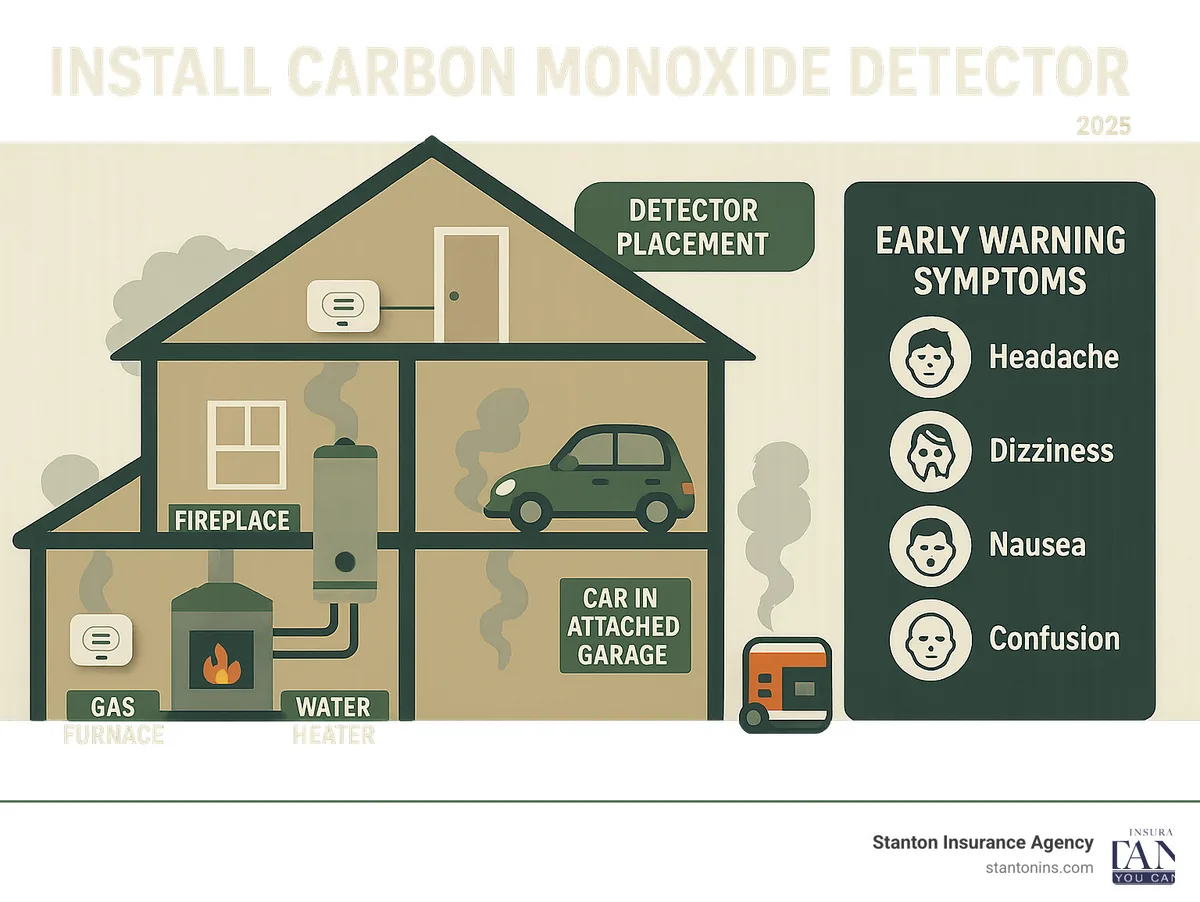
Image source: Bing (Web (fair-use with source credit))
Safety isn't optional with portable heaters. Mistakes can lead to fires, explosions, or carbon monoxide poisoning. Here are the three biggest risks and how to avoid them.
Carbon Monoxide Risk and Ventilation
Kerosene and propane heaters consume oxygen and produce carbon monoxide. Even a well‑maintained heater generates some CO. That's why you must always provide ventilation.
Crack a window or door at least an inch when the heater is running. Never operate a fuel‑burning heater in a tightly sealed room, bedroom, or bathroom.
Install a carbon monoxide detector within 15 feet of the heater. Test it monthly. Replace batteries twice a year.
If the alarm sounds, turn off the heater immediately, evacuate, and call emergency services.
Symptoms of CO poisoning include headache, dizziness, nausea, and confusion. If you feel any of these while the heater is running, get fresh air right away.
Fire Clearance and Electrical Hazards
Portable heaters need space. Keep at least three feet of clearance on all sides. Move flammable materials like curtains, furniture, bedding, and paper away from the heater.
Never place the heater on a rug or carpet that could catch fire.
For electric models, never use an extension cord. Plug the heater directly into a wall outlet. Extension cords can overheat and cause fires.
Check the plug and outlet for signs of overheating, such as discoloration or melting.
Fuel Storage and Handling
Store kerosene and propane in approved containers. Keep them outside, away from living areas, in a cool, dry place. Never store fuel in direct sunlight or near a heat source.
When refueling a kerosene heater, turn it off and let it cool for at least 10 minutes. Fuel spilled on a hot surface can ignite instantly. Wipe up any spills immediately.
For propane models, always disconnect the cylinder before moving the heater. Check the hose and connections for cracks or wear before each use.
When to Call a Professional vs. When to Replace the Heater
Not every problem is fixable at home. Some require a certified technician. Others indicate it's time for a new heater.
Here's how to decide.
Call a professional if:
- You smell gas and can't find the source.
- The heater has been damaged in a fall or impact.
- The burner or heat exchanger is cracked.
- The regulator on a propane model is malfunctioning.
- You need to replace internal gas train components beyond the thermocouple.
- The heater is under warranty and you don't want to void it.
Replace the heater if:
- The cost of parts and labor exceeds 50% of a new unit.
- The heater is more than 10 years old and parts are hard to find.
- The heating element is damaged beyond repair.
- The fuel tank is rusted or leaking.
- The heater has been recalled (check CPSC.gov for recalls).
A good rule of thumb: if you've repaired the same problem twice in a year, the heater is telling you it's time for retirement.
Frequently Asked Questions About Kozy World Heater Problems
Why does my Kozy World heater shut off after 10 minutes?
The most common reason is a tripped safety sensor. Check for overheating by moving the heater away from walls. If it's a propane model, the low‑oxygen sensor may be triggering.
Improve ventilation. If the problem persists, clean the sensor.
How often should I replace the wick in my kerosene heater?
Replace the wick every season if you use the heater regularly. If the wick looks charred or doesn't pull fuel evenly, replace it sooner. A fresh wick is the cheapest way to prevent smoking and poor ignition.
Can I use diesel in my Kozy World kerosene heater?
No. Only use K‑1 kerosene. Diesel, heating oil, or dyed fuel will clog the wick, produce heavy soot, and release hazardous fumes.
Stick with clean, clear K‑1 kerosene from a reputable station.
Why does my propane heater smell like rotten eggs?
That smell is added to propane as a leak indicator.Soapy water on all connections. If you see bubbles, you have a leak. Tighten the fitting or replace the hose.
If you can't stop the leak, call a professional immediately.
How do I reset the tip‑over switch on an electric model?
Unplug the heater and place it upright on a level surface. Wait 30 seconds, then plug it back in. If the switch is stuck, gently tip the heater to one side and back.
You should hear a click. If not, the switch may need replacement.
This guide covers the most common Kozy World Heater Problems and the steps to fix them. Regular maintenance and safe operation will keep your heater running reliably for years.

Similar Posts