Camper Water Heater Not Working
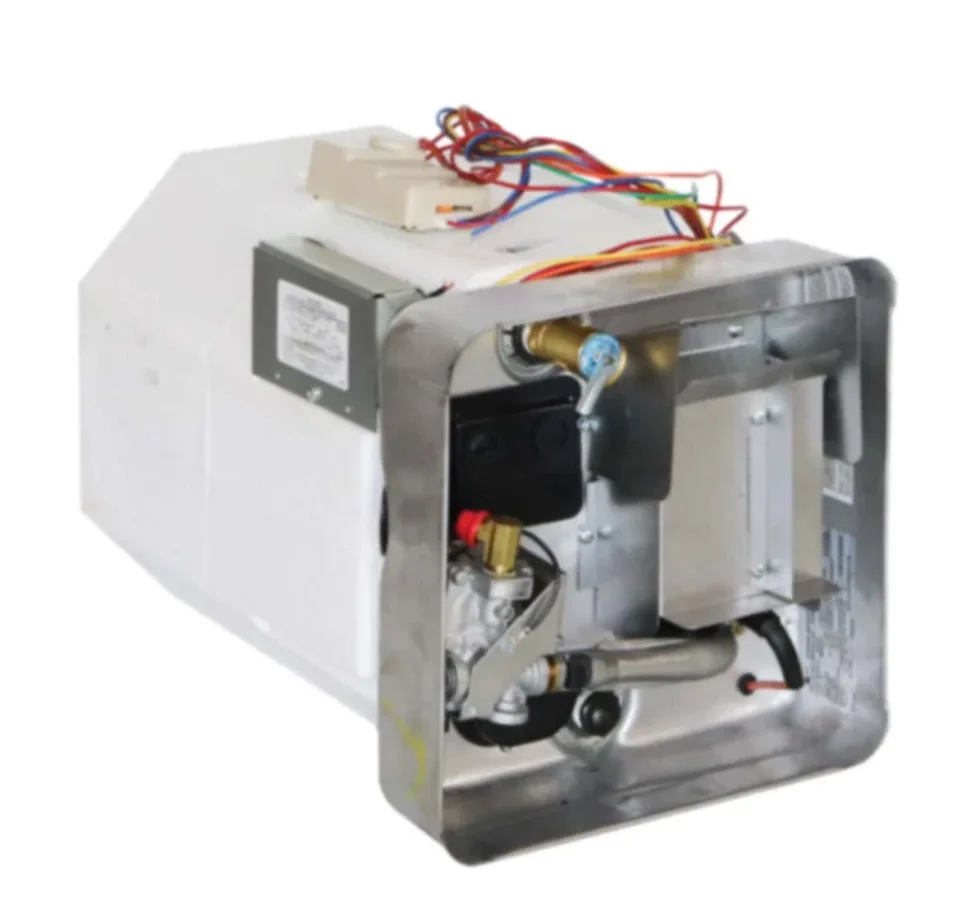
Your camper water heater not working is one of those frustrations that can ruin a good camping trip fast. Cold showers are nobody's idea of a good time, and the panic of not knowing whether it's a simple fix or a major repair only makes it worse. The good news is that most issues are surprisingly simple to diagnose yourself, often taking less than fifteen minutes to solve.
Manufacturer specifications for brands like Suburban and Dometic indicate that over 80% of service calls for "no hot water" trace back to just three root causes: a tripped reset button, a bypass valve left in the wrong position, or a simple lack of propane flow. We are going to walk through each possible failure point in the order you should check them. No wasted steps, no guessing, just a clear path from problem to hot water.
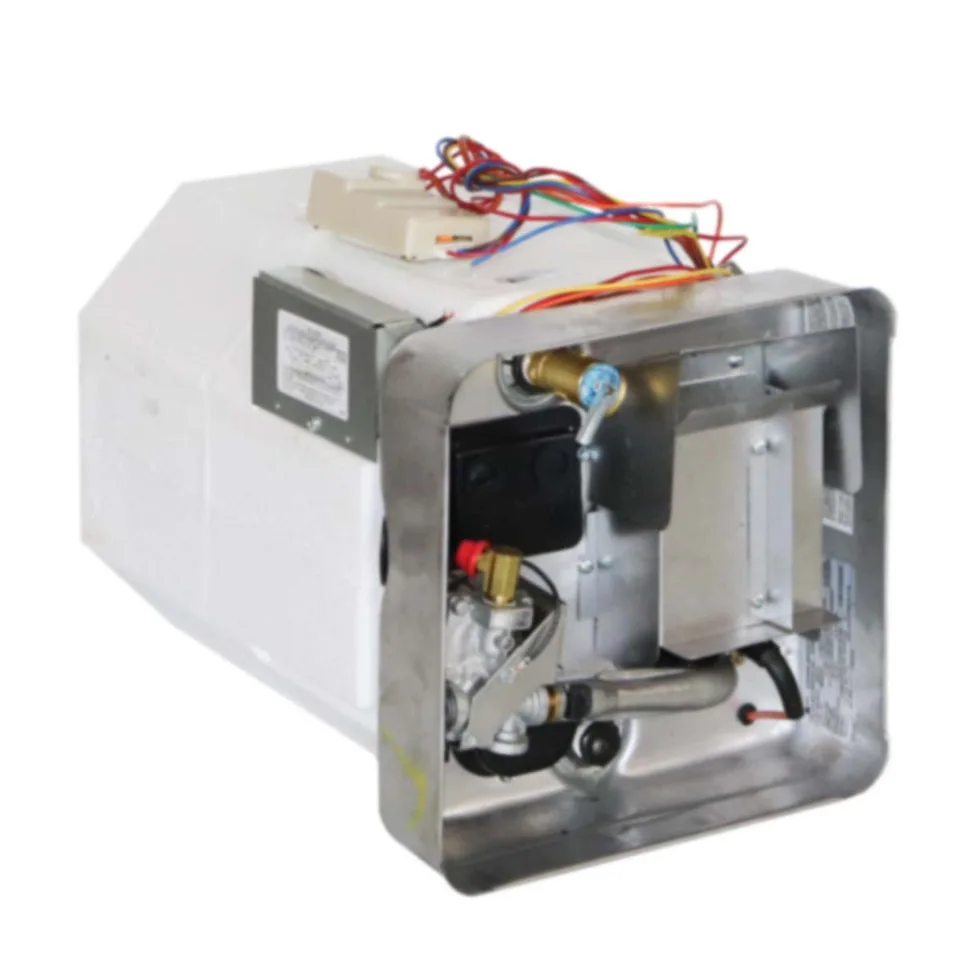
Image source: Bing (Web (fair-use with source credit))
Quick Answer
If your camper water heater is cold, check the interior breaker panel first. Then locate the reset button behind the exterior access panel. Push it firmly.
If that does not work, confirm your bypass valves are set to "normal" operation. Ensure the propane tank is open and the stove lights. These four checks solve most problems in under ten minutes.
How Your Camper Water Heater Actually Works
Understanding the basics of your setup is the fastest way to stop guessing. Most campers use either a Suburban or Dometic/Atwood water heater. These units can run on propane gas, 120V electric, or both.
The propane side uses a direct spark ignition system. A control board sends a spark to an electrode, the gas ignites, and a flame sensor confirms the burner is lit.
The electric side uses a heating element submerged inside the tank, similar to a household water heater. It draws a fair amount of power, typically around 1440 watts. You need shore power or a generator running to use electric mode.
Both systems rely on a few shared components. The thermostat tells the unit when to heat. The high-limit switch, also called the ECO or Energy Cut Off switch, shuts everything down if the water gets too hot.
The control board manages the whole show. And the bypass valves determine whether water actually flows through the tank or skips it entirely for winterization.
Understanding that last part is critical. If the bypass valves are in the wrong position, you can have a perfectly functioning water heater that never sends a drop of hot water to your faucet.
Diagnosis Step 1: The Simple Stuff (Check These First)
Start with the absolute easiest things. You want to rule out the human errors before you start replacing parts.
Is the water heater actually turned on? It sounds silly, but it happens. Locate the interior switch panel. Make sure the switch is set to Gas, Electric, or Both depending on your setup and power availability.
Check the 12V breaker or fuse. The control board and ignition system run on 12V DC from your camper's house battery. Pop open your interior power distribution panel. Find the fuse or breaker marked "Water Heater" or "LP Gas Detector" (sometimes they share a circuit).
Replace any blown fuses or reset tripped breakers. If the fuse blows again immediately, you have a short somewhere.
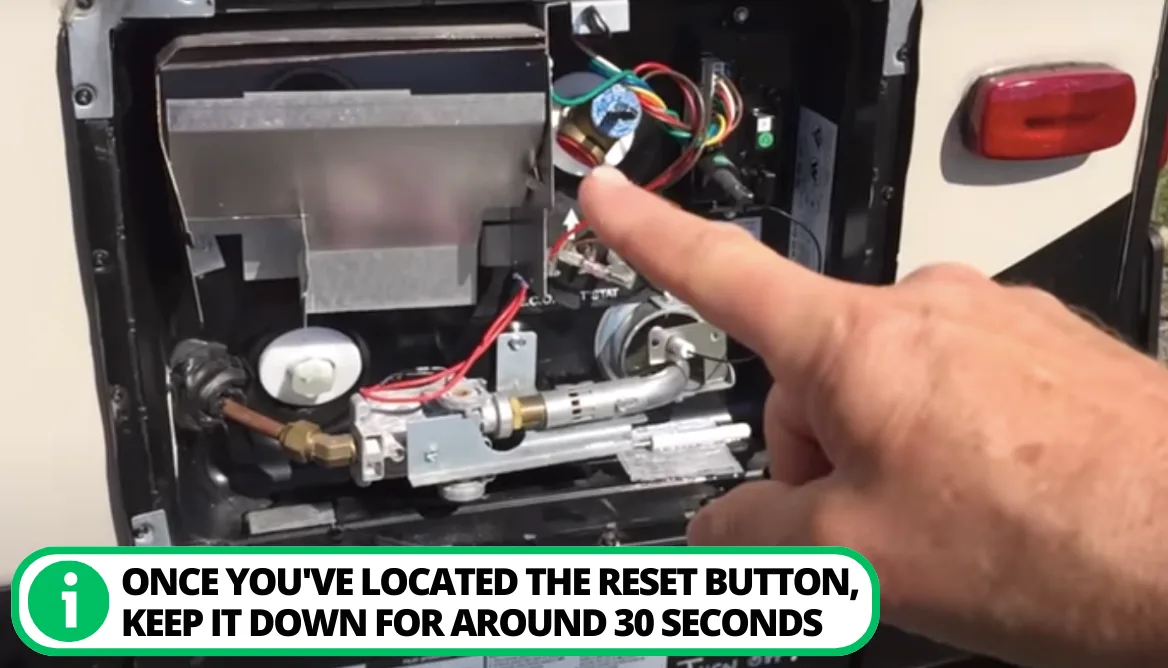
Image source: Bing (Web (fair-use with source credit))
Locate and press the reset button. This is the single most common fix in the entire troubleshooting process. Go outside to the water heater's exterior access panel. Remove the lower panel screws.
Look for a small red button, sometimes under a rubber cap or plastic cover, mounted on the thermostat. The Suburban ECO reset button is almost always there. Press it firmly until you feel it click.
If the water heater was overheating or the safety circuit tripped, this resets it.
Make sure propane is flowing. Open the propane tank valve fully. Turn on a stove burner and light it. If the burner flames are weak, orange, or do not stay lit, you have a propane supply problem.
Let the stove run for a minute to purge any air from the lines before trying the water heater again.
If none of these solve the issue, move on to the mode-specific checks.
Diagnosis Step 2: Gas Mode – Why It Won't Light or Stay Lit
Gas mode failure usually falls into one of two categories: the unit never tries to ignite, or it tries and fails.
The unit clicks but no flame appears. The igniter electrode is sparking but no gas reaches the burner. First, listen for the gas valve opening. You should hear a soft thunk or hiss shortly after the clicking starts.
If you hear nothing, the gas valve or control board may be bad. But before you go there, check the propane tank pressure. A tank that is partially frozen or has a failed regulator can deliver gas pressure too low for the water heater to accept.
Try switching to a full backup tank.
The unit clicks, flame appears, then goes out. This is a classic flame sensor problem. The burner lights briefly, but the control board does not detect the flame, so it shuts the gas off as a safety measure. The flame sensor is a metal rod next to the igniter.
Over time it gets coated with carbon or soot. That coating insulates it from the flame signal. Pull the assembly, clean the rod gently with fine steel wool or a scotch-brite pad, and reinstall it.
The unit does not click at all. If you hear no clicking sound when you turn on gas mode, the control board is not getting power or the board itself has failed. Confirm you have 12V DC at the board using a multimeter. You need at least 10.5V for reliable operation, but 12.5V or higher is ideal.
Low battery voltage is a very common cause of no-click scenarios. If voltage is fine, the board may need replacement.
The burner sounds rough or has yellow flames. Check the burner orifice and the air shutter. Remove the burner assembly and inspect the orifice for dirt, spider webs, or debris. These tiny openings clog easily.
Clean with compressed air or a small brush. Adjust the air shutter if the flame looks lazy or sooty.
Diagnosis Step 3: Electric Mode – Why It's Cold or Lukewarm
Electric mode problems are usually simpler than gas issues. Fewer moving parts means fewer failure points.
No power at all. Confirm your camper is plugged into shore power or your generator is running. Check the 120V AC breaker in your main distribution panel, not just the 12V fuse. The electric heating element draws a significant load.
A tripped breaker here is common, especially if other high-draw appliances are running simultaneously.
Water gets warm but never hot. This points to a failing heating element. The element can burn out over time, especially if the tank was run dry. It can also accumulate scale and mineral deposits that reduce its heat transfer.
You can test the element with a multimeter set to resistance. A good element reads around 10 to 16 ohms. An open circuit or a dead short means replacement time.
The electric mode runs but the breaker keeps tripping. This is a short to ground in the heating element. When the element's insulation fails, it creates a path for current directly to the metal tank. The breaker trips for your safety.
Replace the element immediately. Do not keep resetting the breaker. That is a fire risk.
The water is hot on gas but cold on electric. That confirms your water heater unit itself is fine. Focus solely on the electric components. Check the element, the thermostat that controls the electric circuit, and the 120V wiring connections.
Corrosion at wire terminals is common in damp RV environments.
Diagnosis Step 4: Water Flow Issues – Hot Water at the Tank But Not at the Faucet
This section is where a lot of people chase their tails. The water heater itself may be working perfectly. The problem is the water simply is not reaching your shower or sink.
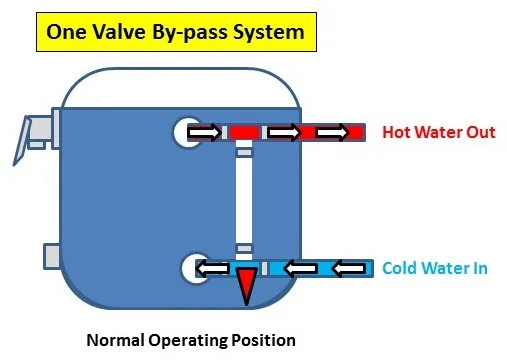
Image source: Bing (Web (fair-use with source credit))
Check the bypass valve position first. Open your exterior water heater access panel or reach the valves from inside a basement compartment or cabinet. Locate the bypass valve assembly. There should be two or three valves.
In normal operation, the cold water inlet valve is open, the hot water outlet valve is open, and the bypass valve is closed. If the bypass valve is open, cold water flows directly to the hot water line without ever entering the tank. It is the single most overlooked cause of "no hot water." Double check if you winterized recently.
Purge air from the hot water lines. After draining or winterizing, air can get trapped in the hot water pipes. Run the hot water at a faucet inside the camper. Let it flow for a full minute or two.
If you get spurts of water followed by air, keep going. The air works its way out. You can also open the pressure relief valve on the water heater tank briefly to help release trapped air.
Check for a collapsed or kinked hose. On some camper layouts, the hot water line from the tank to the faucet runs through tight spaces. A kinked PEX line or a collapsed rubber hose can severely restrict flow. Inspect the visible sections of hot water line near the water heater.
If the flow is weak everywhere, this is worth investigating.
Is the pressure relief valve leaking? The T&P valve opens when pressure or temperature gets too high. If it is stuck open or leaking, you lose hot water out of the drain tube. That means less hot water makes it to your faucet.
Replace a weeping or stuck valve. This is also a critical safety component. Never block or plug a relief valve.
Common Mistakes That Waste Your Time (And Money)
Some mistakes pop up over and over in our research. Avoiding them saves you a trip to the repair shop and the cost of unnecessary parts.
Skipping the propane stove test. People try the water heater over and over without confirming propane is actually flowing. Light a stove burner first. If the stove is weak or does not light, your water heater will never fire.
Check the tank level, the valve, and the regulator.
Replacing the control board before checking voltage. Control boards are expensive, often $80 to $150. Many people swap one in only to discover the real problem was a low house battery or a corroded ground wire. Always measure voltage at the board first.
Ignoring the bypass valve after winterization. This is the number one call to RV service centers in the spring. Someone spent an hour troubleshooting a water heater that was never going to produce hot water because the bypass valve was open. Know where your valves are.
Label them in normal and winter positions with a permanent marker.
Resetting the ECO repeatedly without finding the cause. The ECO switch trips for a reason. It could be a bad thermostat, a shorted element, or a blocked burner flue causing overheating. If you reset it multiple times and it keeps tripping, you have a real problem.
Repeated resets can damage the control board or create a safety hazard.
Draining the tank while it is hot. Never drain a hot water heater tank. The sudden temperature change can crack the inner tank. Always let the water cool fully before opening the drain plug or anode rod.
When to Call a Pro vs. When to DIY
Not every problem is a DIY fix. Knowing your limits prevents turning a small issue into an expensive disaster.
You can DIY safely: bypass valve checks, resetting the ECO, cleaning the flame sensor, replacing the anode rod, checking fuses and breakers, and cleaning the burner orifice. These require basic tools and common sense.
Call a pro for: gas valve replacement, control board diagnostics involving complex wiring, internal tank leaks, damaged burner tubes or flue baffles, and any work that requires removing the entire water heater unit from the camper. Propane work carries real risk. A leak at a gas connection can cause an explosion.
If you smell gas or are unsure about a connection, stop and call someone.
Manufacturer specs from Suburban and Dometic recommend that any work involving the gas control valve or the internal gas train be performed by a certified RV technician. This is not a suggestion. It is a safety guideline.
As of 2026, most RV insurance policies also require professional installation and repair of propane appliances for coverage to apply.
If your water heater is more than ten years old and has a cracked tank or a failed control board, replacement may be more cost effective than repair. A new unit runs $300 to $600. A service call plus parts can easily exceed that.
Frequently Asked Questions
Why does my camper water heater keep tripping the reset button?
The ECO switch trips when the water gets too hot. This usually means a bad thermostat is not telling the burner or element to shut off. Replace the thermostat first.
A blocked burner flue can also cause overheating because combustion gasses cannot escape.
Can I run my water heater on gas and electric at the same time?
Yes. Most gas/electric combo units allow both modes to run simultaneously. This cuts recovery time roughly in half.
Check your switch panel for a "Both" setting. Make sure you have sufficient power for the electric element and propane supply for the burner.
How do I know if my water heater bypass valve is open or closed?
Look for a handle or lever on the valve stem. In normal operation, the handle runs perpendicular to the pipe for closed valves and parallel for open valves. Trace each line.
Cold water inlet and hot water outlet should be open. The crossover or bypass line should be closed.
Why does my hot water smell like rotten eggs?
That smell comes from sulfur in the water reacting with the anode rod. It is harmless but unpleasant. Replace the sacrificial anode rod with a powered or aluminum/zinc alloy rod that reduces the reaction.
Flush the tank thoroughly after replacement.
Can a low battery cause the water heater to not work?
Absolutely. The control board, igniter, and gas valve all run on 12V DC. If your battery voltage drops below 10.5V, the system will not operate reliably.
Try starting the generator or plugging into shore power to charge the battery before troubleshooting further.
How often should I flush my camper water heater?
At least once per year, preferably before the first trip of the season. More often if you camp in areas with hard water. Sediment builds up in the bottom of the tank and reduces efficiency.
Remove the anode rod, open the drain plug, and flush with a tank rinser or garden hose until the water runs clear.

Similar Posts