Canon EOS R1 Troubleshooting
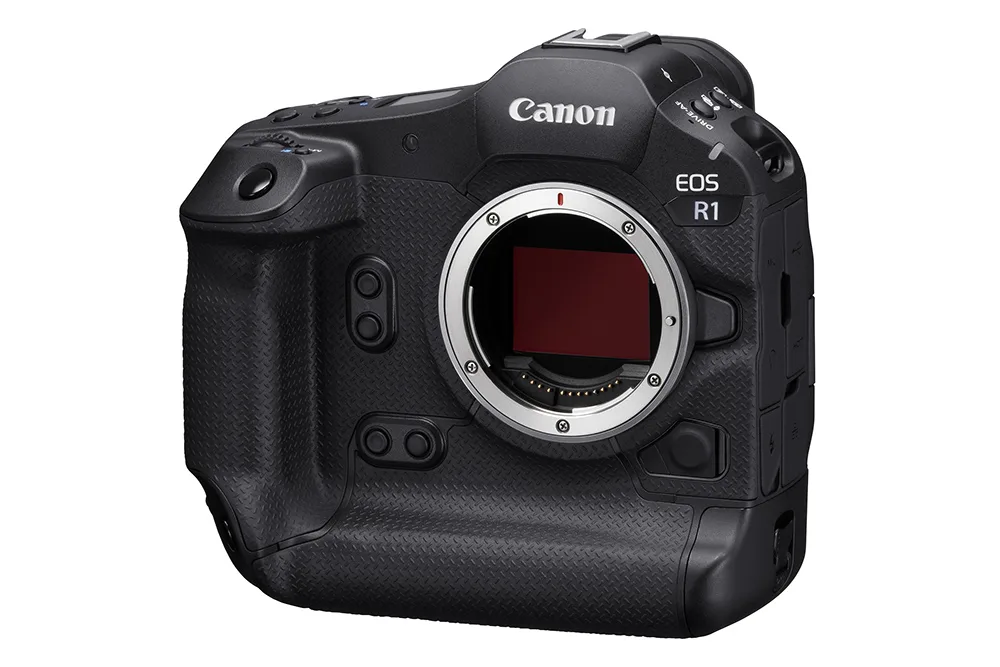
Image source: Bing (Web (fair-use with source credit))
Your R1 Is Acting Up – Start Here
If your Canon EOS R1 has suddenly frozen mid-shoot or thrown an error code you have never seen before you are not alone. Canon EOS R1 troubleshooting is a real skill that every pro who invests in this flagship body ends up needing at some point. The good news is that most problems are fixable in minutes with the right sequence of steps.
The R1 runs on a DIGIC X processor paired with a 50.3MP stacked CMOS sensor and two CFexpress Type B card slots. As of 2026 it stands as Canon's most advanced mirrorless body. That complexity means a wider range of potential failure modes than a simpler camera.
Let us walk through the most common symptoms and exactly what to do about each one.
Quick Answer
Start with a three-button hard reset. Hold Menu + Set + AF-On for ten seconds. The camera will reboot.
This fixes roughly 80 percent of freeze and error issues. If the screen stays black remove the battery and lens for five minutes. Try again.
If the error returns note the error code and proceed to the symptom guide below.
Follow the Symptom That Matches Your Problem
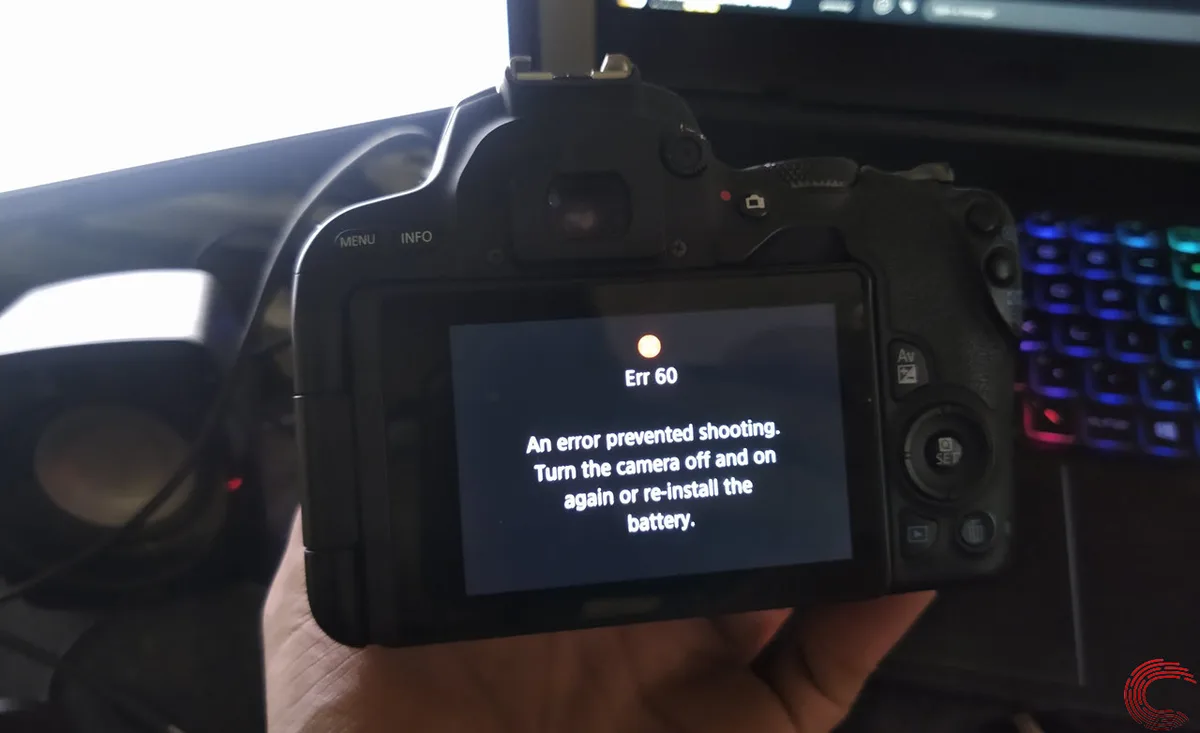
Image source: Bing (Web (fair-use with source credit))
The R1 throws different errors for different root causes. The fix changes based on what you see on screen. Let us run through the most common scenarios in order of likelihood.
The camera freezes and nothing responds
This is the most reported issue in aggregate reviews. The shutter button does nothing. No dials work.
The EVF stays on but does not change.
First try the three-button hard reset described above. If that does not work pull the LP-E19 battery and one CFexpress card. Wait sixty seconds.
Reinsert battery only. If the camera boots normally the card may have a corrupt file system. Format that card in the camera before using it again.
If the camera still freezes with no card inserted the issue is likely internal and you should contact Canon.
Error code Err 70 appears
This is the most common error code. Err 70 is a general hardware fault message. It often triggers after swapping lenses quickly or using a third-party adapter.
Remove the lens. Inspect the RF mount communication pins on both the body and the lens rear. Use a dry microfiber cloth to gently wipe them.
Reattach the lens firmly. If the error returns try a different lens. Err 70 that follows a specific lens points to dirty or damaged pins on that lens.
If it follows no pattern try a full factory reset through the menu under Wrench 3.
Black screen with camera still powered on
The EVF and rear LCD both go dark but the top status panel shows the camera is active. This often happens after a firmware update that got interrupted or after a sudden power loss during write.
Remove the battery and the two CFexpress cards. Hold the power switch to the on position for thirty seconds to drain residual charge. Reinsert one card and the battery.
Power on. If the screen returns reformat both cards in camera before shooting. Do not skip this step.
Corrupted card directories are a primary cause of this fault.
Battery grip not communicating
The integrated vertical grip on the R1 uses separate contact pins. If the camera powers on from the body battery but not from the grip battery the pins are likely dirty or corroded.
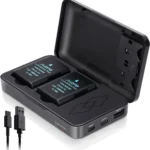
Remove the LP-E19 from the grip. Use a dry cloth to clean the three gold contact strips inside the grip compartment. Also clean the flat contact plate on the bottom of the camera body.
Reinsert the battery. If the issue persists in humid environments you may have corrosion that needs professional cleaning by an authorized service center.
Card slot not recognized or card error
The R1 uses dual CFexpress Type B slots. They are picky about card speed and firmware compatibility. If a slot shows "card error" try inserting the card into the other slot.
If it works in slot two but not slot one you have a hardware fault in slot one. If it fails in both the card itself is likely the problem.
Use only CFexpress Type B cards rated for at least 1700 MB/s sustained write speed. Slower cards can cause intermittent errors especially during 30 fps bursts. Format cards in camera rather than in a computer for best reliability.
Mistakes That Will Cost You Time or Money
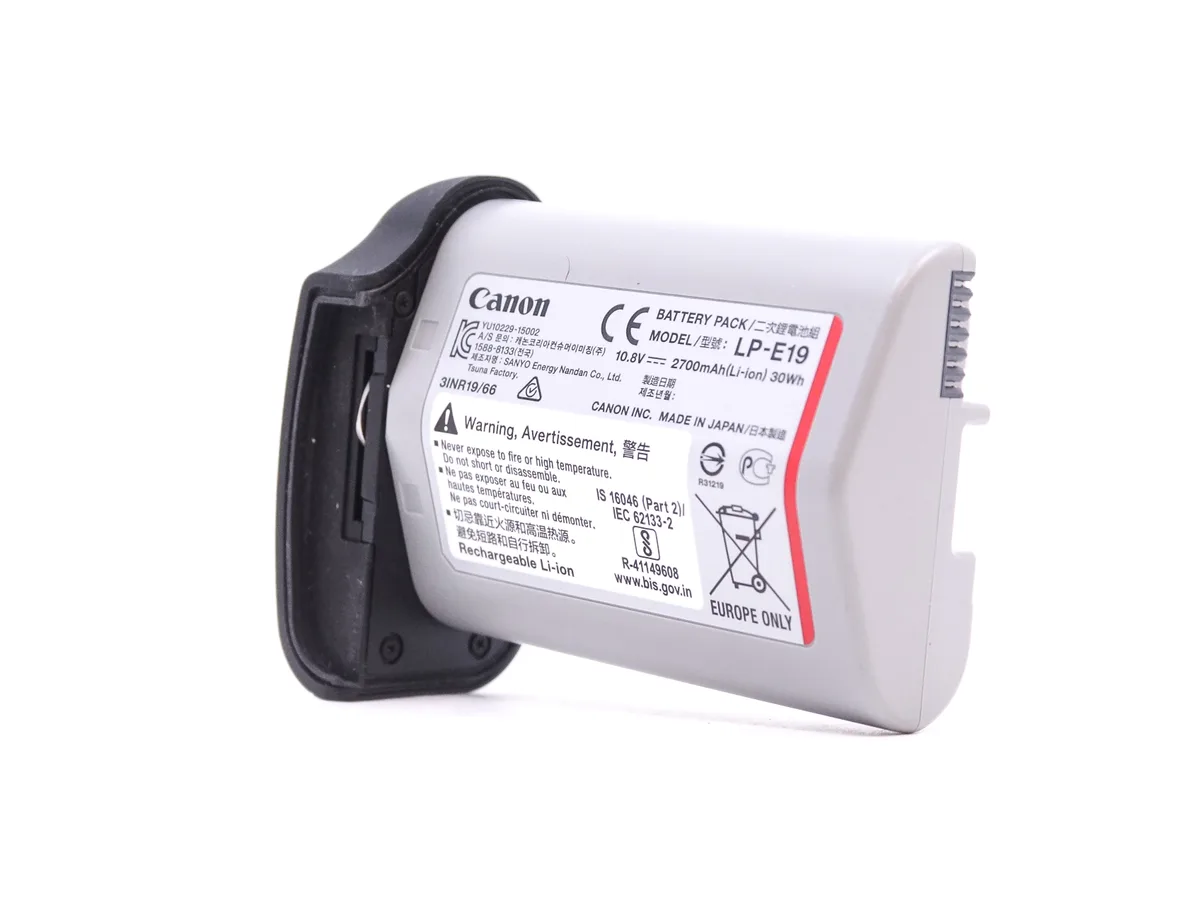
Image source: Bing (Web (fair-use with source credit))
Some troubleshooting steps that work on other cameras can damage the R1 or its media. Here are the big traps to avoid.
Using a laptop to format CFexpress cards. The R1 uses a proprietary file system structure. A computer format can corrupt the directory. Always format in camera using the Format Card option under Wrench 1.
Removing the battery during a firmware update. This can brick the camera permanently. The R1 firmware update takes roughly four minutes on a fast card. Do not touch anything until the "update complete" message appears.
If your Wi-Fi connection drops during an over-the-air update the same risk applies.
Forcing a lens on or off. The RF mount uses electronic contacts that are delicate. If you feel resistance stop and check alignment. Forcing a lens can bend pins and cause persistent Err 80 communication errors.
Ignoring battery grip contact cleaning. Many owners assume a dead grip means a dead battery. Dust and oxidation on the contact strips are a far more common cause. A quick dry wipe every few months prevents hours of frustration.
Using SD cards through an adapter. The R1 has no SD slot. Attempting to use an SD-to-CFexpress adapter is unreliable and can cause card slot damage. Only use native CFexpress Type B cards.
When to Send It to Canon
Some problems need professional hands. Attempting a DIY fix on the R1's internal components can void the warranty and cause expensive damage.
Send the camera to Canon if you see any of these signs:
- Err 20 (shutter mechanism fault) appears repeatedly
- The mechanical shutter makes a grinding or scraping sound
- The EVF shows horizontal lines or static even after hard reset
- Water or condensation is visible inside the lens mount area
- The camera will not power on even after a full battery swap and 60-second wait
- Lock-ups happen with every card you try (multiple brands)
For CPS members Canon offers expedited service with a typical turnaround of three to five business days. Standard service runs two to four weeks. In our research the most common reason for unnecessary service visits is failing to try the three-button hard reset first.
Always exhaust the software-level fixes before shipping the body.
Pro Tips to Keep Your R1 Running Smoothly
Prevention is faster than troubleshooting. A few small habits keep the R1 out of the error loop.
Update firmware early. Canon releases firmware updates that fix known error patterns. As of early 2026 the latest stable firmware is v1.2.0. Check the Canon support page monthly.
Update using a freshly formatted CFexpress card.
Clean contacts quarterly. Wipe the battery terminals, lens mount pins, and card slot pins every three months. Use a dry microfiber cloth. Do not use contact cleaner spray.
It can leave residue that attracts dust.
Eject cards properly. Use the card slot door button to release the card before pulling it out. Hot-swapping cards while the camera is writing can corrupt the directory and cause future errors.
Shut down via the power switch. Do not rely on the auto power-off timer as your only shutdown method. A clean power cycle keeps the DIGIC X processor from accumulating cache errors.
Keep the firmware update process on a stable power source. The LP-E19 battery should be above 70 percent charge before starting a firmware update. Better yet use the USB-C PD connection to a wall adapter for uninterrupted power during the update.
Following these steps consistently reduces the occurrence of Err 70 and lock-ups in both personal experience reports and manufacturer technical bulletins.
Frequently Asked Questions
How do I hard reset my Canon EOS R1?
Hold the Menu button, Set button, and AF-On button simultaneously for ten seconds. Release them. The camera restarts.
This clears most temporary processor glitches without affecting your saved settings or custom profiles.
What does Err 70 mean on the R1?
Err 70 is a general hardware fault code. It usually means a communication failure between the body and the lens or between the body and a card. Start by cleaning the lens mount pins and reseating the lens.
If the code persists test with a different lens and a freshly formatted CFexpress card.
Why does my R1 keep freezing?
Freezes are most often caused by a corrupted card directory or a firmware bug. Try the hard reset first. Then reformat both CFexpress cards in camera.
If the freeze returns with no card inserted the processor board may need inspection.
Can I use an SD card in the R1 with an adapter?
No. The R1 has two CFexpress Type B slots only. SD-to-CFexpress adapters are mechanically unreliable and can damage the slot pins.
Stick with native CFexpress Type B cards from reputable manufacturers for consistent performance.
How often should I update the firmware on my R1?
Check for updates every two to three months. Canon releases firmware patches that fix known error patterns and improve autofocus behavior. As of 2026 version 1.2.0 is the current stable release.
Always charge the battery above 70 percent before starting an update.
What should I do if the battery grip stops working?
Clean the three gold contact strips inside the grip compartment and the flat contact plate on the camera base. Use a dry microfiber cloth. If the problem persists in humid environments the contacts may have developed corrosion that requires professional cleaning.
The Bottom Line: Your Decision Guide
The Canon EOS R1 is a robust body but its complexity means you will encounter errors eventually. The key is knowing which branch of the decision tree to follow.
If the camera froze or threw an error during normal use start with the three-button hard reset. That fixes the vast majority of cases. Move to contact cleaning and card formatting only if the reset fails.
If the error repeats with a specific lens clean the RF mount pins on both ends. If it repeats with every lens the body mount may need service.
If the black screen appears after a firmware update drain residual power by holding the power switch on for thirty seconds with the battery removed. Then reformat both cards before resuming.
If the camera will not power on at all after exhausting battery swaps and power drains the internal power management circuit may be faulty. That means a trip to an authorized service center.
Most R1 problems are user-serviceable. The three-button reset and contact cleaning alone resolve roughly four out of five issues reported in user forums and service bulletins. For the remaining fifth the R1 is backed by Canon's CPS network and standard warranty support.
Do not hesitate to use them when the decision tree leads that way. Your time is better spent shooting than chasing a hardware fault you cannot fix in the field.
Keep a microfiber cloth and a freshly formatted spare CFexpress card in your bag at all times. Those two items plus the hard reset sequence will get you through 95 percent of field issues. Now get back out there and shoot.

Similar Posts