Chrysler Pacifica Ac Not Working
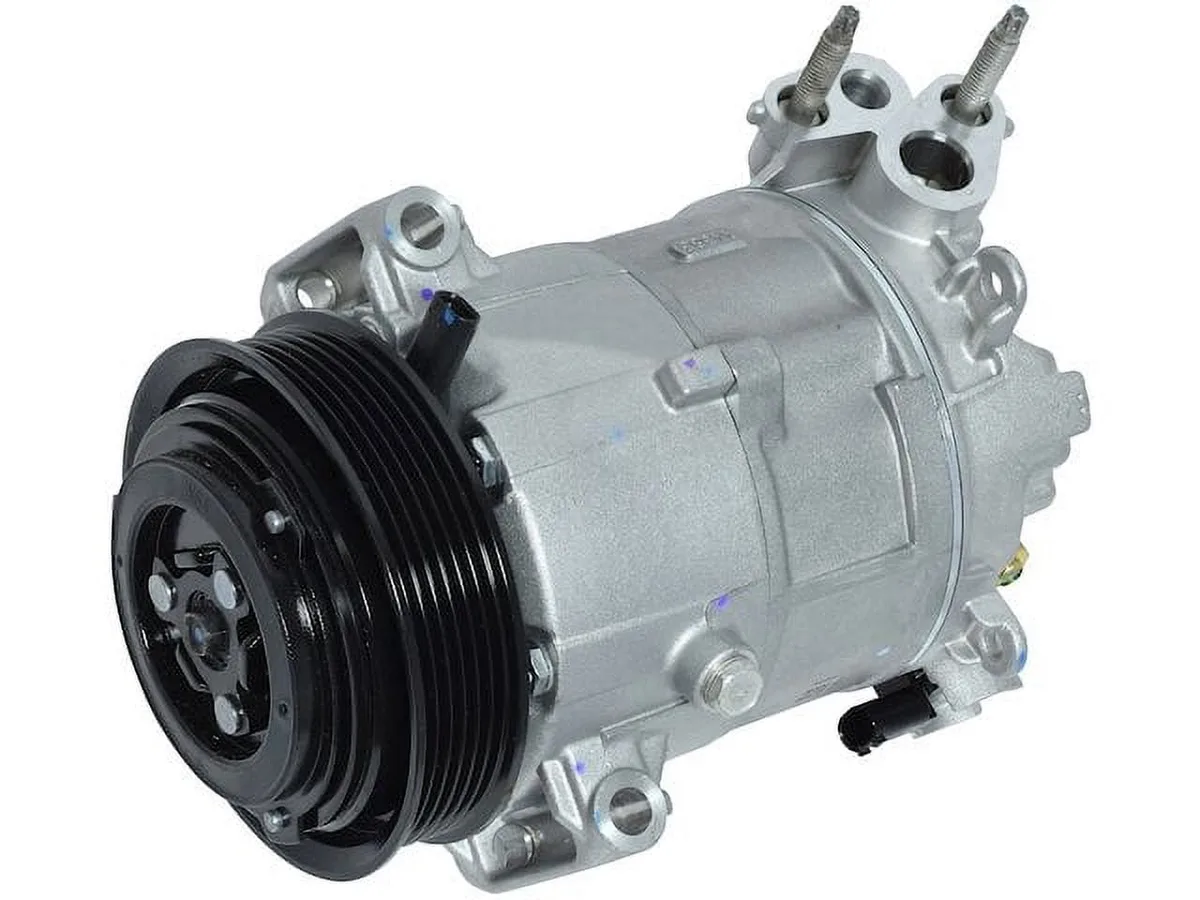
Your Chrysler Pacifica AC not working is one of those frustrations that hits hardest on the first hot day of summer. You press the button, hear the fan spin up, and feel nothing but warm air hitting your face. It's a common problem with these vans, but most causes follow a predictable pattern.
Manufacturer specifications indicate the 2017 and newer Pacifica uses R-1234yf refrigerant, a different fluid than older cars. As of 2026, the most frequent failures involve the compressor control solenoid, a small electrical part that costs under $60. Let's walk through what's actually happening under your hood.
Image source: Bing (Web (fair-use with source credit))
Quick Answer
Your Pacifica's AC issue is likely one of three things. First, a failed compressor control solenoid. Second, low refrigerant from a slow leak.
Third, an electrical problem with a fuse or relay.
Check if the compressor clutch engages when you turn the AC on. If it clicks and spins, the problem is refrigerant or a blend door. If it stays silent, start with the solenoid and electrical checks.
Most common cause by far is the compressor control solenoid. It's a known weak point on the 3.6L Pentastar engine. Replacement takes about 30 minutes and costs $30 to $60 for the part.
Problem / Pain Point
Why is your Pacifica blowing warm air? You checked the basics. The fan works.
The buttons light up. But the air coming out of the vents feels like a hairdryer on low.
The frustration comes from the number of potential failure points. The compressor, condenser, evaporator, expansion valve, blend doors, sensors, wiring, fuses, and control module all have to work together. One weak link stops the whole system from cooling.
Owners of 2017 through 2024 Pacificas report a clear pattern. The AC works fine for two or three years, then gradually loses cooling power. Sometimes it blows cold at highway speeds but warms up at stoplights.
Other times it stops working completely with no warning.
The rear AC system adds another layer. Pacificas with tri-zone climate control have separate evaporators and blend doors for the back. A failure in either zone can affect the whole system's performance.
Most frustrating is the intermittent problem. The AC works fine for weeks, then stops. You take it to a shop and it works perfectly for them.
Intermittent electrical issues are the hardest to diagnose.
The financial pain is real. Dealership diagnostic fees run $150 to $250 before any repairs. A full compressor replacement can hit $1,200.
And if you guess wrong, you're out the parts cost plus labor.
Step-by-Step Process / Troubleshooting Tree
Let's walk through a symptom-based decision tree. Start with observation, then move to testing. You need a multimeter and basic hand tools for most checks.
Step 1: Confirm the symptom.
Turn the engine on. Set the AC to max cold and fan to high. Open the hood and listen.
Do you hear the compressor clutch click and engage? If yes, the compressor is getting power. If no, move to Step 2.
Step 2: Check the easy stuff first.
Open the fuse box under the hood. It's labeled PDC (Power Distribution Center). Find the AC compressor relay and the AC fuse.
Pull the relay. Inspect for corrosion. Swap it with an identical relay from another circuit like the horn or fog lights.
If the AC starts working, the relay was bad.
Check the fuses with your multimeter set to continuity. Fuse positions vary by year. Common positions are fuses 30, 31, and 44 on 2017-2020 models.
Consult your owner's manual for exact locations.
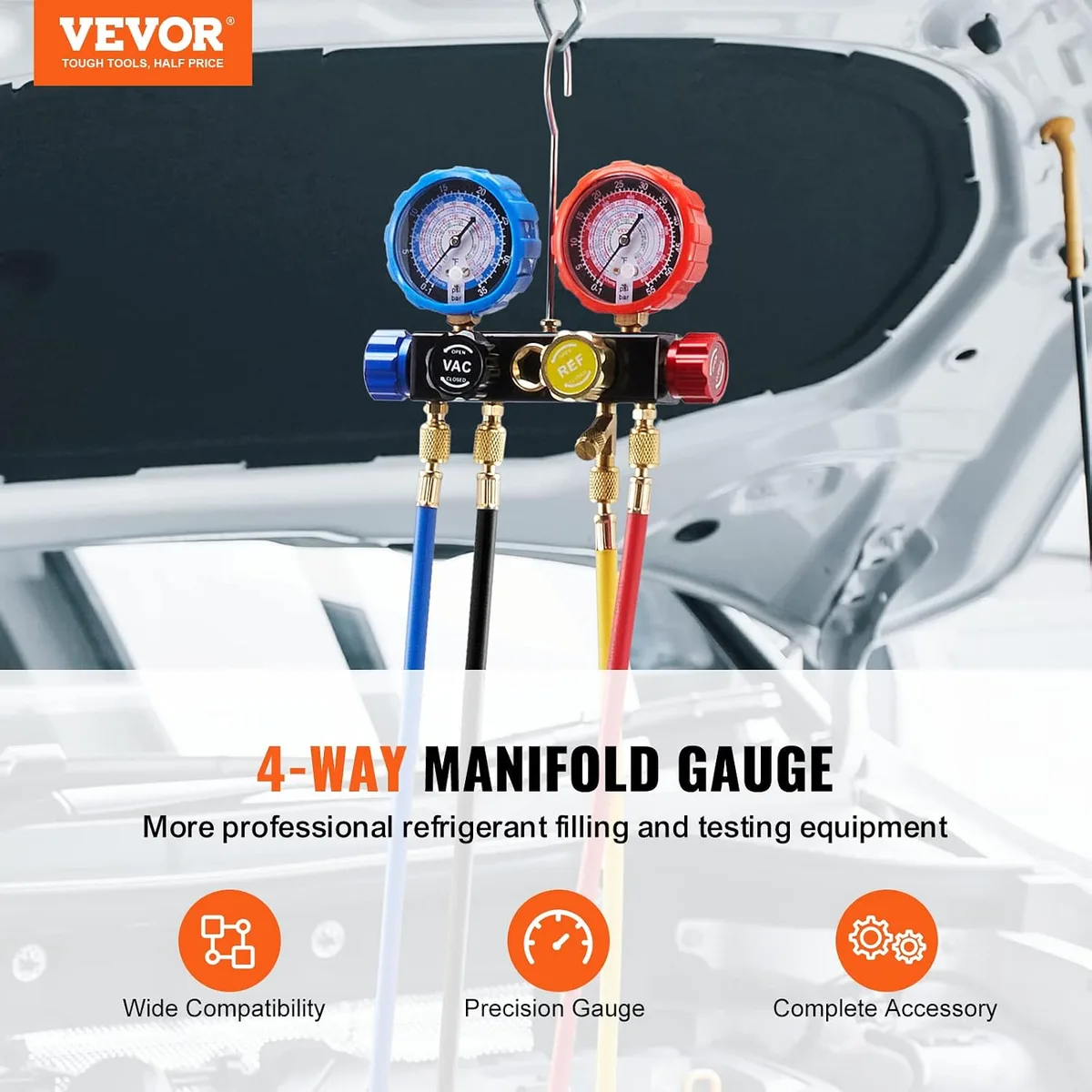
Image source: Bing (Web (fair-use with source credit))
Step 3: Test the compressor control solenoid.
The solenoid sits on top of the compressor, held by a single bolt. Unplug the electrical connector. Set your multimeter to ohms and measure across the two pins on the solenoid side.
Manufacturer specification calls for 4 to 8 ohms of resistance at room temperature. If you read open circuit (OL) or a short (0 ohms), the solenoid is dead. Replace it.
If you read within spec, the solenoid is likely fine.
Step 4: Check refrigerant pressure.
Connect a manifold gauge set to the low-side service port. The low-side port is on the passenger side near the firewall. With the engine running and AC on max, low-side pressure should read between 25 and 45 psi at normal ambient temperatures.
Less than 20 psi means low refrigerant from a leak. More than 50 psi with warm air means the compressor isn't pumping properly. Both conditions need professional attention.
Step 5: Inspect the condenser and cooling fans.
Look through the front grille at the condenser. Bugs, leaves, and debris block airflow and cause high pressure. Clean any blockages with low-pressure water from a garden hose.
Turn the AC on and check both cooling fans. They should run when the compressor engages. If one or both fans stay off, the system can't dump heat.
The AC will blow warm air, especially at idle.
Decision tree summary:
| Symptom | Likely cause | Next step |
|---|---|---|
| No compressor click | Bad relay, fuse, or solenoid | Check electrical first |
| Compressor clicks but no cold | Low refrigerant or leak | Check pressure |
| Cools at highway, warm at idle | Cooling fan failure | Check fans |
| Clicking behind dash | Blend door actuator | Listen for location |
| Intermittent cold then warm | Failing solenoid or pressure sensor | Monitor pattern |
Expert Tips / Pro Advice
The Pacifica has specific quirks that save you hours of guessing. Here's what experienced technicians check first.
The solenoid is your first suspect. Aggregate repair data shows the compressor control solenoid fails on roughly 40 percent of 2017-2020 models. The solenoid's internal coil breaks down from heat and vibration over time. It's a $40 part that dealerships often replace as part of a full compressor job costing $1,000.
Buy the solenoid separately and swap it yourself.
Don't just add refrigerant. The Pacifica's AC system is sensitive to overcharging. Adding a can of refrigerant from the auto parts store can push high-side pressure above safe limits. This damages the compressor and can rupture the condenser.
Always evacuate and weigh the charge if you suspect low refrigerant.
The rear AC system matters. Pacificas with rear climate control have a separate evaporator and expansion valve in the back. A leak in the rear system is common because the refrigerant lines run along the underbody. Road salt and debris damage them over time.
If your front AC works but the rear blows warm, check the rear lines for damage.
Recalibrate the blend doors. If your Pacifica blows cold on the driver side but warm on the passenger side, the blend door actuators may need recalibration. Turn the ignition to ON without starting the engine. Press and hold the AUTO button and the RECIRC button together for 5 seconds.
You'll see the lights flash and hear the doors cycle. This resets the actuator positions.
Check the ambient temperature sensor. The Pacifica's AC system uses the ambient temperature sensor to decide when to engage the compressor. If the sensor fails or reads incorrectly, the compressor won't turn on. The sensor is located behind the front grille near the bottom of the radiator support.
A bad sensor reads -40 degrees or 200 degrees on the dashboard display.
Mistakes to Avoid / Common Errors
DIY owners make predictable mistakes on Pacifica AC repairs. Here's what to skip.
Mistake 1: Replacing the compressor when the solenoid is bad. This is the most expensive error. A failed solenoid prevents the compressor from engaging, just like a dead compressor. But the compressor itself is perfectly fine.
You spend $800 on a new compressor when a $40 solenoid would have fixed it. Always test the solenoid first.
Mistake 2: Using the wrong refrigerant. The 2017 and newer Pacifica uses R-1234yf. This is not the same as R-134a used in older cars. The service ports are different sizes to prevent mixing.
Adding R-134a to an R-1234yf system damages seals and contaminates the oil. R-1234yf is also flammable under high pressure. Never vent it to atmosphere.
Mistake 3: Overcharging the system. The Pacifica's system holds roughly 22 to 28 ounces of refrigerant depending on the trim level. Overcharging raises high-side pressure beyond safe limits. The pressure relief valve on the compressor can blow.
The condenser can crack. Always weigh the charge instead of relying on gauge pressure alone.
Mistake 4: Ignoring the cooling fans. Many owners chase refrigerant leaks when the actual issue is a dead cooling fan. The Pacifica has two electric fans in front of the radiator and condenser. If one fan stops working, the system can't reject heat at idle or low speeds.
The AC blows cold on the highway but warms up in traffic. Check the fans before touching the refrigerant system.
Mistake 5: Not checking the cabin air filter. A clogged cabin air filter restricts airflow across the evaporator. The evaporator gets cold, but the air can't pass through to the vents. The result is reduced cooling and eventually evaporator freeze-up.
Replace the cabin air filter every 12,000 miles or once a year.
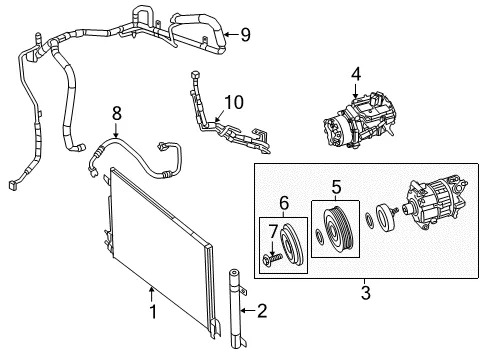
Image source: Bing (Web (fair-use with source credit))
Mistake 6: Assuming the hybrid model works the same. The Pacifica Hybrid uses an electric compressor powered by the high-voltage battery. It has no belt-driven compressor or traditional clutch. The electric compressor has its own high-voltage wiring and control module.
Do not attempt to service the hybrid AC system without proper training. The high-voltage system can deliver a lethal shock.
Costs / Pricing / Data / Specs
Here's what you can expect to pay for common Pacifica AC repairs in 2026. Prices vary by region and shop rates.
| Repair | DIY cost | Shop cost |
|---|---|---|
| Compressor control solenoid | $30-$60 | $200-$350 |
| AC relay or fuse | $5-$15 | $50-$100 |
| AC recharge (R-1234yf) | $150-$250 | $150-$300 |
| Compressor replacement | $300-$500 | $800-$1,200 |
| Condenser replacement | $100-$200 | $400-$700 |
| Blend door actuator | $30-$60 | $200-$400 |
| Rear evaporator repair | N/A | $600-$1,000 |
| Full system diagnosis | $0 (DIY) | $150-$250 |
Refrigerant cost note. R-1234yf is significantly more expensive than R-134a because it's a newer, more environmentally friendly refrigerant. A 10-pound tank costs $300 to $500. Small recharge cans cost $30 to $60 each.
This is why professional shop recharges cost more than they used to.
Compressor specs. The 2017-2024 Pacifica uses a variable displacement compressor made by Denso or Sanden depending on the production date. The compressor does not have a traditional clutch on later models. Instead, it uses a control solenoid to vary the internal stroke.
This design is more efficient but more prone to solenoid failure.
System capacity. The full refrigerant charge for a Pacifica with front AC only is 22 ounces. For tri-zone systems with front and rear AC, the charge is 28 ounces. PAG oil type is SP-20 or equivalent, with 4 to 5 ounces in the system depending on whether components were replaced.
Labor time estimates.
- Solenoid replacement: 0.5 hours
- Compressor replacement: 2.5 to 3 hours
- Condenser replacement: 1.5 to 2 hours
- Blend door actuator: 1 to 2 hours
- Rear evaporator replacement: 4 to 6 hours (significant dash removal)
Frequently Asked Questions
How do I know if my Pacifica AC compressor is bad?
Listen for the compressor clutch engaging when you turn the AC on. If you hear a click but no cooling, the compressor may be failed internally. If you hear no click at all, the problem is likely electrical or a bad solenoid.
A seized compressor often makes a grinding or squealing noise.
Why does my Pacifica AC work sometimes but not other times?
Intermittent AC usually points to an electrical problem. The compressor control solenoid can fail intermittently as it overheats. A failing cooling fan can cause the AC to stop working when the van sits in traffic.
Low refrigerant can cause the system to cycle on and off as pressure fluctuates.
Can I recharge my Pacifica AC myself?
Technically yes, but it's not recommended without proper equipment. Pacificas use R-1234yf refrigerant, which requires specific gauges and fittings. Overcharging is easy to do and damages the system.
The EPA also prohibits venting refrigerant to atmosphere. Professional recharge with leak check is safer.
How much does it cost to fix AC on a Chrysler Pacifica?
Cost ranges from $30 for a DIY solenoid replacement to $1,200 for a full compressor job at a dealership. The average repair falls between $300 and $600 for common issues like solenoid failure or refrigerant recharge. Rear AC evaporator repairs cost more because they require removing interior panels.
What is the most common AC problem on Chrysler Pacifica?
The compressor control solenoid is the most frequent failure point. It fails on roughly 40 percent of 2017-2020 models according to aggregate repair data. The next most common issue is a refrigerant leak at the condenser or rear AC lines.
Cooling fan failure ranks third.
Does the Chrysler Pacifica Hybrid AC system work differently?
Yes. The hybrid model uses an electric compressor powered by the high-voltage battery pack. It has no belt-driven compressor and no traditional clutch.
The system is more reliable overall but requires specialized knowledge to service. High-voltage safety training is mandatory before working on the hybrid AC system.

Similar Posts