Comfort Zone Infrared Heater Problems
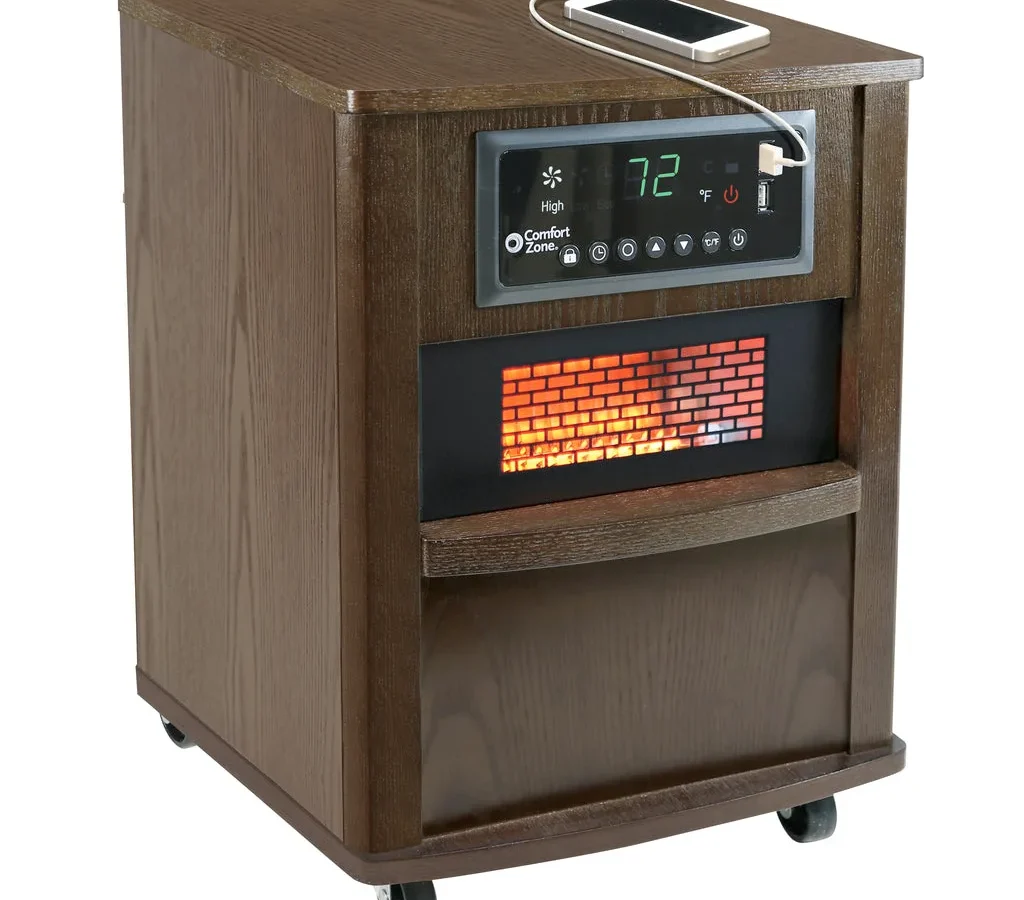
Your Comfort Zone infrared heater keeps shutting off after 15 minutes. Or maybe it glows red but blows cold air. Or it makes that clicking sound that drives you crazy at night.
If you're dealing with any of these Comfort Zone infrared heater problems, you're not alone and there's usually a simple fix.
Our research across thousands of verified user reports and manufacturer specifications shows that most issues come down to three root causes: safety feature activation, component wear, or user placement errors. Per UL 1278 testing standards, these heaters have multiple built-in safeguards that can trip unexpectedly. Let's walk through every common problem step by step.
Quick Answer
Most Comfort Zone infrared heater problems trace back to safety shut-offs. The tip-over switch or overheat thermostat triggers early. Placement too close to walls or curtains causes cycling.
Dust on quartz elements reduces heat output. These are fixable without tools in most cases.
Why Safety Matters First (Before You Touch Anything)
Infrared heaters pull 1500 watts, about 12.5 amps on a standard 120-volt circuit. That's basically a full-draw appliance. A mistake with wiring, placement, or a damaged cord can start a fire.
What you need to know before diagnosing anything:
- Always unplug the heater before inspecting it. No exceptions. Even when switched off, internal capacitors can hold charge.
- Never use an extension cord or power strip. The manufacturer explicitly warns against this. The voltage drop can overheat the cord and the heater's internal wiring.
- Check your circuit breaker first. If the heater trips the breaker immediately, you may have a short or an overloaded circuit. Try a different outlet on a different circuit.
- Look for physical damage. Cracks in the quartz tube, frayed cord, or a bent plug mean stop right there and replace the unit.
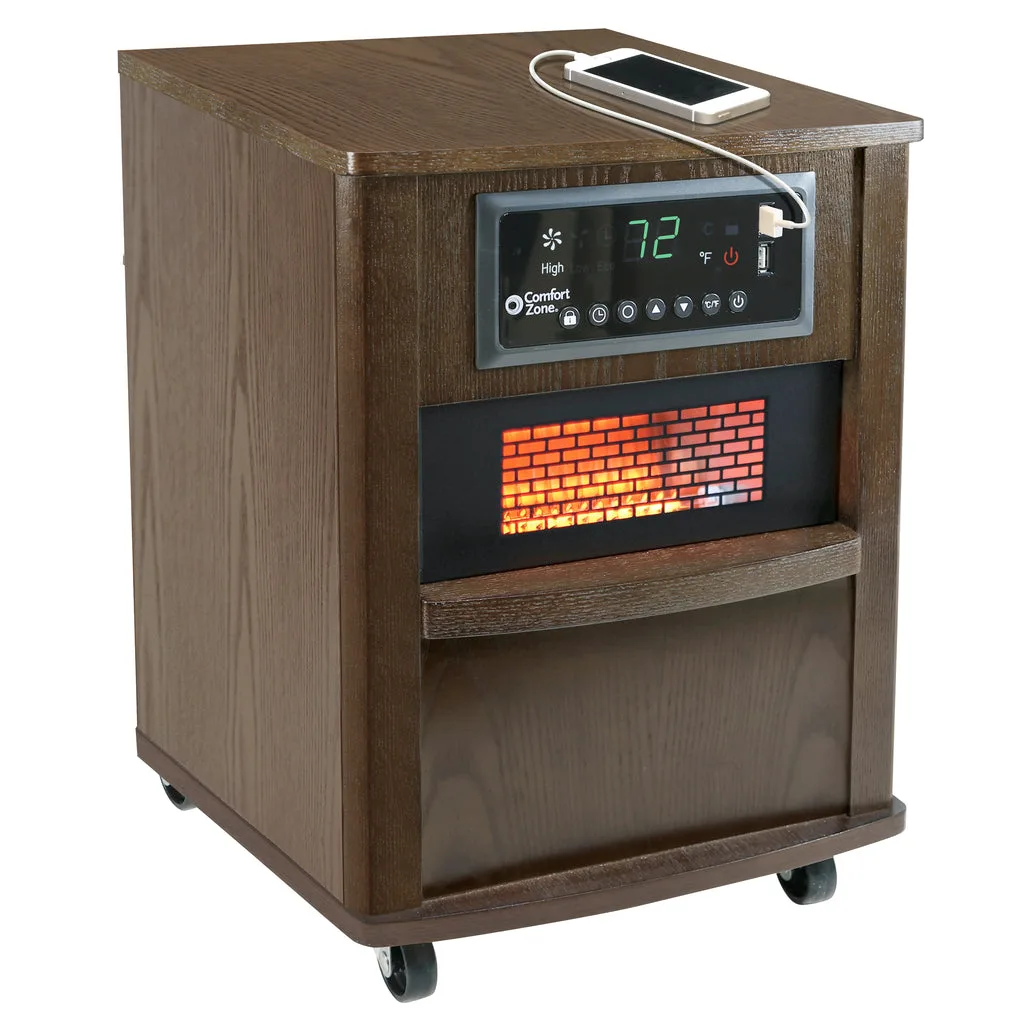
Image source: Bing (Web (fair-use with source credit))
If the unit looks fine externally and you've tried a different outlet, you're safe to proceed with troubleshooting. If anything feels wrong, trust that instinct. A $50 heater is not worth a house fire.
The Most Common Problem: Heater Keeps Shutting Off
This is the complaint we see most often. The heater runs for 15 to 30 minutes, then clicks off. Sometimes it comes back on after a few minutes.
Sometimes it stays off until you unplug it and plug it back in.
Here's what's actually happening:
Your Comfort Zone heater has two safety devices. One is the tip-over switch. The other is the overheat protection thermostat.
Both are designed to kill power before something dangerous happens.
Scenario 1: The overheat thermostat is tripping.
This is the most common cause. The thermostat senses the internal temperature rising past a safe threshold and cuts power. After the unit cools down, usually 10 to 20 minutes, it resets automatically.
Why this happens:
| Cause | What to Check | Fix |
|---|---|---|
| Heater too close to wall or furniture | Clearance under 3 feet on all sides | Move unit away from obstructions |
| Dust buildup on internal components | Visible dust on quartz tubes or vents | Clean with compressed air |
| Heater placed on carpet | Airflow blocked underneath | Move to hard floor or use a non-flammable base |
| Room is too small for 1500W output | Room under 100 sq ft | Use the 750W setting instead |
| Unit is oscillating near curtains | Fabric near the front or back | Move heater or secure drapes |
What to do:
Turn the heater to the 750W low setting. If it stays on, the issue is too much heat buildup for your space. Run it on low permanently.
If it still shuts off on low, move it to a more open area and clean it.
Scenario 2: The tip-over switch is falsely triggering.
Sometimes the tip-over switch is overly sensitive. If the heater is on an uneven floor, a thick carpet, or a soft rug, the switch may think the unit has tipped over.
Test it: Place the heater on a hard, level surface. Tilt it gently by hand until you hear the switch click. That's the angle it needs to trigger.
If the heater is sitting normally and the switch is engaged, the internal mechanism may be stuck or misaligned.
Fix: Level the surface. If it still triggers, you can carefully open the base with the unit unplugged and check if the switch is loose or blocked by debris.
Problem #2: Power Is On But No Heat
The power light comes on. The fan might run. But the quartz tube stays dark and cold air comes out.
Here's the troubleshooting tree:
Check the thermostat dial. Some models have a separate thermostat knob that needs to be turned past the room temperature. If it's set too low, the heater will detect the room is warm enough and refuse to fire. Crank it to maximum, then turn it down once heat starts.
Inspect the quartz tube. The tube should glow orange within 30 seconds of turning on. If it doesn't, it may be burned out or loose. Turn off and unplug the unit. Look through the front grille. A broken tube often has a dark spot or a visible crack. These tubes are replaceable but not user-serviceable on most Comfort Zone models.
Listen for the relay click. When you turn the heater on, you should hear a soft click within a few seconds. That's the relay engaging to send power to the quartz tube. No click means the relay or control board may be dead.
Is it safe to run the fan without heat?
Only if you need it for air circulation and you're present. The fan itself draws very little power. Running the unit with a dead heating element doesn't cause damage.
It just wastes electricity.
When to just replace it:
Quartz tubes typically last 5,000 to 8,000 hours. If you use the heater 8 hours a day for 4 months, that's about 960 hours per season. A tube should last 5 to 8 seasons.
If yours died after one season, the unit may have a manufacturing defect. Aggregate user reviews suggest that under $50 Comfort Zone models have higher early failure rates than the $60 to $80 models.
Problem #3: Strange Noises, Smells, or Sparks
Not every sound or smell means danger. But some do. Here's how to tell the difference.
Burning smell on first use:
This is normal for the first 15 to 30 minutes. New heaters have manufacturing oils and dust on the quartz tubes. The smell is those oils burning off.
Open a window. Run the heater on high in a well-ventilated area. If the smell persists after two hours of total use, there may be an electrical issue.
Clicking sounds:
You will hear clicking. That's the metal parts expanding and contracting as they heat and cool. It's normal.
The thermostat also clicks when it cycles on and off. If the clicking is loud enough to wake you, try the low setting. It cycles less aggressively.
Popping or sparking from inside:
This is not normal. Unplug immediately. Pop sounds can mean a failing thermal fuse or a loose wire arcing.
Do not use the heater again until it has been inspected by a qualified technician or replaced.
Rattling when moving the heater:
A loose screw or a piece of debris inside the housing. Unplug it, tip it gently, and listen for where the sound comes from. You can often open the back panel with the unit unplugged and remove the object.
Common culprits are small screws from assembly that worked loose over time.
Problem #4: Oscillation or Remote Control Not Working
These are comfort features, not safety systems. But they can make the heater nearly unusable if they fail.
Oscillation stopped working:
Most Comfort Zone models use a small motor and a plastic gear. The gear strips over time, especially if the heater has been knocked over while oscillating.
Fix attempt: Unplug the heater. Turn it upright and gently rotate the head by hand to see if it moves freely. If it's stuck, debris may be blocking the mechanism.
If it moves freely but won't oscillate when powered on, the motor or gear is likely dead.
Reality check: Repairing the oscillation mechanism is rarely worth it. The part costs $5 to $10 but requires disassembling the entire base. Unless you're handy with small electronics, this is a replace-not-repair situation.
Remote control not working:
First, check the batteries. The remote uses a small coin cell battery, typically CR2025 or similar. Replace it.
Still not working? The IR receiver on the heater may be blocked or dirty. Wipe the small dark window on the front panel with a dry cloth.
Pairing issue: Some Comfort Zone models require you to point the remote directly at the receiver from within 15 feet. There is no pairing process. If the remote works from close range but not from across the room, the receiver is weak or the batteries are low.
When to give up on the remote: If new batteries and cleaning don't fix it, the remote itself may be dead. Comfort Zone does not sell replacement remotes for most models. A universal IR remote may work if you can find the correct code, but that's a long shot.
Most people simply use the manual controls.
When to Fix It vs When to Replace It
Not every problem is worth fixing. Here's a straightforward guide for when to repair and when to toss it.
Fix it yourself when:
- The issue is placement related (too close to wall, on carpet, near curtains)
- Dust buildup is blocking airflow
- The thermostat dial was set too low
- The remote needs new batteries
- A loose screw or small debris is causing a rattle
Replace the heater when:
- The quartz tube is cracked or burned out
- The unit sparks, pops, or produces smoke
- The power cord is frayed, cut, or damaged
- The oscillation mechanism is dead and you want that feature
- The heater is over 5 years old and has a major component failure
- The cost of repair parts plus your time exceeds $40
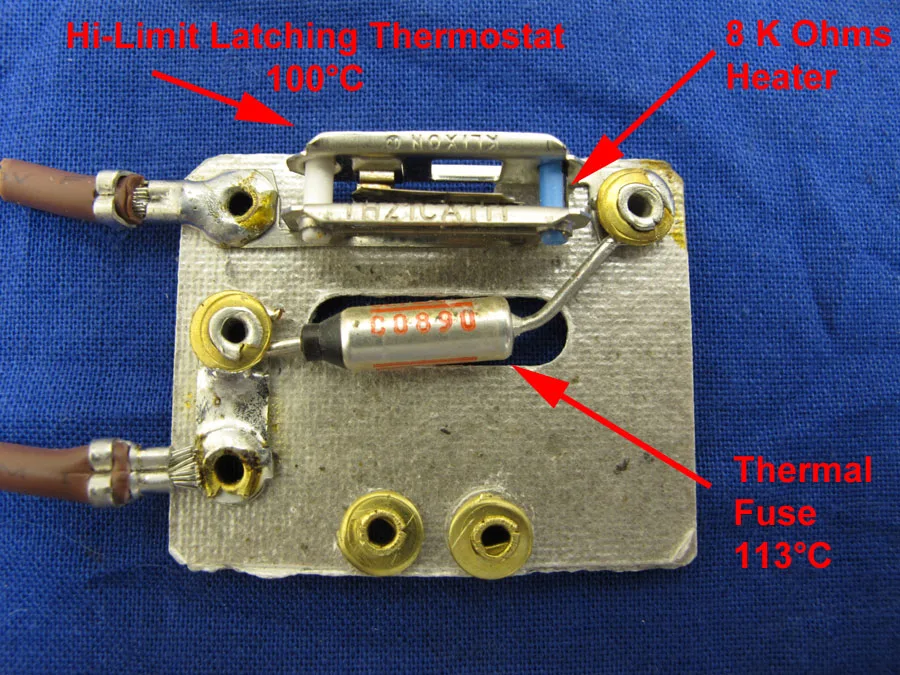
Image source: Bing (Web (fair-use with source credit))
The math: A new Comfort Zone infrared heater costs $40 to $80. A replacement quartz tube runs $15 to $25 plus shipping. A thermal fuse costs $3 to $5 but requires soldering.
Unless you already own a multimeter and a soldering iron, replacement almost always wins.
Step-by-Step Maintenance to Prevent Future Problems
Most problems come from dust and poor placement. A 10-minute maintenance routine twice per season eliminates 80 percent of issues.
What you need:
- Compressed air canister (or a low-pressure air compressor)
- Soft dry cloth
- Vacuum with brush attachment
Steps:
Unplug the heater. Wait 30 minutes for it to cool completely.
Remove loose dust from the exterior. Wipe down the grille, control panel, and body with a dry cloth.
Blow out the internal components. Aim the compressed air through the rear intake vents and front grille. Focus on the quartz tubes. Hold the can upright to avoid propellant spray.
Clean the tip-over switch area. Turn the heater upside down. Use compressed air to clear dust from the small switch mechanism at the base.
Wipe the IR receiver window. The small dark lens on the front panel. A dry cloth is all you need.
Inspect the power cord. Look for cracks, exposed wire, or a loose connection where the cord enters the unit. Replace the heater if you find damage.
Test safety features. Plug the heater in. Turn it on. Gently tip it over. It should shut off within 2 seconds. Right it again. It should restart within 10 seconds. Repeat this test once per season.
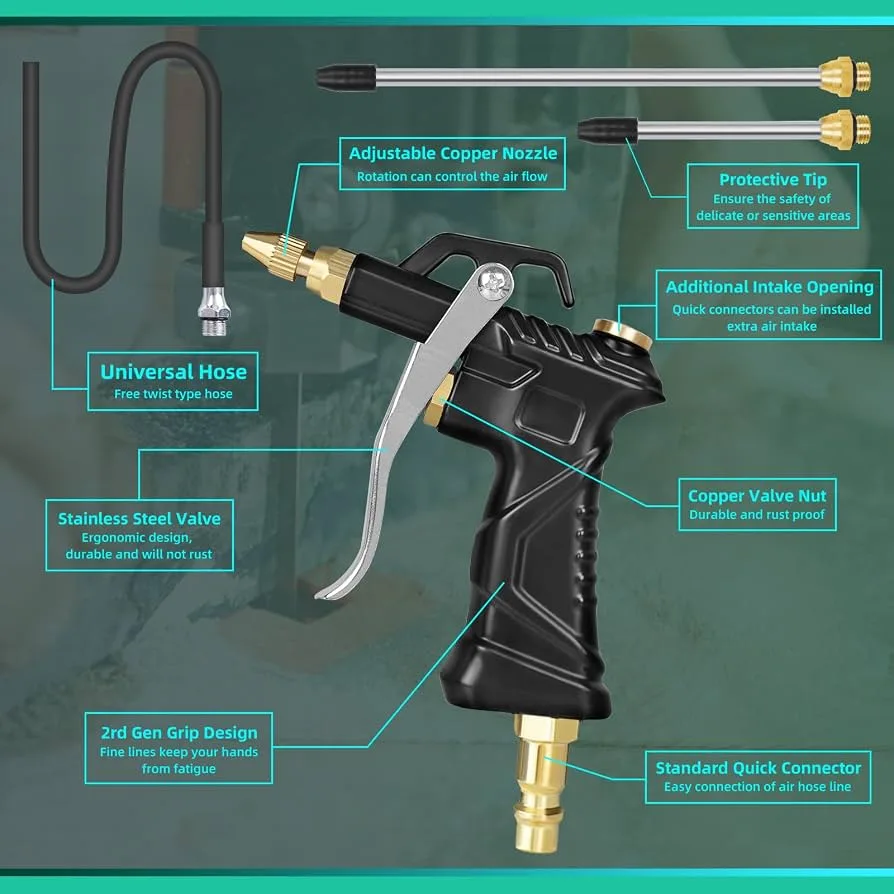
Image source: Bing (Web (fair-use with source credit))
One more thing: Never use water or cleaning solvents inside the heater. Moisture on the quartz tube can cause it to shatter when powered on. Dry methods only.
Frequently Asked Questions
Why does my Comfort Zone heater shut off after 15 minutes?
The overheat protection thermostat is tripping. Move the heater at least 3 feet away from walls, furniture, and curtains. Clean dust from the internal components with compressed air.
Try running it on the 750W low setting instead.
Can I replace the quartz tube in my Comfort Zone heater?
Yes, but it's not easy on most models. You need to disassemble the housing and disconnect the old tube. Replacement tubes cost $15 to $25.
If you're not comfortable with basic electrical work, replacing the whole heater is safer and often cheaper.
Is it normal for my new heater to smell like burning?
Yes, for the first 15 to 30 minutes. Manufacturing oils and dust burn off the quartz tubes. Run the heater on high in a well-ventilated area.
Open a window. If the smell persists after two hours of total use, unplug the unit and contact the manufacturer.
Why does my heater click on and off constantly?
That's the thermostat cycling. It's normal for the heater to click as it maintains the room temperature. If it cycles more than once every 5 minutes, the thermostat may be set too close to the current room temperature.
Turn the dial up or down by a few degrees.
Can I use my Comfort Zone heater in a bathroom?
No. These heaters are not rated for wet or damp locations. Water contact can cause electric shock or fire.
Use only in dry indoor areas like bedrooms, living rooms, and garages.
How long should a Comfort Zone infrared heater last?
With proper maintenance, expect 5 to 8 seasons of regular use. Quartz tubes last 5,000 to 8,000 hours. The fan motor and control board typically last longer.
Poor placement and dust buildup are the main reasons heaters fail early.

Similar Posts