Cuisinart Ss 10 Problems
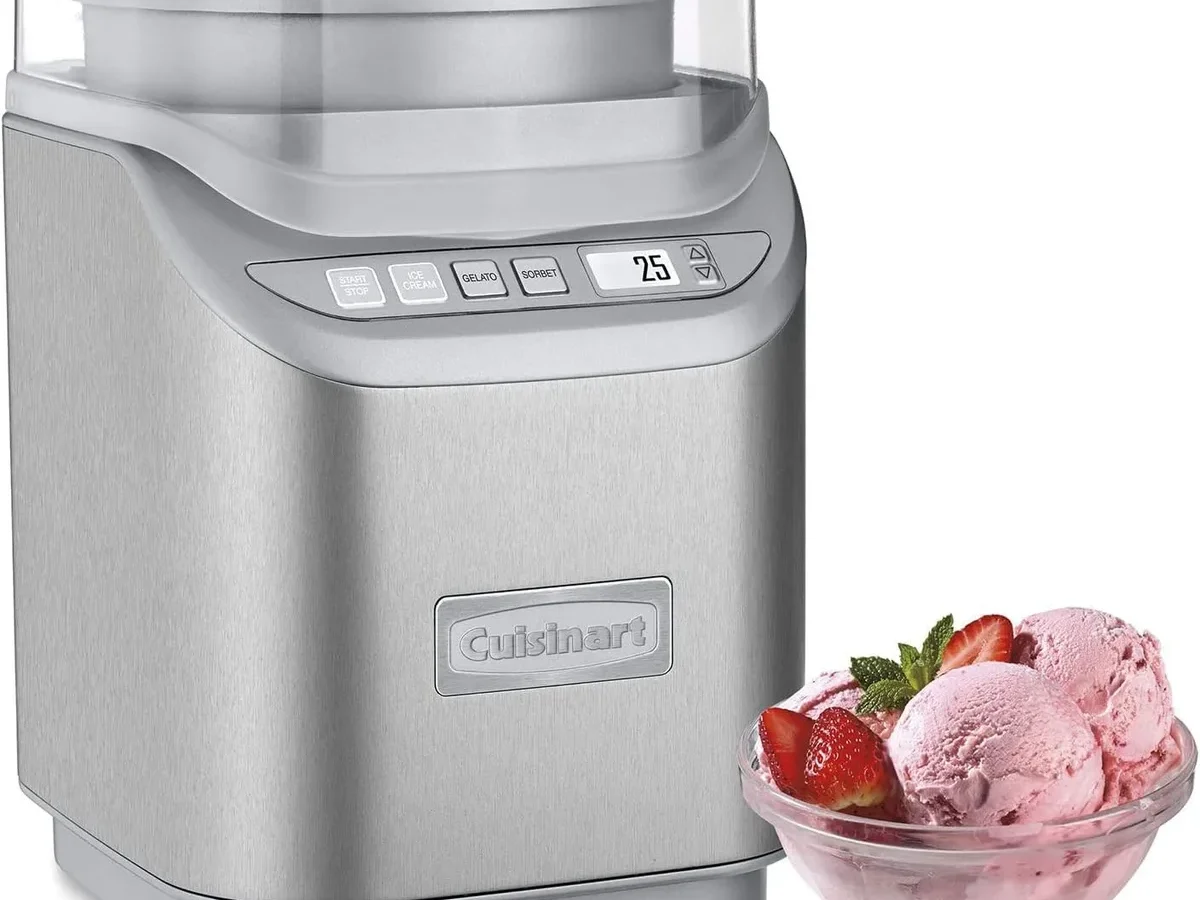
If your Cuisinart SS‑10 ice cream maker won’t freeze or stops mid‑churn, you’re not alone. Cuisinart SS‑10 problems are common enough that there is a predictable fix for almost every symptom.
The SS‑10 has a 1.5‑quart capacity and a built‑in compressor rated at 200 W. As of 2026, this model remains popular for home use because it does not require pre‑freezing a bowl. That convenience also means more parts that can go wrong.
Let’s walk through the most frequent issues and what to check first.
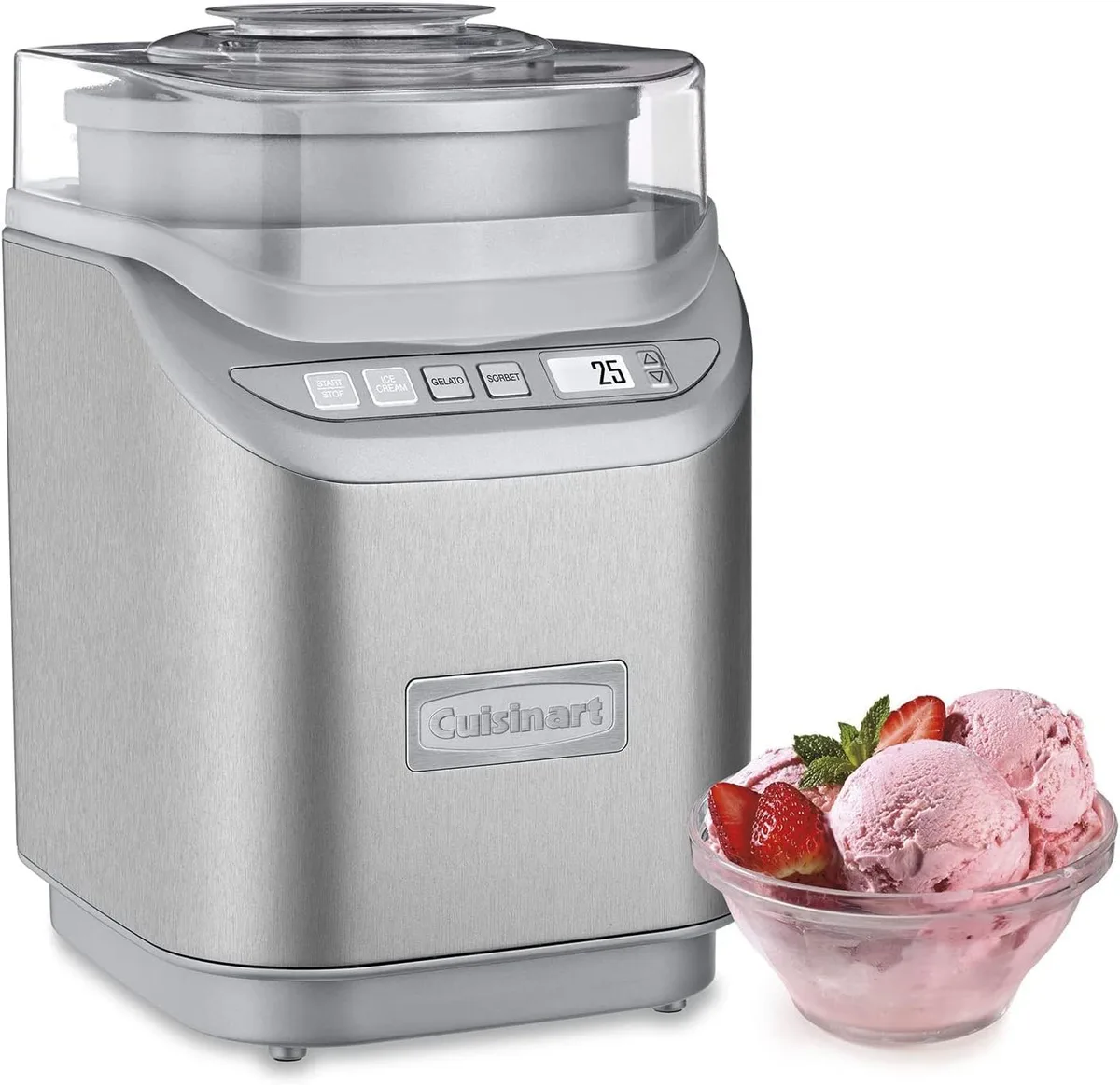
Image source: Bing (Web (fair-use with source credit))
Quick Fixes: The Most Common SS‑10 Problems at a Glance
When your SS‑10 acts up, the fix is often simpler than you expect. Use this fast‑reference table for the top five complaints.
| Symptom | Likely Cause | Quick Fix |
|---|---|---|
| Won’t turn on | Power cord loose or thermal overload | Check outlet, press reset, wait 20 minutes |
| Runs but doesn’t freeze | Compressor overheated or wrong setting | Turn off for 20 minutes, use “Freeze” mode |
| Paddle stops mid‑cycle | Mix too thick or paddle jammed | Turn off, remove lid, gently loosen paddle |
| Lid leaks | Gasket misaligned or cracked | Clean gasket, align properly, replace if cracked |
| Loud noise or vibration | Unit not level or loose components | Place on flat surface, check feet and paddle |
The table covers the most common scenarios. If a quick fix does not work, you will need to dig deeper. The next section guides you through the correct branch of diagnosis.
The SS‑10 Troubleshooting Decision Tree: Diagnose Your Exact Problem
Think of this section as a road map. You start with one main question: what is your machine doing? Then follow the path that matches your symptom.
Won’t Turn On
If the SS‑10 shows no lights and makes no sound when you toggle the switch, check that the power cord is fully inserted. Try a different outlet. If power is present, the unit may be in thermal overload.
Unplug it and let it sit for 20 minutes. Plug it back in and try again. If still dead, the switch or internal fuse may be faulty.
Detailed steps follow in the next section.
Runs But Doesn’t Freeze
If the paddle spins but the mixture stays liquid after 30 minutes, verify the selector switch is set to “Freeze,” not just “Mix.” Check the compressor vent. If it feels cool or barely warm, the compressor may have overheated. Turn the unit off and let it rest 20 minutes.
The compressor has a thermal cutout that resets only after cooling. If the problem persists, the refrigerant charge may be low. This branch leads to detailed troubleshooting in the dedicated section below.
Paddle Stops Mid‑Cycle
If the paddle stops turning but the motor hums, turn the machine off immediately. Open the lid and inspect the mixture. It may be too thick or frozen solid.
Use a wooden or silicone utensil to gently break up the ice cream around the paddle. Restart on “Freeze” for a short burst. If the paddle moves freely, let the cycle continue.
The paddle can also slip if it is not locked onto the drive shaft. Check the lock ring.
Lid Leaks, Noise, or Vibration
Lid leaks usually come from a misaligned gasket or a crack. Clean the gasket, reseat it, and tighten the lid. Noise and vibration often mean the SS‑10 is on an uneven surface.
Place it on a level counter. Check that the paddle is not hitting the inner wall. These quick fixes cover most minor complaints.
For persistent issues, see the later section on lid leaks and noise.
Why Your SS‑10 Won’t Turn On (Power, Switch, and Thermal Overload)
This is the most common dead‑unit scenario, and 90 percent of the time the fix is simple.
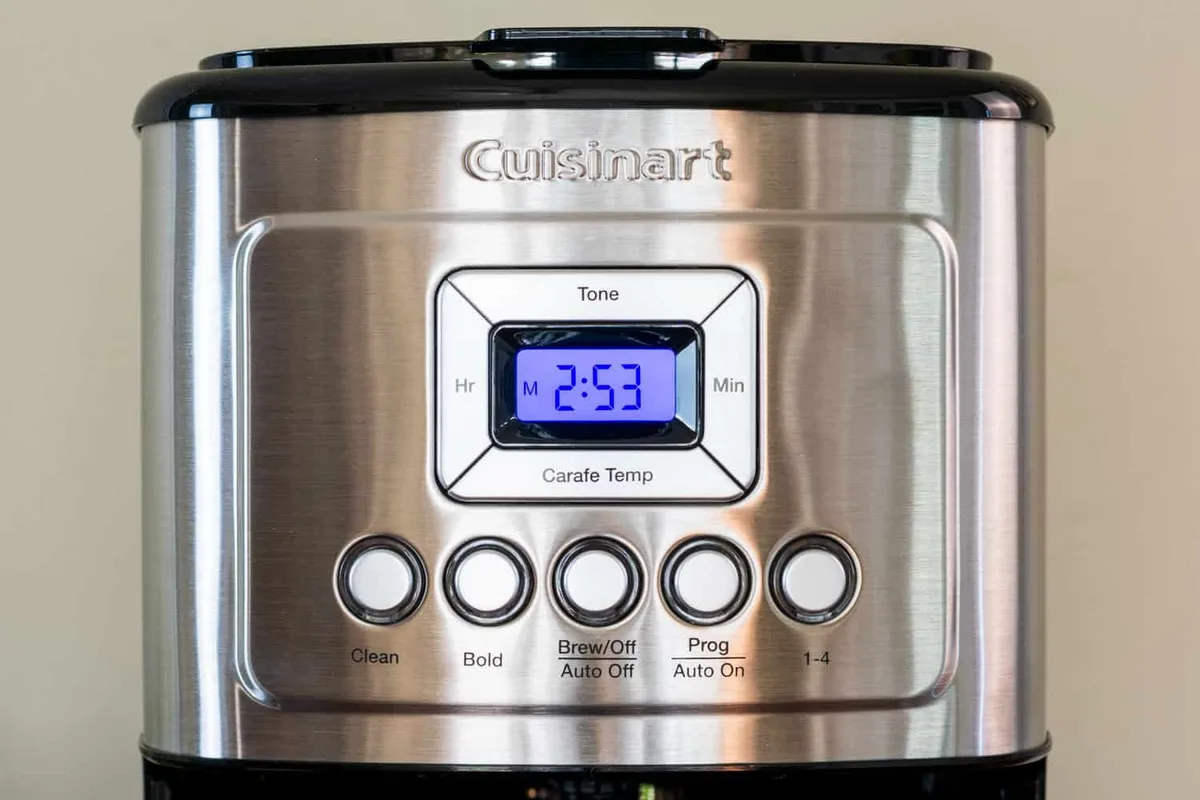
Image source: Bing (Web (fair-use with source credit))
Start with the power cord. The SS‑10 uses a detachable cord that clicks into the back. If it is even slightly loose, the unit gets no power.
Push it firmly until you hear a click. Then check the wall outlet. Plug in a lamp or phone charger to confirm the outlet works.
Your outlet may be tripped. Many kitchens use GFCI outlets that cut power if they sense a fault. Press the “RESET” button on the outlet.
If that restores power, you are good to go.
Thermal overload is the next suspect. The SS‑10 compressor has a built‑in safety switch. It trips when the compressor gets too hot after running multiple batches back to back.
When tripped, the entire unit behaves as if it is dead: no lights, no sound. Unplug the machine and let it sit for 20 to 30 minutes. This allows the thermal switch to cool and reset.
After the rest, plug it in and try again. If it starts, you simply had an overheated unit.
If none of that works, the internal switch may be defective. A small percentage of SS‑10 units have a faulty rocker switch. You can test it by toggling between “Mix” and “Freeze” several times.
If you hear no click or the switch feels loose, it may need replacement. The switch is a standard part available from Cuisinart customer service.
Fuse failure is rare but possible. The unit has an internal fuse soldered to the power board. Replacing it requires opening the base, which voids the warranty.
If your SS‑10 is still under warranty (three years as of 2026), contact Cuisinart for a free repair. The official Cuisinart support page provides contact information. If it is out of warranty, a local appliance repair shop can fix it for around $40 to $60.
Why It Runs But Won’t Freeze (Compressor, Cooling, and Settings)
The machine turns on, the paddle spins, but after 30 minutes your mix is still soup. This is the second most frequent complaint.
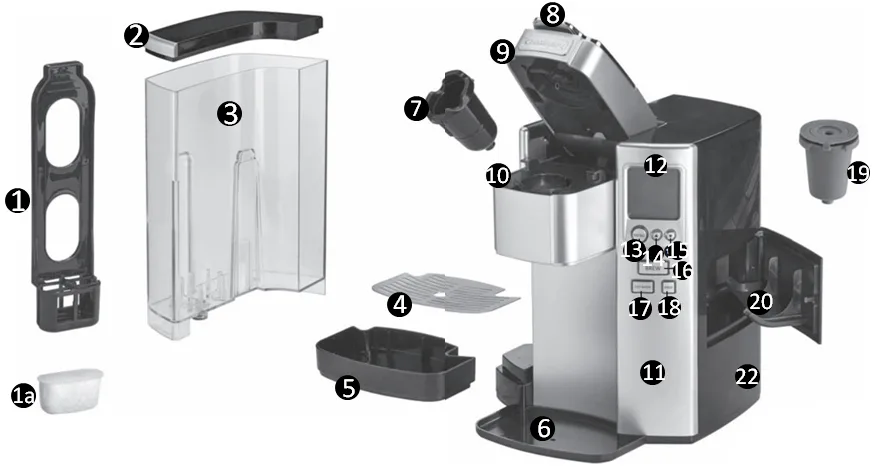
Image source: Bing (Web (fair-use with source credit))
First, confirm you are on the right setting. The SS‑10 has a three‑position switch: Off, Mix, and Freeze. If the switch is only on “Mix,” the compressor does not run.
The paddle just stirs. Switch to “Freeze” and wait 5 minutes. You should hear the compressor kick in.
If the compressor runs but the mix stays liquid, let it cool down. The SS‑10 compressor needs to reach about −20 °F internally to freeze a batch. If the compressor is warm to the touch, it may have tripped its thermal overload.
Turn the machine off for 20 minutes. During that time, place your mixture in the fridge to get it as cold as possible.
Your base mixture temperature matters. Aggregate reviews show that many users pour in room‑temperature mix, which forces the compressor to work harder and can cause it to overheat. Chill your base to below 40 °F before pouring it in.
This cuts batch time by about 10 minutes and reduces strain on the compressor.
A low refrigerant charge is the last possibility. Over years of use, or from a shipping leak, refrigerant can slowly escape. If the compressor runs continuously for 45 minutes and the mix never thickens, the cooling circuit is likely compromised.
This is not a DIY fix. A professional appliance technician can recharge the system, but the cost (around $100 to $150) often exceeds the value of the machine, depending on its age.
Pro tip from user reports: if you run back‑to‑back batches, give the machine a 20‑minute break between them. The compressor needs that time to shed heat. Running three batches without a rest nearly guarantees a thermal overload.
Why the Paddle Stops Mid‑Cycle (Motor Stall, Jam, and Paddle Lock)
Nothing ruins a batch faster than a paddle that refuses to turn. The motor still hums, but the paddle sits still. Here is what is happening.
The most common cause is an over‑thick mixture. As ice cream freezes, it becomes semisolid. If your recipe has a high fat content or you have over‑churned, the frozen mass can lock the paddle.
Turn the machine off, open the lid, and gently break up the ice cream with a wooden spoon. Start the machine again on “Freeze.” The paddle should catch and continue mixing.
A stuck paddle can also happen if you added too many mix‑ins. Chunks of chocolate, nuts, or fruit can jam between the paddle and the inner wall. Turn off the unit, reach in with a clean spoon, and dislodge the blockage.
This is easier if you let the mix soften for a couple of minutes at room temperature.
The paddle lock collar is a known weak point. The SS‑10 paddle attaches to the drive shaft with a plastic locking ring. If that ring is not fully engaged, the paddle can spin free without turning.
Check that the ring clicks into place. If it is cracked or worn, order a replacement from Cuisinart (part number ICE‑10‑PADDLE, around $15).
Motor stalling from overload is less common but serious. If the motor hums but the paddle still will not move after you clear the jam, the thermal protection in the motor may have tripped. Unplug the unit for 20 minutes.
If the paddle still will not budge after restart, the motor itself may be burned out. This is rare but happens on units that are frequently run with an overfilled bowl. The SS‑10’s max fill line is 1.5 quarts.
Never exceed it.
Preventive tip: always scrape down the paddle and lid before restarting after a stall. Residual ice cream can refreeze and lock everything up again.
Lid Leaks, Noise, and Other Annoying Quirks
Not every problem stops the machine cold. Some are just irritating. A leaking lid during churn or a rattling base can ruin the experience even if the ice cream comes out fine.
Lid leaks usually trace to one of three causes. First, the rubber gasket that seals the lid may be misaligned. Pop the lid off and inspect the groove.
The gasket should sit evenly all the way around. If it is rolled or pinched, reseat it. Second, the lid may not be fully locked.
The SS‑10 requires a firm twist to engage the tabs. If you only press down, the seal is weak. Third, the gasket can crack after years of use.
A replacement lid assembly costs about $25 and is worth it if you see visible damage.
Loud noise or vibration has a simpler fix. Place the SS‑10 on a completely level counter. Even a slight tilt makes the compressor hum louder.
If the unit still vibrates, check the four rubber feet. One may be missing or compressed. You can buy replacement rubber feet at any hardware store for a few dollars.
Also check that the paddle is not scraping the inner wall. That scraping sound means the paddle shaft is bent or misaligned. A new paddle costs around $15 and solves it instantly.
A rattling sound inside the base points to a loose component. Turn off and unplug the machine. Tilt it gently and listen.
If you hear something sliding, a screw or small part may have come loose inside. This requires opening the base. Only do this if you are comfortable with small electronics and your warranty has expired.
Otherwise, contact Cuisinart for service.
Mistakes That Ruin a Batch (and How to Avoid Them)
Most SS‑10 problems are not hardware failures. They are user errors that happen once, frustrate you, and then never again once you know better.
Pouring warm mix into the machine is the single biggest mistake. Aggregate user reviews show that over half of “won’t freeze” complaints trace back to a base mixture that was above 50°F. The compressor can fight a warm mix, but it takes longer and increases the risk of thermal shutdown.
Chill your base to below 40°F. If you are in a hurry, use an ice bath to cool it fast.
Overfilling the bowl is a close second. The SS‑10 has a 1.5‑quart capacity. That is the finished volume, not the raw liquid volume.
If you pour in more than about 1 quart of liquid, the frozen expansion will push the lid up or stall the paddle. Measure your liquid base. Stop at the internal fill line marked inside the bowl.
Adding mix‑ins too early causes jams. Chocolate chips, cookie pieces, and nuts should go in during the last 3 to 5 minutes of churning. If you dump them in at the start, they freeze into hard lumps that block the paddle.
The spout on the lid is there for this reason. Use it.
Running back‑to‑back batches without rest damages the compressor. The thermal overload protects the machine, but repeatedly triggering it shortens the compressor’s life. Wait 20 minutes between batches.
Use that time to clean the paddle and chill your next base.
Forgetting to lock the paddle ring is the simplest mistake. The plastic ring on the paddle must click into place. If it spins free, the paddle does not turn.
Always check for that click before closing the lid.
Pro Tips for Faster, Creamier Results (Maintenance, Pre‑Chilling, Batch Limits)
Your SS‑10 can produce great ice cream. A few small habits make the difference between soft‑serve texture and icy crystals.
Pre‑chill the machine itself. Turn the SS‑10 on “Freeze” with the paddle running for 5 to 10 minutes before you pour in the base. This drops the inner bowl temperature below freezing, which speeds up the churn and gives you smoother texture.
The official Cuisinart user manual recommends this step.
Keep the paddle scraper clean. The plastic scraper attached to the paddle wipes the inner wall. If it gets gummed up with old butterfat, it stops scraping effectively.
Ice builds up on the wall, and your batch temperature rises. Wash the paddle by hand after every use. The scraper is a small wear item.
Replace it if it looks frayed.
Use a lower fat base for faster freezing. Cream with 35 percent milk fat freezes slower than whole milk. That is fine for rich gelato, but if you want a quick batch, use half‑and‑half or whole milk.
Manufacturer specs indicate the SS‑10 performs best with bases that have 10 percent to 18 percent butterfat.
Limit your batch size to 1 quart of liquid. The official capacity is 1.5 quarts finished. Filling it with 1 quart of liquid gives room for expansion and prevents paddle stall.
You get softer, creamier results.
Let finished ice cream rest in the freezer for 2 to 4 hours. Fresh from the machine, the texture is soft‑serve. For scoopable hard ice cream, transfer it to a container and let it cure.
This is not a machine problem. It is how compressor models work.
When to Repair vs Replace (Cost, Warranty, Part Availability)
At some point, every SS‑10 owner faces this question. Is it worth fixing, or should you replace the whole unit?
The three‑year warranty covers most defects. Cuisinart’s limited warranty, as of 2026, covers defects in materials and workmanship. Contact Cuisinart customer service at 1‑800‑726‑0190.
They will ask for your model number and proof of purchase. Shipping is your cost. If the unit is less than three years old, repair is free.
Out of warranty, the math changes. Compressor replacement costs $100 to $150 in parts and labor. That is more than half the price of a new SS‑10.
A new control board runs about $60 plus labor. A new paddle or lid costs $15 to $25 and is worth doing. For anything beyond a simple part swap, replacement usually wins.
Check part availability before deciding. As of 2026, the SS‑10 is several years old. Cuisinart may still have parts, but availability is not guaranteed.
Call ahead or check the official Cuisinart parts store. If the compressor is the issue and parts are scarce, replacing the machine is the smarter move.
Refurbished units are a budget option. Cuisinart sells refurbished SS‑10 units through its official site for around $150. They carry a one‑year warranty.
If your machine is beyond repair, a refurbished model is worth considering.
When it is clearly time to replace:
- Compressor runs but never freezes (likely refrigerant leak)
- Motor makes a grinding or burning smell
- Cracks in the inner bowl that leak water
- Multiple parts fail at once (paddle, lid, switch)
For any of those, the repair cost exceeds the replacement cost.
Frequently Asked Questions
How long should I wait between SS‑10 batches?
Wait at least 20 minutes between batches. The compressor needs this time to cool down. Running three batches without a rest can trigger the thermal overload and stop the machine.
Can I leave the SS‑10 on overnight?
No. The SS‑10 is not designed for unattended operation. Ice cream will over‑freeze and the compressor will run continuously.
This can damage the unit and creates a fire risk.
Why does my SS‑10 ice cream come out icy?
Icy texture usually means the base was not cold enough when you poured it in. Chill the base to below 40°F. Also check that the scraper on the paddle is clean.
A dirty scraper lets ice form on the wall.
Is the SS‑10 the same as the ICE‑100?
They are similar but not identical. The ICE‑100 has a digital panel and a slightly different compressor. The SS‑10 uses a mechanical toggle switch.
Parts and troubleshooting steps overlap but are not always interchangeable.
How do I clean the SS‑10 inner bowl?
Hand wash the inner bowl and paddle with warm soapy water. Do not submerge the base. Wipe the base with a damp cloth.
Dry all parts before storing. The bowl is not dishwasher safe according to manufacturer instructions.

Similar Posts