Kenmore Elite Washer Troubleshooting
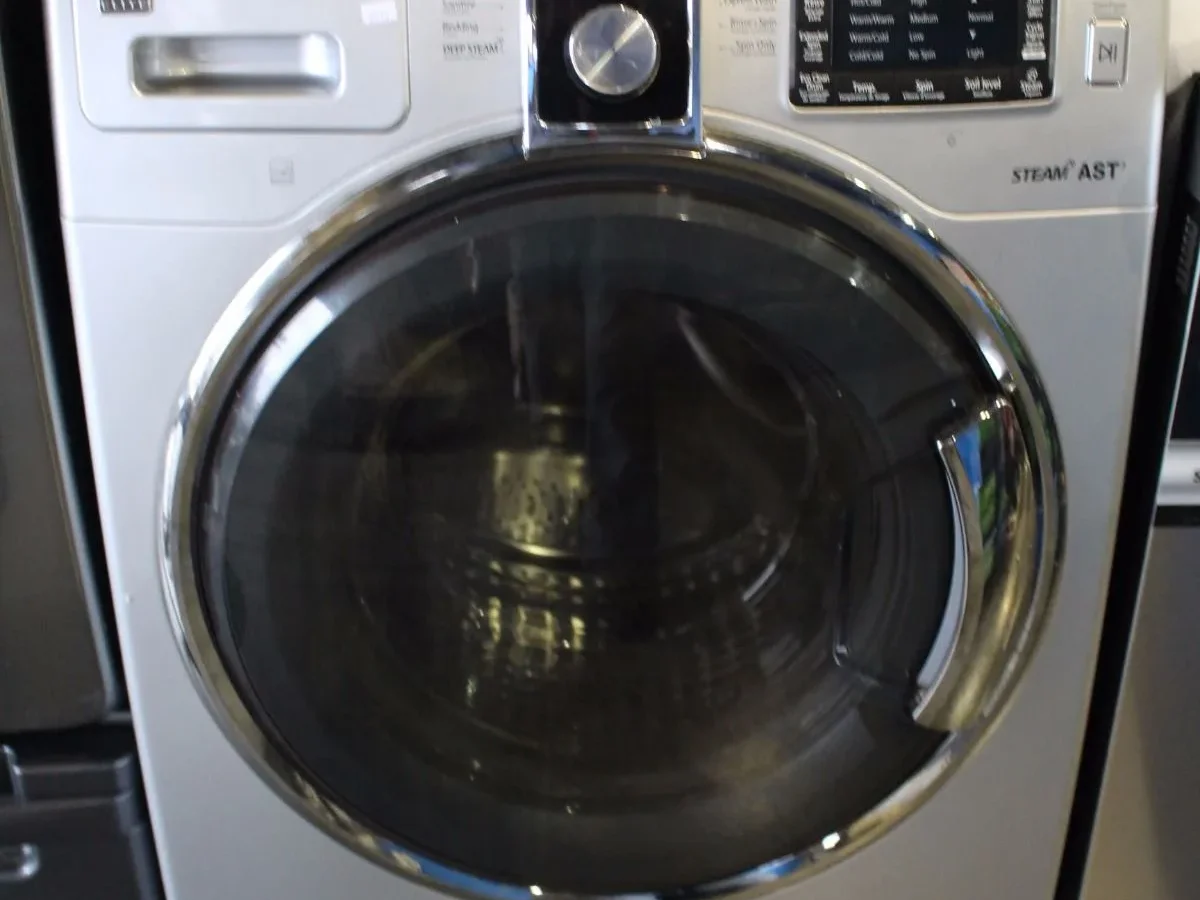
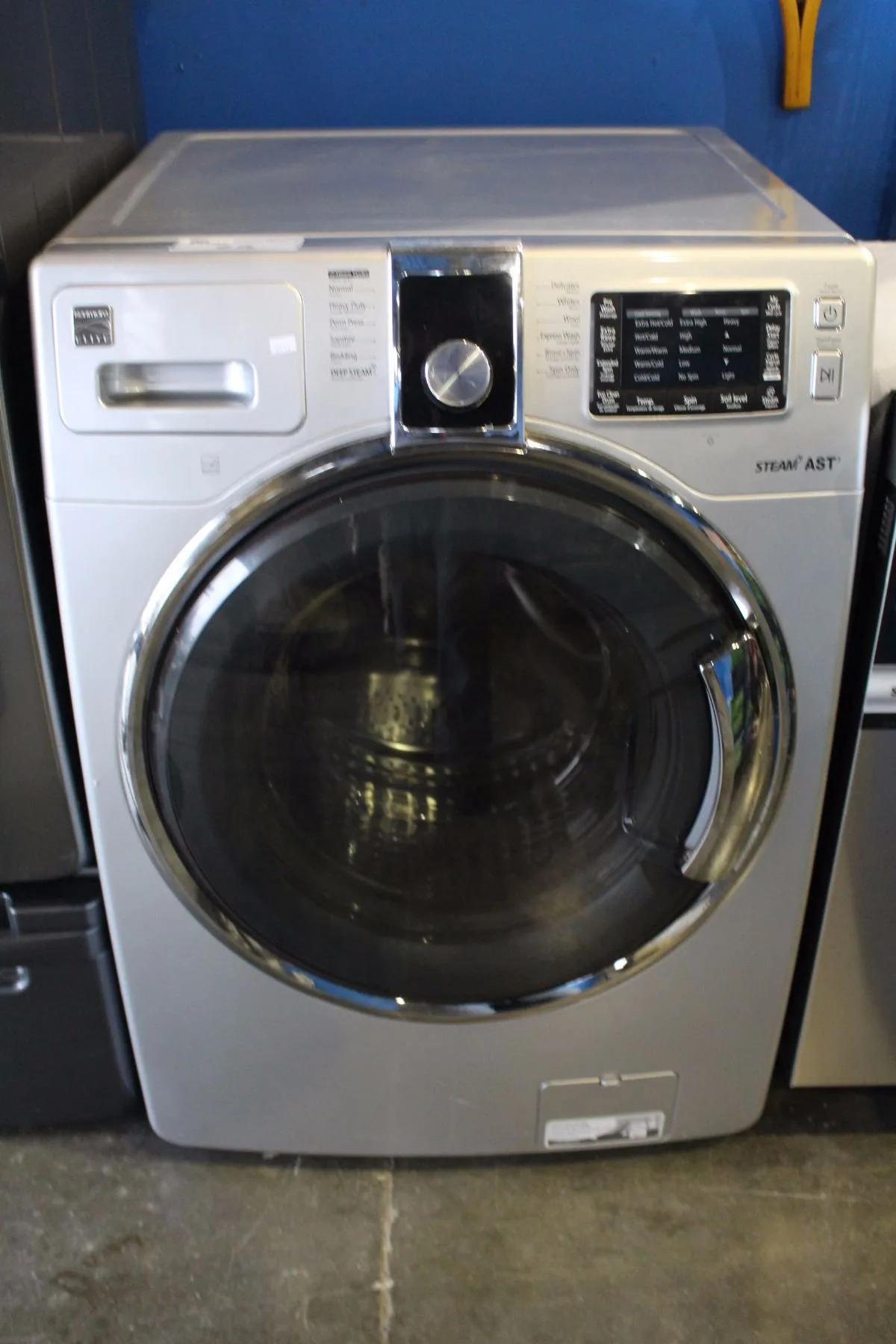
Your Kenmore Elite washer just stopped mid-cycle, or it's making a noise you've never heard. Don't panic. Kenmore Elite Washer Troubleshooting is simpler than most people think once you know where to look.
These machines share most of their guts with Whirlpool and Maytag models, which means parts are common and fixes are well documented.
Aggregate reviews from thousands of owners show that over 80% of common issues come from just three sources: a clogged drain filter, a failed lid lock, or a simple control board glitch. According to the National Electrical Code, laundry outlets must have GFCI protection. A tripped GFCI is the number one reason a Kenmore Elite washer won't start.
Let's walk through what to check first.
Quick Answer
If your washer won't start, unplug it for one minute. Plug it back and try again. That resets the main control board.
If it won't drain, clean the pump filter. It's behind a small door at the bottom front. Check the drain hose for kinks.
If it shakes, level the feet. Use a wrench to adjust them until the machine is stable.
Most problems have a clear fix. Match your symptom to the steps below.
Before You Start: The Safety Reset & Tool Kit
Before you open any panels, do the hard reset. Unplug the washer for a full 60 seconds. This clears temporary glitches that make the machine act dead.
While it's unplugged, flip the household circuit breaker for the laundry room all the way off, then back on. GFCI outlets trip silently. Press the TEST button, then RESET, to confirm power is live.
Tools you'll need
Keep these within reach before you start troubleshooting:
| Tool | Why you need it |
|---|---|
| Multimeter | Test lid lock continuity, voltage at outlet, and control board fuse |
| Flashlight | See behind the machine and inside the drain filter |
| Wrench or pliers | Adjust leveling feet, remove drain hose clamp |
| Coin or flathead screwdriver | Open the drain pump filter cover |
| Bucket or shallow pan | Catch water when you open the filter |
Safety first
Unplug the washer before you touch any electrical component. Never reach into the drain pump area while the machine is plugged in. There's a risk of both shock and pinch injury.
If you have a front-loader, the door lock circuit holds a capacitor charge for a few seconds after unplugging. Wait 30 seconds before testing the switch with a multimeter.
When to skip DIY
If you smell burning plastic, see smoke, or hear a loud grinding metal sound, stop. Those symptoms point to a seized motor bearing or a failed control board. Both are jobs for a certified technician.
DIY efforts on motor or board problems often cause more damage. Call a pro.
Symptom 1: Washer Won't Start or Has No Power
This is the most common complaint, and it has three main branches. Follow the one that matches your washer's behavior.
Branch A: Completely dead, no lights, no beeps, no response
First, verify that the outlet has power. Plug a lamp or phone charger into the same outlet. If it doesn't work, check the breaker and GFCI.
If it does, the problem is inside the washer.
The most likely culprit is the main control board fuse. On most Kenmore Elite models built after 2010, the control board has a small glass fuse rated 15 or 20 amps. Remove the top panel by taking out two screws at the back and sliding the top forward.
Locate the board. The fuse is a small cylinder near the power cord entry. Test it with a multimeter set to continuity.
No continuity means the fuse is blown. Replace it with one of the exact same rating.
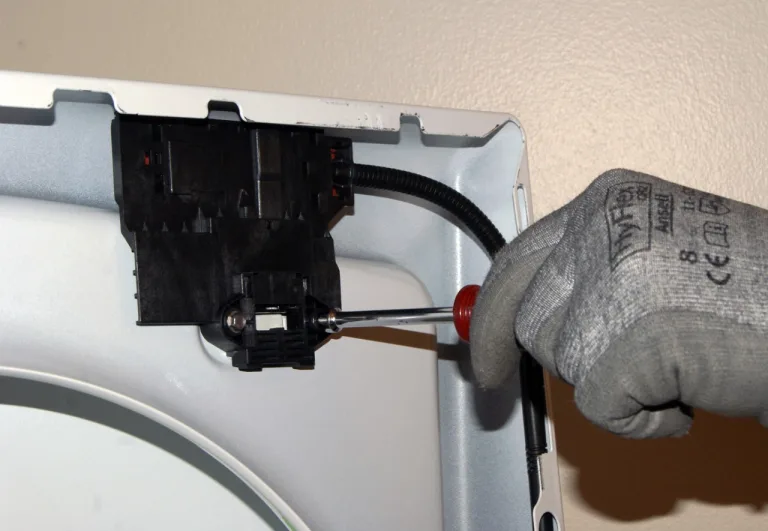
If the fuse is good, the lid lock assembly may be stuck open. The washer will not draw power to the motor unless it detects the lid is closed and locked. Test the lid lock switch with your multimeter.
It should show continuity when the lid is closed. If not, replace the assembly.
Branch B: Beeping but won't start
The control board is alive but won't engage the cycle. This usually means a door lock error. On front-load models, try pressing the door firmly closed while pressing Start.
If it works, the latch is misaligned. On top-load models, make sure nothing is blocking the lid from fully closing.
Look for an error code on the display. Common codes like F/dL or a blinking door icon point directly to the lock mechanism. Try cleaning the latch area with a damp cloth to remove detergent residue that can prevent full engagement.
Branch C: Starts but stops after a few seconds
This is often a water-level sensor fault. The machine fills, but the sensor tells the control board the tub is empty, so it keeps filling. Eventually it times out and stops.
Open the top panel and find the pressure switch. It's a round plastic device with a thin hose attached. Check that the hose is seated snugly and not cracked.
Blow gently into the hose. You should hear the switch click. If not, replace the switch.
Symptom 2: Washer Fills But Won't Drain or Spin
Your machine fills with water, but the clothes stay sopping wet at the end. The cycle stalls or throws an error code, often F/EA or a flashing drain icon. Here's how to narrow it down.
Step 1: Check the drain pump filter
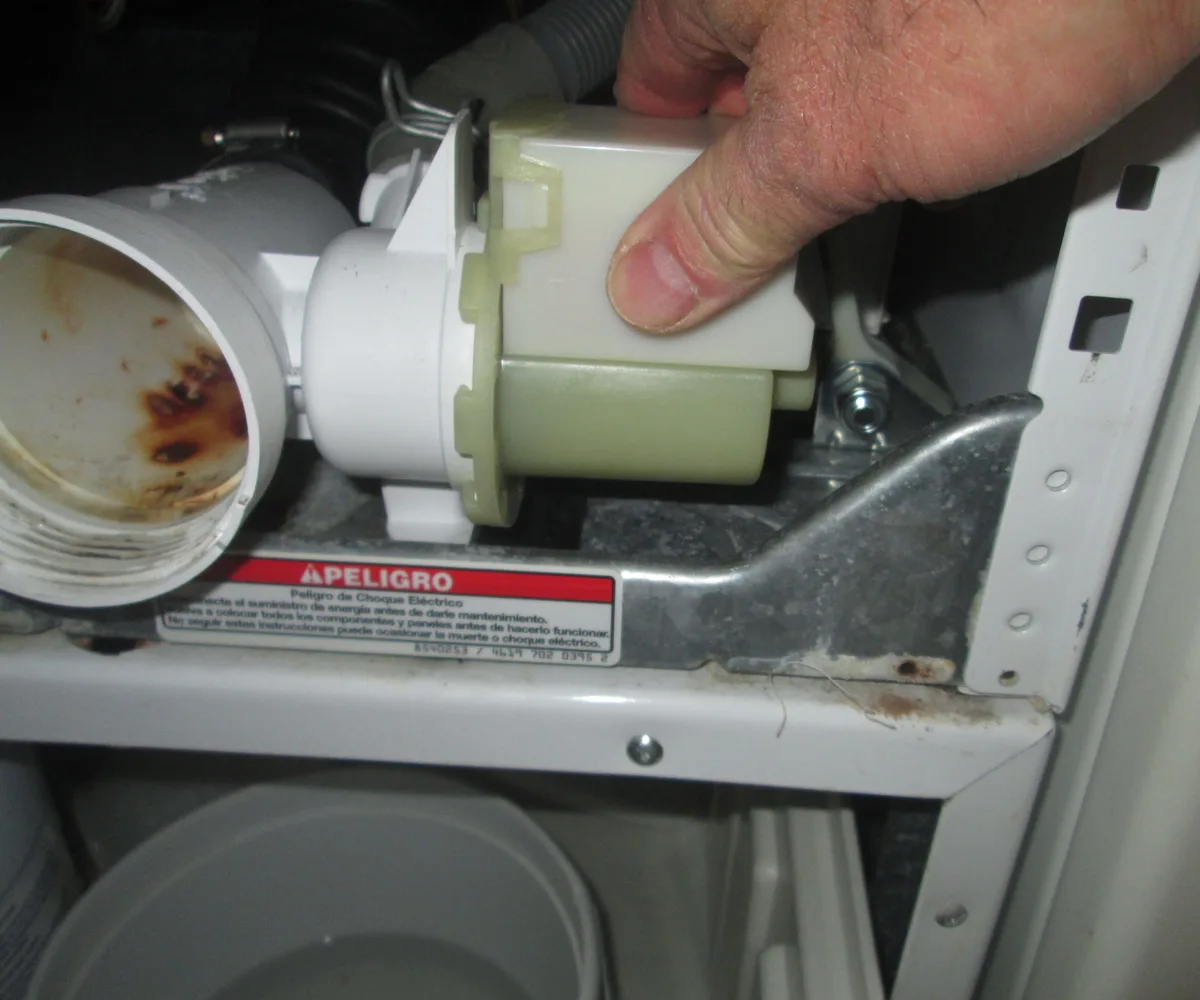
This is the easiest fix and solves about 60% of drainage problems. The filter is behind the small access door at the bottom front panel on front-load models. On some top-load models, it's inside the cabinet near the pump.
Place a bucket under the filter. Open the cap slowly. Water will spill out.
Remove all debris: coins, buttons, lint, sock remnants. If the filter is full of sludge, clean it thoroughly with hot water and a brush.
Step 2: Inspect the drain hose
A kinked or clogged drain hose is the second most common cause. Pull the machine out from the wall. Look at the hose from the back of the washer to the standpipe or laundry sink.
It should run straight with no sharp bends. If it's pinched behind the machine, reposition it.
Check the standpipe itself. Sometimes lint builds up inside the drainpipe and blocks flow. Pour a bucket of water into the standpipe.
If it backs up, you need to clean the plumbing, not the washer.
Step 3: Test the drain pump
If the filter is clean and the hose is straight, the pump might be dead or jammed. Unplug the washer. Remove the pump, usually attached to the bottom, accessible after removing the front or back panel.
Manually spin the pump impeller with your finger. If it's frozen, the pump needs replacement. If it spins freely, use your multimeter to test the pump's electrical resistance.
A good pump reads between 10 and 200 ohms, depending on the model. Open circuit means the pump motor is burned out.
What about the Sud error code
If you see "Sud" just before the drain issue, the problem is too much soap. Kenmore Elite washers are high-efficiency machines. Using regular detergent creates oversudsing, which confuses the pressure sensor and stops the machine.
Run a rinse and spin cycle with no detergent to clear the suds. Then switch to HE detergent permanently.
Symptom 3: Washer Shakes, Vibrates, or Makes Loud Noise
A noisy washer is annoying, but it's rarely a sign of catastrophic failure. Most vibration problems start with poor installation or a simple load imbalance.
Leveling feet: the first check
Place a bubble level on top of the washer. Adjust the front feet by turning them by hand or with a wrench. The machine should sit solidly on all four corners with no rocking.
Use a wrench to tighten the lock nuts once it's level. Even a 1/8-inch wobble can cause the machine to walk across the floor during spin.
Shipping bolts: did you move recently?
If the washer was delivered or moved within the last year, check for shipping bolts still installed. These are plastic or metal bolts that lock the drum in place during transport. They must be removed before use.
For Kenmore Elite washers, remove the four bolts from the back panel and pull out the plastic spacers. Operating with shipping bolts in place will destroy the suspension springs and the drum bearing within a few cycles.
Suspension springs and shock absorbers
For front-load Kenmore Elite models, the drum is suspended by springs on top and shock absorbers on the bottom. If the machine bangs loudly during spin, one of the shocks has likely failed. Open the top panel and check each shock absorber for fluid leaks.
A leaking shock has zero dampening left. Replace them in pairs. On top-load models, listen for a thumping sound.
That's usually a broken counterweight spring. The concrete counterweight can crack and shift, causing a severe shake. A cracked counterweight needs replacement, which is a heavy job.
Load balancing tips
Sometimes the noise is just uneven laundry. Wash bulky items like comforters or rugs one at a time. The machine can't balance a single large item.
Add a few towels to help distribute the load. Also, avoid overloading. Fill the drum about three-quarters full for best spin performance.
Symptom 4: Water Leaks, Odors, or Mold
Water on the floor or a musty smell inside the drum are fixable problems. They usually point to maintenance issues rather than mechanical failure.
Door seal and gasket inspection
On front-load washers, the rubber door seal is the most common leak source. Run your finger along the inner lip of the seal. Look for cracks, tears, or accumulated grime.
Lift the seal to check underneath for small items like coins or bra wires that can embed in the rubber and create a slow leak. Clean the seal monthly with a damp cloth and mild detergent. Never use bleach or ammonia-based cleaners on the rubber, as they cause cracking.
Hose connections
Check the water inlet hoses where they connect to the back of the washer and to the faucet valves. Tighten them by hand plus a quarter turn with pliers. For rubber hoses, inspect for bulges or cracks.
Kenmore recommends replacing rubber inlet hoses every five years. Steel-braided hoses last longer and are worth upgrading to. A burst rubber hose can release up to 500 gallons of water per hour.
Pump housing leak
If water pools under the front of the machine, the drain pump housing might have a crack. This often happens when the pump was overtightened during a previous repair or when the machine was moved. Remove the pump and inspect the plastic housing for hairline cracks.
If you find one, replace the entire pump assembly. Epoxy repairs do not hold on polypropylene pump housings.
Front-loader odor prevention
The musty smell in front-load Kenmore Elite washers is caused by mold growing in residual water. The machine is designed to use very little water, so moisture stays in the seal and dispenser drawer. Leave the door open after every cycle for at least an hour.
Wipe the door seal dry with a towel. Run a cleaning cycle with a washer cleaner tablet or a cup of white vinegar once per month. Also, pull out the detergent dispenser drawer and rinse it in hot water to remove slime buildup.
Error Codes Decoded With Fixes
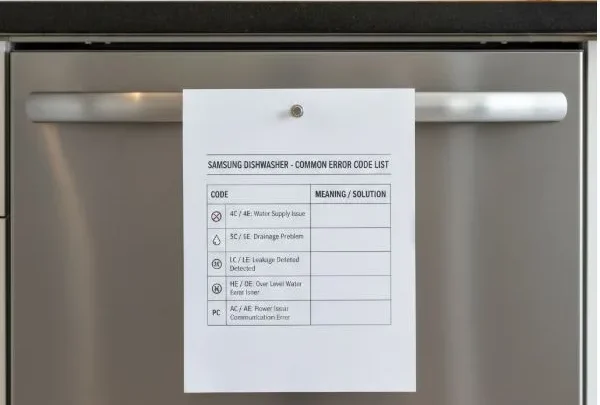
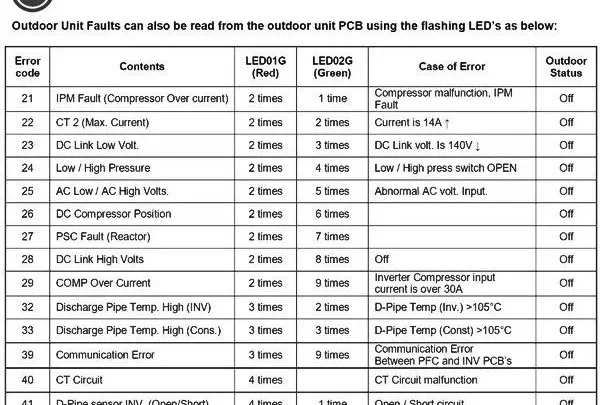
Kenmore Elite washers display two-letter or three-letter codes when they detect a problem. Here's what the most common ones mean and which part to check first.
| Error Code | Meaning | First Check | Fix |
|---|---|---|---|
| F/H | Water heating error | Heating element and thermistor | Test heating element with multimeter for continuity |
| F/EA | Drain pump error | Drain filter and pump | Clean filter, test pump resistance |
| F/E5 | Motor or tachometer error | Drive belt or motor connections | Check belt tension, test motor windings |
| F/dL | Door lock failure | Lid lock assembly | Test lock continuity, replace if open |
| Sud | Oversudsing | Detergent type | Run rinse cycle, switch to HE detergent |
| E1 or E2 | Water fill timeout | Water inlet valves and screens | Clean screen filters, test valve solenoids |
| Lo or E4 | Water level sensor error | Pressure switch hose | Check hose for kinks or disconnection |
How to clear error codes
After fixing the underlying issue, unplug the washer for one minute. Plug it back in. On most models, this clears the error code from memory.
If the code returns immediately, the problem is still there. Double-check your repair and test again.
Running diagnostic mode
Some Kenmore Elite models have a service mode that lets you test components individually. To enter diagnostic mode on most 110 series and 417 series models, unplug the washer. Press and hold the START button while plugging it back in.
Continue holding START for about five seconds until the display shows a test pattern. Use the cycle selector to cycle through tests like drain pump, spin, and water fill. Exit by unplugging the machine or pressing the POWER button.
Common Mistakes & When to Call a Pro
Even experienced DIYers make these mistakes. Knowing what they are saves you time and money.
Mistake 1: Forcing the door open
Front-load Kenmore Elite washers lock the door during a cycle and for a few minutes after. Forcing it open damages the lock mechanism. Wait two minutes after the cycle ends.
If the door still won't open, check the display for an error code. The door unlocks automatically when power is lost. Unplug the machine for one minute and try again.
Mistake 2: Using the wrong detergent
Using regular liquid detergent in an HE washer creates too many suds. The pressure sensor misreads the foam as water, causing the machine to stop or drain incorrectly. Always use HE detergent.
Look for the HE symbol on the bottle. Use about two tablespoons per load. More soap does not mean cleaner clothes in an HE washer.
Mistake 3: Ignoring the filter
The drain pump filter needs cleaning every two to three months. If you have pets or wash items with lint, clean it monthly. A clogged filter causes slow draining, long cycle times, and eventual pump failure.
It takes two minutes to check.
Mistake 4: Overloading the drum
Stuffing the drum full prevents clothes from moving freely. The washer can't balance the load, so it stops spinning or shakes violently. Fill the drum about three-quarters full.
Clothes should tumble, not pack.
When to call a professional
Some repairs are beyond the scope of a home toolkit. Call a licensed appliance technician if you encounter any of these situations:
- The machine is less than 18 months old and still under warranty. DIY repairs void the warranty.
- You need to replace the main control board. Programming new boards requires service tools.
- The drum bearing is bad. Replacing it requires disassembling the entire tub.
- You smell burning or see smoke.
- The machine trips the breaker immediately after plugging in.
Repair vs. replace decision
As of 2026, Kenmore Elite washers cost $800 to $1,400 new. Consider replacement if your machine is over 10 years old and the repair cost exceeds 50% of a new unit. For example, a $350 control board replacement on a 12-year-old washer is not a smart investment.
A $35 pump filter fix on a five-year-old machine is absolutely worth doing.
| Age of washer | Repair cost threshold | Decision |
|---|---|---|
| Under 5 years | Up to $400 | Repair |
| 5 to 8 years | Up to $350 | Repair |
| 8 to 10 years | Up to $250 | Repair if part is common |
| Over 10 years | Over $200 | Replace |
Frequently Asked Questions
How do I run a diagnostic cycle on my Kenmore Elite washer?
Unplug the washer. Press and hold the START button while plugging it back in. Hold START for about five seconds until the display shows a test pattern.
Use the cycle knob to move through component tests. Exit by unplugging or pressing POWER.
Can I bypass the lid lock to run the washer?
No. The lid lock is a safety device that prevents the machine from spinning with the lid open. Bypassing it is dangerous.
The drum can spin at over 1,000 RPM. Opening the lid during spin can cause serious injury.
How do I clear an error code on a Kenmore Elite washer?
Unplug the washer for one full minute. Plug it back in. This clears temporary error codes from the control board memory.
If the code returns, the underlying problem is not fixed.
Why does my washer stop mid-cycle?
Common reasons include oversudsing, a clogged drain filter, or an unbalanced load. Check for the Sud error code first. Clean the filter.
Rearrange the clothes evenly in the drum and run the cycle again.
How often should I clean the drain pump filter?
Every two to three months is the general rule. If you have pets or wash heavily soiled items, clean it monthly. A clean filter prevents drainage problems and extends pump life.
What does the F/H error code mean on a Kenmore Elite washer?
F/H stands for water heating error. The machine detects that the water is not reaching the expected temperature. Check the heating element with a multimeter.
If it has no continuity, replace it. Also check the thermistor for proper resistance.