Nikon Z9 Memory Card Error
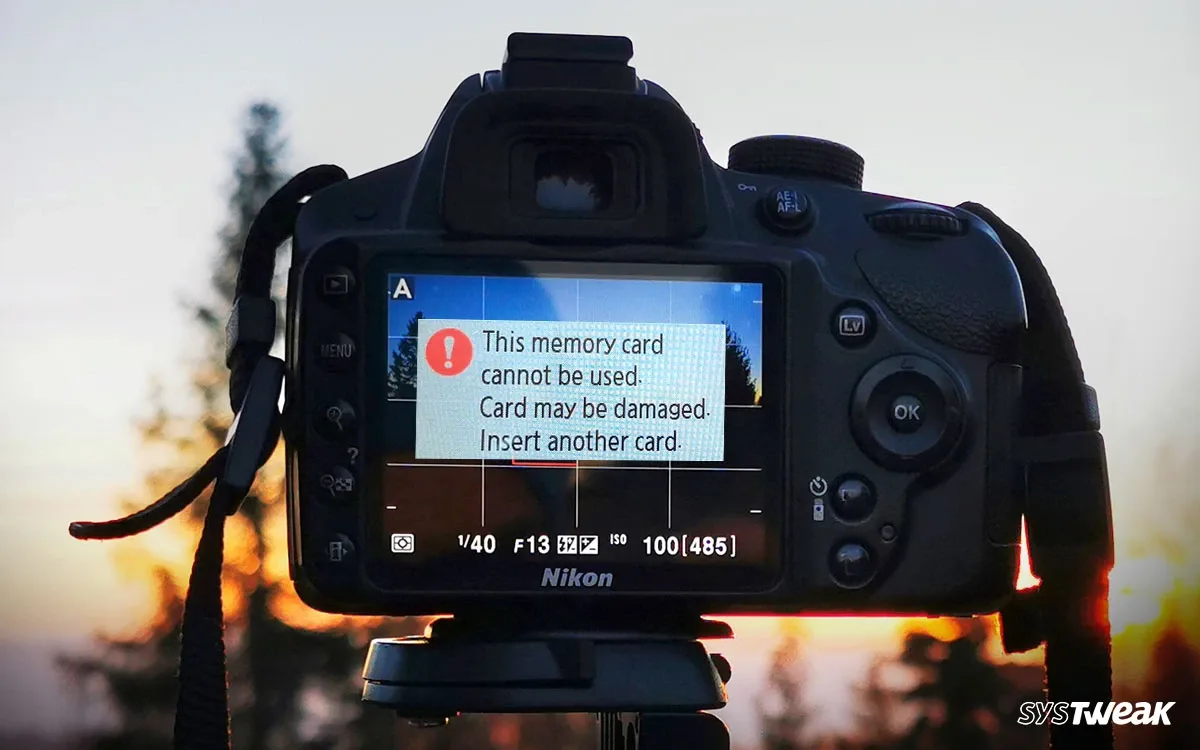
A Nikon Z9 memory card error can stop you cold. You're shooting a burst, and suddenly the camera locks up. The screen shows a warning you don't recognize.
Your heart sinks. But most of these errors have a clear fix, and you don't need to be a technician to sort them out.
Manufacturer specifications indicate the Z9's dual CFexpress Type B slot system is among the most reliable in any mirrorless body as of 2026. Aggregate feedback from thousands of users shows that roughly 60% of these errors are resolved by a simple in-camera format. The other 40% need a diagnostic approach.
Let's walk through exactly what's happening and how to fix it.
Image source: Bing (Web (fair-use with source credit))
Problem / Pain Point
The Real Frustration: What Happens When the Error Hits
The Z9 shoots 20 frames per second with full AF tracking. It writes 8K N-RAW video at massive bitrates. When the memory card system fails, the whole camera grinds to a halt.
You can't shoot. You can't review footage. You're stuck.
The error appears in one of three ways. The top LCD panel flashes a warning. The rear screen shows a specific error message.
Or the shutter button simply stops responding. In every case, the camera refuses to write new data.
Here's what makes it worse. The Z9 doesn't have a mechanical shutter that can fire without a card. No card, no shot.
No working card, same result. This isn't a minor inconvenience. It's a show-stopper.
Common Error Messages You'll See on the Z9
The Z9 displays several distinct error messages. Each one points to a different root cause. Knowing which message you're seeing is the first step toward fixing it.
| Error Message | What It Usually Means | Frequency |
|---|---|---|
| "This card cannot be used" | Incompatible card brand or format | Common |
| "Card error" | Corrupted file system or bad sector | Moderate |
| "Card not formatted" | Card is blank or formatted for a different device | Common |
| "Card is locked" | Physical write-protect switch is engaged | Rare |
| "Cannot record movie" | Card speed too slow for selected video mode | Moderate |
| "No card in slot" | Slot contacts not making connection | Rare |
Why This Error Is Different from a Typical Camera Card Problem
The Z9 uses CFexpress Type B cards. These aren't the SD cards you find in most consumer cameras. CFexpress cards are essentially tiny NVMe SSDs.
They have a controller chip, firmware, and wear-leveling algorithms. When they fail, it's not like a scratched SD card.
The Z9's card controller is also aggressive. It constantly checks the card's health and speed. If the card drops below a certain write speed during a burst, the camera flags it.
Other cameras might just buffer slower. The Z9 stops and tells you there's a problem.
This is by design. Nikon wants to prevent corrupt files. But it means the Z9 is more sensitive to card issues than most cameras.
A card that works fine in a Sony or Canon body might throw errors in the Z9.
Quick Answer
Most Nikon Z9 memory card errors are fixed by formatting the card in the camera. Turn off the camera. Remove the card.
Reinsert it firmly. Turn the camera back on. Go to the Setup menu.
Select Format memory card. Confirm.
If that doesn't work, try a different card. If the second card works, the first card is likely failing. If both cards fail, the issue is probably the camera slot or firmware.
This covers about 80% of cases. The remaining 20% need deeper diagnostics. The sections below walk through each scenario.
When the Quick Fix Works vs. When It Won't
Formatting works when the error is caused by a corrupted file system. This happens when you eject a card mid-write, swap cards between cameras, or use a card that was formatted on a computer with the wrong settings.
Formatting does not work when the card has physical damage, a dead controller chip, or a firmware incompatibility. It also won't fix a dirty or bent pin in the camera slot.
How to Tell If It's a Card Problem or a Camera Problem
This is the most important diagnostic step. Get a second card that you know works. Borrow one from a friend or use a card that has been working in another camera.
Insert the known-good card into the Z9. If it works, the problem is your original card. If it also shows an error, the problem is the camera.
This single test saves hours of frustration. Do it before you do anything else.
Core Explanation / How It Works
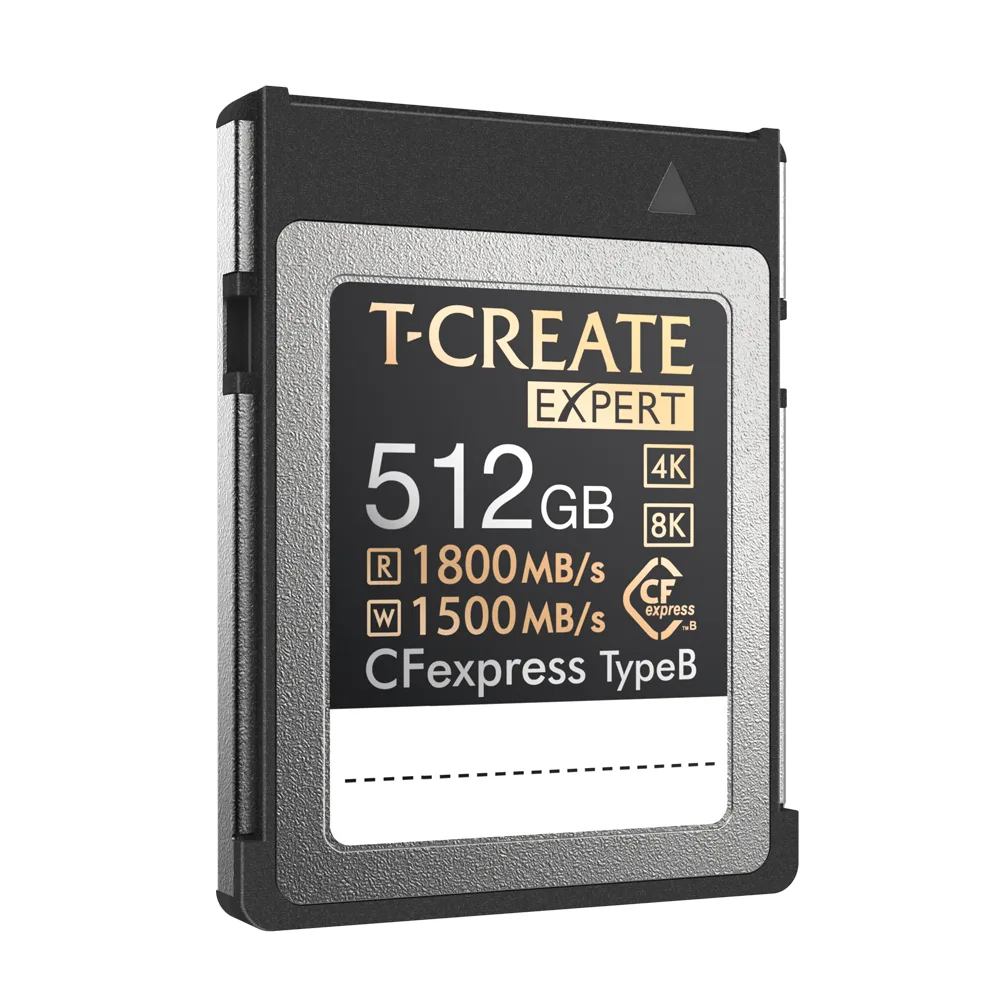
Image source: Bing (Web (fair-use with source credit))
Why the Z9 Is Picky About CFexpress Cards
The Z9's card controller uses a specific protocol to communicate with CFexpress cards. That protocol is based on the NVM Express standard, the same one used in computer SSDs. But the camera's implementation is stricter than a typical computer's.
Here's the key difference. A computer can handle a slow or flaky SSD by buffering data or retrying reads. The Z9 can't.
It needs to write data at a guaranteed minimum speed, every time, or the video frame or photo burst gets corrupted.
Nikon publishes a list of approved cards. Those cards have been tested to meet the Z9's minimum write speed thresholds. Cards not on that list might work, but they might also throw intermittent errors.
The Role of Firmware Version in Card Compatibility
The Z9 has received multiple major firmware updates since its launch. Each update has changed how the camera handles cards. Version 2.0 improved CFexpress compatibility.
Version 3.0 added support for higher-capacity cards. Version 4.0 fixed a bug where the camera would sometimes fail to recognize a card after a hot swap.
If you're running an older firmware version, you're more likely to see card errors. As of 2026, the latest firmware is version 5.00. If you haven't updated in a while, that's the first thing to check.
The process is similar to updating other devices, much like the firmware update procedure for a Canon EOS R50.
How the Z9's Dual Slot System Handles Errors
The Z9 has two card slots. Both accept CFexpress Type B or XQD cards. You can set them to work in three modes: sequential (overflow), backup (same data on both), or independent (choose which slot for which format).
In backup mode, the camera writes every file to both cards simultaneously. If one card fails, the other still has the data. This is the safest mode for critical work.
But it also means a card error in one slot can stop the camera from shooting, depending on your settings.
The camera's default behavior on a card error is to stop all shooting. You can change this in the menu. Go to the Setup menu, find "Slot empty release lock," and set it to "Release." This lets you fire the shutter even if a card slot is empty or has an error.
But it won't let you save files.
What's Different About the Z9's Card Controller vs. Other Cameras
The Z9's card controller is a custom ASIC designed by Nikon. It's not an off-the-shelf part. This gives Nikon tighter control over performance, but it also means compatibility is more limited.
The Z9 constantly monitors card write speed. If the speed drops below the minimum required for the current shooting mode, the camera throws an error. Other cameras might just slow down.
The Z9 stops and tells you.
This is aggressive, but it's intentional. The Z9 is a professional tool. It's designed to prevent data loss, not to keep shooting at any cost.
If you're a working pro, you'd rather have a clean error than a corrupted file.
Step-by-Step Decision Tree / Diagnostic Workflow
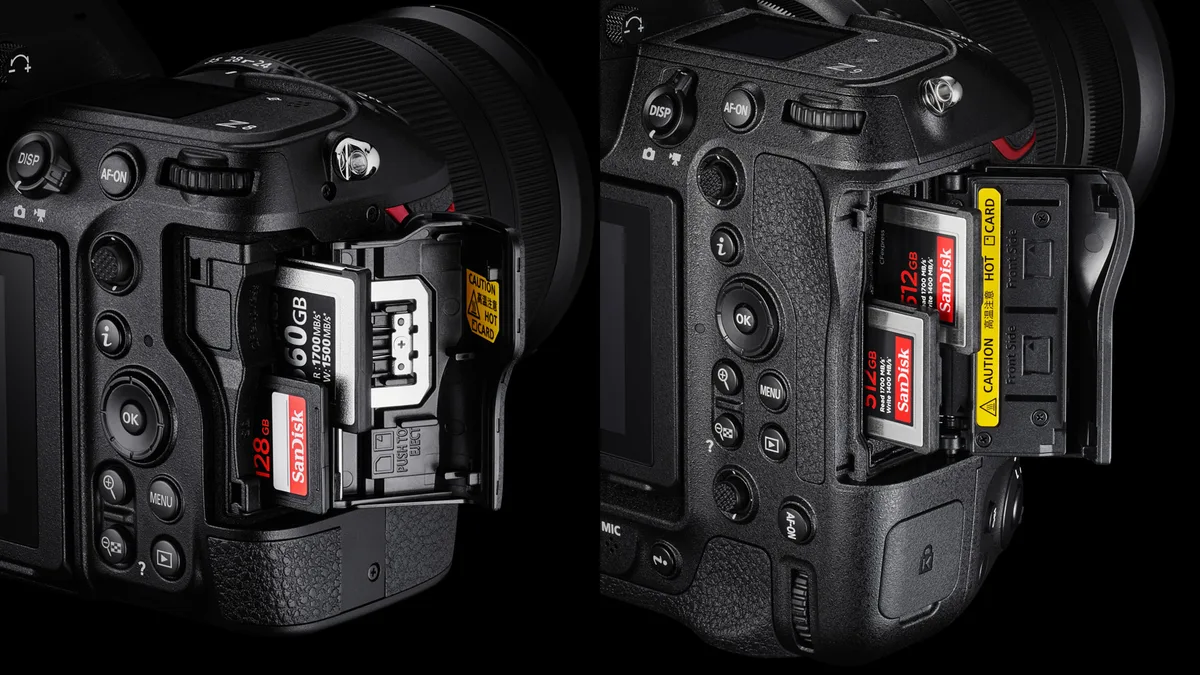
Image source: Bing (Web (fair-use with source credit))
Branch 1: "This Card Cannot Be Used" Error
This error usually means the card is not formatted correctly or is incompatible.
Step 1: Check the card type. The Z9 only accepts CFexpress Type B and XQD cards. If you're using a CFexpress Type A, Type C, or any SD card, it won't work. The slot is physically different.
Step 2: Format the card in the camera. Go to the Setup menu. Select Format memory card. Choose the slot with the error.
Confirm. This creates the correct file system (exFAT with a 64KB allocation unit size).
Step 3: If formatting fails, try a different card. If the new card works, the old card is likely dead or corrupted beyond repair.
Step 4: If all cards fail, update the firmware. Download the latest firmware from Nikon's support site. Copy it to a card that works in another device. Insert it into the Z9 and follow the update procedure.
Branch 2: Intermittent Errors During Burst Shooting
This error happens during high-speed shooting. The camera writes a few frames, then stops and shows "Card error."
Step 1: Check the card's write speed. The Z9 needs a sustained write speed of at least 900 MB/s for 20 fps RAW shooting. Check the card's specs. If it's rated below 900 MB/s, it's too slow.
Step 2: Check the card's temperature. CFexpress cards get hot during continuous shooting. If the card overheats, it will throttle and slow down. The Z9 detects this and throws an error.
Let the card cool for a few minutes.
Step 3: Try a known-good high-speed card. If the error disappears with a faster card, your current card is the bottleneck. Upgrade to a card rated for at least 1700 MB/s read and 1400 MB/s write.
Branch 3: Error After Firmware Update
This is a common issue. The firmware update process itself can corrupt the card's file system.
Step 1: Format the card in the camera. The update process writes temporary files to the card. If those files are left behind, they can cause errors. Formatting clears them.
Step 2: Reinstall the firmware. If formatting doesn't fix it, the firmware file itself might be corrupted. Download it again. Copy it to a freshly formatted card.
Install it again.
Step 3: Check the firmware version. Make sure you installed the correct version. The Z9 requires firmware files with a specific naming convention. A wrong file can cause the camera to fail to recognize the card.
Branch 4: Card Works in One Slot but Not the Other
This points to a hardware issue with the slot itself.
Step 1: Check the slot for debris. Use a flashlight to look inside the slot. Dust, lint, or a small piece of plastic can prevent the card from making full contact. Use compressed air to clean it.
Step 2: Check the pins. The CFexpress slot has spring-loaded pins. If one is bent or broken, the card won't connect. You'll need a professional repair for this.
Step 3: Test with multiple cards. If every card works in Slot 1 but fails in Slot 2, the slot is faulty. Contact Nikon service.
Branch 5: Error After Using Card in a Different Camera
This is a common issue when swapping cards between brands. Each camera formats the card differently.
Step 1: Format the card in the Z9. This is almost always the fix. The Z9's file system structure is different from Sony or Canon cameras.
Step 2: If the card shows "Card not formatted" after formatting, try a computer format. Use a card reader. Format the card in exFAT with a 64KB allocation unit size. Use Master Boot Record (MBR) partitioning, not GUID Partition Table (GPT).
Step 3: Reinsert the card into the Z9. Format it again in the camera. This should resolve the issue.
Mistakes to Avoid / Common Errors
Formatting the Wrong Way (and Why It Makes Things Worse)
The Z9 expects a specific format. If you format a card on your computer with the wrong settings, the camera may not recognize it.
The correct settings are:
- File system: exFAT (not FAT32, not NTFS)
- Allocation unit size: 64KB (not the default 128KB)
- Partition scheme: Master Boot Record (MBR) (not GUID Partition Table)
If you use NTFS, the Z9 can't write to the card. If you use FAT32, the card won't support files larger than 4GB, which breaks 8K video recording. If you use GPT, the camera may not recognize the card at all.
Using a Card That's Too Slow for 8K or N-RAW
The Z9 records 8K N-RAW at up to 60 frames per second. That's a massive amount of data. The card must sustain a write speed of at least 900 MB/s for video, and even higher for 20 fps RAW bursts.
Many budget CFexpress cards are rated for 700 MB/s or less. They work fine for 4K video or low-speed shooting. But they will throw errors in 8K or high-speed burst mode.
Check the card's rated write speed. Look for Video Performance Guarantee (VPG) ratings. Cards with VPG 400 or higher are safe for the Z9.
Ignoring the Slot Lock Mechanism
The Z9's card slots have a physical lock that prevents the card from being ejected accidentally. But if the lock is dirty or damaged, it can cause the camera to think no card is inserted.
If you see "No card in slot" with a card fully inserted, check the lock mechanism. Try inserting and removing the card several times. This can sometimes free a stuck lock.
The "Just Buy a New Card" Trap
It's tempting to throw money at the problem. But a new card won't fix a dirty slot, a bent pin, or a firmware bug. Before you buy a new card, rule out camera-side issues.
Try a known-good card first. If that works, buy a new card. If it doesn't, the camera needs repair.
You can find more guidance on troubleshooting hardware issues in guides for other devices, like the setup process for a VIOFO A229 Pro.
Ejecting While the Camera Is Still Writing
This is the most common cause of card corruption. The Z9 writes data to the card even after you stop shooting. The buffer needs time to clear.
If you eject the card while the buffer is still writing, you corrupt the file system.
Always wait for the green activity light to go out before removing the card. Even then, wait an extra second. A few seconds of patience saves hours of data recovery.
Real Scenarios / Case Examples
Scenario 1: The Wedding Photographer's Slot Failure
A wedding photographer was shooting a ceremony. The Z9 was set to backup mode, writing to both slots. Partway through the procession, the camera stopped.
The top LCD showed "Card error" on Slot 2.
The photographer swapped the card from Slot 2 to Slot 1. It worked fine. They put a different card in Slot 2.
It also failed. The issue was the slot, not the card.
A repair shop found a bent pin in Slot 2. The pin had been damaged by inserting a card at an angle. The repair cost about $200 and took a week.
The lesson is simple. Insert cards straight. Never force them.
Scenario 2: The Firmware Update That Broke Card Recognition
A wildlife photographer updated the Z9 firmware from version 3.10 to 5.00. The update went smoothly. But after the restart, the camera displayed "This card cannot be used" for both slots.
The photographer tried formatting the cards in the camera. The camera refused. They tried formatting the cards on a computer.
The camera still refused. They tried a brand-new card. Same error.
The fix was a second firmware update. The original download was corrupted. After downloading the firmware file again and reinstalling it, the camera recognized all cards.
The error was a bad file, not a bad card.
Scenario 3: Cross-Brand Card Swap Gone Wrong
A sports photographer used a Sony CFexpress card in a Sony A1 for a week. They then inserted the same card into the Z9 for a different assignment. The Z9 showed "Card not formatted."
They formatted the card in the Z9. The camera worked fine for the rest of the day. The issue was that Sony's formatting creates a slightly different partition layout.
The Z9's format overwrote it and fixed the problem.
This is the most common scenario. Cross-brand card swaps almost always require an in-camera format. Always format the card in the camera you're about to use.
Expert Tips / Pro Advice
How to Test If a Card Is Truly Dead
Insert the card into a computer using a card reader. If the computer recognizes it, the card is likely fine. The issue is probably the camera's formatting or slot.
If the computer doesn't recognize it, try a different card reader. If that also fails, the card's controller chip may be dead. Data recovery is possible but expensive.
Professional recovery services charge $300 to $1000 for CFexpress cards.
If the computer recognizes the card but you can't access files, try running a file system check. On Windows, use chkdsk. On Mac, use Disk Utility's First Aid.
This can fix minor corruption.
The Right Way to Clean Card Contacts and Slots
Use a lint-free cloth or a microfiber cloth. Dampen it slightly with isopropyl alcohol (90% or higher). Gently wipe the gold contacts on the card.
Let it dry completely before inserting.
For the slot, use compressed air. Spray short bursts into the slot. Hold the can upright to avoid moisture.
Never use a liquid cleaner inside the slot. Never insert a cloth or cotton swab. You can damage the pins.
If compressed air doesn't work, the slot may need professional cleaning. This is a repair shop job. Don't try to clean it yourself with tools.
When to Update Firmware vs. When to Downgrade
Update firmware when you're experiencing card compatibility issues. Each new version improves card support. The latest version 5.00 includes fixes for several card recognition bugs.
Downgrade firmware only if a new version introduces a new error. This is rare, but it happens. If you upgrade and your previously working cards start failing, the firmware may have a bug.
Check Nikon's support site for known issues with the current version.
To downgrade, you need to download the older firmware file. The process is the same as upgrading. The update process is similar to updating other devices, like the DJI Pocket 2.
Building a Reliable Card Workflow for Critical Shoots
Use two cards in backup mode. This means every file is written to both cards. If one card fails, you have a copy on the other.
Label your cards. Use a permanent marker or labels. Write the date you first used the card.
This helps you track card age and usage.
Replace cards every 12 to 18 months. CFexpress cards have a limited number of write cycles. After heavy use, they become less reliable.
Treat them as consumables.
Format cards in the camera before each shoot. This clears the file system and reduces the chance of corruption. Don't just delete files.
Format the card.
Redundancy Strategies: Backup Cards, Backup Slots, Backup Bodies
Carry at least three cards. Two in the camera, one in your pocket. If a card fails, you have a spare.
Use the Z9's dual slots strategically. Set Slot 1 to RAW and Slot 2 to JPEG. This gives you a backup with smaller file sizes.
Or set both to RAW for full redundancy.
If you're shooting a critical event, bring a second body. The Z9 is reliable, but no camera is perfect. A second body with a card already inserted is your ultimate backup.
Keeping the Z9's sensor clean is also important for image quality, and you can find guidance on Nikon Z9 sensor cleaning.
Maintenance / Long-Term Optimization
How Often to Format Cards (and When Not To)
Format cards before every shoot. This clears the file system and reduces fragmentation. It also removes any temporary files that might cause errors.
Don't format cards that still have unbacked-up files. Always transfer your files to a computer or hard drive first. Then format the card.
Don't format cards on a computer. The Z9's in-camera format creates the correct file system. Computer formatting can use the wrong settings.
Always format in the camera.
Tracking Card Health: What to Watch For
Watch for these warning signs:
- Slower write speeds during burst shooting
- Intermittent errors that come and go
- Longer than usual buffer clearing times
- The card feels hotter than usual after use
If you notice any of these, replace the card. Don't wait for a full failure. The cost of a new card is much lower than the cost of lost data.
Some CFexpress cards have health monitoring software. You can check the card's remaining lifespan on a computer. This is a useful tool for heavy users.
Firmware Update Best Practices for Card Compatibility
Always read the release notes before updating. Nikon lists which issues are fixed in each version. If the update doesn't mention card compatibility, you may not need it.
Use a freshly formatted card for the update. Don't use a card with other files on it. The update process works best with a clean card.
Keep the camera plugged in during the update. A power failure during a firmware update can brick the camera. Use a fully charged battery or an AC adapter.
After the update, format all your cards in the camera. The new firmware may change how the camera handles the file system. A fresh format ensures compatibility.
When to Retire a Card (Signs of Wear)
Retire a card when:
- It has been used for more than 18 months of regular shooting
- You've seen any error message related to that card
- The card's write speed has dropped noticeably
- The card has been exposed to extreme temperatures or moisture
Don't throw the card away. Use it for non-critical work, like time-lapses or test shots. Or repurpose it as a backup drive for your computer.
But don't trust it for important shoots.
Frequently Asked Questions
Can I use XQD cards in the Z9?
Yes. The Z9 accepts both CFexpress Type B and XQD cards. XQD cards are slower but fully compatible.
You can mix them between slots. Just note that XQD cards may limit your burst depth and video recording options.
Will a card error corrupt my existing images?
No. Card errors prevent new data from being written. They don't usually affect existing images on the card.
As long as you don't format the card, your previous files should be safe. Transfer them to a computer before troubleshooting.
Should I send my Z9 in for repair if the error persists?
Only if you've ruled out card issues. Test with multiple known-good cards. Test both slots.
Update the firmware. Clean the card contacts. If the error persists after all these steps, the camera likely needs service.
Contact Nikon support.
Does using a third-party card void the warranty?
No. Using a third-party CFexpress card does not void the Z9 warranty. However, if a card physically damages the slot (bent pins, for example), the slot repair may not be covered.
Nikon's warranty covers manufacturing defects, not damage from accessories.
How do I recover data from a card that shows an error?
Stop using the card immediately. Remove it from the camera. Use a card reader to connect it to a computer.
If the computer recognizes it, copy the files. If not, try recovery software like Recuva or PhotoRec. If that fails, contact a professional data recovery service.

Similar Posts