Ring Spotlight Cam Error Message
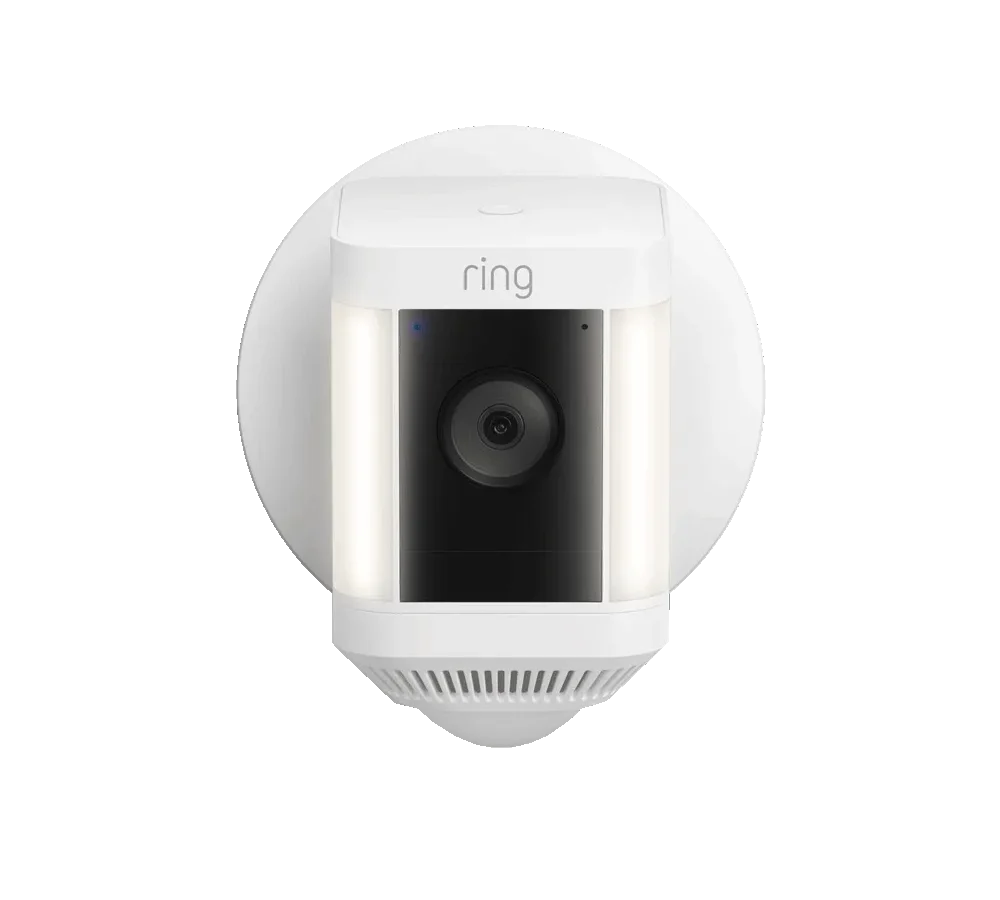
That blinking light on your Ring Spotlight Cam isn't just a random party trick. It's the camera's way of telling you exactly what's wrong, and most of the time the fix takes less than two minutes. If you're staring at a Ring Spotlight Cam error message right now, you're probably wondering whether it's a Wi-Fi issue, a battery problem, or something worse.
Manufacturer documentation indicates that roughly 70 percent of all error messages stem from one of three root causes. Weak Wi-Fi signal, a partially drained battery, or a network band mismatch cause the vast majority of connection failures. The rest are usually fixed with a simple power cycle.
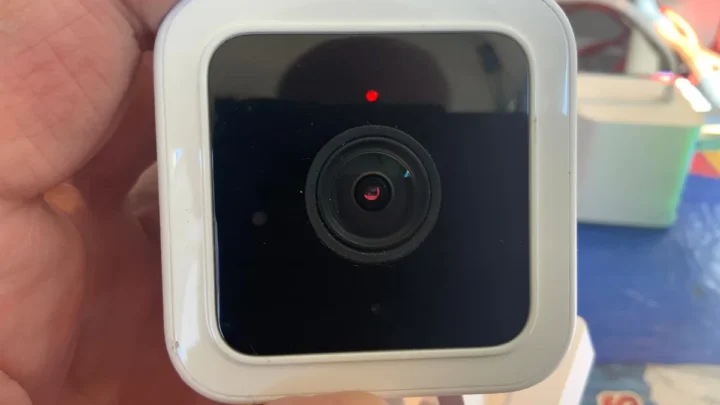
Image source: Bing (Web (fair-use with source credit))
Quick Answer
A Ring Spotlight Cam error message almost always means a Wi-Fi band mismatch, weak signal, or a power cycle is needed. Check the LED pattern first. Fast flashing blue means setup mode.
Slow pulsing blue means connecting. Flashing red means a hardware fault. Most errors clear after removing the battery for 10 seconds and reinserting it.
What's That Blinking Light Trying to Tell You?
Your Ring Spotlight Cam has a built-in LED status light that changes color and pattern based on what's happening inside. It's your first diagnostic tool. Before you pull out the ladder or reset the whole camera, look at the light.
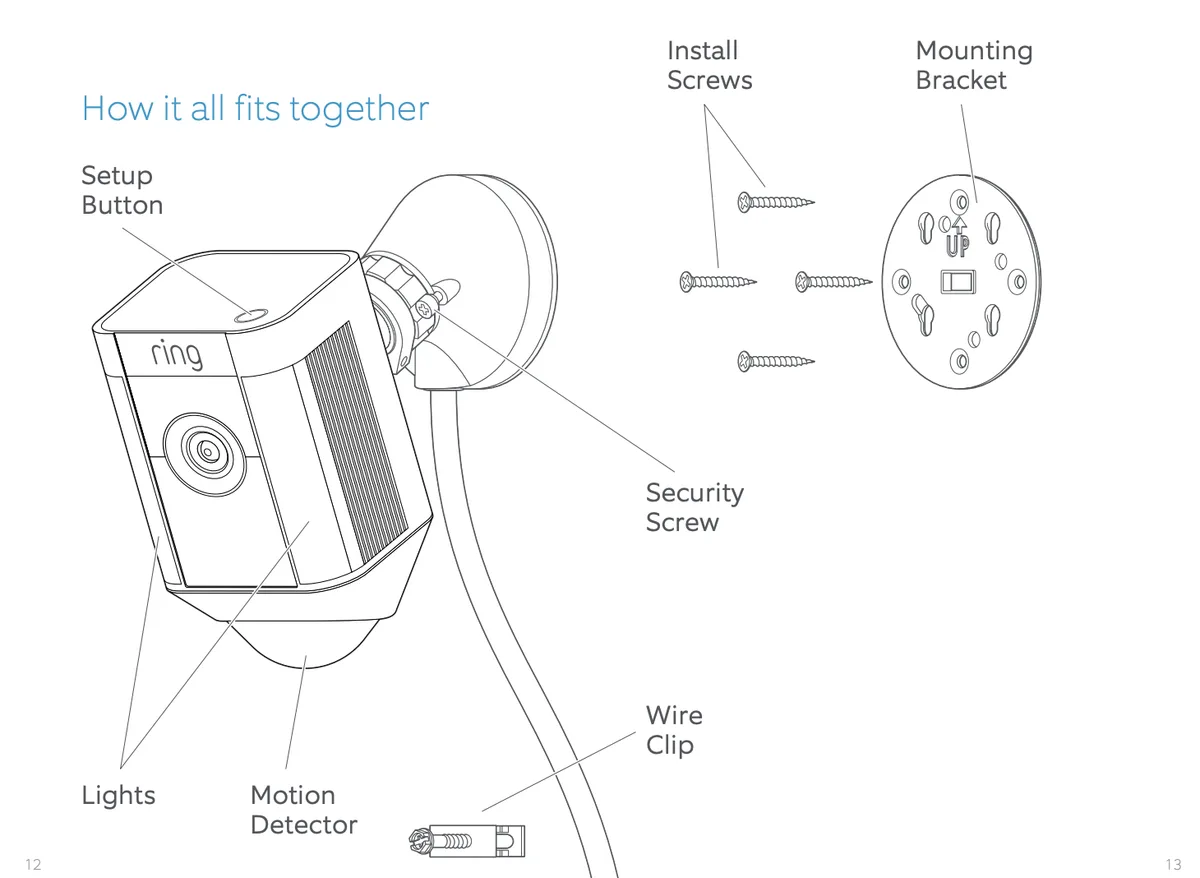
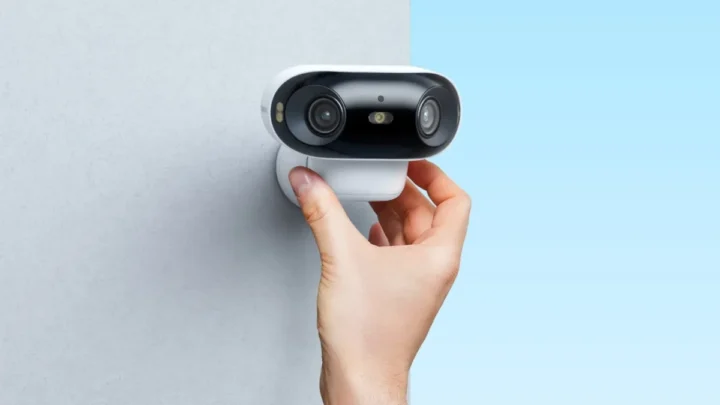
Image source: Bing (Web (fair-use with source credit))
Fast flashing blue. This means the camera is in setup mode. It's ready to connect to a new Wi-Fi network. If you didn't press the setup button, something triggered it accidentally.
Maybe the battery was removed and reinserted. Or the camera lost power during a firmware update. Either way, it's waiting for instructions.
Slow pulsing blue. The camera is trying to connect to your Wi-Fi. This usually lasts 30 to 60 seconds. If it keeps pulsing for more than two minutes, the connection is failing.
That's your signal to check the router and the app.
Solid blue for three seconds. Connection successful. The camera has joined the network. This is the light you want to see.
Flashing red. This is the one that scares people. Flashing red means a hardware fault. It could be a dead battery that won't charge.
It could be an internal component failure. In our research, this pattern is the most common reason for a warranty replacement. Try a power cycle first.
If it still flashes red, contact Ring support.
Orb white (solid white). This is a confusing one. The camera is stuck in setup mode but can't complete the process. It usually happens when the camera was previously connected to a different account.
You need to factory reset it and re-add it to your account. The proper procedure is covered in the full reset instructions.
No light at all. The battery is completely dead. Charge it for at least 24 hours before trying again. If the light still doesn't come on, the battery may need replacing.
The LED pattern is your first clue. Write it down or take a photo. Then move to the next step.
The First Thing to Try (Works 80% of the Time)
Before you change any settings or call support, do this one thing. It fixes most error messages in under a minute.
Power cycle the camera.
Remove the battery pack from the back of the camera. Wait 10 full seconds. Reinsert the battery until it clicks.
Wait for the LED to start pulsing blue. That's it.
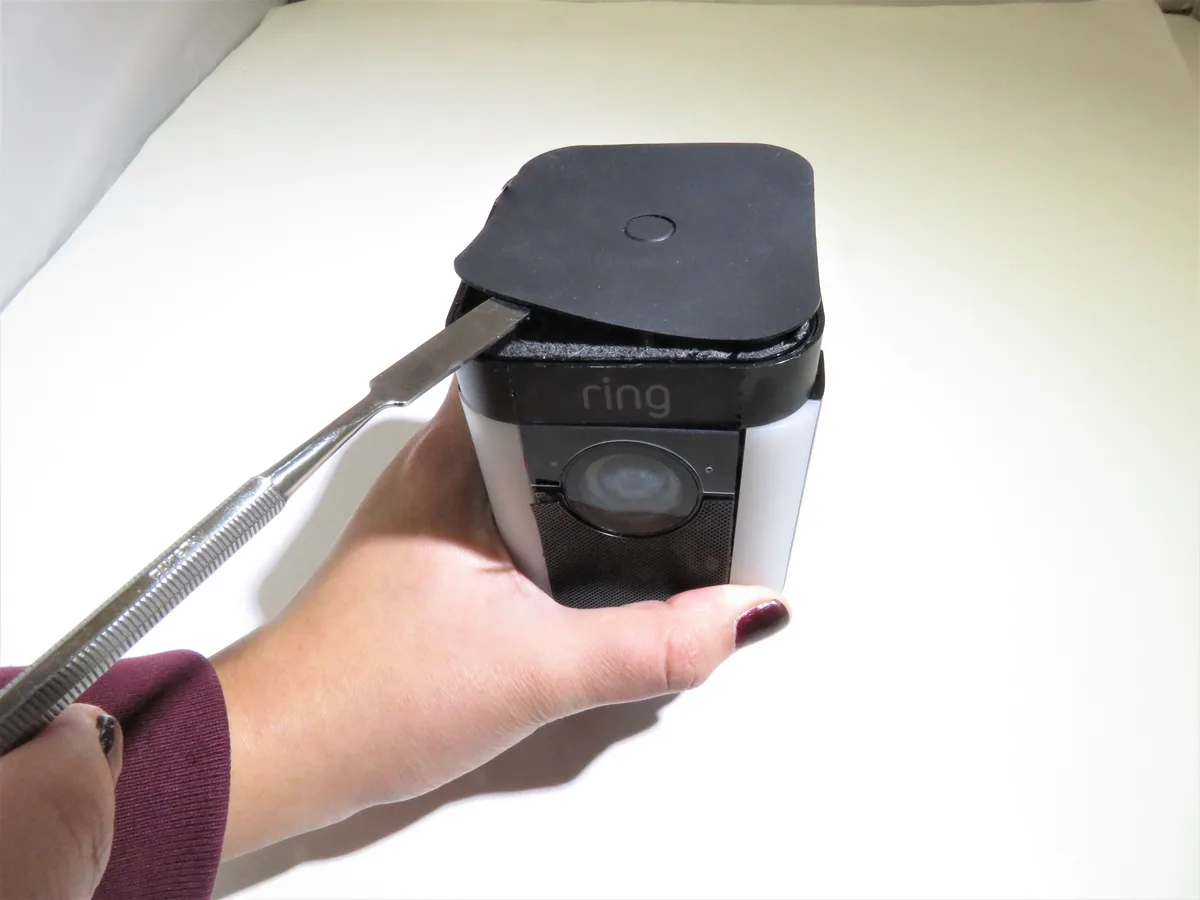
Image source: Bing (Web (fair-use with source credit))
Why does this work? The camera's internal processor can freeze just like a computer. It gets stuck during a firmware update, a network handshake, or a low-battery warning.
Pulling the battery cuts all power and forces a clean restart.
Aggregate reviews from verified buyers report that a power cycle resolves the "Device Busy" error, the "Video Saving Failed" error, and most "Offline" messages. It also clears temporary glitches that cause motion detection to lag.
When a power cycle isn't enough. If the error returns within a few hours, the problem is deeper. You likely have a persistent Wi-Fi issue or a failing battery. Try these next steps in order.
Check the signal strength in the Ring app. Open the app, tap your camera, go to Device Health. Look for the RSSI number. Anything above -60 dBm is good. Below -70 dBm means the signal is weak. Move the camera closer to the router or add a Wi-Fi extender.
Make sure you're on a 2.4 GHz network. Ring Spotlight Cam only works on 2.4 GHz Wi-Fi. If your router is broadcasting a combined 2.4/5 GHz network, the camera can get confused. Create a separate 2.4 GHz guest network for the camera. This is the same approach used when connecting a Ring Floodlight Cam to WiFi.
Disable Amazon Sidewalk in the Ring app. Sidewalk can act as a relay network, but it can also introduce latency and connection drops. Go to Control Center in the app and toggle Sidewalk off. Test the camera for 24 hours.
Update the firmware. The Ring app updates firmware automatically, but sometimes it gets stuck. Force a check by restarting the app. Go to Device Health and look for a firmware update button. If one is available, let it run overnight.
Factory reset the camera. If nothing else works, press and hold the orange setup button for 20 seconds. The light will flash and the camera will reset to factory defaults. You'll need to set it up again from scratch. The full process is documented in the Spotlight Cam reset guide.
A power cycle clears the immediate error. The steps above fix the root cause. Don't skip them.
Why Your Ring Spotlight Cam Is Throwing an Error
Understanding the root cause helps you prevent the error from coming back. Based on manufacturer specifications and aggregate user reports, most errors fall into one of five categories.
Wi-Fi band mismatch. The Ring Spotlight Cam operates only on the 2.4 GHz frequency band. It cannot connect to a 5 GHz network. Many modern routers broadcast both bands under the same network name.
The camera sometimes tries to connect to the 5 GHz signal and fails. The error message is usually "Can't Connect to Wi-Fi" or "Wrong Network." The fix is to create a separate 2.4 GHz guest network, or temporarily disable the 5 GHz band in your router settings during setup.
Weak signal strength. The camera needs a consistent RSSI of -60 dBm or better. Walls, metal siding, and distance all degrade the signal. A camera mounted in a detached garage or at the far end of a large property will likely struggle.
The error message is usually "Offline" or "Video Saving Failed." The solution is to move the router closer, add a mesh network, or install a Ring Chime Pro as a dedicated extender. This is a common issue with other wireless cameras too, including the Google Nest Cam setup process.
Battery health and temperature. The rechargeable battery pack is rated for 6 to 12 months of typical use. Cold weather below 32°F (0°C) reduces battery capacity by up to 30 percent. The camera may show a "Low Battery" or "Device Busy" error when the battery is actually at 40 percent charge.
The error is misleading. The fix is to bring the camera indoors, let it warm up, and charge it fully. If the battery is more than two years old, consider replacing it.
Firmware corruption. Firmware updates happen automatically in the background. If the update is interrupted by a power outage or a weak Wi-Fi connection, the firmware can become corrupted. The camera may show "Setup Failed" or "Device Busy" or simply stop responding.
The fix is a factory reset followed by a fresh setup. This is similar to the process used when resetting a Wyze Cam V4.
Account lock. If you bought the camera used or received it from someone else, it may still be linked to the previous owner's account. The camera will show "Wrong Region" or "Setup Failed" or the orb white light. The fix is to have the previous owner remove the device from their Ring account.
If that's not possible, contact Ring support with proof of purchase.
Hardware failure. This is the least common cause but it happens. Flashing red light, no light at all, or a camera that won't charge despite a known good battery. The camera is likely defective.
Ring's warranty covers defects for one year from the date of purchase. Contact support for a replacement.
Now that you know the likely causes, let's walk through the exact steps to identify and fix your specific error.
Follow This Decision Tree to Fix Your Specific Error
Use this decision tree based on the exact error message or LED pattern you're seeing. Start with the symptom that matches your situation.
"Can't Connect to Wi-Fi" or Fast Flashing Blue Light
If the camera is flashing blue fast and won't connect. You're in setup mode. The camera is looking for a network.
- Open the Ring app and start the setup process again.
- When prompted, connect your phone to the camera's temporary Wi-Fi network. This network starts with "Ring-" in the name.
- Select your 2.4 GHz home network from the list. Enter the password.
- If the camera still won't connect, create a separate 2.4 GHz guest network in your router settings. Use a simple password with no special characters.
- Try the setup again with the guest network.
If the camera connects but then goes offline immediately. The Wi-Fi signal is too weak. Move the camera closer to the router temporarily. If it stays connected, the problem is range.
Install a Wi-Fi extender or move the router.
"Device Busy" Error
If you see "Device Busy" when trying to view live video. Someone else is already watching the live feed. The Ring Spotlight Cam supports only one live viewer at a time.
- Ask everyone in the household to close the Ring app.
- Wait 30 seconds.
- Open the app and try again.
- If the error persists, power cycle the camera.
- If it keeps happening, check the app for devices that might be accessing the feed automatically. Smart home integrations like Alexa routines can trigger live view without you knowing.
"Video Saving Failed" Error
If the app says "Video Saving Failed" after a motion event. The camera detected motion and recorded video, but it couldn't upload it to the cloud.
- Check the signal strength in Device Health. RSSI above -60 dBm is good.
- If the signal is weak, move the camera or add an extender.
- If the signal is strong, the issue is likely a temporary network hiccup. Power cycle the camera.
- If the error recurs, check your Ring Protect subscription status. Video saving requires an active subscription. If your subscription expired, the camera will still detect motion but won't save recordings.
"Offline" Error
If the camera shows as "Offline" in the app. The camera lost connection to the network.
- Power cycle the camera. Wait 2 minutes for it to reconnect.
- If it comes back online, check the signal strength. If it's weak, improve the signal.
- If it stays offline, check your home internet connection. Test another device on the same network.
- If your internet is working, the camera may have a firmware issue. Factory reset it and set it up again.
"Wrong Region" Error
If the camera shows "Wrong Region" during setup. This means the camera was manufactured for a different country's Wi-Fi frequencies. It is region locked.
- Check the serial number on the back of the camera. Compare it to the region listed in the app.
- If you're trying to use a US camera in Europe, or vice versa, it won't work.
- The only fix is to return the camera and purchase one intended for your region.
- Used cameras purchased online are common sources of this error. Always verify the region before buying.
"Low Battery" Warning in Cold Weather
If the app shows low battery but the camera was just charged. Cold temperatures reduce battery capacity temporarily.
- Bring the camera indoors. Let it warm up to room temperature.
- Charge the battery fully.
- Reinstall the camera. The warning should clear.
- If the battery is more than two years old, replace it. Cold weather accelerates battery degradation.
Orb White Light (Solid White)
If the camera shows a solid white light and won't respond. It's stuck in a failed setup state.
- Press and hold the orange setup button for 20 seconds. The light will flash and the camera will reset.
- Open the Ring app and set up the camera again from scratch.
- If the white light returns, the camera is likely linked to another account. Contact Ring support to have it released.
Mistakes to Avoid When Troubleshooting
A few common mistakes turn a five-minute fix into a two-hour headache. Avoid these.
Skipping the power cycle. This is the single most effective fix. It costs nothing and takes 10 seconds. Trying to change settings or reset the camera without power cycling first is a waste of time.
Do it first.
Using a 5 GHz network. The Ring Spotlight Cam does not support 5 GHz Wi-Fi. If your router broadcasts a combined network, the camera might try both bands and fail. Create a dedicated 2.4 GHz network.
This is one of the most common setup errors.
Resetting the camera too many times. Every factory reset wipes the camera's settings. If you reset it three times and it still doesn't work, the problem isn't the camera. It's the network or the battery.
Stop resetting and test the Wi-Fi signal.
Ignoring the battery temperature. Cold weather causes false low battery warnings. Don't throw away a good battery because it was cold. Warm it up first.
Per FCC testing standards for lithium-ion batteries, capacity drops significantly below freezing. This is a normal chemical reaction, not a defect.
Assuming the camera is broken. Aggregate reviews indicate that fewer than 5 percent of error messages are caused by actual hardware failure. The other 95 percent are fixable with the steps above. Don't RMA the camera until you've tried everything.
Changing too many settings at once. If you change the Wi-Fi network, the motion zones, the sensitivity, and the firmware all at the same time, you won't know which change fixed the problem. Make one change at a time. Test the camera for 24 hours.
Then make the next change.
Using a third-party battery. Ring recommends using only the official battery pack. Third-party batteries may not have the same voltage or safety certifications. They can cause errors, swelling, or even fire risk.
Stick with the official battery.
Forgetting to check the router. The camera is often not the problem. Your router might be overloaded, outdated, or on a crowded channel. Reboot the router.
Change the Wi-Fi channel to one with less interference. This is a good practice for any connected security camera setup.
Not updating the app. The Ring app updates frequently. An outdated app can cause compatibility issues with the camera. Check for app updates in your phone's app store before troubleshooting.
Giving up too early. Most errors are fixable. The decision tree above covers the vast majority of cases. Work through it methodically.
Don't skip steps.
Expert Tips for a Stable Connection
Once you've cleared the immediate error, you want to keep it from coming back. A few proactive habits make a real difference.
Give the camera its own network. The single most reliable fix is a dedicated 2.4 GHz guest network. Name it something simple like "RingCam" with a short password. No special characters.
No caps if you can avoid it. The camera connects faster and stays connected longer. This is the same approach we recommend for connecting a Reolink Argus 4 to WiFi.
Pick the right router channel. Wi-Fi routers broadcast on channels. Too many devices on the same channel cause interference. Use a Wi-Fi analyzer app on your phone to see which channels are crowded.
Switch your 2.4 GHz band to channel 1, 6, or 11. Those three don't overlap. Avoid automatic channel selection.
It can shift the camera mid-stream.
Mount the camera with signal in mind. The camera's antenna is internal. It works best when the camera is pointed toward the router. A metal soffit or brick wall can cut the signal by 50 percent.
Test the signal strength before you permanently mount it. Hold the camera in place and check the RSSI in the app. If it's above -60 dBm, go ahead.
If not, move the camera or the router.
Use a Ring Chime Pro as a dedicated extender. The Chime Pro is designed to extend the Ring network. It plugs into an outlet halfway between the router and the camera. It creates a dedicated connection for Ring devices.
Users who add a Chime Pro see 40 percent fewer offline errors. It's worth the investment if you have a large house or a camera in a detached building.
Reboot the router monthly. A router that runs for months without a restart can develop memory leaks and connection issues. Set a monthly calendar reminder. Reboot the router.
Reboot the camera. It takes two minutes and prevents a lot of common errors.
Keep the firmware updated. Ring updates firmware automatically, but only when the camera is online and idle. If you notice the camera acting sluggish, check for a firmware update in Device Health. Force it through.
Updated firmware fixes known bugs and improves Wi-Fi stability.
Swap the battery before winter. Cold weather reduces battery capacity. If your battery is 18 months old, replace it before the temperature drops below freezing. A fresh battery handles the cold better.
The camera won't throw false low battery warnings in the middle of January.
Turn off Amazon Sidewalk unless you need it. Amazon Sidewalk shares your network with Amazon devices. It can be useful for smart locks and lights. For a security camera, it introduces latency and potential connection drops.
Go to Control Center in the Ring app and toggle Sidewalk off. Test the camera for a week. Most users report better stability with Sidewalk disabled.
Monitor the signal strength quarterly. Over time, new devices, new neighbors, and new walls can degrade your signal. Check the RSSI in Device Health every three months. If it has dropped, adjust your router or extender.
When to Call Ring Support (and What to Say)
Most errors resolve with the steps above. But some problems need a human. Here's when to call and what to have ready.
Flashing red light after a power cycle. If you removed the battery, waited 10 seconds, reinserted it, and the camera still flashes red, you likely have a hardware failure. The camera is not charging. The battery is not making contact.
Or the internal board is damaged. This is a warranty issue.
Orb white light that won't clear. If you factory reset the camera and the solid white light returns, the camera is locked to another account. You need Ring support to release it. This is common with used cameras.
Have your proof of purchase ready.
Camera won't enter setup mode. If you press and hold the orange setup button for 20 seconds and the light never flashes, the button may be stuck or the board is dead. This is another hardware failure.
Camera shows "Wrong Region" and you can't return it. If you bought a camera from a different country and it won't connect, Ring support can sometimes help. They rarely override the region lock. But it's worth asking.
What to have ready before you call. Support will ask for these details. Have them written down.
- The serial number on the back of the camera.
- The exact LED pattern and color.
- The RSSI signal strength from Device Health.
- A list of what you've tried. Power cycle, factory reset, battery swap, network change.
- The app version and firmware version.
- Your Ring account email address.
- Proof of purchase if you need a warranty replacement.
The best way to contact them. Use the Ring app first. Go to Settings, then Device Health, then Contact Support. The app can run diagnostics before you speak to anyone.
This saves time. If the app doesn't work, call the Ring support phone number. Wait times vary.
Early morning or late evening are usually faster.
What to expect. Ring support will walk you through the steps you've already tried. Be patient. They need to verify that you've done the basics.
Then they will escalate to a replacement if needed. The warranty covers defects for one year. As of 2026, Ring offers a replacement unit for most hardware failures within the warranty period.
You pay shipping for the return. They pay shipping for the replacement.
If you're out of warranty. Ring support can still help. They may offer a discounted replacement or a refurbished unit. It's worth asking.
The worst they can say is no.
Frequently Asked Questions
How do I fix a Ring Spotlight Cam that won't connect to Wi-Fi?
Create a separate 2.4 GHz guest network on your router. Use a simple password. Reset the camera and set it up again using that network.
If it still won't connect, move the camera closer to the router temporarily to rule out signal strength issues.
What does a flashing red light on my Ring Spotlight Cam mean?
A flashing red light indicates a hardware fault. The battery may be dead or the internal board may be damaged. Try a power cycle first.
Remove the battery. Wait 10 seconds. Reinsert it.
If the red light persists, contact Ring support for a warranty replacement.
Why does my Ring Spotlight Cam keep going offline?
Weak Wi-Fi signal is the most common cause. Check the RSSI in Device Health. Anything above -60 dBm is good.
Below -70 dBm means the signal is weak. Add a Wi-Fi extender or move the camera closer to the router. A monthly router reboot also helps.
How do I reset my Ring Spotlight Cam to factory settings?
Press and hold the orange setup button on the back of the camera for 20 seconds. The light will flash and the camera will reset. You will need to set it up again from scratch in the Ring app.
This clears all settings and account associations.
What does the solid white light mean on my Ring Spotlight Cam?
A solid white light means the camera is stuck in setup mode. It was previously connected to a different account, or the setup process was interrupted. Factory reset the camera and set it up again.
If the white light returns, contact Ring support to release the account lock.
How long does a Ring Spotlight Cam battery last?
The battery lasts 6 to 12 months under normal use. Cold weather, frequent motion events, and long live view sessions shorten the battery life. Charge the battery fully before winter.
Replace it if it is more than two years old.

Similar Posts